


Repetition is one of the most striking features of psychosomatic phenomena. Individuals often report that certain symptoms recur in similar contexts, follow recognizable patterns, or persist even when initial triggers are no longer present. This cyclical nature suggests that symptoms are not random occurrences but learned responses embedded within complex regulatory systems. The question, therefore, is not merely why symptoms appear, but where—and how—they acquire the capacity to repeat. To explore this, it is necessary to move beyond linear cause-and-effect models and instead consider the organism as a dynamic system that learns through experience. In this framework, symptoms are not isolated events but outputs of processes shaped by prior activation, interpretation, and adaptation. Repetition emerges when these processes stabilize into patterns that are reactivated under specific conditions. One of the primary mechanisms underlying repetition is associative learning. When a physiological response occurs in conjunction with a particular emotional or contextual state, the two may become linked. Over time, this linkage can become automatic, such that the presence of the context or emotional cue alone is sufficient to trigger the physiological response. This process does not require conscious awareness; it operates through implicit learning systems that encode patterns of co-occurrence. For example, if heightened physiological arousal is repeatedly experienced in situations perceived as threatening, the organism may begin to associate those contexts with activation. Eventually, even subtle cues resembling the original context may be sufficient to elicit the same response. The response, once adaptive, becomes generalized and persistent, forming the basis of symptom repetition. This generalization is reinforced by predictive mechanisms within the brain. Rather than passively responding to stimuli, the brain actively anticipates what is likely to occur based on prior experience. These anticipations shape perception and physiological readiness. When a particular pattern has been learned, the system may begin to predict its recurrence, effectively preparing for it in advance. Such predictions can become self-confirming. Anticipation of discomfort or dysfunction may lead to heightened vigilance and physiological activation, which in turn produces sensations consistent with the expectation. The resulting experience reinforces the original prediction, strengthening the pattern and increasing the likelihood of future repetition. Interoception plays a critical role in this cycle. The monitoring of internal signals provides continuous feedback about physiological states. In individuals prone to symptom repetition, interoceptive sensitivity may be heightened, making subtle fluctuations more noticeable. This increased sensitivity can amplify signals that would otherwise remain below the threshold of awareness. However, it is not sensitivity alone that sustains repetition, but the interpretation of these signals. When internal sensations are consistently interpreted as meaningful or threatening, they become focal points of attention. This attentional focus enhances their salience, increasing both their perceived intensity and their psychological significance. Cognitive schemas further shape these interpretations. Schemas are organized patterns of belief that influence how information is processed. In the context of psychosomatic symptoms, schemas related to vulnerability, control, or health may bias perception toward identifying and emphasizing signs of dysfunction. These schemas guide both attention and interpretation, reinforcing the conditions under which symptoms are likely to repeat. Memory systems provide the substrate for these schemas and associations. Each instance of symptom experience contributes to a network of stored information linking context, sensation, and meaning. Over time, this network becomes increasingly structured, allowing for rapid activation when relevant cues are encountered. Importantly, memory in this context is not limited to explicit recollection. Implicit memory systems encode patterns of response that can be activated without conscious awareness. These systems are particularly relevant in understanding why symptoms may recur even when individuals do not consciously anticipate them. Emotional processes are deeply intertwined with these mechanisms. Affect can serve as both a trigger and a consequence of symptom repetition. Emotional states such as anxiety or tension can activate physiological responses, which are then experienced as symptoms. These symptoms, in turn, may intensify the emotional state, creating a recursive loop. This loop is sustained by regulatory dynamics. When the system attempts to reduce discomfort through avoidance or control strategies, it may inadvertently reinforce the underlying pattern. Avoidance prevents exposure to corrective experiences, while excessive control efforts can increase focus on the symptom, amplifying its presence. Behavioral reinforcement further contributes to repetition. If certain responses to symptoms—such as withdrawing from activity or seeking reassurance—provide temporary relief, they may become habitual. These behaviors, while adaptive in the short term, can maintain the conditions under which symptoms persist. Social context also plays a role in shaping repetition. Interpersonal responses to symptoms can influence how they are experienced and expressed. Attention, validation, or concern from others may reinforce the significance of symptoms, while misunderstanding or dismissal may increase internal focus and distress. These interactions become part of the learning environment in which symptoms are embedded. Cultural frameworks provide additional layers of meaning. Beliefs about health, illness, and the legitimacy of certain experiences shape how symptoms are interpreted and communicated. In some contexts, recurring physical symptoms may be more readily recognized and supported than expressions of emotional distress, reinforcing their repetition as a mode of communication. At the neurobiological level, repetition reflects the strengthening of specific pathways. Repeated activation of neural circuits increases their efficiency, making them more likely to be activated in the future. This process, often described as plasticity, allows the organism to learn from experience but also contributes to the persistence of maladaptive patterns. In the case of chronic symptoms, circuits associated with perception, evaluation, and response become tightly coupled. Activation in one component rapidly propagates through the network, producing a coordinated pattern that is experienced as a symptom. Over time, this pattern can become the default mode of response under certain conditions. Hormonal and immune processes may also be incorporated into these patterns. Repeated activation of stress-related pathways can alter baseline levels of physiological regulation, increasing susceptibility to future activation. These changes create a physiological context in which repetition is more likely. The temporal dimension of repetition is particularly important. Symptoms do not simply recur; they evolve over time. Early instances may be closely
What Sustains Chronic Somatic Distress?
Chronic somatic distress refers to the persistent experience of physical discomfort, dysfunction, or pain that cannot be fully explained by identifiable structural pathology. While such conditions are often approached from a biomedical perspective, psychosomatic frameworks emphasize that these experiences emerge from complex interactions among affective processes, cognitive patterns, physiological regulation, and environmental context. The persistence of such distress raises a central question: what sustains it over time, even when acute triggers are no longer present? At the outset, it is important to clarify that chronic somatic distress is not reducible to either “purely physical” or “purely psychological” causes. Rather, it reflects a dynamic system in which multiple levels of organization interact. The persistence of symptoms depends less on a single initiating factor and more on the stabilization of maladaptive patterns across these levels. One of the key mechanisms involved is dysregulation within autonomic control systems. These systems coordinate physiological responses to internal and external demands. Under normal conditions, activation is followed by recovery, allowing the organism to return to a baseline state. In chronic distress, this oscillation becomes impaired. Activation may remain elevated, recovery may be incomplete, or the system may fluctuate unpredictably between states. This instability produces a background condition of heightened sensitivity. Minor fluctuations that would otherwise go unnoticed become salient and uncomfortable. Over time, the system begins to treat ordinary variations as significant, reinforcing a state of persistent alertness. This heightened sensitivity contributes to the ongoing experience of discomfort, even in the absence of clear external stressors. Interoceptive processing plays a central role in this dynamic. The perception of internal signals is not a passive reflection of physiological activity but an interpretive process shaped by attention, expectation, and prior experience. In chronic somatic distress, interoceptive signals are often amplified and interpreted in ways that increase their perceived intensity. This amplification is closely linked to attentional biases. Individuals may develop a tendency to monitor internal states closely, scanning for signs of discomfort or dysfunction. While such monitoring may initially arise from a desire to understand or control symptoms, it can inadvertently sustain them. Increased attention enhances signal salience, making sensations more prominent and more difficult to ignore. Cognitive appraisal further influences how these sensations are experienced. When internal signals are interpreted as threatening, uncontrollable, or indicative of serious dysfunction, emotional responses such as anxiety or frustration are activated. These emotional states, in turn, increase physiological arousal, intensifying the original sensations. A feedback loop emerges in which perception, interpretation, and activation reinforce one another. Memory processes contribute to the consolidation of these patterns. Repeated experiences of discomfort, combined with consistent interpretations, create associative networks that link specific contexts, thoughts, and physiological responses. Over time, these associations become automatic. Situations that resemble previous experiences may trigger the entire pattern, even if the original conditions are no longer present. This associative learning is particularly relevant in the context of pain. Pain perception is not determined solely by nociceptive input but is modulated by cognitive and emotional factors. Expectations, beliefs, and past experiences influence both the intensity and the meaning of pain. Chronic pain conditions often involve a decoupling of nociception from perception, where pain persists despite the absence of ongoing tissue damage. The persistence of such pain can be understood in terms of central sensitization—a process in which neural systems involved in pain processing become more responsive over time. This increased responsiveness lowers the threshold for activation, allowing minor stimuli to produce significant discomfort. Central sensitization reflects a form of learning at the neural level, where repeated activation strengthens certain pathways. Emotional processes are deeply intertwined with these mechanisms. Chronic distress is often associated with underlying affective states such as anxiety, frustration, or unresolved conflict. When these states are not adequately processed, they may contribute to sustained physiological activation. The resulting patterns become embedded in the organism’s regulatory systems, maintaining the cycle of distress. Importantly, emotional influence does not require conscious awareness. Affect can operate at implicit levels, shaping physiological responses without being explicitly recognized. This implicit activation may contribute to the persistence of symptoms, as the underlying drivers remain unaddressed. Behavioral patterns also play a sustaining role. In response to discomfort, individuals may adopt strategies aimed at avoiding or minimizing symptoms. While these strategies may provide short-term relief, they can have unintended long-term effects. Avoidance of activity, for example, may lead to reduced flexibility, decreased tolerance, and increased sensitivity. Similarly, repeated attempts to control or eliminate sensations can reinforce their significance. When individuals treat sensations as problems that must be solved immediately, they may increase their focus on them, thereby amplifying their impact. Over time, these behavioral patterns become part of the system that sustains distress. Social and contextual factors further shape the persistence of symptoms. Interpersonal responses to distress can influence how symptoms are experienced and maintained. Validation, misunderstanding, support, or conflict all contribute to the broader context in which symptoms occur. These factors can either facilitate adaptation or reinforce maladaptive patterns. Cultural frameworks also play a role in shaping symptom expression. Beliefs about health, illness, and the legitimacy of certain experiences influence how individuals interpret and communicate their symptoms. In some contexts, somatic expression may be a primary means of conveying distress, reinforcing its persistence as a mode of communication. Neurobiologically, the persistence of chronic somatic distress reflects the interaction of multiple systems rather than the dysfunction of a single component. Neural circuits involved in perception, regulation, and valuation interact continuously, shaping the experience of discomfort. Hormonal and immune processes contribute additional layers of complexity, influencing sensitivity and recovery. The concept of allostatic load provides a useful framework for understanding these interactions. Allostatic load refers to the cumulative impact of repeated adaptation to stress. Over time, the systems involved in maintaining stability may become overburdened, leading to inefficiencies and dysregulation. Chronic somatic distress can be seen as a manifestation of this cumulative strain. Despite the complexity of these mechanisms, it is important to recognize that they are not fixed. The same processes that sustain distress are capable

Why Does Unfelt Affect Persist?
Affective experience is often assumed to be synonymous with conscious feeling. When individuals report sadness, anxiety, or anger, these states are typically understood as subjective, accessible, and identifiable. Yet a substantial body of psychological and psychosomatic research suggests that not all affective processes reach conscious awareness. Emotional activation can occur, influence cognition and physiology, and shape behavior without being fully experienced as “felt emotion.” This phenomenon—unfelt or unprocessed affect—raises a complex question: why does affect that is not consciously experienced persist, and through what mechanisms does it continue to exert influence? To address this question, it is necessary to differentiate between affective activation and emotional awareness. Affective activation refers to the underlying neurophysiological processes that prepare the organism to respond to stimuli of significance. These processes include changes in autonomic regulation, endocrine signaling, and neural activity patterns. Emotional awareness, in contrast, involves the conscious recognition, labeling, and interpretation of these internal states. The dissociation between activation and awareness suggests that affect can exist in a pre-reflective form. In this form, it operates as a background condition shaping perception, attention, and action without entering explicit consciousness. This pre-reflective affect is not absent; rather, it is unformulated. It lacks symbolic representation and therefore cannot be directly articulated or integrated into narrative experience. One of the central mechanisms contributing to the persistence of unfelt affect is regulatory avoidance. When affective activation exceeds an individual’s capacity for processing, regulatory systems may inhibit conscious awareness as a protective measure. This inhibition can occur through attentional shifts, cognitive suppression, or dissociative processes. While such mechanisms may reduce immediate distress, they do not eliminate the underlying activation. Instead, the affect remains active in a latent form. This latent activation continues to influence physiological systems. Autonomic patterns associated with the original affective state may persist, producing subtle but ongoing changes in arousal, muscle tone, and internal signaling. Over time, these patterns can stabilize into chronic states of dysregulation, even in the absence of conscious emotional experience. Interoception plays a critical role in determining whether affective activation becomes consciously felt. Interoceptive processes involve the detection and interpretation of internal signals. When these processes are attenuated or disrupted, the translation of physiological activation into subjective feeling may be incomplete. Individuals may experience physical sensations without recognizing them as components of an emotional state. This disconnect can lead to a form of experiential ambiguity. Sensations are present, but their meaning is unclear. Without a framework for interpretation, these sensations may be perceived as purely physical or may remain unrecognized altogether. In either case, the underlying affect persists without being integrated into conscious awareness. Cognitive factors further contribute to this persistence. Beliefs about emotion, self-regulation, and vulnerability can shape how affect is processed. Individuals who view emotional expression as unacceptable or dangerous may be more likely to inhibit awareness. This inhibition becomes habitual over time, creating a pattern in which affective activation is consistently prevented from reaching consciousness. Memory systems also play a role in maintaining unfelt affect. Experiences that are not fully processed may be encoded in fragmented or implicit forms. These memory traces can be reactivated by contextual cues, producing physiological and behavioral responses without accompanying conscious recollection or feeling. This reactivation contributes to the persistence of affect across time, even when it is not consciously recognized. Trauma represents a particularly salient context in which unfelt affect emerges. Traumatic experiences often involve overwhelming activation that cannot be fully integrated at the time of occurrence. As a result, elements of the experience may be dissociated from conscious awareness. The affective components remain active but are disconnected from narrative memory and symbolic representation. In such cases, the organism continues to respond as though the original conditions persist. Physiological patterns associated with the trauma may be triggered by cues that resemble aspects of the original context. These responses occur without conscious awareness of their origin, illustrating how unfelt affect can remain operative long after the initial event. The persistence of unfelt affect is also supported by neural network dynamics. Affective processing involves distributed systems that interact with regulatory and cognitive networks. When integration among these systems is incomplete, affective activation may remain isolated from higher-order processes responsible for awareness and interpretation. This isolation allows affect to persist in a form that is functionally active but experientially inaccessible. Over time, the accumulation of unfelt affect can contribute to the emergence of psychosomatic symptoms. When affective activation is not processed through symbolic or relational channels, it may be expressed through physiological pathways. These expressions can take the form of chronic tension, functional disturbances, or diffuse discomfort. While these symptoms may appear unrelated to emotion, they often reflect underlying patterns of unprocessed affect. The concept of somatic markers provides a useful framework for understanding this process. Somatic markers are physiological signals associated with emotional states that influence decision-making and behavior. When affect is not consciously felt, these markers may still guide responses, shaping choices and reactions in subtle ways. This influence underscores the functional significance of unfelt affect, even in the absence of awareness. Social and relational factors also contribute to the persistence of unfelt affect. Early relational environments play a crucial role in shaping how affect is recognized and regulated. When caregivers respond consistently and attune to emotional states, individuals develop the capacity to identify and process affect. In contrast, environments characterized by inconsistency, neglect, or invalidation may hinder the development of this capacity. In such contexts, affective experiences may be minimized, dismissed, or ignored. Individuals learn to inhibit awareness as a means of maintaining relational stability. This learned pattern can persist into later life, contributing to the ongoing presence of unfelt affect. Language and symbolic capacity are central to the transformation of affect into conscious experience. The ability to label and describe emotions allows for their integration into cognitive and social frameworks. When this capacity is limited, affect may remain in a pre-symbolic state, lacking the structure necessary for conscious awareness. The persistence of unfelt affect can therefore be understood as a failure
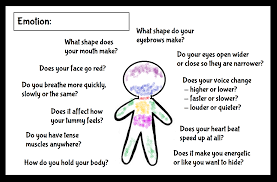
How Do Emotions Become Symptoms?
Psychosomatic theory attempts to explain how subjective emotional experiences are translated into measurable physiological phenomena. At the core of this inquiry lies a central problem: emotional states are abstract, internally experienced, and often difficult to articulate, yet they can produce concrete, observable disturbances across multiple biological systems. This transformation—from affect to symptom—is neither linear nor simplistic. It involves layered interactions between neural processing, autonomic regulation, cognitive interpretation, and learned patterns of response. Understanding how emotions become symptoms requires examining the pathways through which affective processes are encoded, regulated, and expressed within the organism. Emotions are not isolated events; they are complex, multi-component processes involving appraisal, physiological activation, expressive behavior, and subjective feeling. When an individual encounters a stimulus, it is evaluated in terms of relevance, threat, or significance. This appraisal initiates coordinated changes across neural and physiological systems, preparing the organism to respond. These changes include shifts in cardiovascular activity, muscle tone, endocrine signaling, and attentional focus. Under typical conditions, emotional responses are transient and adaptive. Once the stimulus is resolved, regulatory mechanisms restore equilibrium. However, when emotional processing is disrupted—due to chronic stress, unresolved conflict, or impaired regulation—these responses may persist or recur in maladaptive ways. It is within this context that emotional states begin to manifest as physical symptoms. One of the primary mechanisms underlying this transformation is autonomic dysregulation. The autonomic nervous system mediates involuntary physiological functions and plays a central role in emotional expression. Repeated or prolonged activation can lead to sustained patterns of physiological arousal. Over time, these patterns may become ingrained, producing symptoms such as tension, discomfort, or functional disturbance in various organ systems. Importantly, these symptoms are not random. They often follow pathways shaped by individual vulnerability, past experience, and contextual factors. For example, one individual may consistently experience gastrointestinal discomfort under stress, while another develops musculoskeletal pain. These patterns suggest that emotional expression through physiological channels is influenced by both biological predispositions and learned associations. Interoception—the perception of internal physiological states—further mediates this process. Individuals vary in their sensitivity to internal signals, as well as in how they interpret them. Heightened interoceptive awareness can amplify the perception of minor fluctuations, transforming them into salient experiences. When combined with anxious or catastrophic interpretations, this amplification can intensify symptoms and reinforce their persistence. Cognitive appraisal plays a critical role in determining whether physiological sensations are experienced as benign or threatening. When sensations are interpreted as signs of dysfunction or danger, they may trigger additional emotional responses, such as anxiety or fear. These responses, in turn, increase physiological activation, creating a feedback loop that sustains and magnifies symptoms. Memory contributes to the stabilization of these patterns. Repeated pairings of emotional states with specific physiological responses can lead to associative learning. Over time, certain contexts or thoughts may automatically trigger both emotional and physical reactions, even in the absence of an immediate external stressor. This learned coupling can make symptoms appear spontaneous or inexplicable from the individual’s perspective. Trauma introduces additional complexity into the transformation of emotion into symptom. Traumatic experiences often involve overwhelming affect that cannot be fully processed or integrated. As a result, elements of the experience may be stored in fragmented forms—sensory, affective, or procedural—rather than as coherent narratives. These fragments can later be reactivated, producing physiological responses that are disconnected from conscious awareness of their origin. In such cases, symptoms may represent implicit expressions of unresolved emotional material. The organism responds as though the original threat were present, even when the current environment is safe. This mismatch between context and response contributes to the persistence and intensity of psychosomatic symptoms. The role of language and symbolic processing is also significant. Emotions that are not adequately symbolized—meaning they are not translated into words or concepts—may be more likely to be expressed through physiological channels. This phenomenon suggests that the ability to articulate and reflect upon emotional states can influence how they are manifested. When symbolic processing is limited, the burden of expression may shift toward somatic pathways. Cultural and social factors shape this process by influencing how emotions are recognized, expressed, and valued. In some contexts, direct expression of emotional distress may be discouraged, leading individuals to communicate distress through physical symptoms. These expressions may be more socially acceptable or more likely to elicit support, reinforcing their use as communicative signals. Neurobiologically, the integration of emotional and physiological processes involves multiple interconnected systems. Regions involved in affective processing interact with those responsible for regulation and bodily control. These interactions allow emotional states to influence physiological activity, while feedback from physiological systems informs emotional experience. Hormonal pathways also contribute to the embodiment of emotion. Stress-related hormones affect numerous physiological processes, including immune function, metabolism, and cardiovascular regulation. Chronic activation of these pathways can lead to persistent changes that underlie many psychosomatic conditions. The immune system, in particular, demonstrates sensitivity to emotional states. Psychological stress can alter immune responses, contributing to inflammation or susceptibility to illness. This interaction underscores the extent to which emotional processes can influence biological functioning at a systemic level. Despite the complexity of these mechanisms, the emergence of symptoms often follows recognizable patterns. Emotional overload, lack of regulation, and persistent cognitive focus on distress can converge to produce stable symptom profiles. These profiles may become part of the individual’s experience of self, further reinforcing their persistence. It is important to emphasize that psychosomatic symptoms are genuine physiological experiences. They are not fabricated or imagined, even when their origins involve psychological processes. The distinction lies not in the reality of the symptoms but in the pathways through which they arise. Clinical approaches to psychosomatic conditions focus on disrupting maladaptive patterns and restoring integration. This may involve enhancing emotional awareness, modifying cognitive appraisals, and reducing physiological activation. Techniques that promote regulation—such as controlled breathing, relaxation, and mindfulness—can help recalibrate autonomic responses. Cognitive interventions aim to alter interpretations of physiological sensations, reducing the tendency to view them as threatening. By changing the meaning assigned to these sensations, individuals can break the feedback loops
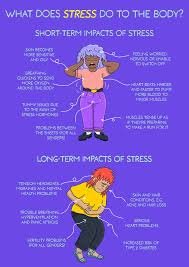
Can Stress Rewrite the Body?
Stress is often described in psychological terms—as pressure, tension, or emotional strain arising from perceived demands. Yet its effects extend far beyond subjective experience. Stress is a whole-body phenomenon, involving coordinated changes across neural, endocrine, immune, and metabolic systems. Over time, these changes can alter not only how the body functions but how it is structured and regulated. This raises a complex psychosomatic question: can stress effectively “rewrite” the body, reshaping physiological patterns in enduring ways? To approach this question, it is essential to understand stress not as a singular event but as a dynamic process. At its core, stress involves the organism’s attempt to maintain stability—homeostasis—in the face of internal or external challenges. When a stressor is perceived, the brain initiates a cascade of responses designed to mobilize energy, sharpen attention, and prepare the body for action. These responses are adaptive in the short term, enabling survival in threatening or demanding situations. However, stress becomes problematic when it is prolonged, repetitive, or poorly regulated. In such cases, the systems that mediate stress responses remain activated beyond their intended duration. This sustained activation can lead to what is often described as allostatic load—the cumulative burden placed on the body by chronic stress. Allostatic load reflects not only the intensity of stress but the inefficiency of the body’s attempts to adapt to it. One of the central systems involved in stress responses is the neuroendocrine system, which coordinates the release of hormones that regulate physiological processes. When stress is perceived, hormonal signals initiate changes that affect heart rate, blood pressure, metabolism, and immune function. While these changes are beneficial in acute situations, their chronic activation can produce dysregulation across multiple systems. For example, prolonged stress can alter cardiovascular function. Persistent activation may lead to sustained increases in heart rate and vascular tension, contributing over time to structural and functional changes in the circulatory system. These changes are not merely transient responses but can become ingrained patterns that affect long-term health. Similarly, stress influences metabolic processes. Under stress, the body reallocates energy resources, prioritizing immediate survival over long-term maintenance. This shift can affect appetite, glucose regulation, and fat storage. Over time, these alterations may contribute to metabolic imbalances, illustrating how stress can reshape physiological functioning. The immune system is also deeply affected by stress. Acute stress can enhance certain immune responses, preparing the body to respond to injury or infection. However, chronic stress tends to dysregulate immune activity, leading to either suppression or inappropriate activation. This imbalance can increase vulnerability to illness or contribute to inflammatory conditions. These systemic effects highlight that stress does not act on isolated organs but on integrated networks. The body’s systems are interconnected, and changes in one domain often influence others. This interconnectedness allows stress to produce widespread effects, reinforcing the idea that it can “rewrite” bodily functioning. The brain plays a central role in orchestrating these processes. It interprets stressors, initiates responses, and monitors outcomes. However, the brain itself is also shaped by stress. Prolonged exposure to stress can alter neural circuits involved in emotion regulation, attention, and memory. These changes, in turn, influence how future stressors are perceived and processed. This recursive relationship creates a feedback loop: stress alters the brain, which then alters the body’s responses to stress. Over time, this loop can stabilize into patterns that persist even in the absence of the original stressor. In this sense, stress does not merely produce temporary reactions but can lead to lasting reorganization of physiological and psychological processes. Perception plays a critical role in determining how stress affects the body. The same external condition may be experienced as stressful by one individual and neutral by another. This variability reflects differences in cognitive appraisal—the process by which individuals evaluate the significance of events. Appraisal determines whether a situation is perceived as threatening, manageable, or irrelevant. Once a stressor is appraised as significant, attention becomes focused on it, and bodily responses are mobilized. However, repeated patterns of appraisal can become habitual. Individuals who consistently interpret situations as threatening may experience chronic activation of stress responses, even in relatively benign environments. This habitual pattern contributes to the cumulative effects of stress on the body. Emotion further modulates stress responses. Emotions such as fear, anger, and anxiety are closely linked to physiological activation. When these emotions are intense or prolonged, they sustain the body’s stress response. Conversely, the ability to regulate emotions can mitigate the physiological impact of stress. Regulation involves both conscious and automatic processes. Conscious strategies may include reinterpreting situations, shifting attention, or engaging in behaviors that reduce stress. Automatic processes involve neural mechanisms that modulate emotional and physiological responses without conscious effort. The efficiency of these regulatory systems influences how stress affects the body over time. Memory contributes to the persistence of stress-related patterns. Past experiences shape expectations about future events, influencing how new situations are appraised. If previous experiences have established a pattern of stress, the body may respond to similar situations with heightened activation, even if the current context does not warrant it. This phenomenon illustrates how stress can become embedded in the body’s response patterns. The body learns from experience, adjusting its responses based on prior outcomes. While this learning can be adaptive, it may also lead to maladaptive patterns when past experiences no longer accurately predict current conditions. The concept of embodiment provides a useful framework for understanding how stress becomes integrated into bodily functioning. Embodiment refers to the idea that psychological processes are not confined to the mind but are expressed through and shaped by the body. Stress, in this sense, becomes embodied when its effects are incorporated into physiological patterns that persist over time. These embodied patterns may manifest as chronic tension, altered posture, changes in breathing, or persistent activation of certain physiological systems. Individuals may not be consciously aware of these patterns, yet they influence how the body responds to new situations. Psychosomatic symptoms often arise within this context. When stress is not effectively processed or regulated, it

When Does the Body Speak Mind?
The relationship between mind and body has long occupied a central place in both medicine and psychology. Traditionally, physical symptoms were understood as the direct consequence of biological dysfunction, while psychological experiences were treated as separate and immaterial. However, the field of psychosomatics challenges this dichotomy by demonstrating that mental processes can profoundly influence bodily states. Psychosomatic phenomena reveal that the body is not merely a passive biological system but an active participant in the expression of psychological conflict, stress, and meaning. This raises a fundamental question: when does the body begin to “speak” the mind? Psychosomatic processes are not limited to rare or extreme conditions; they are embedded in everyday human experience. Emotional states routinely produce physiological changes—heart rate increases during anxiety, muscle tension rises under stress, and gastrointestinal activity shifts in response to emotional arousal. These responses are adaptive in the short term, preparing the organism to respond to environmental demands. However, when psychological stress becomes chronic or unresolved, these physiological patterns may become dysregulated, leading to persistent bodily symptoms. To understand how the body expresses the mind, it is necessary to examine the mechanisms through which psychological states are translated into physiological processes. One of the central pathways involves the autonomic nervous system, which regulates involuntary bodily functions such as heart rate, digestion, and respiratory activity. Emotional experiences activate this system, producing changes that are often experienced as physical sensations. The autonomic nervous system operates through two primary branches: one associated with activation and mobilization, and the other with regulation and restoration. Under conditions of acute stress, activation mechanisms dominate, preparing the body for immediate action. Once the stressor resolves, regulatory processes restore equilibrium. However, when stress is prolonged or repeatedly triggered, this balance may be disrupted, leading to sustained physiological activation. Such chronic activation can contribute to a range of psychosomatic symptoms. Individuals may experience headaches, gastrointestinal disturbances, muscle pain, fatigue, or cardiovascular irregularities without a clear organic cause. These symptoms are not imagined; they are real physiological experiences resulting from the interaction between psychological processes and bodily systems. The role of perception and attention is also critical in psychosomatic phenomena. The brain continuously monitors internal bodily states, a process often referred to as interoception. This monitoring allows individuals to detect changes in physiological conditions and respond appropriately. However, heightened attention to bodily sensations can amplify their perceived intensity. When individuals become hyper-aware of internal sensations, minor physiological fluctuations may be interpreted as significant or threatening. This interpretation can increase anxiety, which in turn further intensifies physiological responses. A feedback loop emerges in which perception, emotion, and bodily sensation reinforce one another. Cognitive processes shape how these sensations are interpreted. Beliefs about health, illness, and the body influence whether sensations are perceived as normal or pathological. For example, an individual who interprets a rapid heartbeat as a sign of danger may experience increased anxiety, leading to further physiological activation. In contrast, interpreting the same sensation as a benign response to stress may reduce its impact. Memory and prior experience also contribute to psychosomatic expression. Past experiences of illness or distress can shape expectations about bodily sensations. These expectations influence how new sensations are perceived and interpreted. Over time, patterns of association may develop, linking specific emotional states with particular physical symptoms. Trauma plays a particularly significant role in psychosomatic processes. Traumatic experiences often involve intense emotional and physiological activation that may not be fully processed or integrated. The body may retain aspects of this activation, leading to persistent patterns of tension or dysregulation. In such cases, bodily symptoms may represent not only current stress but also unresolved aspects of past experience. Individuals may experience physical sensations that do not correspond to present conditions but reflect stored physiological responses. These sensations can be triggered by reminders of the original trauma, even if the individual is not consciously aware of the connection. The concept of somatization further illustrates how psychological distress can be expressed through the body. Somatization involves the manifestation of emotional or psychological conflict as physical symptoms. This process is not deliberate; individuals are typically unaware of the psychological origins of their symptoms. The body becomes a medium through which unarticulated experiences are expressed. Language plays an important role in this process. When individuals lack the means to articulate emotional experiences, the body may assume a communicative function. Physical symptoms can be understood as a form of nonverbal expression, conveying distress that cannot be easily verbalized. Cultural context influences how psychosomatic symptoms are experienced and interpreted. In some cultures, expressing psychological distress directly may be discouraged, leading individuals to express distress through physical symptoms. In other contexts, somatic expression may be more readily recognized as linked to emotional states. The interaction between social environment and psychosomatic processes highlights the importance of context in understanding these phenomena. Social expectations, cultural norms, and interpersonal relationships all shape how individuals experience and communicate distress. Neurobiological research provides further insight into the mechanisms underlying psychosomatic processes. Brain regions involved in emotion, perception, and bodily regulation are closely interconnected. These connections allow emotional states to influence physiological processes and vice versa. For example, areas involved in emotional processing can modulate autonomic activity, while sensory regions convey information about bodily states to higher-order cognitive systems. This bidirectional communication creates a network through which mind and body continuously interact. Hormonal systems also play a role in translating psychological states into physiological changes. Stress-related hormones influence multiple bodily systems, including immune function, metabolism, and cardiovascular activity. Prolonged activation of these systems can contribute to the development of chronic health conditions. The immune system itself is sensitive to psychological factors. Research indicates that stress and emotional states can influence immune responses, affecting susceptibility to illness and recovery processes. This interaction further blurs the distinction between psychological and physical health. Despite the complexity of these mechanisms, psychosomatic symptoms are often misunderstood or dismissed. Individuals experiencing such symptoms may feel invalidated if their condition is attributed solely to psychological factors. This highlights the importance of recognizing
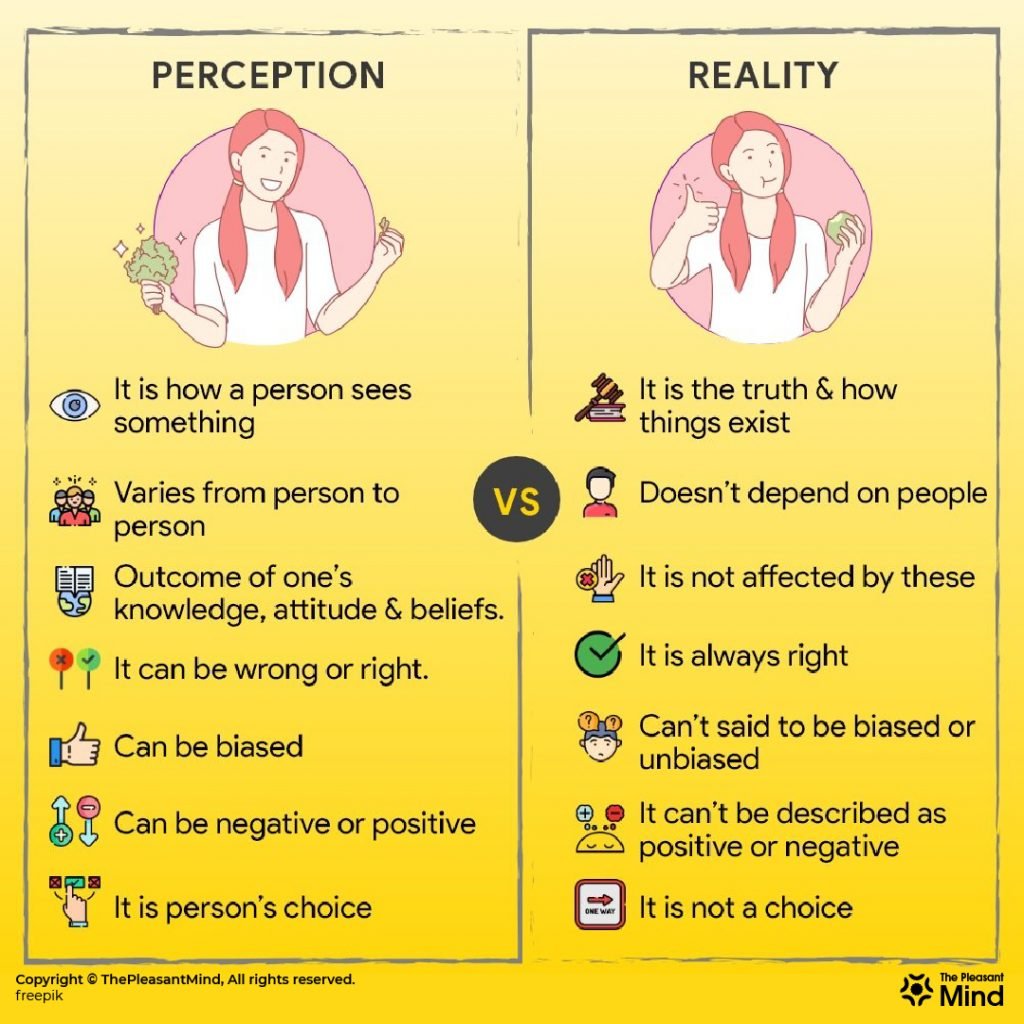
Can Perception Fabricate Reality?
Perception is commonly treated as a transparent window onto the external world. Individuals assume that what they see, hear, and feel corresponds—at least approximately—to objective reality. Yet contemporary psychology and cognitive neuroscience increasingly challenge this assumption, suggesting that perception is not a passive reception of sensory input but an active, constructive process. The brain does not simply record the world; it generates models of it. This raises a profound question: can perception fabricate reality, and if so, to what extent is the experienced world a product of neural inference rather than direct observation? To address this question, it is essential to reconsider the nature of perception itself. Traditional views conceptualized perception as a bottom-up process in which sensory organs detect external stimuli and transmit this information to the brain for interpretation. While this framework captures part of the process, it fails to account for the brain’s predictive and interpretive functions. Contemporary models emphasize that perception arises from an interaction between bottom-up sensory signals and top-down predictions generated by the brain. According to predictive processing theories, the brain continuously generates hypotheses about the causes of sensory input. These hypotheses are based on prior knowledge, expectations, and contextual information. Incoming sensory signals are then compared to these predictions, and discrepancies—known as prediction errors—are used to update the brain’s internal model. Perception, in this framework, is the brain’s best guess about what is happening in the world, given both prior expectations and current input. This inferential nature of perception implies that what individuals experience is not the world itself but a constructed representation. Under normal conditions, this representation aligns closely with external reality because the brain’s predictions are calibrated through ongoing interaction with the environment. However, when the balance between prediction and sensory input becomes disrupted, perception may deviate significantly from external conditions. One of the clearest demonstrations of perceptual fabrication occurs in the context of illusions. Visual illusions reveal that the brain can generate coherent perceptions that do not correspond to physical reality. These illusions are not errors in the sense of malfunction; rather, they reflect the brain’s reliance on assumptions that are generally adaptive but occasionally misleading. For example, the brain assumes continuity, depth, and lighting conditions when interpreting visual scenes. When these assumptions are manipulated, perception follows the model rather than the actual stimulus. Beyond simple illusions, more complex forms of perceptual fabrication emerge in hallucinations. Hallucinations involve the experience of sensory events in the absence of corresponding external stimuli. These experiences can occur in various modalities, including vision, hearing, and touch. Unlike illusions, which distort real input, hallucinations represent the generation of perceptual content without external triggers. From a predictive processing perspective, hallucinations may arise when top-down predictions become excessively strong relative to bottom-up sensory input. In such cases, the brain’s expectations dominate perception, effectively overriding the absence of external signals. The resulting experience feels real because it is processed through the same neural pathways as ordinary perception. This mechanism highlights a critical feature of perception: the brain does not inherently distinguish between internally generated and externally derived information. Instead, it relies on contextual and probabilistic cues to infer the source of sensory content. When these inferential processes fail, internally generated signals may be misattributed as external, leading to hallucinations. Perceptual fabrication is not limited to pathological conditions. Even in everyday life, perception is shaped by expectations, beliefs, and context. For example, ambiguous stimuli can be interpreted in multiple ways depending on prior knowledge. A sound may be perceived as threatening or harmless based on the listener’s expectations. Similarly, visual perception can be influenced by context, leading individuals to see patterns or objects that align with their expectations. Emotion further modulates perception. Emotional states can bias the interpretation of sensory input, amplifying certain features while attenuating others. Anxiety, for instance, may heighten sensitivity to potential threats, leading individuals to perceive neutral stimuli as dangerous. This bias does not merely affect interpretation after perception; it influences the perceptual process itself. The integration of emotion and perception suggests that reality, as experienced, is not purely sensory but affectively constructed. The world appears not only as it is but as it matters to the organism. This affective dimension introduces variability into perception, as different individuals may experience the same environment in different ways depending on their emotional states. Memory also contributes to perceptual construction. The brain uses past experiences to inform current perception, filling in gaps and resolving ambiguities. This reliance on memory allows for efficient processing but also introduces the possibility of distortion. Perception becomes a synthesis of present input and past experience, blurring the boundary between perception and memory. In some cases, this synthesis can lead to confabulation, where individuals generate coherent but inaccurate perceptions or memories without awareness of their inaccuracy. Confabulation illustrates how the brain prioritizes coherence over accuracy, constructing plausible interpretations even when information is incomplete or inconsistent. The concept of reality itself becomes complex in light of these processes. If perception is inherently constructive, then the experienced world is always mediated by neural processes. This does not imply that external reality does not exist, but rather that access to it is indirect. The brain constructs a model of the world that is useful for action and survival, not necessarily one that perfectly mirrors objective conditions. This functional perspective suggests that perception is optimized for utility rather than accuracy. The goal of perception is to guide behavior effectively, not to provide a veridical representation of the environment. As long as the constructed reality supports adaptive action, minor deviations from objective reality may be inconsequential. However, when perceptual fabrication becomes too pronounced, it can lead to significant difficulties. In psychiatric conditions such as psychosis, the boundary between internal models and external reality may become severely disrupted. Individuals may experience perceptions or beliefs that are not shared by others, leading to challenges in communication and functioning. These conditions highlight the importance of calibration between prediction and sensory input. A stable perception of reality depends on the brain’s ability
Can Memory Exist Without Identity?
Memory is often treated as the backbone of identity. The ability to recall past experiences, recognize familiar people, and construct a personal narrative appears inseparable from the sense of who one is. Yet deeper psychological and neurocognitive analysis reveals that memory and identity, while intimately related, are not perfectly overlapping constructs. Under certain conditions, memory can persist in fragmented, implicit, or inaccessible forms even when identity becomes unstable, distorted, or partially absent. This raises a fundamental question: can memory exist without identity, and if so, what does that imply about the architecture of the self? To approach this question, it is necessary to first disaggregate the concept of memory itself. Memory is not a unitary system but a constellation of processes that differ in structure, function, and phenomenology. Broadly, memory can be divided into explicit (declarative) and implicit (non-declarative) forms. Explicit memory includes episodic memory—recollections of personal experiences—and semantic memory—general knowledge about the world. Implicit memory, in contrast, involves skills, habits, conditioned responses, and emotional associations that operate outside conscious awareness. Identity, particularly in its narrative form, depends heavily on episodic memory. The sense of a continuous self across time emerges from the ability to link past experiences into a coherent story. Through autobiographical memory, individuals construct narratives that explain who they are, how they have changed, and what their lives mean. This narrative self is inherently temporal, grounded in recollection and projection. However, the existence of implicit memory complicates the assumption that identity is necessary for memory. Individuals can retain procedural skills, emotional responses, and conditioned associations even when they cannot recall the experiences that formed them. For example, a person may exhibit fear in response to a stimulus without remembering the event that originally caused that fear. In such cases, memory persists in the absence of conscious narrative identity. Neurological evidence provides further insight into this dissociation. Patients with severe impairments in episodic memory may lose the ability to recall personal experiences while retaining other forms of memory. They may still learn new motor skills, respond emotionally to familiar stimuli, or demonstrate preferences shaped by past experiences. These observations suggest that memory systems can operate independently of the narrative structures that support identity. The persistence of memory without identity challenges the intuitive belief that memory defines the self. Instead, it suggests that identity may be a higher-order construct that organizes certain types of memory—particularly autobiographical memory—into a coherent framework. When this framework collapses or becomes inaccessible, memory does not necessarily disappear; it becomes disorganized, implicit, or fragmented. Psychiatric conditions offer further evidence for this separation. In dissociative disorders, individuals may experience disruptions in identity that involve compartmentalization of memory. Certain memories may be inaccessible to one identity state while available to another. These divisions indicate that memory can exist in isolated systems without being integrated into a unified sense of self. Similarly, trauma can produce forms of memory that resist integration into narrative identity. Traumatic experiences are often encoded in sensory and emotional forms rather than as coherent stories. Individuals may relive aspects of the trauma through intrusive images, bodily sensations, or emotional responses without being able to place these experiences within a clear autobiographical context. In such cases, memory exists without being fully incorporated into identity. This phenomenon highlights the distinction between remembering and knowing. Remembering involves conscious recollection and contextualization, while knowing may involve implicit familiarity or emotional recognition without explicit recall. Identity relies more heavily on remembering, whereas memory in its broader sense includes both remembering and knowing. The temporal dimension of memory further complicates its relationship with identity. Identity depends on continuity across time, but memory is inherently reconstructive. Each act of recall involves reassembling fragments of information, influenced by current beliefs, emotions, and context. As a result, the memories that support identity are not fixed records but evolving interpretations. When identity is disrupted, the interpretive framework that organizes memory may weaken. Memories may lose their narrative coherence, becoming isolated fragments without clear temporal or causal connections. Yet the underlying traces of these memories may still exist within neural systems, influencing behavior and perception. The brain’s architecture supports this view. Memory is distributed across multiple neural networks, with different regions contributing to different aspects of encoding, storage, and retrieval. The integration of these networks is necessary for coherent recall, but the existence of memory traces does not depend on their full integration. This means that memory can persist even when the systems that normally unify it into identity are compromised. The concept of self-referential processing provides another perspective. Identity involves the ability to relate experiences to oneself, to interpret events as part of one’s own story. This process depends on neural systems that link memory with self-representation. When these systems are disrupted, experiences may still be encoded and stored, but they may not be recognized as belonging to the self. This dissociation can produce experiences in which individuals feel disconnected from their own memories. They may recall events but experience them as distant or impersonal, as though they happened to someone else. In such cases, memory exists without being fully integrated into identity. Philosophically, this raises questions about what constitutes the self. If memory can exist independently of identity, then identity cannot be defined solely in terms of memory. Instead, it may be necessary to consider identity as a process that organizes and interprets memory rather than as something identical to it. This perspective aligns with constructivist theories of the self, which emphasize that identity is actively constructed through ongoing interpretation. The self is not simply the sum of memories but the framework through which those memories are understood and given meaning. When this framework becomes unstable, the relationship between memory and identity becomes disrupted. The implications of this dissociation extend to the concept of personal continuity. If identity depends on the integration of memory, then disruptions in this integration may challenge the sense of being the same person over time. Yet the persistence of memory traces suggests that continuity may exist at

Is the Self a Neural Illusion?
The intuition that there exists a stable, enduring self at the center of experience is among the most deeply ingrained assumptions of human cognition. Individuals typically perceive themselves as unified agents who think, feel, decide, and act in a coherent manner across time. This sense of self appears immediate and undeniable. Yet within contemporary psychology, neuroscience, and philosophy of mind, a growing body of work challenges the assumption that the self exists as a singular, stable entity. Instead, the self may be better understood as a constructed phenomenon—an emergent property of distributed neural processes rather than a fixed essence. This raises a profound question: is the self a neural illusion, and if so, what does that imply about identity, agency, and subjective experience? To approach this question, it is necessary to distinguish between different aspects of what is commonly referred to as “the self.” At a minimum, the concept encompasses multiple dimensions: the bodily self, the experiential self, and the narrative self. The bodily self involves the sense of being located within a physical body, grounded in sensory integration and proprioception. The experiential self refers to the immediate sense of being a subject of experience—the “I” that perceives and feels in the present moment. The narrative self, in contrast, consists of the stories individuals construct about who they are across time, incorporating memory, values, and social roles. These components are supported by distinct yet interacting neural systems. The bodily self relies on the integration of sensory signals that define the boundaries and position of the body. The experiential self emerges from ongoing patterns of awareness, while the narrative self depends heavily on memory systems and language-based processing. The apparent unity of the self arises from the coordination of these systems, rather than from a single underlying entity. Neuroscientific evidence suggests that this coordination is both dynamic and fragile. When specific neural processes are disrupted, aspects of the self can be altered or even temporarily lost. For example, disturbances in sensory integration can produce experiences in which individuals feel detached from their bodies or perceive their limbs as belonging to someone else. Such phenomena indicate that the bodily self is constructed through ongoing neural activity rather than given as an inherent property. Similarly, disruptions in memory can affect the narrative self. Individuals with severe memory impairments may lose access to large portions of their personal history, yet still retain the capacity for immediate experience. In such cases, the continuity of identity becomes compromised, revealing that the narrative self depends on the integrity of memory systems rather than existing independently. The experiential self, often considered the core of subjectivity, also appears to be constructed. Studies of attention and awareness indicate that conscious experience is not continuous but consists of discrete moments integrated into a coherent flow. The sense of a stable observer may arise from the brain’s ability to link these moments together, creating the impression of continuity. One of the most compelling arguments for the self as a neural construction comes from the study of predictive processing. According to this framework, the brain functions as a prediction-generating system that continuously models both the external world and its own internal states. The self, in this context, may be understood as a model that the brain uses to organize information about the body, actions, and experiences. This model allows the brain to predict the consequences of actions, distinguish between self-generated and external events, and maintain a sense of agency. However, because it is a model, it is inherently subject to revision and error. The stability of the self depends on the accuracy and coherence of this predictive system. When predictive processes become disrupted, the sense of self can change dramatically. In certain psychiatric conditions, individuals may experience alterations in agency, feeling as though their actions are controlled by external forces. Others may experience fragmentation of identity or a loss of coherence in their sense of self. These phenomena suggest that the self is not a fixed entity but a dynamic construct that depends on ongoing neural computation. The concept of illusion in this context requires careful clarification. To describe the self as an illusion does not necessarily mean that it is false in the sense of being nonexistent. Rather, it suggests that the self is not what it appears to be. The intuitive sense of a singular, unchanging entity at the center of experience may be misleading, even though the processes that generate this sense are real and functionally significant. In this sense, the self may be analogous to other perceptual constructs. Just as the brain constructs the experience of a stable visual world from incomplete and constantly changing sensory input, it constructs the experience of a stable self from distributed and dynamic processes. The resulting perception feels immediate and real, even though it is the product of underlying mechanisms that operate beyond conscious awareness. Language and social interaction play crucial roles in reinforcing the sense of self. Through language, individuals learn to describe themselves, attribute intentions, and construct narratives about their experiences. Social feedback further shapes these narratives, providing validation or challenge to one’s self-concept. Over time, these interactions solidify the impression of a stable identity. However, this stability can be disrupted under certain conditions. Rapid changes in social environment, traumatic experiences, or prolonged stress can alter the way individuals perceive themselves. These changes highlight the dependence of the self on both internal processes and external context. The question of agency becomes particularly significant when considering the self as a neural construct. If the self is a model generated by the brain, what does this imply about free will and responsibility? Some interpretations suggest that agency itself may be part of the constructed self, arising from the brain’s need to predict and control behavior. Experimental findings in neuroscience have shown that neural activity associated with decision-making can occur before individuals become consciously aware of their choices. This temporal gap raises questions about the extent to which conscious intention initiates action. However,
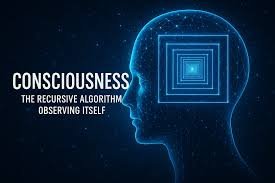
Can Consciousness Observe Itself?
Consciousness is often described as the capacity to be aware of experience—of sensations, thoughts, emotions, and the surrounding world. Yet one of its most enigmatic features lies in its reflexivity: the ability not only to experience, but to become aware of that experience itself. This raises a profound psychological and philosophical question: can consciousness truly observe itself, or is this merely an illusion generated by layered cognitive processes? Exploring this question requires moving beyond surface-level descriptions of awareness and into the deeper architecture of self-referential cognition, metacognition, and the limits of introspection. At first glance, the answer appears straightforward. Humans routinely report being aware of their own thoughts. A person might notice that they are anxious, reflect on a decision, or evaluate the validity of a belief. These experiences suggest that consciousness has access to itself, functioning both as subject and object. However, closer examination reveals that this process may not involve a single unified system observing itself directly, but rather a dynamic interaction between multiple levels of representation within the brain. The concept of metacognition provides a useful entry point into this complexity. Metacognition refers to the capacity to think about one’s own thinking—to monitor, evaluate, and regulate cognitive processes. When individuals assess whether they understand a concept, question their memory, or plan how to approach a task, they engage in metacognitive activity. This capacity gives the impression of an observing self, a higher-level perspective that can oversee lower-level processes. Yet metacognition does not necessarily imply that consciousness is directly observing itself. Instead, it may involve one set of neural processes generating representations of another. In this sense, what appears as self-observation might actually be a hierarchical system in which different levels of processing interact. One system produces thoughts, while another system models and evaluates those thoughts. This distinction becomes clearer when considering the limitations of introspection. Although individuals can reflect on their mental states, this access is often incomplete and subject to distortion. People may misinterpret their own motivations, confabulate explanations for their behavior, or remain unaware of underlying influences on their decisions. These limitations suggest that self-observation is mediated rather than direct. The brain’s architecture supports this interpretation. Neural systems responsible for generating experience are not identical to those involved in monitoring or evaluating it. For example, processes that produce emotional responses operate differently from those that interpret or regulate those responses. When a person becomes aware of their own emotion, this awareness likely emerges from the interaction between these systems rather than from a single entity observing itself. The idea of a unified observer within the mind is further complicated by the distributed nature of neural processing. There is no single location in the brain where consciousness resides. Instead, conscious experience emerges from coordinated activity across multiple regions, each contributing different aspects of perception, memory, and cognition. Within this distributed system, the sense of a central observer may be a constructed feature rather than a literal entity. This construction may serve an important functional purpose. By creating the impression of a coherent observing self, the brain simplifies the complexity of its own processes. This simplification allows individuals to navigate their mental experiences more effectively, making decisions and maintaining a sense of continuity over time. However, this functional construction can also lead to conceptual confusion. When individuals attempt to observe their own consciousness, they may assume that there is a stable “self” separate from the observed experience. In reality, both the observing and the observed aspects may be products of the same underlying system. This becomes particularly evident in states where the sense of self is altered. During certain forms of meditation, for example, individuals report experiences in which the distinction between observer and observed begins to dissolve. Thoughts and sensations arise without a clear sense of ownership, and awareness itself appears less centered around a fixed identity. Such experiences challenge the notion of a stable observing self and suggest that the boundary between subject and object is more fluid than it appears. Psychiatric conditions also provide insight into the limits of self-observation. In some disorders, individuals experience disruptions in the sense of agency or ownership over their thoughts. They may feel as though their thoughts are being controlled by external forces or that their internal experiences do not belong to them. These phenomena indicate that the mechanisms underlying self-awareness can become unstable, further complicating the idea of consciousness observing itself. Similarly, dissociative states can produce a sense of separation between different aspects of consciousness. Individuals may feel as though one part of their mind is observing another, creating the impression of multiple layers of self-awareness. While this experience may feel like direct observation, it likely reflects a breakdown in the integration of cognitive processes rather than the existence of independent observing entities. The temporal dimension of consciousness also plays a role in this question. Self-observation often involves a delay between the occurrence of a mental event and the awareness of that event. For example, a thought arises, and only afterward does the individual become aware of having had that thought. This delay suggests that awareness may operate retrospectively, constructing representations of prior mental activity rather than observing it in real time. This temporal structure aligns with theories proposing that consciousness involves continuous updating of internal models. The brain generates predictions about its own states and then revises these predictions based on incoming information. In this framework, self-awareness emerges from the brain’s attempt to model its own activity, rather than from direct observation. Language further shapes how self-observation is experienced. Through language, individuals can label and describe their mental states, creating narratives about their thoughts and emotions. These narratives reinforce the impression of an observing self by organizing experiences into coherent structures. However, the act of describing a thought is itself a separate cognitive process, not the thought itself. The distinction between experience and description highlights another limitation of self-observation. What individuals report about their mental states is not identical to the states themselves. Instead, it