


Déjà vu is among the most psychologically unsettling experiences within ordinary consciousness. During such moments, individuals experience the sudden and powerful conviction that a present situation has already occurred, despite simultaneously recognizing that this impression cannot be literally accurate. The experience often lasts only seconds, yet its emotional intensity can be disproportionate to its duration. Familiarity emerges without identifiable memory, producing a strange overlap between recognition and impossibility. This paradox raises a profound psychological and neurological question: why does déjà vu feel so disturbingly familiar, and what mechanisms create the sensation of reliving an experience that has never consciously occurred before? To understand déjà vu, it is necessary first to examine how familiarity normally functions within cognition. Human memory does not operate as a simple archive of complete experiences. Instead, memory involves multiple interacting systems responsible for recognition, recollection, emotional association, sensory processing, and contextual integration. Under ordinary circumstances, these systems cooperate smoothly enough that familiarity feels stable and coherent. Recognition usually depends upon two related but distinct processes: recollection and familiarity. Recollection involves retrieving specific contextual details about a previous experience, while familiarity refers to a more general sense that something has been encountered before. In most situations, these processes align. Individuals not only feel that something is familiar but can identify why it is familiar. Déjà vu disrupts this coordination. The sensation of familiarity emerges intensely while contextual recollection remains absent. The individual experiences certainty without explanation. The result is psychologically destabilizing because the mind encounters a familiarity signal detached from identifiable memory content. One of the most widely discussed explanations involves temporal mismatches within memory processing systems. Cognitive processing does not occur instantaneously as a unified event. Sensory information passes through multiple neural pathways operating at slightly different speeds. Under certain conditions, tiny disruptions in synchronization may occur, causing information to be processed as if it were simultaneously new and already encountered. When this happens, the brain may mistakenly interpret a present perception as something previously experienced. Because the familiarity system activates without corresponding autobiographical memory, the experience feels uncanny. The individual recognizes the impossibility of literal repetition while still feeling emotionally convinced of familiarity. However, temporal delay theories alone cannot fully explain the emotional intensity of déjà vu. The experience often carries a peculiar existential quality extending beyond ordinary memory error. Individuals frequently describe sensations of inevitability, predestination, or altered reality accompanying the familiarity itself. This suggests deeper interactions among memory, prediction, emotion, and self-awareness. Predictive processing models provide additional insight. Human perception relies heavily upon anticipation. The brain continuously generates predictions about incoming sensory information based on prior experience. Under ordinary conditions, these predictions remain largely invisible because they align efficiently with reality. Déjà vu may emerge when predictive systems become unusually dominant or momentarily misaligned with conscious awareness. A situation may unconsciously resemble prior patterns strongly enough that the brain generates exceptionally confident predictions about what will occur next. When these predictions align closely with unfolding events, the resulting sense of familiarity becomes amplified. The individual then experiences not merely recognition but the eerie sensation of “already knowing” the moment before it fully unfolds. Because predictive processes operate beneath conscious awareness, the experience feels mysterious and inexplicable. Emotion plays a central role in intensifying this phenomenon. Familiarity itself is emotionally significant because it signals safety, recognition, and orientation within the environment. Sudden unexplained familiarity therefore activates emotional salience systems strongly. The emotional intensity reinforces attention, making the experience feel unusually profound. Anxiety and stress may increase susceptibility to déjà vu by disrupting attentional and memory integration systems. Under stress, cognitive processing becomes less stable and more fragmented. Fatigue, emotional overload, and dissociation can alter how sensory information is integrated into conscious awareness. These disruptions create conditions in which familiarity signals may become detached from ordinary contextual processing. Dissociative states are particularly relevant here. Dissociation involves disruptions in the integration of perception, memory, embodiment, and awareness. During mild dissociative experiences, reality may feel subtly altered or unreal. Déjà vu frequently occurs within such altered states because the boundaries separating present experience from memory processing become less stable. Importantly, déjà vu is not usually experienced as a fully formed belief that the event literally occurred before. Most individuals maintain awareness that the sensation is irrational. This coexistence of conviction and doubt contributes to the unsettling quality of the experience. The mind simultaneously accepts and rejects the familiarity signal. This dual awareness reveals important aspects of metacognition. Humans possess systems not only for experiencing perceptions but for evaluating their validity. During déjà vu, these evaluative systems remain partially intact, allowing recognition that the familiarity cannot be fully explained. The tension between emotional certainty and rational contradiction creates cognitive dissonance. Memory architecture itself contributes to these experiences. The brain stores not only explicit events but fragments of sensory, emotional, and spatial information distributed across networks. A present experience may unconsciously resemble aspects of forgotten or inaccessible memories strongly enough to trigger familiarity without complete recollection. For example, the arrangement of a room, rhythm of conversation, lighting conditions, emotional atmosphere, or sequence of events may overlap subtly with previous experiences. Although the original memory remains inaccessible consciously, the similarity activates familiarity systems automatically. This process demonstrates that familiarity does not require explicit memory retrieval. The nervous system can recognize patterns implicitly without conscious awareness of their origin. Déjà vu may therefore represent moments when implicit recognition exceeds conscious explanatory capacity. Dreams provide another psychologically significant dimension. Many individuals report feeling as though déjà vu reflects forgotten dreams that are suddenly unfolding in reality. While empirical evidence for prophetic dreaming remains weak, dreams frequently contain fragmented simulations of everyday environments, emotions, and social situations. Because dreams recombine elements of prior experience unpredictably, real-life situations may later resemble dream imagery sufficiently to evoke familiarity. Since dream memory is often incomplete or unstable, the resemblance may feel uncanny and difficult to identify consciously. The emotional atmosphere of déjà vu frequently resembles dream consciousness itself. Both involve altered relationships among memory, time,

Why Does Telepathy Feel Psychologically Real?
Telepathy has occupied a persistent position within human imagination for centuries. The belief that thoughts, emotions, or intentions can pass directly between minds without conventional sensory communication appears across mythology, religion, literature, and modern paranormal discourse. Although empirical science has not established reliable evidence supporting telepathy as a measurable transmission of thoughts between brains, many individuals report experiences that feel undeniably real: sensing another person’s emotions before they speak, thinking of someone moments before receiving a message from them, or feeling mentally connected in ways that appear to transcend ordinary communication. These experiences raise a psychologically complex question: why does telepathy feel so convincing at the level of subjective experience, even in the absence of definitive scientific confirmation? To examine this phenomenon, it is necessary to separate the psychological reality of telepathic experience from the empirical question of whether literal mind-to-mind transmission exists. Psychological reality refers to experiences that feel authentic and emotionally compelling regardless of their objective mechanism. Telepathic experiences may therefore reveal important truths about perception, attachment, cognition, and predictive social processing even if they do not involve paranormal communication. Human beings are profoundly social organisms whose nervous systems evolved specifically to anticipate, interpret, and synchronize with other minds. Social survival depends heavily upon predicting intentions, detecting emotional states, and coordinating behavior rapidly. As a result, the brain continuously generates inferences about what others are thinking or feeling, often with remarkable accuracy. This predictive social capacity forms one of the foundations of telepathic experience. Through repeated interaction, individuals become highly sensitive to subtle behavioral patterns, vocal changes, facial microexpressions, timing cues, and contextual regularities. Much of this processing occurs outside conscious awareness. Consequently, when a person correctly anticipates another individual’s emotional state or behavior, the experience may feel mysterious because the underlying cues were never consciously recognized. The illusion of direct mental access emerges partly because unconscious perception operates more efficiently than conscious analysis. The mind constructs conclusions before awareness identifies the intermediate steps. Individuals therefore experience intuitive certainty without understanding how the inference occurred. The resulting perception resembles telepathy because the prediction appears immediate and unexplained. Attachment relationships intensify this phenomenon. Individuals who share close emotional bonds often develop highly synchronized predictive systems. Over time, repeated interaction creates internal models of one another’s emotional rhythms, behavioral tendencies, and psychological reactions. These models allow remarkably accurate anticipation of each other’s states. For example, a parent may sense distress in a child before receiving explicit information, or partners may anticipate each other’s thoughts within familiar contexts. Such experiences feel extraordinary because they involve rapid emotional attunement occurring below conscious deliberation. Yet psychologically, they reflect advanced interpersonal prediction rather than necessarily paranormal transmission. Emotional contagion contributes further to the perception of telepathic connection. Human nervous systems automatically synchronize with surrounding emotional states through mechanisms involving mimicry, autonomic resonance, and affective attunement. Individuals unconsciously mirror facial expressions, postural tension, breathing rhythms, and vocal tones. This synchronization produces experiences in which emotions seem to transfer invisibly between people. Because the mechanisms are largely implicit, the resulting sense of shared mental space may appear supernatural. In reality, however, it reflects deeply embodied forms of interpersonal regulation. Memory and selective attention also shape telepathic interpretation. Human cognition naturally prioritizes emotionally meaningful coincidences while ignoring countless irrelevant events. Individuals may think about many people throughout a week without unusual consequence. However, when thinking about someone coincides with an unexpected message or encounter, the coincidence acquires disproportionate emotional salience. This salience strengthens memory encoding. The coincidence becomes highly memorable precisely because it feels improbable and meaningful. Similar instances in which no correspondence occurred are forgotten rapidly. Over time, selective recall creates the impression that such experiences occur more frequently than they actually do. Pattern recognition mechanisms reinforce these perceptions. The human brain evolved to detect meaningful connections rapidly, often favoring false positives over missed patterns. This bias increases survival efficiency because detecting potential significance carries adaptive value. Yet it also predisposes individuals to perceive intentional connections within random events. Telepathic interpretations emerge naturally from this tendency. Coincidences involving emotionally important individuals become integrated into narratives of invisible connection because the mind seeks coherent explanations for meaningful patterns. The emotional importance of the relationship amplifies the perceived significance of the coincidence. Loneliness and emotional deprivation may strengthen susceptibility to telepathic interpretation as well. Humans possess deep psychological needs for connection, recognition, and relational continuity. Under conditions of isolation or longing, fantasies or perceptions of invisible mental connection may provide emotional compensation. Importantly, this does not imply deliberate fabrication. The experiences themselves often feel entirely authentic. The mind organizes ambiguous emotional and perceptual experiences into frameworks capable of preserving relational closeness and reducing feelings of separation. Trauma can intensify these dynamics in complex ways. Individuals exposed to unpredictable or threatening relational environments often develop heightened sensitivity to subtle interpersonal cues. Hypervigilance increases the capacity to anticipate emotional shifts in others because rapid prediction becomes necessary for psychological safety. As a result, traumatized individuals may appear unusually intuitive regarding others’ intentions or moods. This heightened interpersonal sensitivity can feel telepathic both to themselves and to observers because the underlying predictive mechanisms operate with extraordinary speed and automaticity. Dissociative processes may also contribute to telepathic experiences. Under conditions of altered consciousness, boundaries between internal imagination and external perception may become less stable. Thoughts, fantasies, and intuitions acquire intensified immediacy, making internally generated impressions feel externally received. Such states are particularly common during grief, prolonged stress, sleep deprivation, meditation, or intense emotional arousal. Individuals may experience vivid impressions of communication from absent or deceased persons, often interpreted as telepathic or spiritual contact. Psychologically, these experiences frequently reflect the mind’s attempt to preserve attachment continuity under conditions of emotional overwhelm. Cultural systems shape how these experiences are interpreted. Many societies contain longstanding traditions involving psychic connection, collective consciousness, spiritual communication, or extrasensory perception. These frameworks provide symbolic structures through which ambiguous interpersonal experiences can be understood. When individuals encounter emotionally striking coincidences or intuitions, cultural narratives influence whether they interpret them
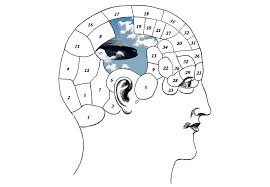
Why Do Conspiracy Narratives Feel Convincing?
Conspiracy narratives occupy a unique psychological position within human cognition. They are often dismissed as irrational, fantastical, or detached from empirical reality, yet their persistence across cultures and historical periods suggests that they fulfill deeper cognitive and emotional functions. Events such as the alleged Philadelphia Experiment, secret governmental projects, hidden scientific discoveries, or claims of suppressed knowledge repeatedly capture collective attention despite limited verifiable evidence. This raises a psychologically significant question: why do conspiracy narratives feel convincing even when objective proof remains weak or absent? To understand this phenomenon, conspiracy belief must first be examined not merely as incorrect reasoning but as a complex interaction among perception, uncertainty regulation, social cognition, emotional processing, and meaning-making systems. Human cognition is not designed solely to identify objective truth through detached analysis. Rather, it evolved to detect patterns, anticipate threat, construct explanations, and preserve psychological coherence under uncertain conditions. Conspiracy narratives often exploit these fundamental tendencies. At the center of conspiracy cognition lies the human intolerance of randomness. The nervous system is structured to search for causality and intention. Ambiguous or chaotic events create psychological discomfort because uncertainty limits predictive control. When individuals encounter events that appear confusing, threatening, or insufficiently explained, the mind instinctively attempts to organize them into coherent narratives. Conspiracy theories provide this coherence by transforming ambiguity into intentional structure. Instead of random events, they propose hidden actors, concealed motives, and organized systems operating beneath visible reality. Psychologically, intentional explanations are often easier to tolerate than uncertainty because they create the illusion of predictability. Even frightening explanations may feel preferable to randomness because they preserve the assumption that events follow understandable rules. Pattern detection mechanisms play a crucial role in this process. Human cognition evolved to identify meaningful connections within incomplete information. This ability is adaptive because recognizing patterns increases survival efficiency. However, pattern recognition systems are biased toward false positives. It is psychologically safer, from an evolutionary perspective, to mistakenly detect a pattern than to fail to detect a genuine threat. Conspiracy narratives exploit this bias by linking unrelated events into apparently coherent structures. Coincidences, inconsistencies, secrecy, or gaps in information become interpreted as evidence of hidden coordination. Once these connections are perceived, they generate a subjective sense of revelation or insight. The individual experiences not merely belief, but discovery. Importantly, the emotional experience associated with discovery reinforces conviction. Realizing what appears to be hidden truth creates heightened arousal and cognitive salience. Emotional intensity itself is often misinterpreted as evidence of accuracy. The stronger the emotional reaction, the more convincing the narrative may feel internally. Fear and uncertainty intensify susceptibility to conspiracy thinking. Under conditions of social instability, political conflict, trauma, or existential anxiety, predictive systems become hyperactive. The organism searches aggressively for explanations capable of reducing uncertainty. Conspiracy narratives thrive in such conditions because they offer emotionally satisfying frameworks that appear to explain complex realities through simplified causal structures. These frameworks frequently divide reality into clear categories of hidden perpetrators and deceived populations. Such binary structures reduce cognitive complexity. Ambiguous systems become transformed into morally organized narratives with identifiable intentions and enemies. This simplification creates psychological relief by reducing uncertainty and fragmentation. Cognitive closure is especially important here. Many individuals experience discomfort when questions remain unresolved. Conspiracy narratives provide closure by filling explanatory gaps. Even when evidence is incomplete, the narrative itself offers the feeling of completion. This feeling can become more psychologically persuasive than empirical uncertainty. Memory processes further reinforce conspiratorial belief systems. Once individuals adopt a conspiracy framework, attentional and retrieval biases begin shaping perception. Information consistent with the theory becomes more memorable and emotionally salient, while contradictory evidence is minimized or dismissed. Over time, memory itself becomes reorganized around the narrative. This process creates self-sealing belief structures. Contradictory evidence does not weaken the theory but may instead strengthen it. Denial by authorities becomes interpreted as confirmation of concealment. Lack of evidence becomes proof that information has been successfully hidden. In this way, the narrative protects itself against falsification. Social identity also contributes significantly to the appeal of conspiracy narratives. Believing in hidden truths can create a sense of belonging within groups organized around shared skepticism or alternative explanations. These communities provide validation, emotional reinforcement, and collective meaning. Within such groups, conspiracy belief often functions not only as cognition but as identity. Accepting the narrative signifies membership in a psychologically meaningful in-group that perceives itself as more aware or awakened than the broader population. This identity function increases resistance to contradictory evidence because abandoning the belief may threaten social belonging and self-concept. Distrust in institutions intensifies these dynamics. Historical examples of secrecy, corruption, manipulation, or unethical experimentation contribute to generalized suspicion toward authority structures. Once trust deteriorates, individuals become more willing to interpret ambiguity as evidence of concealment. Importantly, conspiracy thinking is not entirely irrational in origin. Human history contains genuine examples of hidden political actions, classified research, and institutional deception. The psychological problem emerges when the expectation of hidden intent becomes generalized excessively, shaping perception regardless of evidence quality. Trauma and chronic insecurity may further predispose individuals toward conspiratorial interpretation. Traumatic experiences disrupt assumptions about safety, predictability, and trust. As a result, individuals may become hypervigilant toward signs of hidden threat or manipulation. Conspiracy narratives resonate because they align with pre-existing expectations that danger exists beneath apparent normality. Interoceptive and affective processes influence these interpretations as well. Heightened physiological arousal increases attentional sensitivity to threat-related information. When individuals experience chronic anxiety or hyperactivation, they become more likely to perceive hidden danger within ambiguous stimuli. The body itself contributes to the sense that something concealed or threatening must exist. Narratives such as the Philadelphia Experiment are particularly compelling because they combine several psychologically powerful elements simultaneously: secrecy, advanced science, military authority, hidden experimentation, altered reality, and forbidden knowledge. These themes activate both fear and fascination. They suggest that ordinary reality may conceal extraordinary truths inaccessible to most individuals. The involvement of respected figures like Albert Einstein strengthens these effects further. Associating conspiracy narratives with intellectually

Why Does Identity Fragment Under Stress?
Identity is often conceptualized as a stable and coherent sense of self that persists across situations and time. Within everyday experience, individuals generally perceive themselves as continuous entities possessing relatively consistent memories, values, motivations, and modes of relating. Yet under conditions of sustained psychological stress, traumatic exposure, or chronic affective dysregulation, this coherence may weaken. Experiences emerge in which thoughts, emotions, bodily states, and self-perceptions no longer integrate smoothly into a unified structure. Instead, individuals may report discontinuity, estrangement from parts of themselves, contradictory motivations, or shifts in perception and behavior that feel disconnected from their ordinary sense of identity. These phenomena raise a complex question: why does identity fragment under stress, and what mechanisms underlie this disruption of self-coherence? To address this question, identity must first be understood not as a fixed entity but as an ongoing regulatory process. The sense of self is constructed through the continuous integration of memory, embodiment, affect, interpersonal experience, and symbolic representation. Coherence emerges when these components remain sufficiently connected to one another across changing conditions. Fragmentation occurs when integrative processes become disrupted, resulting in divisions between aspects of experience that would ordinarily be linked. Stress affects identity because the maintenance of self-coherence requires regulatory capacity. Under ordinary circumstances, cognitive and affective systems coordinate competing demands, allowing individuals to preserve continuity despite fluctuations in mood, context, or physiological state. Severe or prolonged stress, however, places excessive demands on these systems. When regulatory thresholds are exceeded, integrative functions may begin to fail. One of the primary functions disrupted under stress is affect integration. Emotional states are not isolated experiences; they are incorporated into broader narratives about the self and the world. Through this incorporation, emotions become meaningful and manageable. Under overwhelming conditions, however, affect may become too intense, contradictory, or destabilizing to integrate effectively. Rather than being assimilated into conscious awareness, emotional states may become compartmentalized. Compartmentalization serves an adaptive function in the short term. By isolating overwhelming affective material from ordinary awareness, the organism preserves basic functioning and reduces immediate psychological disorganization. Yet this adaptation comes at the cost of continuity. Elements of experience become separated from one another, producing internal divisions within the structure of identity. This separation is particularly evident in dissociative processes. Dissociation involves disruptions in the normal integration of consciousness, memory, embodiment, and perception. Under conditions of intense stress, dissociation allows individuals to distance themselves from experiences that cannot be adequately processed. While protective in the immediate context, repeated reliance on dissociation may contribute to enduring fragmentation of identity. Importantly, fragmentation does not imply the creation of entirely separate selves in a simplistic sense. Rather, it reflects the weakening of integrative links among different experiential states. Emotional, cognitive, and bodily experiences that would ordinarily be connected become increasingly isolated. The individual may move between states that feel incompatible or discontinuous because the mechanisms responsible for integration are impaired. Memory systems are central to this process. Identity depends heavily on autobiographical continuity—the capacity to organize past experiences into a coherent narrative. Stress, particularly traumatic stress, disrupts memory encoding and retrieval. Experiences occurring under overwhelming activation may be stored in fragmented sensory or affective forms rather than integrated narrative structures. These fragmented memories do not disappear. Instead, they remain encoded within implicit systems and may later re-emerge through bodily sensations, emotional reactions, or intrusive imagery. Because they are not integrated into autobiographical narrative, they may feel alien or disconnected from the ordinary self. This contributes to the subjective experience of fragmentation. Temporal continuity is also affected. Under chronic stress, individuals may experience disruptions in the sense of continuity between past, present, and future selves. The future becomes difficult to imagine coherently, while the past may feel inaccessible or unreal. Without stable temporal integration, the sense of identity becomes increasingly unstable. Embodiment further complicates these dynamics. The sense of self is deeply rooted in bodily experience. Interoceptive signals, motor patterns, and physiological states contribute continuously to self-awareness. Under stress, autonomic dysregulation alters these bodily foundations. Persistent hyperarousal, shutdown responses, or fluctuating activation states change how the body is experienced, thereby influencing identity itself. For example, chronic hypervigilance may produce a sense of being perpetually unsafe or exposed. Over time, this physiological orientation becomes incorporated into self-perception. The individual no longer merely experiences vigilance as a state; vigilance becomes part of how the self is organized. Conversely, states of emotional numbing or depersonalization may create experiences of detachment from the body, weakening embodied continuity. Relational processes are equally significant. Identity develops within interpersonal contexts through processes of recognition, attunement, and symbolic exchange. Stable relationships support the integration of emotional and cognitive experience by providing consistent feedback about the self. Under conditions of relational instability, neglect, or trauma, these integrative processes may be disrupted. When interpersonal environments are unpredictable or threatening, individuals often develop context-dependent modes of functioning. Different emotional or behavioral states may emerge in response to different relational demands. Over time, these states can become increasingly segregated, particularly when they involve incompatible forms of adaptation. For instance, an individual may develop one mode organized around compliance and emotional suppression, and another organized around anger or withdrawal. Under ordinary conditions, these modes might coexist within a broader integrated identity. Under chronic stress, however, the capacity to synthesize them weakens, increasing fragmentation. Language and symbolic capacity are also crucial for maintaining identity coherence. Through language, individuals construct narratives that organize experience into meaningful structures. These narratives allow contradictions and ambiguities to be contextualized within a broader sense of self. Stress impairs symbolic functioning by narrowing attentional focus and increasing reliance on immediate survival-oriented processing. As symbolic processing diminishes, experience becomes less narratively integrated and more state-dependent. Emotional and bodily states dominate awareness without being incorporated into reflective understanding. This state dependence contributes to fragmentation because different states are no longer linked through coherent symbolic representation. Neurobiologically, stress affects networks responsible for integration across cognitive, emotional, and sensory systems. Under high levels of activation, regulatory regions associated with reflective processing may become less effective,
When Does Perception Stop Reflecting Reality?
Perception is commonly assumed to function as a relatively accurate representation of external and internal reality. Within ordinary consciousness, individuals tend to trust that what they see, feel, interpret, and remember corresponds in meaningful ways to the world around them. Yet psychological and neuropsychiatric research consistently demonstrates that perception is not a passive recording system. Rather, it is an active and interpretive process shaped by expectation, emotion, memory, attention, and physiological regulation. Under certain conditions, perception gradually shifts from reflecting external reality toward reflecting internally constructed models. This transition raises a profound question: when does perception cease to function primarily as a reflection of reality and instead become dominated by predictive or affective distortions? To address this question, it is first necessary to reconsider what perception actually is. Perception does not emerge directly from sensory input alone. The organism receives incomplete and often ambiguous sensory information, which must be organized into coherent experience through predictive and interpretive processes. The brain continuously generates models about what is likely occurring and compares incoming sensory information against these predictions. Perception therefore reflects an interaction between external stimuli and internal expectations. Under ordinary conditions, this predictive structure is adaptive. It allows the organism to interpret information rapidly and efficiently without processing every stimulus from the beginning. Expectations help stabilize perception, reduce uncertainty, and facilitate coordinated action. However, because perception depends partly on internal models, it is vulnerable to distortion when these models become excessively rigid, emotionally charged, or detached from ongoing sensory correction. One of the primary factors influencing this shift is chronic affective activation. Emotional states alter attentional priorities and interpretive biases. When individuals exist in prolonged states of fear, shame, suspicion, or hypervigilance, perception becomes increasingly organized around detecting information consistent with those states. Neutral stimuli may acquire threatening significance, while contradictory information may be minimized or ignored. This process occurs because emotional systems influence predictive weighting. In predictive processing frameworks, the organism constantly determines how much importance to assign either to prior expectations or to incoming sensory evidence. Under heightened emotional activation, predictions associated with survival or threat often gain disproportionate authority. The system begins favoring expectation over direct sensory correction. As a result, perception gradually becomes less responsive to reality-based feedback. The organism no longer interprets stimuli primarily according to what is present but according to what is anticipated or feared. Perception remains internally coherent, yet its coherence reflects the logic of emotional prediction rather than external conditions. Attention plays a crucial role in maintaining this process. Attention is selective by nature; it prioritizes certain forms of information while excluding others. Under ordinary conditions, attentional systems balance novelty, relevance, and contextual demands. Under psychological strain, however, attention narrows around emotionally salient cues. This narrowing produces confirmation loops. Individuals selectively notice stimuli that reinforce existing expectations while failing to process contradictory information with equal depth. Over time, perception becomes increasingly self-validating. The world appears to confirm pre-existing assumptions because attention continuously filters reality in ways that support them. Memory systems intensify these distortions. Human memory is reconstructive rather than purely archival. Recollections are shaped by current emotional states, beliefs, and interpretive frameworks. Under chronic psychological stress, memory retrieval becomes biased toward emotionally congruent information. Negative or threatening memories become more accessible, while neutral or stabilizing experiences fade into relative obscurity. This biased retrieval strengthens distorted perceptual frameworks. The organism develops increasingly stable narratives about reality that are supported by selectively activated memory networks. Because these narratives feel emotionally and cognitively coherent, they are experienced as true even when they diverge significantly from external conditions. Interoception further complicates the relationship between perception and reality. Internal bodily sensations influence emotional interpretation and environmental evaluation. Changes in heart rate, breathing, muscle tension, or autonomic activation may be interpreted as evidence that danger or instability exists externally. The organism mistakes internally generated activation for confirmation of external threat. This mechanism is particularly evident in anxiety-related conditions. Minor physiological fluctuations become integrated into predictive models organized around danger. The resulting perception feels convincing because bodily sensations provide experiential immediacy. The organism concludes that fear must correspond to reality because the body itself appears to confirm the threat. Importantly, these processes do not necessarily involve complete detachment from reality. Distortion exists along a continuum. At milder levels, perception remains broadly reality-based but becomes biased in emphasis and interpretation. At more severe levels, predictive frameworks dominate so strongly that contradictory sensory evidence can no longer effectively modify them. Trauma represents one of the clearest contexts in which this transition occurs. Traumatic experiences fundamentally alter predictive systems because they reorganize the organism around survival-oriented anticipation. After trauma, the world is no longer perceived neutrally; it is interpreted through models shaped by previous overwhelming experiences. In traumatic states, the nervous system remains organized around expectation of danger even in objectively safe conditions. Environmental ambiguity becomes interpreted as potential threat because predictive systems prioritize survival over accuracy. This does not reflect irrationality in a simplistic sense but the persistence of adaptive mechanisms beyond their original context. Dissociation further contributes to perceptual instability. Under overwhelming stress, integrative functions may weaken, disrupting the coordination of sensory, emotional, and cognitive information. As integration deteriorates, perception becomes increasingly fragmented and state-dependent. Different emotional states may produce entirely different interpretations of the same reality. In severe dissociative conditions, individuals may experience depersonalization or derealization, in which perception itself feels altered or unreal. These experiences illustrate how perception depends not only on external stimuli but on the organism’s capacity to integrate sensory information into coherent conscious experience. Social and relational processes also shape perceptual reality. Human perception is not formed in isolation; it develops within interpersonal environments that provide shared frameworks of interpretation. Stable relational contexts help calibrate perception through feedback, recognition, and mutual regulation. When relational environments become invalidating, manipulative, or chronically unstable, perceptual confidence may deteriorate. Individuals may lose trust in their own interpretations or become increasingly dependent on distorted external frameworks. In such contexts, perception becomes vulnerable to fragmentation and external shaping. Cultural

How Does Silence Become Symptom?
Silence is often understood as the absence of expression—a gap where words, gestures, or overt reactions might otherwise appear. Yet within psychosomatic and clinical psychological frameworks, silence is rarely empty. It can function as an active process, a form of regulation, inhibition, or adaptation. When emotional, cognitive, or relational experiences are not articulated, they do not simply disappear; they may persist in altered forms. This raises a nuanced question: how does silence, as a mode of non-expression, transform into symptom? To explore this, it is necessary to reconsider silence not as a void but as a structured phenomenon. Silence may arise from multiple sources, including inhibition, uncertainty, lack of symbolic capacity, or learned patterns of non-expression. In each case, it represents a specific configuration of internal processes rather than a mere absence of content. At the core of this transformation lies the relationship between experience and representation. Psychological experiences become integrated and regulated when they are symbolized—when they are translated into language, imagery, or conceptual frameworks. Symbolization allows experiences to be organized, communicated, and modulated. When this process is disrupted or incomplete, experiences may remain in a pre-symbolic state. Pre-symbolic experiences are not accessible in the same way as articulated thoughts or emotions. They are not easily named or reflected upon, yet they retain their affective and physiological components. These components continue to influence regulatory systems, even in the absence of conscious recognition or verbal expression. Silence, in this context, can be understood as a condition in which symbolization is limited or inhibited. This limitation may arise from developmental factors, relational environments, or situational constraints. When individuals are unable or unwilling to articulate their experiences, those experiences remain active within the system without being integrated. One of the primary mechanisms through which silence becomes symptom involves the persistence of unprocessed affect. Emotional activation that is not expressed or regulated may continue to influence physiological and cognitive processes. Over time, this activation can stabilize into patterns that manifest as discomfort, tension, or functional disturbance. Importantly, the inhibition of expression is not necessarily conscious. Individuals may not be aware that they are suppressing or avoiding certain experiences. Regulatory systems can operate automatically, preventing certain content from reaching awareness. This automatic inhibition contributes to the maintenance of silence. The role of early relational experiences is particularly significant in shaping patterns of silence. In environments where emotional expression is discouraged, invalidated, or ignored, individuals may learn to inhibit articulation as a means of maintaining stability. This learned pattern becomes embedded in regulatory systems, influencing how experiences are processed throughout life. In such contexts, silence functions as an adaptive strategy. It reduces conflict, preserves relationships, or protects the individual from overwhelming affect. However, while it may serve immediate purposes, it can also limit the capacity for integration. Experiences that are not expressed remain unresolved, creating conditions for symptom formation. Interoceptive processes play a crucial role in this transformation. Internal signals associated with unprocessed experiences may become more prominent when they are not contextualized through symbolic frameworks. These signals may be experienced as vague discomfort, tension, or unease, lacking clear meaning. Without a narrative or conceptual structure, these sensations may be interpreted as purely physical phenomena. The absence of symbolic linkage between sensation and experience contributes to the perception of symptoms as disconnected from psychological processes. This disconnection reinforces the persistence of silence, as the underlying experiences remain unrecognized. Cognitive processes further influence how silence is maintained. Beliefs about expression, vulnerability, and control shape whether individuals attempt to articulate their experiences. When expression is associated with risk or inefficacy, silence may be reinforced as a preferred mode of regulation. Over time, silence can become habitual. It is no longer a response to specific conditions but a generalized pattern of processing. Experiences are consistently inhibited before they reach awareness or expression. This habitual inhibition contributes to the accumulation of unprocessed material within the system. Memory systems are involved in maintaining these patterns. Experiences that are not symbolized may be encoded in implicit forms, lacking narrative coherence. These memory traces can influence behavior and physiological responses without being accessible to conscious recall. Their persistence contributes to the continuity of symptoms. Trauma provides a particularly salient example of how silence becomes symptom. Traumatic experiences often involve overwhelming activation that exceeds the capacity for processing. As a result, aspects of the experience may be dissociated from conscious awareness. Silence, in this context, reflects not only inhibition but fragmentation. The fragments of traumatic experience may persist in sensory, affective, or procedural forms. These fragments can be reactivated by contextual cues, producing responses that are experienced as symptoms. The absence of narrative integration prevents these responses from being recognized as connected to past experience. The transformation of silence into symptom is also influenced by social context. Interpersonal environments that do not support expression may reinforce silence. When attempts at articulation are met with misunderstanding or dismissal, individuals may retreat into non-expression. This retreat limits opportunities for integration and reinforces the persistence of symptoms. Cultural frameworks contribute to this process by shaping norms around expression. In some contexts, emotional articulation may be discouraged, leading individuals to rely on alternative modes of expression. Physical symptoms may become a socially acceptable way of conveying distress, further reinforcing the link between silence and symptom. Neurobiologically, the inhibition of expression involves networks that regulate attention, awareness, and emotional processing. These networks can suppress the activation of certain representations, preventing them from entering conscious awareness. While this suppression may reduce immediate distress, it does not eliminate underlying activation. The continued presence of this activation influences other systems, including those involved in physiological regulation. Over time, these influences can manifest as persistent patterns of discomfort or dysfunction. The symptom becomes a channel through which unarticulated experiences are expressed. Hormonal and immune processes may also be affected by prolonged inhibition. Chronic activation associated with unprocessed experiences can alter regulatory balance, contributing to broader patterns of dysregulation. These changes illustrate how silence can have systemic effects beyond immediate perception. The
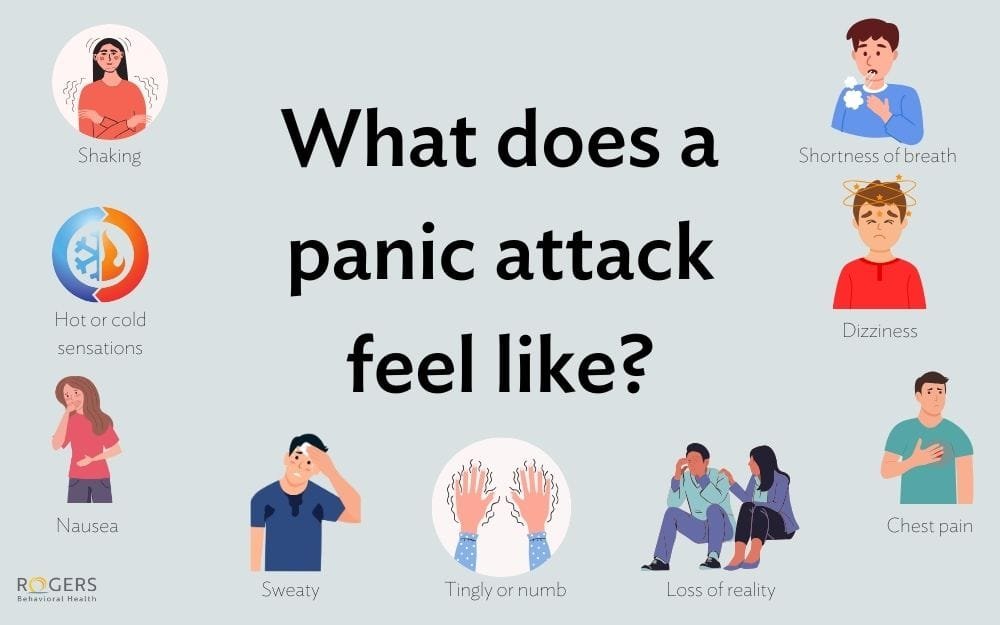
Why Do Harmless Sensations Feel Threatening?
A recurring feature of psychosomatic experience is the transformation of neutral or minor internal sensations into experiences perceived as significant, alarming, or even dangerous. Individuals may report discomfort, pressure, fluttering, or other subtle signals that, under different conditions, would pass unnoticed. Yet in certain contexts, these same signals acquire a heightened intensity and are interpreted as threats. This raises a central question: why do harmless sensations come to feel threatening, and through what mechanisms does this transformation occur? At the foundation of this phenomenon lies the interpretive nature of perception. Internal sensations are not experienced in isolation; they are embedded within a system that assigns meaning based on context, memory, and expectation. The organism continuously evaluates incoming signals, determining their relevance and potential implications. This evaluation occurs rapidly and often outside conscious awareness, shaping both perception and response. One of the key processes involved is predictive inference. The organism generates expectations about what internal states signify, drawing upon past experience and learned associations. These expectations influence how incoming signals are interpreted. When a sensation aligns with a prediction of threat, it is more likely to be perceived as significant and concerning. Conversely, when it aligns with expectations of normal variation, it may remain unnoticed or be quickly dismissed. This predictive framework explains why identical physiological signals can be experienced differently by different individuals, or even by the same individual in different contexts. A slight increase in heart rate may be interpreted as normal during physical activity but as alarming in a context associated with vulnerability or uncertainty. The difference lies not in the signal itself but in the meaning assigned to it. Attention plays a crucial role in amplifying this process. Sensations that become the focus of attention are perceived with greater intensity. When attention is directed inward, particularly in a vigilant or anxious manner, minor fluctuations become more salient. This heightened salience increases the likelihood that they will be interpreted as meaningful. The relationship between attention and perception is reciprocal. As sensations are perceived as more intense or threatening, they capture more attention, which in turn further amplifies their intensity. This feedback loop can rapidly escalate the experience from mild awareness to pronounced discomfort or concern. Cognitive appraisal further shapes this escalation. Interpretations of sensations are influenced by beliefs about health, control, and vulnerability. When individuals hold beliefs that emphasize fragility or risk, they may be more inclined to interpret sensations as indicators of dysfunction. These interpretations activate emotional responses that reinforce the perception of threat. Emotional processes are deeply intertwined with these mechanisms. States such as anxiety predispose the organism to detect and prioritize potential threats. In such states, the threshold for identifying danger is lowered, making it more likely that neutral signals will be categorized as significant. This bias is adaptive in genuinely threatening environments but becomes maladaptive when applied indiscriminately. Importantly, emotional activation does not require conscious awareness to influence perception. Implicit affective states can bias interpretation without being explicitly recognized. An individual may not report feeling anxious yet still exhibit patterns of perception consistent with heightened vigilance. This implicit influence contributes to the persistence of threat interpretations. Memory systems provide the templates through which sensations are evaluated. Past experiences of discomfort, illness, or distress create associations between certain sensations and negative outcomes. When similar sensations are encountered, these associations may be activated, shaping interpretation. The organism responds not only to the current signal but to the history embedded within it. Over time, these associations can become generalized. Sensations that share features with previously significant experiences may trigger similar interpretations, even when the underlying conditions differ. This generalization increases the range of stimuli that can be perceived as threatening. Interoception—the process of sensing internal states—introduces additional variability. Individuals differ in their sensitivity to internal signals and in their ability to accurately interpret them. Heightened sensitivity can increase awareness of subtle fluctuations, while interpretive biases determine whether these fluctuations are perceived as normal or problematic. In some cases, there is a mismatch between detection and interpretation. Signals are accurately perceived, but their meaning is misattributed. This mismatch can lead to disproportionate responses, where minor sensations are experienced as intense or dangerous. The persistence of such responses reinforces the interpretive pattern. Behavioral responses further sustain this cycle. When sensations are perceived as threatening, individuals may engage in strategies aimed at reducing or avoiding them. These strategies can include withdrawal, increased monitoring, or attempts at control. While they may provide temporary relief, they often reinforce the underlying belief that the sensations are significant and require attention. Avoidance, in particular, prevents exposure to experiences that might disconfirm threat interpretations. Without such exposure, the organism does not have the opportunity to update its predictions. The absence of corrective experience allows the association between sensation and threat to remain intact. Social context also influences how sensations are interpreted. Interpersonal feedback can validate or challenge threat perceptions. When concerns are reinforced by others, the significance of sensations may increase. Conversely, dismissive responses may lead to increased internal focus as individuals seek to resolve uncertainty on their own. Cultural frameworks provide broader systems of meaning that shape interpretation. Beliefs about health, illness, and the significance of bodily signals influence how sensations are understood. In some contexts, certain sensations may be more readily associated with risk, reinforcing their perception as threatening. Neurobiologically, the transformation of harmless sensations into perceived threats involves networks that integrate perception, evaluation, and regulation. These networks coordinate responses across multiple systems, ensuring that interpretation is translated into physiological and behavioral changes. When these networks become biased toward threat detection, the system becomes more likely to generate alarm responses. Hormonal pathways may be activated as part of this response, contributing to changes in arousal and readiness. These changes, while adaptive in genuine threat situations, can sustain the perception of danger when triggered inappropriately. The resulting physiological state reinforces the interpretation that something is wrong. The immune system may also be influenced indirectly through these processes. Persistent activation associated with perceived threat
Why Does the Body Hold Tension?
Persistent tension is one of the most common yet least precisely understood psychosomatic phenomena. Individuals frequently report ongoing tightness, pressure, or discomfort that does not correspond to acute injury or identifiable structural pathology. This sustained state raises a fundamental question: why does the organism maintain tension beyond its immediate functional necessity, and through what mechanisms does this state become chronic? Tension, in its adaptive form, is a regulatory response. It reflects the organism’s preparation for action, coordination, and stabilization. Muscle activation supports posture, movement, and protection. In response to perceived challenge or demand, increased tone facilitates readiness. However, the persistence of this state beyond situational requirements suggests a shift from adaptive activation to dysregulated maintenance. To understand this shift, it is necessary to examine the interaction between neural control systems and learned patterns of response. Motor activity is not solely governed by immediate intention; it is shaped by habitual programs that develop through repetition. These programs encode efficient ways of responding to recurring conditions. When tension becomes part of these programs, it may persist automatically, even in the absence of current demand. This persistence is closely linked to the concept of tonic activation. Unlike phasic responses, which are brief and stimulus-bound, tonic states involve sustained levels of activity. Once established, tonic patterns can become baseline conditions, requiring active processes to reduce them. In many cases, these reduction processes are impaired or underutilized, allowing tension to remain elevated. The autonomic nervous system plays a central role in modulating these patterns. Emotional and cognitive states influence autonomic balance, which in turn affects muscle tone and physiological readiness. When regulatory systems are biased toward activation, the organism remains in a state of preparedness that is not easily resolved. Emotional processes contribute significantly to this bias. States such as anxiety, vigilance, or unresolved affect can maintain low-level activation over extended periods. Even when these states are not consciously experienced as intense, they may exert a continuous influence on regulatory systems. The resulting tension becomes a somatic correlate of ongoing affective activation. Importantly, this activation does not always correspond to conscious awareness. Affect can operate at implicit levels, shaping physiological conditions without being explicitly recognized. Individuals may report feeling “fine” while simultaneously exhibiting persistent tension patterns. This dissociation highlights the complexity of emotional processing and its embodiment. Interoception influences how tension is experienced and maintained. The perception of internal states provides feedback that can either reinforce or attenuate activation. When individuals become attuned to sensations of tightness or discomfort, these sensations may become focal points of attention. Increased attention enhances their salience, potentially sustaining the underlying activation. Cognitive appraisal further shapes this process. Interpretations of tension—whether it is seen as problematic, dangerous, or uncontrollable—affect the organism’s response. When tension is perceived as threatening, it may trigger additional activation, intensifying the original state. Conversely, neutral or accepting interpretations may reduce its impact. Memory systems contribute to the stabilization of tension patterns. Repeated experiences of activation in specific contexts can lead to associative learning. Over time, these associations become embedded in neural and motor systems, allowing tension to be triggered by contextual cues. These cues may be subtle, including environmental features, internal thoughts, or relational dynamics. Trauma provides a particularly salient context for the persistence of tension. During overwhelming experiences, the organism may enter states of heightened activation that are not fully resolved. Elements of these states can become embedded in motor and regulatory systems, leading to chronic patterns of tension. These patterns may be reactivated by cues that resemble aspects of the original experience. In such cases, tension can be understood as a form of implicit memory. It reflects the organism’s attempt to maintain readiness in response to perceived threat, even when the threat is no longer present. The persistence of this readiness indicates a failure of resolution rather than an absence of adaptation. Behavioral factors also play a role in maintaining tension. Postural habits, repetitive movements, and patterns of inactivity can reinforce certain configurations of muscle activation. Over time, these configurations become default states, requiring conscious effort to modify. The organism adopts these patterns as efficient solutions, even if they contribute to discomfort. The role of breathing patterns is particularly relevant. Alterations in respiratory rhythm can influence overall levels of activation. Shallow or irregular breathing may sustain physiological readiness, while more regulated patterns can facilitate relaxation. When breathing becomes habitually dysregulated, it contributes to the persistence of tension across systems. Social and environmental factors further shape these patterns. Contexts that demand sustained attention, performance, or vigilance can reinforce activation. Interpersonal dynamics that involve uncertainty or conflict may also contribute to ongoing readiness. These influences become integrated into the organism’s regulatory landscape, shaping baseline conditions. Cultural expectations regarding productivity, control, and emotional expression may indirectly sustain tension. When individuals are encouraged to suppress or minimize emotional states, the physiological components of these states may persist without adequate processing. Tension becomes a residual expression of unarticulated experience. At the neurobiological level, the persistence of tension reflects the interaction of motor control systems with affective and regulatory networks. Neural circuits involved in movement are closely linked to those involved in emotion and perception. This integration allows emotional states to influence motor patterns, embedding affect within physical configurations. Plasticity within these circuits contributes to the stability of tension patterns. Repeated activation strengthens connections, making certain configurations more likely to recur. This process, while adaptive in many contexts, can lead to the persistence of maladaptive patterns when activation is not balanced by adequate recovery. Hormonal influences also play a role in sustaining tension. Prolonged activation of stress-related pathways can affect muscle tone and overall physiological readiness. These effects are not limited to acute responses but can contribute to longer-term shifts in baseline activation. The persistence of tension can thus be understood as the outcome of interacting processes across multiple levels. It reflects the integration of emotional, cognitive, motor, and environmental factors into stable patterns of activation. These patterns are maintained through feedback loops that reinforce their continuity. Intervention requires
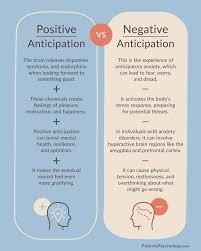
Can Anticipation Produce Real Symptoms?
Anticipation is often regarded as a cognitive act—a projection of possible future events based on prior experience and current inference. Yet within psychosomatic frameworks, anticipation is not merely mental; it is embodied. The expectation of future states can initiate present physiological changes that resemble responses to actual stimuli. This phenomenon raises a critical question: can anticipation itself generate real symptoms, independent of immediate external conditions? To address this, anticipation must be understood as part of a broader predictive system. The organism does not operate solely in reaction to stimuli but continuously generates expectations about what is likely to occur. These expectations guide perception, attention, and physiological readiness. In this sense, anticipation is not an optional cognitive overlay but a fundamental aspect of how the organism regulates itself in relation to its environment. Predictive processes rely on the integration of memory, context, and learned associations. When a situation resembles past experiences, the organism activates patterns that were previously adaptive. This activation occurs before the full emergence of sensory input, effectively preparing the system for anticipated demands. While this preparation enhances efficiency, it also creates the possibility that anticipated states may be experienced as present realities. Physiological activation is central to this process. When a future event is anticipated as threatening or demanding, regulatory systems initiate changes that resemble those triggered by actual exposure. These changes may include alterations in cardiovascular activity, muscle tone, respiratory patterns, and internal signaling. The organism begins to prepare as though the anticipated condition were already occurring. In many cases, this preparatory activation is adaptive. It allows for rapid and coordinated responses when the anticipated event unfolds. However, when anticipation becomes excessive or decoupled from actual conditions, it can produce symptoms that persist in the absence of immediate triggers. The organism responds not to what is happening, but to what is expected to happen. This phenomenon is closely related to expectancy effects. Expectations influence not only subjective experience but also physiological processes. When individuals anticipate discomfort, they may experience heightened sensitivity to internal signals, amplifying minor sensations into significant symptoms. Conversely, expectations of safety or relief can attenuate responses, reducing the intensity of physiological activation. The amplification of sensation through anticipation is mediated by interoceptive processes. Internal signals are continuously monitored and interpreted, but their salience depends on attentional and predictive factors. When anticipation directs attention toward specific sensations, those sensations become more prominent. This increased salience can lead to a perception of intensity that exceeds the underlying physiological input. Cognitive appraisal further shapes this process. Anticipated events are evaluated in terms of their potential impact, controllability, and significance. When anticipation is associated with threat or uncertainty, it activates emotional responses that reinforce physiological activation. These emotional responses contribute to the persistence of symptoms, even in the absence of actual stressors. Memory plays a foundational role in shaping anticipation. Past experiences provide templates that inform expectations about future events. When previous encounters with similar situations involved discomfort or distress, anticipation may activate the same patterns of response. This activation occurs automatically, often without conscious deliberation. Over time, these patterns can become generalized. The organism may begin to anticipate discomfort in a wide range of contexts that share certain features with past experiences. This generalization increases the likelihood of symptom production, as more situations become associated with anticipatory activation. The distinction between anticipation and perception becomes blurred in such cases. When anticipatory activation is strong, it can dominate sensory processing, leading to experiences that feel immediate and real. The organism does not simply imagine the anticipated state; it begins to embody it. This embodiment is evident in psychosomatic conditions where symptoms appear in predictable contexts. For example, an individual may experience discomfort consistently before engaging in certain activities, even when those activities do not inherently produce such effects. The anticipation of discomfort becomes sufficient to generate the experience itself. Emotional processes are deeply intertwined with anticipation. Emotions such as anxiety are inherently future-oriented, involving concern about potential outcomes. This orientation aligns closely with anticipatory mechanisms, reinforcing their activation. As emotional intensity increases, so does the degree of physiological preparation. Importantly, anticipation does not require conscious awareness to exert its effects. Implicit expectations, shaped by prior learning, can influence physiological responses without entering conscious thought. These implicit processes contribute to the persistence of symptoms that individuals may find difficult to explain. Behavioral responses further reinforce anticipatory patterns. When symptoms are anticipated, individuals may adopt strategies aimed at preventing or minimizing them. These strategies can include avoidance, increased monitoring, or attempts at control. While they may provide short-term relief, they often sustain the underlying anticipatory mechanisms. Avoidance, in particular, prevents exposure to experiences that might disconfirm expectations. Without such exposure, anticipatory patterns remain unchallenged and continue to guide responses. The absence of corrective experience allows anticipation to maintain its influence over time. Social and contextual factors also shape anticipatory processes. Interpersonal feedback can reinforce expectations about how situations will unfold. Cultural narratives about health and vulnerability contribute additional layers of meaning, influencing how anticipation is constructed and experienced. At the neurobiological level, anticipation involves networks that integrate prediction, valuation, and regulation. These networks coordinate responses across multiple systems, ensuring that expectations are translated into physiological readiness. When these networks become biased toward certain patterns, anticipatory activation may become chronic. Hormonal pathways are particularly sensitive to anticipatory processes. The expectation of challenge or threat can initiate hormonal responses that prepare the organism for action. When such expectations are persistent, these responses may become prolonged, contributing to sustained physiological changes. The immune system may also be influenced by anticipation. Perceived threat can alter immune activity, affecting the organism’s capacity to respond to actual challenges. This interaction underscores the extent to which anticipation extends beyond immediate experience to influence broader aspects of functioning. The persistence of symptoms generated through anticipation reflects the stability of predictive patterns. Once established, these patterns can operate independently of the conditions that originally gave rise to them. The organism continues to prepare for expected states, even when
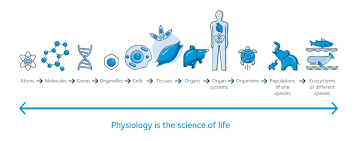
How Does Meaning Alter Physiology?
Within psychosomatic theory, one of the most intricate and least intuitively understood processes concerns the role of meaning in shaping physiological states. Meaning, in this context, does not refer merely to linguistic definition or abstract cognition; it encompasses the interpretive frameworks through which individuals organize experience, evaluate significance, and assign relevance to internal and external events. The question of how meaning alters physiology invites a reconsideration of the relationship between symbolic processes and biological regulation. It suggests that interpretation is not a passive overlay upon physical reality but an active force capable of modulating regulatory systems at multiple levels. To examine this process, it is necessary to distinguish between stimulus and interpretation. Two individuals may encounter the same external condition, yet exhibit markedly different physiological responses. This divergence reflects differences not in the stimulus itself, but in the meaning assigned to it. Meaning functions as a filter through which stimuli are evaluated, determining whether they are perceived as threatening, neutral, or beneficial. This evaluation initiates cascades of physiological activity that prepare the organism for corresponding forms of action. At the neural level, meaning is constructed through the integration of sensory input, memory, and predictive models. The brain continuously generates hypotheses about the significance of incoming information, drawing upon prior experience and contextual cues. These hypotheses are not merely cognitive; they are embodied in patterns of activation that influence autonomic and endocrine processes. Thus, meaning is instantiated within the organism as a set of coordinated responses rather than as an abstract representation detached from physiological function. One of the primary pathways through which meaning influences physiology involves appraisal processes. Appraisal refers to the evaluation of events in terms of their relevance to goals, well-being, and survival. This evaluation occurs rapidly and often outside conscious awareness. Once a situation is appraised, corresponding regulatory systems are engaged. A perceived threat may trigger mobilization, while a perceived opportunity may facilitate approach-oriented states. Importantly, appraisal is not fixed but shaped by experience and belief systems. Individuals develop habitual ways of interpreting events, which become embedded in their cognitive and affective architecture. These habitual interpretations create consistent patterns of physiological response. Over time, the organism becomes tuned to respond in particular ways based on learned meanings rather than immediate conditions. This tuning is evident in the phenomenon of anticipatory regulation. The organism does not wait for events to occur before responding; it prepares based on expectations. When a situation is anticipated to be challenging or threatening, physiological activation may occur in advance. This anticipatory activation reflects the predictive nature of regulatory systems, which rely on meaning to guide preparation. Memory plays a crucial role in shaping meaning. Past experiences provide templates that inform current interpretations. When a new situation resembles a previously significant event, the associated meaning may be activated, along with corresponding physiological patterns. This process allows for rapid adaptation but also introduces the possibility of misalignment between current conditions and responses. In psychosomatic contexts, this misalignment can contribute to symptom formation. When meanings associated with past experiences are applied to present situations inappropriately, physiological responses may be disproportionate or maladaptive. The organism responds not to the current reality but to the meaning constructed from prior experience. Language and symbolic representation further influence how meaning is constructed and maintained. The ability to articulate experiences allows for their organization into coherent frameworks. These frameworks guide future interpretations, creating continuity in how events are understood. However, when symbolic processing is limited or disrupted, meaning may remain implicit, exerting influence without being explicitly recognized. Implicit meanings are particularly relevant in the persistence of psychosomatic symptoms. These meanings may be encoded in patterns of response that do not reach conscious awareness. For example, a situation may evoke a sense of unease without a clear explanation. This unease reflects an implicit evaluation that has physiological consequences, even if the individual cannot articulate its basis. The role of belief systems in shaping meaning cannot be overstated. Beliefs about health, vulnerability, control, and the nature of the self influence how internal and external events are interpreted. These beliefs function as organizing principles, guiding appraisal and response. When beliefs emphasize threat or fragility, physiological systems may be more readily activated. Conversely, beliefs that emphasize resilience or manageability can modulate responses, reducing the intensity of activation. This modulation does not eliminate physiological reactions but alters their magnitude and duration. The organism remains responsive but avoids excessive or prolonged activation. Social context contributes to the formation and reinforcement of meaning. Interpersonal interactions provide feedback about how experiences should be interpreted. Validation, interpretation, and shared narratives all shape individual meaning-making processes. Through these interactions, meanings become stabilized and integrated into broader frameworks. Cultural factors extend this process by providing collective systems of meaning. Cultural narratives about illness, stress, and emotion influence how individuals understand their experiences. These narratives shape not only interpretation but also expression, determining which forms of distress are recognized and how they are communicated. Neurobiologically, the influence of meaning on physiology is mediated through interconnected networks that link cognitive, emotional, and regulatory processes. These networks allow symbolic interpretations to influence autonomic activity, hormonal signaling, and immune responses. The integration of these systems ensures that meaning is translated into coordinated physiological states. Hormonal pathways are particularly sensitive to interpretive processes. The perception of threat or challenge can initiate hormonal cascades that affect multiple systems. When such perceptions are chronic, these cascades may contribute to sustained physiological changes. The persistence of these changes reflects the ongoing influence of meaning rather than the presence of continuous external stressors. The immune system also responds to meaning-laden interpretations. Psychological stress, shaped by appraisal and belief, can influence immune activity, altering susceptibility to illness and recovery processes. This interaction illustrates how meaning extends beyond immediate physiological responses to influence longer-term health outcomes. In the context of psychosomatic symptoms, meaning often operates as a central organizing factor. Symptoms may be interpreted as signs of dysfunction, danger, or vulnerability, reinforcing their significance and sustaining attention. Alternatively, they may be understood