

November 2, 2026-
No Comments
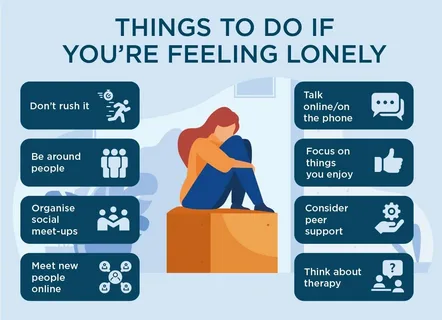
Loneliness is often understood as the absence of social contact. People commonly associate it with living alone, having few friends, or spending long periods without communication. However, loneliness is not...
Loneliness is often understood as the absence of social contact. People commonly associate it with living alone, having few friends, or spending long periods without communication. However, loneliness is not...

Trauma can profoundly influence the way individuals experience themselves, other people, and the world around them. An event that involves actual or threatened death, serious injury, or sexual violence may...

Human beings are social by nature. From early childhood, relationships influence how individuals understand themselves, evaluate their abilities, and develop a sense of belonging. Recognition, acceptance, and appreciation can provide...

Eating is one of the most familiar activities in human life, yet many people spend surprisingly little time paying attention to the experience of eating itself. Meals may take place...
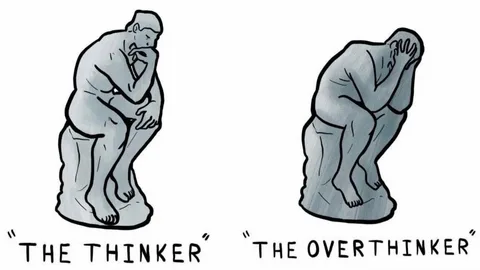
Overthinking is a common human experience in which thoughts repeatedly return to the same questions, events, decisions, or possible future outcomes. A person may spend hours analyzing a conversation, reconsidering...

Human communication extends far beyond spoken words. During a conversation, people also communicate through facial expressions, eye movements, posture, gestures, physical distance, and the tone and rhythm of their voices....

Human behavior contains contradictions that are difficult to explain through conscious intention alone. A person may desire emotional intimacy while keeping others at a distance, seek success while repeatedly postponing...

Alfred Adler’s psychological approach begins with a question that remains relevant to human experience: what gives direction to our lives? People do not simply react to the world around them....

Human beings often present different versions of themselves in different social situations. A person may appear confident at work, agreeable among friends, patient within the family, and emotionally distant when...

Thomas Erikson’s book *Surrounded by Idiots* explores differences in human behavior and communication through a four-color model: red, yellow, green, and blue. The model is intended to help readers recognize...