

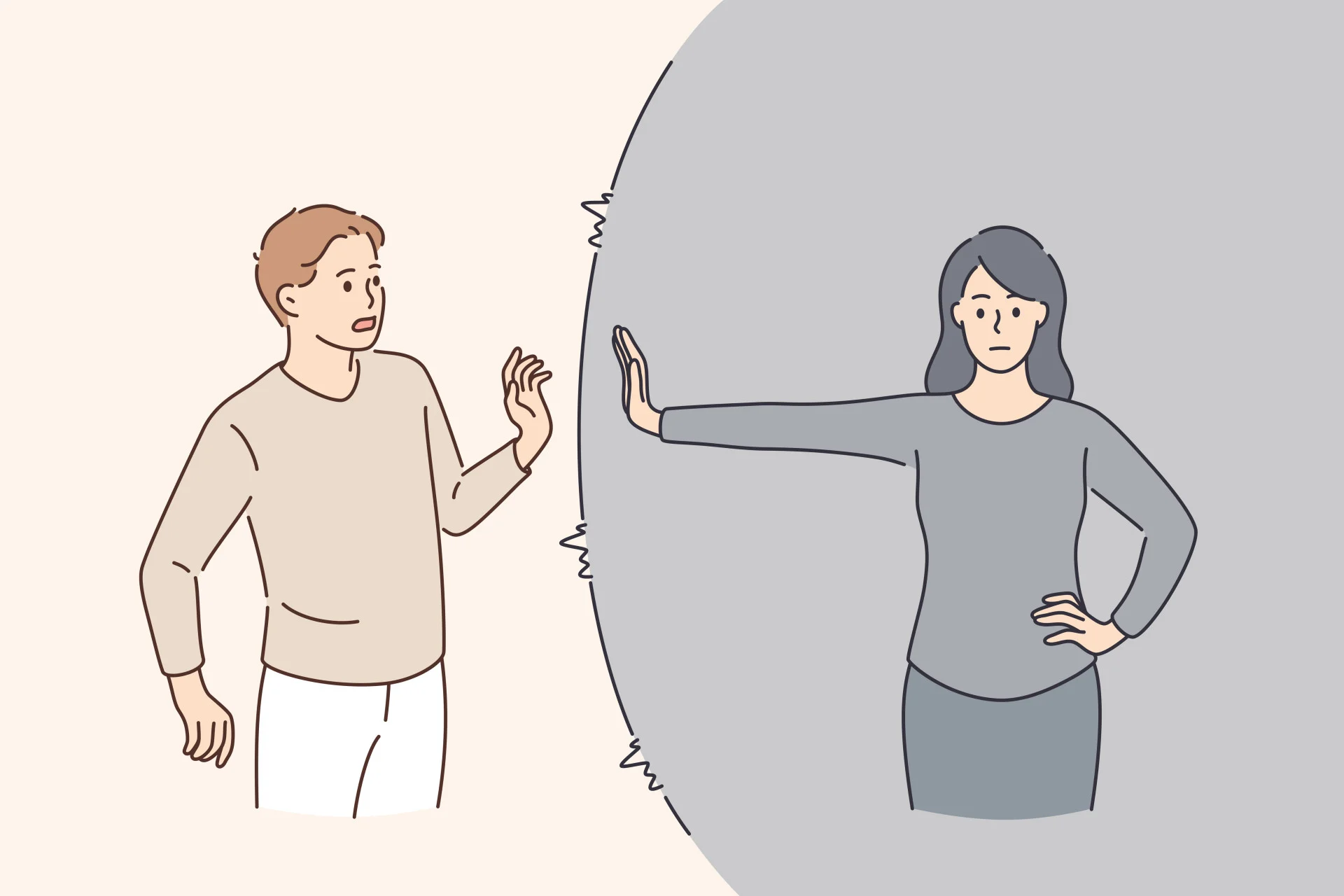
Avoidance is a common aspect of human behavior. People may avoid situations that make them uncomfortable, conversations that seem difficult, or relationships in which they fear rejection. In many circumstances, avoidance is temporary and adaptive. A person may step away from a stressful situation in order to regulate emotions, reconsider a decision, or protect themselves from immediate psychological pressure. However, when avoidance becomes persistent, generalized, and strongly connected to fears of rejection, criticism, embarrassment, or inadequacy, it may become clinically relevant. In clinical psychology, avoidant personality patterns refer to enduring patterns of interpersonal and emotional functioning characterized by social inhibition, sensitivity to negative evaluation, feelings of inadequacy, and a tendency to avoid situations involving significant interpersonal risk. These patterns exist on a continuum. Experiencing social discomfort or avoiding certain situations does not by itself indicate a personality disorder. A clinical diagnosis requires a comprehensive professional assessment and consideration of the person’s developmental history, functioning across contexts, distress, and alternative explanations. Avoidant personality patterns are particularly interesting because avoidance can provide short-term emotional relief while potentially maintaining difficulties over the longer term. A person may avoid a social situation because they anticipate embarrassment. After avoiding it, their anxiety may temporarily decrease. This reduction in distress can make avoidance more likely in the future. Over time, the person may receive fewer opportunities to discover that their feared outcome might not occur, and their negative expectations can remain unchallenged. This process can be understood through the psychological concept of negative reinforcement. Negative reinforcement does not mean punishment or something morally negative. It refers to a behavior becoming more likely because it removes or reduces an unpleasant experience. If avoiding a social interaction reduces anxiety, the relief itself may strengthen the tendency to avoid similar interactions later. For example, imagine a person who is invited to a small gathering. They immediately think that other people may judge their appearance, intelligence, communication style, or personality. Their anxiety increases, and they decide not to attend. Once the decision has been made, their anxiety decreases. The person may therefore experience avoidance as successful because it produced immediate relief. However, they also lost an opportunity to participate in a social experience and to gather evidence about whether their fears were accurate. This cycle can become increasingly restrictive. The more situations a person avoids, the fewer opportunities they have to develop confidence through experience. Consequently, the person may begin to interpret their lack of social experience as evidence that they are incapable of social interaction. Avoidance can therefore contribute to a self-maintaining pattern involving fear, withdrawal, temporary relief, and reduced confidence. One of the central psychological features associated with avoidant patterns is sensitivity to negative evaluation. The person may pay considerable attention to how they believe others perceive them. A neutral facial expression may be interpreted as disapproval. A delayed response to a message may be interpreted as rejection. A small mistake during a conversation may be remembered for a long time. These interpretations are not necessarily conscious or deliberate. They may occur rapidly and automatically. Cognitive models of anxiety suggest that people can develop habitual expectations about social situations based on previous experiences. When someone expects criticism or rejection, ambiguous information may be interpreted in a way that confirms the expectation. For example, if a colleague does not greet a person in the morning, someone with strong rejection expectations may think, “They do not like me.” Another person might consider several explanations, such as the colleague being distracted or preoccupied. The difference is not necessarily the event itself but the meaning assigned to the event. This does not mean that all negative interpretations are irrational. People can genuinely experience rejection, criticism, bullying, or exclusion. A clinically relevant psychological pattern should therefore not be understood by simply telling someone that their fears are imaginary. Assessment requires attention to the actual interpersonal environment as well as the person’s interpretations and emotional responses. Feelings of inadequacy may also be important. Some individuals with avoidant personality patterns may believe that they are socially inferior, uninteresting, unattractive, incompetent, or otherwise inadequate. These beliefs can influence how they approach relationships and social opportunities. A person may think, “If people get to know me, they will eventually discover that I am not good enough.” This expectation can make intimacy particularly difficult. Avoidance can protect the person from immediate vulnerability, but it can also prevent the development of relationships that might challenge their negative self-perception. The relationship between self-esteem and avoidance is therefore complex. Low self-esteem may contribute to avoidance, while repeated avoidance may further reduce opportunities for positive social experiences. This can create a feedback loop in which negative beliefs and avoidance reinforce one another. However, not every person who avoids social situations has low self-esteem. Some people may avoid particular environments because of previous trauma, cultural expectations, interpersonal conflict, sensory sensitivity, depression, social anxiety, or other factors. Clinical interpretation should therefore remain individualized. Avoidant personality patterns also need to be distinguished from ordinary introversion. Introversion generally refers to a preference for lower levels of social stimulation or a tendency to regain energy through solitude. An introverted person may enjoy spending time alone and still maintain satisfying relationships and participate comfortably in important social situations. Avoidance becomes more clinically significant when it is associated with substantial distress, impairment, or persistent restriction of a person’s life. A person who prefers quiet evenings at home is not necessarily displaying pathological avoidance. By contrast, someone who wants relationships or professional opportunities but repeatedly avoids them because of intense fears of criticism or rejection may be experiencing a more significant difficulty. Another important distinction is between avoidant personality patterns and social anxiety disorder. These conditions can overlap considerably, and some people may meet criteria for both. Social anxiety disorder is primarily characterized by marked fear or anxiety in social situations involving possible scrutiny or evaluation. Avoidant personality disorder, as described in contemporary diagnostic systems, involves a broader and more enduring pattern affecting interpersonal relationships, self-concept, and social functioning.

Crime and Punishment: A Psychological Analysis
Fyodor Dostoevsky’s Crime and Punishment is one of the most psychologically complex works in world literature. Published in 1866, the novel examines crime, guilt, morality, isolation, suffering, rationalization, and the possibility of psychological transformation through the experiences of Rodion Raskolnikov, a young former student living in poverty in St. Petersburg. Although the novel is often discussed as a philosophical or moral work, its psychological depth is equally significant. Dostoevsky does not simply ask whether a person is capable of committing a crime. He explores what happens inside the human mind before, during, and after a morally destructive act. Raskolnikov is particularly interesting from a psychological perspective because his crime is not motivated by a single emotion. His behavior develops through a complicated combination of intellectual ideas, poverty, resentment, isolation, pride, compassion, and a desire to test his own theory about human beings. He attempts to construct a rational justification for murder, yet his emotional and moral responses repeatedly contradict his intellectual arguments. The resulting conflict becomes the central psychological drama of the novel. At the beginning of the story, Raskolnikov is socially isolated. He is poor, unemployed, and has withdrawn from many ordinary social relationships. His physical environment reflects his psychological condition. His small room, limited financial resources, hunger, and separation from society contribute to a sense of confinement. His isolation is not merely economic. He increasingly lives inside his own thoughts, developing theories without sufficiently testing them through ordinary human interaction. Social isolation can influence psychological functioning in several ways. When individuals have limited opportunities to receive alternative perspectives, their internal beliefs may become increasingly dominant. A person can repeatedly analyze the same idea without encountering another person who challenges its assumptions. Raskolnikov’s intellectual isolation therefore becomes important to the development of his theory. His theory divides people into two broad categories. According to his reasoning, ordinary people are expected to obey established moral and legal rules, whereas exceptional individuals may have the right to violate those rules if their actions contribute to a greater historical purpose. He uses figures such as Napoleon as examples of individuals who committed acts of violence while becoming historically significant. Raskolnikov begins to wonder whether truly exceptional people possess a special right to cross moral boundaries. Psychologically, this theory can be interpreted as an attempt to transform moral uncertainty into intellectual certainty. Instead of confronting the complexity of human morality, Raskolnikov creates a conceptual system that appears to provide clear answers. If some people are “extraordinary,” then perhaps extraordinary people are permitted to perform actions that ordinary people cannot. However, the theory contains an important psychological problem. Raskolnikov does not merely want to determine whether the theory is intellectually defensible. He wants to discover which type of person he himself is. The planned crime becomes an experiment involving his own identity. He wants to know whether he possesses the strength, courage, and psychological independence that his theory associates with exceptional individuals. This makes the crime psychologically different from an ordinary act motivated solely by material gain. Raskolnikov does need money, but the money is not the complete explanation. His intellectual curiosity, pride, resentment, and desire to test himself become deeply connected to the decision. He attempts to turn murder into a philosophical experiment. This is one of the novel’s most important psychological ideas: human beings may construct rational explanations for behaviors that are also influenced by emotions that they do not fully recognize. Raskolnikov consciously emphasizes philosophical reasoning, but beneath the theory are feelings of humiliation, anger, superiority, helplessness, and alienation. His reasoning does not eliminate these emotions. Instead, it provides them with an intellectual framework. Before committing the crime, Raskolnikov repeatedly moves between determination and hesitation. His behavior demonstrates psychological ambivalence. He wants to act, yet another part of him resists. He imagines the crime, rejects the idea, returns to it, and experiences physical and emotional distress. This instability illustrates the conflict between abstract reasoning and emotional response. Ambivalence is common in psychologically significant decisions. People can simultaneously desire and fear the same outcome. One part of the mind may perceive an action as necessary while another part recognizes its emotional or moral consequences. Raskolnikov’s internal conflict becomes increasingly intense because the action he is considering is irreversible. The murder itself is also psychologically important because reality does not behave according to his theory. He imagines a controlled and rational act, but the actual event becomes chaotic. He kills the pawnbroker Alyona Ivanovna and unexpectedly kills her sister Lizaveta as well. The second killing is especially significant because it disrupts the intellectual simplicity of his original plan. The crime is no longer a clean philosophical experiment. The gap between theory and reality becomes one of the novel’s central psychological mechanisms. Before the crime, Raskolnikov can think about murder abstractly. After the crime, he must experience its concrete consequences. The person he intellectually reduced to an obstacle is no longer an abstract object. The physical reality of violence confronts him with the consequences of his actions. Immediately after the crime, his psychological state becomes increasingly unstable. He experiences fear, confusion, physical exhaustion, suspiciousness, and emotional disorganization. He worries about being discovered but also appears psychologically disturbed by what he has done. His behavior cannot be explained simply as fear of punishment. Something deeper is occurring: his self-concept has been damaged. Raskolnikov had imagined that an exceptional person could commit such an act without being psychologically destroyed by it. His own reaction provides evidence against his theory. He discovers that the psychological consequences of the crime cannot simply be controlled through intellectual reasoning. Guilt is one of the central psychological themes of the novel. Guilt involves the recognition that one’s behavior has violated a moral standard and harmed another person. It can motivate repair, confession, or behavioral change. Raskolnikov experiences guilt in a complicated form because he initially attempts to deny the moral meaning of his action while simultaneously showing signs of psychological distress. His guilt is not expressed only through explicit statements. It appears

The Psychology of Self-Sabotage
Self-sabotage refers to patterns of thought and behavior through which individuals unintentionally interfere with their own goals, progress, relationships, or well-being. A person may genuinely want to succeed and yet repeatedly behave in ways that make success more difficult. Someone may postpone an important task until the last moment, reject a valuable opportunity, abandon a promising relationship, create unnecessary conflicts, or become excessively critical of their own performance. From the outside, such behaviors can appear irrational. From a psychological perspective, however, self-sabotage often develops as an understandable response to fear, insecurity, emotional conflict, learned beliefs, or attempts to protect oneself from uncomfortable experiences. The concept of self-sabotage should be used carefully because not every failure, mistake, or unproductive behavior represents deliberate self-sabotage. Human behavior is influenced by many factors, including fatigue, limited resources, lack of knowledge, environmental circumstances, stress, and competing responsibilities. A person who fails to complete a goal is not necessarily preventing their own success. Self-sabotage becomes a useful psychological concept when a repeated pattern appears in which a person’s behavior consistently conflicts with their stated goals, particularly when the individual recognizes the pattern but finds it difficult to change. One of the central features of self-sabotage is the conflict between conscious goals and emotional needs. A person may consciously want professional advancement but emotionally fear the increased responsibility that comes with success. Another person may want a close relationship but fear vulnerability and therefore create distance whenever intimacy develops. Someone may want to improve their health but repeatedly avoid behaviors that support this goal because changing familiar routines creates discomfort. In each case, the behavior can be understood as a conflict between what the individual says they want and what another part of their psychological system is trying to avoid. Fear is one of the most important mechanisms associated with self-sabotaging behavior. People often think about fear in relation to failure, but success can also generate anxiety. Success changes expectations. When a person succeeds, others may expect more from them, and the individual may expect more from themselves. A person who fears not being able to maintain a new level of performance may unconsciously prefer the psychological safety of familiar limitations. Failure can then provide an explanation that feels less threatening than discovering what might happen after success. Fear of failure is another common pathway. If failure is interpreted as evidence of personal inadequacy, beginning a challenging task can become emotionally threatening. Avoiding the task protects the individual from immediate exposure to possible failure. Unfortunately, the short-term emotional relief produced by avoidance can strengthen the behavior. The person feels less anxious because they have postponed the challenge, and this relief teaches the brain that avoidance is useful. Over time, however, the unfinished task produces additional stress and may reinforce negative beliefs about competence. Procrastination can therefore become a form of self-sabotaging behavior when it repeatedly prevents a person from pursuing important goals. The psychological process is often more complicated than laziness. A difficult task may activate fear, perfectionism, uncertainty, or self-doubt. The individual turns toward something easier or more pleasurable, experiences temporary relief, and later feels guilt or disappointment. This cycle can become habitual. Perfectionism is another important factor. A perfectionistic person may establish standards that are extremely difficult to satisfy. Because the expected result must be excellent, starting the task becomes psychologically risky. The person may delay beginning until they feel completely prepared, but complete preparation rarely arrives. Alternatively, they may repeatedly revise their work, avoid submitting it, or abandon it because it does not meet an imagined ideal. In this way, the desire to produce an excellent result can paradoxically interfere with producing any result at all. Self-sabotage can also develop from negative self-beliefs. Individuals who repeatedly think “I am not capable,” “I always fail,” or “I do not deserve good things” may behave consistently with these beliefs. Psychological beliefs influence attention, interpretation, motivation, and behavior. If a person expects failure, they may notice evidence supporting failure more readily than evidence of competence. Their behavior may also become more cautious or avoidant, reducing opportunities for positive experiences. These beliefs can develop through many experiences. Repeated criticism, humiliation, bullying, unrealistic expectations, repeated failure, unstable relationships, or conditional approval may influence how individuals interpret themselves. However, there is no single childhood experience that inevitably produces self-sabotage. People with similar experiences can develop very different psychological patterns because temperament, social support, coping skills, later relationships, and environmental circumstances also matter. Early learning can nevertheless be significant because children gradually develop beliefs about what is safe, acceptable, and possible. If a child learns that mistakes consistently lead to severe criticism, they may become highly sensitive to failure. If they learn that expressing needs causes rejection, they may later suppress their needs in relationships. If achievement is consistently treated as the primary source of approval, the person may develop the belief that their value depends on performance. Self-sabotage can therefore function as a form of psychological protection. This may seem contradictory because the behavior produces negative consequences, but the immediate purpose may be emotional safety. Avoiding a difficult opportunity protects a person from the possibility of rejection. Refusing to become emotionally close protects them from possible abandonment. Not trying seriously protects them from discovering that they might fail. The behavior is harmful in the long term but can provide short-term relief. This distinction between short-term and long-term consequences is essential. Many self-sabotaging behaviors are maintained because they produce immediate emotional benefits. Avoidance reduces anxiety now. Procrastination reduces discomfort now. Reassurance seeking reduces uncertainty now. Withdrawal reduces exposure to possible rejection now. The future consequences may be negative, but the brain tends to respond strongly to immediate relief. This can make the behavior surprisingly persistent. Self-sabotage can also involve emotional reasoning. A person may think, “I feel incapable, therefore I must be incapable.” However, feelings are not always accurate measures of ability. Anxiety can create a subjective sense of incompetence even when objective performance is adequate. Similarly, feeling undeserving of

The Psychological Benefits of Reading Books
Reading books is one of the simplest intellectual activities, yet its psychological effects can extend far beyond the acquisition of information. People read for many different reasons: to learn, to relax, to understand other people, to explore unfamiliar ideas, or simply to spend time in a quiet environment. Regardless of the specific purpose, regular reading can influence several psychological processes, including attention, memory, emotional regulation, self-reflection, imagination, and social understanding. The effects of reading are not identical for everyone, and they depend on the type of material, the individual’s reading habits, and the context in which reading takes place. Nevertheless, psychological research has increasingly examined reading not only as an educational activity but also as an experience that may contribute to psychological well-being. One of the most important psychological characteristics of reading is that it requires sustained attention. Unlike many forms of digital content that can be consumed in very short periods, reading a book generally requires the individual to maintain attention across sentences, paragraphs, and pages. The reader must remember information, connect ideas, interpret meanings, and anticipate what may come next. This sustained engagement can provide regular practice for attentional control. In everyday life, where people are frequently exposed to notifications, short videos, advertisements, and rapidly changing information, the ability to remain focused on one activity can become increasingly valuable. The relationship between reading and attention is particularly interesting because attention is not simply a passive process. When a person reads, the brain actively selects relevant information and integrates it with previously processed material. A reader must distinguish important ideas from less important details and construct a coherent representation of what is being read. This makes reading cognitively demanding in a way that can be beneficial for intellectual development. Regular reading does not automatically eliminate concentration difficulties, but it provides repeated opportunities to practice sustained mental engagement. Reading also involves memory. When a person reads a book, especially a long one, they must retain characters, concepts, arguments, events, relationships, and previously introduced information. In nonfiction, readers may need to remember definitions and connect them with later explanations. In fiction, they may need to remember characters and events that occurred many pages earlier. This continuous interaction between new information and previously stored information engages working memory and long-term memory processes. The psychological benefits of reading are not limited to cognitive performance. Reading can also influence emotional regulation. People sometimes choose books when they need a quiet activity after a stressful day. Entering a structured reading environment may provide psychological distance from immediate concerns. For a period of time, attention is directed toward the text rather than toward everyday problems. This does not mean that reading functions as a replacement for professional psychological treatment, but it may provide a useful form of relaxation for many individuals. The experience of becoming absorbed in a book is sometimes described as narrative transportation or immersion. When readers become deeply engaged with a story, their attention can become temporarily concentrated on the fictional world. They may visualize places, imagine characters, and emotionally respond to events. This absorption can create a temporary separation from ordinary concerns. The psychological value of such experiences may partly arise from the fact that the mind is given an opportunity to shift attention away from repetitive everyday thoughts. For individuals who experience frequent mental overactivity, reading can sometimes provide an alternative focus. Instead of repeatedly analyzing the same problem, the reader follows an external sequence of ideas. This distinction is important because thinking is not always equivalent to productive problem-solving. Some forms of repetitive thinking simply return to the same concern without producing a new solution. Reading can interrupt such repetitive attention by giving the mind a structured cognitive task. Books can also support emotional understanding. Fictional narratives frequently present characters who experience fear, grief, love, jealousy, disappointment, loneliness, conflict, and moral uncertainty. Readers observe these experiences from perspectives that may differ from their own. Through this process, reading can expose individuals to psychological situations that they have never personally experienced. A story about grief, for example, may encourage readers to think about how loss affects people differently. A story about social exclusion may provide insight into experiences that are unfamiliar to the reader. This connection between reading and social understanding has attracted considerable psychological interest. Some studies suggest that engagement with literary fiction may be associated with aspects of social cognition, although the evidence is complex and should not be interpreted as proof that reading fiction automatically makes a person more empathetic. The effects may depend on the quality and type of reading, the reader’s engagement with the material, and individual characteristics. Nevertheless, narratives provide opportunities to consider other people’s thoughts, motivations, and emotions. A major psychological feature of literature is perspective-taking. Readers can enter the experiences of people whose backgrounds, values, personalities, and circumstances are different from their own. Even when the reader disagrees with a character, understanding the character’s perspective requires considering why that person thinks and behaves in a particular way. This process may encourage a more complex understanding of human behavior. Instead of viewing actions only as right or wrong, readers may begin to consider the experiences and psychological factors that contribute to those actions. Reading can also contribute to self-reflection. People often recognize aspects of themselves in books. A character’s fear may remind a reader of a personal fear. A description of loneliness may help someone recognize emotions that they previously found difficult to identify. A psychological concept may provide language for an experience that previously felt vague or confusing. In this way, books can sometimes function as mirrors through which individuals examine their own experiences. Self-reflection is particularly relevant to psychology books. Reading about attachment, personality, emotions, trauma, relationships, cognitive processes, or human development can encourage individuals to examine their own patterns of thinking and behavior. However, psychological literature should be approached carefully. A reader should not assume that identifying with a description automatically means that they have a particular psychological disorder or

The Psychology of Self-Doubt
Self-doubt is a common psychological experience that can influence how people think about themselves, interpret their abilities, make decisions, and respond to challenges. Almost everyone experiences moments of uncertainty about their abilities. A student may wonder whether they are intelligent enough to succeed in an examination. An employee may question whether they are capable of completing an important task. A person may hesitate before expressing an opinion because they are afraid that others will disagree with them. In many situations, temporary doubt can be useful because it encourages people to examine their choices, prepare more carefully, and recognize areas that require improvement. However, when self-doubt becomes frequent and persistent, it can interfere with psychological well-being and everyday functioning. Self-doubt can be understood as a tendency to question one’s own abilities, decisions, qualities, or worth. It does not necessarily mean that a person lacks ability. In fact, people with considerable knowledge and competence can experience strong self-doubt. The important issue is not simply whether a person doubts themselves, but how often the doubt appears, how intense it becomes, and how strongly it influences behavior. A person may possess sufficient skills to complete a task while still believing that they are likely to fail. This difference between actual ability and perceived ability is central to understanding self-doubt. Self-doubt is also different from healthy self-questioning. Healthy self-questioning allows individuals to consider whether their assumptions are correct and whether they could improve their performance. It is flexible and usually leads to constructive action. Excessive self-doubt, in contrast, often produces repetitive uncertainty without producing useful solutions. A person may repeatedly ask, “Am I good enough?” or “What if I make a mistake?” even after receiving evidence that they are capable. Instead of encouraging learning, the doubt becomes a source of emotional distress and avoidance. The development of self-doubt can be influenced by many psychological and environmental factors. Childhood experiences are particularly important because early relationships contribute to the development of beliefs about the self. Children gradually learn how they are perceived by important adults. When a child receives encouragement, realistic feedback, affection, and opportunities to make mistakes safely, they may develop a stronger sense of competence. In contrast, persistent criticism, excessive comparison, unpredictable approval, or extremely high expectations may contribute to insecurity. This does not mean that critical parenting automatically creates self-doubt. Human development is complex, and individuals respond differently to similar experiences. Temperament, social environment, relationships, personal experiences, and later opportunities for psychological development all interact. Nevertheless, repeated experiences in which a child feels that their performance determines whether they deserve approval may contribute to conditional beliefs about self-worth. The individual may later become highly concerned with proving their value through achievement. School experiences can also influence self-doubt. Academic environments often involve evaluation, comparison, grades, and competition. These experiences can be motivating when evaluation is interpreted as information about learning. However, if performance becomes strongly connected to personal worth, mistakes may become psychologically threatening. A student who receives a low grade may conclude not simply that they misunderstood a particular topic, but that they are unintelligent. This represents an important cognitive shift from evaluating behavior to evaluating the entire self. Social comparison is another important mechanism. People naturally compare themselves with others, but the direction and meaning of comparison can vary. When individuals repeatedly compare their weaknesses with other people’s visible strengths, they may develop an unrealistic impression that everyone else is more competent. Modern digital environments can intensify this process because people are frequently exposed to carefully selected representations of other people’s achievements, appearance, relationships, careers, and lifestyles. The individual usually sees the final result of another person’s life rather than the uncertainty and difficulty behind it. Self-doubt is often maintained by selective attention. A person who already believes that they are inadequate may pay greater attention to evidence that confirms this belief while ignoring contradictory evidence. For example, someone may successfully complete nine tasks but make one mistake on the tenth. Instead of considering the entire pattern of performance, they may focus almost exclusively on the mistake. The mind then uses the mistake as evidence for an existing negative belief: “I knew I was not capable.” This process can strengthen self-doubt over time. Another cognitive process involved in self-doubt is catastrophizing. A small mistake can be interpreted as evidence of a much larger future failure. A person might think, “If I make one mistake during this presentation, everyone will think I am incompetent.” The actual event may be relatively insignificant, but the predicted consequences become much larger. Such thoughts can increase anxiety and cause the person to avoid opportunities where evaluation is possible. Perfectionism is closely related to self-doubt in many individuals. Perfectionistic thinking often involves extremely high standards combined with a tendency to interpret anything less than perfect as inadequate. When a person believes that only excellent performance is acceptable, ordinary mistakes become difficult to tolerate. The paradox is that perfectionism does not necessarily create confidence through achievement. Instead, each achievement may provide only temporary relief because the standard immediately moves higher. The person may therefore remain uncertain despite repeated evidence of competence. Self-doubt can also contribute to procrastination. When a task is associated with possible failure or negative evaluation, avoiding the task can temporarily reduce anxiety. A student who doubts their ability may postpone studying because beginning the task activates uncomfortable thoughts about failure. The temporary relief produced by avoidance reinforces the behavior. However, the unfinished task later increases stress, and the person may interpret their procrastination as further evidence that they are incapable or undisciplined. This creates a cycle in which self-doubt contributes to avoidance, avoidance reduces opportunities for successful experience, and the lack of successful experience strengthens self-doubt. Reassurance seeking is another common response. People experiencing self-doubt may repeatedly ask others whether they have made the correct decision or whether their performance was good enough. Support from others can be helpful, but excessive reassurance can become problematic when a person feels unable to trust their own judgment

The Psychology of Procrastination
Procrastination is a common pattern of behavior in which a person voluntarily delays an intended task despite knowing that the delay may create difficulties later. Almost everyone postpones something occasionally. A student may delay studying for an examination, an employee may postpone an important report, or a person may repeatedly put off a household responsibility. Occasional postponement is not necessarily psychologically significant. However, when procrastination becomes frequent and interferes with work, education, relationships, or personal goals, it can become an important behavioral and emotional problem. Procrastination is often misunderstood as simple laziness. This explanation is attractive because the behavior is visible: a person has a task to complete but does not complete it. Yet procrastination is considerably more complex. People may procrastinate even when they are highly motivated, intelligent, responsible, or ambitious. The difficulty often lies not in knowing what should be done but in managing the emotions, thoughts, expectations, and discomfort associated with beginning or completing the task. One of the central psychological features of procrastination is the conflict between short-term emotional relief and long-term goals. When a person faces an unpleasant, difficult, uncertain, or overwhelming task, avoiding it can immediately reduce discomfort. Instead of beginning the task, the individual may watch videos, check social media, clean the house, organize files, or engage in another activity that feels easier. For a short period, anxiety decreases. The brain therefore receives an immediate reward from avoidance, even though the long-term consequences may be negative. This process helps explain why procrastination can become a repeated habit. The person experiences an uncomfortable task, avoids it, feels temporary relief, and then encounters the task again later. Because the avoidance produced immediate emotional relief, it becomes more likely to occur the next time a similar situation appears. Over time, procrastination can become an automatic response to discomfort. The emotional component is particularly important. People do not always postpone tasks because they do not value them. In many cases, they postpone precisely because the task matters to them. A person who strongly wants to succeed may feel anxious about making mistakes. Someone who wants to write an excellent paper may feel overwhelmed by the possibility that the final result will not meet their expectations. A person who cares deeply about a professional project may delay beginning because the project represents an important test of their abilities. This relationship between procrastination and emotional discomfort distinguishes it from simple lack of motivation. A person may genuinely want to complete a task while simultaneously wanting to escape the unpleasant emotions associated with it. The resulting conflict can produce a pattern in which intention remains strong but action repeatedly fails to follow. Perfectionism is one psychological factor that can contribute to procrastination. Perfectionistic individuals may establish extremely high standards for their performance and become excessively concerned about mistakes. When the expected result is imagined as needing to be excellent, beginning the task can feel risky. The individual may think that there is no point starting until they have enough time, enough knowledge, or the perfect conditions. This creates a paradox. The desire to produce a perfect result can prevent the person from producing any result at all. The task becomes psychologically larger than it actually is. Instead of seeing it as a series of manageable steps, the individual experiences it as one enormous demand that must be completed flawlessly. Fear of failure can produce a similar pattern. Failure threatens not only the outcome of a task but sometimes the individual’s perception of themselves. If a person believes that poor performance means they are unintelligent, incapable, or inadequate, beginning the task can become emotionally threatening. Avoidance then protects the individual temporarily from confronting the possibility of failure. However, avoidance does not eliminate the fear. It often strengthens it. When a person repeatedly postpones a task, they receive little evidence that they can cope with the task successfully. Their uncertainty therefore remains unresolved. The longer they wait, the more intimidating the activity may become. Fear of success can also contribute to procrastination in some circumstances. Success may bring additional responsibilities, higher expectations, visibility, or changes in relationships. A person may consciously want success but unconsciously associate it with pressure or loss of safety. This does not mean that every procrastinating person has a hidden fear of success. Rather, different emotional conflicts can produce similar patterns of delay. Another important factor is task aversiveness. Some tasks are inherently boring, repetitive, confusing, physically uncomfortable, or emotionally unpleasant. Humans tend to prefer immediate rewards over delayed rewards, particularly when the immediate activity is more enjoyable. Completing a long administrative task may produce benefits in the future, while watching entertainment provides pleasure immediately. The difference between these rewards can make postponement attractive. Time perspective therefore plays a significant role. Procrastination often involves giving greater psychological importance to the present moment than to a future consequence. The future deadline may seem distant when the task is first assigned. As the deadline approaches, however, the psychological value of completing the task increases rapidly because the consequences become immediate. This is why some people report that they work best under pressure. A deadline can create sufficient urgency to overcome avoidance. Stress, however, is not necessarily the same as productivity. A person may complete the task, but the process can involve intense anxiety, insufficient sleep, rushed decisions, and lower quality. Repeated reliance on crisis-driven work can also reinforce the belief that pressure is necessary for action. Procrastination can occur in both simple and complex tasks. A person may delay answering an email because they are unsure how to respond. They may postpone making a medical appointment because they anticipate discomfort. They may avoid opening a financial document because they fear discovering a problem. They may delay starting an academic project because the instructions seem unclear. In each case, the task itself may be relatively small, but the emotional meaning attached to it can be substantial. Uncertainty is therefore another contributor. Human beings generally prefer situations that are predictable. When

The Psychological Effects of Loneliness
Loneliness is a complex psychological experience that occurs when a person perceives a meaningful gap between the social relationships they have and the relationships they would like to have. It is not simply the physical condition of being alone. A person can spend a great deal of time alone without feeling lonely, while another person may feel deeply isolated even when surrounded by family, colleagues, or friends. Loneliness is therefore better understood as a subjective experience of social disconnection rather than as a simple measure of the number of people in someone’s life. Human beings have a fundamental need for social connection. Relationships provide emotional support, opportunities for communication, a sense of belonging, and the possibility of sharing experiences with others. When these needs are not sufficiently met, loneliness may emerge. Although occasional loneliness is a normal part of human life, persistent loneliness can influence psychological functioning, behavior, cognition, sleep, and physical well-being. The experience of loneliness can take different forms. Some individuals feel lonely because they have very few social relationships. Others have many relationships but do not feel emotionally understood by the people around them. A person may have colleagues at work, relatives, and social media contacts but still feel that there is no one with whom they can communicate honestly. Emotional loneliness is therefore different from simple social isolation. It concerns the perceived absence of meaningful emotional connection. Loneliness can also change over time. Major life transitions may increase vulnerability to loneliness. Moving to a new city, beginning university, changing employment, becoming a parent, ending an important relationship, losing someone close, or experiencing retirement can alter an individual’s social environment. Even positive changes can temporarily disrupt established patterns of connection. The psychological experience of loneliness begins partly with perception. The brain continuously evaluates social information and attempts to determine whether a person is accepted, rejected, supported, or threatened. When an individual repeatedly perceives social disconnection, attention may become increasingly focused on interpersonal information. The person may become more sensitive to signs of rejection, criticism, exclusion, or indifference. This increased sensitivity can create a difficult cycle. A lonely person may strongly desire connection but simultaneously become afraid of rejection. Because social interaction carries the possibility of disappointment, the individual may avoid initiating conversations, attending social activities, expressing personal feelings, or forming new relationships. Avoidance may temporarily reduce anxiety but can also maintain the loneliness that originally produced the anxiety. Loneliness can therefore influence behavior in contradictory ways. On one hand, it creates a strong desire for social contact. On the other hand, it can make social contact feel more threatening. A person may want friendship but worry that others will not accept them. They may want to speak but fear saying something inappropriate. They may want intimacy but fear becoming emotionally dependent. These conflicts can make it difficult to establish the relationships the person needs. Research in psychology has associated chronic loneliness with changes in attention and social perception. Lonely individuals may become particularly attentive to negative social cues. An ambiguous facial expression may be interpreted as disapproval. A delayed message may be interpreted as rejection. A short response may be perceived as evidence that another person is no longer interested. These interpretations are not necessarily accurate, but loneliness can influence the way social information is processed. This does not mean that lonely individuals are irrational or incapable of understanding other people. Rather, persistent loneliness can create a state of heightened social vigilance. When a person has experienced repeated disconnection, the brain may become more prepared to detect possible signs of further exclusion. This can be understood as a protective mechanism that becomes problematic when it remains activated even in relatively safe social environments. Loneliness is also closely related to self-perception. People who feel socially disconnected may begin to question their own value. They may ask themselves why other people appear to have close relationships while they do not. Comparisons with others can intensify these doubts, particularly when social media presents highly selective images of friendship, family life, travel, celebrations, and emotional intimacy. Social comparison is not inherently harmful. Comparing oneself with others can sometimes provide information and motivation. However, when comparison repeatedly focuses on perceived social deficits, it can strengthen feelings of inadequacy. A person may see photographs of groups of friends and conclude that everyone else is socially successful while they are uniquely isolated. Such conclusions rarely reflect the full reality of other people’s lives. Loneliness can influence self-esteem through several pathways. When social needs remain unmet, an individual may interpret the situation as evidence of personal deficiency. Instead of thinking, “I currently lack the kind of relationship I need,” the person may begin to think, “There must be something wrong with me.” This shift from describing a situation to defining the self can make loneliness more persistent. Negative self-evaluation can then influence social behavior. A person who believes they are uninteresting, unattractive, unsuccessful, or difficult to understand may participate less actively in social interactions. They may speak less, avoid eye contact, decline invitations, or assume that others are not genuinely interested in them. Reduced participation can decrease opportunities for positive social experiences and reinforce the original belief. Loneliness may also affect emotional regulation. Human relationships often provide opportunities for emotional co-regulation. Talking to another person, receiving reassurance, sharing experiences, or simply being physically present with someone can help reduce emotional intensity. When a person lacks meaningful social support, they may have fewer opportunities to regulate difficult emotions through interpersonal connection. This does not mean that emotionally healthy people must constantly rely on others. Psychological independence is valuable, and individuals need the ability to regulate emotions by themselves. However, independence and isolation are not the same thing. Healthy emotional functioning can involve both self-regulation and appropriate reliance on supportive relationships. Chronic loneliness may be associated with increased stress. Social connection can provide a sense of safety, while persistent isolation may make everyday difficulties feel more difficult to manage. Without supportive relationships, ordinary problems can become
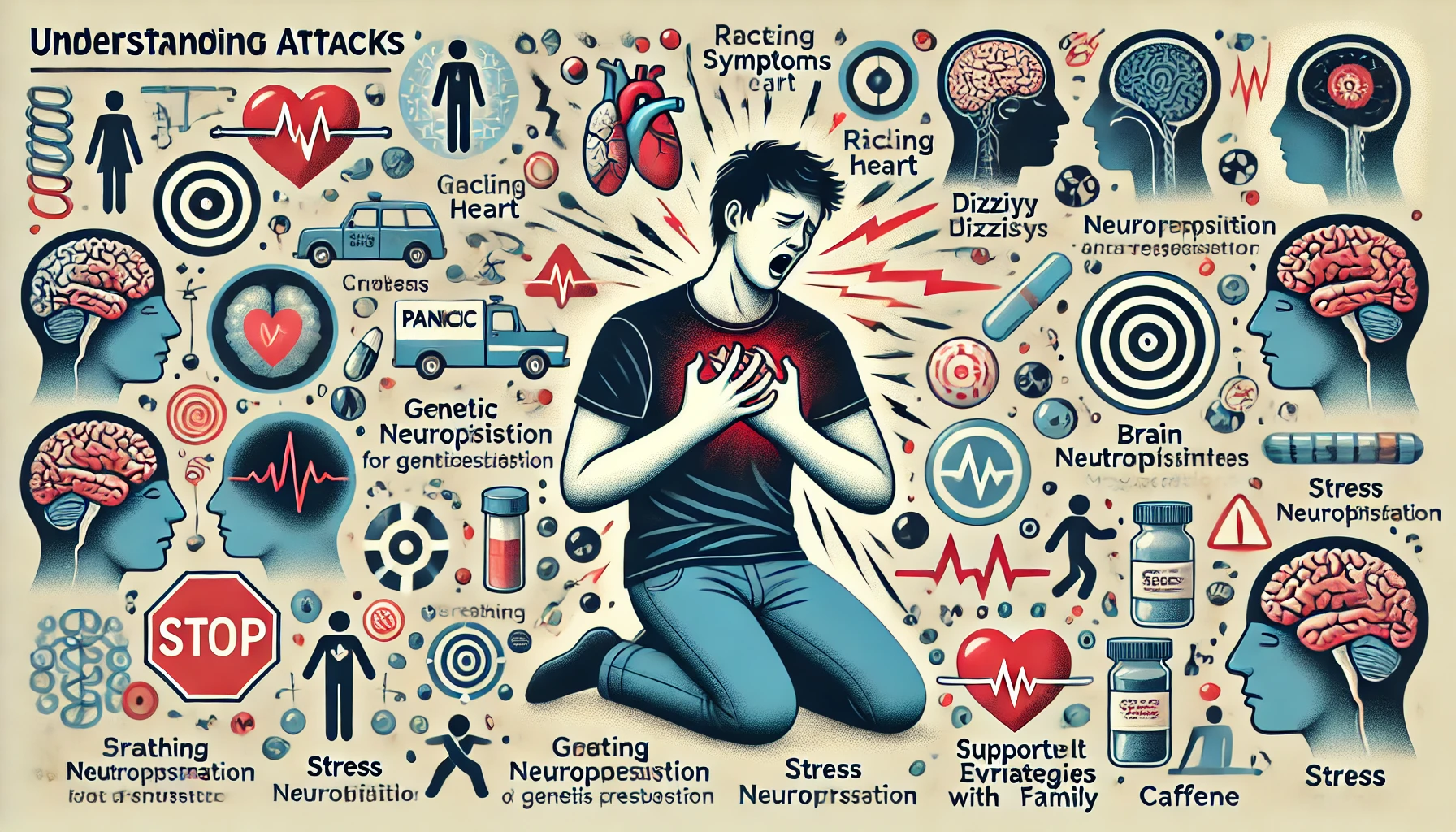
Understanding Panic Attacks: Causes, Symptoms, and Psychological Mechanisms
Panic attacks are intense episodes of sudden fear or discomfort that can appear unexpectedly and produce powerful physical, emotional, and cognitive reactions. During a panic attack, a person may experience a rapidly beating heart, shortness of breath, dizziness, trembling, sweating, chest discomfort, nausea, or a feeling of losing control. Some individuals describe the experience as if something catastrophic is about to happen, even when there is no immediate external danger. Because the physical symptoms can be extremely strong, people experiencing a panic attack for the first time may believe that they are having a serious medical emergency. Although panic attacks are often associated with anxiety, they are not simply moments of ordinary nervousness. They involve a complex interaction between the brain, autonomic nervous system, bodily sensations, emotions, memories, and interpretations of perceived danger. Understanding these mechanisms can help explain why panic attacks can feel so overwhelming and why the fear may continue even after the immediate physical symptoms begin to disappear. A panic attack is characterized by a sudden surge of intense fear or discomfort that reaches a peak relatively quickly. The episode can occur in response to a particular situation, but it can also occur without an obvious trigger. Some people experience panic attacks while driving, speaking in public, entering crowded places, or being in an enclosed environment. Others experience them while resting at home, sleeping, or performing an ordinary activity. The absence of an obvious external threat can make the experience especially confusing. The human nervous system is designed to detect danger and prepare the body to respond. When the brain interprets a situation as threatening, the autonomic nervous system can activate the body’s emergency response. Heart rate increases, breathing changes, muscles become more prepared for movement, attention becomes focused on possible danger, and the body releases stress-related chemicals. These responses are adaptive when a person actually needs to escape or protect themselves. During a panic attack, however, this alarm system can become activated very strongly even when there is no proportionate external threat. The fight-or-flight response is therefore an important part of understanding panic attacks. The body does not necessarily distinguish perfectly between an external physical danger and an internally generated perception of danger. A thought, memory, unusual bodily sensation, or ambiguous situation can sometimes activate the same physiological systems involved in responding to an external threat. The brain plays a central role in this process. Several interconnected regions are involved in detecting threats, processing emotions, regulating bodily states, and evaluating information. The amygdala is particularly important in the processing of fear and potential danger. It receives information from different parts of the brain and can contribute to rapid defensive responses. Other regions, including the prefrontal cortex, hippocampus, hypothalamus, and brainstem, also participate in networks involved in emotional regulation, memory, autonomic responses, and threat processing. During a panic episode, communication between these systems can contribute to an exaggerated sense of danger. The person may notice a physical sensation such as a rapid heartbeat and interpret it as evidence that something is seriously wrong. This interpretation can increase fear, which can further increase physiological arousal. A self-reinforcing cycle may therefore develop. For example, a person may suddenly notice that their heart is beating faster than usual. The sensation itself may be harmless and could result from caffeine, physical activity, fatigue, stress, or normal fluctuations in heart rate. However, if the person immediately thinks, “Something is wrong with my heart,” anxiety may increase. Increased anxiety can further elevate heart rate and alter breathing. The person then notices these changes and interprets them as confirmation of the original fear. The cycle can escalate rapidly. This process is closely related to the cognitive interpretation of bodily sensations. People do not simply experience physical sensations; they also assign meaning to them. Two individuals may experience the same bodily sensation and interpret it differently. One person may recognize a rapid heartbeat as a normal response to stress, while another may interpret it as evidence of imminent danger. The second interpretation can intensify emotional arousal. This does not mean that panic attacks are imaginary or that people simply create them through negative thinking. The physical symptoms are real. Changes in heart rate, breathing, muscle tension, sweating, dizziness, gastrointestinal activity, and other bodily functions can occur during an episode. The important point is that psychological interpretation and physiological activation can influence each other. Breathing is particularly relevant. Anxiety can change breathing patterns, sometimes leading to faster or deeper breathing. In some circumstances, excessive ventilation can lower carbon dioxide levels in the blood and contribute to sensations such as dizziness, tingling, light-headedness, and feelings of unreality. These sensations can themselves become frightening and may strengthen the belief that something dangerous is happening. The resulting feedback loop can be understood as a relationship between sensation, interpretation, fear, and additional physiological activation. A bodily sensation attracts attention. The person interprets it as threatening. The interpretation increases fear. Fear activates the body’s alarm system. The resulting physiological changes create additional sensations, which are then interpreted as further evidence of danger. Attention is therefore another important factor. During a panic attack, attention can become highly focused on the body. A person may continuously monitor their heartbeat, breathing, balance, chest sensations, vision, or other physical experiences. This heightened monitoring can make ordinary sensations feel more prominent. The more closely a person observes the body for signs of danger, the more sensations they may notice. This phenomenon is sometimes described as interoceptive attention, meaning attention directed toward internal bodily sensations. Interoception itself is a normal and necessary function. The brain constantly receives information from the heart, lungs, digestive system, muscles, and other organs. Problems can arise when normal variations in these sensations are consistently interpreted as signs of catastrophe. Fear of bodily sensations can also lead to avoidance. A person who has experienced a panic attack while exercising may begin to avoid physical activity because increased heart rate reminds them of the previous episode. Someone who experienced panic in a crowded
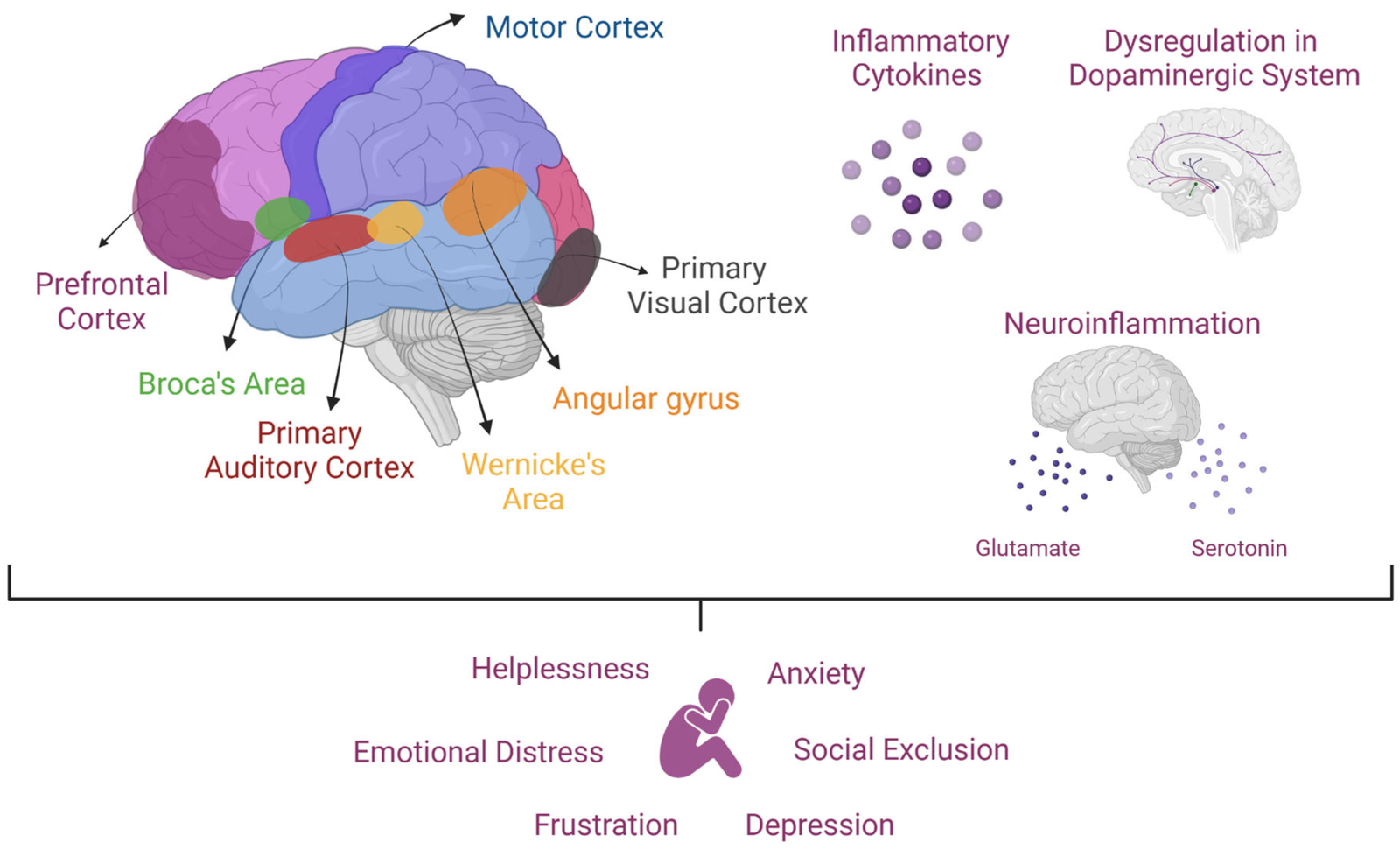
Neurobiological Dynamics of Network Dysregulation in Affective and Anxiety Disorders
The functional architecture of the human brain relies on the intricate dynamic balance between large-scale neural networks, where affective and anxiety disorders are increasingly conceptualized not as localized structural lesions, but as systemic disruptions in network connectivity, communication, and signal switching. Central to this neurobiological model is the Default Mode Network, comprising the ventromedial prefrontal cortex, posterior cingulate cortex, and precuneus, which regulates self-referential processing, autobiographical memory retrieval, and internal mentation during resting states. In individuals with severe depression and generalized anxiety, functional neuroimaging reveals a pattern of pathological hyperconnectivity within the Default Mode Network, which directly manifests as relentless cognitive rumination, maladaptive self-monitoring, and the involuntary generation of catastrophic future projections. Conversely, the Central Executive Network, centered upon the dorsolateral prefrontal cortex and posterior parietal cortex, governs goal-directed cognitive control, working memory, and top-down emotional inhibition. Under conditions of chronic affective distress, the Central Executive Network exhibits marked hypoactivity and degraded functional integrity, impairing the individual’s capacity to exert executive control over intrusive negative thoughts or flexibly shift attention away from internal distress toward external task demands. Serving as the vital neuroanatomical bridge between these opposing systems, the Salience Network, anchored by the anterior insula and dorsal anterior cingulate cortex, is responsible for detecting homeostatic shifts, filtering environmental inputs, and orchestrating appropriate switching between internal reflection and external engagement. In patients suffering from mood and anxiety disorders, the Salience Network demonstrates profound neurofunctional dysfunction, continuously misattributing high evolutionary or emotional salience to benign internal somatic cues or neutral environmental stimuli. This persistent misattribution drives hyperactivation within the amygdala, misdirects attentional resources, and fails to initiate the necessary transition from the ruminative Default Mode Network to the compensatory, problem-solving Central Executive Network. Consequently, the brain remains trapped in a self-reinforcing loop of hyper-attunement to threat and internal distress, ultimately destabilizing emotional regulation mechanisms, compromising cognitive flexibility, and perpetuating the clinical features of affective psychopathology. This aberrant network architecture is further exacerbated by profound neurochemical and synaptic alterations that disrupt the structural integrity of these functional circuits. At the cellular level, persistent overactivation of the hypothalamic-pituitary-adrenal axis elevates glucocorticoid concentrations, inducing excitotoxic glutamate accumulation within cortical and subcortical structures. Excess extracellular glutamate overstimulates N-methyl-D-aspartate receptors, causing intracellular calcium overload, mitochondrial stress, and down-regulation of brain-derived neurotrophic factor. Consequently, key cortical regions experience dendritic atrophy, loss of dendritic spines, and a reduction in synaptogenesis, particularly within the dorsolateral prefrontal cortex and hippocampi. This loss of synaptic density directly undermines the structural connectivity required for the Central Executive Network to maintain robust top-down inhibitory control over subcortical limbic regions. Concurrently, monoaminergic neurotransmission—encompassing serotonergic, noradrenergic, and dopaminergic pathways—undergoes widespread desensitization and receptor down-regulation, weakening signal-to-noise ratios across frontostriatal and limbic networks. Modern therapeutic strategies target these precise neurobiological vulnerabilities to restore network equilibrium and structural plasticity. Pharmacological interventions, such as selective serotonin reuptake inhibitors and novel glutamatergic modulators, initiate downstream intracellular signaling cascades that up-regulate neurotrophin expression, promoting structural remodeling, dendritic arborization, and synaptogenesis within micro-circuits. As synaptic density is restored, targeted psychotherapeutic approaches, particularly Cognitive Behavioral Therapy, systematically re-engage and strengthen the hypoactive Central Executive Network by driving deliberate, top-down cognitive restructuring and attentional reallocation. Concurrently, non-invasive neuromodulatory techniques, such as high-frequency repetitive transcranial magnetic stimulation applied to the dorsolateral prefrontal cortex, deliver focal electrical stimulation to directly enhance local cortical excitability, re-establish functional connectivity, and recalibrate the dynamic switching capacity of the Salience Network. Through these combined modalities, the brain undergoes adaptive neuroplastic reorganization, dismantling entrenched ruminative loops, normalizing threat processing, and re-establishing long-term affective stability. Individual variability in neuroplastic potential and genetic architecture adds another layer of complexity to the chronicity and treatment responsiveness of these network-level disruptions. Single-nucleotide polymorphisms in genes regulating brain-derived neurotrophic factor, such as the Val66Met substitution, significantly impair activity-dependent neurotrophin secretion, rendering certain individuals exceptionally vulnerable to stress-induced synaptic regression and functional network decoupling. Similarly, variations in the serotonin transporter gene-linked polymorphic region modulate amygdala reactivity and alter the developmental trajectory of fronto-limbic white matter tracts, predisposing individuals to heightened threat sensitivity and compromised emotional recovery. These genetic vulnerabilities interact dynamically with environmental insults, particularly early-life stress and chronic psychosocial adversity, to induce stable epigenetic modifications via DNA methylation and histone alteration. Such molecular changes lock neural circuits into rigid, maladaptive operational states, hindering spontaneous recovery and necessitating more intensive, multi-modal interventions to re-establish normative network dynamics. Emerging conceptualizations of network neurobiology also emphasize the critical role of systemic physiological factors, particularly neuroinflammation and metabolic dysregulation, in perpetuating central nervous system circuit dysfunction. Peripheral inflammatory cytokines, such as interleukin-6 and tumor necrosis factor-alpha, cross the blood-brain barrier and activate resident microglia, driving localized neuroinflammatory cascades. Activated microglia release reactive oxygen species and pro-inflammatory mediators that impair astrocyte glutamate reuptake, increase extracellular toxicity, and alter the synthesis of key neurotransmitters by shifting tryptophan metabolism away from serotonin production toward the neurotoxic kynurenine pathway. This inflammatory state directly destabilizes synaptic connections within frontostriatal networks and compromises functional integration within the Salience Network. By recognizing that large-scale brain networks are deeply embedded within broader neuroendocrine, immunological, and metabolic systems, contemporary clinical approaches are shifting toward comprehensive treatment paradigms that integrate traditional psychotherapeutic and pharmacological modalities with targeted anti-inflammatory, metabolic, and lifestyle interventions to achieve sustained neurobiological recovery. Advanced neuroimaging paradigms utilizing effective connectivity models, such as Dynamic Causal Modeling, reveal that the functional decoupling observed in affective and anxiety disorders reflects alterations in directed synaptic plasticity across cortical and subcortical pathways. Rather than mere passive degradation of signal quality, this dysfunction represents an active state of pathological homeostasis where altered intrinsic connectivity maintains the dominance of threat-oriented and self-referential processing. Within this altered architecture, the thalamus—serving as the central relay station for sensory inputs—exhibits disrupted gating mechanisms, allowing unrefined sensory information to bypass prefrontal cortical filtering and directly engage subcortical limbic regions. This subcortical hyper-responsiveness amplifies the early pre-attentive processing of potential environmental threats, creating a persistent state of autonomic hyperarousal long before higher-order cortical regions can evaluate the contextual validity of the stimulus. The structural correlates of

Neurodevelopmental and Environmental Dynamics in Child Psychological Well-Being
Childhood represents a critical period of neurodevelopmental plasticity, during which biological vulnerabilities and environmental inputs continuously interact to shape psychological health, executive functioning, emotional resilience, and behavioral expression across the entire lifespan. The structural and functional maturation of the human brain follows a non-linear trajectory throughout early and middle childhood, where high neural plasticity enables rapid adaptability to environmental stimuli while simultaneously creating distinct windows of biological vulnerability to chronic stress, early life trauma, and environmental deprivation. Executive functions—encompassing inhibitory control, working memory capacity, and cognitive flexibility—develop progressively as frontostriatal circuits undergo extensive myelination and synaptic refinement. Consequently, delayed or disrupted maturation within these specific neural pathways directly correlates with clinical manifestations of impulse control deficits, attentional instability, and pervasive emotional dysregulation. Parallel to frontostriatal development, the hypothalamic-pituitary-adrenal (HPA) axis serves as the primary neuroendocrine system modulating systemic stress reactivity. Prolonged exposure to severe environmental adversity induces hyper-reactivity within the amygdala alongside chronic baseline cortisol dysregulation, ultimately impairing normative fear conditioning, threat processing, and adaptive stress mitigation mechanisms. Concurrently, the initial overproduction of synapses during early infancy is systematically refined through activity-dependent structural pruning, a process fundamental to optimizing functional neural connectivity whose disruption is heavily implicated in various pediatric neurodevelopmental conditions, including Attention-Deficit/Hyperactivity Disorder (ADHD) and Autism Spectrum Disorder (ASD). Socio-emotional competence relies heavily upon these foundational neurobiological structures and is primarily molded through early relational experiences with primary caregivers. Attachment theory provides a comprehensive structural framework for analyzing how internal working models of self and others emerge during infancy, wherein secure attachment—fostered by consistent, attuned, and emotionally responsive caregiving—yields high emotional resilience, robust stress tolerance, and healthy empathetic engagement in subsequent peer dynamics. In contrast, insecure-avoidant attachment patterns arise from emotionally distant or rejecting caregiving environments, leading children to rely on chronic emotional suppression and defensive self-reliance. Insecure-anxious attachment stems from unpredictable, inconsistent caregiving patterns, resulting in heightened internalizing anxiety, emotional hypervigilance, and persistent fears of abandonment. Disorganized attachment, frequently originating from frightening, chaotic, or abusive domestic environments, manifests as severe emotional dysregulation, cognitive dissociation, and severe relational disruption. Children internalize these primary attachment dynamics over time, directly influencing their subsequent peer interactions, academic engagement, self-regulatory capacity, and overall propensity toward internalizing or externalizing behavioral distress. When neurodevelopmental trajectories or environmental factors are disrupted, distinct pediatric psychiatric conditions often manifest in clinical settings. Attention-Deficit/Hyperactivity Disorder presents as persistent, age-inappropriate patterns of inattention, hyperactivity, and impulsivity driven by strong genetic heritability and catecholaminergic dysregulation within fronto-cortical pathways. Autism Spectrum Disorder involves early-emerging persistent deficits in social communication, reciprocal interaction, and restricted, repetitive behavioral repertoires. Pediatric anxiety and depressive disorders often present as somatic complaints, school refusal, chronic fatigue, or extreme irritability rather than overt depressed mood, reflecting a multifaceted interplay between genetic predisposition, behavioral inhibition, and socio-environmental stressors. Addressing these complex presentations requires early identification through systematic developmental screening and multimodal interventions, including Cognitive Behavioral Therapy (CBT) tailored with age-appropriate visual restructuring, Parent-Child Interaction Therapy (PCIT) to improve parental consistency, and carefully monitored psychopharmacological interventions when psychotherapeutic modalities alone prove insufficient. Ultimately, safeguarding child psychological health demands an integrated approach that addresses both biological vulnerabilities and environmental systems to foster long-term adaptive outcomes and mitigate psychiatric morbidity across development. Systemic environmental influences, including socioeconomic status, community instability, and intergenerational family stress, interact directly with early genetic predispositions to alter cognitive and emotional trajectories. Chronic socioeconomic deprivation elevates household stress levels, which frequently alters parental availability, increases punitive disciplinary strategies, and reduces cognitive enrichment opportunities within the home environment. These environmental conditions directly affect executive function development, as children exposed to high levels of domestic chaos often exhibit impaired working memory, diminished sustained attention, and poor impulse control. Conversely, supportive micro-environments rich in verbal interactions, structured routines, and positive reinforcement serve as buffer mechanisms, mitigating the neural impact of external socioeconomic stressors. Community-level factors, such as neighborhood safety, access to green spaces, and quality of early childhood education programs, similarly modulate biological stress pathways. Children living in chronic violence-exposed environments demonstrate altered amygdala reactivity and persistent hyperarousal, mirroring neurobiological patterns observed in clinically traumatized populations. Psychopathology in pediatric populations must also be examined through the lens of developmental cascade models, which describe how early deficits in one domain spread across other functional areas over time. For example, early language delays or speech processing difficulties frequently impair early social interactions with peers, leading to peer rejection, social isolation, and academic underperformance during early elementary school years. This secondary social failure subsequently increases vulnerability to internalizing disorders, such as generalized anxiety disorder or major depressive disorder, during middle childhood and adolescence. Similarly, untreated early motor deficits or sensory processing sensitivities can impede participation in physical and cooperative play, hindering the natural development of social problem-solving skills and self-efficacy. Understanding these cumulative cascade processes highlights the vital importance of early, targeted multi-domain screenings to disrupt negative developmental trajectories before secondary psychiatric manifestations solidify. The diagnostic process in child psychiatry requires a comprehensive multi-informant approach due to the context-dependent nature of pediatric behavioral expressions. Children rarely self-refer for psychological evaluation and typically present due to distress reported by parents, teachers, or primary caregivers. Discrepancies between parental and teacher reports are common and reflect differing environmental demands, structured versus unstructured settings, and varied observational baselines. A rigorous evaluation integrates clinical interviews with the child, standardized rating scales completed by multiple informants, direct behavioral observation in structured and naturalistic environments, and a thorough medical review to rule out underlying somatic conditions, such as thyroid dysfunction, lead toxicity, or occult seizure disorders. Diagnostic accuracy is further enhanced by incorporating neurodevelopmental assessments that evaluate cognitive profiles, language capacities, and motor coordination, ensuring that behavioral symptoms are not secondary to unaddressed learning difficulties or communication disorders. Pharmacotherapy in pediatric populations represents a specialized domain that requires strict risk-benefit analyses and ongoing clinical oversight. Psychotropic medications are typically reserved for moderate-to-severe psychiatric presentations, severe functional impairment, or cases where psychotherapeutic interventions have proven insufficient. Central nervous system stimulants, such as methylphenidate and amphetamine formulations, remain the first-line evidence-based pharmacological