

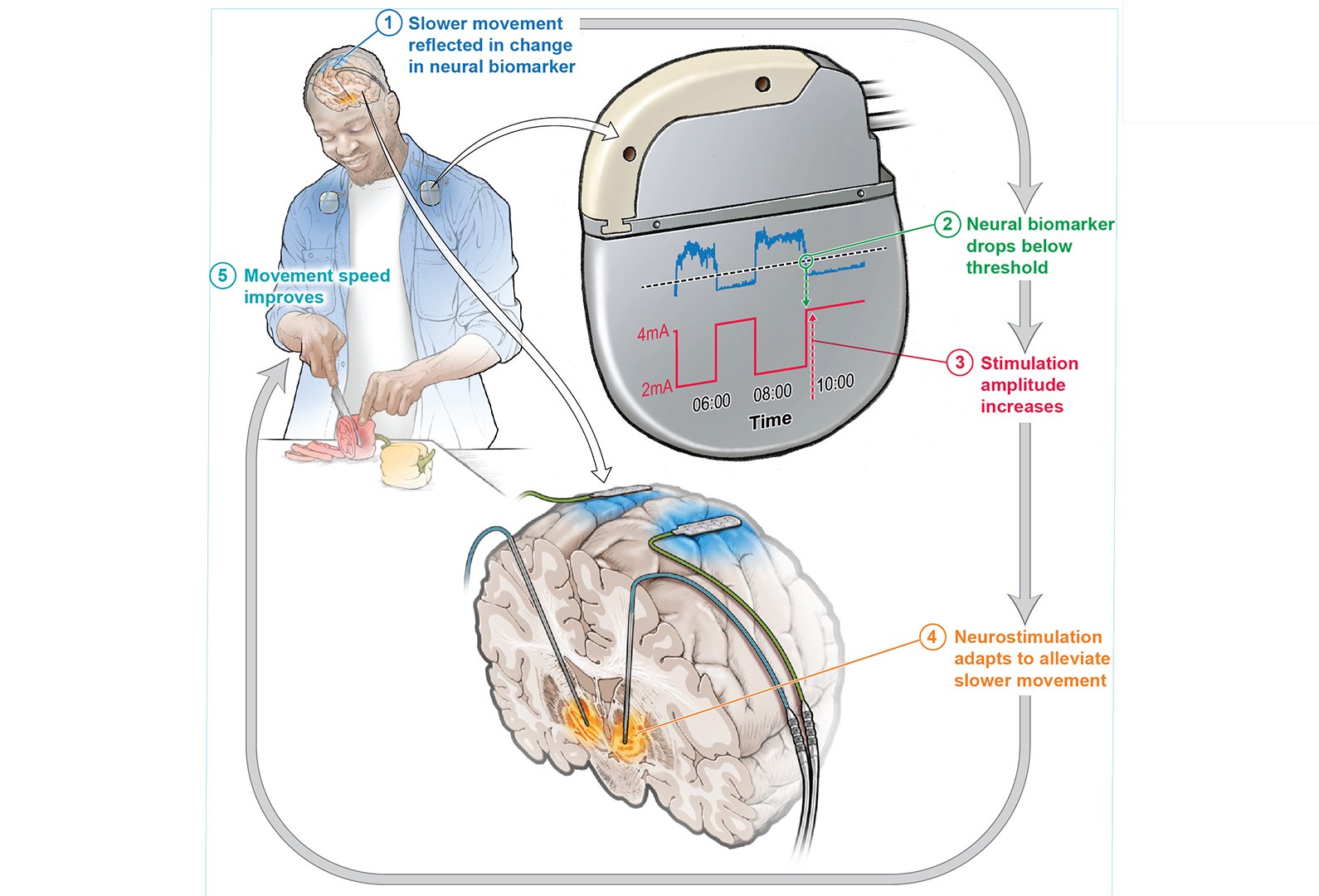
Parkinson’s disease is one of the most important neurodegenerative disorders affecting older adults around the world. It is commonly associated with tremor, slow movement, muscle stiffness, and problems with balance, but the disease is much more complex than these visible symptoms. Parkinson’s disease develops as nerve cells involved in movement gradually become damaged, particularly dopamine-producing neurons in a region of the brain called the substantia nigra. The number of people living with Parkinson’s disease has increased substantially over recent decades. According to estimates from the Global Burden of Disease study, the global number of people living with Parkinson’s disease increased from approximately 3.5 million in 1992 to nearly 11.8 million in 2021. The global age-standardized prevalence rate also increased considerably during this period. However, Parkinson’s disease is not distributed equally across countries. The prevalence varies considerably between populations, and differences become particularly visible when countries are compared using age-standardized rates. Age-standardization is important because Parkinson’s disease is strongly associated with age. Countries with older populations can have more cases simply because a larger proportion of their population has reached the ages in which Parkinson’s becomes more common. Recent Global Burden of Disease estimates provide prevalence data for countries and territories around the world. The data are expressed as the estimated number of people living with Parkinson’s disease per 100,000 population. The latest Our World in Data dataset, based on IHME’s Global Burden of Disease 2023 study, covers the period from 1990 to 2023. One of the most striking findings from recent research is the high prevalence estimated for China. In the GBD 2021 analysis, China had the highest age-standardized prevalence rate among countries in 2021, at approximately 245.73 cases per 100,000 people. Israel followed at approximately 199.71 cases per 100,000, while Canada had approximately 197.61 cases per 100,000. These figures do not mean that China simply has the largest number of patients because its population is large. There is an important difference between the total number of cases and the prevalence rate. China, India, and the United States have very large populations, so they can have extremely high numbers of people living with Parkinson’s disease even when their rate per 100,000 people is not the highest in the world. In the GBD 2021 analysis, China, India, and the United States were consistently among the countries with the largest numbers of Parkinson’s cases. The distinction between absolute numbers and rates is essential when interpreting international statistics. A country with 20 million people and a relatively high prevalence rate may have fewer total patients than a country with 1.4 billion people and a moderate rate. Therefore, researchers usually examine both the number of cases and the age-standardized prevalence rate. Historical data also demonstrate that the geographical pattern has changed over time. In 1990, Israel had one of the highest age-standardized prevalence rates, at approximately 164.48 cases per 100,000 people. Italy and the Netherlands were also among the countries with the highest rates. By 2021, China had moved to the highest position in the GBD estimates. The reasons for differences between countries are complex. Population ageing is one of the most important factors. As people live longer and the proportion of older adults increases, more people survive into ages when Parkinson’s disease becomes more common. This demographic change is occurring in many regions of the world. Population ageing, however, cannot explain every difference. Researchers also investigate genetic susceptibility, environmental exposures, lifestyle factors, healthcare systems, diagnostic practices, and differences in disease registration. Some countries may identify more cases because their healthcare systems have better access to neurologists and diagnostic services. In other countries, people with Parkinsonian symptoms may never receive a formal diagnosis. This creates an important problem when comparing countries. A lower reported prevalence does not necessarily mean that fewer people actually have the disease. If diagnosis is less accessible, some patients may remain undiagnosed. Consequently, international statistics should generally be interpreted as estimates rather than perfect counts of every person with Parkinson’s disease. The quality and availability of health data also vary between countries. The Global Burden of Disease project attempts to address this problem by combining information from multiple sources and producing comparable estimates across countries. The GBD 2021 study examined Parkinson’s disease across 204 countries and territories using estimates of incidence, prevalence, mortality, and disability burden. Another important finding is that Parkinson’s disease has generally become more common over time. Between 1992 and 2021, the estimated global number of cases increased by more than three times. The age-standardized prevalence rate also increased, meaning that the rise cannot be explained entirely by population growth and ageing. Researchers have observed particularly notable increases in several countries. Norway, for example, experienced one of the largest increases in age-standardized prevalence between 1990 and 2021. Taiwan also experienced a substantial increase. China showed a marked increase in both prevalence and incidence during the period studied. The situation is also changing in countries where Parkinson’s disease has historically received less attention. In many developing and middle-income countries, populations are ageing while healthcare systems are simultaneously expanding. As life expectancy increases, neurological disorders that were previously less visible may become a larger public-health concern. Azerbaijan is part of this broader pattern. Earlier GBD estimates reported approximately 7,307 people living with Parkinson’s disease in Azerbaijan in 2016, with an estimated prevalence of about 11.9% in the specific age-standardized measure reported in that study. These historical figures should not be confused with a current national prevalence estimate, because the underlying dataset and methodology have since been updated. The relationship between age and Parkinson’s disease is particularly important when looking at national statistics. Parkinson’s is much more common in older adults than in younger populations. Therefore, countries with rapidly ageing populations may experience a substantial increase in the number of patients even if the underlying risk at each age remains relatively stable. This creates a major challenge for healthcare systems. Parkinson’s disease can require long-term medication, neurological monitoring, rehabilitation, physical therapy, speech therapy, and support for daily activities. As
Why Does Parkinson’s Disease Change Movement?
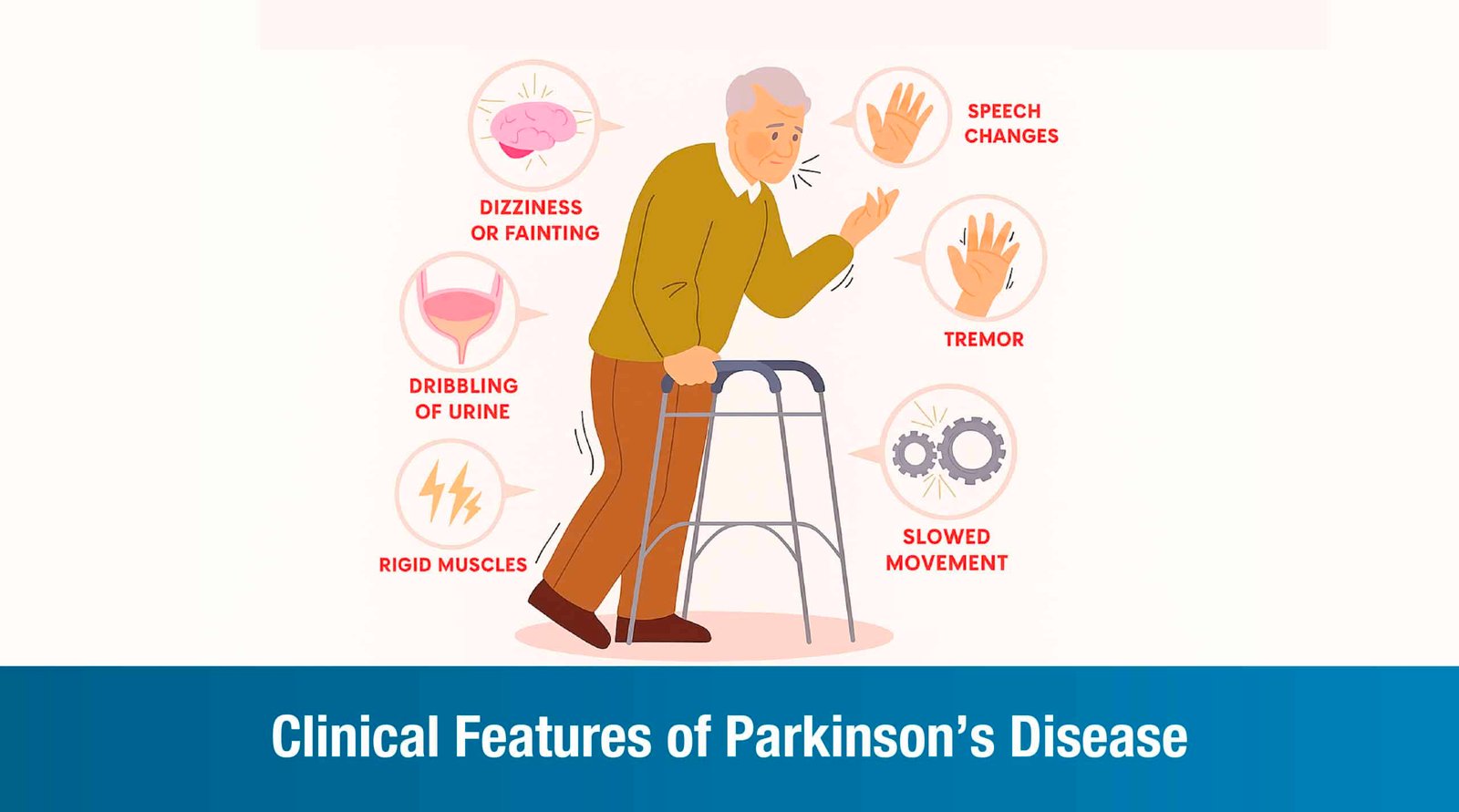
Movement seems simple when the nervous system is healthy. We decide to stand up, walk across a room, pick up a cup, or write a sentence, and the body usually follows these instructions without requiring conscious attention to every individual muscle. Behind these ordinary actions, however, is a complex network involving the brain, spinal cord, nerves, muscles, and chemical signals. When part of this system is damaged, movement can change significantly. Parkinson’s disease is one of the best-known neurological disorders that demonstrates how closely movement depends on the brain. Parkinson’s disease is a progressive neurological disorder that primarily affects movement, although it can also produce many symptoms that are not directly related to movement. The condition is associated with the gradual loss of certain nerve cells in a region of the brain called the substantia nigra. These cells produce dopamine, an important chemical messenger involved in controlling movement. As dopamine-producing neurons are lost, communication within the brain’s movement circuits becomes increasingly disrupted. Dopamine is often described as a chemical associated with pleasure and reward, but its role is much broader. In the motor system, dopamine helps regulate the activity of brain circuits that make movement possible. It does not simply tell the muscles to move. Instead, it helps the brain select, initiate, and coordinate appropriate movements. The brain contains several interconnected structures known as the basal ganglia that are particularly important for movement control. These structures work together with the cerebral cortex, thalamus, and other parts of the nervous system. Movement depends on a balance between pathways that facilitate desired actions and pathways that suppress unnecessary ones. Dopamine helps maintain this balance. When dopamine-producing neurons in the substantia nigra are progressively lost, this balance changes. The result can be difficulty initiating and controlling movement. A person may notice that everyday activities that were once automatic require more effort. Walking may become slower, handwriting may become smaller, and movements may appear less fluid. One of the most recognizable symptoms of Parkinson’s disease is tremor. Parkinsonian tremor often appears when the affected body part is at rest. A person may notice shaking in one hand while sitting quietly, for example. The tremor may decrease during purposeful movement, although this pattern is not identical in every individual. Tremor, however, is not the only or even the most important movement symptom. Bradykinesia, meaning slowness of movement, is a central feature of Parkinson’s disease. A person may take longer to get dressed, button clothing, turn in bed, rise from a chair, or begin walking. Movements may become smaller and less automatic. This slowing can be difficult to understand from the outside. The muscles themselves may not simply be “weak.” Instead, the brain has increasing difficulty generating and regulating normal movement. A person may know exactly what they want to do but find that the body does not respond with its previous speed and ease. Another common feature is muscle rigidity. Muscles may feel stiff or resistant when a person or clinician tries to move a limb. This stiffness can contribute to discomfort and can make ordinary movements more difficult. It may affect the arms, legs, neck, or other parts of the body. Postural and balance problems can also develop, particularly as the disease progresses. Changes in posture may cause a person to lean forward while standing or walking. Maintaining balance may become more difficult, increasing the risk of falls. These symptoms are particularly important because falls can result in serious injuries. Walking itself may change. A person may develop shorter steps, reduced arm swing, or difficulty turning. Some people experience “freezing,” a phenomenon in which the feet temporarily feel as though they are stuck to the floor. Freezing can be particularly noticeable when beginning to walk, turning, passing through a narrow space, or approaching a doorway. These symptoms illustrate the importance of automatic movement. Healthy people usually do not consciously plan every step while walking. The nervous system performs much of the work automatically. Parkinson’s disease can interfere with these automatic processes, making movement more dependent on conscious attention. This is one reason external cues can sometimes help people with Parkinson’s disease move more effectively. A person who has difficulty walking may respond to visual markers on the floor, rhythmic sounds, counting, or deliberate instructions. These strategies can provide alternative ways for the brain to organize movement. Parkinson’s disease does not affect everyone in exactly the same way. Symptoms can begin on one side of the body and may remain more pronounced on that side for a period of time. Over the course of the disease, symptoms may gradually involve both sides. The speed and pattern of progression vary considerably among individuals. Although Parkinson’s disease is often associated with older age, age itself is not the only factor involved. Most people who develop the disease are older adults, but younger people can also develop Parkinson’s disease. When symptoms begin before the age of 50, the condition is often described as young-onset Parkinson’s disease. The exact cause of Parkinson’s disease is complex. Researchers believe that a combination of genetic and environmental factors may contribute to risk. In most cases, however, there is no single identifiable cause. Having a genetic susceptibility does not necessarily mean that a person will develop the disease, and many people with Parkinson’s have no known family history. An important pathological feature of Parkinson’s disease is the presence of abnormal accumulations of a protein called alpha-synuclein in certain nerve cells. These structures are commonly known as Lewy bodies. Their precise role in causing neuronal damage is still an active area of research. The disease is also more complicated than a simple lack of dopamine. Dopamine deficiency explains many of the classic movement symptoms, but Parkinson’s disease can affect several other neurological systems. This helps explain why people can experience symptoms that have little obvious connection with movement. For example, some people develop changes in their sense of smell before their movement symptoms become noticeable. Constipation, sleep disturbances, fatigue, and changes in mood
Temperament: Why Are People Born Different?
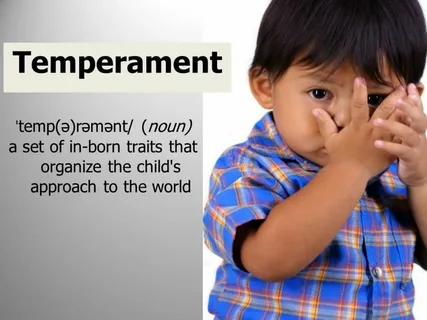
Why do some children react calmly to unfamiliar situations while others immediately become nervous? Why does one person enjoy social interaction and stimulation, while another prefers silence and needs time alone? Why are some people naturally energetic, emotionally expressive, and quick to react, while others seem slower, more cautious, and more reserved? These differences can appear very early in life, sometimes before a child has developed a clear personality. One concept that helps explain these individual differences is temperament. Temperament refers to relatively stable patterns in the way a person responds emotionally and behaviorally to the world. It influences how strongly someone reacts to stimulation, how quickly they become excited or upset, how easily they adapt to change, and how much energy they naturally display. Temperament is not the same as personality, although the two concepts are closely related. Temperament is often considered one of the biological and early-developing foundations from which personality develops over time. The idea of temperament is very old. Ancient Greek physician Hippocrates proposed a theory involving four bodily fluids, or “humors,” which he believed influenced human behavior. Later, Galen associated these humors with four temperamental types: sanguine, choleric, melancholic, and phlegmatic. Although this ancient biological explanation is not supported by modern science, the four traditional names have remained influential in popular psychology and everyday language. Modern psychology approaches temperament differently. Researchers generally do not divide all human beings into four simple categories. Instead, temperament is understood through dimensions or traits. These may include emotional reactivity, activity level, sociability, attention, persistence, adaptability, sensitivity to stimulation, and the ability to regulate emotional responses. One of the most influential modern approaches came from researchers Alexander Thomas and Stella Chess. Their longitudinal research on children identified different patterns of temperament and showed that children can differ considerably in their reactions to everyday experiences. Some children were relatively easy to adapt to changes, while others reacted more intensely or needed more time to adjust. Their work also introduced the important idea of “goodness of fit,” meaning that a child’s development is influenced not only by temperament itself but also by how well the environment fits the child’s characteristics. This idea is particularly important in understanding children. Imagine a highly sensitive child who becomes overwhelmed by loud environments, unfamiliar people, or sudden changes. If adults interpret the child’s reaction as deliberate disobedience, they may respond with punishment. However, if they understand that the child may have a naturally higher sensitivity to stimulation, they can provide gradual transitions, predictable routines, and opportunities to recover from overwhelming situations. The child has not necessarily changed temperament, but the environment has become more supportive. Temperament has a biological component. Research suggests that genetic factors contribute substantially to individual differences in temperament. However, genes do not determine a person’s future in a simple or absolute way. Temperament develops through interactions between biological characteristics and environmental experiences. Parenting, relationships, culture, education, stress, and life experiences can all influence how temperamental tendencies are expressed. This means that a naturally cautious child does not necessarily become a socially anxious adult. Similarly, a highly active child does not automatically become impulsive or irresponsible. Temperament creates tendencies, but development involves many additional factors. The environment can help individuals learn how to regulate their reactions and use their natural characteristics effectively. Emotional reactivity is one important dimension of temperament. Some people respond strongly to events that others may consider minor. Their happiness may be intense, but so may their frustration or sadness. Other individuals have a lower emotional intensity and may appear calm even during stressful situations. Neither pattern is automatically better. A highly reactive person may experience strong empathy and enthusiasm, while a less reactive person may remain calm during situations that overwhelm others. Sensitivity is another important characteristic. Some individuals notice subtle changes in their surroundings, facial expressions, sounds, smells, or social atmosphere. They may quickly recognize when another person is uncomfortable or when the emotional tone of a room changes. High sensitivity can be an advantage, but it can also become exhausting when the environment provides too much stimulation. Activity level is also associated with temperament. Some people naturally prefer movement, variety, and frequent activity. Others are comfortable spending long periods sitting, reading, thinking, or engaging in quiet activities. These differences can become visible in childhood. A very active child may have difficulty remaining still for extended periods, while a quieter child may prefer independent play. Sociability is another dimension. Some people gain energy from interaction with others and actively seek social stimulation. Others may need more time alone and may prefer smaller groups or deeper one-to-one conversations. These differences are sometimes described through the broader concepts of introversion and extraversion, although temperament and personality cannot be reduced entirely to these two categories. Adaptability is particularly important during childhood. Some children quickly accept changes in routines, new teachers, unfamiliar environments, or new foods. Others require more time. A child who reacts negatively to change is not necessarily being difficult. Their nervous system may simply require a longer adjustment period. Giving such children preparation and predictable information can reduce unnecessary stress. Temperament can also affect sleep, eating patterns, attention, and reactions to sensory experiences. For example, some children may be naturally more regular in their daily rhythms, while others have less predictable patterns. Some may become easily distracted by sounds or movement, while others can concentrate despite environmental stimulation. These characteristics can influence how children experience school and family life. Understanding temperament can therefore change the way adults interpret behavior. A child who frequently moves may not simply be “bad.” A child who takes a long time to answer may not be unintelligent. A child who avoids unfamiliar people may not be rude. A child who reacts strongly to criticism may not necessarily be manipulative. Behavior becomes easier to understand when adults consider the individual characteristics behind it. However, temperament should not become an excuse for harmful behavior. Having a naturally strong emotional reaction does not mean that a

Why Do Some People Feel Guilty When They Say No?
Saying no is a normal part of human communication. People say no when they are tired, busy, uncomfortable, unable to help, or simply unwilling to do something. Yet for some individuals, refusing a request produces an intense feeling of guilt. Even when they have a reasonable explanation, they may continue to think about the situation, worry that they have hurt someone, or feel that they have behaved selfishly. In some cases, they agree to things they do not want to do merely to avoid the discomfort of saying no. This reaction is not always a sign of kindness. Sometimes, it reflects a deeper psychological difficulty involving self-worth, fear of rejection, childhood experiences, and the need for approval. Understanding why people feel guilty when they set boundaries can help explain many patterns in relationships, family life, and the workplace. One important reason is the belief that being a good person means always helping others. Many people grow up hearing messages such as “You must be helpful,” “You should never disappoint anyone,” or “Think about other people before yourself.” These messages can encourage generosity, but when they are interpreted rigidly, they may create the idea that personal needs are less important than the needs of others. As a result, saying no may feel morally wrong, even when the request is unreasonable. Some people also learn to connect their value with their usefulness. They may feel worthy only when they are needed, praised, or appreciated. When another person asks for help, the request becomes more than a simple question. It becomes an opportunity to prove that they are valuable. Refusing may therefore create the fear that they will no longer be loved, respected, or considered important. Childhood experiences can strongly influence this pattern. In some families, children are expected to obey without questioning. Their feelings may not be taken seriously, and disagreement may be interpreted as disrespect. A child who says, “I do not want to do that,” may be punished, criticized, or accused of being ungrateful. Over time, the child may learn that expressing personal preferences leads to conflict. As an adult, the person may automatically agree with others to avoid the emotional consequences associated with disagreement. Another possible influence is conditional affection. When love, attention, or approval is given mainly when a child behaves correctly, the child may become highly sensitive to other people’s reactions. The individual begins to monitor the emotions of others and tries to prevent disappointment. This can develop into people-pleasing behavior, in which the person sacrifices personal needs to maintain harmony. Fear of rejection is another important factor. Some individuals believe that people will leave them, dislike them, or become angry if they refuse a request. Their mind may produce exaggerated predictions: “If I say no, this person will never speak to me again,” or “They will think I am a bad person.” These thoughts are often stronger than the actual evidence. In reality, a healthy relationship should be able to tolerate a reasonable refusal. People who have experienced abandonment, emotional neglect, bullying, or unstable relationships may be especially sensitive to rejection. They may interpret a small disagreement as a threat to the entire relationship. Saying no then becomes emotionally dangerous, even when the situation is objectively safe. The person may choose immediate agreement because it reduces anxiety in the short term. However, avoiding discomfort through constant agreement can create long-term problems. When people repeatedly say yes against their wishes, they may become exhausted, resentful, or emotionally distant. They may feel that others take advantage of them, although they have never clearly communicated their limits. Over time, hidden resentment can damage relationships more than an honest refusal would have done. Guilt and responsibility are not the same thing. Responsibility means recognizing that our actions affect other people and accepting appropriate consequences. Guilt becomes problematic when a person assumes responsibility for emotions and needs that do not belong to them. For example, refusing to lend money may disappoint someone, but disappointment does not automatically mean that the refusal was wrong. Another person’s sadness, anger, or frustration is not always evidence of personal wrongdoing. It is also important to distinguish guilt from empathy. Empathy allows us to understand that another person may feel disappointed. Unhealthy guilt tells us that we must remove their disappointment by abandoning our own needs. A person can care about someone and still say no. Compassion does not require unlimited availability. Some people experience guilt because they confuse boundaries with rejection. They may think that saying no means saying, “I do not care about you.” In reality, a boundary usually communicates something more specific: “I cannot do this,” “I need time,” or “This situation is not comfortable for me.” A refusal concerns a particular request; it does not necessarily define the value of the relationship. Perfectionism can also contribute to difficulty saying no. Perfectionistic individuals may believe they must be consistently helpful, patient, available, and emotionally strong. They may fear making even a small mistake in someone else’s eyes. Because no person can meet every expectation, this standard creates constant tension. The individual may accept too many responsibilities and then feel guilty when they cannot perform perfectly. Another factor is conflict avoidance. Some people have learned that conflict is dangerous or unbearable. They may have grown up in homes where disagreements led to shouting, silence, punishment, or emotional withdrawal. Consequently, they may avoid expressing their needs because they associate honesty with confrontation. Saying yes seems safer than facing another person’s possible reaction. The body can also participate in this process. When a person considers saying no, they may experience physical tension, rapid heartbeat, stomach discomfort, or restlessness. These sensations can be interpreted as proof that the refusal is wrong. In fact, they may simply reflect anxiety caused by unfamiliar behavior. The body is reacting to perceived social danger, not necessarily to a real moral problem. Repeatedly agreeing to unwanted requests may reinforce the cycle. The sequence often looks like this: someone makes a request,

Can Therapy Be Done at Home?
Psychological therapy is usually associated with a psychologist or therapist, but not every method used to improve emotional well-being requires a professional setting. There are simple psychological techniques that people can practice at home to understand their emotions, reduce everyday stress, improve self-awareness, and develop healthier habits. These techniques cannot replace professional therapy when a person has a serious mental health condition, but they can be useful as supportive practices for everyday psychological well-being. One of the simplest techniques is emotional awareness. Many people experience strong emotions without identifying exactly what they are feeling. They may say that they feel “bad,” “stressed,” or “tired,” even when several different emotions are happening at the same time. Taking a few minutes to identify an emotion can create psychological distance from it. Instead of simply experiencing an emotion, the person begins to observe it. A simple exercise is to stop for a moment and ask: “What am I feeling right now?” The answer can be more specific than “bad.” It might be sadness, anger, disappointment, fear, loneliness, guilt, frustration, jealousy, or exhaustion. The next question can be: “What happened before I started feeling this way?” Finally, the person can ask: “What do I need right now?” These three questions can help connect emotions with their possible triggers and needs. Writing is another useful technique. Keeping a private journal can help organize thoughts that otherwise continue repeating in the mind. When thoughts remain only inside the head, they may feel larger and more confusing. Writing them down turns an internal experience into something that can be observed. A person does not need to write a long diary every day. Even five or ten minutes can be enough. One useful method is to divide a page into three parts: “What happened?”, “What did I think?”, and “What did I feel?” This distinction is important because an event, a thought about the event, and an emotion caused by the thought are not necessarily the same thing. For example, someone may receive a short message from another person and think, “They are angry with me.” The event is the message. The interpretation is that the person is angry. The emotional response may be anxiety or sadness. Separating these three elements can help a person recognize that an interpretation is not automatically a fact. This technique is related to cognitive behavioral therapy, or CBT. CBT often examines the relationship between situations, thoughts, emotions, and behaviors. The goal is not to force a person to think positively all the time. Instead, it encourages people to examine whether their thoughts are accurate, balanced, and helpful. A useful exercise is to question automatic thoughts. When a distressing thought appears, a person can ask: “What evidence supports this thought?” Then: “What evidence does not support it?” Another useful question is: “Would I say the same thing to someone I love?” These questions can sometimes reveal that we judge ourselves more harshly than we judge other people. Another simple technique is breathing regulation. When people are anxious or stressed, breathing can become faster and shallower. Deliberately slowing the breathing process may help the body move toward a calmer state. One simple approach is to breathe in gently and then breathe out slowly, without forcing the breath. The important part is comfortable, unhurried breathing rather than trying to take extremely deep breaths. This technique is particularly useful when the person notices physical signs of stress, such as muscle tension, rapid heartbeat, restlessness, or a feeling of being unable to relax. Breathing exercises do not solve the underlying cause of anxiety, but they can help reduce immediate physiological arousal and create enough calm to think more clearly. Progressive muscle relaxation is another technique that can be practiced at home. It involves deliberately tensing and then relaxing different muscle groups. A person can start with the hands, then move to the arms, shoulders, face, abdomen, and legs. Each muscle group is gently tensed for a few seconds and then released. This exercise can increase awareness of physical tension. Many people hold tension in their shoulders, jaw, hands, or stomach without realizing it. Learning to recognize this tension can make it easier to relax. Grounding techniques can also be useful when thoughts become overwhelming. One simple method is the five-senses exercise. The person identifies five things they can see, four things they can physically feel, three things they can hear, two things they can smell, and one thing they can taste. The purpose is to bring attention back to the present environment instead of remaining completely absorbed in distressing thoughts. Another approach is to focus on the immediate physical environment. A person can notice the temperature of the room, the feeling of their feet on the floor, the sounds around them, and the movement of their breathing. This does not eliminate difficult thoughts, but it can reduce the feeling that the thoughts are completely controlling attention. Self-compassion is another important psychological practice. People often respond to their own mistakes with harsh criticism. They may say things to themselves that they would never say to a friend. Constant self-criticism can increase shame, anxiety, and hopelessness. A simple exercise is to imagine that a close friend is experiencing the same problem. What would you say to that person? Instead of immediately criticizing yourself, try to use the same understanding language that you would use with someone you care about. Self-compassion does not mean ignoring mistakes. It means recognizing mistakes without treating yourself as a worthless person because of them. Another useful home practice is behavioral activation. When people feel depressed or emotionally exhausted, they may gradually stop doing activities that once gave them pleasure or a sense of achievement. Unfortunately, avoiding activities can sometimes make low mood worse. Behavioral activation does not require a person to suddenly become highly productive. The idea is to begin with small, realistic activities. Taking a short walk, opening a window, taking a shower, preparing a meal, reading a few pages, organizing one

Which Countries Have the Highest Rates of Mental Disorders?
Mental disorders are a major global health issue, but their prevalence is not the same in every country. Differences can be seen in the estimated rates of depression, anxiety disorders, bipolar disorder, eating disorders, schizophrenia, and other mental health conditions. According to the World Health Organization, nearly one in seven people worldwide lives with a mental disorder. However, comparing countries is more complicated than simply creating a ranking because mental health data are affected by diagnosis, access to healthcare, reporting practices, social attitudes, and differences in research methods. The latest estimates from the Institute for Health Metrics and Evaluation’s Global Burden of Disease study provide one way to compare countries. In 2023, the estimated proportion of people living with a mental health disorder was particularly high in several European and Middle Eastern countries. The Netherlands was estimated at about 23.2%, Portugal at 22.3%, Iran at 22.1%, and the United Kingdom at about 22.0%. Australia was estimated at 21.7%, Brazil at 21.3%, and Malta at 20.3%. These figures include several categories of mental disorders rather than one specific condition. The United States was estimated at approximately 18.0%, while France was around 18.7%, Spain 18.6%, Switzerland 18.4%, and Sweden 17.1%. Canada was estimated at about 16.7%. These numbers show that relatively high estimated prevalence is not restricted to one geographical region. Both European and non-European countries appear among countries with higher estimates. At the same time, several countries have considerably lower estimated percentages. Japan was estimated at around 12.5%, China at 13.4%, South Korea at 13.1%, India at 14.7%, and Indonesia at about 10.0%. Vietnam was estimated at 8.8%, while Thailand was approximately 10.2%. These differences should not automatically be interpreted as meaning that people in countries with lower estimates are psychologically healthier. A lower reported or estimated prevalence can also reflect differences in detection, diagnosis, data availability, cultural attitudes, and access to mental healthcare. Azerbaijan provides an interesting example. The 2023 estimate places the share of the population with one of the included mental health disorders at approximately 12.9%. This is lower than the estimates reported for countries such as the Netherlands, Portugal, the United Kingdom, or the United States. However, this number should not be interpreted as evidence that mental disorders are rare in Azerbaijan. Our World in Data specifically notes that reliable national mental-health estimates are not available for many countries, creating an important global data gap. One of the most important problems with international comparisons is underdiagnosis. Many people experiencing depression, anxiety, or other disorders never receive a formal diagnosis. They may not recognize their symptoms as a mental health condition, may avoid professional help because of stigma, or may simply have no access to appropriate services. Consequently, medical records alone cannot provide a complete picture of mental illness in a population. For this reason, international researchers use several types of evidence, including epidemiological studies, surveys, medical records, national statistics, and statistical models. The Global Burden of Disease estimates attempt to combine these sources to produce comparable estimates across countries. However, uncertainty remains, particularly in countries where direct population-level data are limited. Depression is one of the most important disorders to examine separately. According to the World Health Organization, an estimated 5.7% of adults globally experience depression. Women are more likely than men to experience depression, and depression can significantly affect relationships, education, employment, and everyday functioning. Country-level estimates for depressive disorders also vary. In 2023, the age-standardized estimated prevalence was particularly high in Syria, at approximately 7.95%. The United Kingdom was estimated at 6.80%, the Netherlands at 6.21%, and several countries affected by conflict or severe social difficulties also had relatively high estimates. Turkey was estimated at about 5.04%, while Afghanistan was around 5.16%. These numbers raise an important question: why might some countries have higher estimated rates than others? One possible explanation is exposure to stress and adversity. War, displacement, poverty, unemployment, political instability, social inequality, natural disasters, and violence can increase psychological risk. Countries experiencing prolonged conflict may therefore have substantial mental-health burdens. However, social stress alone cannot explain all international differences. Economic development also has a complicated relationship with mental health. It would be incorrect to assume that richer countries automatically have fewer mental disorders. In fact, several high-income countries have relatively high estimated prevalence. This may partly reflect better detection and more complete reporting. People in countries with stronger healthcare systems may be more likely to recognize symptoms, seek professional help, receive a diagnosis, and appear in health statistics. In contrast, a country with limited mental-health services may appear to have a lower prevalence simply because many cases remain unidentified. This is one reason why a country’s position in a statistical ranking should never be interpreted without considering its healthcare system. Culture also influences mental-health reporting. In some societies, psychological symptoms may be described using physical complaints rather than emotional language. A person experiencing depression might report fatigue, headaches, sleep problems, or physical pain rather than saying that they feel depressed. In other cultures, seeking psychological help may be more socially acceptable, leading to greater diagnosis and reporting. The availability of professionals is another important factor. Psychologists, psychiatrists, psychiatric nurses, social workers, and other specialists are not distributed equally around the world. According to recent global analyses, mental-health care remains scarce everywhere, but the difference between high-income and low-income countries is particularly large. Government mental-health spending is dramatically higher in high-income countries than in low-income countries. This creates an important paradox. A country can have a high estimated prevalence because its population genuinely experiences substantial mental-health problems, because its healthcare system detects more cases, or because both factors are present. Conversely, a country can have a lower estimate because the underlying prevalence is lower, because fewer people are diagnosed, or because reliable data are missing. Another important point is that “mental disorders” is a broad category. Depression is different from schizophrenia. Anxiety disorders are different from bipolar disorder. Eating disorders, post-traumatic stress disorder, obsessive-compulsive disorder, and substance-use disorders have different causes, symptoms,
Why Do We Forget?
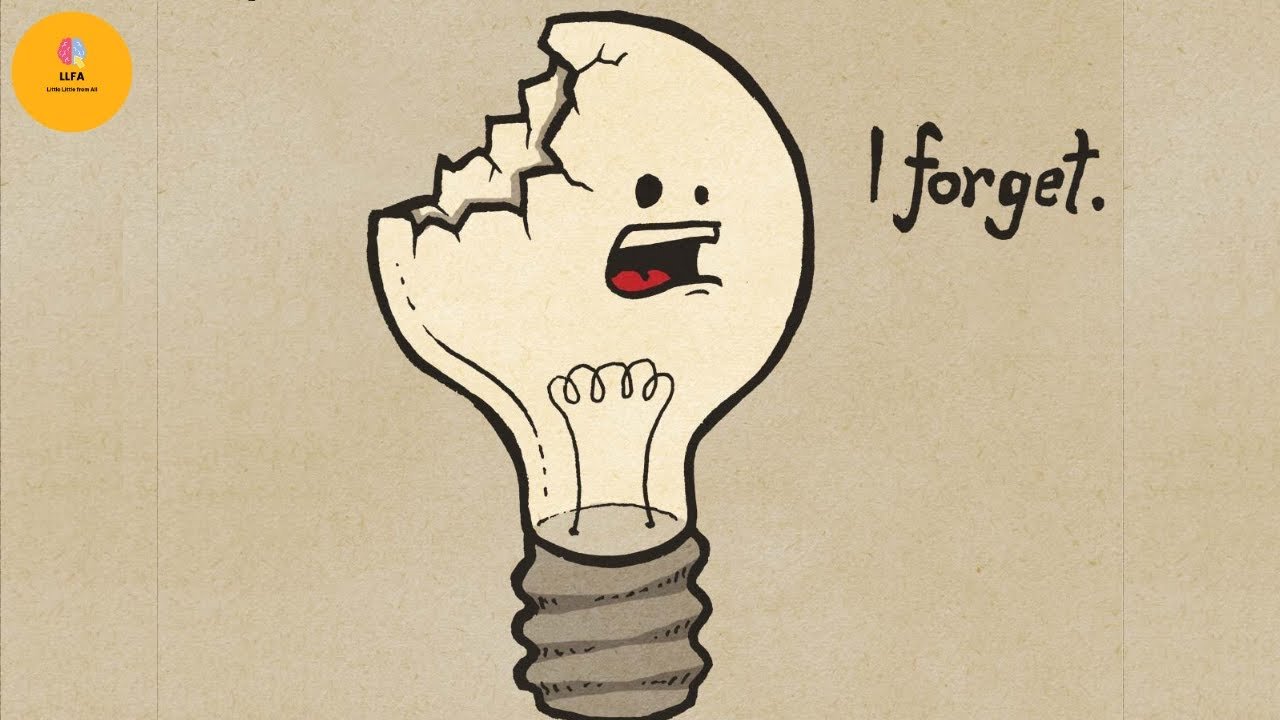
Forgetting is one of the most ordinary experiences of human life. We forget names, appointments, conversations, passwords, lessons, and sometimes even important events. Although forgetting can be frustrating, it is not necessarily a sign that the brain is malfunctioning. In many cases, forgetting is a normal and useful part of how memory works. The human brain receives an enormous amount of information every day, and it cannot preserve every detail permanently. Instead, memory is selective. The brain constantly decides, through complex biological processes, which information should be strengthened, which should become less accessible, and which may eventually disappear. Memory is not a single system located in one specific part of the brain. It involves several interconnected regions and processes. The hippocampus plays an especially important role in forming and organizing new memories. The prefrontal cortex contributes to attention, planning, retrieval, and working memory, while other brain regions help store information about emotions, movements, sounds, and visual experiences. Because memory depends on a network rather than a single structure, forgetting can occur for many different reasons. One of the simplest reasons we forget something is that we never encoded it properly in the first place. Encoding means transforming information into a form that the brain can process and store. If a person is distracted while someone is speaking, the information may never be encoded strongly enough to become a stable memory. This is why people sometimes say, “I heard the name, but I immediately forgot it.” In reality, the name may never have been deeply processed. Attention is therefore closely connected to memory. When attention is divided, memory formation becomes weaker. Modern life provides many examples of this problem. A person may be talking to someone while checking a phone, thinking about another problem, and listening to background noise. Even though the person is physically present during the conversation, only part of the information may be processed deeply. Later, they may believe they have forgotten the conversation, when in fact the information was never fully stored. Another important factor is repetition. Information that is repeated or used regularly is more likely to become stable. When a student studies a new concept only once, the memory may remain fragile. When the student reviews it several times over a period of days or weeks, the neural connections associated with the information can become stronger. This is one reason spaced repetition is generally more effective than trying to learn everything in one long session. Sleep also plays a major role in memory. While sleeping, the brain continues processing information acquired during the day. Some memories become more stable through a process called memory consolidation. During this process, recently acquired information interacts with existing knowledge and becomes more firmly integrated into neural networks. Lack of sleep can interfere with attention, learning, and memory formation. A person who studies for many hours but sleeps very little may therefore remember less than expected. Forgetting can also occur because memories compete with one another. When similar pieces of information are stored, one memory may interfere with the retrieval of another. This is called interference. For example, after learning a new phone number, a person may have difficulty remembering an older number. Similarly, learning several similar concepts can make it harder to recall the exact details of each one. There are two important forms of interference. Proactive interference occurs when older information makes it difficult to remember newer information. Retroactive interference occurs when new information makes it harder to remember older information. These processes demonstrate that memory is not simply a collection of separate files. Memories interact with one another, and learning something new can change how easily older information can be accessed. Another reason for forgetting is that memories become less accessible when they are not retrieved. Retrieval means bringing stored information back into conscious awareness. A memory that is rarely used may become increasingly difficult to access. This does not necessarily mean that the memory has completely disappeared. Sometimes the information remains stored but the brain has difficulty finding the appropriate pathway to it. This explains a common experience: knowing that you know something but being unable to remember it at a particular moment. A person’s name may seem completely inaccessible, yet several minutes later it suddenly comes back. The information was probably not completely erased. Instead, the retrieval process temporarily failed. Context can also influence retrieval. People often remember information more easily when they return to the environment or emotional state in which they originally learned it. A student may remember a lesson more easily in the classroom where it was taught. Similarly, a familiar smell, song, or place can suddenly bring back an old memory. This happens because memories are connected to many aspects of the original experience. Emotions have a particularly powerful relationship with memory. Strong emotional experiences can produce vivid memories because emotional brain systems interact with memory-related regions. The amygdala, for example, helps determine the emotional significance of an experience. This can strengthen certain aspects of memory. However, emotional memories are not necessarily completely accurate. A person may remember how an event felt very strongly while remembering some factual details incorrectly. Stress can have both positive and negative effects on memory. A moderate level of arousal can sometimes improve attention and help a person remember important information. However, prolonged or intense stress can interfere with learning and retrieval. Stress hormones influence brain regions involved in memory, and chronic stress may negatively affect the functioning of the hippocampus and prefrontal cortex. This may explain why people sometimes forget information during an examination even though they studied it successfully. The problem may not be that the information disappeared. High anxiety can interfere with attention and retrieval, making previously learned information temporarily difficult to access. Once the stressful situation ends, the memory may return. Age also influences memory. Some changes in memory are a normal part of aging. Older adults may take longer to learn new information, remember names, or retrieve specific details. However,

Why Did She Become a Different Person?
When Elena woke up in the hospital, she recognized the room, the doctors, and the familiar voice of her husband. She remembered her name, her age, her family, and the city where she lived. Her memory seemed mostly intact. Yet something about her had changed. Before the accident, Elena had been calm, patient, and careful with other people’s feelings. She rarely raised her voice. She planned everything in advance and avoided unnecessary conflict. Her family described her as warm and dependable. After the accident, she became impulsive and easily irritated. She interrupted conversations, made inappropriate jokes, spent money without thinking, and sometimes said cruel things without appearing to understand why they hurt others. She could still speak, read, calculate, and remember important facts. However, her behavior no longer resembled the person her family knew. At first, her husband believed that she was simply reacting badly to the accident. He thought she was frightened, frustrated, or deliberately behaving differently. But medical examinations revealed that Elena had suffered an injury to the frontal lobe of her brain. The frontal lobe plays an important role in planning, decision-making, emotional regulation, judgment, attention, and social behavior. It helps people control impulses and consider the consequences of their actions. When this area is damaged, a person may retain intelligence and memory but lose some of the abilities that guide appropriate behavior. Elena’s story demonstrates an important neurological truth: personality is not separate from the brain. The way a person thinks, feels, makes decisions, and interacts with others depends partly on the healthy functioning of specific brain networks. The brain is not simply an organ that controls movement and memory. It also shapes character, self-control, empathy, motivation, and identity. Before her injury, Elena could experience anger but control how she expressed it. She could feel an impulse to buy something but decide whether it was necessary. She could disagree with someone but consider the effect of her words. These abilities depended on communication between different brain regions. The frontal lobe helps evaluate situations and inhibit immediate reactions. It allows people to pause before acting. It also supports what neuroscientists call executive functions. These include planning, organizing, flexible thinking, problem-solving, and self-monitoring. When these functions are weakened, behavior may become more immediate and less controlled. A person may know that an action is inappropriate but still struggle to stop themselves from doing it. This difference between knowing and controlling is important. Elena might understand that insulting someone was wrong, but understanding the rule did not always give her enough control to follow it. Her problem was not necessarily a lack of moral knowledge. It was a neurological difficulty with regulation. Her family initially found this difficult to accept. They asked, “If she knows what she is doing, why does she continue?” The answer is that knowledge and self-control are not identical. A person may know that smoking is harmful but still struggle with addiction. Someone may understand that anger will damage a relationship but still lose control during an emotional moment. In Elena’s case, the injury made this difficulty more severe and persistent. The frontal lobe does not work alone. It communicates with emotional structures such as the amygdala and other parts of the limbic system. The amygdala helps detect emotionally important information, especially potential threats. The frontal regions help interpret and regulate these emotional reactions. Healthy behavior depends on balance between emotional responses and thoughtful control. If emotional systems become stronger than regulatory systems, a person may react too quickly. If regulatory systems are severely impaired, impulses may become difficult to manage. Elena’s accident had not erased her entire personality. Instead, it had changed the neurological systems through which her personality was expressed. This distinction was important for her family. They had to understand that Elena was still present, but some of the abilities that had previously helped her behave in familiar ways had been damaged. Brain injuries can affect people differently. Some individuals become impulsive and socially inappropriate. Others become apathetic, emotionally flat, or unable to initiate activities. Some experience difficulties with attention, planning, language, memory, or emotional recognition. The location and severity of the injury influence the symptoms. Even a small injury can have significant consequences if it affects an important network. The brain works through interconnected systems, so damage in one area can influence many abilities. Elena’s memory was relatively preserved, which made her condition confusing to others. Her husband expected memory loss to be the main sign of a brain injury. He did not realize that someone could remember events clearly while experiencing major changes in judgment and personality. This is one reason neurological conditions are sometimes misunderstood. Physical injuries are easier to recognize than changes in decision-making or emotional control. A person may look healthy, walk normally, and speak fluently while struggling with serious cognitive difficulties. Such problems are often called invisible disabilities because they are not immediately visible to other people. Elena also experienced difficulty understanding how her behavior affected others. Before the accident, she could easily notice when someone was uncomfortable. Afterward, she sometimes failed to recognize social signals. She might continue speaking even when another person wanted to end the conversation. She could laugh at an inappropriate moment or become angry over a small inconvenience. These changes may involve difficulties with social cognition. Social cognition refers to the mental processes used to understand other people’s intentions, emotions, beliefs, and reactions. It helps individuals interpret facial expressions, tone of voice, social rules, and emotional context. The ability to understand another person’s feelings depends on several brain systems. Damage to these systems can reduce empathy or make social behavior less appropriate. This does not always mean that the person has completely lost compassion. Sometimes they may still care deeply but struggle to recognize what another person is feeling or to respond appropriately. Elena’s husband noticed that she occasionally showed genuine affection. She could still love her family, remember shared experiences, and express gratitude. However, her responses were inconsistent. She

Why Do We Need to Be Needed?
Human beings have a deep desire to feel that they matter. Most people want to know that their presence has meaning, that someone appreciates them, and that their existence makes a difference in another person’s life. This desire is a natural part of being human. We are social beings, and relationships help us understand who we are and where we belong. However, there is an important difference between wanting to be valued and feeling that we must be needed in order to have value. Some people become strongly attached to the feeling of being necessary to others. They may always want to help, solve problems, give advice, take responsibility, or make themselves available. They may feel uncomfortable when someone becomes independent. When others no longer need their help, they can experience sadness, emptiness, or even anxiety. They may secretly think, “If they do not need me anymore, what is my place in their life?” This question reveals something deeper about human psychology. The need to be needed is often connected to belonging, self-worth, attachment, childhood experiences, fear of rejection, and the desire for emotional security. For some people, helping others is a healthy expression of love. For others, being needed becomes a way of proving that they deserve love. The difference is subtle but important. A person who helps because they genuinely want to help can usually accept that the other person may eventually become independent. A person whose self-worth depends on being needed may experience another person’s independence as a personal loss. One reason people want to be needed is that it gives them a sense of purpose. When someone depends on us, our actions seem important. We can see the direct effect of what we do. A parent may feel needed when a child asks for help. A friend may feel valuable when someone comes to them during a difficult moment. A partner may feel important when their support is appreciated. This sense of usefulness can be psychologically rewarding. It tells us that our presence has consequences. We are not invisible. Someone notices what we do. The problem begins when usefulness becomes the main source of identity. If a person believes, “I am valuable because people need me,” they may struggle when others become more independent. A child grows up, a friend becomes more self-sufficient, a partner develops their own support system, or a colleague learns to perform tasks without assistance. Instead of feeling proud of the other person, the individual may feel unnecessary. Healthy relationships allow people to need each other without making either person completely dependent. There is a difference between connection and dependence. Connection means, “I choose to have you in my life.” Dependence may become, “I cannot feel valuable unless you rely on me.” The first statement creates freedom. The second can create fear. The need to be needed may begin in childhood. Children naturally need adults for protection, guidance, food, emotional support, and safety. Ideally, as children develop, they gradually become more independent while still knowing that they are loved. A healthy developmental process allows the child to discover, “I can do things myself, but I am still connected to other people.” However, childhood experiences are not always balanced. Some children grow up in families where they receive attention mainly when they are useful. They may be praised for taking care of younger siblings, helping parents, achieving academically, or behaving perfectly. Their emotional needs may receive less attention than their usefulness. A child in this environment may learn an unconscious lesson: “People value me when I make their lives easier.” This lesson can remain powerful in adulthood. The person may become extremely responsible, helpful, and sensitive to the needs of others. They may notice when someone is uncomfortable before anyone else notices. They may immediately offer assistance. They may have difficulty saying no because refusing to help creates guilt. From the outside, such a person may appear exceptionally kind. And they may genuinely be kind. The problem is not kindness itself. The problem is when kindness becomes a requirement for self-worth. Some people become caregivers because they are uncomfortable with their own needs. Helping others gives them a socially acceptable reason to avoid focusing on themselves. They can spend hours solving someone else’s problems while ignoring their own emotional exhaustion. This can create a strange psychological situation. The person may know how to care for everyone except themselves. They may say, “I am fine,” even when they are exhausted. They may encourage others to rest while continuing to work themselves. They may tell friends to protect their boundaries while accepting every request made of them. Their identity becomes connected to being the strong one, the reliable one, or the person who can always handle everything. Over time, this role can become exhausting. The need to be needed is also connected to fear of rejection. If a person believes that their usefulness keeps people close, they may worry about becoming unnecessary. They may think that if they stop helping, people will stop contacting them. This fear can lead to over-giving. The person may give time, money, emotional energy, advice, or practical assistance far beyond what is reasonable. They may expect nothing consciously, but underneath the behavior there may be an emotional hope: “If I am always there for you, you will always be there for me.” Unfortunately, relationships do not always work according to this emotional contract. A person can give enormous amounts of support and still be abandoned, ignored, or taken for granted. When this happens, they may feel deeply betrayed because helping was not only an action; it was part of their emotional security. This is why some people become resentful after constantly helping others. They may say, “After everything I have done for them, how can they treat me like this?” The resentment does not necessarily mean that their kindness was fake. It may mean that their giving exceeded their emotional capacity and was connected to an unspoken expectation of

Why Do We Keep Returning to What Hurts Us?
Human beings often return to experiences, relationships, memories, and situations that have caused them pain. A person may continue thinking about someone who hurt them, return to an unhealthy relationship, reread old messages, revisit a familiar place connected with loss, or repeat a behavior that they know will eventually make them unhappy. From the outside, this behavior may seem irrational. If something causes pain, why does a person continue returning to it? The answer is not always simple. People do not return to painful experiences because they necessarily enjoy suffering. Often, they return because the painful experience is connected to something they still need: love, recognition, security, closure, familiarity, hope, or a sense of identity. The mind may understand that something is harmful while the emotional system remains attached to it. Painful experiences can become deeply connected to memory, expectation, and personal meaning. A person may not be attached only to what actually happened. They may also be attached to what they hoped would happen, what the relationship once represented, or what they believe could still be repaired. In this way, people sometimes return not to the pain itself, but to the possibility of finally receiving what they were denied. One reason people return to painful situations is familiarity. The human brain often prefers what is known to what is uncertain. Even an unhealthy situation can feel safer than an unfamiliar future because it is predictable. A person may know how a particular relationship works, how an argument begins, how the other person reacts, and how the situation usually ends. Although the pattern is painful, it is familiar. By contrast, leaving may create uncertainty. The person may not know who they will become without the relationship, whether they will find someone else, or whether they can manage life alone. This uncertainty can feel more frightening than the pain they already understand. As a result, they may return to the familiar situation because familiarity gives them a temporary sense of control. This pattern can be especially strong in people who experienced instability during childhood. If a child grows up in an environment where affection is mixed with criticism, conflict, neglect, or unpredictability, they may learn to associate love with tension. Later, relationships that are emotionally unstable may feel strangely familiar. A calm and respectful relationship may even seem boring or uncomfortable because it does not match what the person learned to expect. This does not mean that people consciously choose suffering. Their emotional system may simply recognize familiar patterns more quickly than healthy ones. They may confuse emotional intensity with love, jealousy with importance, or uncertainty with passion. What feels familiar is not always what is safe. Another reason people return to painful situations is intermittent reinforcement. This occurs when positive experiences appear unpredictably among negative ones. A relationship may involve rejection, arguments, and disappointment, but occasionally the other person becomes affectionate, apologizes, or gives the individual hope. These occasional positive moments can make the attachment stronger rather than weaker. When kindness appears unpredictably, the person may continue waiting for it. They begin thinking, “Perhaps this time will be different,” or “Maybe the loving version of this person will return.” The good moments become emotionally powerful because they are not guaranteed. The person may focus on those moments and minimize the painful ones. This pattern can create a cycle of expectation and disappointment. After being hurt, the person hopes for change. When a small sign of affection appears, hope increases. When the harmful behavior returns, the person feels pain again. Yet the memory of the positive moment encourages them to stay or return. The attachment becomes difficult to break because the person is not only responding to the present; they are also waiting for the next reward. Hope is another powerful reason people return to what hurts them. Hope can help people survive difficult situations, but it can also keep them attached to something that repeatedly disappoints them. A person may believe that the other individual will change, that the relationship will improve, or that one final conversation will solve everything. Sometimes change is possible. However, hope becomes harmful when it is based only on promises rather than consistent behavior. A person may continue returning because they are attached to the potential of the situation rather than its reality. They may love who someone could become instead of accepting who that person repeatedly chooses to be. This distinction between potential and reality is important. People often remember the beginning of a relationship, when everything felt exciting and meaningful. They may compare the present with that earlier period and believe that the original connection can be recovered. The painful present becomes temporary in their mind, while the happy past becomes proof that the relationship is worth saving. However, the past may not represent the whole truth. People sometimes remember positive moments more strongly because those moments support their hope. They may forget how often they felt anxious, ignored, criticized, or emotionally exhausted. Memory is not a perfect recording of events. It is influenced by longing, fear, and personal interpretation. People may also return to painful situations because they want closure. When a relationship ends without explanation, the mind may continue searching for answers. The person may repeatedly ask why they were rejected, why the other person changed, or what they could have done differently. They may reread conversations, revisit memories, or seek another meeting because they believe that understanding the past will finally bring peace. Unfortunately, closure does not always come from the person who caused the pain. Sometimes the other person cannot provide a clear explanation, refuses to take responsibility, or gives answers that create more confusion. Continuing to search for closure in the same place may therefore prolong suffering. Closure often develops internally. It may involve accepting that some questions will remain unanswered, recognizing that another person’s behavior does not determine one’s worth, and understanding that an explanation would not necessarily change what happened. The desire for closure is