


Lying is a common part of human behavior. People sometimes lie to protect themselves, avoid punishment, preserve relationships, gain advantages, or prevent others from experiencing pain. Some lies are deliberate and carefully constructed, while others appear almost automatically in everyday conversation. A person may exaggerate an achievement, hide a mistake, deny an uncomfortable truth, or tell someone what they think that person wants to hear. Although lying is often treated as a moral issue, it is also a complex psychological phenomenon. People do not lie for one single reason, and not every lie has the same meaning. Some lies are motivated by fear, others by shame, insecurity, ambition, empathy, or the desire for control. Understanding why people lie requires examining both the immediate situation and the deeper emotional needs involved. One of the most basic reasons people lie is self-protection. Human beings naturally try to avoid threats, and social threats can be as powerful as physical ones. Criticism, rejection, humiliation, punishment, and loss of status can create intense emotional discomfort. When a person believes that telling the truth may expose them to such consequences, lying can appear to be the safest available option. A child may deny breaking an object because they fear punishment. An employee may hide a mistake because they are afraid of losing their position. A student may claim to have completed an assignment because they fear disappointing a teacher. An adult may conceal a personal difficulty because they do not want others to see them as weak. In each case, the lie may be connected less with a desire to deceive and more with a desire to escape an anticipated threat. This does not mean that self-protective lies are harmless. They can create additional problems, especially when the truth eventually becomes known. However, understanding the fear behind a lie can explain why someone chooses deception even when honesty might be more beneficial in the long term. Shame is another powerful motivation for lying. Shame is different from guilt. Guilt is often connected with the belief that one has done something wrong, whereas shame involves the feeling that something is wrong with the self. A person experiencing shame may not simply think, “I made a mistake.” They may think, “I am a bad, inadequate, or unworthy person.” Because shame attacks the person’s sense of identity, it can create a strong desire to hide. The individual may lie to prevent others from discovering information that could make them feel exposed. For example, someone may lie about financial difficulties because they feel ashamed of needing help. Another person may hide academic failure because they believe it proves that they are unintelligent. Someone may exaggerate their social success because they fear that their ordinary life is not impressive enough. In such situations, the lie may function as a protective cover over a fragile self-image. The person is not necessarily trying to become powerful. They may simply be trying to avoid feeling small. Insecurity often operates in a similar way. Individuals who doubt their own value may exaggerate their achievements, knowledge, relationships, or abilities. They may present an idealized version of themselves because they believe their real self will not be accepted. This can create a gap between the person’s actual identity and the identity they present to others. The larger the gap becomes, the more effort may be required to maintain the false image. At first, exaggeration may provide temporary satisfaction. The person receives admiration, attention, or approval. However, the relief may not last because the underlying insecurity remains. The individual may begin to fear that others will discover the truth. Consequently, one lie may require another lie to support it. This is one reason deception can become psychologically exhausting. Maintaining a false story requires attention, memory, and emotional control. The person must remember what they told different people, anticipate possible questions, and avoid contradictions. The burden increases when the lie concerns an important part of life. Another reason people lie is the desire to avoid conflict. Honesty can sometimes create disagreement, disappointment, or emotional discomfort. A person may therefore choose a lie because it seems easier than having a difficult conversation. Someone may say that they are busy when they actually do not want to attend an event. They may claim to like a gift because they do not want to hurt another person’s feelings. They may tell a partner that everything is fine because they are afraid that expressing dissatisfaction will lead to an argument. These lies are often described as “white lies.” They may be motivated by politeness or consideration, but their psychological meaning depends on the situation. A small lie that protects another person’s feelings may have limited consequences. However, if a person repeatedly lies to avoid honest communication, the relationship may become superficial. Problems remain unresolved because the truth is continually postponed. Conflict avoidance can therefore create a temporary sense of peace while increasing long-term tension. People also lie because they want to protect their social image. Human beings are sensitive to status and reputation. They want to be seen as competent, trustworthy, successful, attractive, intelligent, or morally good. When reality threatens this image, they may attempt to control how others perceive them. Social media can intensify this tendency. People often present carefully selected versions of their lives, emphasizing achievements and positive experiences while hiding difficulties. Although selective presentation is not always the same as lying, it can encourage individuals to become increasingly concerned with appearing successful. A person may begin exaggerating their happiness, productivity, financial stability, or social popularity. Over time, they may feel pressure to maintain the image they have created. The desire for approval can therefore transform lying into a strategy for managing identity. This is especially likely when a person’s self-worth depends heavily on external recognition. If admiration becomes necessary for emotional stability, the individual may feel compelled to present an idealized version of themselves. Another motivation is the desire to gain an advantage. People may lie to obtain money,

Why Are We Afraid of Illness?
Fear of illness is one of the most understandable experiences in human life. The possibility of becoming sick reminds people that their bodies are vulnerable, their future is uncertain, and their sense of control is limited. Even individuals who are generally calm may become anxious when they notice an unfamiliar physical sensation, hear about a serious disease, or learn that someone close to them has received a diagnosis. In some cases, this fear is temporary and proportionate to the situation. A person notices a symptom, seeks appropriate medical advice, receives reassurance, and continues daily life. In other cases, however, the fear becomes persistent. The individual may repeatedly monitor their body, search for medical information, seek reassurance, or interpret ordinary sensations as signs of serious illness. The fear itself may begin to interfere with work, relationships, sleep, and everyday activities. Why does the fear of illness become so powerful, even when there is little objective evidence of danger? One explanation is that illness threatens several fundamental psychological needs at the same time. People need safety, predictability, control, and continuity. A serious illness can threaten all of these. It can interrupt routines, change relationships, create financial uncertainty, and challenge a person’s assumptions about the future. The fear is therefore not always limited to the disease itself. A person may also fear pain, disability, dependence, loss of independence, social rejection, financial difficulties, or the possibility of dying. Sometimes the most frightening part is not the medical condition but everything the person imagines might follow from it. This is why illness-related anxiety can become much larger than the original physical sensation. The human brain is designed to detect potential threats. When something unusual happens in the body, the brain attempts to explain it. This process is useful because physical symptoms can sometimes indicate genuine medical problems. However, the brain does not always interpret uncertainty accurately. When information is incomplete, it may rely on imagination, previous experiences, and emotionally powerful possibilities. A minor headache may be interpreted as a sign of exhaustion, dehydration, or stress. But if a person has recently heard about a serious neurological disease, the same headache may be interpreted as evidence of that illness. The physical sensation has not necessarily changed. Its meaning has changed. This demonstrates that symptoms are not experienced independently of interpretation. The way people understand bodily sensations influences how intensely they feel them. Anxiety itself can also produce physical sensations. Fear may increase heart rate, muscle tension, sweating, dizziness, shortness of breath, stomach discomfort, and sensations of weakness. These reactions are part of the body’s stress response. However, a person who is already afraid of illness may interpret anxiety-related sensations as proof that something is medically wrong. This creates a self-reinforcing cycle. Fear produces physical sensations, the sensations are interpreted as evidence of illness, and that interpretation increases fear. The increased fear produces more sensations, which then appear to confirm the original concern. The individual may become trapped in a loop between bodily awareness and catastrophic interpretation. One of the most important features of illness anxiety is heightened attention to the body. People normally notice many physical sensations without giving them much importance. They may experience a brief muscle twitch, a change in breathing, a minor stomach movement, or a temporary feeling of discomfort and then return their attention to whatever they were doing. A person who fears illness may monitor these sensations more closely. They may repeatedly check their pulse, examine their skin, feel their lymph nodes, observe their breathing, or compare one side of the body with the other. The more attention they give to the body, the more sensations they notice. This does not mean that the sensations are imaginary. They may be completely real. The problem is that increased attention can make ordinary sensations more noticeable and emotionally significant. A sensation that would normally be ignored may become the center of the person’s awareness. The body then begins to feel unfamiliar and unpredictable. Another important factor is intolerance of uncertainty. Some people find it especially difficult to accept that they cannot know everything about their health with complete certainty. They may repeatedly ask, “What if something is wrong?” or “What if the doctor missed something?” Even after receiving reassurance, they may continue searching for additional confirmation. The difficulty is that medicine, like every area of life, contains uncertainty. No one can receive absolute guarantees about their future health. Tests can reduce uncertainty, but they cannot eliminate every possibility. For a person who demands complete certainty, this reality can be extremely distressing. They may believe that continued checking will eventually produce total reassurance. However, reassurance often provides only temporary relief. After a short period, another doubt may appear, and the person feels compelled to check again. This creates a repetitive pattern of anxiety, reassurance, temporary relief, and renewed anxiety. Medical information on the internet can intensify this cycle. Online information can be useful when it helps people understand symptoms, prepare for a medical appointment, or learn about treatment. However, searching without clear limits can encourage catastrophic thinking. Many diseases share common symptoms. Fatigue, headache, nausea, dizziness, pain, and changes in appetite can occur for numerous reasons, including ordinary stress and temporary physical conditions. Search engines, however, often present serious possibilities alongside common explanations. A person who is already anxious may focus on the most frightening result rather than the most probable one. This process is sometimes called catastrophic interpretation. It involves assigning excessive importance to the worst possible explanation while ignoring more ordinary possibilities. The individual may know intellectually that a serious disease is unlikely, but emotionally they continue to treat it as an immediate threat. The difference between intellectual knowledge and emotional belief is important. A person may say, “I know the probability is low, but I cannot stop feeling afraid.” This does not mean that they are irrational in every aspect. It means that emotional threat systems do not always respond to probability in the same way that logical reasoning does.

Why Do We Feel Guilty When We Put Ourselves First?
Many people find it difficult to put themselves first, even when their physical and emotional needs are being neglected. They may feel tired but continue working, feel overwhelmed but keep helping others, or need rest but interpret rest as laziness. When they finally decide to prioritize themselves, they may experience an unexpected emotion: guilt. Instead of feeling relieved, they may wonder whether they are being selfish, irresponsible, or insufficiently caring. This raises an important psychological question: why do people feel guilty when they take care of themselves? At first, this reaction may seem irrational. Self-care is generally considered a healthy and necessary part of life. People need sleep, rest, personal space, emotional support, and time for their own interests. Without these things, psychological and physical functioning can gradually deteriorate. Yet knowing that self-care is important does not always make it emotionally comfortable. The feeling of guilt often develops from deeply learned beliefs about responsibility, morality, relationships, and personal worth. Many individuals grow up with the idea that a good person is someone who is always available, helpful, patient, and willing to sacrifice. They learn to evaluate their character according to how much they do for others rather than how balanced or emotionally healthy their lives are. When such beliefs become internalized, prioritizing oneself can feel like violating a moral rule. A person may think, “If I rest while someone else needs help, I am being selfish,” or “If I say no, I am disappointing someone.” These thoughts may appear automatically, even when the person’s needs are reasonable and the request from another individual is not urgent. The problem is not caring about others. Compassion, generosity, and responsibility are valuable qualities. The problem begins when caring for others becomes inseparable from neglecting oneself. Healthy care involves recognizing that other people matter and that one’s own needs matter as well. Unhealthy self-sacrifice assumes that other people’s needs are always more important. This distinction is often difficult to recognize because self-sacrifice is frequently praised. Families, workplaces, and communities may admire individuals who constantly give their time and energy. The person who never complains, always helps, and rarely asks for anything may be described as strong or kind. However, social praise can sometimes reinforce harmful patterns. If a person receives approval only when they are useful to others, they may begin to believe that their value depends on constant availability. They may feel worthy when helping and guilty when resting. In this way, self-worth becomes connected to usefulness. A person may no longer ask, “What do I need?” Instead, they ask, “What does everyone else need from me?” This shift can gradually weaken self-awareness. The individual becomes highly attentive to other people’s emotions, expectations, and difficulties but loses contact with their own internal experience. They may know when a family member is upset, when a colleague needs assistance, or when a friend requires support, yet struggle to identify their own exhaustion or frustration. Over time, this can produce emotional imbalance. One of the earliest sources of this pattern is childhood. Children learn about relationships through observation and experience. If they grow up in environments where love and approval are conditional, they may discover that being helpful, obedient, successful, or emotionally undemanding receives positive attention. A child may learn to suppress personal needs because expressing them creates tension. They may avoid asking for help because adults are already stressed. They may become unusually responsible because they believe that making life easier for others is the safest way to maintain connection. Such children are sometimes described as mature beyond their age. Although responsibility can be a positive quality, excessive responsibility may force a child to ignore normal developmental needs. The child may learn to act as a caretaker rather than allowing themselves to be cared for. Later in adulthood, this pattern can appear as chronic guilt whenever the individual attempts to rest or receive support. The person may feel uncomfortable being the one who needs something. They may find it easier to give than to receive because giving allows them to feel valuable and in control, while receiving requires vulnerability. This is another reason self-prioritization can feel threatening. Taking care of oneself often means admitting that one has limits. It means recognizing that energy is not unlimited and that personal needs cannot always be postponed. For individuals who have built their identity around strength and responsibility, this recognition may feel like weakness. They may believe that strong people should manage everything without assistance. They may see exhaustion as a personal failure rather than a signal that their resources are being exceeded. However, human limitations are not evidence of weakness. They are part of being human. Every person has finite time, attention, energy, and emotional capacity. Ignoring these limits does not eliminate them. It simply increases the likelihood of exhaustion and resentment. Another important factor is the fear of disappointing others. People who struggle to put themselves first often imagine that their decisions will have a stronger negative effect on others than they actually will. They may believe that a friend will feel rejected if they decline an invitation, that a family member will be deeply hurt if they ask for space, or that a colleague will think badly of them if they refuse an additional task. This fear can lead to excessive responsibility for other people’s emotions. Yet individuals are not completely responsible for how others react to reasonable boundaries. Other people may feel disappointed, but disappointment is not necessarily harm. It is a normal emotional response to not receiving what one hoped for. Learning to tolerate another person’s disappointment is an important part of emotional maturity. Without this ability, a person may attempt to prevent every negative emotion in others, even when doing so requires sacrificing their own well-being. This is impossible in the long term because no one can control every reaction, expectation, or feeling around them. People who constantly prioritize others may also confuse kindness with self-abandonment. Kindness involves treating others with

Why Do We Hide Our True Opinions?
Human beings are constantly forming opinions. We evaluate situations, interpret other people’s behavior, make judgments, and develop personal beliefs about the world. Yet having an opinion and expressing it are two different psychological processes. Many people regularly think something but choose not to say it. They may disagree with a decision, dislike a particular behavior, question an accepted belief, or have a different perspective, but remain silent. Sometimes this silence is a conscious and reasonable choice. At other times, it becomes a habitual way of protecting oneself from discomfort, rejection, or conflict. Why do people hide their true opinions, even when they believe that expressing them might be important? One of the most common reasons is the fear of negative evaluation. People naturally care about how others perceive them because social acceptance has always played an important role in human survival. In earlier communities, being excluded could threaten a person’s safety and access to resources. Although modern societies are different, the psychological sensitivity to rejection remains strong. As a result, people may avoid expressing opinions that could make them appear foolish, difficult, aggressive, ignorant, or disloyal. They may worry that others will judge them negatively or change their attitude toward them. The opinion itself may not seem dangerous, but the possible social consequences can feel threatening. For example, an employee may disagree with a manager but remain silent because they fear being considered uncooperative. A student may avoid asking a question because they are afraid that classmates will think they are unintelligent. A person may disagree with friends about an important social issue but say nothing to avoid creating tension. In each case, the individual is not necessarily lacking an opinion. They are evaluating the possible consequences of expressing it. This reveals an important psychological distinction between having a voice and feeling safe enough to use it. Another reason people hide their opinions is the desire to preserve relationships. Relationships require compromise, and disagreement is a normal part of human interaction. However, some individuals interpret disagreement as a threat to connection. They may believe that expressing a different opinion will lead to arguments, emotional distance, or abandonment. This belief can develop through previous experiences. A person who grew up in a family where disagreement was punished may learn that silence is safer than honesty. If expressing a different view regularly led to criticism, shouting, withdrawal, or humiliation, the child might begin to associate personal expression with danger. Later in life, this pattern may continue even in relationships where disagreement would be accepted. The person may automatically suppress their thoughts before consciously deciding whether to express them. They may say, “It is not worth arguing,” even when the issue matters deeply to them. They may agree outwardly while experiencing disagreement internally. Over time, this can create emotional distance because the relationship is based partly on an incomplete version of the person’s thoughts. The desire to preserve harmony is not inherently unhealthy. Sometimes silence is an act of maturity, especially when an opinion is unnecessary, poorly timed, or likely to cause avoidable harm. The problem occurs when harmony becomes more important than authenticity in every situation. If a person must constantly hide their thoughts to maintain a relationship, the relationship may appear peaceful while becoming psychologically restrictive. People also hide their opinions because they are uncertain about themselves. Expressing an opinion requires a certain degree of confidence. A person must be willing to say, “This is how I understand the situation,” while accepting that others may disagree. Individuals with low self-confidence may assume that their views are less valuable than those of other people. They may believe that someone else is more knowledgeable, more experienced, or more entitled to speak. Consequently, they may wait for someone else to express a similar opinion before revealing their own. If nobody supports their perspective, they may remain silent. This can create a pattern in which their opinions are rarely heard, not because they lack value, but because they do not trust themselves enough to present them. The difficulty is that confidence often develops through practice. A person who never expresses an opinion has fewer opportunities to discover that disagreement does not necessarily lead to rejection. Silence may therefore protect them from immediate discomfort while preventing them from developing greater confidence. Another important factor is the fear of being misunderstood. People sometimes remain silent because they believe that their words will not accurately communicate what they mean. They may worry that others will interpret their opinion as criticism, hostility, arrogance, or insensitivity. This concern can be particularly strong among individuals who think deeply before speaking. They may consider several possible interpretations of their words and become overwhelmed by the possibility of being misunderstood. Instead of choosing an imperfect expression, they choose not to speak at all. However, communication is rarely perfect. Even carefully chosen words can be misunderstood, while simple statements can sometimes be interpreted accurately. The expectation that one must express every thought perfectly can become another form of self-censorship. Perfectionism therefore plays a role in the suppression of opinions. A perfectionistic person may believe that they should speak only when their argument is complete, their knowledge is sufficient, and their wording is precise. If they cannot meet these standards, they remain silent. This can be especially problematic in academic, professional, and intellectual environments. Ideas often develop through discussion. People do not always begin with fully developed arguments. Sometimes speaking allows a person to discover what they actually think. When individuals believe that they must have a perfect opinion before expressing it, they may lose opportunities for learning. The fear of conflict is another powerful influence. Conflict is often associated with negative experiences, but disagreement and conflict are not identical. Disagreement involves different perspectives. Conflict develops when those differences become emotionally charged, hostile, or difficult to manage. Some people avoid expressing opinions because they assume that disagreement will automatically become conflict. They may think, “If I say what I really believe, this conversation will
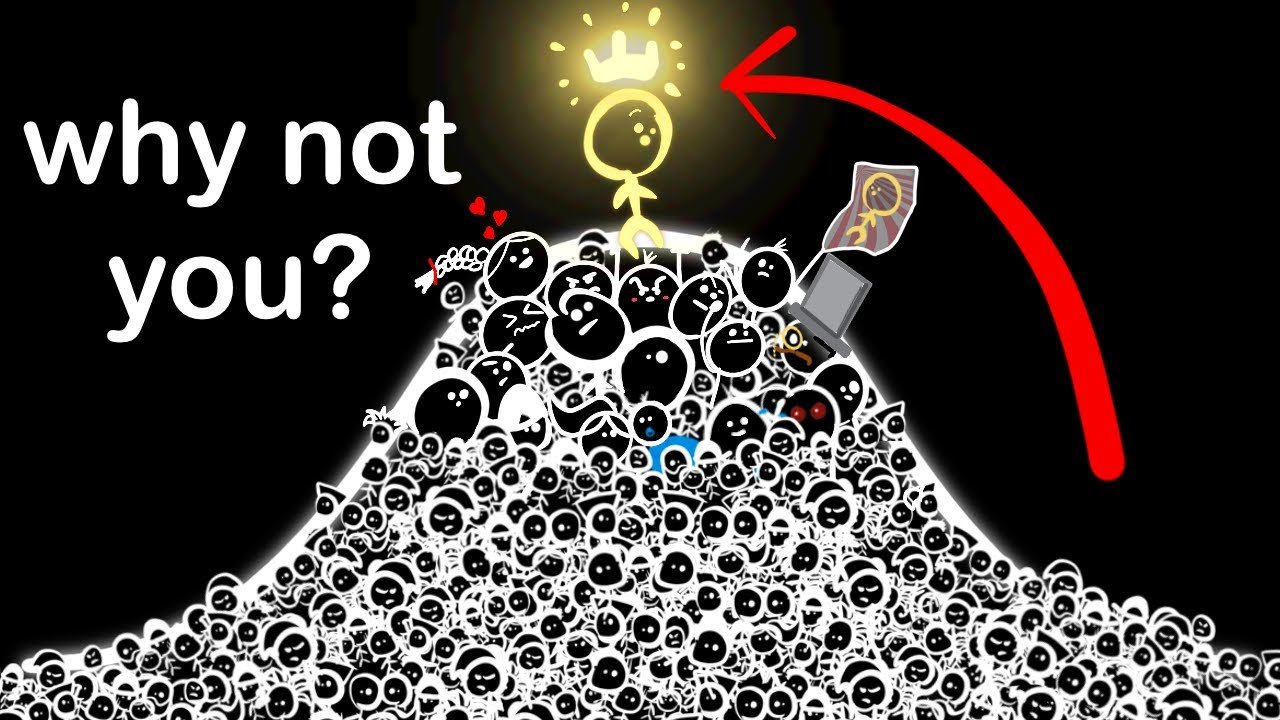
Why Do We Step on Others to Get Ahead?
Why do some people feel that they can move forward only by pushing others backward? In everyday life, we encounter individuals who are willing to humiliate, manipulate, exclude, undermine, or take advantage of others in order to achieve their own goals. They may compete aggressively, take credit for someone else’s work, deliberately make another person look incompetent, or use someone’s weakness as an opportunity to gain power. From the outside, such behavior may look like confidence or ambition. Psychologically, however, the desire to rise by putting others down can have much deeper roots. Human beings naturally want to progress. Ambition, competition, achievement, and the desire for recognition are not necessarily negative qualities. People often want to become more successful, respected, capable, or influential. The problem begins when success is defined not by personal growth but by another person’s failure. In such situations, achievement becomes a psychological game in which one person feels stronger only when someone else becomes weaker. This way of thinking can be expressed through a simple internal belief: “If you are below me, I am above you.” When this belief becomes central to someone’s self-image, relationships can turn into constant competitions for status and control. One important psychological factor behind this behavior is insecurity. This may seem surprising because people who dominate others often appear extremely confident. They may speak loudly, behave assertively, criticize others, or constantly emphasize their own achievements. However, outward confidence and inner security are not always the same thing. A person can appear powerful while being deeply dependent on external confirmation of their worth. If their self-esteem is unstable, the success of another person may feel threatening. Someone else’s intelligence, beauty, popularity, professional achievement, or social recognition may unconsciously make them question their own value. Instead of asking, “How can I improve myself?” they may ask, “How can I make this person less impressive?” This changes the direction of psychological energy. Rather than investing in personal development, the individual becomes focused on controlling the position of others. Such a person may feel temporary relief after humiliating someone or taking away their opportunity. The other person’s loss becomes evidence of their own superiority. However, this relief is usually temporary because the underlying insecurity has not disappeared. This creates a cycle. The individual feels threatened, attacks or undermines someone, experiences temporary satisfaction, and then becomes threatened again when another person appears more successful. As a result, they constantly need new evidence that they are superior. This is one reason why people who are obsessed with status may never feel genuinely satisfied. There is always someone more successful, more intelligent, more attractive, more influential, or more accomplished. When self-worth depends on being above others, psychological peace becomes almost impossible. Another important factor is the way people learn about competition during childhood. Children observe how adults behave and gradually develop beliefs about success, relationships, and power. If a child grows up in an environment where love, attention, or recognition are treated as limited resources, they may learn that another person’s success reduces their own chances of being valued. For example, if children are constantly compared with one another, they may begin to understand achievement through ranking rather than development. Instead of thinking, “I did well,” they learn to think, “I did better than someone else.” Comparison can therefore become part of the person’s psychological framework. Later in life, this may appear in friendships, workplaces, families, or social groups. The individual may struggle to celebrate another person’s success because that success is interpreted as a personal loss. Someone receives praise, and they feel ignored. Someone gets promoted, and they feel threatened. Someone becomes successful, and they experience resentment. Someone becomes confident, and they feel the need to bring that person down. The problem is not simply jealousy. Jealousy is a human emotion that can appear even in psychologically healthy individuals. The deeper problem is what a person chooses to do with that emotion. A person can experience jealousy and use it as information about their own desires. They may think, “I wish I had achieved something similar. What can I learn from this?” Another person may experience the same emotion and think, “How can I prevent this person from succeeding?” The emotion is similar, but the behavioral response is completely different. The desire to rise by pushing others down can also be connected with a distorted understanding of strength. Some people learn that being kind means being weak, listening means losing authority, and cooperation means giving other people an advantage. As a result, they deliberately avoid vulnerability and empathy because they believe these qualities reduce their power. They may see every interaction as a struggle for dominance. A conversation becomes a competition. A disagreement becomes a battle. A colleague’s achievement becomes a threat. A friend’s happiness becomes something to challenge. Even ordinary relationships can become exhausting when one person constantly needs to establish superiority. True psychological strength, however, does not require constant proof of superiority. A secure person can recognize another person’s abilities without feeling personally diminished. They can admire someone without feeling inferior. They can accept criticism without experiencing it as an attack on their entire identity. This distinction is important because healthy confidence is internally based, whereas fragile superiority often depends on external hierarchy. A person who genuinely trusts their own worth does not need everyone around them to be less successful. Another reason people may step on others to get ahead is a strong desire for control. Some individuals feel safer when they can predict and influence the behavior of people around them. They may therefore attempt to control information, opportunities, relationships, and social perceptions. One common strategy is undermining another person’s reputation. Instead of competing openly, the individual may spread doubts about someone’s competence. They may exaggerate mistakes, withhold important information, or subtly encourage others to distrust the person. This behavior can be particularly damaging because it is often difficult to identify immediately. The aggressor may appear polite while quietly damaging someone else’s
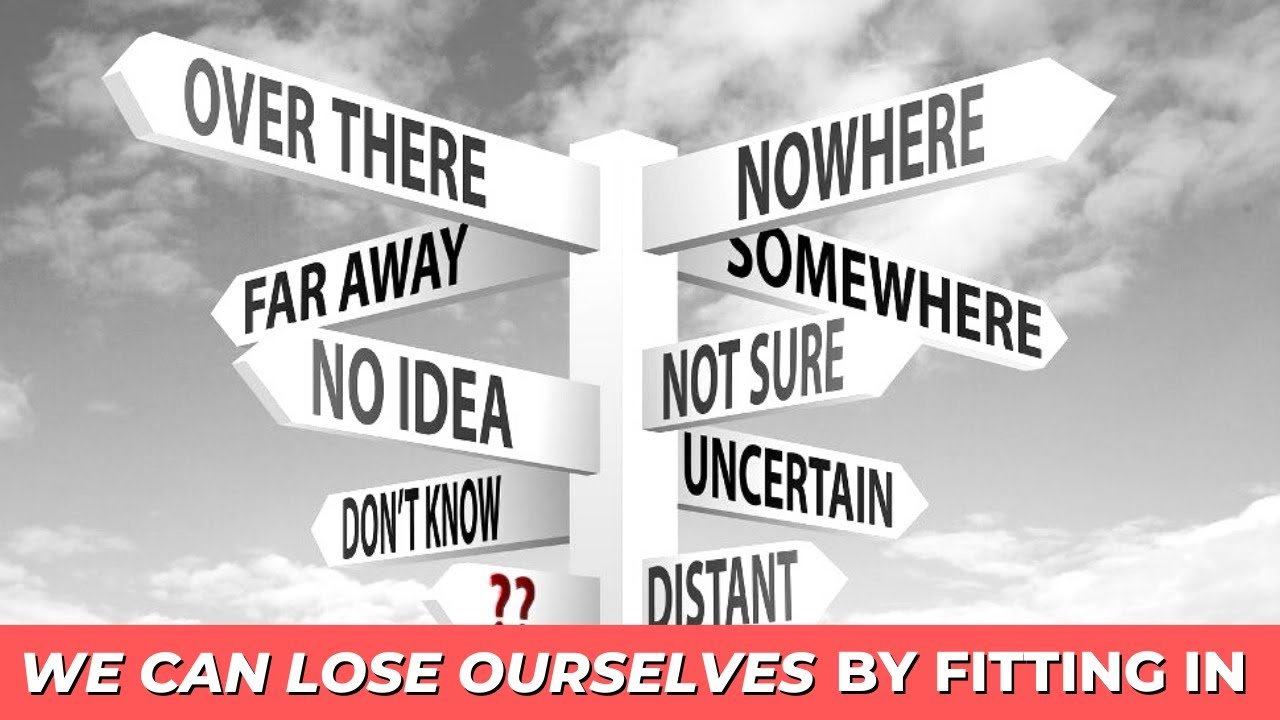
Why Do We Lose Ourselves?
There are moments in life when a person suddenly realizes that something has changed. Nothing dramatic may have happened, and yet an uncomfortable question begins to appear in the mind: “When did I become this person?” A person may look at their life, their relationships, their decisions, and even their daily habits and feel that they are somehow distant from the person they once were. They may continue doing everything they are expected to do, fulfilling responsibilities and maintaining relationships, while quietly feeling disconnected from themselves. This experience raises an important psychological question: why do people sometimes lose themselves? Losing oneself does not necessarily mean forgetting one’s identity completely. More often, it refers to a gradual disconnection from one’s own needs, values, emotions, preferences, and desires. A person may become so focused on fulfilling external expectations that they stop asking themselves what they actually want. Over time, this can create a gap between the life a person is living and the life that feels personally meaningful. One of the main reasons people lose themselves is the desire to be accepted. Human beings are social creatures, and belonging is an important psychological need. From childhood, people learn that certain behaviors receive approval while others may lead to criticism, rejection, or punishment. A child gradually learns what makes parents happy, what teachers consider appropriate, and what behavior is accepted by peers. These experiences help children understand social rules, but they can also teach them to suppress parts of themselves. For example, a child who is repeatedly told that being quiet is better than expressing anger may learn to hide frustration. A child who receives praise only when achieving high results may begin to believe that their value depends on success. Someone who grows up in an environment where disagreement is treated negatively may become afraid of expressing independent opinions. These adaptations can be useful in childhood because children depend heavily on adults. However, patterns developed during childhood can continue into adulthood even when they are no longer necessary. An adult may still behave according to old expectations without consciously understanding why. This is one way people gradually become disconnected from themselves. They do not necessarily make one major decision to abandon their identity. Instead, they make many small decisions based on what other people want. They say yes when they want to say no. They remain silent when they want to speak. They choose what is acceptable rather than what is meaningful. They change their behavior depending on who is around them. Eventually, they may become very good at understanding other people’s expectations while becoming less familiar with their own. Another important factor is fear of rejection. People often modify themselves to protect relationships. They may hide opinions, interests, emotions, or needs because they are afraid that showing their authentic selves could cause conflict or abandonment. This fear can be particularly strong in close relationships. When someone cares deeply about another person, they may unconsciously begin to prioritize the relationship above their individual identity. Compromise is a normal part of healthy relationships, but excessive adaptation can become psychologically harmful. There is a difference between adapting to another person and abandoning oneself for another person. Healthy adaptation allows both individuals to remain themselves while making room for each other. Losing oneself occurs when one person’s identity becomes increasingly dependent on maintaining the relationship. A person may stop seeing friends, abandon personal interests, change important goals, or constantly monitor their behavior to avoid upsetting the other person. At first, these changes may appear insignificant. Over time, however, they can create a profound sense of emptiness. Perfectionism can also contribute to losing oneself. Perfectionistic individuals often develop strict internal standards about how they should behave, perform, look, or succeed. Their attention becomes focused on correcting weaknesses and meeting expectations. The problem is that a person who constantly asks, “What should I be?” may eventually stop asking, “Who am I?” The difference between these two questions is psychologically important. The first is based on an ideal or external standard. The second is based on self-awareness. When people spend most of their energy trying to become an ideal version of themselves, they may become disconnected from their actual emotional experience. They may feel tired but believe they should continue. They may feel unhappy but believe they should be grateful. They may want something different but believe they should remain on the path they have already chosen. This constant pressure can create internal conflict. Another reason people lose themselves is that life requires them to perform different roles. One person can simultaneously be a child, parent, partner, friend, professional, student, or caregiver. Each role has different expectations. Roles are not inherently harmful. In fact, they are an important part of social life. The problem appears when a person becomes so identified with their roles that they no longer experience themselves outside them. A person may become so focused on being a good parent that they forget they also have personal interests. Someone may become so focused on professional achievement that their identity becomes completely dependent on work. Another person may spend so much time caring for others that they no longer know what they need themselves. When a role becomes the entire identity, losing that role can produce a painful identity crisis. This is why major life transitions can be psychologically difficult. Retirement, divorce, becoming a parent, moving to another country, changing careers, or finishing education can force people to reconsider who they are. The structure that previously defined their daily lives changes, and they may suddenly have to answer questions they had avoided. Without the familiar role, they may ask themselves, “Who am I now?” Such questions can be uncomfortable, but they can also become opportunities for psychological development. Sometimes a person does not discover a completely new identity. Instead, they rediscover parts of themselves that had been neglected. Emotional suppression is another major factor. People sometimes lose themselves because they become disconnected from their own
A quote
There was always a little hope inside me, a hope I could never explain, a hope I could never bring myself to share with anyone, yet somehow, it made something inside me come alive. Sometimes I wonder how it happened that the child I once was, so deeply insecure and uncertain, grew into someone who could now carry so much confidence within herself. Perhaps hope does change us in ways we cannot see at first. Can hope really solve everything?

Why Do We Interrupt When Others Talk About Themselves?
Conversation seems simple. One person speaks, another listens, and then the roles change. Yet ordinary conversations contain many small psychological processes that happen almost automatically. One of them is the tendency to insert ourselves into another person’s story when they are talking about themselves. The other person may be describing their experience, their feelings, their family, their work, or something that happened to them, and during a brief pause, we suddenly say something about ourselves. Sometimes it is only a sentence. Sometimes it becomes a longer story. Sometimes we do not even notice that we have shifted the attention from the other person to ourselves. This behavior is often interpreted negatively. Someone might think, “They are self-centered,” “They don’t listen,” or “They always make everything about themselves.” But psychology offers a more complicated explanation. Entering another person’s story does not always mean that we want attention. Sometimes it is an attempt to connect, understand, empathize, remember, or simply participate in the conversation. The important question is not only why people interrupt, but what psychological function the interruption serves. One of the most common reasons is the desire to connect through similarity. When someone tells us about an experience, our brain automatically searches our own memories for something related. If a person says, “I was extremely nervous before my interview,” we may immediately remember a similar experience. The memory becomes psychologically available, and we feel an impulse to share it. We may respond, “I was exactly the same before my first interview.” The intention may be to communicate, “I understand what you mean. I have experienced something similar.” From the speaker’s perspective, however, the effect can be different. They may have wanted to continue telling their story, while our attempt to create connection has redirected the conversation. This reveals an important distinction between empathy and identification. Empathy means trying to understand another person’s experience from their perspective. Identification occurs when we connect their experience to our own. The two processes can happen together, but they are not identical. When someone tells us about their sadness, for example, we may immediately remember our own sadness. Instead of staying with their experience, our mind moves toward ours. This happens because personal memories are highly accessible. We know our own experiences better than anyone else’s. When another person’s story resembles something we have lived through, our own memory can become the easiest psychological reference point. This is not necessarily selfishness. It is partly a consequence of how human cognition works. Another reason people interrupt during these small pauses is conversational anxiety. Silence can feel uncomfortable. When someone stops speaking for a second, we may interpret the pause as an invitation to respond. The brain quickly asks, “Should I say something?” Some people are particularly uncomfortable with silence. They feel responsible for keeping the conversation moving. A pause of only a few seconds can seem much longer internally. As a result, they fill the space with a comment, question, joke, or personal story. This can be especially common among people who are highly attentive to social situations. They may constantly monitor whether the conversation is flowing smoothly, whether the other person is interested, and whether they themselves are participating enough. The irony is that the desire to make conversation comfortable can sometimes produce the opposite effect. There is also the psychological need to be understood. When another person describes something we have experienced, sharing our own story can communicate, “You are not alone.” We may believe that revealing something about ourselves will make the other person feel closer to us. This is one reason reciprocal self-disclosure is important in relationships. People often become closer by gradually sharing personal information with one another. One person reveals something, the other responds with something personal, and mutual openness develops. However, timing matters. Healthy self-disclosure is usually reciprocal rather than competitive. If one person shares something deeply personal and the other immediately replaces the subject with their own experience, the first person’s emotional experience may feel overlooked. For example, imagine someone saying, “I’ve been feeling very lonely recently.” If the response is, “I know. I was lonely last year too. Let me tell you what happened to me,” the conversation has quickly moved away from the original person’s emotional state. A more empathic response might first remain with their experience: “That sounds difficult. What has been making you feel lonely?” Only after the person has finished might a personal story become useful. This difference is subtle, but psychologically significant. Sometimes, however, people interrupt because they fear losing the opportunity to speak. They may have something in their mind that feels important and worry that if they do not say it immediately, they will forget. This can happen during exciting conversations. The other person says something that triggers an idea, and the listener becomes mentally occupied with preparing their response rather than continuing to listen. At that moment, two conversations are occurring simultaneously: the external conversation and the internal conversation. Externally, the person is listening. Internally, they may be thinking, “I have something to say about this,” “I experienced the same thing,” or “I need to tell them this before I forget.” The internal conversation competes with listening. This is why genuine listening requires more than simply remaining silent. Listening involves resisting the urge to prepare our own contribution while the other person is speaking. Another psychological mechanism is emotional resonance. When another person’s story activates a strong emotional memory, the listener may experience an urge to express their own reaction. For example, someone talking about losing a loved one may activate grief in the listener. The listener might immediately begin talking about their own loss. This can happen because emotional experiences are associative. One memory activates another, which activates another. The conversation becomes a chain of personal memories. Again, the intention may be connection rather than attention-seeking. But the effect depends on whether the listener returns the focus to the original speaker. There is an important difference between saying,

Can a Person Become a Different Person?
People often say, “I am not the person I used to be.” Sometimes this sentence is spoken after a painful experience, sometimes after a major life change, and sometimes simply after years of growing older. But psychologically, what does it actually mean to become a different person? Human personality is neither completely fixed nor completely fluid. Some characteristics remain relatively stable across life, while others can change significantly. A person who was extremely shy as a child may become socially confident as an adult. Someone who once trusted everyone may become much more cautious after experiencing betrayal. A person who once avoided responsibility may eventually become highly disciplined. These changes raise an important psychological question: where does the old personality end, and where does the new one begin? One reason people change is experience. The brain continuously learns from what happens to us. Every relationship, disappointment, achievement, loss, and unexpected event can provide information about the world. Over time, this information influences how we interpret future experiences. For example, a person who repeatedly experiences rejection may begin to expect rejection before it happens. Someone who receives consistent support may develop a greater expectation that other people can be trusted. Experience does not automatically determine personality, but it can gradually reshape beliefs, emotional responses, and behavior. This is particularly noticeable after major life events. A serious failure may make a person more cautious. A meaningful relationship may make someone more emotionally open. Becoming responsible for another person may change someone’s priorities. Moving to a completely different environment may force a person to develop abilities they never knew they possessed. Sometimes people change because they finally have an opportunity to become who they were unable to be before. A person may spend years behaving according to family expectations, social rules, or fear. Later, when circumstances change, previously hidden aspects of their personality may become visible. What appears to be a sudden personality transformation may actually be the emergence of characteristics that were always present but suppressed. This is why change should not always be interpreted as losing one’s identity. People sometimes fear that changing means becoming someone else. They may hold tightly to old habits because those habits feel familiar. Even unhealthy patterns can provide psychological security simply because they are known. The human brain generally prefers predictability. Familiar behavior requires less psychological effort. When a person behaves in the same way repeatedly, the brain develops established patterns. Changing those patterns requires conscious effort and tolerance of uncertainty. Yet psychological growth often requires exactly this discomfort. There is also an important difference between changing behavior and changing personality. A person may learn to communicate more effectively without becoming fundamentally different. Someone can become less impulsive without losing their spontaneity. A quiet person can become more socially confident without becoming highly extroverted. Growth often means gaining more choices rather than replacing the entire personality. A mature personality may therefore be understood not as a completely new identity but as a more flexible version of the same individual. Another interesting question concerns emotional change. People sometimes say that they have “become colder.” But emotional distance can have different causes. It may reflect maturity and stronger boundaries, or it may represent emotional exhaustion, disappointment, or defensive withdrawal. Two people can behave similarly while experiencing completely different psychological processes. Someone who stops trusting everyone may have learned healthy caution. Another person may have become unable to trust anyone because of unresolved fear. From the outside, both may appear distant. Internally, their experiences can be very different. This distinction is important because psychological change should not be judged only by behavior. A person can also become more compassionate with age. Life experience may increase the ability to understand that other people are struggling with problems that are invisible from the outside. Someone who once judged others quickly may eventually become more patient. Suffering can sometimes increase psychological depth, although suffering itself does not automatically make people wiser. What matters is how a person processes the experience. Two people can experience similar difficulties and develop completely different responses. One may become more resilient, while another may become more fearful. One may become more understanding, while another may become more defensive. The event itself is therefore only part of the story. The meaning a person gives to the event also matters. Memory plays an important role in this process. People construct their understanding of themselves partly through autobiographical memory. We tell ourselves stories about who we were, what happened to us, and why we became the person we are today. But memory is not a perfect recording. Our understanding of the past can change as we change. An experience that once seemed catastrophic may appear manageable years later. A relationship that once seemed perfect may look very different after gaining emotional distance. A childhood event may acquire a new meaning when an adult understands circumstances that were impossible to understand as a child. In this sense, changing ourselves can also change our relationship with our past. This may explain why people sometimes feel disconnected from their younger selves. Looking at old photographs can create a strange psychological experience: the face is familiar, the memories belong to us, yet the person in the photograph may feel like a stranger. The body has remained recognizable, but the psychological world has changed. Still, there is usually continuity. The adult is not completely separate from the child. Certain values, sensitivities, fears, interests, or emotional tendencies may remain. Personality change is therefore better understood as a process of transformation than replacement. The person becomes different without becoming entirely unrelated to who they once were. Relationships can also influence this transformation. We develop parts of ourselves through interaction with other people. A supportive relationship can make someone feel safe enough to express emotions that were previously hidden. A controlling relationship can cause someone to become increasingly cautious or silent. This does not mean that other people completely create our personalities. Rather, relationships provide environments

Why Were Some Widows Buried With Their Husbands?
Throughout human history, death has been surrounded by rituals, beliefs, and social expectations. Some of these traditions may seem extremely disturbing from a modern perspective. Among them was the practice, found in certain historical societies, of a widow being killed or otherwise compelled to die and be buried with her deceased husband. One of the best-known examples is the practice commonly associated with sati in parts of South Asia, although similar ideas and rituals have appeared in different forms in other cultures and historical periods. From a modern psychological perspective, such practices raise a difficult question: how could a society make the death of a living person appear acceptable, honorable, or even desirable? The answer cannot be explained simply by saying that people in the past were cruel or that women willingly wanted to die. Human behavior is strongly influenced by culture, social expectations, fear, belonging, authority, and the meanings that a society gives to life and death. When these forces become powerful enough, an individual may make choices that would appear impossible outside that cultural environment. One of the strongest psychological mechanisms involved in such traditions is social conformity. Human beings have a fundamental need to belong to a group. Throughout history, survival often depended on remaining within one’s community. Being rejected could mean losing protection, resources, family connections, and social identity. Consequently, people can sometimes tolerate enormous personal suffering when they believe that refusing a social expectation will result in rejection. For a widow, the death of her husband could therefore represent much more than the loss of a loved one. In societies where a woman’s social identity was strongly connected to her husband, widowhood could mean a dramatic loss of status, security, and belonging. If the surrounding culture taught that a “good wife” should follow her husband even after death, the woman might experience enormous pressure to conform. This is where psychological conditioning becomes important. Beliefs are rarely created in adulthood from nothing. They are usually learned gradually. A girl growing up in a community where marital devotion is repeatedly described as the highest form of female virtue may internalize the idea long before she becomes a wife. She may hear stories about women who followed their husbands into death and were praised as loyal, pure, courageous, or spiritually elevated. At the same time, women who refused may be described negatively. Through repeated exposure, the practice can become psychologically normalized. What appears horrifying to an outsider may therefore have been interpreted very differently by someone raised inside the culture. This does not mean that the person was necessarily free from fear or coercion. Psychological pressure does not always look like physical force. A person can be controlled through shame, social exclusion, threats, religious authority, economic dependence, or fear of dishonoring the family. The distinction between voluntary choice and social coercion is especially important. If someone is told from childhood that one possible choice will bring honor while another will bring disgrace, their decision cannot be understood independently of that environment. Another psychological factor is identity fusion. Identity fusion occurs when a person’s sense of self becomes extremely connected to another person or group. In a strongly patriarchal marriage system, a woman’s identity might be defined primarily through her role as someone’s wife. Her personal ambitions, individuality, and social status could become secondary to the marriage. If the husband died, the psychological structure supporting her identity could collapse. Modern psychology recognizes that bereavement can produce a profound disruption of identity. People sometimes describe the loss of a spouse as losing part of themselves. However, in a society where the individual’s identity is already almost completely merged with the marital role, widowhood could be experienced not merely as emotional loss but as social disappearance. This helps explain why rituals surrounding death can become extremely powerful. Rituals give structure to experiences that are otherwise difficult to understand. Death creates uncertainty, and humans naturally search for meaning when confronted with it. A culture may therefore develop a narrative in which the death of a spouse is transformed into a sacred event. The widow’s death may be interpreted as proof of loyalty, spiritual purity, family honor, or eternal union. Such beliefs can reduce psychological uncertainty by providing a clear explanation for an otherwise devastating event. Fear also plays an important role. Many historical death rituals were connected to beliefs about what happens after death. If people genuinely believed that husband and wife would remain together in another existence, dying together could be interpreted not as separation but as reunion. This psychological interpretation is important because people do not respond to death only according to biological instinct. They respond according to what death means to them. If death is understood as annihilation, dying may be terrifying. If it is understood as transition, reunion, purification, or spiritual continuation, the emotional meaning can be completely different. However, beliefs about the afterlife can also be used to reinforce social control. If a woman is told that dying with her husband will bring spiritual honor while remaining alive will bring shame or punishment, religious belief becomes intertwined with social pressure. Another factor is the power of authority. Human beings are capable of following instructions from powerful authorities even when those instructions conflict with their personal instincts. Authority can come from religious leaders, elders, family members, rulers, or the wider community. When an entire social environment communicates the same message, resistance becomes psychologically difficult. The individual may no longer experience the expectation as simply another person’s opinion. It can feel like an unquestionable truth. The presence of other people can intensify this effect. Collective rituals create powerful emotional environments. Music, clothing, religious symbols, crowds, ceremonies, and repeated phrases can alter emotional states and reduce the feeling of ordinary individual choice. A person standing alone may question an action that seems impossible. The same person surrounded by hundreds of people treating that action as sacred may experience the situation differently. This is one reason collective behavior deserves careful