


The need for approval is one of the most common psychological experiences in human life. People naturally want to be accepted, appreciated, and understood by others. From childhood, we learn that relationships matter and that the reactions of other people can influence how we see ourselves. However, when approval becomes the main source of self-worth, it can quietly control our choices, emotions, and relationships. A person who strongly depends on approval may constantly wonder what others think about them. They may change their opinions to avoid disagreement, feel uncomfortable when someone is disappointed with them, or spend a great deal of time trying to appear successful, kind, intelligent, or attractive. Even simple decisions can become difficult because the person is not only asking, “What do I want?” but also, “What will people think if I choose this?” This pattern often develops gradually. A child who receives affection mainly when they behave in a certain way may begin to associate acceptance with performance. They may learn that being successful, quiet, helpful, obedient, or emotionally controlled makes others happier. Over time, the child can internalize the idea that being accepted is something that must be earned. As adults, people may continue searching for the same feeling. They may work extremely hard to receive praise, become perfectionistic, or avoid mistakes because mistakes seem to threaten their value. The person may appear confident from the outside while internally depending heavily on other people’s reactions. Approval-seeking is not always obvious. Sometimes it appears as excessive kindness. A person may constantly help others even when they are exhausted. They may say yes when they actually want to say no. They may apologize unnecessarily or take responsibility for problems that are not really theirs. Their behavior may look generous, but underneath it there can be a strong fear of rejection. Another form is perfectionism. Some people believe that if they perform perfectly, nobody will criticize them. They may spend excessive time checking their work, appearance, messages, or decisions. A small mistake can produce disproportionate shame because the mistake is interpreted not simply as an error but as evidence that they are not good enough. Social media can intensify this process. Likes, comments, followers, and views provide immediate social feedback. Positive feedback can create a temporary feeling of worth, while a lack of attention may produce disappointment or insecurity. When this happens repeatedly, external reactions can become a psychological measurement system. Instead of asking whether an experience was meaningful, a person may begin asking whether other people considered it impressive. The problem is not wanting appreciation. Appreciation is a normal human need. The difficulty begins when external approval becomes more important than internal values. If a person’s emotional stability depends entirely on being liked, criticism becomes threatening and disagreement becomes painful. This can also affect relationships. A person who desperately wants to be accepted may hide their real opinions. They may avoid expressing anger, sadness, disappointment, or disagreement because they fear losing the relationship. As a result, relationships can become emotionally unequal. One person continuously adapts while the other may never discover what the person genuinely wants. Over time, this can create resentment. The person may think, “I do everything for everyone, but nobody appreciates me.” Yet the deeper problem may be that they have been giving without communicating their limits. When people repeatedly ignore their own needs to maintain approval, they may eventually become emotionally exhausted. Approval-seeking can also make criticism unusually painful. Constructive criticism normally provides information that can help a person improve. But someone whose self-worth depends on approval may experience criticism as a personal rejection. Instead of thinking, “I made a mistake,” they may think, “There is something wrong with me.” This difference is psychologically important. Healthy self-esteem allows a person to separate behavior from identity. A mistake means that something went wrong; it does not mean that the entire person is wrong. When self-worth becomes dependent on external judgment, this separation becomes much more difficult. Fear of disappointing others can be another important factor. Some people feel guilty whenever they make a decision that someone else does not like. They may even believe that causing disappointment makes them a bad person. Consequently, they organize their lives around preventing negative reactions. But disappointment is not necessarily evidence of wrongdoing. Two people can have different needs, expectations, and preferences without either person being wrong. Learning this can be an important part of emotional maturity. Developing internal validation does not mean becoming indifferent to other people. It means learning to listen to others without allowing their opinions to completely determine one’s identity. A person can appreciate criticism without accepting every judgment. They can enjoy compliments without becoming dependent on them. One useful psychological question is: “If nobody knew about this decision, what would I choose?” This question can reveal how much of a person’s behavior is motivated by personal desire and how much is motivated by social expectations. Another important question is: “Am I doing this because I want to, or because I am afraid of what will happen if I do not?” The difference may appear small, but psychologically it can be enormous. Learning to tolerate disapproval is also important. Not everyone will understand every decision. Not everyone will agree with every opinion. Some people may even criticize choices that are completely appropriate for someone else. Emotional independence requires accepting that universal approval is impossible. This does not mean ignoring relationships. Human beings need connection, affection, and belonging. The goal is not to eliminate the need for others but to prevent that need from becoming the foundation of identity. A psychologically healthier position might sound like this: “I want people to like me, but I do not need everyone to like me in order to respect myself.” This allows relationships to remain important without making them the only source of self-worth. The development of internal validation usually takes time. A person who has spent years seeking approval cannot simply stop caring about other people’s

Does life repeat itself
Life is often described as a cycle. People say that history repeats itself, relationships follow the same patterns, mistakes return, and similar situations appear again and again. These ideas can feel convincing because human beings naturally search for patterns. When something happened once, we tend to expect similar circumstances to produce a similar result in the future. Yet life itself does not necessarily repeat. What often repeats is our interpretation of events, our habits, our reactions, or the psychological patterns we carry from one situation to another. This distinction is important because believing that life always repeats itself can influence the way people make decisions. A person may assume that because something happened before, it will happen again. Someone who experienced betrayal may expect every future relationship to end in betrayal. Someone who failed once may believe that another attempt will produce the same failure. Someone who experienced financial difficulty may become convinced that stability will never be possible. The past becomes a prediction rather than an experience. But the future is not simply the past happening again. Every situation contains different people, different circumstances, different information, and different choices. Even when two situations look similar, they are never completely identical. The person entering the second situation may also be different from the person who experienced the first one. Human beings change continuously, sometimes without noticing it. A person who made a poor decision five years ago may have completely different knowledge today. Someone who once tolerated unhealthy behavior may now recognize it immediately. A person who previously lacked confidence may have developed stronger boundaries. Someone who once reacted impulsively may have learned to pause before responding. If the person has changed, then the next situation cannot truly be identical to the previous one. This is one reason why excessive reliance on past experience can become psychologically limiting. Experience is valuable because it provides information, but it is not always a reliable map of the future. People often confuse learning from the past with living according to the past. Learning from the past means asking what an experience can teach us. Living according to the past means assuming that the same outcome is inevitable. These are very different psychological positions. A person who says, “That experience taught me to be more careful” is using the past constructively. A person who says, “That experience proves that nothing will ever work for me” is allowing the past to define the future. The first position creates flexibility. The second creates psychological rigidity. Planning can have a similar problem. Planning is generally considered a sign of responsibility and organization. People make schedules, establish goals, calculate risks, imagine possible outcomes, and prepare for the future. These activities can be useful. However, planning becomes problematic when a person starts believing that the future can be controlled simply by constructing a sufficiently detailed plan. Life contains too many variables for complete prediction. Other people’s decisions can change. Unexpected opportunities can appear. Relationships can develop in unexpected directions. Health, finances, technology, social circumstances, and personal priorities can change. Even a person’s own desires can be different six months from now. This means that a detailed plan may describe what a person wants today rather than what their life will actually require tomorrow. There is nothing wrong with having goals. The psychological difficulty comes from confusing a goal with a guarantee. A goal says, “This is the direction I want to move toward.” A rigid plan says, “This is exactly how everything must happen.” The first allows adaptation. The second can create frustration whenever reality behaves differently. This is particularly important because people often judge themselves harshly when life does not follow their plans. Someone may think, “I did everything correctly, so why did this happen?” The assumption behind the question is that correct planning should produce predictable results. But life is not a mathematical equation. Good decisions can still produce disappointing outcomes. A person can make a thoughtful choice and encounter circumstances they could not have predicted. Conversely, a poor decision can sometimes produce a positive result by accident. This is why outcome and decision quality should not always be treated as the same thing. A person may make a reasonable decision based on the information available at the time and still experience an unfavorable result. That does not automatically mean the decision was foolish. Psychologically, this is difficult to accept because human beings strongly prefer clear explanations. We want to believe that good behavior produces good outcomes and bad behavior produces bad outcomes. This belief provides a sense of order. It makes the world feel understandable. Reality, however, is more complicated. Uncertainty is unavoidable. Some people respond to uncertainty by planning excessively. They attempt to predict every possible problem, imagine every possible outcome, and prepare for every scenario. At first, this can create a sense of control. But excessive planning can gradually become a form of anxiety management. The person is no longer planning because planning is useful. They are planning because uncertainty feels intolerable. The more uncertain they feel, the more they plan. The more they plan, the more possibilities they discover. Each possibility creates another question, and each question demands another plan. Eventually, planning itself becomes exhausting. This does not mean that people should stop preparing for the future. Preparation is valuable. The healthier approach is flexible preparation. Instead of asking, “How can I make sure everything happens exactly as I expect?” a person can ask, “What can I do now, and how will I respond if circumstances change?” The second question acknowledges uncertainty without surrendering responsibility. This way of thinking is closely connected with psychological flexibility. Flexibility means being able to adjust behavior when circumstances change while maintaining important values and goals. A flexible person may have a direction without demanding a fixed route. For example, someone may want to develop a successful career. They can work toward that goal while remaining open to different opportunities. A particular job may not work out.

Why Do Some Memories Never Fade?
Human memory is not a simple recording system. The brain does not store every moment of life with equal precision. Some experiences disappear within days, while others remain vivid for decades. A particular sentence, smell, place, facial expression, or sound can suddenly bring back an event that happened many years ago. Sometimes the memory is pleasant. Sometimes it is painful. In either case, its persistence can seem mysterious. Why do some memories remain so powerful while thousands of ordinary experiences disappear? One important explanation is emotional significance. Events connected with strong emotions are often remembered differently from ordinary events. When something feels extremely important, threatening, surprising, joyful, or meaningful, the brain gives the experience greater attention. Emotional arousal can influence how information is encoded and later retrieved. This does not mean that emotionally intense memories are always completely accurate. A memory can feel extremely vivid while still containing errors. The subjective feeling of certainty and the factual accuracy of a memory are not necessarily the same thing. This distinction is important because people sometimes assume that a vivid memory must be a perfect memory. In reality, remembering is a reconstructive process. Each time a person recalls an event, the brain reconstructs aspects of it rather than simply replaying an untouched recording. Emotion can therefore make a memory feel powerful without guaranteeing that every detail remains unchanged. Attention also plays a major role. People remember what they notice. During an emotionally significant event, attention may become highly focused on particular details. A person might remember someone’s eyes, the sound of a voice, a specific sentence, or the appearance of a room while forgetting many surrounding details. This selective attention can make certain fragments of an experience unusually persistent. The meaning assigned to an event is another important factor. Two people can experience similar situations but remember them differently because they interpret them differently. An event becomes more memorable when it is connected to personal identity, relationships, beliefs, goals, or fears. For example, an ordinary conversation may become unforgettable if it represents a major turning point in someone’s life. A short sentence from another person may remain memorable for years because it changed how the individual saw themselves. Memory is therefore influenced not only by what happened but also by what the event meant. This is one reason childhood memories can remain important throughout adulthood. Early experiences contribute to the development of beliefs about relationships, safety, competence, trust, and identity. A child may not fully understand an experience at the time, but later in life they may reinterpret it. As adults, people sometimes look back at childhood events and understand them differently. The event has not necessarily changed. Its meaning has. This process can occur with both positive and negative experiences. A supportive teacher may remain memorable because the child felt seen and encouraged during a period when confidence was developing. Similarly, a humiliating experience may remain vivid because it became connected to beliefs about personal worth. The brain tends to prioritize information that appears relevant to future behavior. If an experience teaches someone something important, remembering it may have adaptive value. A painful experience can therefore become psychologically persistent because the mind continues treating it as relevant. However, not every persistent memory represents unresolved psychological damage. Some memories simply have strong emotional associations. A particular song may remind someone of adolescence. The smell of a certain food may bring back memories of a family home. A particular street may immediately evoke an earlier period of life. These associations demonstrate how memory is connected to sensory information. Smell is especially powerful in triggering autobiographical memories. A familiar scent can suddenly produce an emotional reaction before the person consciously identifies why. This can happen because sensory information is closely connected with brain systems involved in memory and emotion. The experience can feel almost instantaneous. One moment a person is in the present; the next, they psychologically revisit a distant period of their life. Time does not necessarily weaken every memory in the same way. Some memories become less detailed but retain their emotional meaning. A person may forget exactly what happened on a particular day while still remembering how that period made them feel. This distinction between factual detail and emotional meaning is important. A memory can become less precise while remaining psychologically significant. Repeated recall can also influence memory. When people frequently tell a story, think about an event, or discuss it with others, certain elements may become more accessible. At the same time, repeated reconstruction can sometimes introduce changes. The person may gradually remember the story as they have repeatedly described it rather than exactly as it originally occurred. Social interactions can influence this process. Other people’s interpretations, questions, and versions of events can become incorporated into an individual’s recollection. This does not mean that memories are meaningless or completely unreliable. It means that memory is dynamic. The brain continuously interacts with the present while reconstructing the past. Another reason memories remain powerful is that they are connected to unfinished emotional processes. Sometimes a person repeatedly returns mentally to an event because they still have questions about it. “What could I have done differently?” “Why did that person behave that way?” “Why did I allow it to happen?” “What would my life be like if that event had never occurred?” These questions can keep an experience psychologically active. The mind naturally searches for explanations, especially when an event violates expectations. When something unexpected happens, people often try to construct a coherent story around it. This meaning-making process can continue for years. Sometimes the person is not actually longing for the past. They are trying to understand it. There is also a difference between remembering an event and being emotionally overwhelmed by its memory. A person can remember something painful without becoming controlled by it. However, certain memories may trigger intense emotional or physical reactions, particularly when they are associated with traumatic experiences. In such situations, the memory may feel less

When Silence Becomes a Problem
Silence is a natural part of human communication. People become quiet when they are thinking, resting, observing, feeling uncomfortable, or simply choosing not to speak. Silence can sometimes communicate more than words, particularly when emotions are intense. However, when silence becomes a person’s primary way of dealing with conflict, fear, disappointment, or emotional pain, it may begin to affect psychological well-being and relationships. Not every silence is unhealthy. A person may need time before discussing a difficult subject. Taking a short break during an argument can prevent impulsive words and allow emotions to settle. In such situations, silence can function as emotional regulation. The individual is not avoiding the problem permanently; they are creating enough psychological space to respond more thoughtfully. The difficulty begins when silence replaces communication altogether. Some people become silent because they are afraid of conflict. They may believe that expressing disagreement will make others angry or cause the relationship to deteriorate. Instead of explaining what they feel, they say nothing. They may agree outwardly while experiencing strong disagreement internally. Over time, this pattern can create emotional distance. The person may appear calm, but unresolved feelings continue accumulating. Small disappointments can become resentment, and resentment can eventually affect the entire relationship. Silence can also develop as a learned response during childhood. A child who grows up in an environment where emotional expression is criticized may learn that speaking honestly is dangerous. If expressing sadness results in dismissal, or expressing anger leads to punishment, the child may gradually discover that remaining quiet feels safer. These experiences can continue into adulthood. An adult may therefore struggle to communicate needs even when they intellectually understand the importance of communication. They may know what they want to say but feel physically uncomfortable saying it. This is not simply a communication problem. It may reflect a deeper association between self-expression and danger. Another reason for silence is fear of rejection. People often hide opinions, needs, and emotions because they worry that honesty will change how others perceive them. They may think that if they reveal their real feelings, they will become less lovable or less accepted. This can create relationships in which people know each other socially but not emotionally. A person may spend years with someone without ever clearly explaining what makes them feel hurt, appreciated, frightened, or hopeful. Silence can also be used as a form of protection after emotional injury. Someone who has experienced betrayal may decide that revealing personal information is too risky. They may become emotionally distant and avoid meaningful conversations. This strategy can reduce vulnerability, but it can also reduce intimacy. Protection and isolation can sometimes look similar from the outside. Another important form of silence appears during conflict. Some individuals stop communicating because they believe that continuing the conversation will make the situation worse. A temporary pause can be healthy, especially when emotions are intense. However, there is an important difference between taking a break and refusing communication indefinitely. A healthy pause usually contains an intention to return to the conversation. The person may say that they need time and will discuss the issue later. Complete withdrawal without explanation can leave the other person confused and anxious. Uncertainty can intensify conflict. People naturally try to interpret silence. When someone does not respond, the mind begins generating explanations. “Are they angry?” “Did I do something wrong?” “Do they still care?” “Is the relationship ending?” Without information, people often fill the gap with assumptions. This can create unnecessary emotional distress. Silence is particularly powerful in close relationships because communication provides emotional security. When communication suddenly disappears, the individual may experience uncertainty about the relationship itself. However, silence does not always mean rejection. Someone may be overwhelmed, tired, afraid, or unsure how to communicate. This is why interpretation should not automatically be treated as fact. Another psychological pattern is passive communication. Instead of directly expressing dissatisfaction, a person may become cold, distant, sarcastic, or unusually quiet. They may hope that the other person will notice their feelings without being told. This approach can feel safer than direct communication, but it often produces misunderstanding. Other people cannot reliably guess what is happening inside someone’s mind. Direct communication is usually clearer. Saying “I felt hurt when that happened” provides information. Remaining silent and expecting the other person to discover the reason may produce frustration on both sides. Emotional communication does not require aggression. A person can express dissatisfaction respectfully while still maintaining boundaries. The fear of hurting others can also lead to excessive silence. Some individuals prioritize other people’s emotional comfort so strongly that they suppress their own needs. They may avoid saying no, refuse to express disagreement, and accept situations they find uncomfortable. Eventually, however, the emotional cost can become significant. A person cannot continually erase their own needs without consequences. This is why healthy communication requires both empathy and self-expression. Caring about another person’s feelings does not mean that one’s own feelings must disappear. Silence can also affect self-esteem. When people repeatedly prevent themselves from speaking, they may gradually begin believing that their opinions are unimportant. The internal message becomes, “It is better if I do not say anything.” Over time, this can weaken a person’s sense of agency. Agency involves the feeling that one’s choices and actions matter. Being able to communicate preferences is an important part of this experience. Someone who says, “I would rather do this,” “I do not agree,” or “I need something different” is actively participating in their own life. Another form of silence appears when individuals cannot identify what they feel. They may not be intentionally hiding emotions. They may simply lack awareness of their internal state. They know they are uncomfortable but cannot explain why. This can happen when a person has spent many years prioritizing external responsibilities over internal experiences. Developing emotional vocabulary can help. A person may begin by identifying simple categories such as anger, sadness, fear, disappointment, shame, loneliness, or affection. With greater awareness, they can begin
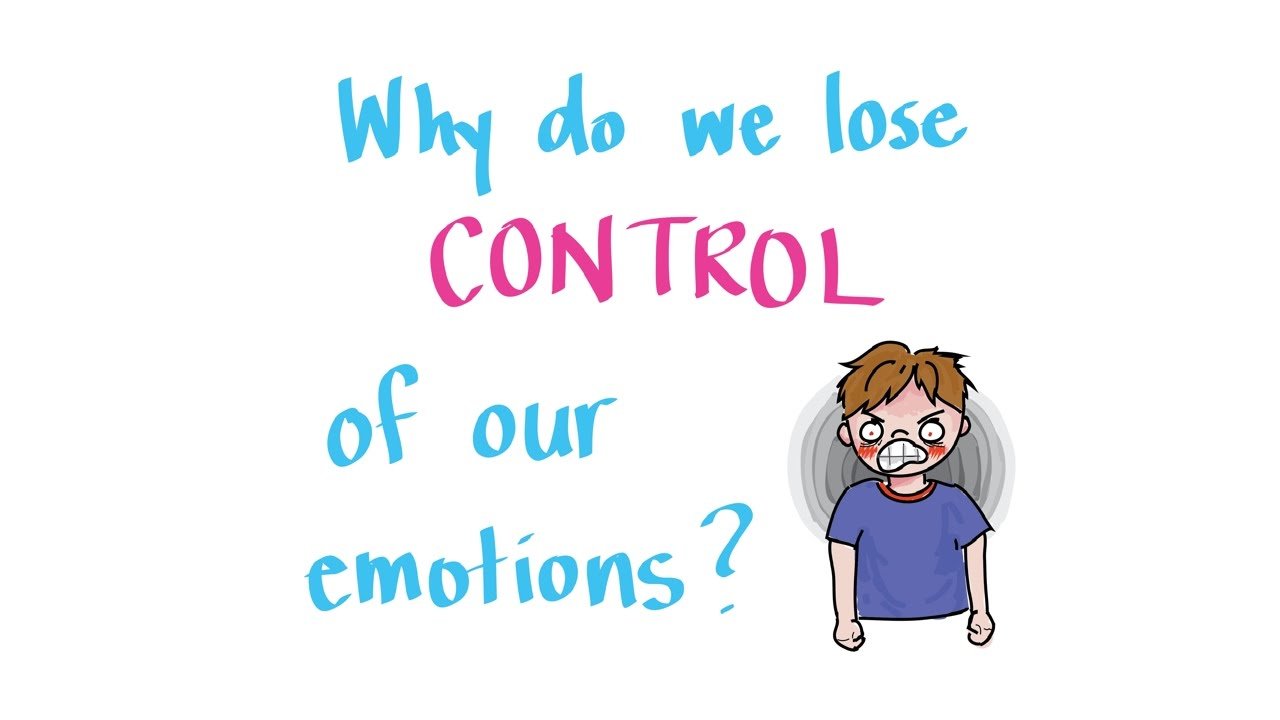
Why Do We Hide Our Feelings?
Human beings experience a remarkable range of emotions. Happiness, sadness, anger, fear, shame, jealousy, disappointment, affection, loneliness, and excitement are all natural parts of psychological life. Yet people do not always express what they feel. Sometimes a person laughs while feeling deeply hurt, says “I’m fine” while struggling internally, or remains silent when something has caused significant emotional pain. The ability to regulate emotions can be healthy, but constantly hiding them can become psychologically exhausting. The tendency to conceal emotions usually develops for understandable reasons. People learn from childhood that some emotions are acceptable while others may be criticized, ignored, or punished. A child who is repeatedly told not to cry may gradually learn that sadness should be hidden. Someone whose anger is always described as unacceptable may become afraid of expressing frustration. Another person may discover that showing vulnerability makes them feel exposed, especially after experiencing rejection or betrayal. Over time, these experiences can shape a person’s emotional habits. Hiding feelings does not necessarily mean that a person is emotionally weak. In many situations, emotional restraint is useful. People cannot express every emotion immediately or in every environment. A teacher may need to remain calm during a difficult classroom situation. A parent may postpone expressing frustration until a child is no longer present. A professional may choose carefully when and how to discuss personal problems. Emotional regulation allows people to respond thoughtfully instead of reacting impulsively. The difficulty begins when emotional suppression becomes the dominant way of dealing with internal experiences. When a person repeatedly refuses to acknowledge what they feel, the emotion does not necessarily disappear. Instead, it may remain psychologically active and influence thoughts, behavior, relationships, and physical well-being. One reason people hide emotions is fear of judgment. Humans are deeply social creatures, and acceptance by others matters to psychological security. People often worry about being perceived as weak, dramatic, difficult, overly sensitive, or unstable. Someone may therefore hide sadness because they do not want others to think they cannot cope. Another person may suppress anger because they fear being labeled aggressive. Someone experiencing jealousy may hide it because they feel ashamed of having the emotion in the first place. This creates an interesting psychological contradiction. A person may believe that hiding an emotion protects their social image, while the effort required to maintain that image creates internal tension. The person must constantly monitor facial expressions, tone of voice, words, and behavior. Instead of simply experiencing the emotion, they must also control how the emotion appears to others. Emotional suppression can therefore require considerable mental effort. The brain is not only processing the original emotional experience but also monitoring whether that experience is becoming visible. This can make ordinary interactions more exhausting. A person may leave a conversation feeling tired without immediately understanding why. Sometimes the exhaustion comes not from what happened externally, but from the amount of internal control required to conceal the emotional response. People also hide feelings because they believe their emotions are inconvenient. Modern life often rewards productivity, efficiency, and constant functioning. There is frequently little space for emotional vulnerability. Someone may think, “I have too much work to do,” “Other people have bigger problems,” or “I should be stronger than this.” Such thoughts can lead a person to postpone emotional processing indefinitely. The problem with postponing emotions is that psychological experiences often require attention before they can be integrated. When a painful event is ignored completely, the mind may continue returning to it. A person might repeatedly think about what happened, replay conversations, imagine alternative outcomes, or become unusually sensitive to similar situations. The original emotion can therefore continue influencing the present even when the person consciously believes they have moved on. Another reason people hide emotions is the fear of vulnerability. Vulnerability means allowing another person to see something emotionally important. This can feel dangerous because emotional openness creates the possibility of rejection. If someone has previously trusted another person and been betrayed, mocked, abandoned, or misunderstood, they may develop the belief that emotional openness is unsafe. As a result, some people construct emotional defenses. They become extremely independent, avoid asking for help, make jokes whenever conversations become serious, or change the subject when someone asks about their feelings. From the outside, such a person may appear confident and emotionally strong. Internally, however, the behavior may function as protection against emotional exposure. This does not mean that independence is unhealthy. Independence can be an important psychological strength. The problem arises when independence becomes an inability to depend on anyone. Healthy relationships require both autonomy and connection. A person should be capable of standing alone while also being capable of saying, “I need support.” People sometimes hide positive emotions as well. Someone may avoid showing excitement because they fear disappointment. Another person may hide affection because they are afraid of rejection. Some people minimize achievements because they do not want to appear arrogant. Others become uncomfortable when receiving compliments because positive attention feels unfamiliar. This demonstrates that emotional suppression is not limited to painful emotions. Any emotion that feels socially risky can be hidden. Cultural expectations can also influence emotional expression. Different societies teach different rules about when, where, and with whom emotions should be displayed. Some environments encourage emotional openness, while others strongly emphasize self-control. Gender expectations may also influence emotional behavior. Boys and men in some cultures may receive messages suggesting that sadness or fear should not be openly expressed, while girls and women may sometimes be discouraged from displaying anger or assertiveness. These expectations can become internalized. Eventually, a person may no longer need someone else to tell them which emotions are acceptable. Their own mind automatically labels certain feelings as inappropriate. The person might experience sadness and immediately criticize themselves for being sad. They might feel anger and immediately feel guilty. They might need help and immediately tell themselves that they should manage everything alone. At that point, the struggle is no longer simply between the person
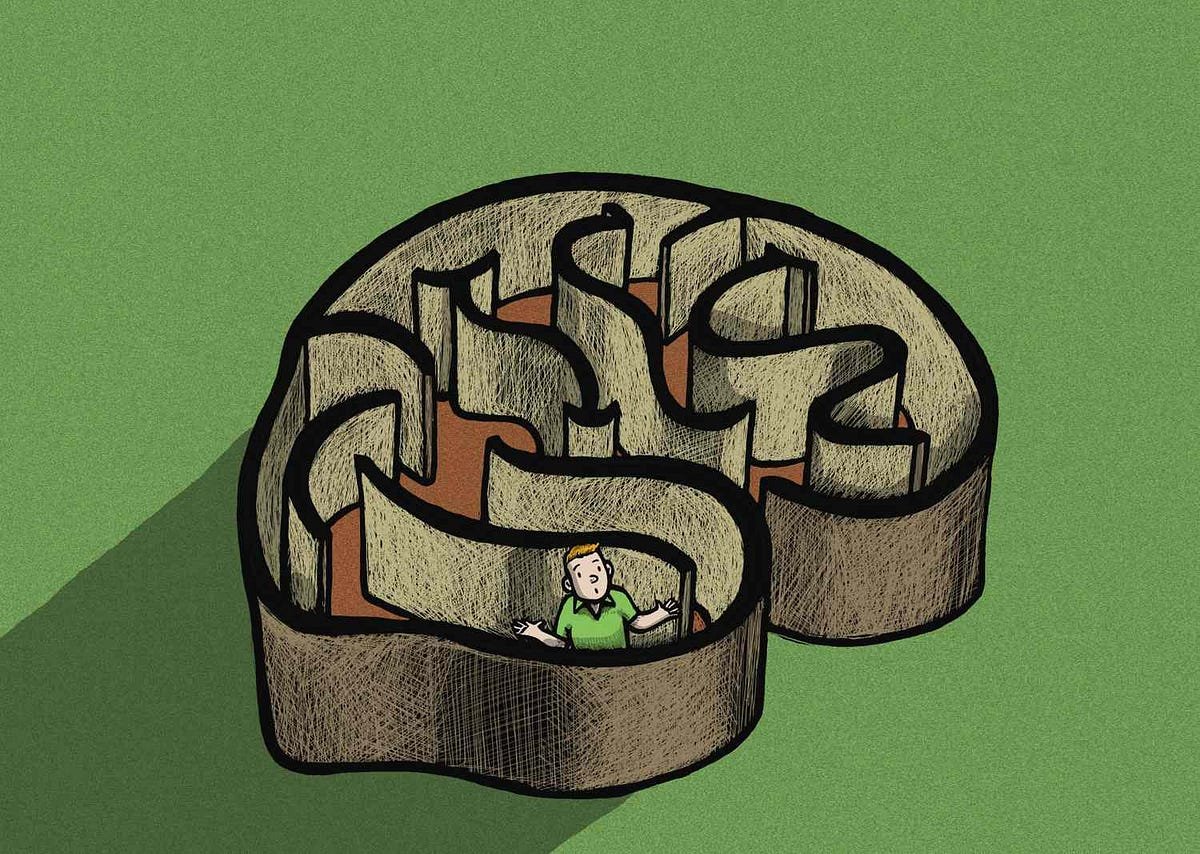
Why Do We Make Bad Decisions?
Human life is filled with decisions. Some are simple and almost automatic, while others can influence relationships, careers, finances, health, and personal development for many years. People often assume that good decisions are the result of intelligence and bad decisions are caused by carelessness. Psychological research, however, suggests that decision-making is much more complicated. Even intelligent and experienced people can make poor decisions ğcognitive biases, social pressure, or incomplete information influence their judgment. One of the most important factors affecting decisions is emotion. People do not make decisions using logic alone. Fear, anger, excitement, sadness, love, jealousy, and anxiety can all influence how a situation is interpreted. An emotionally intense state can make an immediate outcome appear more important than a long-term consequence. For example, a person who is extremely angry may send a message that they later regret. At the moment of sending it, expressing anger may feel necessary and satisfying. Later, when the emotional intensity decreases, the person may recognize that the message damaged an important relationship. This does not mean that emotions are always harmful to decision-making. Emotions contain information. Fear can warn people about potential danger, sadness can indicate loss, and enthusiasm can encourage exploration. The difficulty occurs when an intense emotional state becomes the only source of information used to make a decision. Stress can also change judgment. When people are under significant pressure, their attention often becomes narrower. They focus on the most immediate problem and may have difficulty considering distant consequences. Someone who is worried about an urgent financial problem may accept an option that provides immediate relief without carefully examining what it will cost later. The decision may appear irrational from the outside, but from the person’s psychological perspective, immediate relief has become extremely important. This illustrates a central feature of human decision-making: people often prioritize immediate emotional outcomes over distant benefits. Another factor is cognitive bias. The human brain uses mental shortcuts to process information efficiently. These shortcuts are useful because analyzing every piece of information in complete detail would be impossible. However, shortcuts can sometimes produce systematic errors. One example is confirmation bias. People tend to notice information that supports what they already believe while paying less attention to information that challenges their assumptions. If someone strongly believes that a particular person is trustworthy, they may interpret positive behavior as evidence of good character while dismissing warning signs. Once a belief becomes established, contradictory evidence may become psychologically uncomfortable. This is why changing one’s mind can be difficult. People may also become attached to previous decisions. After investing time, money, or emotional energy into something, they may continue even when evidence suggests that changing direction would be wiser. This is sometimes associated with the sunk-cost effect. A person may remain in an unsuccessful project because they have already invested years in it. They may think, “I have come this far, so I cannot stop now.” However, previous investment cannot be recovered simply by continuing. The more useful question is what the future costs and benefits look like from the present moment. Another powerful influence is social pressure. Humans naturally care about belonging and acceptance. People may therefore make decisions based on what they believe others expect from them. A young person may choose a career because their family considers it respectable. An adult may remain in a social environment because leaving could disappoint others. Someone may purchase something expensive because everyone around them appears to own it. Social approval can become more influential than personal values. This does not mean that other people’s opinions are irrelevant. Advice from experienced people can be extremely valuable. The difficulty arises when individuals stop examining whether a decision actually reflects their own goals. Fear of judgment can also prevent people from making necessary changes. Some individuals prefer an unsatisfying situation that is socially accepted over an uncertain option that better fits their personal needs. Decision-making is also influenced by how choices are presented. The same information can produce different reactions depending on how it is framed. A person may respond differently to a treatment described as having a high survival rate than to one described as having a certain mortality rate, even when the numerical information is equivalent. This demonstrates that people do not always evaluate information purely mathematically. Language, context, expectations, and emotional associations influence perception. Another important factor is overconfidence. People sometimes believe they understand a situation better than they actually do. Confidence can be useful because it encourages action, but excessive confidence can reduce careful evaluation. An individual may assume that a business opportunity cannot fail, that a relationship problem will resolve itself, or that they can manage a difficult situation without preparation. When reality contradicts these assumptions, the consequences can be significant. At the same time, excessive self-doubt can also produce poor decisions. A person may have enough knowledge to make a reasonable choice but remain unable to act because they believe they must be completely certain. Complete certainty is rarely available. Most important decisions involve some degree of uncertainty. The ability to make reasonable decisions without absolute certainty is therefore an important psychological skill. People also tend to avoid losses. The possibility of losing something can feel psychologically stronger than the possibility of gaining something of equal value. This can influence financial decisions, relationships, career choices, and everyday behavior. A person may refuse a potentially beneficial opportunity because they are excessively focused on what could go wrong. Loss aversion can therefore encourage safety, but it can also prevent healthy risk-taking. Another factor is familiarity. People often prefer familiar options because they require less mental effort and feel more predictable. Familiarity can create a sense of safety even when the familiar situation is objectively unsatisfying. This explains why individuals sometimes remain in routines they themselves recognize as unhelpful. Changing the routine introduces uncertainty. The mind may prefer known discomfort over unknown possibilities. Decision fatigue can further reduce judgment quality. Modern life requires people to make countless decisions every day.
Why Does Loneliness Hurt?
Loneliness is one of the most widespread psychological experiences of modern life. A person can be surrounded by people and still feel deeply alone. Loneliness is not simply the absence of other human beings; it is often the perception that meaningful emotional connection is missing. Someone may have a family, colleagues, friends, or thousands of online followers and nevertheless experience the feeling that nobody truly understands them. Human beings are naturally social. From the earliest stages of life, people depend on relationships for emotional security, learning, cooperation, and protection. The desire for connection is therefore not a weakness. It is a fundamental psychological need. When meaningful connection becomes unavailable, the mind can respond with distress. Loneliness often begins quietly. A person may notice that conversations have become superficial, that they no longer feel comfortable sharing personal thoughts, or that they have nobody they genuinely want to call when something important happens. At first, the individual may simply describe themselves as tired or busy. Over time, however, the absence of meaningful connection can become increasingly noticeable. Modern life can make this experience particularly complicated. Digital communication allows people to remain connected almost constantly, but frequent contact does not necessarily create emotional intimacy. A person can receive messages throughout the day and still feel emotionally disconnected. Online interaction can provide companionship, entertainment, and useful communication, but it does not always replace the psychological experience of being understood and emotionally supported. One of the most painful aspects of loneliness is the belief that other people are connected while one is excluded. Social media can intensify this perception because individuals usually see selected moments from other people’s lives. Photographs of gatherings, celebrations, friendships, relationships, and vacations may create the impression that everyone else has a rich social life. The viewer sees their own private loneliness in contrast with other people’s public moments. This comparison can produce shame. Instead of thinking, “I am lonely right now,” a person may begin thinking, “There must be something wrong with me because I am lonely.” That interpretation can make the experience more painful. Loneliness does not necessarily mean that a person lacks social skills. It can occur during major life transitions, after moving to a new place, after ending a relationship, following a change in employment, or when existing relationships become emotionally distant. Even people who are naturally sociable can experience loneliness. The quality of relationships is often more important than the number of relationships. A person may have many acquaintances but lack one relationship in which they feel safe enough to express vulnerability. Another individual may have only a few close relationships but feel deeply connected. Meaningful connection involves more than physical presence. It includes emotional understanding, trust, reciprocity, and the ability to communicate authentically. Loneliness can also influence how people interpret social information. When an individual strongly expects rejection, neutral behavior may appear negative. A short message may be interpreted as disinterest. A canceled plan may feel like evidence of rejection. A quiet conversation may be interpreted as proof that the other person is bored. The lonely mind can become highly sensitive to signs of exclusion. This sensitivity may create a difficult cycle. The person wants connection but fears rejection. Because of that fear, they become more cautious and less open. Other people may then find it harder to approach them. The individual interprets the resulting distance as confirmation that nobody wants them. The cycle continues. Breaking it often requires small acts of social risk. Starting a conversation, asking someone to meet, expressing appreciation, joining an activity, or sharing a personal thought can feel uncomfortable. There is always a possibility that the response will not be exactly what the person hopes for. However, meaningful relationships cannot develop without some vulnerability. Vulnerability does not mean telling strangers everything about one’s life. It means gradually allowing appropriate people to see more of the authentic self. Trust develops through repeated experiences. Loneliness can also be connected to self-esteem. Someone who believes they are uninteresting, unattractive, unsuccessful, or unworthy may assume that others will eventually reject them. This belief can reduce attempts to form relationships. The person may think, “Why would anyone want to be close to me?” Such thoughts can become self-fulfilling if they prevent social engagement. Psychological work may therefore involve not only increasing social contact but also examining negative beliefs about the self. Another important factor is emotional communication. Some people have relationships but rarely express what they actually need. They may appear independent because they never ask for support. Independence can be valuable, but extreme emotional self-sufficiency can create distance. People sometimes believe that asking for help makes them a burden. As a result, they keep their problems private until the emotional pressure becomes overwhelming. Healthy relationships require both giving and receiving. A friendship in which one person always provides support while never accepting support may become unbalanced. Allowing others to help can actually strengthen connection because it creates mutual involvement. Loneliness is also common among people who have experienced rejection or betrayal. After being hurt, individuals may protect themselves by becoming emotionally distant. Avoiding closeness reduces the immediate possibility of being hurt again. However, it also reduces the possibility of experiencing intimacy. This creates a psychological trade-off: emotional distance can provide safety, but excessive distance can create loneliness. The solution is not to trust everyone. Healthy relationships require boundaries and gradual trust. The goal is to become selective rather than completely closed. Loneliness can also affect romantic relationships. Some people enter relationships primarily to escape being alone. While companionship can be meaningful, using a relationship as the only source of emotional stability can create dependency. A healthy relationship adds connection to an individual’s life rather than becoming the entire foundation of their identity. Developing multiple sources of meaning can therefore be protective. Friendships, family relationships, hobbies, education, work, creativity, community participation, and personal goals can all contribute to psychological connection. Another misconception is that loneliness disappears automatically when a person enters a romantic relationship.
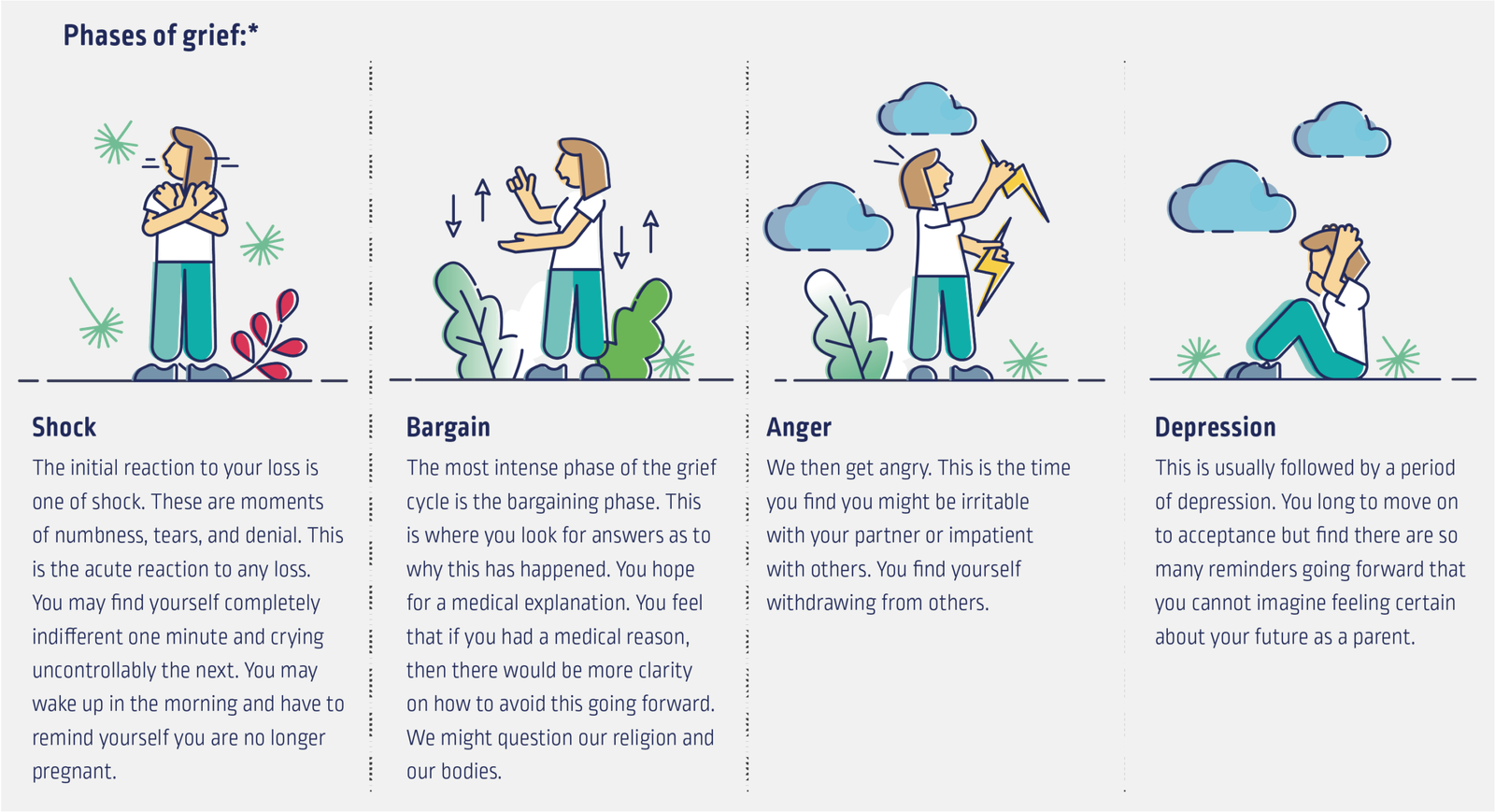
Why Does Grief Hurt?
Grief is one of the most universal experiences in human life. At some point, almost every person encounters a significant loss. It may be the death of someone loved, the end of a relationship, the loss of a job, a change in family circumstances, the disappearance of an important dream, or the realization that life will not develop in the way once imagined. Although grief is painful, it is not necessarily a sign of psychological disorder. In many situations, it is a natural response to losing something that mattered. People often use the word “depression” to describe sadness in everyday conversation. However, ordinary sadness, grief, and the clinical disorder known as depression are not identical. The term may sometimes be used too broadly to describe emotional suffering. Sadness, sorrow, fear, anxiety, and uncertainty can all appear after a loss and may represent normal human reactions rather than evidence of a psychiatric illness. A person experiencing grief may say, “I wish I had done something differently,” or “If only I had known.” These thoughts are particularly common after significant loss. The mind naturally searches for explanations. It attempts to reconstruct what happened and identify whether the outcome could have been prevented. This search can be emotionally painful. After a loss, people may repeatedly replay conversations, decisions, and moments from the past. They may wonder whether they should have called more often, said something different, recognized a warning sign, or acted sooner. Such thoughts can create guilt even when the person was not actually responsible for the outcome. The human mind often prefers a painful explanation involving personal responsibility to an uncertain reality that cannot be controlled. If someone believes, “I caused this,” they may feel that there was something they could have done. Accepting that some events are outside human control can be much more frightening. Grief therefore involves not only sadness but also an attempt to understand a changed reality. Loss disrupts expectations. People build their lives around assumptions about the future. They expect certain relationships to continue, certain people to remain present, and certain plans to become reality. When something important disappears, the individual must psychologically reconstruct the future. This process takes time. A grieving person may experience moments when the loss feels unreal. They may temporarily behave as though nothing has changed. Later, the reality may return suddenly and produce intense sadness. Grief does not always follow a predictable sequence. People sometimes expect grief to progress through clearly defined stages. In reality, emotional responses can vary considerably between individuals and even within the same person. Someone may feel relatively calm one morning and deeply distressed that evening. A particular song, photograph, place, smell, or date can suddenly reactivate painful emotions. This does not necessarily mean that the person is “going backward.” Grief is often nonlinear. One of the most difficult aspects of loss is that ordinary life continues. Other people go to work, children continue playing, shops remain open, and daily responsibilities continue. The grieving individual may feel that the world should have stopped because something enormously important has happened. This difference between internal and external reality can produce loneliness. People may also feel pressure to recover quickly. Friends or relatives may say things intended to be comforting, such as “You need to move on” or “Be strong.” Although such statements are often well intentioned, they can unintentionally communicate that grief should disappear quickly. There is no universal timetable for emotional adaptation. Grief does not mean that a person is refusing to move forward. Sometimes grieving is precisely how a person gradually learns to live with a changed reality. Another important element is the relationship between grief and memory. After losing someone, memories may become especially significant. A person may remember ordinary moments that were previously taken for granted. A simple conversation, a familiar expression, or a routine activity can suddenly acquire enormous emotional importance. Memory can therefore become both painful and comforting. The grieving individual may experience intense sadness because the remembered person is no longer physically present. At the same time, remembering can help preserve a sense of connection. This illustrates the complexity of grief. Positive and negative emotions can coexist. Someone can feel devastated by a loss and still experience moments of gratitude. They can miss someone deeply while also enjoying a conversation with a friend. They can laugh one day and cry the next. These experiences are not contradictions. Human emotions are capable of existing simultaneously. Fear and uncertainty are also common after loss. A person may begin worrying about the future. If one important part of life has changed unexpectedly, the individual may become more aware of how unpredictable life can be. Questions emerge: “What will happen now?” “How will I manage?” “Will I ever feel normal again?” “Can I handle another loss?” These questions may not have immediate answers. Uncertainty itself can become part of the grieving process. The person may need to rebuild a sense of safety gradually. Familiar routines can help. Eating regularly, sleeping adequately, maintaining social contact, and continuing manageable daily activities can provide structure during periods of emotional instability. Routine does not erase grief. It creates a framework within which grief can be experienced. Social support is particularly important. Grieving individuals often need opportunities to speak about the person or situation they lost without feeling that they are burdening others. Sometimes they do not need advice. They simply need someone willing to listen. Listening can communicate an important message: “Your pain is real, and you do not have to hide it.” However, grief can sometimes become complicated by severe psychological symptoms. Persistent hopelessness, profound functional impairment, suicidal thoughts, severe sleep disruption, or an inability to perform basic daily activities may indicate a need for professional evaluation. This distinction is important because normal grief should not be pathologized, but serious mental health difficulties should not be ignored. The fact that sadness can be normal does not mean that every form of prolonged suffering should simply be endured without

Why Do We Overthink?
Overthinking is a common psychological experience in which a person repeatedly analyzes situations, decisions, conversations, or possible future events without reaching a satisfying conclusion. Thinking is an essential part of human intelligence, but excessive thinking can become exhausting when it turns into repetitive mental activity rather than useful problem-solving. Almost everyone has experienced moments of replaying a conversation and wondering whether they said something wrong. A person may remember a particular expression on someone’s face and begin asking what it meant. They may consider several possible explanations, imagine future consequences, and eventually become more confused than when they started. Overthinking often creates the illusion of control. The mind may believe that if it analyzes a situation sufficiently, it will eventually discover a perfect answer and prevent negative outcomes. However, many important aspects of life cannot be predicted with complete certainty. Relationships, careers, health, social interactions, and future events all contain uncertainty. No amount of mental analysis can guarantee a particular outcome. This is one reason overthinking can become a self-perpetuating process. The person searches for certainty, discovers that certainty is unavailable, and responds by thinking even more. Anxiety frequently plays an important role in this pattern. When people feel threatened or uncertain, their attention becomes focused on potential problems. The mind begins scanning for information that could prevent danger. A person may therefore repeatedly ask, “What if something goes wrong?” The problem is that hypothetical questions can generate an almost unlimited number of possibilities. One imagined problem can lead to another. “What if they are angry with me?” becomes “What if they stop talking to me?” Then it becomes “What if everyone thinks badly of me?” Eventually, the original situation may have very little connection with the fears being considered. The mind has moved from problem-solving into mental spiraling. Overthinking is also common after social interactions. People may analyze conversations long after they have ended. They may focus on a small mistake while ignoring everything that went well. This tendency is connected to the brain’s sensitivity to social evaluation. Human beings depend on relationships and belonging, so social rejection can feel particularly significant. However, people often overestimate how much others notice their mistakes. Most individuals are primarily occupied with their own thoughts, responsibilities, and insecurities. A person may spend an entire evening worrying about an awkward sentence that another person forgot minutes later. This phenomenon demonstrates how subjective psychological importance can differ from objective social importance. Perfectionism can intensify overthinking. A perfectionistic individual may believe that there is one correct way to behave, speak, decide, or perform. Before taking action, they attempt to identify every possible mistake. This can make even simple decisions exhausting. Choosing a meal, writing a message, buying something, applying for a position, or making a personal decision can become an extended internal debate. The individual may continue searching for the perfect option even when several options would be perfectly acceptable. Decision fatigue can eventually develop. The more decisions people analyze, the more mentally exhausted they may become. Exhaustion can then reduce confidence, which leads to additional analysis. Overthinking can also occur about past events. This form is often called rumination. Instead of using the past to learn, the individual repeatedly returns to the same event. They may ask what they should have done differently, why another person behaved a certain way, or how the situation could have been prevented. Reflection can be useful when it produces insight or a practical lesson. Rumination becomes problematic when the same questions are repeated without producing new information. For example, thinking once about why an argument occurred may help a person identify a communication problem. Thinking about the same argument for hours every day may increase distress without changing the situation. The difference is whether thinking leads somewhere. Useful thinking usually produces a decision, plan, understanding, or action. Overthinking often produces more questions. Another common form is future-oriented overthinking. A person imagines negative scenarios that have not occurred. They may mentally rehearse emergencies, rejection, failure, embarrassment, or conflict. Future planning can be adaptive. Preparing for a presentation, creating a financial plan, or considering possible difficulties can improve outcomes. The problem occurs when preparation becomes endless and action never begins. An individual may continue researching, planning, and imagining because taking action feels too uncertain. In this sense, overthinking can become a form of avoidance. The person is mentally active but behaviorally stuck. This can be particularly visible in important life decisions. Someone may spend months analyzing whether to change jobs, begin a relationship, move to a new place, or start a project. They gather more information but remain unable to decide. Sometimes the difficulty is not lack of information. It is intolerance of uncertainty. A person may believe that they need to feel completely certain before making a decision. Because complete certainty is rarely possible, the decision is continuously postponed. Learning to make reasonable decisions with incomplete information is therefore an important psychological skill. One useful strategy is to distinguish between reversible and irreversible decisions. Many everyday decisions can be changed later. When a decision is reversible, spending excessive time trying to guarantee the perfect outcome may not be worthwhile. Another strategy is setting a decision deadline. Giving the mind unlimited time can allow overthinking to continue indefinitely. A reasonable deadline creates a boundary around analysis. Writing thoughts down can also help. When thoughts remain entirely in the mind, they may feel larger and more complicated. Writing them on paper can make the structure of the problem clearer. A person can divide the situation into facts, assumptions, fears, and possible actions. For example, a fact might be, “The person has not replied.” An assumption might be, “They are angry.” A fear might be, “The relationship will end.” A possible action might be, “Wait and communicate directly later.” This separation prevents assumptions from automatically becoming facts. Overthinking often involves treating imagined possibilities as though they were predictions. Yet a possibility is not the same as a probability. Many things are possible.
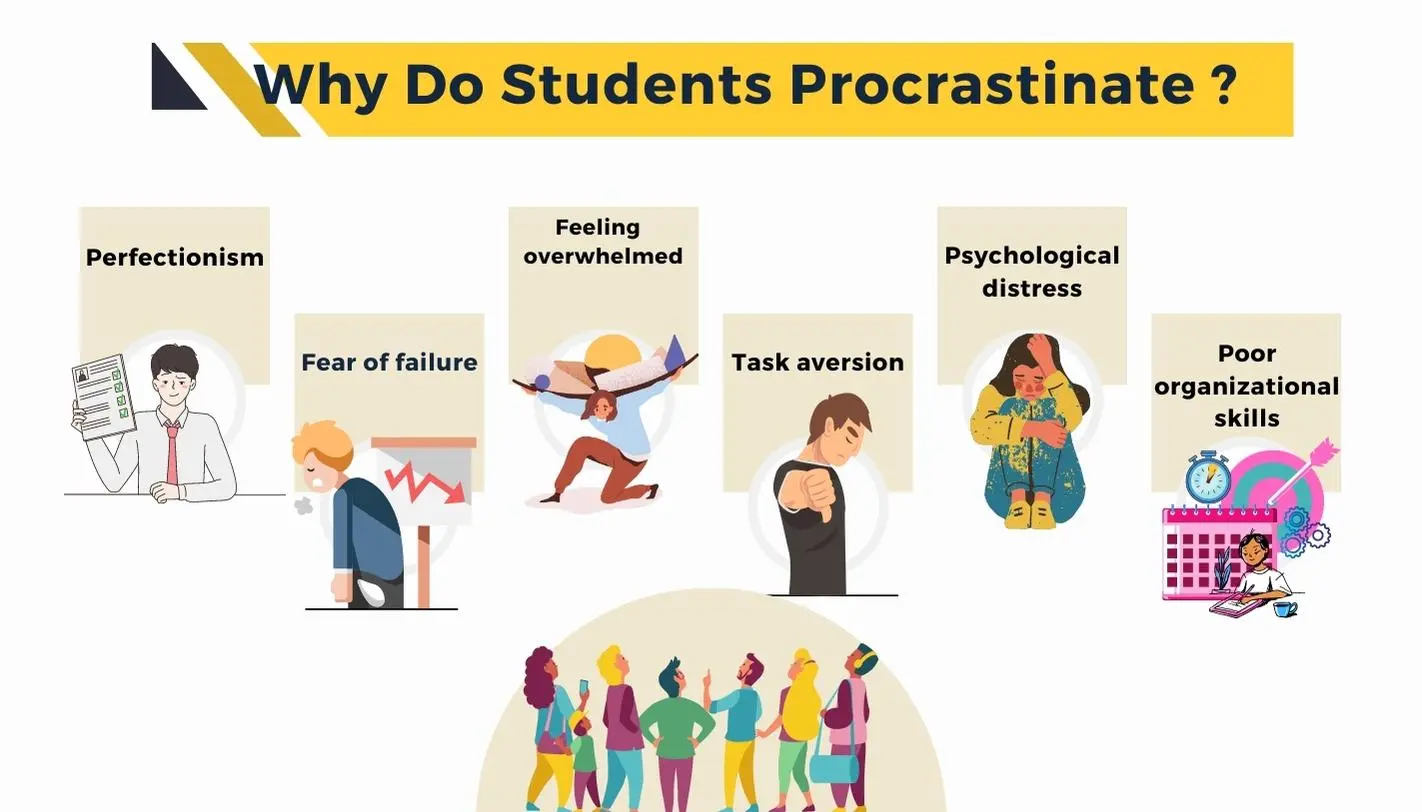
Why Do We Procrastinate?
Procrastination is one of the most common behavioral patterns in modern life. People postpone studying, working, exercising, making decisions, answering messages, organizing their homes, or beginning important projects even when they know that delaying will eventually create additional stress. Almost everyone procrastinates occasionally, but for some individuals it becomes a persistent pattern that interferes with productivity, relationships, education, and emotional well-being. Procrastination is often misunderstood as laziness. However, psychological research suggests that postponing a task is not always a simple lack of motivation. In many cases, procrastination is closely connected to emotions. People may delay an activity because it makes them feel anxious, bored, overwhelmed, insecure, or afraid of failure. Avoiding the task provides immediate emotional relief, even though it creates larger problems later. This explains why procrastination can be so difficult to overcome. The individual is not simply choosing between working and not working. They are choosing between immediate discomfort and delayed consequences. When a difficult task is postponed, anxiety may decrease temporarily. The brain learns that avoidance provides relief, which makes the behavior more likely to happen again. A student may know that an examination is approaching but continue watching videos instead of studying. While watching the video, the student experiences temporary relief from the anxiety associated with studying. Later, the deadline becomes closer, anxiety increases, and the student may feel guilty. Yet the guilt itself can create additional emotional discomfort, which may lead to further avoidance. This creates a cycle of procrastination, temporary relief, guilt, increased anxiety, and further procrastination. One important psychological factor behind procrastination is fear of failure. People who strongly associate mistakes with personal inadequacy may experience ordinary tasks as threats to their self-esteem. Starting the task creates the possibility of discovering that they are not as capable as they hoped. Avoiding the task protects them temporarily from that possibility. Perfectionism can strengthen this pattern. A perfectionistic individual may believe that a task should be completed exceptionally well or not at all. Because producing perfect work requires enormous effort, beginning can feel overwhelming. The person may wait for the ideal mood, perfect concentration, or sufficient motivation. Unfortunately, ideal conditions rarely appear. The person continues waiting, the deadline approaches, and the task becomes even more stressful. This is why perfectionism and procrastination frequently exist together. The individual may appear unmotivated from the outside while internally experiencing excessive pressure to perform perfectly. Another factor is the size of the task. Large and unclear tasks can create cognitive overload. If someone thinks, “I have to write an entire research paper,” the task may feel enormous. The brain may not know where to begin. Breaking the task into smaller actions can reduce this psychological barrier. Instead of “write the paper,” the first step might be “choose a topic.” The next might be “find three sources.” Then “write the introduction.” Small actions provide immediate evidence of progress. Motivation is also often misunderstood. Many people believe they must feel motivated before beginning. In reality, motivation frequently develops after action begins. Completing a small part of a task can produce a sense of progress, which makes continuing easier. Waiting for motivation can therefore become another form of procrastination. Behavioral activation principles emphasize starting with manageable actions even when motivation is low. The goal is not to force enormous productivity but to interrupt inactivity. Procrastination can also be influenced by how the brain evaluates rewards. Immediate activities such as social media, entertainment, or short videos provide rapid stimulation. Long-term goals often offer rewards only later. Studying for several hours may eventually lead to a successful examination, but scrolling through a phone provides immediate novelty and entertainment. The brain naturally responds to immediate rewards. This does not mean that people are incapable of self-control. It means that environments filled with immediate rewards can make delayed gratification more difficult. Digital technology has intensified this problem. A phone can provide endless distractions with almost no effort. Notifications, messages, videos, games, and social media can interrupt attention repeatedly. Even when an individual intends to work, the presence of constant digital stimulation can make concentration more difficult. Creating environmental boundaries can therefore be more effective than relying entirely on willpower. Putting the phone away, disabling unnecessary notifications, or working in a space associated with concentration can reduce opportunities for distraction. Procrastination can also occur when a person feels emotionally exhausted. Someone who has been dealing with prolonged stress may postpone tasks not because they do not care but because their cognitive resources are limited. Mental fatigue reduces concentration and decision-making capacity. Simple tasks can feel disproportionately difficult. For this reason, productivity strategies should not ignore rest. Constant pressure to work more can sometimes worsen the problem. Adequate sleep, physical activity, breaks, and realistic workloads are important components of sustained functioning. Another psychological factor is avoidance of uncomfortable emotions. A task may remind someone of previous criticism, failure, conflict, or uncertainty. The individual may not consciously recognize this connection. They simply notice that they strongly dislike beginning the task. Understanding the emotional meaning of procrastination can therefore be more useful than simply telling someone to “work harder.” A person might ask: What do I feel when I think about starting? Is it boredom, fear, shame, confusion, resentment, or exhaustion? The answer can reveal what is maintaining the behavior. For example, if the main emotion is confusion, the solution may be clearer instructions. If it is fear of failure, the solution may involve changing perfectionistic beliefs. If it is exhaustion, the individual may need rest or a more realistic schedule. Procrastination is therefore not always solved by the same strategy. Time management can help, but only when the psychological barrier is also understood. Creating a schedule without addressing fear or perfectionism may simply produce another list that the individual avoids. Specific planning is usually more effective than vague intentions. “Study English tomorrow” is less actionable than “At 10:00, sit at the desk and study vocabulary for twenty minutes.” The more concrete the first action, the less mental effort