Stress is often described in psychological terms—as pressure, tension, or emotional strain arising from perceived demands. Yet its effects extend far beyond subjective experience. Stress is a whole-body phenomenon, involving coordinated changes across neural, endocrine, immune, and metabolic systems. Over time, these changes can alter not only how the body functions but how it is structured and regulated. This raises a complex psychosomatic question: can stress effectively “rewrite” the body, reshaping physiological patterns in enduring ways?
To approach this question, it is essential to understand stress not as a singular event but as a dynamic process. At its core, stress involves the organism’s attempt to maintain stability—homeostasis—in the face of internal or external challenges. When a stressor is perceived, the brain initiates a cascade of responses designed to mobilize energy, sharpen attention, and prepare the body for action. These responses are adaptive in the short term, enabling survival in threatening or demanding situations.
However, stress becomes problematic when it is prolonged, repetitive, or poorly regulated. In such cases, the systems that mediate stress responses remain activated beyond their intended duration. This sustained activation can lead to what is often described as allostatic load—the cumulative burden placed on the body by chronic stress. Allostatic load reflects not only the intensity of stress but the inefficiency of the body’s attempts to adapt to it.
One of the central systems involved in stress responses is the neuroendocrine system, which coordinates the release of hormones that regulate physiological processes. When stress is perceived, hormonal signals initiate changes that affect heart rate, blood pressure, metabolism, and immune function. While these changes are beneficial in acute situations, their chronic activation can produce dysregulation across multiple systems.
For example, prolonged stress can alter cardiovascular function. Persistent activation may lead to sustained increases in heart rate and vascular tension, contributing over time to structural and functional changes in the circulatory system. These changes are not merely transient responses but can become ingrained patterns that affect long-term health.
Similarly, stress influences metabolic processes. Under stress, the body reallocates energy resources, prioritizing immediate survival over long-term maintenance. This shift can affect appetite, glucose regulation, and fat storage. Over time, these alterations may contribute to metabolic imbalances, illustrating how stress can reshape physiological functioning.
The immune system is also deeply affected by stress. Acute stress can enhance certain immune responses, preparing the body to respond to injury or infection. However, chronic stress tends to dysregulate immune activity, leading to either suppression or inappropriate activation. This imbalance can increase vulnerability to illness or contribute to inflammatory conditions.
These systemic effects highlight that stress does not act on isolated organs but on integrated networks. The body’s systems are interconnected, and changes in one domain often influence others. This interconnectedness allows stress to produce widespread effects, reinforcing the idea that it can “rewrite” bodily functioning.
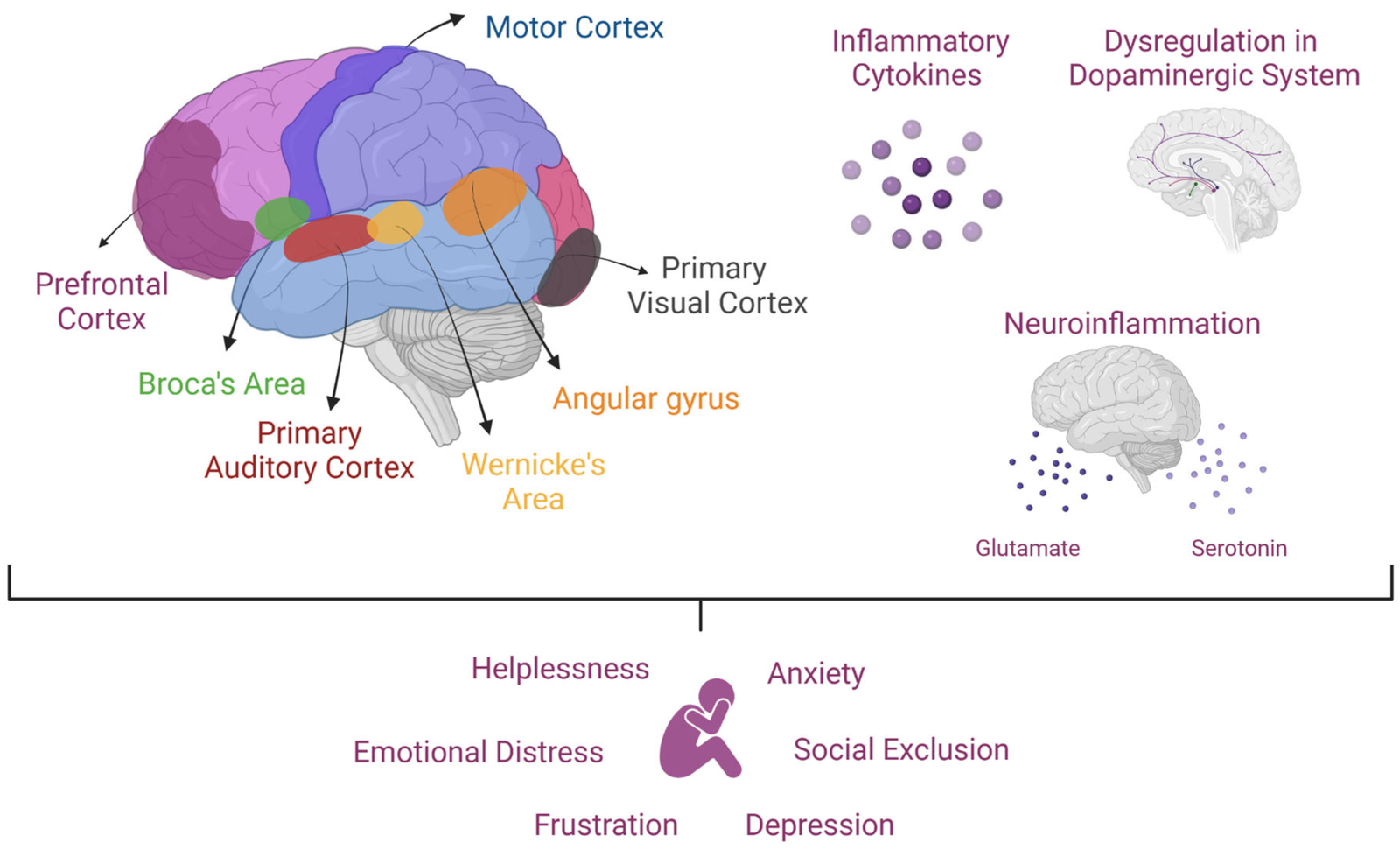
The brain plays a central role in orchestrating these processes. It interprets stressors, initiates responses, and monitors outcomes. However, the brain itself is also shaped by stress. Prolonged exposure to stress can alter neural circuits involved in emotion regulation, attention, and memory. These changes, in turn, influence how future stressors are perceived and processed.
This recursive relationship creates a feedback loop: stress alters the brain, which then alters the body’s responses to stress. Over time, this loop can stabilize into patterns that persist even in the absence of the original stressor. In this sense, stress does not merely produce temporary reactions but can lead to lasting reorganization of physiological and psychological processes.
Perception plays a critical role in determining how stress affects the body. The same external condition may be experienced as stressful by one individual and neutral by another. This variability reflects differences in cognitive appraisal—the process by which individuals evaluate the significance of events. Appraisal determines whether a situation is perceived as threatening, manageable, or irrelevant.
Once a stressor is appraised as significant, attention becomes focused on it, and bodily responses are mobilized. However, repeated patterns of appraisal can become habitual. Individuals who consistently interpret situations as threatening may experience chronic activation of stress responses, even in relatively benign environments. This habitual pattern contributes to the cumulative effects of stress on the body.
Emotion further modulates stress responses. Emotions such as fear, anger, and anxiety are closely linked to physiological activation. When these emotions are intense or prolonged, they sustain the body’s stress response. Conversely, the ability to regulate emotions can mitigate the physiological impact of stress.
Regulation involves both conscious and automatic processes. Conscious strategies may include reinterpreting situations, shifting attention, or engaging in behaviors that reduce stress. Automatic processes involve neural mechanisms that modulate emotional and physiological responses without conscious effort. The efficiency of these regulatory systems influences how stress affects the body over time.
Memory contributes to the persistence of stress-related patterns. Past experiences shape expectations about future events, influencing how new situations are appraised. If previous experiences have established a pattern of stress, the body may respond to similar situations with heightened activation, even if the current context does not warrant it.
This phenomenon illustrates how stress can become embedded in the body’s response patterns. The body learns from experience, adjusting its responses based on prior outcomes. While this learning can be adaptive, it may also lead to maladaptive patterns when past experiences no longer accurately predict current conditions.
The concept of embodiment provides a useful framework for understanding how stress becomes integrated into bodily functioning. Embodiment refers to the idea that psychological processes are not confined to the mind but are expressed through and shaped by the body. Stress, in this sense, becomes embodied when its effects are incorporated into physiological patterns that persist over time.
These embodied patterns may manifest as chronic tension, altered posture, changes in breathing, or persistent activation of certain physiological systems. Individuals may not be consciously aware of these patterns, yet they influence how the body responds to new situations.
Psychosomatic symptoms often arise within this context. When stress is not effectively processed or regulated, it may be expressed through physical symptoms. These symptoms can include pain, fatigue, gastrointestinal disturbances, or other forms of discomfort. While they may not correspond to identifiable structural abnormalities, they reflect real physiological changes.
The persistence of such symptoms illustrates how stress can produce lasting effects on the body. Even after the original stressor has been resolved, the patterns it established may continue. This persistence underscores the importance of addressing not only the immediate causes of stress but also the patterns through which it has been embodied.
Intervention strategies often focus on reducing allostatic load and restoring balance to the system. This may involve modifying cognitive appraisals, improving emotional regulation, and engaging in behaviors that support physiological recovery. Techniques such as relaxation training, mindfulness, and structured physical activity can help recalibrate the body’s stress response.
Importantly, these interventions do not simply eliminate stress but alter the way it is processed and integrated. By changing patterns of response, individuals can reduce the long-term impact of stress on their bodies. This process reflects the same plasticity that allows stress to reshape the body in the first place.
The question of whether stress can rewrite the body ultimately highlights the dynamic nature of physiological systems. The body is not a static structure but a responsive, adaptive system that continuously adjusts to internal and external conditions. Stress is one of the most powerful forces driving these adjustments.
However, the term “rewrite” should be understood metaphorically. Stress does not rewrite the body in a deterministic or irreversible way. Instead, it influences patterns of regulation that can become more or less stable over time. These patterns are subject to change, reflecting the body’s capacity for adaptation and recovery.
Understanding stress in this way shifts the focus from isolated symptoms to systemic processes. It emphasizes the importance of integration—how different systems interact to produce coherent responses. It also highlights the role of experience in shaping these processes, illustrating how psychological factors can have tangible physiological consequences.
In this sense, stress can indeed reshape the body, but it does so through mechanisms that are both complex and reversible. The same processes that allow stress to alter physiological patterns also allow for their modification. This dual capacity reflects the fundamental adaptability of the human organism.
Ultimately, the body does not passively endure stress; it actively incorporates it into its functioning. The patterns that emerge from this incorporation define how the body responds to future challenges. By understanding these patterns, it becomes possible to intervene not only at the level of symptoms but at the level of the processes that generate them.
Thus, stress does not simply affect the body—it participates in its ongoing construction, leaving traces that can persist, evolve, and, under the right conditions, be transformed.