Repetition is one of the most striking features of psychosomatic phenomena. Individuals often report that certain symptoms recur in similar contexts, follow recognizable patterns, or persist even when initial triggers are no longer present. This cyclical nature suggests that symptoms are not random occurrences but learned responses embedded within complex regulatory systems. The question, therefore, is not merely why symptoms appear, but where—and how—they acquire the capacity to repeat.
To explore this, it is necessary to move beyond linear cause-and-effect models and instead consider the organism as a dynamic system that learns through experience. In this framework, symptoms are not isolated events but outputs of processes shaped by prior activation, interpretation, and adaptation. Repetition emerges when these processes stabilize into patterns that are reactivated under specific conditions.
One of the primary mechanisms underlying repetition is associative learning. When a physiological response occurs in conjunction with a particular emotional or contextual state, the two may become linked. Over time, this linkage can become automatic, such that the presence of the context or emotional cue alone is sufficient to trigger the physiological response. This process does not require conscious awareness; it operates through implicit learning systems that encode patterns of co-occurrence.
For example, if heightened physiological arousal is repeatedly experienced in situations perceived as threatening, the organism may begin to associate those contexts with activation. Eventually, even subtle cues resembling the original context may be sufficient to elicit the same response. The response, once adaptive, becomes generalized and persistent, forming the basis of symptom repetition.
This generalization is reinforced by predictive mechanisms within the brain. Rather than passively responding to stimuli, the brain actively anticipates what is likely to occur based on prior experience. These anticipations shape perception and physiological readiness. When a particular pattern has been learned, the system may begin to predict its recurrence, effectively preparing for it in advance.
Such predictions can become self-confirming. Anticipation of discomfort or dysfunction may lead to heightened vigilance and physiological activation, which in turn produces sensations consistent with the expectation. The resulting experience reinforces the original prediction, strengthening the pattern and increasing the likelihood of future repetition.
Interoception plays a critical role in this cycle. The monitoring of internal signals provides continuous feedback about physiological states. In individuals prone to symptom repetition, interoceptive sensitivity may be heightened, making subtle fluctuations more noticeable. This increased sensitivity can amplify signals that would otherwise remain below the threshold of awareness.
However, it is not sensitivity alone that sustains repetition, but the interpretation of these signals. When internal sensations are consistently interpreted as meaningful or threatening, they become focal points of attention. This attentional focus enhances their salience, increasing both their perceived intensity and their psychological significance.
Cognitive schemas further shape these interpretations. Schemas are organized patterns of belief that influence how information is processed. In the context of psychosomatic symptoms, schemas related to vulnerability, control, or health may bias perception toward identifying and emphasizing signs of dysfunction. These schemas guide both attention and interpretation, reinforcing the conditions under which symptoms are likely to repeat.
Memory systems provide the substrate for these schemas and associations. Each instance of symptom experience contributes to a network of stored information linking context, sensation, and meaning. Over time, this network becomes increasingly structured, allowing for rapid activation when relevant cues are encountered.
Importantly, memory in this context is not limited to explicit recollection. Implicit memory systems encode patterns of response that can be activated without conscious awareness. These systems are particularly relevant in understanding why symptoms may recur even when individuals do not consciously anticipate them.
Emotional processes are deeply intertwined with these mechanisms. Affect can serve as both a trigger and a consequence of symptom repetition. Emotional states such as anxiety or tension can activate physiological responses, which are then experienced as symptoms. These symptoms, in turn, may intensify the emotional state, creating a recursive loop.
This loop is sustained by regulatory dynamics. When the system attempts to reduce discomfort through avoidance or control strategies, it may inadvertently reinforce the underlying pattern. Avoidance prevents exposure to corrective experiences, while excessive control efforts can increase focus on the symptom, amplifying its presence.
Behavioral reinforcement further contributes to repetition. If certain responses to symptoms—such as withdrawing from activity or seeking reassurance—provide temporary relief, they may become habitual. These behaviors, while adaptive in the short term, can maintain the conditions under which symptoms persist.
Social context also plays a role in shaping repetition. Interpersonal responses to symptoms can influence how they are experienced and expressed. Attention, validation, or concern from others may reinforce the significance of symptoms, while misunderstanding or dismissal may increase internal focus and distress. These interactions become part of the learning environment in which symptoms are embedded.
Cultural frameworks provide additional layers of meaning. Beliefs about health, illness, and the legitimacy of certain experiences shape how symptoms are interpreted and communicated. In some contexts, recurring physical symptoms may be more readily recognized and supported than expressions of emotional distress, reinforcing their repetition as a mode of communication.
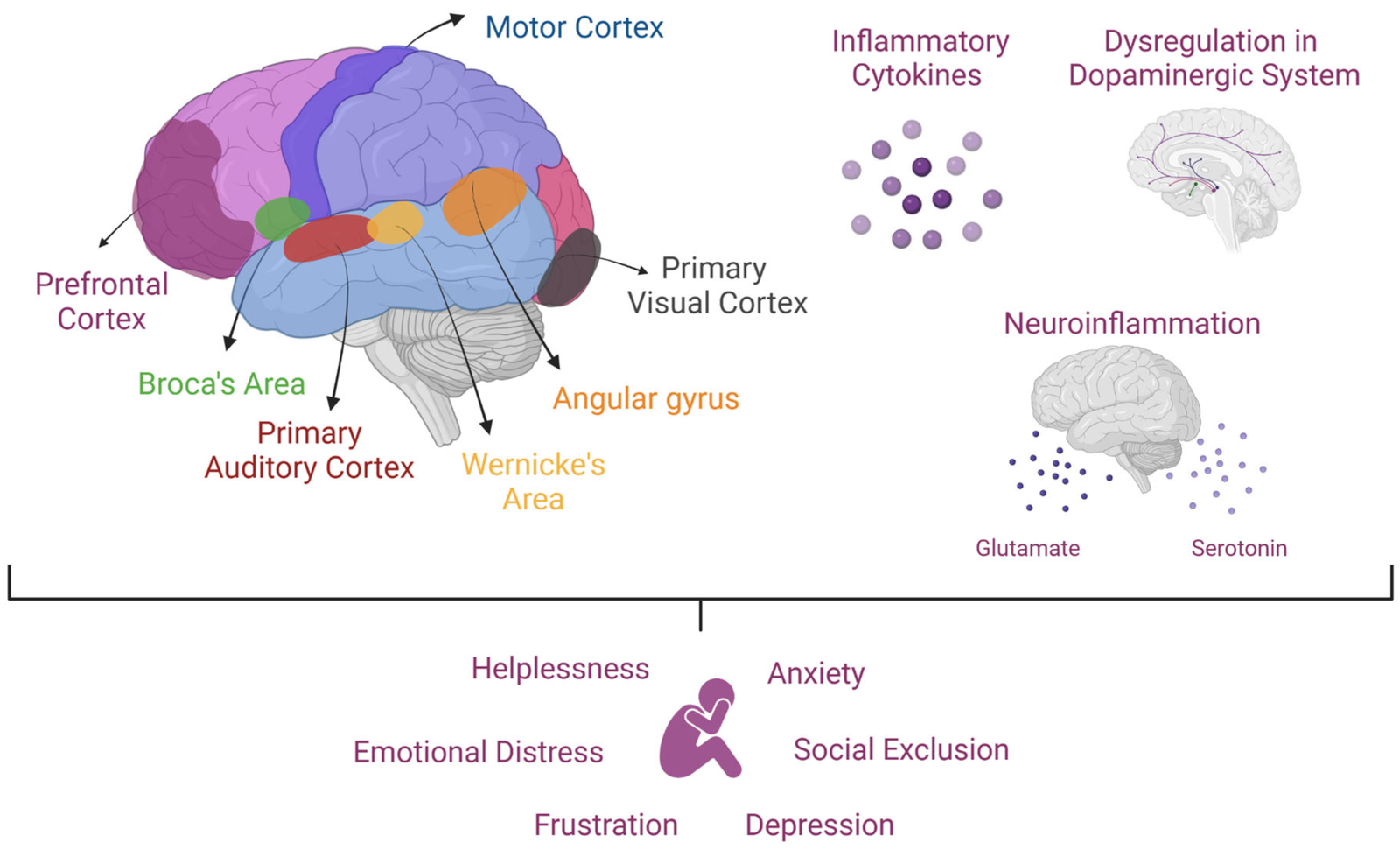
At the neurobiological level, repetition reflects the strengthening of specific pathways. Repeated activation of neural circuits increases their efficiency, making them more likely to be activated in the future. This process, often described as plasticity, allows the organism to learn from experience but also contributes to the persistence of maladaptive patterns.
In the case of chronic symptoms, circuits associated with perception, evaluation, and response become tightly coupled. Activation in one component rapidly propagates through the network, producing a coordinated pattern that is experienced as a symptom. Over time, this pattern can become the default mode of response under certain conditions.
Hormonal and immune processes may also be incorporated into these patterns. Repeated activation of stress-related pathways can alter baseline levels of physiological regulation, increasing susceptibility to future activation. These changes create a physiological context in which repetition is more likely.
The temporal dimension of repetition is particularly important. Symptoms do not simply recur; they evolve over time. Early instances may be closely tied to specific triggers, while later occurrences become more generalized. This progression reflects the gradual abstraction of the pattern, allowing it to be activated by a wider range of cues.
This abstraction is facilitated by the brain’s tendency to prioritize efficiency over specificity. Rather than encoding each instance as unique, the system extracts common features and uses them to guide future responses. While this strategy is adaptive in many contexts, it can lead to overgeneralization in the case of symptoms.
Breaking the cycle of repetition requires addressing multiple levels of the system. Interventions that focus solely on eliminating symptoms may be insufficient if the underlying patterns remain intact. Instead, effective approaches aim to modify the processes that sustain repetition.
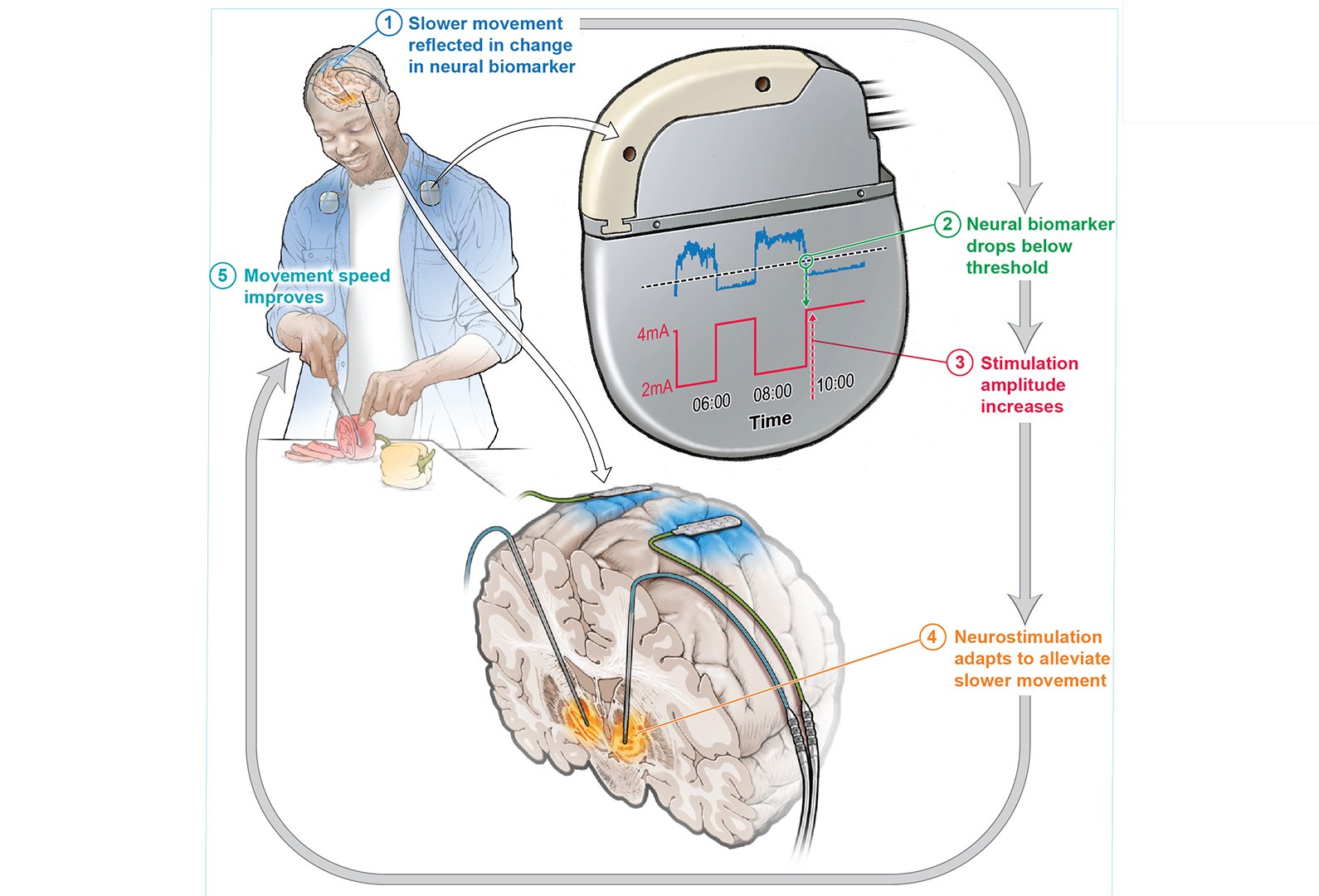
One key strategy involves altering predictive patterns. By introducing new experiences that contradict established expectations, it becomes possible to weaken the association between cues and responses. This requires exposure to previously avoided situations in a controlled and supportive manner, allowing the system to update its predictions.
Attention training can also play a role. Shifting focus away from constant monitoring of internal states reduces the amplification of signals. Over time, this can decrease the salience of sensations and reduce their capacity to trigger the full pattern of response.
Cognitive restructuring addresses the interpretive component of repetition. By challenging and modifying beliefs about sensations and their significance, individuals can change the meaning assigned to internal signals. This change in meaning alters the emotional and physiological responses that follow.
Emotional processing remains central to these interventions. Facilitating the recognition and integration of affective states reduces the need for indirect expression through physiological channels. As emotional experiences become more accessible and regulated, their contribution to symptom repetition diminishes.
Behavioral modification focuses on reducing reliance on avoidance and control strategies. Encouraging gradual re-engagement with activities and reducing safety behaviors allows the system to recalibrate. This process must be paced carefully to ensure that it supports adaptation rather than overwhelming the system.
Ultimately, symptoms learn to repeat within the networks that integrate perception, memory, emotion, and response. These networks are shaped by experience and maintained through reinforcement and prediction. Repetition is not an inherent property of symptoms but a learned pattern that reflects the history of the organism’s interactions with its environment.
Understanding where symptoms learn to repeat shifts the focus from isolated events to systemic processes. It highlights the importance of learning, adaptation, and integration in shaping experience. By addressing these processes, it becomes possible not only to reduce repetition but to transform the patterns through which symptoms arise.
In this sense, repetition is both a challenge and an opportunity. It reflects the stability of learned patterns, but also their potential for change. Through targeted intervention and new experiences, the system can learn alternative ways of responding, reducing the persistence of symptoms and restoring flexibility to the organism’s functioning.