


The human mind possesses an extraordinary capacity for reflection. Unlike many other systems in nature, it can turn inward, observe its own processes, question its own thoughts, and evaluate its own existence. This reflexivity allows for self-awareness, insight, and growth. Yet it also introduces a paradox: the same mind that seeks to understand itself can become a source of fear. Individuals may fear their thoughts, emotions, impulses, or even the possibility of losing control over their own mental states. This phenomenon—where the mind becomes both observer and threat—lies at the center of many deep psychiatric experiences. Fear typically arises in response to perceived danger. In most cases, this danger originates from external sources such as physical threats or environmental uncertainty. However, when fear turns inward, the source of danger becomes less tangible. Thoughts themselves may be experienced as intrusive, uncontrollable, or alien. Emotions may feel overwhelming or unpredictable. The boundary between self and threat begins to blur, creating a condition in which the mind no longer feels entirely safe within itself. One of the earliest forms of this internal fear emerges through intrusive thoughts. These are unwanted ideas, images, or impulses that enter consciousness without intention. They may be disturbing, irrational, or inconsistent with an individual’s values. For example, a person might suddenly imagine causing harm to someone they care about or engaging in behavior they find morally unacceptable. What makes intrusive thoughts particularly distressing is not their content alone, but the interpretation assigned to them. Many individuals assume that having a thought implies some form of desire or intention. This interpretation leads to fear: if the mind can produce such thoughts, what does that say about the self? The individual may begin to distrust their own mental processes, fearing that thoughts could translate into actions. This fear often leads to attempts at suppression. People try to push intrusive thoughts out of awareness, avoid situations that might trigger them, or engage in mental rituals to neutralize their perceived threat. Paradoxically, these efforts can increase the frequency and intensity of the thoughts. The more the mind tries to control them, the more attention they receive, reinforcing their presence. Another dimension of fearing the mind involves emotional overwhelm. Emotions are essential signals that guide behavior and decision-making, but when they become intense or unpredictable, they may feel threatening. Anxiety, for instance, can create a sense of impending danger without a clear cause. The individual may fear not only the external situation but also the internal experience of anxiety itself. Panic attacks illustrate this dynamic vividly. During a panic episode, the body and mind enter a state of extreme arousal. Physical sensations such as rapid heartbeat, shortness of breath, and dizziness may be interpreted as signs of serious danger. At the same time, the individual may fear losing control, going insane, or dying. The fear is directed not only outward but inward—toward the experience of panic itself. This recursive fear can create a feedback loop. The more the individual fears the sensations, the more intense they become, further reinforcing the belief that something is wrong. Over time, the person may begin to fear the possibility of fear itself, avoiding situations where panic might occur. The concept of loss of control plays a central role in why the mind fears itself. Humans generally rely on the assumption that they can regulate their thoughts and actions. When this assumption is challenged—whether through intrusive thoughts, emotional dysregulation, or altered states of consciousness—the resulting uncertainty can be deeply unsettling. In some psychiatric conditions, individuals experience a sense that their thoughts are not entirely under their control. They may feel as though thoughts are being inserted into their mind or that their own thoughts are not truly their own. These experiences challenge the fundamental sense of agency, leading to profound fear and confusion. Similarly, dissociative experiences can produce a sense of detachment from one’s own mental processes. During depersonalization, individuals may feel disconnected from their thoughts, emotions, or body. This detachment can create the impression that the self is no longer fully present, leading to fear about the stability of one’s identity. The mind may also fear its own capacity for change. Psychological states are not fixed; they fluctuate in response to internal and external influences. While this flexibility allows for adaptation, it also introduces uncertainty. Individuals may worry that they could become someone they do not recognize or lose aspects of themselves that they value. This fear is particularly evident in conditions involving mood instability. Rapid shifts between emotional states can make it difficult to maintain a consistent sense of self. The unpredictability of these changes may lead individuals to fear their own reactions, unsure of how they will feel or behave in future situations. Memory plays an important role in this dynamic. The continuity of identity depends on the ability to connect past experiences with present awareness. When memory becomes unreliable or fragmented, the sense of self may weaken. Individuals may fear forgetting important aspects of their lives or losing the narrative that defines who they are. This fear can extend to concerns about cognitive decline or mental deterioration. The possibility of losing one’s mental faculties represents a profound threat to identity and autonomy. Even subtle lapses in memory or concentration may trigger anxiety about the stability of the mind. Social context further shapes how individuals relate to their own mental processes. Cultural attitudes toward mental health influence whether people interpret internal experiences as normal variations or signs of pathology. In environments where certain thoughts or emotions are stigmatized, individuals may become more likely to fear them. For example, experiencing sadness or anger may be perceived as weakness in some contexts, leading individuals to suppress these emotions. Over time, this suppression can increase internal tension and make emotional experiences feel more threatening when they do emerge. Language also influences how the mind is perceived. The words used to describe thoughts and emotions can shape how they are understood. Describing a thought as “dangerous” or “unacceptable”
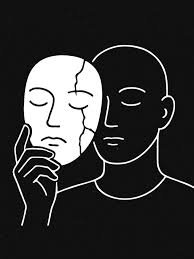
How Does Identity Collapse?
Identity is often experienced as something stable, continuous, and deeply personal—a sense of “I” that persists across time, situations, and relationships. Yet this apparent stability is not absolute. In psychiatric and psychological contexts, identity can weaken, fragment, or even collapse under certain conditions. This collapse does not necessarily mean the disappearance of the self, but rather a breakdown in the processes that maintain coherence, continuity, and meaning. Understanding how identity collapses requires examining the fragile architecture through which the mind constructs and sustains a sense of self. Identity is not a singular entity located in one part of the brain. It is a dynamic system formed through the integration of memory, emotion, bodily awareness, social interaction, and narrative understanding. These components work together to produce a coherent experience of being someone. When functioning properly, this system allows individuals to maintain a consistent sense of who they are, even as they adapt to changing circumstances. At the foundation of identity lies autobiographical memory. Personal memories provide the temporal continuity that connects past, present, and anticipated future. Through memory, individuals construct narratives that explain how they became who they are. These narratives are not static records but evolving interpretations shaped by current beliefs and emotional states. When memory integration becomes disrupted, identity may begin to destabilize. Individuals may feel disconnected from their past or unable to relate to previous versions of themselves. This disconnection weakens the narrative continuity that supports identity, creating a sense that the self lacks depth or permanence. Emotional regulation plays an equally important role in maintaining identity. Emotions provide signals about personal values, goals, and relationships. When individuals can process and integrate their emotional experiences, these signals contribute to a coherent understanding of the self. However, when emotions become overwhelming or chronically dysregulated, they may disrupt this integration. For example, intense and fluctuating emotional states can lead to rapid changes in self-perception. A person may feel confident and capable in one moment, then worthless or empty in the next. These shifts can erode the sense of a stable identity, replacing it with a fragmented or inconsistent self-image. Trauma represents one of the most significant pathways through which identity can collapse. When individuals experience events that exceed their capacity to process them, the mind may employ protective mechanisms such as dissociation. Dissociation separates aspects of experience—memories, emotions, or perceptions—from conscious awareness. While dissociation can protect the individual from overwhelming distress, it also disrupts the integration necessary for a coherent identity. Parts of experience may remain isolated, leading to gaps in memory or inconsistencies in self-perception. Over time, these divisions can contribute to a fragmented sense of self. In severe cases, dissociation may result in the formation of distinct identity states that function relatively independently. These states may have different memories, emotional patterns, or ways of interacting with the world. The existence of such divisions highlights how identity depends on the integration of multiple psychological processes. Even outside of extreme conditions, identity can weaken under prolonged stress. Chronic stress affects neural systems involved in emotional regulation, attention, and memory. As these systems become strained, the ability to maintain a stable sense of self may diminish. Under such conditions, individuals may experience a sense of emptiness or lack of direction. They may struggle to identify their values, goals, or preferences. This state reflects not the absence of identity but a disruption in the processes that normally organize and express it. Social context plays a critical role in shaping and sustaining identity. Humans develop their sense of self through interactions with others. Feedback from family, peers, and society provides information about how one is perceived and valued. These interactions contribute to the formation of self-concept. When social environments become unstable or invalidating, identity may be affected. For example, individuals who receive inconsistent or conflicting feedback about themselves may struggle to form a coherent self-image. Similarly, experiences of rejection or marginalization can undermine the sense of belonging that supports identity. Role conflict can also contribute to identity instability. Individuals often occupy multiple roles—such as parent, professional, friend, or student—each associated with different expectations. When these roles conflict or when transitions between roles become difficult, the sense of a unified identity may weaken. Modern life introduces additional pressures on identity. Rapid social change, exposure to diverse perspectives, and constant digital interaction can challenge traditional frameworks of self-understanding. Individuals may feel compelled to adapt to multiple environments, presenting different versions of themselves in different contexts. While such flexibility can be adaptive, it may also create tension between different aspects of identity. If these aspects are not integrated, individuals may experience a sense of fragmentation or inauthenticity. Cognitive processes contribute further to identity stability. The mind continuously constructs interpretations about who one is based on experiences and beliefs. These interpretations form the basis of self-concept. When cognitive patterns become distorted—such as through persistent negative beliefs—identity may become rigid or unstable. For instance, individuals who consistently interpret experiences in terms of failure or inadequacy may develop a negative self-concept that dominates their identity. This pattern can limit flexibility and reinforce a narrow, often distressing sense of self. Conversely, sudden changes in belief systems can also destabilize identity. When deeply held beliefs about the world or oneself are challenged, individuals may experience confusion or uncertainty about their place within that framework. This process can feel like a loss of identity, even if it ultimately leads to growth. Neurobiological factors also influence identity. Brain regions involved in self-referential processing, emotional regulation, and memory integration work together to maintain a coherent sense of self. Disruptions in these systems—whether due to injury, illness, or developmental differences—can affect how identity is experienced. Certain psychiatric conditions illustrate the phenomenon of identity collapse more clearly. In some personality disorders, individuals may experience unstable self-image, shifting goals, and inconsistent values. These patterns reflect difficulties in maintaining a coherent internal representation of the self. Depersonalization offers another example. Individuals may feel detached from their own identity, as though they are observing themselves from outside. This

When Does Reality Feel Unstable?
The experience of reality is often taken for granted as something stable, coherent, and shared among individuals. People move through daily life with an implicit trust that what they perceive corresponds, at least broadly, to an external world that is consistent and predictable. Yet within psychiatric and psychological domains, this sense of stability can become fragile. There are moments, conditions, and internal states in which reality itself begins to feel uncertain, distorted, or even fundamentally altered. Understanding when reality feels unstable requires examining how perception, cognition, emotion, and identity interact to construct what is normally experienced as a unified and reliable world. Reality, as experienced by the human mind, is not a direct reflection of the external environment. It is a constructed phenomenon emerging from the brain’s interpretation of sensory input, filtered through memory, expectation, and internal models. The brain continuously predicts what it expects to perceive and then updates these predictions based on incoming information. This predictive process allows individuals to navigate the world efficiently, but it also means that perception is always shaped by prior assumptions. Under ordinary conditions, predictions and sensory input align closely enough to produce a stable sense of reality. However, when this alignment weakens, the experience of reality can become unstable. This instability may manifest as distortions in perception, confusion about what is real, or a sense that the world lacks coherence or meaning. One of the earliest points at which reality may begin to feel unstable involves disruptions in perception. Sensory information provides the foundation upon which reality is constructed. When perception is altered—whether through neurological changes, fatigue, stress, or psychiatric conditions—the brain may struggle to interpret incoming signals accurately. Objects may appear distorted, sounds may seem unfamiliar, or ordinary environments may feel strangely altered. Such perceptual disturbances can create a subtle sense that something is “off” even if the individual cannot immediately identify the cause. This experience often precedes more pronounced disruptions in reality perception. The mind begins to question the reliability of its own interpretations, introducing uncertainty into what was previously taken as given. Cognitive processes also play a critical role in maintaining a stable sense of reality. The brain continuously organizes information into coherent narratives that explain what is happening and why. These narratives depend on logical consistency and the integration of past knowledge with present experience. When cognitive organization becomes disrupted, the ability to construct meaningful interpretations may weaken. In such cases, individuals may experience confusion about cause and effect, difficulty distinguishing between imagination and perception, or an inability to form coherent explanations for events. This breakdown in cognitive structure contributes significantly to the feeling that reality itself is unstable. Emotion further influences how reality is experienced. Intense emotional states can alter perception and interpretation in profound ways. Fear, for example, may heighten sensitivity to potential threats, leading individuals to interpret ambiguous stimuli as dangerous. Similarly, overwhelming anxiety can create a sense of impending catastrophe even in the absence of objective danger. When emotions become extreme or dysregulated, they may dominate cognitive processing. The brain prioritizes emotionally salient information, sometimes at the expense of accuracy. This shift can distort the interpretation of reality, making it feel unpredictable or overwhelming. Dissociation represents another pathway through which reality may become unstable. Dissociation involves a disruption in the integration of consciousness, memory, identity, or perception. Individuals experiencing dissociation may feel detached from their surroundings, as though the world is unreal or distant. This phenomenon, often described as derealization, directly affects the perception of reality itself. During derealization, familiar environments may appear artificial, dreamlike, or lacking in depth. Colors, sounds, and spatial relationships may feel altered, contributing to a sense that the world is no longer fully real. Although individuals often recognize that this experience is subjective, the sensation can be deeply unsettling. Depersonalization, a related phenomenon, involves a sense of detachment from one’s own self. Individuals may feel as though they are observing their thoughts or actions from an external perspective. When combined with derealization, this can create a profound disruption in both self-perception and world-perception, further destabilizing the experience of reality. Psychotic states represent more severe forms of reality instability. In these conditions, individuals may experience hallucinations or delusions that significantly alter their perception of the world. Hallucinations involve perceiving stimuli that are not present, while delusions are strongly held beliefs that persist despite contradictory evidence. These experiences reflect deep disruptions in the brain’s ability to differentiate between internally generated and externally derived information. The boundaries between imagination, memory, and perception become blurred, leading to a reality that may differ significantly from shared external conditions. However, reality instability is not limited to severe psychiatric conditions. Even in everyday life, individuals may encounter moments when reality feels uncertain. Sleep deprivation, for instance, can impair cognitive and perceptual processes, leading to confusion, misinterpretation, and altered sensory experiences. Similarly, prolonged stress can affect the brain’s regulatory systems, making it more difficult to maintain stable interpretations of the environment. Under chronic stress, individuals may become hypervigilant, interpreting neutral events as threatening or significant. This heightened sensitivity can distort perception and contribute to a sense of instability. Memory also plays a crucial role in grounding reality. The continuity of experience depends on the ability to connect present events with past knowledge. When memory processes become disrupted, individuals may struggle to maintain a coherent narrative of reality. Events may feel disconnected or unfamiliar, even if they have been experienced before. In certain conditions, individuals may experience difficulty distinguishing between memories and current perceptions. This confusion can blur the boundaries of time, making it challenging to determine what is happening now versus what occurred in the past. Identity contributes further to the stability of reality. The sense of self provides a reference point through which experiences are interpreted. When identity becomes unstable or fragmented, this reference point weakens. Without a consistent sense of self, it becomes more difficult to organize perceptions into a coherent reality. Social interaction plays an essential role in reinforcing shared reality. Humans rely

Where Does the Fragmented Self Begin?
The human sense of self is often experienced as unified, continuous, and coherent. People typically perceive themselves as the same individual across time, maintaining consistent identity, values, and intentions. Yet this apparent unity may conceal a far more complex internal structure. In psychiatric and psychological contexts, the concept of a “fragmented self” refers to disruptions in the integration of identity, memory, emotion, and perception. These disruptions may manifest in subtle internal conflicts or in severe conditions where the sense of self becomes divided or unstable. Understanding where the fragmented self begins requires exploring the delicate processes through which the mind constructs and maintains a unified identity. The sense of self does not arise from a single location in the brain. Instead, it emerges from coordinated activity across multiple neural systems responsible for memory, perception, emotional regulation, and social cognition. These systems integrate information about the body, past experiences, and current context to create a continuous narrative of identity. When this integration functions smoothly, individuals experience themselves as whole and stable. However, the self is not inherently fixed. It is constantly reconstructed through ongoing interactions between internal processes and external experiences. Each moment of awareness involves updating the representation of who one is in relation to the environment. This dynamic nature makes the self both flexible and vulnerable to fragmentation. One of the earliest foundations of the self develops through attachment relationships in childhood. Interactions with caregivers provide the first mirrors through which individuals begin to understand themselves. When caregivers respond consistently and empathetically, the child gradually forms a stable sense of identity and emotional continuity. These early experiences shape the neural systems responsible for integrating emotional and cognitive processes. In contrast, inconsistent, neglectful, or traumatic early environments can disrupt this developmental process. When emotional responses from caregivers are unpredictable or invalidating, the child may struggle to integrate experiences into a coherent sense of self. Different emotional states may remain unconnected, leading to internal divisions that persist into later life. Trauma represents one of the most significant factors contributing to fragmentation of the self. When individuals encounter overwhelming experiences that exceed their capacity to process them, the mind may employ protective mechanisms to preserve psychological functioning. One such mechanism involves dissociation, a process through which certain aspects of experience become separated from conscious awareness. Dissociation can take many forms. In mild cases, individuals may feel detached from their surroundings or experience moments of reduced awareness. In more severe cases, memories, emotions, or even aspects of identity may become compartmentalized. These compartments can function independently, leading to a fragmented internal landscape. The purpose of dissociation is often protective. By isolating overwhelming experiences, the mind prevents them from disrupting everyday functioning. However, this separation comes at a cost. The disconnected elements of experience may remain unresolved, creating gaps in memory or inconsistencies in emotional responses. Over time, these dissociative processes can contribute to the development of complex psychiatric conditions. In certain disorders, individuals may experience distinct identity states with differing patterns of thought, emotion, and behavior. These states may not be fully integrated, resulting in a sense that the self is divided into multiple parts. Even outside of clinical conditions, fragmentation can occur in more subtle ways. Many individuals experience internal conflicts between different aspects of their personality. For example, a person may simultaneously hold conflicting desires, values, or emotional responses. These internal tensions reflect the coexistence of multiple psychological processes that are not always fully integrated. The brain’s architecture supports this multiplicity. Different neural networks specialize in various functions such as emotional reactivity, rational planning, and social evaluation. Under normal conditions these networks communicate effectively, allowing for coordinated behavior. However, when communication becomes disrupted, these systems may operate more independently, leading to conflicting impulses or perceptions. Memory plays a central role in maintaining the continuity of the self. Personal identity relies heavily on autobiographical memory, which connects past experiences to the present moment. When memory integration is disrupted, the sense of self may become unstable. Individuals may feel disconnected from their past or uncertain about their identity. In dissociative conditions, memory fragmentation can become particularly pronounced. Individuals may experience gaps in recollection or find that certain memories feel distant and unreal. These disruptions weaken the narrative continuity that normally supports a stable sense of self. Emotional regulation also influences the integration of identity. When individuals can process and regulate their emotions effectively, different aspects of experience can be incorporated into a coherent self. However, when emotions become overwhelming or unmanageable, the mind may separate them from conscious awareness, contributing to fragmentation. Identity formation during adolescence provides another critical period for understanding fragmentation. As individuals explore different roles, beliefs, and social relationships, they experiment with various aspects of identity. This exploration is a normal part of development, but it also introduces potential for internal conflict. If this process occurs within supportive environments, individuals gradually integrate these experiences into a cohesive identity. However, if external pressures or internal conflicts become overwhelming, the process may remain incomplete, leaving the individual with a fragmented sense of self. Cultural and social influences further shape how identity is constructed and experienced. Societies provide frameworks that define roles, expectations, and values. Individuals navigate these frameworks while forming personal identities. Conflicts between personal experiences and cultural expectations can contribute to internal divisions. Modern life introduces additional complexities. Rapid changes in social environments, exposure to diverse perspectives, and constant digital interaction can challenge the stability of identity. Individuals may present different versions of themselves in different contexts, leading to a sense of fragmentation between these roles. Psychiatric conditions such as borderline personality patterns often illustrate the instability of self-concept. Individuals may experience rapid shifts in identity, emotions, and relationships. These fluctuations reflect difficulties in maintaining a consistent internal representation of the self. Similarly, depersonalization involves a sense of detachment from one’s own identity or body. Individuals may feel as though they are observing themselves from outside, rather than experiencing life directly. This phenomenon highlights how the sense of self depends
Why Do Beliefs Persist
Beliefs play a central role in shaping how individuals interpret the world. They influence decisions, guide behavior, and organize experiences into meaningful patterns. Yet beliefs often persist even when confronted with contradictory evidence. People may continue to support ideas that have been challenged by new information or maintain convictions that others consider irrational. Understanding why beliefs persist requires examining the psychological, cognitive, and social mechanisms through which the human mind constructs and protects its interpretations of reality. Beliefs function as cognitive frameworks that help individuals navigate complex environments. The world presents an overwhelming amount of information, and the brain must organize this information efficiently. By forming beliefs about how events occur and what principles govern them, individuals reduce uncertainty and create stable expectations about future experiences. These expectations allow the mind to make quick judgments without analyzing every situation from the beginning. Because beliefs serve this stabilizing function, the brain often treats them as valuable mental structures. When new information appears to contradict an established belief, the mind may interpret this information cautiously or even dismiss it. This reaction does not necessarily arise from deliberate stubbornness but from the brain’s effort to preserve coherence in its understanding of the world. One psychological mechanism contributing to belief persistence involves confirmation bias. This tendency leads individuals to favor information that supports their existing beliefs while giving less attention to information that challenges them. When people encounter evidence consistent with their expectations, they often interpret it as strong validation. Conversely, contradictory evidence may be perceived as unreliable or unimportant. Confirmation bias operates in subtle ways. Individuals may selectively remember examples that support their beliefs while forgetting instances that contradict them. Over time this selective recall strengthens the impression that the belief is consistently supported by experience. The mind gradually constructs a narrative in which the belief appears increasingly justified. Another factor reinforcing belief persistence involves cognitive consistency. Humans generally prefer internal coherence among their thoughts and attitudes. When two beliefs or ideas conflict, the resulting tension can produce psychological discomfort. To reduce this discomfort, the mind may reinterpret new information or adjust peripheral beliefs rather than abandoning the central conviction. This process allows individuals to maintain stable identities and worldviews. Beliefs often become integrated into broader networks of values, memories, and social relationships. Changing one belief might require reevaluating many other ideas connected to it. Because such reevaluation demands cognitive effort and emotional adjustment, the mind may resist altering established perspectives. Emotion also plays a powerful role in maintaining beliefs. Certain beliefs become closely associated with feelings of security, belonging, or personal meaning. When a belief provides emotional comfort or supports an individual’s sense of identity, challenges to that belief may feel threatening. In such cases the mind may defend the belief not only intellectually but emotionally. Social influences further strengthen belief persistence. Humans are deeply social beings who often form beliefs within communities of shared values and traditions. Families, cultural groups, and institutions transmit ideas that become embedded within collective identities. When individuals adopt beliefs shared by their community, these beliefs become reinforced through repeated social interactions. Within such environments agreement among group members can create strong perceptions of validity. When many people express the same belief, individuals may interpret this consensus as evidence of its correctness. Social reinforcement therefore amplifies the stability of shared beliefs even when external evidence might challenge them. Language and communication also contribute to belief persistence. The ways in which ideas are framed can shape how they are understood and remembered. Narratives, metaphors, and emotionally powerful language can make beliefs more memorable and persuasive. Once these narratives become familiar, they can influence interpretation of new information. Memory processes themselves may reinforce existing beliefs. When individuals recall past experiences, they often reconstruct memories in ways consistent with their current beliefs. This reconstruction can subtly alter the details of remembered events. Over time the memory becomes aligned with the belief, strengthening the sense that the belief has always been supported by personal experience. Belief persistence also relates to the human need for predictability. Uncertainty about the world can produce anxiety because it makes future events difficult to anticipate. Beliefs provide mental structures that reduce uncertainty by offering explanations for complex phenomena. Even if a belief is imperfect, abandoning it without an alternative explanation may create psychological discomfort. As a result individuals sometimes prefer maintaining a familiar belief rather than facing the uncertainty that might arise from questioning it. This tendency illustrates how beliefs function not only as cognitive tools but also as psychological safeguards. Education and critical thinking skills can influence how individuals evaluate their beliefs. When people learn to examine evidence systematically and consider alternative explanations, they may become more open to revising their views. However, even well-trained thinkers are not immune to the cognitive biases that encourage belief persistence. Scientific inquiry provides an example of structured methods designed to challenge and refine beliefs. Scientists attempt to test ideas through observation, experimentation, and peer evaluation. This process encourages continuous revision of theories in response to new evidence. Nevertheless, even within scientific communities debates may persist as researchers interpret data differently or emphasize distinct theoretical frameworks. Beliefs may also evolve gradually rather than disappearing abruptly. When confronted with strong contradictory evidence, individuals sometimes adjust their beliefs incrementally. They may modify certain aspects while preserving the core idea in a revised form. This gradual adaptation allows the mind to integrate new information without abandoning its entire conceptual framework. Major life experiences can sometimes trigger significant changes in belief systems. Encounters with unfamiliar cultures, transformative personal events, or exposure to new knowledge may encourage individuals to reevaluate long-held assumptions. Such moments often involve deep reflection and emotional processing. Dialogue and open discussion can also influence belief revision. When individuals engage respectfully with differing perspectives, they may encounter arguments or experiences that broaden their understanding. Constructive conversation creates opportunities for beliefs to evolve through mutual learning. However, discussions about deeply held beliefs can also provoke defensiveness. If individuals feel that their
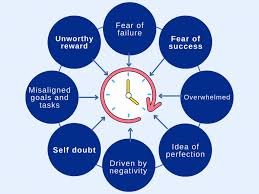
Why Do People Procrastinate
Procrastination is one of the most common behavioral patterns observed in everyday life. Many individuals delay important tasks even when they know that postponement may lead to stress, reduced performance, or missed opportunities. Students delay studying for exams, professionals postpone completing projects, and individuals often put off personal goals such as exercising or learning new skills. Although procrastination may appear to be a simple problem of poor time management, psychological research suggests that it involves a complex interaction of cognitive, emotional, and motivational processes within the human mind. At its core, procrastination occurs when a person voluntarily delays an intended course of action despite expecting that the delay will produce negative consequences. This definition highlights a key feature of procrastination: individuals are usually aware that postponing the task is not beneficial. Yet the behavior persists, suggesting that deeper psychological mechanisms influence the decision to delay. One major factor contributing to procrastination involves the way the brain evaluates immediate and future rewards. Humans often show a strong preference for activities that produce instant gratification. Tasks such as browsing the internet, watching entertainment, or engaging in casual conversations can generate quick feelings of pleasure or relaxation. In contrast, many important tasks require sustained effort before any reward becomes visible. When the brain compares these options, activities with immediate rewards often appear more attractive than tasks associated with delayed benefits. This tendency can cause individuals to shift their attention away from long-term goals toward short-term distractions. As a result, procrastination emerges as a strategy for avoiding effort in the present moment. Emotional regulation also plays a central role in procrastination. Many tasks provoke uncomfortable emotions such as anxiety, boredom, frustration, or self-doubt. For example, a student may feel anxious about failing an exam, or a writer may feel uncertain about the quality of their work. These negative emotions create psychological discomfort that the mind naturally attempts to reduce. Procrastination can temporarily relieve this discomfort. By postponing the task, individuals escape the immediate emotional challenge associated with it. Even though this relief is temporary, it can reinforce the habit of delaying tasks whenever unpleasant emotions arise. Perfectionism often contributes to procrastination as well. Individuals who set extremely high standards for their performance may fear that their work will not meet these expectations. This fear can create intense pressure that makes starting the task feel overwhelming. Instead of risking imperfection, the person may delay the task altogether. Ironically, perfectionism can lead to lower productivity rather than higher achievement. By waiting for the perfect moment, ideal conditions, or complete confidence, individuals may postpone action indefinitely. This pattern demonstrates how the pursuit of flawless results can sometimes prevent progress. Another important factor influencing procrastination involves the perception of task difficulty. When a task appears large, complex, or unfamiliar, it may feel intimidating. The brain may interpret the task as requiring significant mental energy and therefore seek easier alternatives. Breaking tasks into smaller components can reduce this sense of overwhelm. When individuals focus on completing manageable steps rather than the entire project at once, the task becomes more approachable. This strategy illustrates how perceptions of difficulty can influence motivation and behavior. Self-efficacy, or the belief in one’s ability to succeed, also affects procrastination. Individuals who doubt their competence may hesitate to begin tasks because they anticipate failure. This expectation can weaken motivation and encourage avoidance. Conversely, people who believe they can successfully complete a task are more likely to begin promptly and persist through challenges. Strengthening self-confidence through practice and positive feedback can therefore reduce tendencies toward procrastination. Attention and focus further influence the likelihood of procrastination. Modern environments are filled with distractions such as social media notifications, digital entertainment, and constant streams of information. These distractions compete for cognitive resources and make it more difficult to maintain sustained concentration on demanding tasks. When attention shifts repeatedly between tasks, productivity often decreases. Each interruption forces the brain to reorient itself to the original task, consuming mental energy and slowing progress. Over time this pattern can encourage individuals to abandon the task altogether in favor of easier activities. Time perception also plays a role in procrastination. Humans sometimes underestimate how long tasks will take or overestimate the amount of time available to complete them. This misjudgment can lead individuals to believe that postponing the task will not create significant problems. However, as deadlines approach, the realization that time is limited may trigger stress and urgency. Some individuals rely on this pressure to motivate action, completing tasks only at the last possible moment. While this strategy occasionally produces results, it often leads to lower quality work and increased anxiety. Habits formed through repeated behavior can reinforce procrastination patterns. When individuals consistently delay tasks, the behavior becomes familiar and automatic. Over time the brain associates certain situations—such as beginning a difficult assignment—with avoidance. Changing these habits requires conscious effort to create new behavioral patterns. Establishing routines, setting clear schedules, and reducing distractions can gradually reshape the habits that influence productivity. Motivation itself is not a fixed trait but a dynamic process influenced by goals, values, and expectations. Tasks that align with personal interests or meaningful objectives are often easier to initiate because they provide intrinsic motivation. When individuals understand how a task contributes to their long-term aspirations, they may feel more inclined to begin promptly. In contrast, tasks perceived as irrelevant or meaningless may evoke little motivation. In such cases individuals may procrastinate simply because they see no compelling reason to invest effort. Clarifying the purpose and significance of tasks can therefore enhance engagement. Social environments can also affect procrastination. Supportive relationships and collaborative work settings often encourage accountability. When individuals know that others depend on their contributions, they may feel stronger motivation to complete tasks on time. On the other hand, environments lacking structure or clear expectations may allow procrastination to flourish. Without external reminders or deadlines, individuals may struggle to regulate their own schedules effectively. Educational systems frequently encounter the challenge of student procrastination. Assignments with distant deadlines

Why Do Humans Dream
Dreaming is one of the most mysterious and fascinating phenomena of the human mind. Nearly every person experiences dreams during sleep, yet their purpose and meaning remain subjects of scientific exploration and philosophical debate. Dreams can appear vivid, emotional, confusing, or even surreal. They may reflect fragments of daily experiences, hidden concerns, or imaginative narratives that seem disconnected from reality. Understanding why humans dream requires examining the relationship between sleep, memory, emotion, and neural activity within the brain. Sleep is not a passive state in which the brain simply shuts down. Instead, it is a dynamic biological process involving complex patterns of neural activity that change across different stages. During sleep, the brain cycles through phases characterized by distinct rhythms of electrical activity. One of these phases, often associated with vivid dreaming, involves rapid eye movements and heightened brain activity. During this stage, neural circuits involved in perception, memory, and emotion become highly active even though the body remains largely motionless. The brain continues to process information during sleep. Experiences from the day, emotional reactions, and fragments of memory may be reactivated and reorganized. Dreaming appears to arise from this internal activity as the brain integrates stored information and explores connections among experiences. Rather than simply replaying events exactly as they occurred, dreams often combine elements from different memories, creating imaginative scenarios that blend reality with invention. Memory processing plays an important role in many theories of dreaming. Throughout waking life, the brain receives enormous amounts of sensory information. Not all of this information can be stored permanently, so neural systems must sort, organize, and consolidate experiences into meaningful memories. Sleep provides an opportunity for this process to occur without interference from constant sensory input. During dreaming stages of sleep, neural circuits associated with memory appear to reactivate patterns related to recent experiences. This reactivation may strengthen connections among neurons that represent important information while allowing less significant details to fade. In this way dreaming could contribute to the stabilization of long-term memories. Dreams may also help integrate new experiences with existing knowledge. When the brain replays fragments of events during sleep, it may link them with older memories stored across different neural networks. Such integration allows individuals to incorporate new learning into broader frameworks of understanding. Emotion represents another key component of dreaming. Many dreams contain strong emotional elements such as fear, joy, anxiety, or excitement. Neural systems responsible for emotional processing remain active during sleep, and dreams may provide a context in which emotional experiences are explored and regulated. For example, individuals often report dreams related to stressful or significant events in their lives. These dreams may reflect the brain’s attempt to process unresolved emotions or adapt to challenging situations. By simulating emotional experiences within dreams, the brain may gradually reduce their intensity and integrate them into stable psychological frameworks. Dreaming may also function as a form of mental simulation. The brain has the ability to construct scenarios that resemble real-life situations. Within dreams, individuals may confront challenges, explore unfamiliar environments, or interact with imagined characters. These simulations could allow the brain to rehearse responses to potential situations without facing real-world consequences. Such simulated experiences might contribute to problem-solving abilities. Occasionally people report discovering creative ideas or solutions to problems after dreaming about them. Although dreams are not guaranteed to produce insights, the free association of ideas during sleep can sometimes reveal unexpected connections among concepts. Another intriguing aspect of dreaming involves its unusual sensory and logical characteristics. Dream environments often change rapidly, and events may occur that would be impossible in waking reality. This phenomenon reflects differences in how neural systems operate during sleep. Certain regions involved in critical reasoning and self-awareness become less active, while areas responsible for visual imagery and emotional processing remain highly engaged. Because of this altered balance of neural activity, the mind becomes more receptive to imaginative narratives that would normally be dismissed as unrealistic. The result is a dream experience that can feel vivid and convincing even when it contains impossible elements. The sense of identity within dreams also differs from waking consciousness. Sometimes individuals perceive themselves as participants within the dream narrative, while at other times they may observe events from a detached perspective. These variations suggest that the neural representation of the self can shift depending on patterns of brain activity during sleep. Not all dreams are emotionally neutral. Nightmares represent a form of dreaming in which intense fear or distress dominates the experience. These dreams often occur during periods of stress or emotional conflict. Although unpleasant, nightmares may reflect the brain’s attempt to confront and process difficult emotions. Children frequently experience vivid dreams as their cognitive and emotional systems develop. Early in life the brain is rapidly forming new neural connections and learning to interpret the surrounding world. Dreams may accompany this process by integrating new experiences and supporting cognitive growth. Cultural traditions have long interpreted dreams in symbolic or spiritual ways. Ancient civilizations often believed that dreams conveyed messages from divine sources or revealed hidden truths about the future. While modern science approaches dreams through biological and psychological frameworks, these historical interpretations demonstrate how deeply dreaming has influenced human thought. Scientific research into dreams began to expand significantly in the twentieth century with the discovery of specific sleep stages associated with dreaming. By measuring brain activity during sleep, researchers observed patterns that correspond to dream experiences reported by participants after awakening. These findings confirmed that dreaming is closely linked to particular neural states. Yet even with advanced technology, studying dreams remains challenging because they occur within private mental experiences. Researchers often rely on individuals’ descriptions after waking to understand dream content. Despite these limitations, consistent patterns have emerged showing that dreams frequently incorporate recent experiences, emotional concerns, and imaginative variations of real-life events. Dreams may also play a role in creativity and imagination. Many artists, writers, and scientists have reported drawing inspiration from dream experiences. The unique combination of memories and ideas within dreams can produce
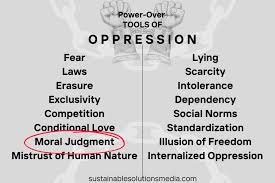
What Shapes Moral Judgment
Moral judgment represents one of the most complex capacities of the human mind. Every day individuals evaluate actions, intentions, and consequences through internal frameworks that determine what is perceived as right or wrong. These judgments influence personal behavior, social cooperation, and the functioning of entire societies. Yet moral judgment does not emerge from a single source. Instead, it develops through the interaction of neural processes, emotional responses, cognitive reasoning, cultural influences, and personal experience. Understanding what shapes moral judgment reveals how the human mind integrates biological and social mechanisms to guide ethical decision making. At the most basic level, moral judgment involves evaluating the consequences of actions for others. Humans possess remarkable abilities to recognize the effects of behavior on the well-being of other individuals. This capacity requires complex cognitive processes including empathy, perspective taking, and the interpretation of social signals. Through these mechanisms, the mind can simulate the experiences of others and anticipate how actions might affect them. Empathy plays a particularly important role in shaping moral judgment. When individuals observe another person experiencing pain or distress, neural systems responsible for emotional resonance become activated. These responses create an internal representation of the other person’s emotional state, allowing the observer to feel concern or compassion. Such emotional reactions provide immediate signals that certain actions may be harmful or unjust. However, moral judgment cannot rely solely on emotional responses. Situations often arise in which emotions conflict with reasoning or where multiple individuals may be affected in different ways. In such cases, cognitive evaluation becomes necessary to weigh outcomes, intentions, and social principles. The brain integrates emotional information with analytical reasoning to produce balanced judgments. The ability to consider intentions represents another crucial component of moral evaluation. People rarely judge actions solely by their outcomes. Instead, they also examine the motives behind the behavior. An action that causes harm accidentally may be judged differently from one performed with malicious intent. This distinction reflects sophisticated mental processes that allow individuals to infer the mental states of others. Understanding intentions requires the brain to construct internal models of other people’s thoughts and beliefs. Through observation of behavior, facial expressions, and contextual cues, individuals infer what others may be thinking or planning. These inferences then influence how actions are morally interpreted. Cultural systems also play a profound role in shaping moral judgment. Every society develops norms and ethical guidelines that define acceptable behavior. These norms are transmitted through language, traditions, education, and social interactions. As individuals grow within a cultural environment, they internalize these frameworks and use them to guide ethical decisions. Although many moral principles appear across cultures, their interpretations may vary. Concepts such as fairness, loyalty, authority, and personal freedom can be emphasized differently depending on cultural context. These variations illustrate that moral judgment reflects both universal psychological mechanisms and socially constructed values. Developmental processes reveal how moral judgment evolves over time. Young children initially base their moral evaluations on concrete consequences such as punishment or reward. As cognitive abilities mature, children gradually begin to consider intentions, fairness, and social expectations. This developmental progression reflects the growing complexity of neural circuits involved in reasoning and social understanding. Adolescence introduces additional transformations in moral reasoning. During this period individuals begin to question established norms and develop personal ethical perspectives. Exposure to diverse viewpoints encourages critical reflection on moral principles. Through these experiences adolescents begin constructing moral identities that guide future decisions. Education can significantly influence the development of moral judgment. Discussions about ethical dilemmas encourage individuals to examine multiple perspectives and consider the broader consequences of actions. By engaging in dialogue about justice, responsibility, and human rights, learners refine their capacity for ethical reasoning. Personal experiences also shape moral frameworks. Encounters with injustice, compassion, cooperation, or conflict can leave lasting impressions that influence how individuals interpret ethical situations. These experiences contribute to the formation of moral memories that guide future behavior. Emotion continues to interact with reasoning throughout adulthood. Feelings such as guilt, pride, anger, and gratitude provide feedback about the social consequences of behavior. When individuals violate their own moral standards, they may experience guilt or shame that encourages corrective actions. Conversely, acts of kindness or fairness may generate positive emotions that reinforce ethical conduct. Social relationships further influence moral judgment. People often adjust their ethical evaluations depending on the individuals involved in a situation. Loyalty to friends, family, or community members may shape how actions are interpreted. This tendency reflects the human need to maintain social bonds and group cohesion. Yet moral judgment can also extend beyond immediate social circles. Humans possess the ability to apply ethical principles to strangers or even distant populations. Concepts such as universal human rights reflect this capacity to generalize moral concern beyond personal relationships. Moral dilemmas highlight the complexity of ethical decision making. Situations in which competing values must be balanced often produce internal conflict. For example, protecting one individual may require harming another, or maintaining loyalty may conflict with principles of fairness. In such cases the mind must weigh multiple moral considerations simultaneously. The process of resolving moral dilemmas often involves iterative reflection. Individuals may imagine different outcomes, consider potential consequences, and evaluate which principles should take priority. Through this reasoning process the brain integrates emotional signals with abstract ethical concepts. Social institutions rely heavily on shared moral judgments. Legal systems, political structures, and community norms all depend on collective agreements about acceptable behavior. These agreements emerge from ongoing dialogue within societies about justice, responsibility, and rights. Throughout history moral philosophies have attempted to articulate systematic principles guiding ethical behavior. Some traditions emphasize the consequences of actions, while others focus on duties or character virtues. Although philosophical frameworks differ, they all attempt to clarify the foundations of moral judgment. Modern psychological research suggests that moral reasoning rarely follows purely logical rules. Instead, ethical decisions often arise from intuitive responses shaped by emotional and social influences. After forming an intuitive judgment, individuals may construct rational explanations to justify their position. This interplay between intuition

How Does Curiosity Transform Human Learning
Curiosity represents one of the most powerful forces driving human learning and intellectual development. From early childhood onward, the desire to explore unknown ideas, environments, and experiences motivates individuals to seek new information and challenge existing understanding. Unlike learning driven purely by obligation or external reward, curiosity-based learning arises from an intrinsic motivation to reduce uncertainty and expand knowledge. This internal drive activates complex neural processes that influence attention, memory formation, problem solving, and long-term cognitive growth. Understanding how curiosity transforms human learning reveals why exploration and questioning play such essential roles in the development of knowledge and creativity. At its core, curiosity emerges when the brain detects a gap between what is known and what could potentially be known. This gap generates a sense of informational tension that encourages the individual to seek resolution. The mind begins to ask questions, imagine possibilities, and search for explanations. Rather than passively receiving information, the curious brain actively constructs pathways for discovery. Neuroscientific research suggests that curiosity engages networks responsible for motivation and reward. When individuals encounter intriguing questions or puzzles, the brain responds with patterns of neural activity associated with anticipation and interest. These signals encourage continued exploration, reinforcing behaviors that lead to new information. In this way curiosity transforms learning into a self-reinforcing cycle in which the pursuit of knowledge itself becomes rewarding. One of the first cognitive systems influenced by curiosity is attention. Attention determines which stimuli receive detailed processing within the brain. When curiosity is activated, attentional systems become highly focused on information related to the question or mystery at hand. Irrelevant distractions fade into the background as the brain allocates cognitive resources toward resolving the uncertainty. This heightened attentional focus allows learners to process complex information more effectively. Details that might otherwise go unnoticed become meaningful clues contributing to the solution of a problem. As attention intensifies, neural circuits involved in perception and reasoning work together to analyze patterns, relationships, and possibilities within the information being explored. Curiosity also enhances memory formation. When individuals learn something that satisfies a question they genuinely care about, the resulting memory often becomes stronger and more durable than information acquired without interest. Neural mechanisms responsible for encoding experiences into long-term memory appear to respond particularly strongly when curiosity is present. This enhancement occurs because curiosity primes the brain to treat incoming information as valuable. As a result, the neural networks responsible for storing new knowledge become more receptive to forming stable connections. Information encountered during states of curiosity may therefore be remembered more easily and retrieved more effectively in the future. In addition to strengthening memory for the target information, curiosity can improve retention of surrounding details. Studies suggest that when individuals are curious about a topic, the brain becomes generally more receptive to learning. Even unrelated information encountered during periods of curiosity may be encoded more effectively. This phenomenon highlights the broad cognitive influence of curiosity-driven mental states. Curiosity also promotes deeper forms of learning. Instead of memorizing isolated facts, curious learners tend to explore underlying principles and connections among ideas. They ask why events occur, how systems function, and what consequences might arise under different conditions. This approach encourages conceptual understanding rather than superficial knowledge. Through repeated questioning and exploration, learners gradually build mental frameworks that organize information into coherent structures. These frameworks allow individuals to apply knowledge flexibly across different contexts. As a result curiosity contributes not only to acquiring information but also to developing intellectual adaptability. Problem solving represents another domain strongly influenced by curiosity. When faced with a challenging question, curious individuals are more likely to persist in searching for solutions. Rather than abandoning the task when difficulties arise, they treat obstacles as opportunities to discover new strategies. This persistence arises partly because curiosity reframes uncertainty as a source of excitement rather than frustration. The unknown becomes an invitation to investigate rather than a barrier to understanding. Such attitudes encourage experimentation, creativity, and willingness to explore unconventional approaches. Creative thinking often flourishes in environments that nurture curiosity. Creativity involves combining ideas in novel ways and imagining possibilities beyond existing frameworks. Curious minds constantly gather diverse information and consider alternative perspectives, providing rich material for creative synthesis. Furthermore, curiosity encourages individuals to venture beyond familiar knowledge domains. By exploring different fields, cultures, and experiences, learners encounter concepts that challenge their assumptions. These encounters expand cognitive flexibility and inspire innovative solutions to complex problems. Social learning also benefits from curiosity. Humans acquire much of their knowledge through interaction with others, and curiosity drives individuals to ask questions, seek explanations, and engage in meaningful dialogue. Conversations stimulated by curiosity often lead to collaborative discovery, where ideas evolve through shared exploration. Educational environments that encourage curiosity tend to produce deeper engagement among learners. When students are invited to investigate questions, conduct experiments, and propose hypotheses, they become active participants in the learning process. Such environments contrast with systems that rely solely on memorization or rigid instruction. Teachers who cultivate curiosity often present material in ways that stimulate inquiry. Rather than simply delivering answers, they introduce intriguing questions or real-world challenges that invite investigation. This approach activates the learner’s intrinsic motivation, transforming education into a process of exploration. Curiosity also supports lifelong learning. In rapidly changing societies, individuals must continuously adapt to new technologies, ideas, and professional demands. Curiosity provides the psychological foundation for this adaptability by encouraging people to seek knowledge beyond formal education. Individuals who maintain strong curiosity throughout life often remain intellectually engaged even in later years. They pursue hobbies, explore new subjects, and participate in discussions that stimulate thinking. Such activities help maintain cognitive vitality by continuously challenging the brain with novel information. Developmental research indicates that curiosity begins early in childhood. Young children display natural tendencies to explore objects, ask questions, and experiment with their environment. These behaviors reflect the brain’s fundamental drive to understand the world. However, the expression of curiosity can be influenced by social and educational experiences. Environments that encourage questioning and
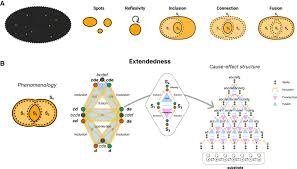
How Does Time Shape Neural Experience
Time forms one of the most fundamental dimensions through which the nervous system interprets reality. Every perception, movement, thought, and emotional response unfolds within temporal frameworks generated by neural processes. Yet the brain does not simply measure time in the same way that clocks do. Instead, it constructs internal representations of duration, sequence, and rhythm through complex patterns of neural activity. These internal representations allow individuals to anticipate events, coordinate actions, and maintain continuity of experience. Understanding how time shapes neural experience reveals how deeply temporal processing is embedded within the architecture of cognition. The perception of time begins with neural mechanisms capable of detecting change. Sensory systems continuously receive streams of information that vary across milliseconds, seconds, and longer intervals. In order to interpret these signals effectively, the brain must organize them into sequences. Without this temporal ordering, sensory inputs would appear as disorganized fragments rather than coherent experiences. Neural circuits accomplish this organization by encoding the relative timing of events. Groups of neurons respond to specific intervals between stimuli, allowing the brain to distinguish whether events occur rapidly, slowly, or in predictable patterns. These timing mechanisms support essential functions such as speech perception, movement coordination, and environmental prediction. Temporal processing operates across multiple scales. At extremely short intervals measured in milliseconds, neural systems must coordinate the timing of sensory signals. For example, when individuals hear speech, the brain must analyze rapid fluctuations in sound waves to identify phonetic patterns. Similarly, visual perception depends on the precise timing of signals arriving from different parts of the retina. At slightly longer intervals measured in seconds, temporal perception contributes to the organization of actions. Movements require carefully timed activation of muscle groups to produce smooth and coordinated behavior. Neural circuits involved in motor planning generate sequences of activity that specify when each component of an action should occur. Beyond these immediate processes, the brain also constructs representations of longer durations that influence planning and decision-making. When individuals anticipate future events or evaluate past experiences, neural systems integrate information across extended time scales. These representations allow the brain to place current experiences within broader narratives of past and future. The perception of time is closely linked to neural oscillations. These rhythmic patterns of electrical activity occur across many regions of the brain and provide a temporal framework for neural communication. Oscillations create repeating cycles during which neurons become more or less responsive to incoming signals. By aligning neural firing within these cycles, the brain can coordinate information exchange among distributed networks. Such rhythmic coordination plays a crucial role in synchronizing sensory and cognitive processes. When neural populations oscillate together, signals can propagate efficiently across regions responsible for perception, memory, and attention. This synchronization ensures that information arriving from different sources can be integrated into coherent experiences. Attention significantly influences how time is perceived. When individuals focus intensely on a task, neural circuits associated with attentional control amplify the processing of relevant stimuli. Under these conditions subjective time may appear to pass quickly because cognitive resources remain fully engaged with the activity. Conversely, when attention is directed toward the passage of time itself, intervals may feel prolonged. Emotional states also modify temporal perception. Experiences associated with heightened arousal often produce the impression that time slows down. This effect may arise because emotional arousal increases the rate at which sensory information is processed, allowing individuals to register more details within a given interval. As a result, the brain constructs a richer representation of the moment, which retrospectively appears longer. Memory contributes further complexity to temporal experience. The brain does not merely record events in chronological order; it reconstructs them according to meaningful relationships. When individuals recall past experiences, neural networks reorganize fragments of information into narratives that emphasize significant moments and transitions. Through this reconstruction, the brain shapes the subjective sense of time that accompanies memory. This process explains why certain periods of life appear densely populated with memories while others seem compressed. Experiences involving novelty, learning, or emotional significance often generate numerous distinct memory traces. When these traces are recalled, they create the impression that the period contained many events, leading to the perception that it lasted longer. In contrast, routine activities may produce fewer distinctive memory markers. When individuals later reflect on such periods, the lack of detailed memory traces may cause the interval to appear shorter. Thus the subjective flow of time depends not only on moment-to-moment neural activity but also on how experiences are encoded and retrieved from memory. Prediction represents another crucial function related to temporal processing. The nervous system constantly anticipates what will occur next in the environment. By analyzing patterns of past events, neural circuits generate expectations about future timing. These predictions allow individuals to coordinate actions with external events and respond efficiently to changing circumstances. For instance, when listening to music, the brain predicts the timing of rhythmic beats based on patterns already heard. Neural oscillations align with these rhythms, enabling listeners to anticipate when the next beat will occur. Similar predictive mechanisms operate during speech comprehension, allowing the brain to forecast upcoming sounds and words. The capacity for prediction highlights the proactive nature of neural processing. Rather than simply reacting to incoming stimuli, the brain continuously generates hypotheses about the future. Temporal representations therefore function as frameworks within which sensory information can be interpreted and evaluated. Distortions in temporal perception illustrate how delicate these neural mechanisms can be. Fatigue, stress, and altered states of consciousness may disrupt the timing signals that normally coordinate neural activity. Under such conditions individuals may experience difficulty estimating durations or sequencing events accurately. Certain neurological conditions also demonstrate the importance of temporal processing. When neural circuits responsible for timing become impaired, individuals may struggle with tasks that require precise coordination of perception and movement. These difficulties underscore how deeply temporal organization is embedded within cognitive systems. Developmental changes reveal how temporal perception evolves throughout life. Infants initially experience the world through rapidly shifting sensory impressions, with limited capacity to