

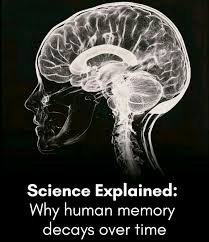
Memory represents one of the most complex and dynamic functions of the nervous system. Rather than serving as a simple storage system that preserves experiences exactly as they occurred, memory operates as an adaptive process that continuously reorganizes information across neural networks. Each experience leaves patterns of neural activity that may later be reactivated, modified, strengthened, or weakened depending on subsequent cognitive and emotional processes. The transformation of memories over time reflects the remarkable plasticity of the brain and reveals how neural systems balance stability with flexibility in order to support learning and adaptive behavior. When an event occurs, sensory systems immediately begin translating environmental signals into neural patterns. Visual inputs, auditory signals, tactile sensations, and internal bodily states are processed by specialized cortical regions that analyze specific features of the experience. These distributed representations form the initial stage of memory encoding. However, at this stage the neural traces remain fragile and susceptible to rapid decay unless further processes reinforce them. The hippocampal system plays a central role during the early stages of memory formation. This structure acts as a temporary coordinator that binds together diverse elements of an experience. Because sensory features are processed in different cortical areas, the hippocampus integrates these elements into a unified representation. Through this integrative function the brain constructs coherent episodic memories that preserve the context and sequence of events. Yet the hippocampus does not store memories permanently in isolation. Over time neural communication between the hippocampus and cortical networks gradually reorganizes memory representations. Through repeated reactivation events, cortical circuits begin to form their own connections that represent the learned information. As these cortical connections strengthen, the memory becomes less dependent on the hippocampus and more widely distributed across the brain. This process, often described as systems consolidation, unfolds over extended periods ranging from hours to years. Each time a memory is reactivated, the associated neural circuits may undergo subtle modifications. Some elements become reinforced, while others may fade or merge with related experiences. The transformation of memory therefore reflects ongoing neural adaptation rather than static storage. Sleep plays a particularly important role in this transformation. During sleep, the brain exhibits patterns of oscillatory activity that promote communication between the hippocampus and cortical regions. These oscillations coordinate the replay of neural activity patterns associated with recent experiences. Through repeated cycles of replay, the brain strengthens cortical connections that represent the memory, gradually stabilizing it within long-term networks. However, stabilization does not imply immutability. Memories remain susceptible to modification whenever they are recalled. Retrieval involves reactivating neural circuits that represent the stored experience, temporarily placing the memory into a labile state. During this period the neural representation can incorporate new information or undergo restructuring before it becomes stabilized again. This phenomenon explains why memories may evolve over time. As individuals reinterpret past events in light of new knowledge or emotional perspectives, the neural patterns representing those events may gradually shift. Such changes do not necessarily indicate inaccuracy but rather reflect the brain’s effort to integrate experiences into an evolving narrative of personal identity. Emotion strongly influences how memories transform across time. Experiences associated with intense emotional states often produce stronger initial encoding due to the release of neuromodulatory signals that enhance synaptic plasticity. These signals increase the likelihood that emotional experiences will be consolidated into long-term memory. At the same time emotional memories may undergo selective transformation. While central aspects of emotionally significant events often remain vivid, peripheral details may gradually fade. This pattern suggests that the brain prioritizes the elements most relevant to understanding the meaning or consequences of the experience. Attention during the original experience also affects long-term transformation of memory. When individuals focus strongly on particular aspects of an event, neural circuits encoding those elements become highly active. The resulting synaptic modifications create stronger memory traces that are more likely to persist across time. Conversely, unattended details may receive weaker encoding and therefore become more vulnerable to forgetting. Forgetting itself represents an essential component of memory dynamics. The nervous system encounters far more information than it can preserve indefinitely. Mechanisms of forgetting allow the brain to reduce interference among competing memories and maintain efficient storage capacity. Synaptic weakening and network reorganization gradually remove traces that no longer contribute to adaptive behavior. Yet forgetting does not always involve complete erasure. Some memory traces remain latent within neural circuits even when they are difficult to retrieve. Under certain conditions these traces may become reactivated, demonstrating that memory transformation often involves changes in accessibility rather than simple loss. Context also influences how memories evolve. The meaning attributed to an event can shift as individuals encounter new situations or acquire broader understanding. Neural networks responsible for integrating memory with knowledge and belief systems continuously reinterpret stored experiences. Through this integration, memories contribute to the construction of coherent mental models of the world. The transformation of memory also affects decision-making and future behavior. Past experiences provide reference points that guide expectations about potential outcomes. When memories adapt to reflect new insights, they alter the predictions that influence choices. In this way the flexible nature of memory supports learning across changing environments. Social interactions further contribute to memory transformation. Conversations about shared events often involve exchanging perspectives and interpretations. These interactions may introduce new details or emphasize particular aspects of the experience. As individuals recall the event within these social contexts, the neural representation of the memory may incorporate elements derived from collective interpretation. Cultural narratives and language also shape how memories are organized. The conceptual frameworks available within a culture influence the categories and meanings through which experiences are understood. When individuals encode or recall memories, these frameworks guide the interpretation of events and may subtly reshape how they are remembered. Developmental processes reveal additional dimensions of memory transformation. During childhood the neural circuits supporting episodic memory are still maturing. As cognitive systems develop, individuals gain new abilities to organize experiences into structured narratives. Early memories may therefore undergo reinterpretation as language, reasoning, and self-awareness expand.

Why Does Consciousness Suddenly Disappear
Consciousness represents one of the most intricate phenomena produced by the nervous system. It reflects the capacity of the brain to generate subjective awareness of internal states and external surroundings. Despite centuries of philosophical debate and decades of neuroscientific research, the mechanisms underlying consciousness remain among the most challenging questions in science. One particularly intriguing aspect of this phenomenon involves its fragility. Conscious awareness can disappear abruptly during sleep, anesthesia, neurological disturbances, or severe trauma, suggesting that consciousness depends on highly specific patterns of neural organization. Investigating why consciousness suddenly disappears offers insight into the delicate balance of neural processes required to sustain awareness. The brain contains billions of neurons that continuously exchange electrical and chemical signals. Yet not every pattern of neural activity produces conscious experience. Many neural operations occur automatically without entering awareness. The difference between unconscious processing and conscious perception appears to involve the large-scale coordination of neural networks distributed across the brain. Consciousness is thought to emerge when information becomes integrated across widespread neural systems. Sensory signals first pass through specialized processing regions where features such as color, motion, or sound frequency are analyzed. These local computations generate detailed representations of the environment, but they remain fragmented unless coordinated with broader neural networks. Conscious perception arises when these distributed representations become linked through dynamic communication across cortical regions. Large-scale neural synchronization appears to play a crucial role in this integration. When neurons across distant brain regions fire in coordinated rhythmic patterns, they form temporary communication pathways that allow information to flow efficiently between networks. These synchronized oscillations create functional assemblies that unify sensory inputs, memories, and cognitive evaluations into coherent experiences. When consciousness disappears, these integrative processes often break down. The neural signals responsible for linking different brain regions may lose their synchronization, preventing information from propagating through the networks required for awareness. As a result, sensory inputs may still be processed at local levels, yet they fail to reach the distributed systems that generate conscious experience. Sleep provides a natural illustration of this phenomenon. During wakefulness, cortical networks maintain complex patterns of connectivity that support continuous awareness of the environment. As sleep begins, however, neural communication patterns gradually shift. Certain oscillatory rhythms emerge that alter the connectivity among cortical regions. These rhythms promote states of reduced responsiveness to external stimuli. In deep stages of sleep, large populations of neurons alternate between periods of activity and silence. This pattern disrupts the sustained communication necessary for integrating information across the brain. Although individual neural circuits may remain active, the broader networks required for conscious awareness become temporarily disconnected. Consequently, external sensory signals rarely penetrate into conscious perception during these stages. General anesthesia demonstrates another pathway through which consciousness can disappear. Anesthetic substances alter the chemical environment of neural circuits by influencing neurotransmitter systems responsible for regulating excitation and inhibition. These changes modify the balance of activity within cortical networks and disrupt the communication pathways that normally support conscious integration. Studies of anesthetized brains reveal that long-range connectivity among cortical regions becomes significantly weakened. Signals generated in one area fail to propagate effectively to other regions, leading to fragmentation of neural communication. Without the coordinated exchange of information across networks, the brain loses its capacity to generate unified conscious experiences. Neurological disorders further illustrate how delicate the neural foundations of consciousness can be. Damage to specific brain structures may impair the communication pathways necessary for maintaining awareness. In certain conditions, individuals may enter states characterized by profound reductions in conscious responsiveness while retaining some degree of neural activity. Such conditions highlight the importance of particular neural hubs that coordinate information flow across the brain. These hubs function as central nodes within communication networks, linking sensory systems with cognitive and regulatory regions. When these hubs become compromised, the flow of information through the brain may fragment, leading to diminished or absent consciousness. Attention also interacts closely with the neural systems supporting awareness. Although attention and consciousness are not identical processes, they share overlapping neural circuits. Attention directs processing resources toward selected information, increasing the likelihood that these signals will become integrated across widespread networks. When attentional mechanisms are disrupted, information may fail to reach the neural threshold required for conscious perception. The sudden disappearance of consciousness therefore often reflects a breakdown in network integration rather than a simple loss of neural activity. Even when large portions of the brain remain active, consciousness may vanish if communication among regions becomes disorganized. This principle underscores the idea that consciousness depends more on patterns of connectivity than on the absolute level of neural firing. Temporal dynamics also play an essential role in maintaining awareness. Neural communication relies on precise timing relationships among oscillatory rhythms across different regions. These rhythms create windows during which neurons can exchange signals efficiently. When timing relationships become disrupted, communication among networks weakens, impairing the integration necessary for consciousness. Various physiological factors can influence these temporal dynamics. Changes in metabolic conditions, neurotransmitter concentrations, or electrical excitability may alter the stability of neural rhythms. When such changes become pronounced, the coordinated oscillations that support conscious integration may collapse, leading to abrupt transitions into unconscious states. The brain’s energy requirements further contribute to the fragility of consciousness. Maintaining widespread neural communication demands substantial metabolic resources. If energy supply becomes compromised, neural circuits may reduce their activity to preserve cellular stability. Under such conditions the brain may enter states characterized by diminished or absent awareness. This sensitivity to metabolic conditions explains why severe disruptions in oxygen or glucose supply can lead to rapid loss of consciousness. Neural cells rely on continuous energy delivery to maintain electrical gradients and neurotransmitter signaling. When these processes falter, the communication networks underlying consciousness quickly deteriorate. Recovery of consciousness often occurs when neural connectivity becomes reestablished. During awakening from sleep or anesthesia, communication pathways among cortical regions gradually regain their efficiency. Oscillatory rhythms shift toward patterns associated with wakefulness, allowing information to propagate across distributed networks once again. As integration increases, conscious awareness reemerges. This

How Does Attention Sculpt Neural Processing
Attention represents one of the most fundamental mechanisms through which the brain manages the overwhelming amount of information present in the environment. At every moment, sensory systems receive vast streams of visual, auditory, tactile, and internal signals. The nervous system cannot process all these signals with equal depth, and therefore it must select certain elements for enhanced analysis while filtering others into the background. Attention performs this selective function, shaping neural activity so that relevant information receives priority within cognitive processing. Understanding how attention sculpts neural processing reveals how the brain organizes perception, learning, and conscious awareness. The concept of attention involves more than simply focusing on a stimulus. It reflects a coordinated reconfiguration of neural networks that alters how information flows through the brain. When attention is directed toward a particular object, location, or task, neurons associated with that information increase their responsiveness. At the same time, competing signals may become suppressed. Through this process the brain creates a dynamic hierarchy of neural activity in which selected information dominates cognitive resources. Neural circuits responsible for attention extend across several cortical and subcortical regions. These circuits interact to regulate the allocation of processing resources according to internal goals and external demands. When individuals intentionally concentrate on a task, control signals originating from frontal brain regions influence sensory processing areas. These signals adjust the sensitivity of neurons so that relevant stimuli generate stronger neural responses. This modulation of sensory processing illustrates how attention reshapes perception at the earliest stages of neural analysis. Visual neurons, for example, respond more vigorously when attention is directed toward the location within their receptive fields. The same stimulus may therefore produce different neural responses depending on whether it is attended or ignored. In this way attention alters the representation of sensory information before it reaches higher cognitive systems. Selective amplification represents one of the core mechanisms through which attention operates. Neural circuits responsible for control signals increase the gain of particular sensory pathways, allowing signals related to the attended stimulus to stand out from background noise. This amplification does not necessarily involve creating new information; rather, it enhances the clarity and reliability of existing signals. At the same time attention can suppress irrelevant inputs. Competing stimuli often activate overlapping neural populations within sensory cortices. Without mechanisms for filtering, these competing signals would interfere with each other and degrade perceptual clarity. Attentional networks therefore inhibit activity related to distracting information, allowing the brain to concentrate computational resources on the most relevant features of the environment. This balance between amplification and suppression enables the nervous system to maintain efficient information processing. By dynamically adjusting which neural signals dominate cortical activity, attention organizes sensory inputs into coherent representations that support perception and action. Attention also influences temporal aspects of neural processing. Neural activity unfolds in rhythmic patterns known as oscillations, and attention can alter the synchronization of these oscillations across brain regions. When neural populations oscillate in coordinated patterns, communication between them becomes more effective. Attentional signals often enhance such synchronization, allowing distributed networks to exchange information with greater precision. Through these temporal adjustments, attention facilitates the integration of information across different sensory modalities. For instance, when individuals focus on a conversation in a noisy environment, attentional networks synchronize auditory processing regions with frontal control areas. This coordination enhances the brain’s ability to isolate relevant speech signals while suppressing background noise. Working memory provides another domain in which attention shapes neural processing. Working memory refers to the capacity to maintain information in an active state for short periods while performing cognitive operations. Attention plays a crucial role in sustaining these representations by continually refreshing the neural activity that encodes them. When attention shifts away from information held in working memory, the neural activity representing that information gradually fades. Conversely, directing attention back to the stored representation can strengthen its neural signal. Through this mechanism attention maintains the stability of cognitive representations that guide reasoning, problem solving, and decision making. Learning processes also depend strongly on attentional mechanisms. Experiences encountered without focused attention often leave weak or incomplete neural traces. In contrast, when attention is directed toward a learning task, neural circuits involved in processing the relevant information become highly active. This increased activity promotes synaptic modifications that encode the new knowledge within long-term memory networks. The interaction between attention and learning demonstrates how cognitive systems prioritize experiences according to their behavioral significance. By enhancing neural responses to attended stimuli, attention ensures that the most relevant events produce lasting modifications in neural circuitry. Motivation and emotional states further influence attentional processes. Stimuli associated with reward, danger, or personal significance often capture attention automatically. Neural circuits responsible for evaluating emotional value interact with attentional control systems, directing cognitive resources toward events that may have important consequences for survival or well-being. This interaction explains why emotionally charged stimuli frequently dominate perception and memory. When emotional signals activate attentional networks, the brain amplifies processing of the associated information, strengthening its representation within neural circuits. However, attentional systems must remain flexible to adapt to changing circumstances. If attention remained rigidly focused on a single stimulus, individuals would become unable to detect new information that might require immediate action. Neural circuits responsible for attention therefore include mechanisms that allow rapid shifting of focus. Such shifts involve reconfigurations of neural connectivity across multiple brain regions. Control signals disengage from the previously attended stimulus and redirect sensory processing resources toward a new target. This dynamic flexibility enables the brain to explore the environment while maintaining the capacity for concentrated analysis when necessary. Sustained attention represents another important aspect of cognitive functioning. Certain tasks require individuals to maintain focus over extended periods, such as monitoring instruments or performing complex analytical work. Neural networks supporting sustained attention maintain elevated levels of activity that stabilize the representation of task goals. Over time, however, maintaining such activity requires considerable metabolic resources. As fatigue develops, the efficiency of attentional networks may decline, leading to lapses in concentration. These lapses illustrate the
How Do Emotions Influence Neural Networks
Emotions represent one of the most powerful forces shaping the activity of the nervous system. Far from being merely subjective experiences, emotions involve coordinated physiological, cognitive, and neural processes that influence how the brain interprets information and responds to the environment. Through complex interactions among neural circuits, emotional states can alter perception, attention, memory, and decision-making. Understanding how emotions influence neural networks provides insight into the biological foundations of behavior and the mechanisms through which internal states shape cognitive functioning. The brain does not process emotional information within a single isolated structure. Instead, emotional experience emerges from interactions among distributed neural systems. These systems include cortical regions responsible for cognitive evaluation, subcortical structures involved in threat detection and reward processing, and brainstem pathways that regulate physiological responses. The coordinated activity of these regions generates emotional states that guide behavior and adaptive responses. Emotional processing often begins with rapid evaluation of sensory input. When individuals encounter stimuli in their environment, neural circuits responsible for detecting biologically significant events become activated. These circuits analyze incoming information to determine whether a stimulus represents potential reward, threat, or novelty. Such evaluations occur extremely quickly and often precede conscious awareness. Once emotional significance is detected, neural signals propagate across multiple brain regions. These signals alter patterns of neural activity within networks responsible for attention and perception. Stimuli associated with strong emotional value receive prioritized processing, meaning that the brain allocates greater computational resources to analyzing them. This prioritization ensures that emotionally relevant information influences behavior more effectively than neutral stimuli. Attention represents one of the primary mechanisms through which emotions shape neural activity. Emotional stimuli can capture attention automatically, directing cognitive resources toward events that may require immediate action. Neural networks controlling attentional focus interact closely with emotional processing circuits, allowing internal states to influence what individuals notice within their surroundings. This interaction between emotion and attention also influences memory formation. Experiences associated with strong emotional reactions often become deeply encoded in memory. Neural mechanisms responsible for this phenomenon involve enhanced communication between regions involved in emotional evaluation and those responsible for memory consolidation. When emotional arousal occurs, chemical signals released in the brain strengthen synaptic modifications within circuits encoding the experience. As a result, emotionally significant events tend to produce memories that are vivid and long lasting. Such memories may serve adaptive purposes by helping individuals remember situations that involve danger, reward, or important social interactions. Through this mechanism the brain learns from emotionally meaningful experiences and adjusts future behavior accordingly. Emotions also influence the interpretation of ambiguous information. Neural circuits responsible for cognitive evaluation often integrate emotional signals when forming judgments about uncertain situations. For instance, when individuals experience anxiety, networks involved in threat detection may become more sensitive to potential dangers. This heightened sensitivity can bias interpretation toward perceiving neutral events as threatening. Conversely, positive emotional states can broaden cognitive processing. When individuals experience feelings associated with reward or satisfaction, neural systems involved in exploration and creativity may become more active. This activation encourages flexible thinking and the consideration of alternative solutions to problems. Emotional states therefore shape not only what individuals perceive but also how they interpret and respond to complex situations. Communication among neural networks plays a crucial role in regulating emotional responses. While some brain regions rapidly generate emotional reactions, other areas contribute to evaluating and modulating these responses. Cortical circuits involved in reasoning and planning can influence emotional processing by adjusting patterns of neural activity within subcortical structures. Through these regulatory interactions, individuals gain the ability to reinterpret emotional experiences and adapt their behavior to social or environmental demands. Effective emotional regulation depends on balanced communication between neural systems responsible for generating emotions and those responsible for controlling them. When this balance functions properly, individuals can respond to emotional stimuli in ways that remain flexible and contextually appropriate. Stress illustrates how emotional states can reshape neural network dynamics. During stressful situations, physiological systems release hormones that influence neural excitability and synaptic communication. In moderate amounts, these chemical signals may enhance alertness and improve the brain’s ability to respond rapidly to challenges. However, prolonged stress can produce more profound changes in neural networks. Sustained exposure to stress hormones may alter the structure of synaptic connections and modify communication among brain regions involved in emotion and cognition. Over time these alterations can affect mood regulation, memory performance, and the capacity for adaptive decision-making. Emotional learning represents another important dimension of neural adaptation. Through repeated experiences, the brain forms associations between environmental cues and emotional outcomes. When individuals encounter stimuli previously linked with reward or danger, neural circuits rapidly activate emotional responses that guide behavior. These learned associations enable the nervous system to anticipate potential outcomes and prepare appropriate reactions. Yet they also demonstrate how emotional networks can sometimes produce maladaptive responses when past experiences continue to influence perception even after circumstances have changed. In such cases the brain may respond strongly to cues that no longer represent genuine threats or rewards. Social interactions further illustrate the influence of emotions on neural networks. Humans possess specialized neural systems that process signals from other individuals, including facial expressions, vocal tones, and body language. Emotional cues conveyed through these signals trigger patterns of neural activity that facilitate empathy and social understanding. Through continuous interaction with others, emotional networks become tuned to interpret subtle variations in social signals. This tuning allows individuals to navigate complex social environments by recognizing intentions, predicting behavior, and adjusting responses accordingly. The neural foundations of social cognition therefore depend heavily on emotional processing mechanisms. Developmental processes highlight the dynamic nature of emotional networks. During childhood and adolescence, neural circuits responsible for emotion and cognition undergo significant structural and functional changes. Experiences during these periods shape the sensitivity of emotional systems and influence patterns of neural communication that persist into adulthood. Early interactions with caregivers, for example, can affect how neural networks respond to stress and social stimuli. Supportive environments often promote balanced emotional regulation by strengthening connections between

How Do Sleep Rhythms Shape Cognition
Sleep represents one of the most fundamental yet complex biological processes influencing the human nervous system. Although sleep appears outwardly as a passive state characterized by reduced awareness of the external environment, neuroscientific research has revealed that the sleeping brain remains highly active. Distinct patterns of neural oscillations emerge during different sleep stages, and these rhythms play crucial roles in regulating cognition, emotional stability, and neural maintenance. Understanding how sleep rhythms shape cognition provides insight into the intricate relationship between brain activity during rest and mental performance during wakefulness. Sleep is not a uniform state. Instead, it unfolds through a cyclical progression of stages that repeat throughout the night. These stages include lighter phases of sleep, deeper slow-wave sleep, and rapid eye movement sleep. Each stage displays characteristic patterns of neural activity observable through electroencephalographic recordings. The shifting architecture of these stages reflects coordinated changes across widespread neural networks. One of the most striking features of sleep involves rhythmic oscillations in brain activity. During slow-wave sleep, large groups of neurons fire in synchronized patterns that produce slow electrical waves across the cortex. These slow oscillations reflect alternating periods of neural excitation and silence. The synchronized nature of these rhythms allows communication across distant brain regions to occur in highly organized temporal windows. Such coordination appears to play an essential role in cognitive processes related to memory consolidation. Experiences encountered during wakefulness initially form fragile neural representations. During sleep, particularly during slow-wave phases, the brain reactivates patterns of neural activity associated with these experiences. This reactivation strengthens the synaptic connections that encode memories, gradually stabilizing them within long-term neural networks. The hippocampus contributes significantly to this process. During waking life, this structure temporarily stores representations of recent experiences. When sleep begins, the hippocampus repeatedly replays neural activity patterns corresponding to events encountered earlier in the day. These replay events occur in brief bursts synchronized with cortical oscillations, allowing information to transfer gradually from temporary storage to distributed cortical networks. Through repeated cycles of replay and cortical synchronization, memory traces become integrated into broader neural systems. Over time the reliance on hippocampal storage diminishes, and memories become more permanently embedded within cortical circuits responsible for long-term representation. Sleep rhythms therefore function as a mechanism for reorganizing neural information across different brain regions. Different types of memory appear to rely on distinct sleep stages. Declarative memories, which include factual knowledge and episodic experiences, benefit strongly from slow-wave sleep. In contrast, procedural memories related to motor skills and perceptual learning often show enhancement after periods of rapid eye movement sleep. The alternating structure of sleep cycles allows these forms of memory processing to occur sequentially during the night. Rapid eye movement sleep presents a unique neural environment characterized by desynchronized cortical activity resembling wakefulness. Despite this similarity, sensory input from the external environment remains largely suppressed, allowing the brain to generate internally driven patterns of activity. These internally generated patterns are thought to contribute to the integration of emotional experiences and complex associative learning. During this stage, neural circuits involved in emotional processing become particularly active. Structures associated with affective evaluation interact with cortical regions responsible for memory and cognition. This interaction may help the brain reorganize emotional experiences by integrating them into broader networks of meaning and personal significance. Sleep rhythms also influence attention and executive functioning during waking life. When sleep becomes fragmented or insufficient, the neural systems supporting sustained attention often show reduced efficiency. Oscillatory patterns that normally coordinate communication among frontal and parietal networks become disrupted, impairing the brain’s capacity to maintain focused cognitive control. These effects illustrate how cognitive performance during wakefulness depends heavily on neural events occurring during sleep. The brain requires periods of rhythmic synchronization to recalibrate communication among large-scale networks. Without these periods of recalibration, neural circuits may accumulate noise and inefficiency that degrade mental functioning. Another critical function of sleep involves the regulation of synaptic strength across neural networks. Throughout waking hours, learning and sensory processing continuously strengthen numerous synaptic connections. If this strengthening continued indefinitely, neural circuits would eventually become saturated, leading to excessive energy consumption and reduced signal clarity. Sleep appears to provide an opportunity for global synaptic recalibration. During slow-wave phases, widespread reductions in synaptic strength may occur across the cortex. This process selectively preserves the most important connections while weakening those representing less significant information. The result is a more efficient neural network capable of storing new information during the following day. Energy metabolism within the brain also changes dramatically during sleep. Neural activity requires substantial metabolic resources, and prolonged wakefulness places increasing demands on cellular energy systems. Sleep allows metabolic processes to restore balance by reducing energy consumption and promoting cellular repair mechanisms. Within neurons, molecular processes responsible for protein synthesis and structural maintenance become particularly active during sleep. These processes support the stability of synaptic connections that were strengthened during waking experiences. In this sense sleep provides a biological environment in which neural structures can be repaired and reinforced. The regulation of sleep rhythms involves complex interactions among multiple brain regions. Specialized clusters of neurons within the brainstem and hypothalamus generate signals that coordinate transitions between sleep stages and wakefulness. These regions interact with thalamic circuits that regulate the flow of sensory information to the cortex. The thalamus plays an especially important role in shaping the rhythmic patterns characteristic of different sleep stages. By altering its patterns of connectivity with cortical neurons, the thalamus helps generate synchronized oscillations that define slow-wave sleep. These oscillations create temporal windows in which cortical neurons fire together, enabling large-scale coordination across the brain. Circadian rhythms further modulate the timing and quality of sleep. Internal biological clocks regulate daily fluctuations in physiological variables such as hormone secretion, body temperature, and neural excitability. These rhythms synchronize the sleep-wake cycle with environmental light and darkness, ensuring that restorative sleep occurs at optimal times. Disruptions in circadian regulation can profoundly affect cognitive functioning. When individuals experience irregular sleep schedules or exposure to artificial light during nighttime
How Does Neural Plasticity Reshape Brain Networks
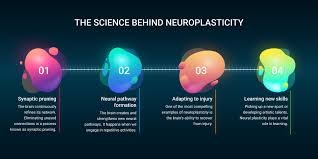
The nervous system possesses a remarkable capacity to change its own structure and function in response to experience. This ability, commonly described as neural plasticity, allows the brain to adapt continuously to new environments, acquire knowledge, refine skills, and recover partially from injury. Rather than functioning as a rigid biological machine, the brain behaves more like a dynamic system whose internal organization evolves through ongoing interaction with sensory input, behavior, and internal physiological processes. Understanding how neural plasticity reshapes brain networks provides insight into the mechanisms underlying learning, development, and long-term cognitive adaptation. Neural plasticity operates across multiple levels of organization. At the smallest scale, it involves biochemical changes occurring within individual synapses. At larger scales, it includes structural modifications in dendritic branches, reorganization of neural circuits, and alterations in communication among large cortical networks. These processes interact over time, gradually transforming patterns of neural activity that ultimately influence perception, memory, and behavior. Synapses represent the fundamental sites at which neural plasticity occurs. Each synapse forms a junction between two neurons where electrical signals from one cell influence the activity of another. The efficiency of signal transmission across this junction is not fixed. Instead, it depends on molecular mechanisms that regulate neurotransmitter release, receptor sensitivity, and the structural arrangement of the synaptic membrane. When neurons repeatedly activate together, chemical signaling cascades are triggered within the synapse. These cascades can strengthen the connection by increasing the number or responsiveness of receptors embedded in the postsynaptic membrane. As a result, future signals transmitted across the same synapse produce larger electrical responses. Through repeated activation, entire pathways within neural circuits can become progressively more efficient at transmitting information. This strengthening of synaptic communication forms one basis for learning. When an individual repeatedly practices a skill or encounters similar experiences, the neural circuits involved in processing those events undergo plastic modifications. These modifications allow the circuits to respond more rapidly and accurately when similar situations arise again. Plasticity does not involve only strengthening connections. In many circumstances synapses may weaken when patterns of neural activity decline. This process prevents neural networks from becoming saturated with excessive connections and allows the brain to refine its internal organization by removing pathways that are no longer useful. The balance between strengthening and weakening synapses ensures that neural circuits remain flexible while maintaining stability. Structural plasticity provides another important dimension of neural adaptation. Neurons extend numerous dendritic branches that form synaptic contacts with neighboring cells. These dendrites are not static structures. Over time they can grow new branches, retract existing ones, and alter the number of small protrusions known as dendritic spines where synapses occur. The formation of new dendritic spines increases the number of potential synaptic connections available to a neuron. When experiences repeatedly activate particular circuits, the growth of additional spines may stabilize those circuits by providing more sites for synaptic communication. Conversely, when neural pathways remain inactive, dendritic spines associated with those pathways may gradually disappear. These structural changes reshape the architecture of neural networks. Because each neuron participates in thousands of synaptic relationships, small modifications in dendritic structure can influence the flow of information across large portions of the brain. Over time, patterns of experience sculpt the physical layout of neural circuits. During early development neural plasticity operates with exceptional intensity. The young brain forms far more synaptic connections than it ultimately retains. This initial overproduction provides enormous potential for learning but requires later refinement. As development progresses, experiences guide the selective stabilization of useful connections while less active pathways are eliminated through synaptic pruning. This pruning process enhances the efficiency of neural networks by reducing redundancy and strengthening circuits that correspond to frequently encountered patterns of sensory input. For example, exposure to visual environments during early childhood shapes the organization of circuits responsible for processing visual features such as orientation, depth, and motion. Although plasticity is particularly strong during early life, it continues throughout adulthood. Adults retain the ability to acquire new skills, adapt to novel environments, and reorganize neural circuits after injury. However, the mechanisms supporting plasticity become more regulated with age, preventing excessive instability in mature neural networks. One important factor influencing adult plasticity involves neuromodulatory systems that regulate the overall excitability of neural circuits. Neurotransmitters released by specialized brainstem and basal forebrain structures can alter the conditions under which synaptic modifications occur. These chemical signals often reflect motivational or attentional states, meaning that learning becomes more likely when experiences are behaviorally significant. Attention plays a particularly important role in shaping plasticity. When individuals focus on specific stimuli or tasks, neural activity associated with those stimuli becomes amplified relative to competing signals. This selective amplification increases the probability that synaptic changes will occur within the relevant circuits. In this way attention acts as a gate that determines which experiences produce lasting modifications in neural networks. Repetition also influences the stability of plastic changes. When neural circuits are activated repeatedly over time, the molecular signals responsible for synaptic strengthening become more persistent. Eventually these signals trigger gene expression within neurons, leading to the production of proteins that support long-term structural modifications. Gene expression represents a critical step in transforming temporary synaptic adjustments into durable changes within neural networks. Newly synthesized proteins can alter the cytoskeleton of dendritic spines, stabilize receptor complexes, and promote the formation of additional synaptic contacts. Through these molecular processes, fleeting patterns of neural activity become embedded within the physical architecture of the brain. Large-scale plasticity occurs when changes within individual synapses accumulate across entire networks. Cortical regions responsible for sensory processing provide clear examples of such network reorganization. When sensory input changes dramatically, the brain may reorganize the spatial maps representing that sensory information. For instance, if sensory input from a particular body region decreases, neighboring regions within the sensory cortex may expand their representation into the unused area. This expansion occurs because neurons previously responding to the lost input begin responding to signals from adjacent sensory pathways. Over time the cortical map reorganizes itself to reflect
How Do Neural Systems Regulate Emotional Experience and Behavioral Control?
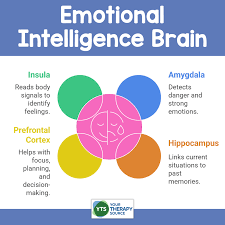
Emotion represents one of the most influential forces shaping human cognition and behavior. Every decision, perception, and memory carries some degree of emotional significance, even when individuals believe they are thinking purely rationally. Emotional responses influence attention, guide motivation, reinforce learning, and shape social interactions. From a neurological perspective, emotions arise not from a single brain structure but from coordinated activity among several interconnected neural systems that evaluate internal and external stimuli and translate these evaluations into physiological and behavioral responses. The brain continuously monitors both environmental conditions and internal bodily states. Sensory information from the external world enters the nervous system through visual, auditory, tactile, and chemical pathways. At the same time, signals from the body’s organs, muscles, and circulatory system travel through interoceptive pathways that inform the brain about the body’s internal condition. Emotional experience emerges partly from the integration of these streams of information. Certain neural structures play particularly important roles in evaluating the emotional relevance of incoming stimuli. These structures interact with cortical systems responsible for perception and cognition, allowing emotional signals to influence how events are interpreted and remembered. When a stimulus appears significant for survival, social interaction, or personal goals, emotional circuits become activated and modify the processing of information across the brain. One crucial function of emotional systems involves detecting potential threats or opportunities within the environment. Organisms must respond rapidly to situations that may affect survival. Neural mechanisms responsible for emotional evaluation can therefore operate with remarkable speed, sometimes before conscious awareness fully interprets the stimulus. This rapid evaluation occurs through pathways that transmit sensory information to subcortical structures capable of generating immediate responses. Such pathways allow the nervous system to initiate defensive or approach behaviors even before detailed analysis of the stimulus takes place in cortical regions. Although these early responses may later be modified by higher cognitive processes, their existence highlights the adaptive importance of emotional evaluation. Emotional signals do not remain confined to subcortical circuits. Instead, they influence activity across widespread cortical networks. These influences shape attention by directing perceptual systems toward stimuli that carry emotional significance. For example, threatening or rewarding stimuli often capture attention more quickly than neutral stimuli. This prioritization increases the likelihood that the organism will respond appropriately to important events. The interaction between emotional systems and attention reflects the brain’s need to allocate limited cognitive resources efficiently. The environment contains far more information than the brain can process simultaneously. Emotional evaluation helps determine which stimuli deserve priority within the limited capacity of conscious processing. Emotion also plays a central role in learning. Experiences associated with strong emotional reactions tend to be remembered more vividly than neutral events. This phenomenon arises because emotional signals influence the neural mechanisms responsible for memory formation. When emotionally significant events occur, neurochemical changes enhance synaptic plasticity within memory-related circuits. These neurochemical influences involve neuromodulatory systems that release signaling molecules affecting neuronal excitability and synaptic strength. Through these mechanisms, emotionally important experiences leave stronger traces within neural networks. The resulting memories help organisms recognize similar situations in the future and adjust behavior accordingly. In addition to influencing memory formation, emotional systems interact with cognitive processes involved in decision making. When evaluating possible actions, the brain considers not only logical outcomes but also anticipated emotional consequences. Neural circuits integrate information about rewards, risks, and social implications, allowing individuals to weigh alternatives before selecting a course of action. The interaction between emotion and decision making becomes particularly evident in situations involving uncertainty. When outcomes cannot be predicted with complete accuracy, emotional responses provide signals that guide behavior toward beneficial options and away from potential harm. These signals often manifest as intuitive feelings or gut reactions that influence choices even before deliberate reasoning occurs. Behavioral regulation requires balancing emotional impulses with cognitive control. Emotional responses may motivate rapid action, but complex environments often require thoughtful planning rather than immediate reaction. Neural systems supporting cognitive control therefore interact with emotional circuits to regulate behavior according to long-term goals. Cognitive control involves neural networks that monitor ongoing activity and adjust behavior when necessary. These networks evaluate conflicts between competing impulses, inhibit inappropriate responses, and maintain focus on relevant objectives. By modulating emotional signals, cognitive control mechanisms allow individuals to respond flexibly rather than react impulsively. The coordination between emotional and cognitive systems depends on communication across distributed neural networks. Information about emotional significance must reach cognitive centers responsible for planning and reasoning, while cognitive systems must be able to influence emotional responses when circumstances require restraint or reevaluation. This bidirectional interaction allows emotional experiences to be shaped by context and interpretation. For example, a sudden loud noise may initially trigger a fear response, but if the brain quickly identifies the source as harmless, cognitive evaluation can reduce the emotional reaction. Conversely, cognitive interpretations can amplify emotional responses when events are perceived as threatening or meaningful. Physiological changes accompany emotional states as well. When emotional circuits activate, they often influence autonomic processes regulating heart rate, breathing, hormone release, and muscle tension. These physiological adjustments prepare the body for appropriate action, such as escaping danger or approaching rewarding stimuli. The relationship between bodily responses and emotional experience has long been a topic of scientific investigation. Some theories propose that emotional feelings arise partly from the brain’s interpretation of physiological changes occurring in the body. According to this view, signals from internal organs contribute to the subjective experience of emotion. Interoceptive pathways carry information about bodily states to regions of the brain involved in integrating physiological signals with cognitive and emotional processes. Through these pathways, changes in heart rate, respiration, and hormonal activity become part of the neural representation underlying emotional experience. Emotions also contribute to social communication. Facial expressions, vocal tone, and body language convey emotional information that helps individuals interpret the intentions and feelings of others. Neural systems involved in recognizing such signals allow humans to navigate complex social environments and form cooperative relationships. Understanding emotional expressions requires the brain to analyze subtle patterns of
How Does the Brain Encode and Stabilize Long-Term Memory?
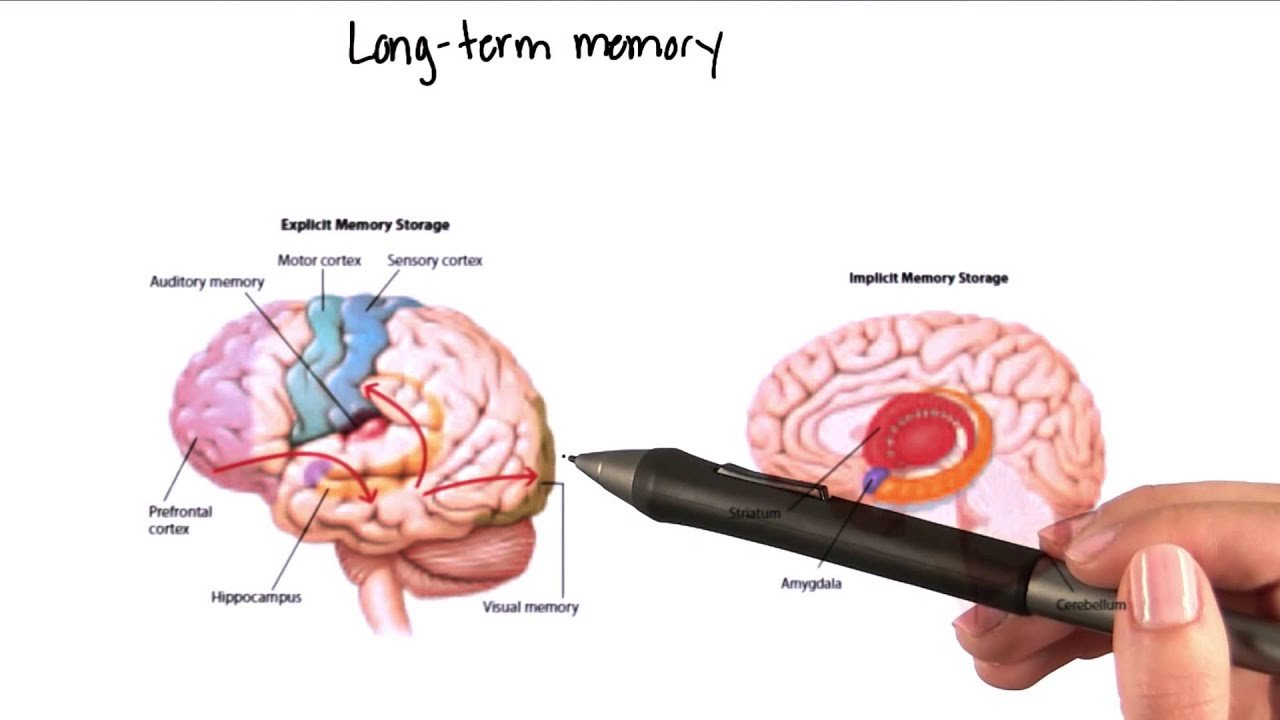
Memory is one of the most fundamental capacities of the nervous system, allowing organisms to preserve information about past experiences and use that information to guide future behavior. Without memory, perception would remain isolated within each moment, learning would be impossible, and personal identity would lose its continuity across time. Yet despite the apparent simplicity of remembering, the neural mechanisms responsible for forming and stabilizing memories involve an extraordinarily complex set of processes that operate across multiple spatial and temporal scales within the brain. At its most basic level, memory arises from changes in the strength and organization of connections among neurons. These connections, known as synapses, allow neurons to communicate with one another through chemical signals. When patterns of neural activity occur repeatedly or with sufficient intensity, the synaptic connections involved in transmitting those signals can undergo structural and functional modifications. These modifications alter how easily neurons influence one another in the future, creating the biological foundation for memory storage. The concept that synaptic changes support memory formation emerged from early theories of neural plasticity. According to these theories, experiences leave traces within neural circuits by modifying the connections among participating neurons. When the same circuits are activated again, the altered synaptic strengths allow patterns of activity to be reproduced more efficiently. Over time, such modifications enable the nervous system to retain information about past events. One of the most extensively studied mechanisms underlying synaptic plasticity is long-term potentiation. This process occurs when repeated stimulation of a synapse leads to a persistent increase in the efficiency of signal transmission between two neurons. Long-term potentiation reflects both biochemical and structural changes within the synapse. When neurons fire together in coordinated patterns, molecular signaling pathways become activated within the postsynaptic cell. These pathways can increase the number of neurotransmitter receptors in the synaptic membrane and strengthen the responsiveness of the synapse to future signals. Long-term potentiation is particularly prominent within the hippocampus, a structure located deep within the temporal lobe of the brain. The hippocampus plays a central role in forming new episodic memories, which are memories of specific events occurring at particular places and times. When individuals encounter novel experiences, neural circuits within the hippocampus help encode relationships among sensory inputs, emotional context, and spatial information. The hippocampus acts as a coordinator that temporarily binds together distributed patterns of activity across the cerebral cortex. Sensory information processed in visual, auditory, and somatosensory regions converges within hippocampal circuits. Through rapid synaptic plasticity, the hippocampus establishes associations linking these different elements of an experience. These associations enable the brain to later reconstruct the memory by reactivating the same distributed cortical networks. However, the hippocampus does not serve as the permanent storage location for most long-term memories. Instead, it functions as an indexing system that organizes and stabilizes connections among cortical regions. Over time, repeated reactivation of these networks allows cortical circuits to gradually strengthen their own connections. As this process continues, memories become less dependent on the hippocampus and more fully embedded within distributed cortical structures. This gradual redistribution of memory traces is known as systems consolidation. Systems consolidation unfolds over extended periods, sometimes lasting days, weeks, or even years. During this process, neural communication between the hippocampus and the neocortex gradually reorganizes the architecture of memory representations. Eventually, cortical networks become capable of sustaining memory retrieval independently of the hippocampus. Sleep plays an important role in facilitating this consolidation process. During certain phases of sleep, particularly slow-wave sleep, patterns of neural activity associated with recent experiences are spontaneously replayed within hippocampal circuits. These replay events occur in brief bursts of synchronized neural firing known as sharp-wave ripples. At the same time, cortical networks exhibit oscillatory patterns that appear to coordinate with hippocampal activity. The interaction between hippocampal replay and cortical oscillations may allow recently encoded experiences to be repeatedly reactivated and gradually integrated into cortical networks. Through repeated cycles of reactivation, synaptic connections among cortical neurons strengthen according to principles of activity-dependent plasticity. In this way, sleep provides an opportunity for the brain to reorganize memory traces without interference from ongoing sensory input. Beyond episodic memory, the brain supports several additional forms of memory that rely on different neural systems. Procedural memory, for example, allows individuals to learn skills and habits through repeated practice. Activities such as riding a bicycle, playing a musical instrument, or typing on a keyboard involve complex patterns of motor coordination that gradually become automatic over time. Procedural learning involves neural circuits that include the basal ganglia, cerebellum, and motor cortex. These structures contribute to refining motor commands and optimizing sequences of movement. Unlike episodic memories, procedural memories often develop gradually through repetition rather than through a single encoding event. Once established, they can persist for extremely long periods, sometimes even when other forms of memory are impaired. Another form of memory known as emotional memory involves neural systems responsible for evaluating the emotional significance of events. Structures within the limbic system influence how strongly experiences are encoded according to their emotional impact. Events associated with fear, reward, or social relevance often produce particularly strong and lasting memory traces. Emotional modulation of memory occurs partly through the influence of the amygdala on other memory-related structures. When emotionally significant stimuli are encountered, the amygdala activates signaling pathways that enhance synaptic plasticity in hippocampal and cortical circuits. Neurochemical systems involving stress hormones and neuromodulators further amplify these effects. As a result, emotionally charged experiences tend to be remembered with unusual vividness. Nevertheless, vividness does not guarantee accuracy. The reconstructive nature of memory means that recollections can change over time. Each act of remembering involves reactivating distributed neural patterns and integrating them with current cognitive and emotional states. During this process, new information can sometimes become incorporated into the memory trace, subtly altering its content. This phenomenon is described as reconsolidation. When a memory is retrieved, the neural networks representing that memory temporarily become unstable and susceptible to modification. If new information is introduced during this period, it may
How Do Neural Systems Construct the Sense of Self Within the Brain?
The experience of having a self appears so immediate and natural that it often escapes detailed examination. Each moment of consciousness seems accompanied by the implicit awareness that perceptions, thoughts, and emotions belong to a particular subject. This sense of ownership gives continuity to experience and allows individuals to interpret events as occurring within the context of a personal existence. Yet neuroscience increasingly suggests that the self is not a fixed structure located in a single region of the brain. Rather, it emerges from complex interactions among multiple neural systems that collectively generate the impression of a unified personal identity. Neural activity underlying perception, memory, emotion, and decision making unfolds continuously across distributed networks. At any moment the brain processes signals from the external environment, internal bodily states, and stored representations of past experiences. The sense of self may arise from the way these streams of information are integrated and interpreted. Instead of existing as a separate entity controlling the brain, the self appears closely linked to patterns of neural coordination that organize experience around a reference point. One dimension of this process involves bodily awareness. Signals originating from sensory receptors in muscles, joints, and internal organs constantly inform the brain about the state of the body. These interoceptive and proprioceptive signals travel through ascending pathways toward cortical and subcortical regions responsible for integrating bodily information. The brain therefore maintains a continuous internal representation of bodily position, physiological condition, and movement. This representation contributes to the feeling that perceptions occur from a specific physical perspective. Visual scenes appear oriented around the position of the eyes, sounds are localized relative to the head, and tactile sensations correspond to particular regions of the skin. Such spatial organization helps create the impression that experiences belong to an embodied subject occupying a defined location in space. The integration of bodily signals occurs through networks that combine information from multiple sensory modalities. Within these networks, neurons respond not only to visual or tactile stimuli but also to the relationship between these stimuli and the body. For example, some neurons respond strongly when visual events occur near a particular body part, suggesting that the brain maintains maps linking external space to bodily structure. These maps support coordinated interaction with the environment. When reaching toward an object, the brain must transform visual information about the object’s position into motor commands guiding the movement of the arm. Such transformations require the nervous system to represent both the external world and the body’s configuration simultaneously. Beyond basic bodily awareness, higher cognitive processes contribute additional layers to the construction of the self. Memories play an essential role in linking present experiences with past events. Autobiographical memory allows individuals to recall personal episodes and integrate them into narratives describing their lives. Through this narrative structure, experiences become interpreted as belonging to the same enduring person across time. Neural systems supporting autobiographical memory involve interactions between hippocampal structures and cortical networks associated with conceptual knowledge. When recalling personal events, the brain reconstructs sensory details, emotional responses, and contextual information from distributed memory traces. These elements are assembled into coherent episodes that contribute to the continuity of identity. However, the sense of self does not depend solely on explicit recollection of past experiences. Much of identity arises from implicit patterns learned over time. Preferences, habits, skills, and emotional tendencies influence behavior without necessarily entering conscious reflection. These patterns emerge from long-term modifications within neural circuits shaped by experience. Decision-making systems also participate in shaping the self. Choices reflect the evaluation of potential outcomes in relation to goals and values. Neural networks within frontal and limbic regions contribute to weighing alternatives, predicting consequences, and selecting actions. Through repeated cycles of evaluation and behavior, these systems help define patterns that individuals recognize as characteristic of themselves. Another component of self-related processing involves monitoring one’s own mental activity. Humans possess the ability to reflect upon their thoughts, beliefs, and intentions. This capacity for meta-cognition allows individuals to examine internal processes as objects of awareness. Neural circuits supporting such reflective processing appear to involve interactions among several cortical regions that contribute to internal evaluation and perspective-taking. These networks become particularly active during moments of introspection, when attention shifts away from external tasks toward internal states. During such moments, individuals may evaluate personal goals, interpret emotional reactions, or consider how they appear from the viewpoint of others. The integration of these reflections contributes to the complexity of self-awareness. Social cognition further enriches the construction of personal identity. Humans exist within networks of relationships, and the perception of oneself often includes awareness of how others perceive and respond to one’s actions. Neural systems involved in understanding intentions, emotions, and perspectives of others contribute to interpreting social interactions. Through repeated social experiences, individuals develop expectations about how they are regarded within their communities. These expectations become incorporated into self-representation. For example, feedback from caregivers during childhood may influence beliefs about competence, trustworthiness, or belonging. Such beliefs influence behavior and emotional responses throughout later life. The dynamic nature of these processes suggests that the self is not static. Neural plasticity allows representations of identity to change as individuals encounter new experiences. Learning new skills, forming relationships, or reevaluating personal beliefs can alter neural networks underlying self-related processing. Identity therefore evolves as neural systems reorganize in response to ongoing experience. Emotional systems also contribute significantly to the feeling of selfhood. Emotions provide signals about the significance of events relative to personal goals and well-being. When emotional responses occur, they often involve coordinated changes in physiological state, neural activity, and subjective feeling. These responses help individuals interpret situations in relation to their own interests and values. For example, feelings of pride may arise when actions align with internal standards or social expectations. Feelings of guilt may occur when behavior conflicts with moral principles or harms others. Through such emotional feedback, neural systems evaluate experiences in ways that reinforce or modify aspects of identity. The continuity of self across time depends partly on
How Does Consciousness Emerge from Neural Complexity?
Consciousness remains one of the most challenging phenomena investigated within neuroscience. Despite remarkable progress in understanding the structure and function of the nervous system, the emergence of subjective awareness from neural processes continues to resist simple explanation. Electrical activity, synaptic signaling, and large-scale network dynamics can be measured with increasing precision, yet the transition from biological mechanisms to lived experience remains conceptually difficult. The central problem is not merely identifying which brain regions are active during conscious states but understanding how coordinated neural activity gives rise to the internal sense of being aware. Neural tissue operates through electrochemical signaling among billions of neurons. Each neuron communicates with others through synapses, forming networks capable of producing highly complex patterns of activity. At a microscopic level, the behavior of individual neurons follows well-described physiological principles. Ion channels regulate electrical potentials across membranes, neurotransmitters influence synaptic transmission, and intracellular signaling pathways modify synaptic strength. However, consciousness does not appear to arise from the behavior of single neurons. Instead, it seems to depend on the interactions of vast populations of neurons organized into distributed circuits. One approach to understanding this phenomenon examines large-scale neural integration. The brain contains numerous specialized regions responsible for processing different forms of information, including sensory input, motor control, emotional evaluation, and abstract cognition. These systems operate simultaneously, each generating patterns of activity related to specific aspects of experience. Consciousness may emerge when these distributed processes become integrated into a unified pattern that allows information to be shared across multiple neural systems. This integration requires communication across distant cortical and subcortical regions. Neural pathways linking frontal, parietal, temporal, and limbic structures create networks capable of coordinating information over large distances. When activity within these networks becomes synchronized, information processed in one region can influence processing in another. Such coordination allows sensory perception, memory retrieval, emotional responses, and decision-making to interact within a single coherent experience. Temporal dynamics play an important role in this coordination. Neural oscillations occur at multiple frequencies throughout the brain, reflecting rhythmic fluctuations in neuronal excitability. These oscillations may help organize communication between regions by providing temporal windows during which neural signals are more likely to influence downstream circuits. When oscillations across different regions align in phase, the efficiency of information transfer can increase significantly. Certain frequency bands appear particularly relevant to conscious processing. Gamma oscillations, which occur at relatively high frequencies, are often observed when neural populations coordinate activity related to perceptual binding and attention. Slower oscillations such as theta rhythms may facilitate communication between cortical and hippocampal structures during memory-related processing. The interaction between these oscillatory patterns may contribute to the dynamic coordination necessary for conscious awareness. Another perspective emphasizes the role of thalamocortical loops. The thalamus acts as a central relay structure that connects many cortical regions with one another. Rather than serving merely as a passive conduit for sensory signals, the thalamus participates actively in regulating cortical activity. Reciprocal connections between thalamic nuclei and cortical layers form loops capable of sustaining reverberating patterns of neural activity. These loops may help maintain stable representations of sensory information long enough for higher-order processing to occur. When sensory signals reach the cortex, thalamocortical circuits can amplify or suppress specific patterns depending on attentional demands and behavioral context. Through this modulation, certain stimuli become prominent within conscious awareness while others remain below the threshold of perception. The distinction between conscious and unconscious processing further highlights the complexity of neural mechanisms underlying awareness. The brain constantly processes vast amounts of information that never reach conscious perception. Visual systems detect features across the visual field, auditory systems analyze sound patterns, and somatosensory networks monitor bodily states. Much of this processing occurs automatically and influences behavior without generating explicit awareness. For information to become conscious, it must appear to undergo a form of global availability. Neural activity representing that information becomes accessible to multiple cognitive systems simultaneously. Attention, working memory, language networks, and decision-making circuits can all interact with the representation once it enters this globally available state. Some theoretical models describe this process as the broadcasting of information across a widespread neural workspace. Within such a workspace, information initially processed in localized sensory areas gains access to distributed cortical networks. This transition may correspond to a sudden amplification of neural activity and synchronization across regions. Electrophysiological studies sometimes reveal late bursts of widespread activity associated with conscious perception, suggesting that global coordination emerges after initial sensory processing has already occurred. The role of attention is closely linked to this process. Attention does not merely enhance sensory signals but also shapes which information becomes integrated into conscious experience. By biasing neural competition among stimuli, attentional mechanisms influence which representations gain access to large-scale networks. This selection process helps prevent consciousness from becoming overwhelmed by the enormous volume of sensory input constantly arriving at the brain. Memory systems also contribute to conscious experience by providing context and continuity. The hippocampus and associated medial temporal lobe structures help integrate ongoing perception with stored knowledge about past events. Through this integration, present experiences become embedded within a broader narrative framework. Conscious awareness therefore extends beyond immediate sensory processing to include recollection and anticipation. Working memory plays a particularly important role in maintaining information within consciousness over short periods. Neural circuits within prefrontal and parietal cortex sustain activity patterns representing currently relevant information. These sustained patterns allow individuals to manipulate concepts, compare alternatives, and guide complex reasoning. Without such maintenance mechanisms, conscious thought would fragment into isolated sensory impressions. Emotional systems further influence the structure of conscious awareness. Limbic structures evaluate the motivational significance of stimuli and modulate cortical processing accordingly. Experiences associated with strong emotional relevance often capture attention more readily and remain within consciousness longer than neutral stimuli. This prioritization reflects the adaptive importance of detecting threats, opportunities, and social signals. The emergence of consciousness also depends on the structural architecture of neural networks. Certain network configurations promote efficient information integration. Highly interconnected hub regions within the cortex link multiple functional