


In today’s digital age, technology is deeply embedded in nearly every aspect of life—from education and work to social interaction and entertainment. While digital tools have greatly increased efficiency and accessibility, they have also introduced a new psychological challenge known as digital fatigue. Digital fatigue refers to the physical and mental exhaustion caused by prolonged screen time, frequent notifications, and constant online engagement. The symptoms of digital fatigue vary but often include eye strain, headaches, difficulty concentrating, sleep disturbances, and a sense of emotional or mental overload. Individuals experiencing digital fatigue may feel drained after online meetings, lose motivation to complete tasks, or struggle to disconnect from devices even during personal time. One major cause of digital fatigue is “Zoom fatigue,” a term popularized during the COVID-19 pandemic, when remote work and virtual meetings became the norm. Unlike face-to-face interaction, video conferencing demands continuous focus, limited body movement, and constant self-awareness, which can lead to cognitive overload. In addition, the pressure to be “always available” through emails, messages, and social media further increases stress levels. Digital fatigue affects not only adults but also children and adolescents, especially those engaged in online learning or excessive recreational screen time. Overuse of digital devices can impact attention spans, emotional regulation, and even social development. Addressing digital fatigue requires conscious effort at both personal and institutional levels. Individuals can benefit from screen breaks, digital detox routines, blue light filters, and setting technology boundaries, such as designated device-free hours. Organizations and schools can support this by encouraging flexible schedules, limiting unnecessary meetings, and promoting digital well-being practices. In conclusion, while digital technology remains an essential part of modern life, it is important to acknowledge and respond to the mental and physical strain it can cause. Developing healthy digital habits is key to maintaining productivity, focus, and overall mental health in an increasingly connected world.
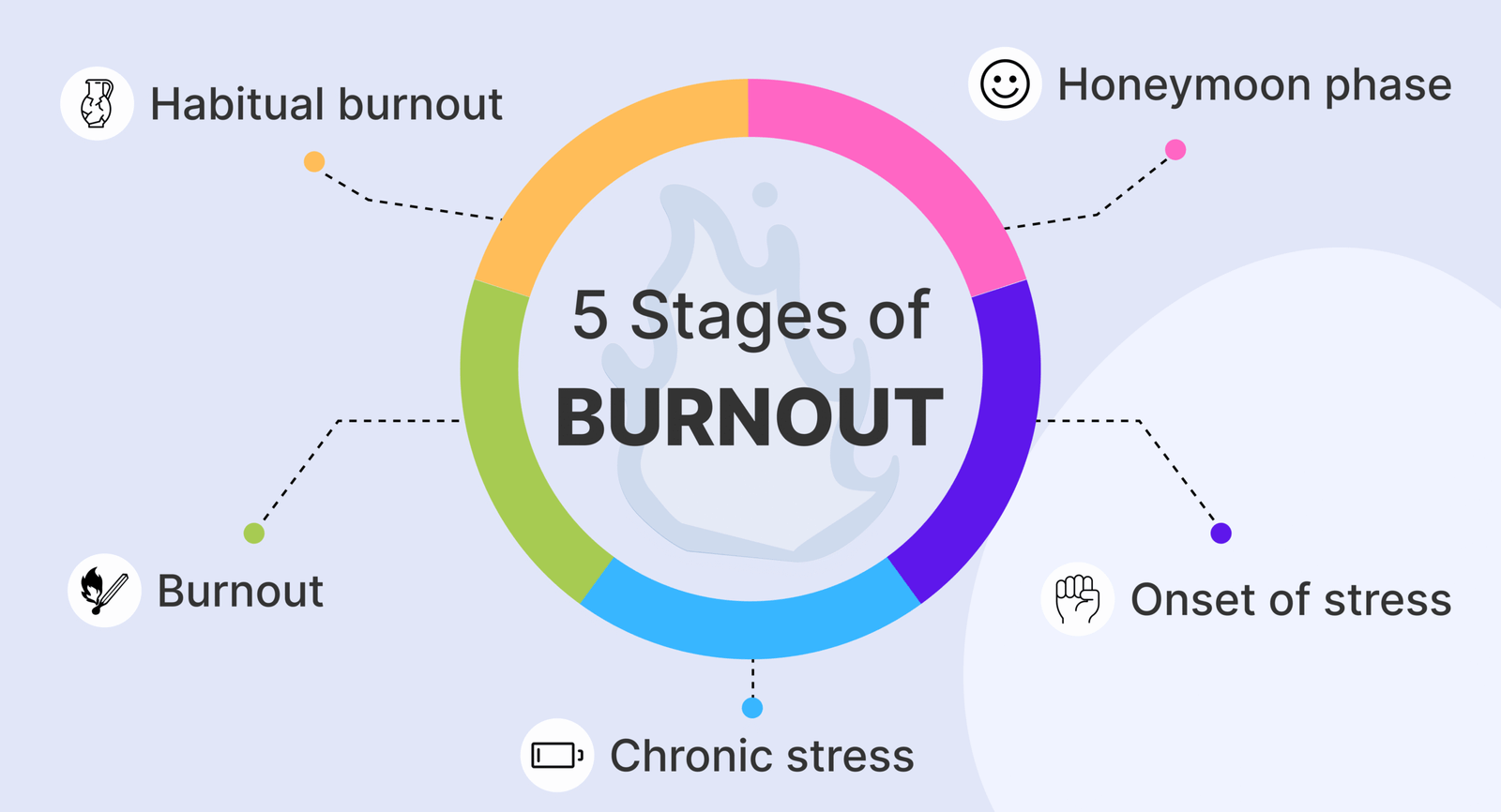
Burnout Syndrome: The Cost of Chronic Stres
Burnout syndrome is a psychological condition caused by prolonged and unmanaged stress, particularly in the workplace or in roles with high emotional demands. It is characterized by three main symptoms: emotional exhaustion, depersonalization or detachment from work and others, and a reduced sense of personal accomplishment. Unlike ordinary tiredness, burnout does not go away with rest and can have serious consequences for mental and physical health. The term “burnout” was first used in the 1970s to describe the emotional collapse experienced by people in helping professions such as healthcare, teaching, and social work. Today, burnout is recognized across all fields and age groups, affecting anyone under constant pressure, including students, caregivers, and even remote workers. Common causes include excessive workload, lack of control, unclear expectations, lack of support, and a mismatch between values and the work being done. Burnout often develops gradually. In the early stages, individuals may feel overwhelmed or emotionally drained. Over time, this can evolve into feelings of cynicism, irritability, and disconnection from one’s job or responsibilities. Eventually, burnout can lead to serious health problems such as anxiety, depression, insomnia, and even cardiovascular issues. It may also reduce productivity, increase absenteeism, and damage personal relationships. Preventing and treating burnout requires both individual and organizational strategies. On a personal level, stress management techniques like mindfulness, physical exercise, setting boundaries, and taking regular breaks are helpful. Seeking social support and professional counseling can also be crucial. At the organizational level, promoting work-life balance, providing resources and recognition, and creating a healthy, respectful work environment are key. In conclusion, burnout is a growing concern in today’s fast-paced, high-pressure world. Recognizing the signs early and taking meaningful steps to restore balance and purpose is essential—not only for individual well-being but also for maintaining healthy and sustainable communities.