September 18, 2026-
No Comments
Reading books is one of the simplest intellectual activities, yet its psychological effects can extend far beyond the acquisition of information. People read for many different reasons: to learn, to...
Reading books is one of the simplest intellectual activities, yet its psychological effects can extend far beyond the acquisition of information. People read for many different reasons: to learn, to...
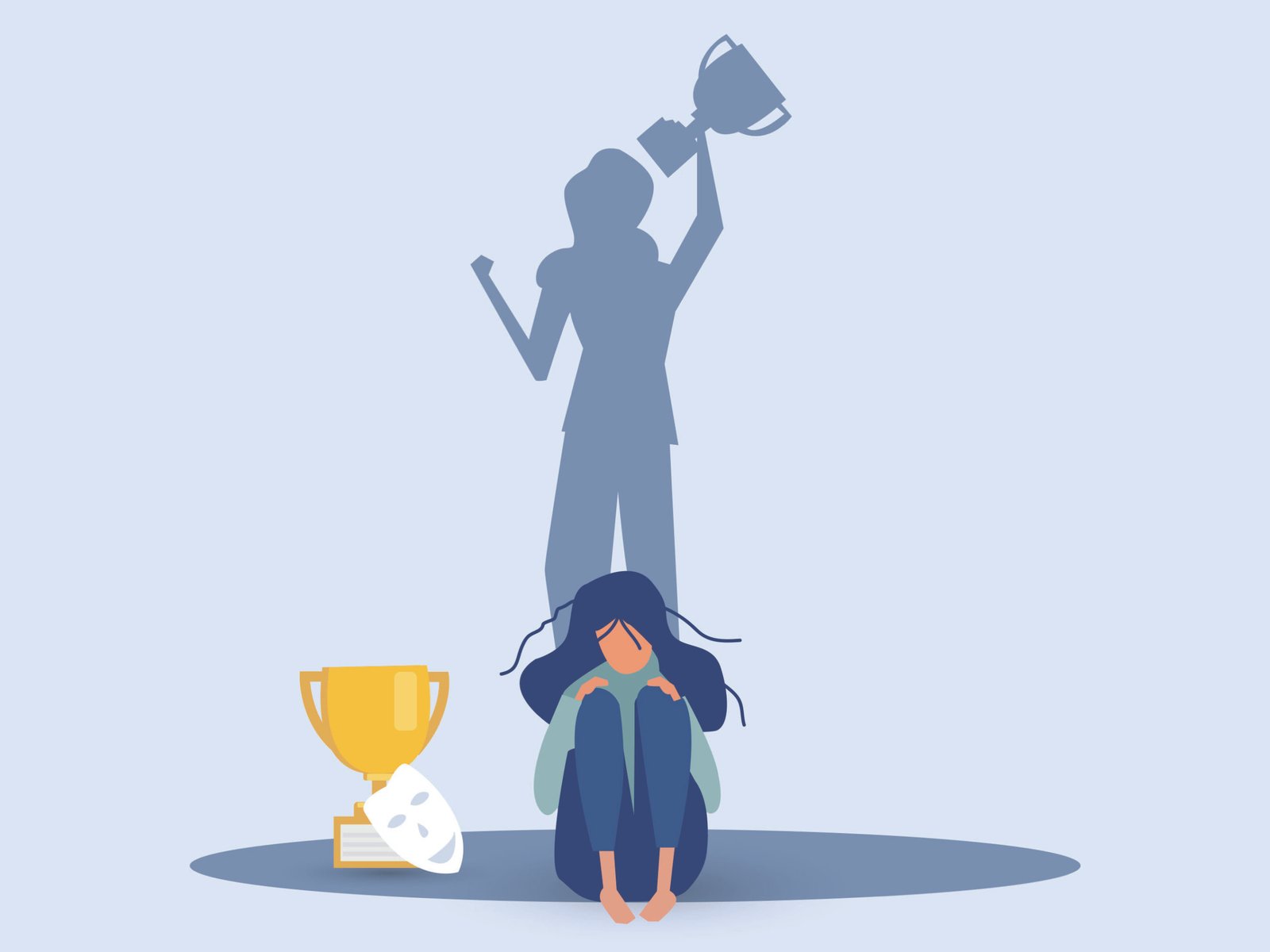
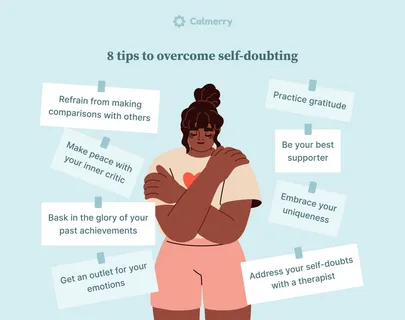
Self-doubt is a common psychological experience that can influence how people think about themselves, interpret their abilities, make decisions, and respond to challenges. Almost everyone experiences moments of uncertainty about...
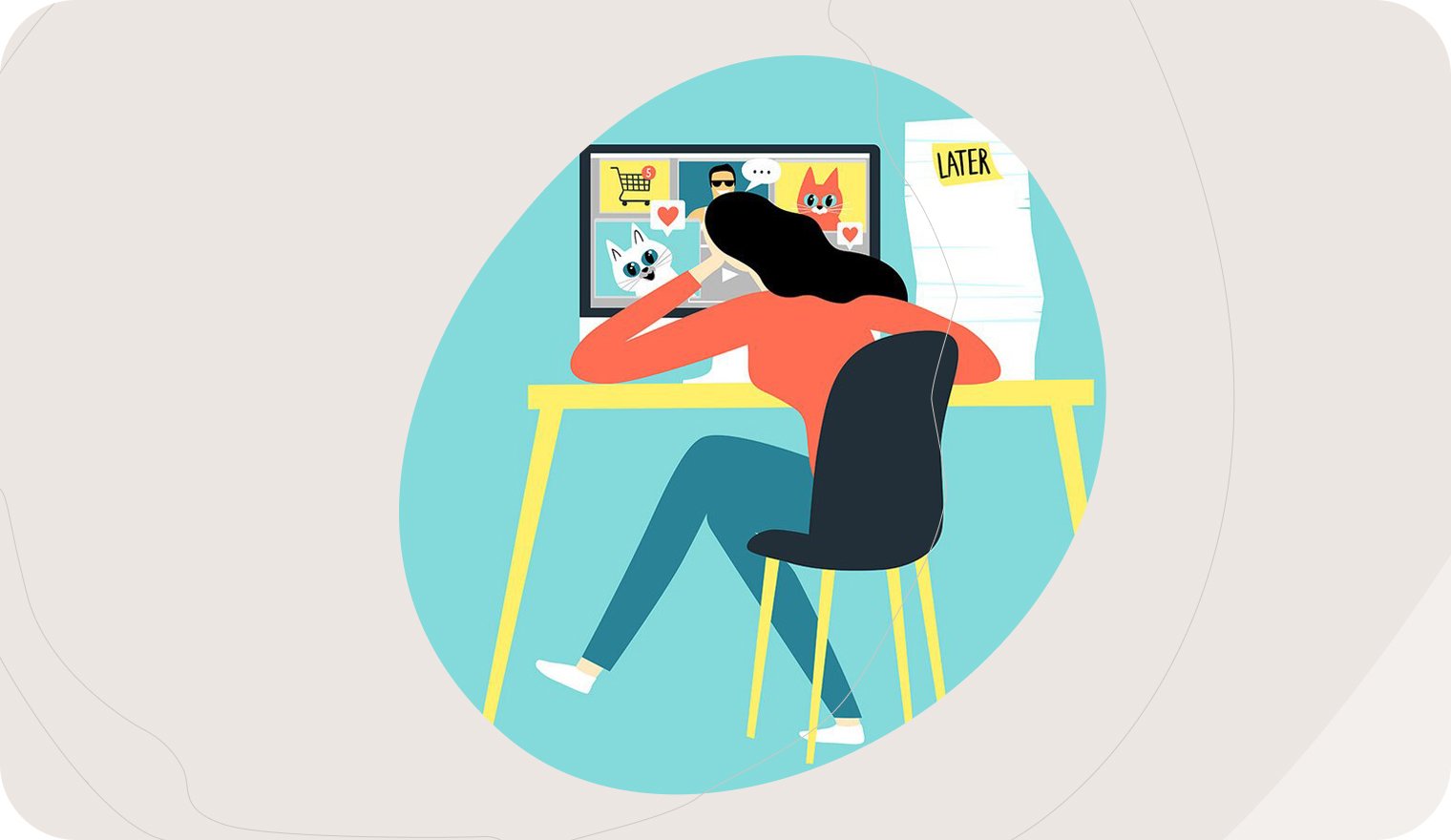
Procrastination is a common pattern of behavior in which a person voluntarily delays an intended task despite knowing that the delay may create difficulties later. Almost everyone postpones something occasionally....
Loneliness is a complex psychological experience that occurs when a person perceives a meaningful gap between the social relationships they have and the relationships they would like to have. It...
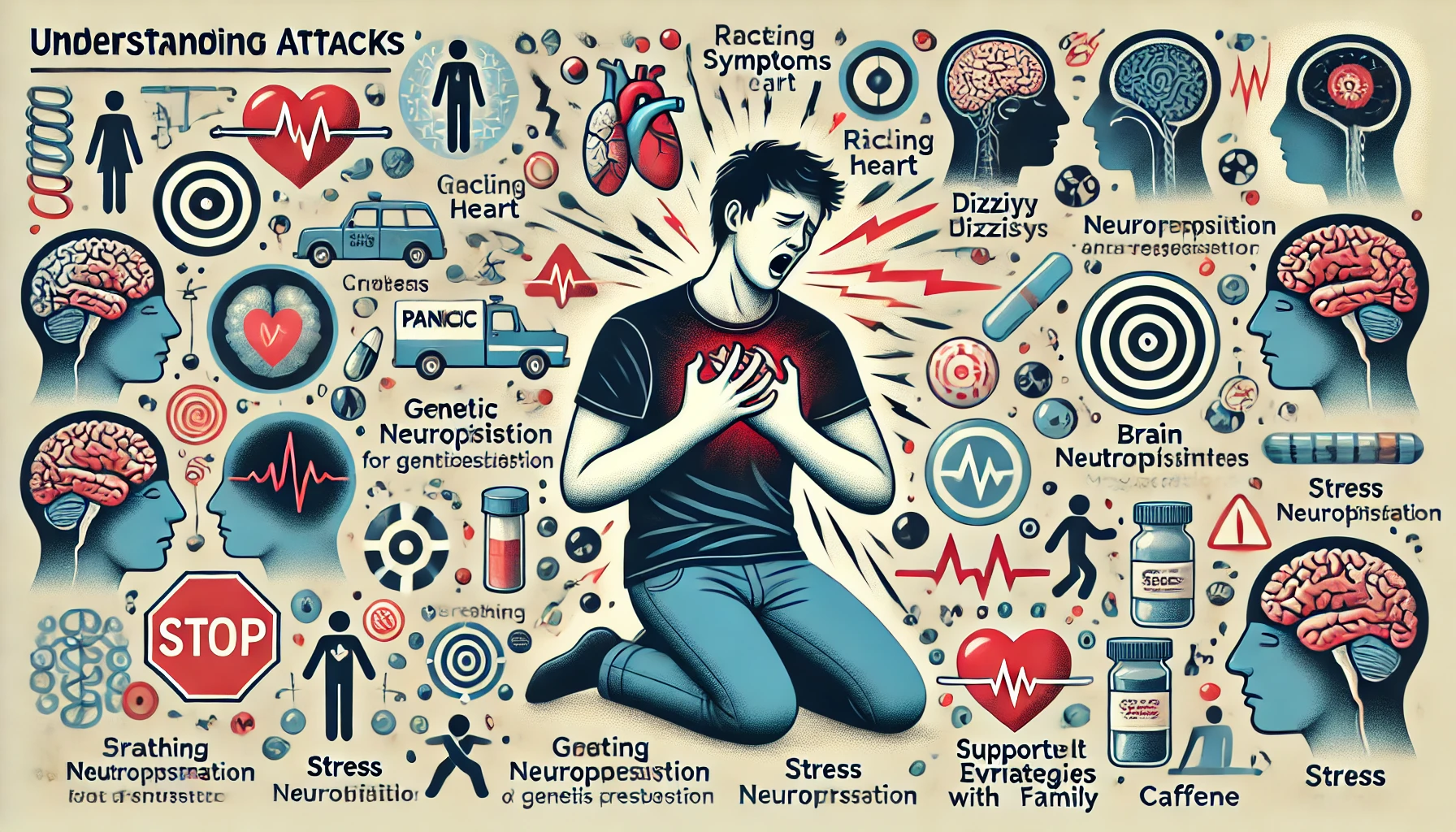
Panic attacks are intense episodes of sudden fear or discomfort that can appear unexpectedly and produce powerful physical, emotional, and cognitive reactions. During a panic attack, a person may experience...
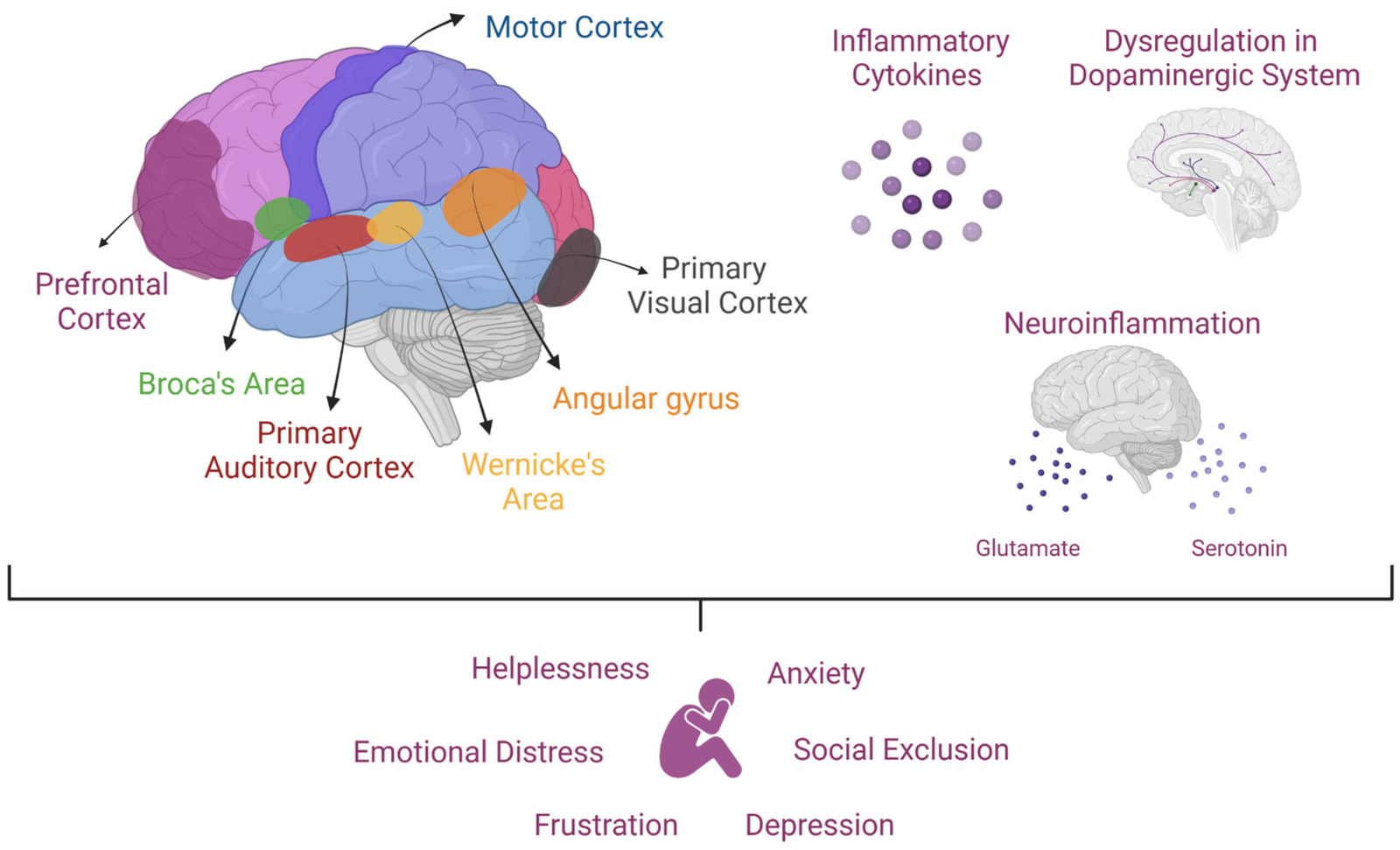
The functional architecture of the human brain relies on the intricate dynamic balance between large-scale neural networks, where affective and anxiety disorders are increasingly conceptualized not as localized structural lesions,...
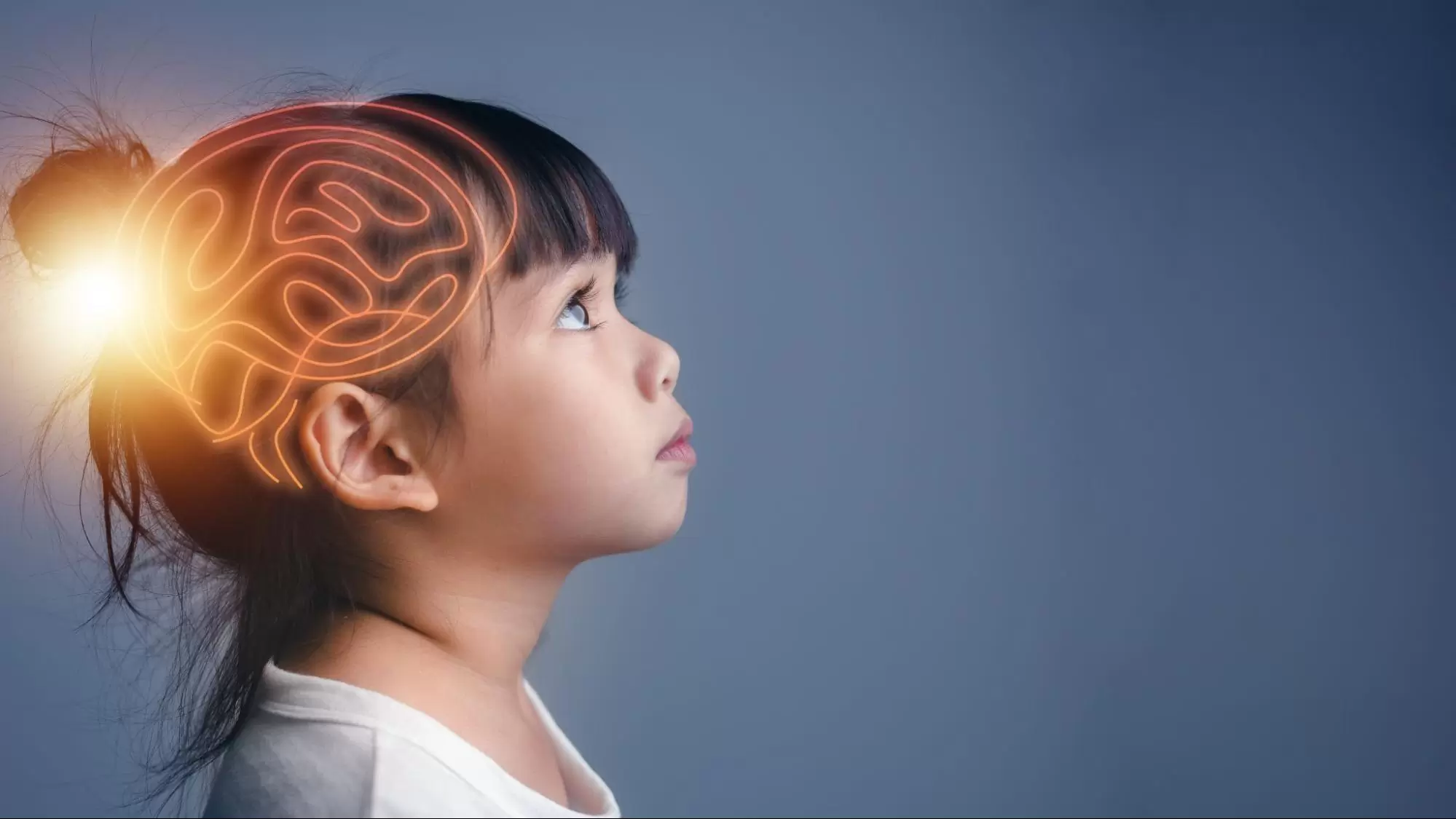
Childhood represents a critical period of neurodevelopmental plasticity, during which biological vulnerabilities and environmental inputs continuously interact to shape psychological health, executive functioning, emotional resilience, and behavioral expression across the...
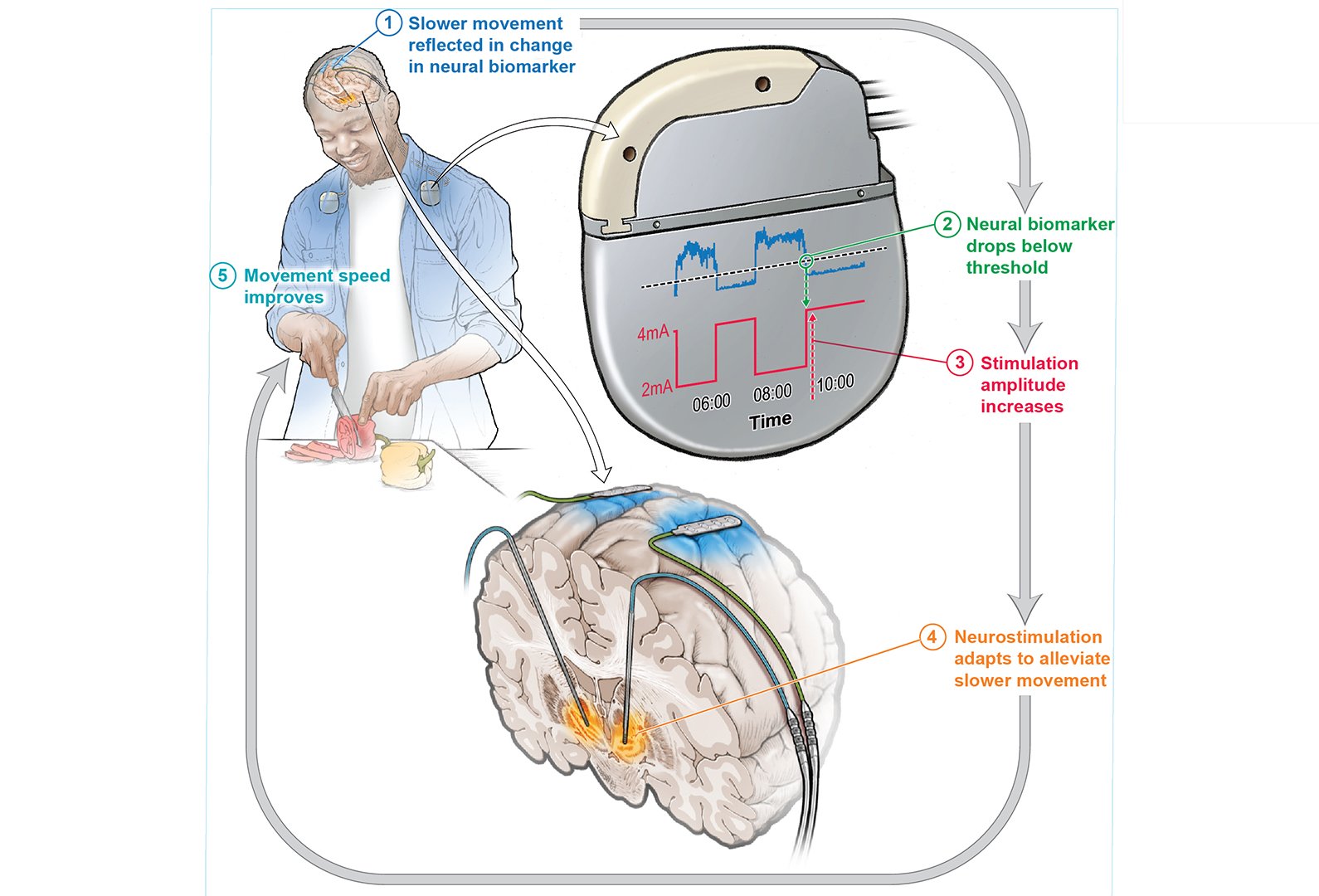
Parkinson’s disease is one of the most important neurodegenerative disorders affecting older adults around the world. It is commonly associated with tremor, slow movement, muscle stiffness, and problems with balance,...
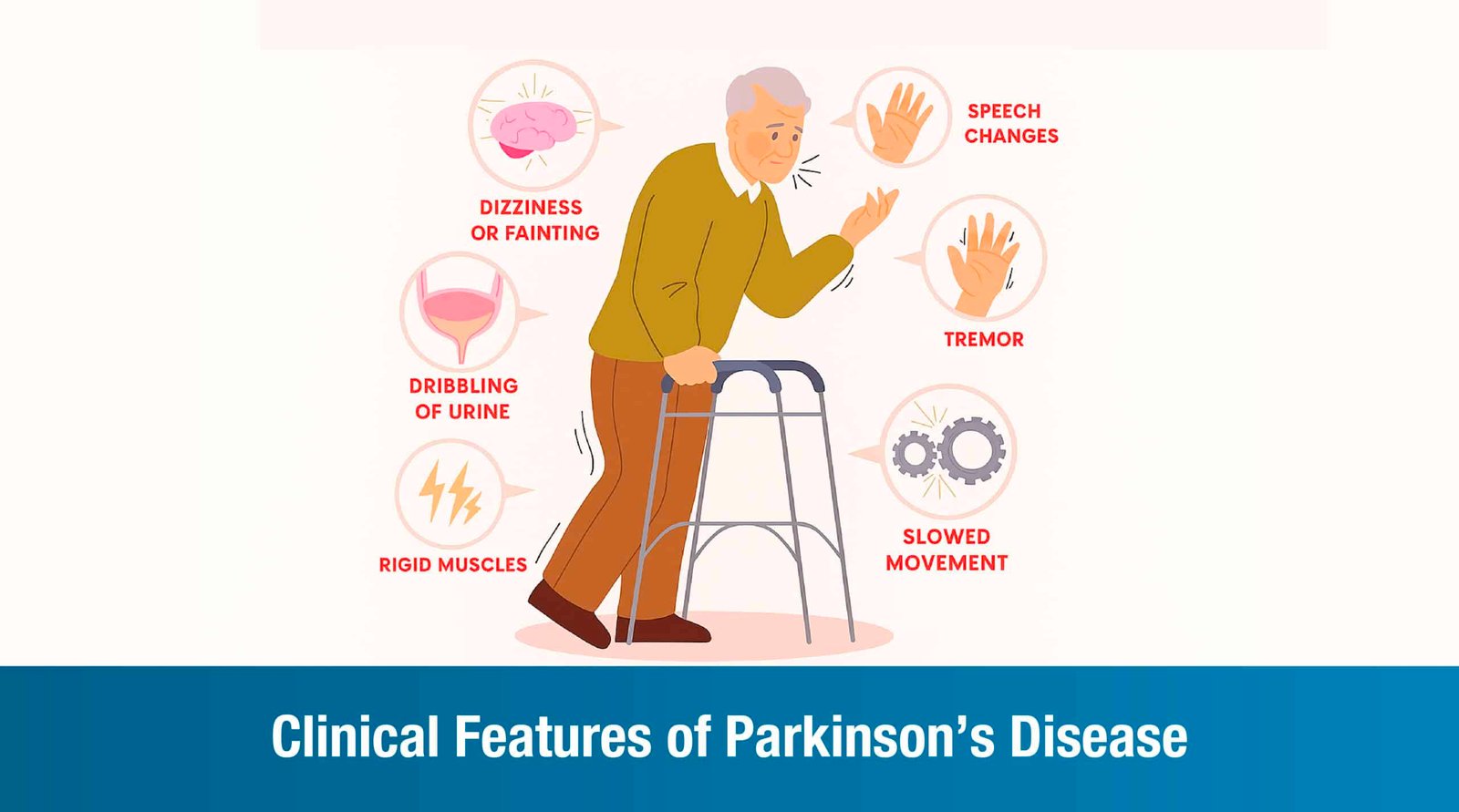
Movement seems simple when the nervous system is healthy. We decide to stand up, walk across a room, pick up a cup, or write a sentence, and the body usually...
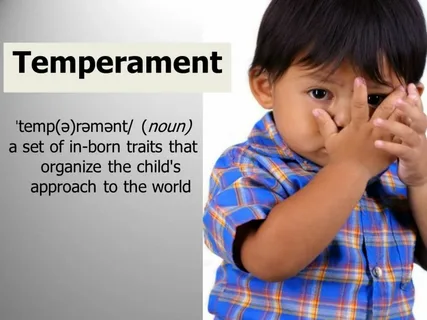
Why do some children react calmly to unfamiliar situations while others immediately become nervous? Why does one person enjoy social interaction and stimulation, while another prefers silence and needs time...