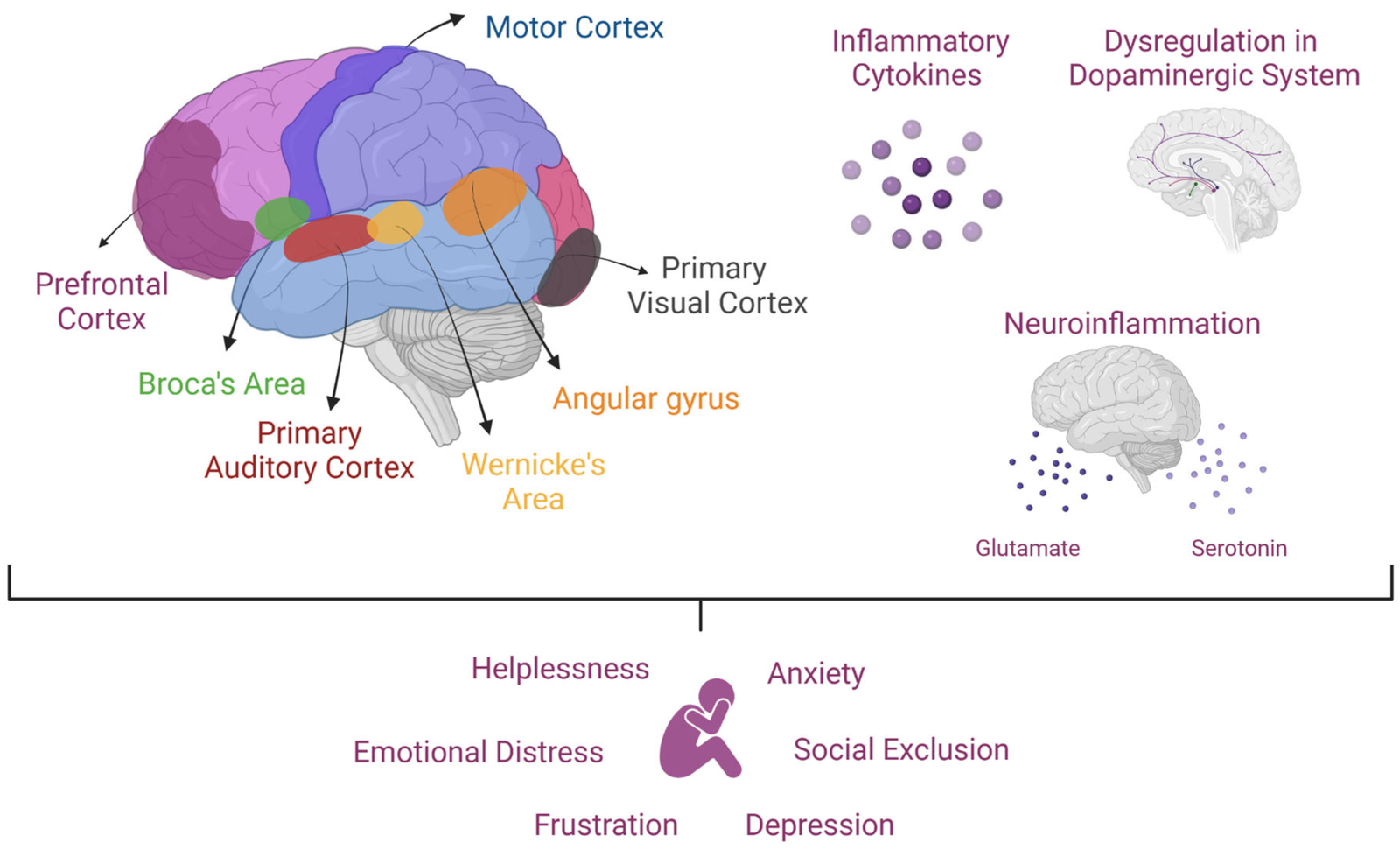
The functional architecture of the human brain relies on the intricate dynamic balance between large-scale neural networks, where affective and anxiety disorders are increasingly conceptualized not as localized structural lesions, but as systemic disruptions in network connectivity, communication, and signal switching. Central to this neurobiological model is the Default Mode Network, comprising the ventromedial prefrontal cortex, posterior cingulate cortex, and precuneus, which regulates self-referential processing, autobiographical memory retrieval, and internal mentation during resting states. In individuals with severe depression and generalized anxiety, functional neuroimaging reveals a pattern of pathological hyperconnectivity within the Default Mode Network, which directly manifests as relentless cognitive rumination, maladaptive self-monitoring, and the involuntary generation of catastrophic future projections. Conversely, the Central Executive Network, centered upon the dorsolateral prefrontal cortex and posterior parietal cortex, governs goal-directed cognitive control, working memory, and top-down emotional inhibition. Under conditions of chronic affective distress, the Central Executive Network exhibits marked hypoactivity and degraded functional integrity, impairing the individual’s capacity to exert executive control over intrusive negative thoughts or flexibly shift attention away from internal distress toward external task demands. Serving as the vital neuroanatomical bridge between these opposing systems, the Salience Network, anchored by the anterior insula and dorsal anterior cingulate cortex, is responsible for detecting homeostatic shifts, filtering environmental inputs, and orchestrating appropriate switching between internal reflection and external engagement. In patients suffering from mood and anxiety disorders, the Salience Network demonstrates profound neurofunctional dysfunction, continuously misattributing high evolutionary or emotional salience to benign internal somatic cues or neutral environmental stimuli. This persistent misattribution drives hyperactivation within the amygdala, misdirects attentional resources, and fails to initiate the necessary transition from the ruminative Default Mode Network to the compensatory, problem-solving Central Executive Network. Consequently, the brain remains trapped in a self-reinforcing loop of hyper-attunement to threat and internal distress, ultimately destabilizing emotional regulation mechanisms, compromising cognitive flexibility, and perpetuating the clinical features of affective psychopathology.
This aberrant network architecture is further exacerbated by profound neurochemical and synaptic alterations that disrupt the structural integrity of these functional circuits. At the cellular level, persistent overactivation of the hypothalamic-pituitary-adrenal axis elevates glucocorticoid concentrations, inducing excitotoxic glutamate accumulation within cortical and subcortical structures. Excess extracellular glutamate overstimulates N-methyl-D-aspartate receptors, causing intracellular calcium overload, mitochondrial stress, and down-regulation of brain-derived neurotrophic factor. Consequently, key cortical regions experience dendritic atrophy, loss of dendritic spines, and a reduction in synaptogenesis, particularly within the dorsolateral prefrontal cortex and hippocampi. This loss of synaptic density directly undermines the structural connectivity required for the Central Executive Network to maintain robust top-down inhibitory control over subcortical limbic regions. Concurrently, monoaminergic neurotransmission—encompassing serotonergic, noradrenergic, and dopaminergic pathways—undergoes widespread desensitization and receptor down-regulation, weakening signal-to-noise ratios across frontostriatal and limbic networks.
Modern therapeutic strategies target these precise neurobiological vulnerabilities to restore network equilibrium and structural plasticity. Pharmacological interventions, such as selective serotonin reuptake inhibitors and novel glutamatergic modulators, initiate downstream intracellular signaling cascades that up-regulate neurotrophin expression, promoting structural remodeling, dendritic arborization, and synaptogenesis within micro-circuits. As synaptic density is restored, targeted psychotherapeutic approaches, particularly Cognitive Behavioral Therapy, systematically re-engage and strengthen the hypoactive Central Executive Network by driving deliberate, top-down cognitive restructuring and attentional reallocation. Concurrently, non-invasive neuromodulatory techniques, such as high-frequency repetitive transcranial magnetic stimulation applied to the dorsolateral prefrontal cortex, deliver focal electrical stimulation to directly enhance local cortical excitability, re-establish functional connectivity, and recalibrate the dynamic switching capacity of the Salience Network. Through these combined modalities, the brain undergoes adaptive neuroplastic reorganization, dismantling entrenched ruminative loops, normalizing threat processing, and re-establishing long-term affective stability.
Individual variability in neuroplastic potential and genetic architecture adds another layer of complexity to the chronicity and treatment responsiveness of these network-level disruptions. Single-nucleotide polymorphisms in genes regulating brain-derived neurotrophic factor, such as the Val66Met substitution, significantly impair activity-dependent neurotrophin secretion, rendering certain individuals exceptionally vulnerable to stress-induced synaptic regression and functional network decoupling. Similarly, variations in the serotonin transporter gene-linked polymorphic region modulate amygdala reactivity and alter the developmental trajectory of fronto-limbic white matter tracts, predisposing individuals to heightened threat sensitivity and compromised emotional recovery. These genetic vulnerabilities interact dynamically with environmental insults, particularly early-life stress and chronic psychosocial adversity, to induce stable epigenetic modifications via DNA methylation and histone alteration. Such molecular changes lock neural circuits into rigid, maladaptive operational states, hindering spontaneous recovery and necessitating more intensive, multi-modal interventions to re-establish normative network dynamics.
Emerging conceptualizations of network neurobiology also emphasize the critical role of systemic physiological factors, particularly neuroinflammation and metabolic dysregulation, in perpetuating central nervous system circuit dysfunction. Peripheral inflammatory cytokines, such as interleukin-6 and tumor necrosis factor-alpha, cross the blood-brain barrier and activate resident microglia, driving localized neuroinflammatory cascades. Activated microglia release reactive oxygen species and pro-inflammatory mediators that impair astrocyte glutamate reuptake, increase extracellular toxicity, and alter the synthesis of key neurotransmitters by shifting tryptophan metabolism away from serotonin production toward the neurotoxic kynurenine pathway. This inflammatory state directly destabilizes synaptic connections within frontostriatal networks and compromises functional integration within the Salience Network. By recognizing that large-scale brain networks are deeply embedded within broader neuroendocrine, immunological, and metabolic systems, contemporary clinical approaches are shifting toward comprehensive treatment paradigms that integrate traditional psychotherapeutic and pharmacological modalities with targeted anti-inflammatory, metabolic, and lifestyle interventions to achieve sustained neurobiological recovery.
Advanced neuroimaging paradigms utilizing effective connectivity models, such as Dynamic Causal Modeling, reveal that the functional decoupling observed in affective and anxiety disorders reflects alterations in directed synaptic plasticity across cortical and subcortical pathways. Rather than mere passive degradation of signal quality, this dysfunction represents an active state of pathological homeostasis where altered intrinsic connectivity maintains the dominance of threat-oriented and self-referential processing. Within this altered architecture, the thalamus—serving as the central relay station for sensory inputs—exhibits disrupted gating mechanisms, allowing unrefined sensory information to bypass prefrontal cortical filtering and directly engage subcortical limbic regions. This subcortical hyper-responsiveness amplifies the early pre-attentive processing of potential environmental threats, creating a persistent state of autonomic hyperarousal long before higher-order cortical regions can evaluate the contextual validity of the stimulus.
The structural correlates of this functional breakdown are clearly delineated through diffusion tensor imaging studies, which demonstrate compromised microstructural integrity within key white matter tracts. The uncinate fasciculus, a major limbic-cortical pathway connecting the anterior temporal lobe and amygdala to the orbitofrontal and dorsolateral prefrontal cortices, consistently demonstrates reduced fractional anisotropy in chronically depressed and anxious individuals. This structural degradation directly correlates with the severity of emotional dysregulation, as weakened structural wiring limits the structural capacity for high-fidelity signal transmission between regulatory prefrontal networks and threat-processing limbic nodes. Similarly, structural alterations within the superior longitudinal fasciculus and the cingulum bundle disrupt the seamless integration of spatial, cognitive, and affective information required for adaptive goal-directed behavior, further isolating the individual within rigid, internal emotional states.
Translational models of neurodevelopmental vulnerability indicate that these structural and functional network deficits often remain latent during earlier developmental stages, manifesting fully in early adulthood when prefrontal maturation typically reaches completion. The protracted development of prefrontal myelination and synaptic pruning creates a temporal mismatch where fully mature, highly reactive limbic networks operate under the control of an incompletely integrated prefrontal system. Environmental insults occurring during this sensitive transition window can arrest the final structural stabilization of fronto-limbic pathways, establishing an enduring vulnerability to affective breakdown under subsequent adult stressors. Consequently, adult psychiatric pathology represents the convergence of developmental timing, structural tract vulnerability, and decompensated network dynamics.
Targeting these resilient pathological network configurations requires therapeutic strategies designed to induce large-scale circuit recalibration. High-definition transcranial direct current stimulation and theta-burst stimulation protocols are currently being optimized to selectively modulate specific network nodes with sub-centimeter spatial precision. By applying inhibitory low-frequency protocols to hyperactive nodes within the Default Mode Network while simultaneously delivering excitatory high-frequency stimulation to hypoactive target sites within the Central Executive Network, these advanced neuromodulatory paradigms aim to forcibly restore normative network balance. When paired with real-time functional magnetic resonance imaging neurofeedback, patients can actively learn to self-regulate specific node activations, leveraging endogenous neuroplasticity to structurally reinforce the therapeutic network shifts induced by exogenous stimulation.
At the cellular level, the stabilization of newly recalibrated networks depends on the long-term remodeling of the extracellular matrix surrounding cortical neurons. Perineuronal nets, specialized chondroitin sulfate proteoglycan structures that wrap around parvalbumin-expressing GABAergic interneurons, play a crucial role in closing critical periods of developmental plasticity and stabilizing mature synaptic connections. In chronic stress models, degraded perineuronal net integrity leads to the destabilization of local inhibitory microcircuits, resulting in cortical hyperexcitability, altered gamma-band oscillatory activity, and impaired network synchronization. Novel pharmacological interventions aiming to modulate extracellular matrix turnover offer a potential pathway to temporarily re-open windows of juvenile-like structural plasticity in the adult brain, thereby enhancing the capacity of combined neuromodulatory and psychotherapeutic protocols to permanently overwrite entrenched, pathological circuit configurations.
The role of GABAergic interneurons—specifically the fast-spiking, parvalbumin-expressing subclass—extends beyond local inhibitory control to the fundamental generation and maintenance of gamma-frequency oscillations. Gamma oscillations, operating within the 30–80 Hz range, provide the precise temporal windowing required for inter-regional neuronal synchronization, working memory maintenance, and coherent information transfer across distant cortical nodes. In individuals with major depressive and severe anxiety spectrum conditions, marked reductions in the expression of glutamic acid decarboxylase 67 and altered GABA_A receptor subunit composition compromise parvalbumin-positive interneuron function. This localized interneuron hypofunction degrades gamma-band synchrony, leading to desynchronized signal processing between the prefrontal cortex and subcortical structures. As a result, the Central Executive Network loses its ability to organize complex cognitive sequences, while the Salience Network becomes incapable of accurately filtering incoming sensory noise, further cementing functional rigidity across large-scale circuits.
Concurrently, the ascending neuromodulatory systems—predominantly the locus coeruleus-noradrenergic network and the dorsal raphe-serotonergic system—exert profound influence over network state transitions. The locus coeruleus functions as an integrative hub that modulates arousal, environmental signal detection, and stress responsiveness through widespread projections across the neuraxis. Chronic exposure to unpredictable environmental stressors shifts the locus coeruleus into a hyperactive baseline firing mode, characterized by elevated tonic noradrenaline release. This chronic tonic elevation saturates postsynaptic alpha-1 and beta-adrenergic receptors throughout the prefrontal cortex, impairing higher-order executive processing while simultaneously activating subcortical alpha-1 receptors that amplify amygdalar threat detection pathways. Under these conditions, the signal-to-noise ratio within the Central Executive Network plummets, rendering the brain biologically incapable of sustaining focused, non-threat-related cognitive tasks.
The dorsal raphe nucleus similarly undergoes profound functional remodeling under chronic stress conditions. Through dense innervation of the prefrontal cortex, anterior cingulate, and ventral striatum, serotonergic signaling acts as a critical modulator of behavioral flexibility, stress resilience, and reward processing. Down-regulation of postsynaptic 5-HT1A heteroreceptors in cortical regions, coupled with hypersensitization of 5-HT2A receptors, disrupts the homeostatic balance required for adaptive emotional regulation. This receptor imbalance impairs structural neuroplasticity by down-regulating signaling cascades mediated by cyclic adenosine monophosphate (cAMP) and response element-binding protein (CREB), ultimate leading to a loss of dendritic spine density within reward-processing centers such as the nucleus accumbens. The resulting reduction in mesolimbic dopamine release manifests clinically as profound anhedonia, motivational deficits, and a loss of positive affectivity—core features that reinforce the self-sustaining nature of depressive pathology.
In parallel with classical monoaminergic pathways, the central oxytocinergic and vasopressinergic systems play a critical role in modulating social cognition, attachment dynamics, and fear extinction learning. Oxytocin, synthesized in the paraventricular and supraoptic nuclei of the hypothalamus, projects to the central nucleus of the amygdala, where it stimulates local GABAergic interneurons to directly inhibit fear-output pathways projecting to the brainstem. In individuals with histories of developmental trauma or chronic social defeat, central oxytocin receptor density is significantly reduced, whereas vasopressin V1a receptor expression in the basolateral amygdala is up-regulated. This receptor shift favors vasopressin-mediated threat amplification and social avoidance over oxytocin-mediated social buffering and stress attenuation. Restoring oxytocinergic signaling through intranasal delivery or small-molecule receptor agonists represents a promising therapeutic frontier aimed at enhancing fear extinction learning, improving interpersonal safety signaling, and repairing damaged relational processing networks.
Furthermore, the blood-brain barrier (BBB) functions not merely as a passive structural border, but as a dynamic neurovascular interface that actively responds to systemic physiological stress and immune signaling. Systemic low-grade inflammation, driven by chronic psychological distress, activates brain microvascular endothelial cells, inducing down-regulation of tight junction proteins such as claudin-5 and occludin. Increased BBB permeability allows peripheral inflammatory mediators, including circulating cytokines and damage-associated molecular patterns, to penetrate the brain parenchyma. Upon entry, these molecules activate perivascular macrophages and parenchymal astrocytes, triggering local neuroinflammatory cascades that disrupt microvascular autoregulation and impair local cerebral blood flow. Regional hypoperfusion within the dorsolateral prefrontal cortex and anterior cingulate further compromises the metabolic capacity of these regions, limiting their ability to sustain the high-energy demands of top-down emotional control and dynamic network switching.
Addressing these systemic, multi-level neurobiological breakdowns requires an evolution toward precision clinical models that combine multi-modal biomarker profiling with targeted therapeutics. By integrating functional connectivity mapping, structural tractography, transcriptomic profiling, and peripheral immune assays, clinicians can categorize patients according to distinct neurobiological biotypes rather than broad diagnostic labels. Tailoring treatment regimens to these specific biotypic profiles—such as utilizing targeted glutamatergic modulators for neurodegenerative/inflammatory subtypes or specific neuromodulatory protocols for primary fronto-limbic dysconnection—promises to maximize therapeutic efficacy, accelerate remission times, and permanently restore the dynamic resilience of the human brain.
Advanced computational neuroscience approaches, such as graph-theoretical network analysis, provide a sophisticated quantitative framework for evaluating these systemic topology shifts across the connectome. In healthy neural networks, structural and functional connections exhibit a small-world topology characterized by high local clustering—enabling efficient localized information processing within specialized modules—and short characteristic path lengths, which facilitate rapid global integration across distant cortical hubs. In contrast, patients with severe affective and anxiety conditions present with profound alterations in global graph metrics, including diminished global efficiency, disrupted hub node centrality, and abnormal modular segregation. Key connector hubs within the prefrontal cortex and anterior insula lose their node centrality, compromising their capacity to coordinate cross-network communication. Simultaneously, localized hyper-clustering within subcortical limbic sub-networks reinforces isolated processing loops, effectively preventing regulatory signals from modulating regional threat responses. These topological disruptions quantify the precise degree of system-level rigidity that characterizes chronic psychiatric distress.
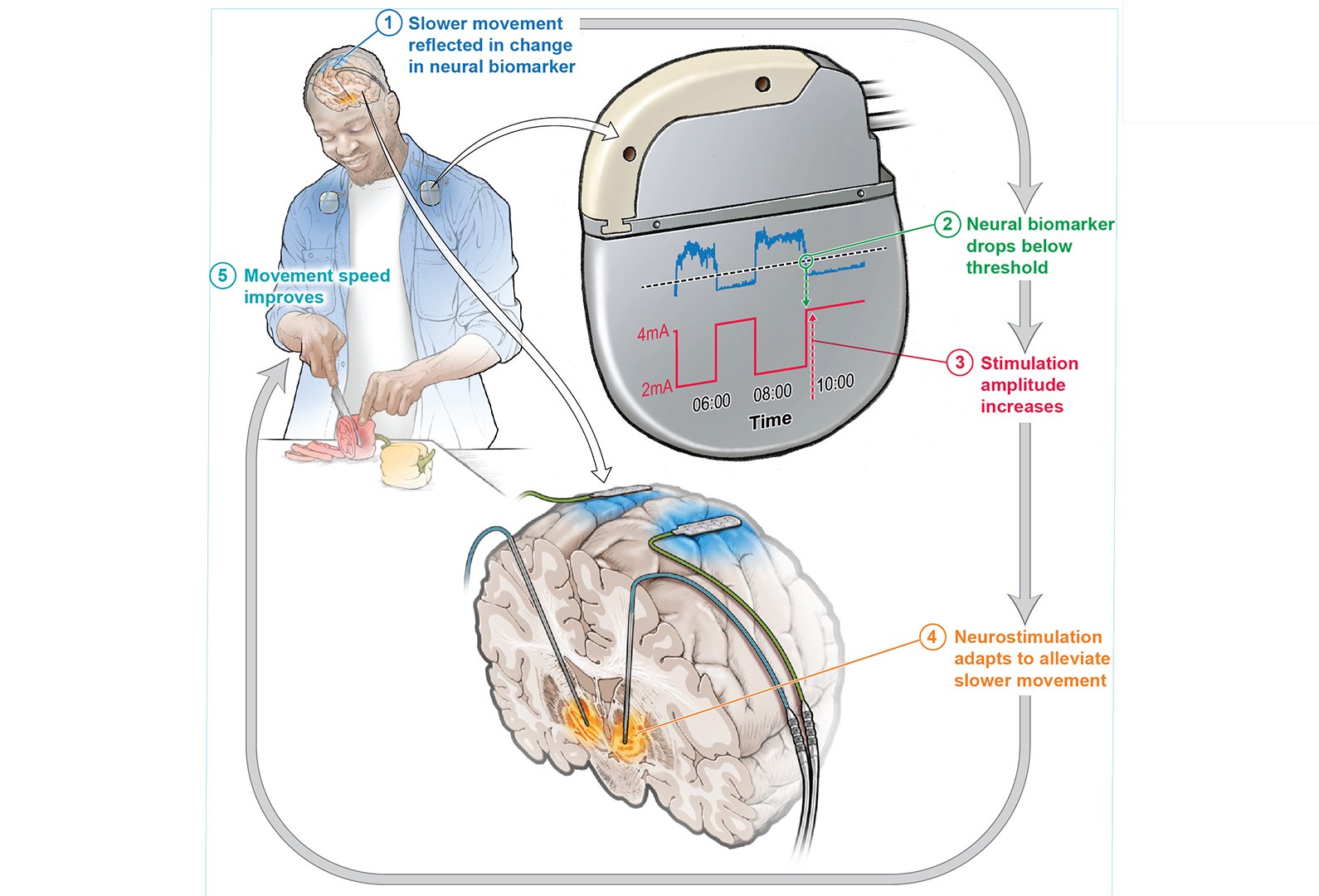
The clinical translation of these graph-theoretical insights is catalyzing the development of closed-loop adaptive neuromodulation technologies. Unlike static stimulation paradigms, closed-loop systems utilize real-time electroencephalographic or local field potential sensing to continuously monitor biomarkers of network dysregulation, such as aberrant theta-gamma phase-amplitude coupling or pathological alpha-band power desynchronization. When the system detects the neural signature of an impending ruminative or anxiety state, it automatically delivers targeted, high-definition electrical or magnetic pulses to disrupt the pathological pattern before it fully consolidates. By intervening dynamically only when circuit dysfunction exceeds critical thresholds, closed-loop neuromodulation minimizes habituation, reduces off-target side effects, and actively promotes long-term homeostatic plastic adaptation toward normative network states.
Simultaneously, the integration of digital phenotyping and machine-learning algorithms is expanding the scope of continuous clinical monitoring beyond laboratory and hospital settings. Passive sensor data collected via wearable technologies—including continuous heart rate variability monitoring, electrodermal activity sensing, sleep architecture tracking, and subtle shifts in motor movement patterns—provide real-time proxies for central autonomic nervous system balance and neuroendocrine regulation. Machine-learning models trained on these multi-modal physiological streams can detect micro-fluctuations in physiological stress states hours or days before clinical symptom exacerbation occurs. Integrating these passive metrics with functional neuroimaging and molecular biomarker panels forms a comprehensive, dynamic diagnostic framework capable of driving proactive, preventative interventions.
Ultimately, conceptualizing affective and anxiety disorders through this multi-layered lens—spanning molecular genetics, neuroendocrine signaling, microcircuit interneuron dynamics, large-scale connectomics, and digital phenotyping—represents a fundamental paradigm shift in clinical psychology and psychiatry. Moving beyond descriptive diagnostic categories toward precise, circuit-based neurobiological phenotypes allows for the design of truly personalized therapeutic interventions. By simultaneously repairing structural synaptic vulnerabilities, restoring large-scale network dynamics, and stabilizing systemic physiological environments, modern neuroscience offers a path toward sustained clinical remission and robust neurobiological resilience across the adult lifespan.