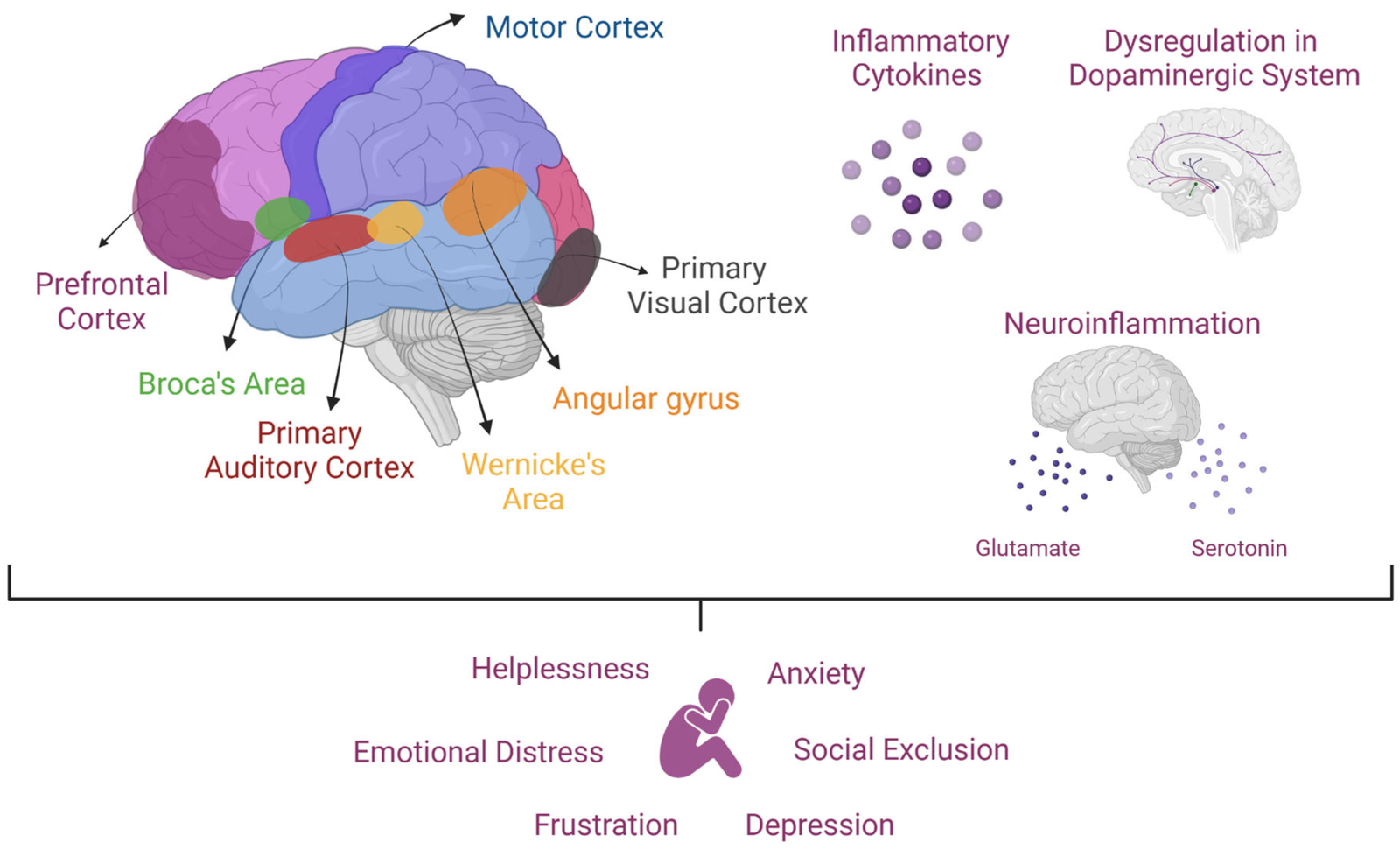
Childhood represents a critical period of neurodevelopmental plasticity, during which biological vulnerabilities and environmental inputs continuously interact to shape psychological health, executive functioning, emotional resilience, and behavioral expression across the entire lifespan. The structural and functional maturation of the human brain follows a non-linear trajectory throughout early and middle childhood, where high neural plasticity enables rapid adaptability to environmental stimuli while simultaneously creating distinct windows of biological vulnerability to chronic stress, early life trauma, and environmental deprivation. Executive functions—encompassing inhibitory control, working memory capacity, and cognitive flexibility—develop progressively as frontostriatal circuits undergo extensive myelination and synaptic refinement. Consequently, delayed or disrupted maturation within these specific neural pathways directly correlates with clinical manifestations of impulse control deficits, attentional instability, and pervasive emotional dysregulation. Parallel to frontostriatal development, the hypothalamic-pituitary-adrenal (HPA) axis serves as the primary neuroendocrine system modulating systemic stress reactivity. Prolonged exposure to severe environmental adversity induces hyper-reactivity within the amygdala alongside chronic baseline cortisol dysregulation, ultimately impairing normative fear conditioning, threat processing, and adaptive stress mitigation mechanisms. Concurrently, the initial overproduction of synapses during early infancy is systematically refined through activity-dependent structural pruning, a process fundamental to optimizing functional neural connectivity whose disruption is heavily implicated in various pediatric neurodevelopmental conditions, including Attention-Deficit/Hyperactivity Disorder (ADHD) and Autism Spectrum Disorder (ASD).
Socio-emotional competence relies heavily upon these foundational neurobiological structures and is primarily molded through early relational experiences with primary caregivers. Attachment theory provides a comprehensive structural framework for analyzing how internal working models of self and others emerge during infancy, wherein secure attachment—fostered by consistent, attuned, and emotionally responsive caregiving—yields high emotional resilience, robust stress tolerance, and healthy empathetic engagement in subsequent peer dynamics. In contrast, insecure-avoidant attachment patterns arise from emotionally distant or rejecting caregiving environments, leading children to rely on chronic emotional suppression and defensive self-reliance. Insecure-anxious attachment stems from unpredictable, inconsistent caregiving patterns, resulting in heightened internalizing anxiety, emotional hypervigilance, and persistent fears of abandonment. Disorganized attachment, frequently originating from frightening, chaotic, or abusive domestic environments, manifests as severe emotional dysregulation, cognitive dissociation, and severe relational disruption. Children internalize these primary attachment dynamics over time, directly influencing their subsequent peer interactions, academic engagement, self-regulatory capacity, and overall propensity toward internalizing or externalizing behavioral distress.
When neurodevelopmental trajectories or environmental factors are disrupted, distinct pediatric psychiatric conditions often manifest in clinical settings. Attention-Deficit/Hyperactivity Disorder presents as persistent, age-inappropriate patterns of inattention, hyperactivity, and impulsivity driven by strong genetic heritability and catecholaminergic dysregulation within fronto-cortical pathways. Autism Spectrum Disorder involves early-emerging persistent deficits in social communication, reciprocal interaction, and restricted, repetitive behavioral repertoires. Pediatric anxiety and depressive disorders often present as somatic complaints, school refusal, chronic fatigue, or extreme irritability rather than overt depressed mood, reflecting a multifaceted interplay between genetic predisposition, behavioral inhibition, and socio-environmental stressors. Addressing these complex presentations requires early identification through systematic developmental screening and multimodal interventions, including Cognitive Behavioral Therapy (CBT) tailored with age-appropriate visual restructuring, Parent-Child Interaction Therapy (PCIT) to improve parental consistency, and carefully monitored psychopharmacological interventions when psychotherapeutic modalities alone prove insufficient. Ultimately, safeguarding child psychological health demands an integrated approach that addresses both biological vulnerabilities and environmental systems to foster long-term adaptive outcomes and mitigate psychiatric morbidity across development.
Systemic environmental influences, including socioeconomic status, community instability, and intergenerational family stress, interact directly with early genetic predispositions to alter cognitive and emotional trajectories. Chronic socioeconomic deprivation elevates household stress levels, which frequently alters parental availability, increases punitive disciplinary strategies, and reduces cognitive enrichment opportunities within the home environment. These environmental conditions directly affect executive function development, as children exposed to high levels of domestic chaos often exhibit impaired working memory, diminished sustained attention, and poor impulse control. Conversely, supportive micro-environments rich in verbal interactions, structured routines, and positive reinforcement serve as buffer mechanisms, mitigating the neural impact of external socioeconomic stressors. Community-level factors, such as neighborhood safety, access to green spaces, and quality of early childhood education programs, similarly modulate biological stress pathways. Children living in chronic violence-exposed environments demonstrate altered amygdala reactivity and persistent hyperarousal, mirroring neurobiological patterns observed in clinically traumatized populations.
Psychopathology in pediatric populations must also be examined through the lens of developmental cascade models, which describe how early deficits in one domain spread across other functional areas over time. For example, early language delays or speech processing difficulties frequently impair early social interactions with peers, leading to peer rejection, social isolation, and academic underperformance during early elementary school years. This secondary social failure subsequently increases vulnerability to internalizing disorders, such as generalized anxiety disorder or major depressive disorder, during middle childhood and adolescence. Similarly, untreated early motor deficits or sensory processing sensitivities can impede participation in physical and cooperative play, hindering the natural development of social problem-solving skills and self-efficacy. Understanding these cumulative cascade processes highlights the vital importance of early, targeted multi-domain screenings to disrupt negative developmental trajectories before secondary psychiatric manifestations solidify.
The diagnostic process in child psychiatry requires a comprehensive multi-informant approach due to the context-dependent nature of pediatric behavioral expressions. Children rarely self-refer for psychological evaluation and typically present due to distress reported by parents, teachers, or primary caregivers. Discrepancies between parental and teacher reports are common and reflect differing environmental demands, structured versus unstructured settings, and varied observational baselines. A rigorous evaluation integrates clinical interviews with the child, standardized rating scales completed by multiple informants, direct behavioral observation in structured and naturalistic environments, and a thorough medical review to rule out underlying somatic conditions, such as thyroid dysfunction, lead toxicity, or occult seizure disorders. Diagnostic accuracy is further enhanced by incorporating neurodevelopmental assessments that evaluate cognitive profiles, language capacities, and motor coordination, ensuring that behavioral symptoms are not secondary to unaddressed learning difficulties or communication disorders.
Pharmacotherapy in pediatric populations represents a specialized domain that requires strict risk-benefit analyses and ongoing clinical oversight. Psychotropic medications are typically reserved for moderate-to-severe psychiatric presentations, severe functional impairment, or cases where psychotherapeutic interventions have proven insufficient. Central nervous system stimulants, such as methylphenidate and amphetamine formulations, remain the first-line evidence-based pharmacological treatment for Attention-Deficit/Hyperactivity Disorder, demonstrating high efficacy in reducing core symptoms of inattention, hyperactivity, and impulsivity. Non-stimulant options, including selective norepinephrine reuptake inhibitors and alpha-2 adrenergic agonists, provide alternative clinical pathways for patients experiencing intolerable stimulant-induced side effects or co-occurring tic disorders. Selective Serotonin Reuptake Inhibitors (SSRIs) represent the primary pharmacological treatment for pediatric major depressive disorder, obsessive-compulsive disorder, and severe anxiety disorders, though their initiation necessitates close monitoring for potential behavioral activation and suicidal ideation.
Psychotherapeutic approaches for children must be carefully tailored to the developmental stage of the individual, relying heavily on non-verbal, experiential, and play-based modalities during early childhood, while integrating structured cognitive-behavioral techniques as cognitive and meta-cognitive capacities mature. Play therapy serves as a primary therapeutic medium for young children who lack the abstract reasoning and emotional vocabulary required for traditional talk therapy. Through structured and unstructured play, clinicians observe symbolic representations of internal conflicts, process traumatic events, and facilitate emotional expression in a non-threatening environment. As children enter middle childhood and adolescence, Cognitive Behavioral Therapy becomes the gold-standard intervention for a wide array of internalizing disorders. CBT addresses cognitive distortions, automatic negative thoughts, and maladaptive behavioral responses by introducing age-appropriate psychoeducation, cognitive restructuring, exposure therapy, and behavioral activation. Involving parents directly in the therapeutic process—through parent management training or behavioral parent training—is critical for reinforcing adaptive behaviors, establishing clear boundary structures, and ensuring the generalization of therapeutic gains across home and school environments.
Trauma-informed care models have increasingly transformed pediatric mental health practices by recognizing the pervasive neurobiological, cognitive, and socio-emotional impacts of adverse childhood experiences (ACEs). Trauma, whether originating from acute events, chronic domestic abuse, or severe neglect, fundamentally alters neural circuitry involved in fear learning, memory consolidation, and executive control. Children exposed to complex trauma often present with severe affective dysregulation, somatic complaints, dissociation, and hyperarousal, which can easily be misdiagnosed as primary behavioral or attention-deficit disorders. Trauma-focused interventions, such as Trauma-Focused Cognitive Behavioral Therapy (TF-CBT), emphasize establishing felt safety, restoring emotional regulation skills, constructing a coherent narrative of the traumatic events, and empowering both the child and non-offending caregivers. Implementing trauma-informed principles within educational institutions and pediatric healthcare settings ensures that behavioral outbursts or emotional withdrawal are recognized as underlying distress reactions rather than simple non-compliance or behavioral misconduct.
The interplay between somatic health, sleep architecture, nutritional status, and pediatric mental health represents a rapidly evolving field of study. Chronic physical illnesses, such as type 1 diabetes, asthma, or juvenile idiopathic arthritis, introduce significant physiological and psychosocial stressors that double the risk of developing comorbid depressive or anxiety disorders. Furthermore, sleep disturbances—including chronic insomnia, delayed sleep phase syndrome, and sleep-disordered breathing—are both cause and consequence of pediatric psychiatric conditions. Sleep deprivation severely impairs prefrontal cortex function, worsening emotional reactivity, impulsivity, and executive dysfunction. Nutritional neuroscience similarly emphasizes the influence of dietary patterns, gut microbiome composition, and systemic inflammation on brain health and emotional processing. Integrating lifestyle medicine principles—focusing on sleep hygiene, physical exercise, balanced nutrition, and somatic health monitoring—serves as an essential foundation for comprehensive psychiatric care in children and adolescents.
School systems represent an essential venue for early identification, primary prevention, and mental health service delivery. Universal social-emotional learning programs integrated into standard school curricula promote emotional awareness, empathy, conflict resolution, and stress management across diverse student populations. Targeted tier-two and tier-three interventions provide localized support for students exhibiting early signs of academic decline, social withdrawal, or disruptive behavior. Multidisciplinary school mental health teams—comprising school psychologists, counselors, social workers, and special education specialists—collaborate to design Individualized Education Programs and 504 Accommodation Plans tailored to the student’s psychological and neurodevelopmental needs. By reducing structural barriers to care, mitigating mental health stigma, and providing structured support within the child’s daily routine, school-based interventions play a vital role in preventing short-term psychological distress from escalating into chronic psychiatric disability.
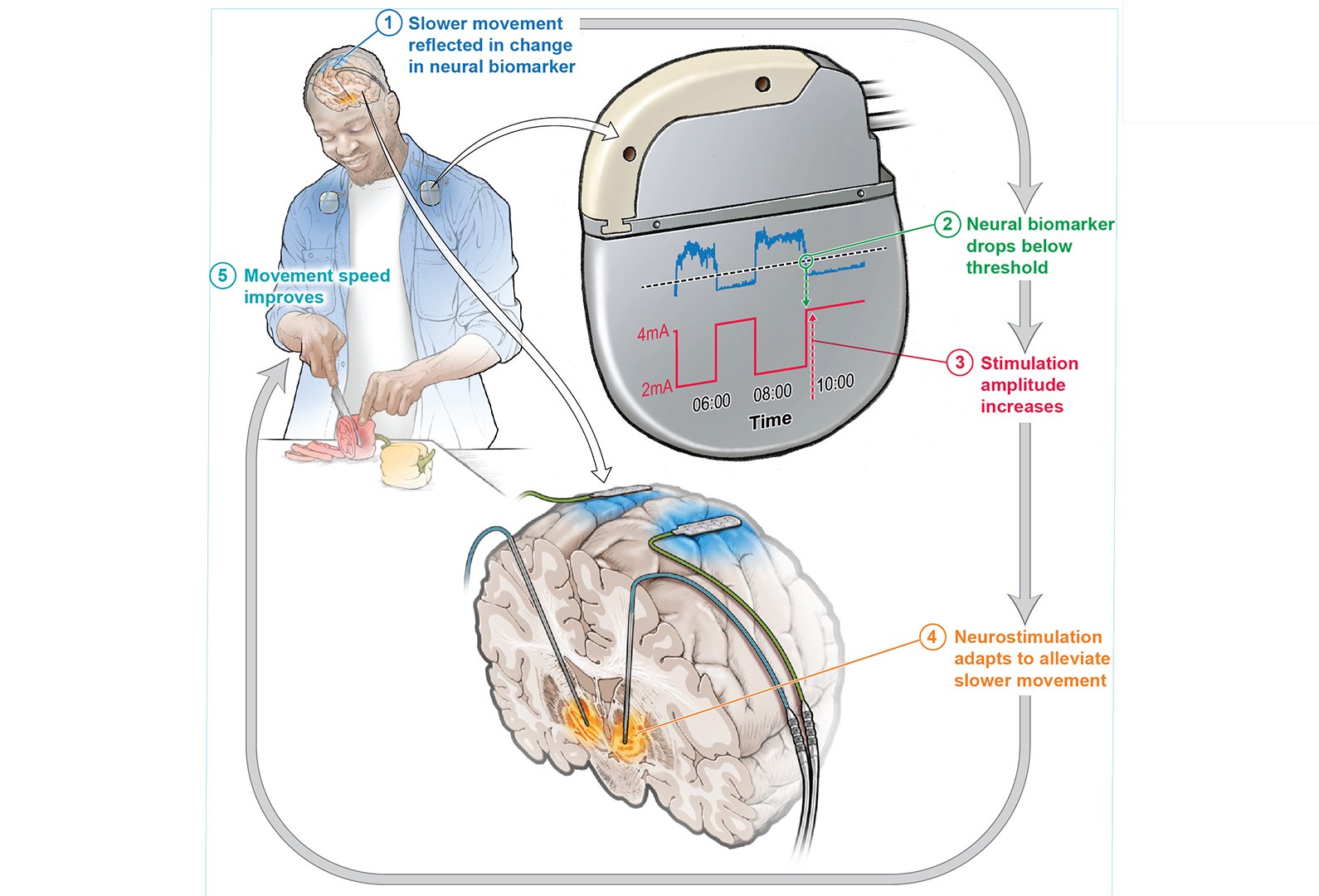
Future directions in child psychiatry and pediatric psychology increasingly point toward personalized, biomarker-informed diagnostic and therapeutic frameworks. Advances in functional neuroimaging, molecular genetics, and neuroendocrinology offer promising avenues for identifying objective biological markers associated with specific psychiatric phenotypes, potentially moving the field beyond purely descriptive, symptom-based diagnostic classifications. Precision child psychiatry aims to match individual genetic, neurobiological, and environmental profiles with highly tailored therapeutic protocols, thereby improving treatment efficacy and minimizing adverse drug reactions. However, the integration of these advanced biological tools must remain grounded in a holistic understanding of the child’s unique socio-cultural context, family dynamics, and developmental history, maintaining the humanistic and relational core of pediatric mental health care.