


Human beings constantly interpret events, predict outcomes, and evaluate their chances of success or failure. These interpretations shape emotions, motivation, behavior, and mental health. Two common attitudes toward life are optimism and realism. Optimism involves expecting that good outcomes are likely and believing that difficulties can be overcome. Realism involves evaluating situations according to available evidence and accepting both positive and negative possibilities. People often debate which attitude is psychologically healthier. Is it better to think positively, or is it safer to think realistically? The answer is more complex than choosing one attitude over the other. Optimism has long attracted the attention of psychologists because it is associated with hope, persistence, and emotional resilience. Optimistic individuals tend to believe that effort can make a difference. When they encounter obstacles, they are more likely to continue trying, seek solutions, and maintain motivation. This does not mean that optimists never experience disappointment; rather, they generally view setbacks as temporary and manageable. Realism, in contrast, emphasizes accuracy. Realistic individuals attempt to assess situations objectively, considering evidence, limitations, risks, and probabilities. They may ask practical questions such as “What are the chances of success?” or “What preparation is necessary?” Realism is often associated with good judgment, planning, and responsible decision-making. One major advantage of optimism is its effect on motivation. People who expect improvement are more likely to invest effort in education, work, relationships, health, and personal goals. Hope encourages action. A student who believes improvement is possible is more likely to study, and a patient who believes recovery is possible is more likely to follow treatment recommendations. In this sense, optimism can become a self-fulfilling influence because positive expectations increase constructive behavior. Realism contributes strongly to effective planning. Realistic individuals are often better at identifying obstacles and preparing for them. They may save money for emergencies, practice before a presentation, seek information before making decisions, and recognize when a goal is currently unrealistic. Such preparation can reduce preventable problems and increase long-term success. Psychological well-being involves both emotional comfort and effective functioning. Optimism tends to enhance positive emotions such as hope, enthusiasm, gratitude, and confidence. These emotions broaden attention, increase creativity, and strengthen social relationships. Realism may not produce the same emotional uplift, but it can reduce the shock that occurs when unexpected difficulties arise. The relationship between optimism and mental health is particularly important. Research consistently shows that moderate optimism is associated with lower levels of depression and anxiety, better stress recovery, and greater life satisfaction. Optimistic individuals are more likely to interpret setbacks as specific rather than permanent and less likely to view failure as evidence of personal worthlessness. However, optimism becomes problematic when it turns into unrealistic optimism. Unrealistic optimists may underestimate risks, ignore warning signs, avoid preparation, or persist in clearly harmful situations. Examples include neglecting medical advice, taking excessive financial risks, or assuming that success will occur without sufficient effort. In such cases, optimism protects mood temporarily but may increase future difficulties. Realism also has potential drawbacks. Some realistic individuals become excessively focused on problems, risks, and limitations. When realism loses hope and becomes chronic pessimism, it can reduce motivation and increase emotional distress. A person who believes that improvement is unlikely may stop trying, withdraw socially, or avoid opportunities. Thus, realism is psychologically healthy only when it remains balanced and flexible. Stressful life events provide a useful comparison. During illness, job loss, relationship problems, or academic failure, optimists often maintain hope and seek support, whereas realists may focus on practical coping steps. Both responses can be helpful. Hope provides emotional energy, while practical planning provides direction. The most adaptive individuals often combine both attitudes: they acknowledge the difficulty realistically while believing that meaningful action is still possible. Relationships are influenced by these attitudes as well. Optimistic people may be perceived as encouraging, supportive, and pleasant to be around, which can strengthen social bonds. Realistic people may contribute stability, honesty, and thoughtful advice. Conflicts can arise when extreme optimists minimize genuine concerns or when extreme realists dismiss hope too quickly. Health psychology offers another important perspective. Optimistic individuals are more likely to engage in health-promoting behaviors such as exercise, medical follow-up, and healthy eating. Yet realistic awareness of health risks is also essential for prevention and treatment adherence. The healthiest pattern is often realistic optimism: acknowledging risks while believing that one’s actions can improve outcomes. Academic and occupational settings similarly reward a combination of optimism and realism. Optimism encourages ambition and persistence, whereas realism encourages preparation and strategic thinking. Students who believe they can succeed and who also study effectively generally perform better than those who possess only confidence or only caution. Cultural values influence attitudes toward optimism and realism. Some cultures emphasize positive thinking and personal achievement, while others value modesty, caution, and realistic self-assessment. Neither cultural orientation is inherently superior; each reflects different social priorities and coping traditions. Neuroscience suggests that optimistic and realistic thinking involve partially different cognitive processes. Optimism is associated with reward anticipation and future-oriented motivation, whereas realistic evaluation relies heavily on evidence processing and cognitive control. Healthy psychological functioning likely requires cooperation between these systems rather than dominance of one. An especially important concept is realistic optimism. Realistic optimists recognize challenges, accept uncertainty, and prepare for difficulties, yet they still maintain confidence that effort, support, learning, and adaptation can improve the situation. This attitude avoids the denial of unrealistic optimism and the hopelessness of pessimistic realism. Therapeutic approaches often aim to cultivate realistic optimism. Cognitive-behavioral therapy, for example, does not teach people to think unrealistically positively. Instead, it helps them replace distorted negative beliefs with more balanced thoughts such as “This is difficult, but I have handled difficulties before” or “Success is uncertain, but preparation can improve my chances.” Developing a healthier attitude involves several skills: evaluating evidence, tolerating uncertainty, setting realistic goals, maintaining hope, learning from setbacks, and distinguishing between what can and cannot be controlled. People can ask themselves two questions simultaneously: “What are the facts?” and “What constructive action is possible?” The answer to the title
Why Do People Feel Empty Even When Life Seems Fine?
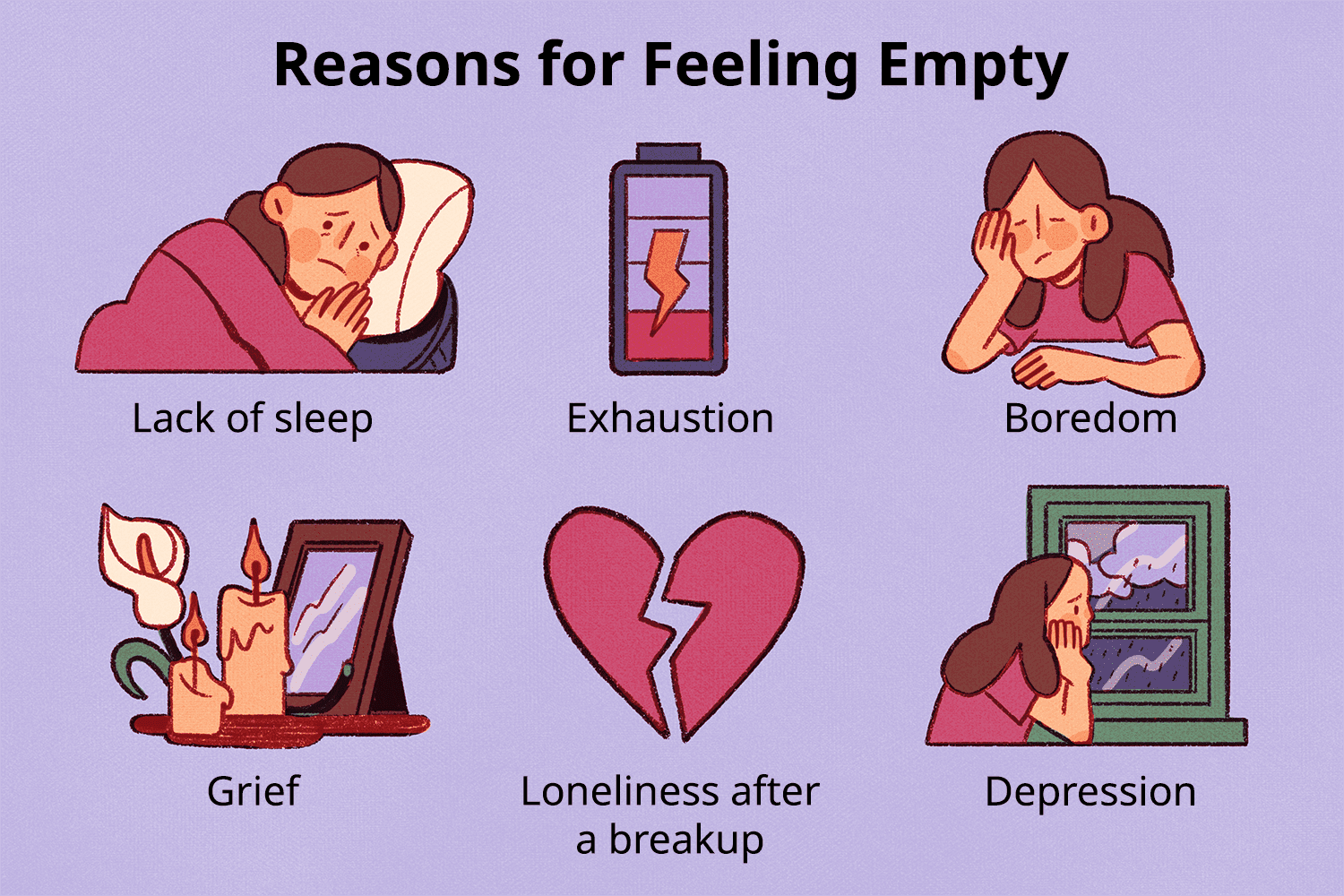
Many people experience periods in which life appears objectively stable—work or study continues, relationships may exist, basic needs are met, and no major crisis is occurring—yet they still feel emotionally empty. This feeling is often described as inner emptiness, hollowness, numbness, or a sense that something important is missing. Because outsiders may see no obvious problem, individuals frequently feel confused or guilty about these feelings. Psychological emptiness is a meaningful emotional experience that deserves careful attention rather than dismissal. Emptiness is different from ordinary sadness. Sadness is usually connected to a specific loss, disappointment, or painful event. Emptiness is often more difficult to identify. People may say, “I do not know what is wrong,” or “Everything is okay, but I feel nothing.” The absence of a clear external cause can make the experience especially distressing. One important reason for emotional emptiness is disconnection from personal meaning. Human beings need more than survival; they also need a sense that their actions matter. When daily life becomes a sequence of obligations without personal purpose, individuals may continue functioning while feeling internally detached. Success achieved according to others’ expectations may not provide fulfillment if it is not connected to one’s own values. Chronic stress can also contribute to emptiness. People who spend long periods meeting responsibilities, caring for others, studying intensely, or working under pressure may gradually suppress emotional needs in order to continue functioning. Over time, emotional exhaustion may appear as numbness rather than obvious distress. The person may not feel intensely sad; instead, they may feel emotionally unavailable. Another common factor is emotional avoidance. Some individuals learn early in life that expressing feelings is unsafe, weak, or unacceptable. They may become skilled at ignoring anger, sadness, fear, or disappointment. Suppressed emotions do not disappear completely; they may contribute to a general sense of inner emptiness because emotional experience becomes restricted. Loneliness is closely related to emptiness. A person can have many social contacts yet still lack emotional intimacy. Superficial interaction does not always satisfy the human need to be understood and accepted. When individuals cannot share their authentic thoughts and feelings, they may feel emotionally isolated despite being surrounded by people. Social media can intensify this experience. Constant exposure to carefully edited images of happiness, success, and excitement may create the impression that everyone else is living a meaningful life. Individuals may then judge their own ordinary emotions as inadequate and become increasingly disconnected from their genuine experiences. Identity confusion is another psychological source of emptiness. People often occupy many roles—student, employee, parent, spouse, friend—and may become so focused on fulfilling these roles that they lose contact with their own interests, desires, and values. When the question “Who am I beyond my responsibilities?” becomes difficult to answer, feelings of emptiness may emerge. Unresolved grief can produce a similar effect. After the loss of a loved one, a relationship, a dream, or an important stage of life, people sometimes continue functioning outwardly while internally feeling that a significant part of themselves has disappeared. Emptiness may represent the emotional space left by that loss. Depression sometimes presents primarily as emptiness rather than sadness. Individuals may report loss of interest, reduced pleasure, emotional numbness, fatigue, and a sense that life lacks color or meaning. Because they are not crying constantly, they may fail to recognize that they are experiencing depressive symptoms. Perfectionism can paradoxically increase emptiness. When self-worth depends entirely on achievement, accomplishments provide only temporary relief. As soon as one goal is reached, another appears. The individual remains trapped in constant striving without experiencing lasting satisfaction. Emptiness often affects relationships. People may withdraw emotionally, feel unable to connect deeply, or become dependent on others to fill the inner void. Neither extreme usually resolves the underlying issue because emotional fulfillment cannot be obtained solely through external validation. The experience can also influence behavior. Some individuals respond by seeking constant stimulation through shopping, social media, food, work, exercise, relationships, or entertainment. Temporary stimulation may distract from emptiness, but the feeling often returns when the activity ends. Psychological healing begins with recognizing emptiness as a signal rather than a personal failure. The feeling may indicate unmet emotional needs, lack of meaning, unresolved emotions, insufficient connection, or excessive self-neglect. Exploring these areas with curiosity is often more helpful than criticizing oneself for feeling empty. Several practices can support recovery. Spending time reflecting on personal values, engaging in activities that feel meaningful, strengthening emotionally honest relationships, allowing difficult emotions to be experienced safely, reducing chronic overwork, and practicing self-compassion can gradually restore a sense of inner connection. Professional support may be especially helpful when emptiness persists for a long time, interferes with daily functioning, is accompanied by depression or anxiety, or leads to hopelessness. Therapy can help individuals explore hidden emotions, identity concerns, relationship patterns, and sources of meaning. Importantly, emptiness does not mean that a person is broken or incapable of happiness. Many psychologically healthy people experience periods of emptiness during transitions, stress, grief, or self-disconnection. Such periods can sometimes become opportunities for deeper self-understanding and life re-evaluation. In conclusion, people may feel empty even when life appears fine because emotional well-being depends on more than external circumstances. Meaning, connection, authenticity, emotional expression, rest, and self-understanding are essential psychological needs. When these needs are neglected, inner emptiness can emerge despite outward stability. Listening to this feeling with compassion and curiosity can become the first step toward a more meaningful, connected, and emotionally alive life.
Childhood Trauma and Adult Personality: Which Has a Stronger Influence on Human Behavior?
Human behavior is shaped by a complex interaction of biological, psychological, and social factors. Two of the most frequently discussed influences are childhood trauma and adult personality. Childhood trauma refers to distressing experiences such as abuse, neglect, domestic violence, emotional rejection, chronic conflict, severe loss, or other events that overwhelm a child’s sense of safety. Adult personality refers to relatively stable patterns of thinking, feeling, and behaving that develop over time. Both factors influence emotional reactions, relationships, decision-making, and mental health. This raises an important psychological question: Which has a stronger influence on human behavior—childhood trauma or adult personality? At first glance, personality may appear more influential because it is visible in daily behavior. People are often described as calm, anxious, sociable, shy, organized, or impulsive. These patterns seem stable and predictable. However, personality itself develops within the context of early life experiences. Trauma occurring during sensitive developmental periods can shape emotional regulation, beliefs about self and others, attachment patterns, and stress responses. Therefore, comparing trauma and personality is not a simple competition between two independent forces; they are deeply interconnected. Childhood is a critical period for brain development. During early life, the brain is highly responsive to environmental experiences. Consistent care, emotional warmth, and safety support healthy development, whereas chronic fear, unpredictability, and emotional deprivation can alter stress-response systems. Children exposed to repeated trauma may become unusually alert to danger, interpret ambiguous situations as threatening, and struggle to feel safe even in non-dangerous environments. One of the most important consequences of childhood trauma is its effect on attachment. Children learn whether other people are trustworthy through their relationships with caregivers. When caregivers are consistently supportive, children tend to develop secure attachment, which promotes confidence and healthy relationships. When caregivers are frightening, rejecting, neglectful, or unpredictable, children may develop insecure attachment patterns. These patterns can persist into adulthood and influence intimacy, trust, and emotional closeness. Trauma also affects emotional regulation. Adults who experienced childhood trauma are more likely to report intense emotions, difficulty calming themselves, fear of abandonment, shame, anger, or emotional numbness. They may react strongly to situations that remind them, consciously or unconsciously, of earlier painful experiences. Such reactions often seem disproportionate to the current situation because they are linked to unresolved emotional memories. Personality, on the other hand, provides a framework for understanding consistent behavioral tendencies. Traits such as extraversion, conscientiousness, openness, agreeableness, and emotional stability influence how individuals approach relationships, work, learning, and stress. A highly conscientious person may plan carefully and persist through difficulties, while a highly extraverted person may seek social interaction and stimulation. These traits contribute significantly to daily functioning and long-term life outcomes. The key psychological question is whether personality can outweigh the effects of trauma. Research suggests that personality can sometimes buffer trauma. For example, individuals with high emotional stability, strong social skills, optimism, or resilience may cope more effectively with adverse experiences. Supportive relationships and adaptive personality characteristics can reduce the likelihood that trauma will lead to severe psychological problems. However, trauma can also shape the very personality traits that later appear stable. A child who grows up in a dangerous environment may become highly cautious, withdrawn, suspicious, or emotionally reactive. What appears to be a personality trait may partly represent an adaptation to early adversity. In this sense, trauma may operate beneath the surface of personality. Consider social behavior. An introverted adult may prefer solitude because it is genuinely energizing, whereas another person may avoid social situations because early experiences taught them that relationships are unsafe. The outward behavior—social withdrawal—may look similar, but the underlying psychology is very different. Understanding this distinction is essential for accurate psychological assessment. Mental health research provides further evidence of the lasting influence of childhood trauma. Early trauma is associated with increased risk of anxiety disorders, depression, post-traumatic stress disorder, substance misuse, eating disorders, personality disorders, and difficulties in emotional regulation. These associations remain significant even after accounting for many personality factors. This suggests that trauma exerts an independent influence on psychological functioning. Nevertheless, trauma does not determine destiny. Many individuals who experience severe childhood adversity develop into psychologically healthy adults. This phenomenon is often explained through resilience. Protective factors such as a supportive adult relationship, therapy, education, community support, personal strengths, and meaningful life goals can promote recovery and healthy development. Personality traits such as optimism, perseverance, and openness may contribute to resilience, demonstrating again that personality and trauma interact rather than operate separately. Adult experiences also matter. Loving relationships, stable employment, parenthood, friendship, spiritual beliefs, and therapeutic intervention can gradually modify trauma-related patterns. The brain retains some capacity for change throughout life, a property known as neuroplasticity. Adults can learn new emotional skills, develop trust, and form healthier relationships even after painful childhood experiences. An important area of comparison is decision-making. Personality influences preferences and habitual styles of thinking, whereas trauma often influences perceived safety. A person may avoid opportunities not because of low ambition but because success, visibility, or intimacy feels dangerous. Trauma-related beliefs such as “I will be hurt,” “I do not deserve good things,” or “People cannot be trusted” can powerfully shape behavior. Interpersonal relationships provide another useful comparison. Extraversion may increase the desire for social contact, but unresolved trauma may create fear of closeness. Conscientiousness may encourage responsibility, but trauma-related perfectionism may drive excessive self-criticism. Emotional stability may support calm behavior, yet trauma triggers may still provoke intense reactions. These examples illustrate that personality traits often interact with trauma-related processes. From a developmental perspective, trauma generally has its strongest effects when it is chronic, severe, interpersonal, and occurs early in life. A single stressful event is usually less damaging than years of emotional neglect, abuse, or exposure to violence. Early trauma can become woven into the developing sense of self, making its effects especially enduring. Psychotherapy frequently reveals this interaction. Clients may initially describe personality traits such as being “too sensitive,” “too controlling,” or “unable to trust.” As therapy progresses, these traits may be understood as adaptive responses to earlier experiences. Recognizing the historical origin of such patterns

Why Do People Become Attached to Objects?
Most people have at least one object that feels emotionally important: a childhood toy, a photograph, a book, a piece of clothing, a gift, a watch, or even an old ticket. The object may have little financial value, yet losing it can cause genuine sadness. Some individuals keep boxes of souvenirs for decades, while others feel unable to throw away possessions that remind them of certain periods of life. This raises an intriguing psychological question: Why do people become attached to objects? The answer reveals much about memory, identity, emotion, relationships, and the human need for continuity. One of the strongest reasons for object attachment is memory. Objects often serve as physical reminders of significant experiences. A photograph may evoke a family gathering, a graduation, or a lost loved one. When people hold such objects, memories become more vivid and emotionally accessible. Psychologists sometimes describe objects as external memory cues because they help preserve experiences that might otherwise fade over time. Object attachment is closely related to identity. Personal possessions can symbolize who we are, where we come from, and what we value. A musician may feel attached to an instrument, a student to a favorite notebook, or a traveler to souvenirs collected from different countries. These objects become part of the individual’s life story. Losing them may feel like losing a piece of oneself because they represent important aspects of personal identity. Emotions also play a central role. Many meaningful objects are associated with love, comfort, safety, pride, or achievement. A child may sleep with a blanket or toy because it provides emotional security. Adults often continue to keep objects linked to supportive relationships, such as gifts from parents, friends, or partners. The emotional value of the relationship becomes transferred to the object. Psychologists have long been interested in transitional objects, especially in childhood. Young children often become strongly attached to a blanket, stuffed animal, or other comforting item. These objects help children tolerate separation from caregivers and develop emotional independence. Although the intensity of attachment usually decreases with age, the underlying psychological process—using objects for emotional comfort—can continue throughout life in more subtle forms. Attachment to objects frequently increases after loss. After the death of a loved one, people may preserve clothing, letters, jewelry, or everyday items belonging to that person. These possessions can create a continuing sense of connection and help individuals cope with grief. The object does not replace the person, but it may provide comfort by symbolizing the relationship that existed. Another important factor is the human desire for continuity. Life changes constantly: people grow older, relationships change, homes change, and circumstances change. Familiar objects provide a sense of stability amid these changes. An old book, piece of furniture, or family heirloom can create a feeling that some parts of life remain constant even when many other things have changed. Nostalgia is deeply connected to object attachment. Nostalgia is a sentimental longing for the past, often accompanied by warm emotions and a sense of meaning. Objects can trigger nostalgic memories that remind individuals of happier, simpler, or emotionally significant times. Research suggests that nostalgia may improve mood, increase feelings of social connectedness, and strengthen a sense of life continuity. Not all object attachment is healthy. When attachment becomes extreme, individuals may experience significant distress at the thought of discarding possessions, even those with little practical or emotional value. In severe cases, excessive saving may interfere with daily functioning, living space, safety, and relationships. Psychologists distinguish normal sentimental attachment from problematic hoarding by considering the level of distress and impairment. Culture influences object attachment as well. In some cultures, family heirlooms and inherited possessions are highly valued because they symbolize ancestry, tradition, and continuity across generations. In others, minimalism and reduced attachment to material possessions may be emphasized. Nevertheless, emotional attachment to meaningful objects appears to be a widespread human experience across cultures. Modern consumer culture adds another layer. Advertising often encourages people to associate products with identity, success, love, or happiness. As a result, individuals may form emotional bonds not only with personal souvenirs but also with purchased items that symbolize desired lifestyles or achievements. However, attachments formed through marketing are usually less enduring than those rooted in genuine personal experience. Digital technology has created new forms of object attachment. People now become emotionally attached to smartphones, digital photographs, social media accounts, and stored messages. Losing a phone may feel distressing not only because of its monetary value but because it contains memories, relationships, conversations, and personal information. In a sense, digital devices have become containers of identity and memory. Age influences the nature of attachment. Children often value comfort and familiarity, adolescents may value objects that express identity and group belonging, and adults may value objects connected to relationships, achievements, or life history. Older adults frequently place greater emotional value on possessions that preserve memories and family continuity. Attachment to objects can also serve important psychological functions during stress. Holding a meaningful object may reduce anxiety by providing comfort and reminding the person of supportive relationships or successful experiences. Some individuals carry lucky charms, religious items, or sentimental objects during stressful situations because these items provide emotional reassurance. Interestingly, people often assign human-like qualities to cherished objects. They may speak about a favorite toy, car, or instrument as if it has a personality. This tendency reflects the human capacity to invest objects with emotional meaning. The object becomes more than a physical thing; it becomes part of a relationship-like experience. Healthy object attachment usually has several characteristics: the object has clear personal meaning, it evokes positive memories or values, it provides comfort without dominating life, and the person can function even if the object is lost, although sadness may occur. Unhealthy attachment is more likely when possessions become the primary source of security, identity, or emotional regulation. Psychological well-being is not determined by how many possessions a person owns but by the quality of the emotional meanings attached to them. Meaningful objects can enrich life by preserving memories, strengthening identity,
Why Do People Talk to Themselves?
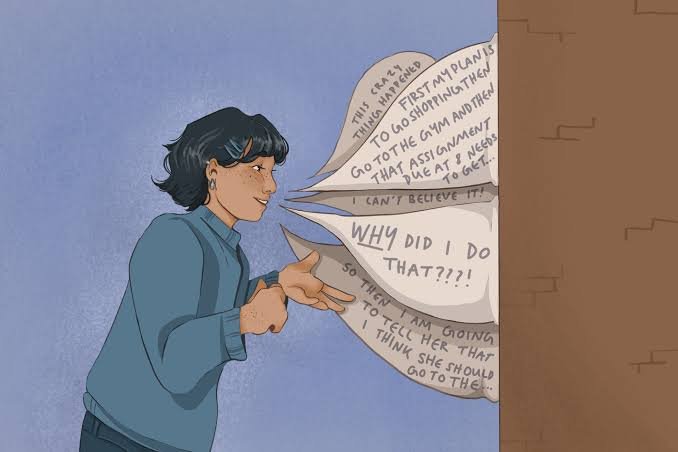
Many people occasionally speak to themselves while thinking, solving a problem, remembering a task, or reacting to an emotional event. A student may whisper while studying, a driver may say “Turn left here,” and a person who loses an object may say “Where did I put it?” Although self-talk is extremely common, it is often misunderstood. Some individuals worry that talking to oneself is strange or a sign of mental illness. Psychological research suggests that self-talk is usually a normal cognitive process and can serve important functions in thinking, emotion regulation, memory, and behavior. The more interesting question is not whether people talk to themselves, but why they do so. Self-talk begins early in development. Young children frequently speak aloud while playing, building, drawing, or completing tasks. The Russian psychologist Lev Vygotsky proposed that this “private speech” helps children guide their behavior. A child may say, “First this block, then that block,” while solving a puzzle. Over time, much of this speech becomes internal and develops into inner speech, the silent conversation that adults experience as thinking. Thus, talking to oneself is closely connected to the development of thought itself. One important function of self-talk is cognitive organization. Speaking aloud can help people structure complex information. When thoughts are vague or overwhelming, verbalizing them often makes them clearer. People may list options, repeat instructions, or explain a problem to themselves in order to understand it better. In this sense, self-talk acts like an external tool for organizing the mind. Self-talk also supports memory. Repeating information aloud can strengthen recall. Individuals often say phone numbers, names, shopping items, or directions to themselves because auditory repetition increases the likelihood that the information will be remembered. This strategy is especially common when people are trying to hold information in working memory. Another major function is self-regulation. People frequently use self-talk to guide behavior, maintain attention, and persist during difficult tasks. Athletes may say “Stay focused,” students may say “Keep going,” and workers may say “Finish this step first.” Encouraging self-talk can increase motivation and task persistence, particularly during challenging activities. Emotional regulation is equally important. During stressful situations, people often speak to themselves in calming or reassuring ways: “It will be okay,” “Take a deep breath,” or “You can handle this.” Such statements can reduce anxiety by providing emotional support from within. In effect, self-talk allows individuals to become both the speaker and the listener, offering themselves comfort when external support is unavailable. Self-talk becomes especially noticeable during problem-solving. Verbalizing a problem can help individuals evaluate alternatives and predict consequences. Saying thoughts aloud slows the thinking process and makes it easier to examine reasoning step by step. This is why many people instinctively talk to themselves when assembling furniture, cooking a new recipe, fixing a device, or making an important decision. Psychologists have found that the tone of self-talk matters greatly. Supportive self-talk is associated with greater confidence, persistence, and emotional resilience. Harsh self-talk, in contrast, is linked to anxiety, low self-esteem, perfectionism, and depression. Statements such as “I always fail” or “I am useless” can strengthen negative beliefs and increase emotional distress. Thus, the psychological impact depends less on the existence of self-talk than on its content. An interesting phenomenon is the use of one’s own name during self-talk. Research suggests that speaking to oneself as if speaking to another person—for example, “Aynur, stay calm”—may create psychological distance from intense emotions. This distance can make it easier to think more objectively and regulate emotional reactions. Creativity is another area in which self-talk may be beneficial. Writers, artists, scientists, and inventors often report engaging in internal dialogues while generating ideas. Imagined conversations, questions, and explanations can stimulate new perspectives and creative associations. In this way, self-talk may contribute to imagination and innovation. Self-talk can also serve social purposes even when no other person is present. Humans are highly social beings, and internal dialogue may reflect the social nature of thought. People often rehearse future conversations, imagine how others might respond, or review past interactions. Such mental simulations help prepare for social situations, although excessive rehearsal may increase anxiety. A common concern is whether talking to oneself indicates a psychological disorder. In most cases, the answer is no. Occasional or frequent self-talk is common among psychologically healthy individuals. It becomes a clinical concern only when it is accompanied by symptoms such as hearing voices that seem to come from outside oneself, losing touch with reality, severe confusion, or significant impairment in daily functioning. Ordinary self-talk is recognized as one’s own speech and thoughts. Stress and loneliness can increase self-talk. People who spend long periods alone may speak aloud more often because verbal expression provides a sense of companionship and mental stimulation. During stressful periods, self-talk may increase as individuals attempt to cope with uncertainty and emotional tension. Cultural attitudes toward self-talk vary. In some societies, speaking aloud to oneself in public is viewed as unusual, while in others it attracts little attention. These cultural expectations influence whether individuals feel embarrassed about self-talk, but they do not determine whether the behavior is psychologically normal. Modern technology has created new forms of self-talk. People now speak to voice assistants, record voice notes, and talk through tasks while using digital devices. These behaviors blur the boundary between private speech and communication with technology, yet they continue to reflect the human tendency to use language as a tool for thinking. Self-talk can be deliberately improved. Psychological interventions often teach individuals to replace self-critical statements with more balanced and compassionate ones. Instead of saying “I cannot do this,” a person might practice saying “This is difficult, but I can try step by step.” Such changes in internal dialogue can significantly influence emotions and behavior. Mindfulness approaches encourage individuals to observe self-talk without automatically believing every thought. This perspective helps people recognize that thoughts are mental events rather than objective facts. Learning to notice self-talk without becoming trapped in it can reduce anxiety and rumination. Parents and educators can model healthy self-talk for children by verbalizing constructive coping strategies: “I
Why Do People Need Social Support?
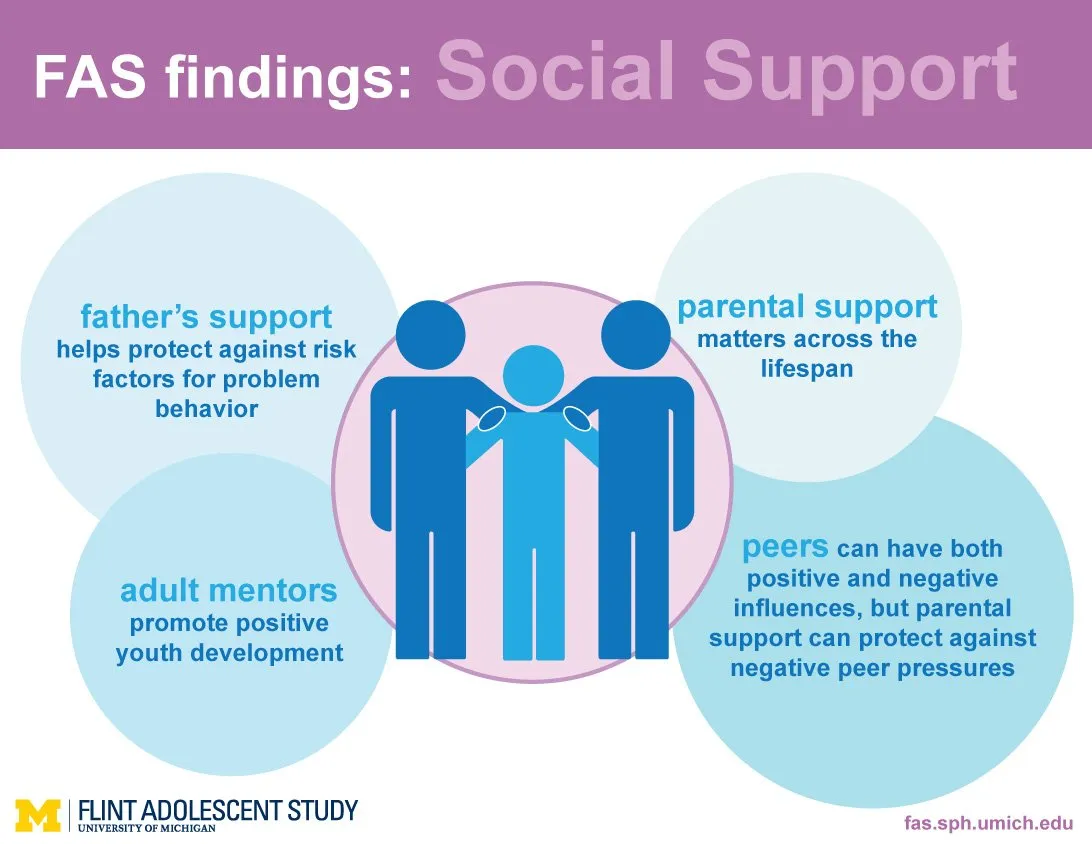
Human beings are fundamentally social creatures. From the moment of birth, survival depends on relationships with others. As individuals grow, social connections continue to provide emotional security, practical assistance, identity, and a sense of belonging. Psychologists define social support as the emotional, informational, and practical help that people receive from family members, friends, partners, colleagues, teachers, and communities. Although many people value independence, research consistently shows that strong social support is one of the most important protective factors for mental health and overall well-being. Understanding why people need social support helps explain how relationships influence emotions, behavior, health, and resilience throughout life. One of the primary functions of social support is the reduction of emotional distress. When people face difficulties such as illness, failure, financial problems, grief, or relationship conflicts, sharing these experiences with a trusted person often decreases feelings of isolation and helplessness. Being listened to with empathy can provide comfort even when the problem cannot be immediately solved. Emotional support communicates an important psychological message: “You are not alone.” Social support is closely related to stress management. Stressful events are generally experienced as less threatening when individuals believe that help is available. Friends and family may provide reassurance, advice, encouragement, or practical assistance, all of which can reduce the emotional burden of a difficult situation. In contrast, people who feel unsupported often experience higher levels of anxiety and emotional exhaustion because they believe they must cope entirely on their own. Another important benefit is the development of self-esteem. Positive relationships provide acceptance, appreciation, and validation. When significant others express care and respect, individuals are more likely to view themselves as valuable and worthy. Supportive feedback can strengthen confidence during periods of doubt or failure. Conversely, chronic lack of support may contribute to feelings of worthlessness, insecurity, and social rejection. Social support also plays a crucial role in identity formation. Families, friends, and communities help individuals understand who they are, what they value, and where they belong. Shared experiences, traditions, beliefs, and goals contribute to a stable sense of identity. People who lack meaningful social connections may struggle with feelings of emptiness or disconnection. Mental health is strongly influenced by the quality of social relationships. Numerous psychological studies have found that strong social support is associated with lower rates of depression and anxiety. Supportive relationships encourage healthy coping, provide opportunities for emotional expression, and offer hope during difficult times. Individuals who feel connected to others are generally more resilient when facing adversity. During childhood, social support is essential for healthy psychological development. Warm and responsive caregivers help children develop trust, emotional regulation, and secure attachment. Children who receive consistent emotional support are more likely to develop confidence, social competence, and effective coping skills. Lack of support during childhood can increase vulnerability to emotional and behavioral difficulties later in life. Adolescence is another period in which social support becomes especially important. Teenagers face rapid physical, emotional, and social changes. Support from parents, friends, and teachers can help adolescents manage academic pressure, peer relationships, identity exploration, and future concerns. Adolescents who feel supported are more likely to seek help when distressed and less likely to engage in risky behaviors. In adulthood, social support influences both personal and professional functioning. Supportive partners and friends can reduce stress, encourage healthy habits, and provide practical help with daily responsibilities. In the workplace, supportive colleagues and supervisors contribute to job satisfaction, motivation, and reduced burnout. Employees who feel valued and supported generally cope better with occupational stress. Social support is particularly important during major life transitions such as marriage, parenthood, migration, retirement, illness, or bereavement. These transitions often involve uncertainty and emotional adjustment. Supportive relationships provide stability and guidance during periods of change, helping individuals adapt more successfully. Grief offers a clear example of the power of social support. The loss of a loved one can produce intense sadness, loneliness, and confusion. Compassionate support from others does not remove the loss, but it can reduce feelings of isolation and provide emotional containment during the grieving process. Shared mourning often helps individuals gradually adapt to life after loss. Social support is not only emotional; it can also be informational and practical. Informational support includes advice, guidance, education, and problem-solving assistance. Practical support includes transportation, financial help, childcare, household assistance, or help during illness. These forms of support reduce daily burdens and free psychological energy for coping and recovery. An important psychological concept related to social support is resilience. Resilience refers to the ability to recover from stress and adversity. People with strong support networks tend to be more resilient because they have access to encouragement, perspective, resources, and assistance. Social support does not eliminate hardship, but it makes hardship easier to bear. Loneliness demonstrates what happens when social support is lacking. Persistent loneliness is associated with depression, anxiety, sleep problems, low self-esteem, and reduced life satisfaction. Individuals who feel disconnected from others may become increasingly withdrawn, which further reduces opportunities for support. Thus, social isolation and psychological distress often reinforce each other. Modern technology has changed the nature of social support. Online communication can help people maintain relationships across long distances and find supportive communities. However, digital contact does not always provide the depth of emotional connection that face-to-face interaction offers. A person may have many online contacts yet still feel lonely if meaningful emotional support is absent. Cultural factors influence how social support is expressed. In some cultures, support is primarily provided through family networks, while in others friends, community organizations, or professional services play larger roles. Regardless of cultural differences, the underlying human need for connection appears to be universal. Importantly, the quality of support matters more than the number of social contacts. A few trustworthy and caring relationships are often more beneficial than many superficial relationships. Support that is controlling, critical, dismissive, or inconsistent may not improve well-being and can sometimes increase distress. People can strengthen their social support networks by maintaining regular contact with loved ones, participating in community activities, joining groups based on shared interests, offering support to others, communicating openly, and
Why Is Emotional Intelligence Important in Daily Life?
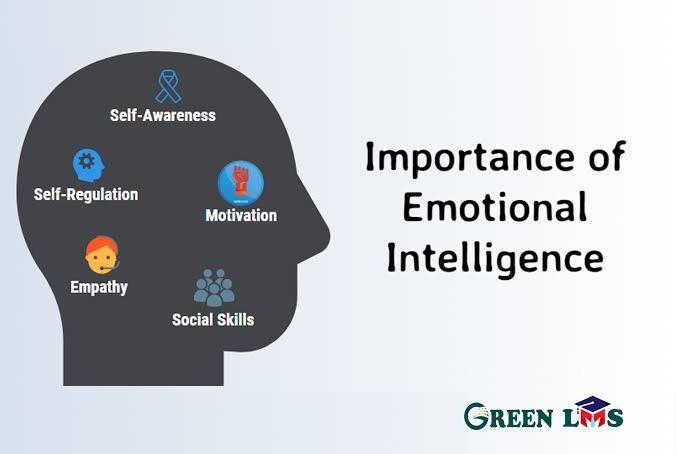
Success in life is often associated with academic achievement, professional skills, and intellectual ability. However, psychologists increasingly recognize that another factor plays a crucial role in human well-being and effective functioning: emotional intelligence. Emotional intelligence refers to the ability to recognize, understand, manage, and use emotions effectively in oneself and in others. It includes emotional awareness, self-regulation, empathy, social skills, and the ability to handle interpersonal relationships constructively. Because emotions influence almost every aspect of daily life, emotional intelligence is not a luxury; it is a fundamental psychological capacity that affects mental health, relationships, education, work, and personal growth. One of the most important components of emotional intelligence is self-awareness. Self-aware individuals can identify what they are feeling and understand the causes of their emotions. They can distinguish between anger, disappointment, anxiety, sadness, jealousy, and frustration rather than experiencing these emotions as vague distress. This awareness is psychologically valuable because emotions that are recognized are easier to manage. People who lack self-awareness may react impulsively without understanding why they are upset. Self-awareness also supports healthier decision-making. Emotions influence judgments, priorities, and behavior. When individuals understand their emotional state, they are less likely to make important decisions while overwhelmed by anger, fear, or excitement. Instead, they can pause, reflect, and choose responses that are more consistent with their long-term goals and values. Another essential aspect of emotional intelligence is self-regulation, the ability to manage emotional reactions effectively. Emotionally intelligent individuals do not suppress emotions completely; rather, they express them in appropriate ways. For example, they may feel angry during a disagreement but avoid shouting, insulting, or acting aggressively. Self-regulation helps individuals tolerate frustration, delay impulsive actions, and recover more quickly from emotional setbacks. Poor emotional regulation is associated with many psychological difficulties, including anxiety, depression, aggression, and relationship problems. Individuals who cannot manage emotions effectively may become overwhelmed by stress, react impulsively, or engage in harmful coping behaviors. Therefore, emotional intelligence contributes directly to mental health and emotional stability. Empathy is another core element. Empathy involves understanding another person’s feelings and perspective. Empathetic individuals are better able to provide support, respond sensitively, and build trusting relationships. Empathy reduces conflict because it encourages people to consider how their words and actions affect others. Strong relationships are one of the greatest predictors of psychological well-being, and emotional intelligence plays a central role in relationship quality. Friends, partners, parents, children, teachers, and colleagues all communicate emotions continuously through facial expressions, tone of voice, gestures, and behavior. Emotionally intelligent people are more likely to notice these signals and respond appropriately. They tend to listen more effectively, communicate more clearly, and resolve disagreements more constructively. Family life particularly benefits from emotional intelligence. Parents who understand and regulate their own emotions are better able to respond calmly to children’s behavior. They are more likely to validate children’s feelings, teach emotional skills, and create a secure emotional environment. Children raised in emotionally supportive families often develop better emotional regulation, stronger self-esteem, and healthier social relationships. Emotional intelligence is also highly important in education. Students frequently experience stress related to examinations, competition, social relationships, and future expectations. Those with higher emotional intelligence are generally better able to cope with academic pressure, manage disappointment, seek help when needed, and maintain motivation after setbacks. Emotional skills can therefore support learning and academic persistence. In the workplace, emotional intelligence is often as important as technical expertise. Modern occupations require teamwork, communication, leadership, negotiation, and customer interaction. Employees with strong emotional intelligence tend to collaborate effectively, handle criticism constructively, and adapt to changing circumstances. Leaders who understand the emotions of their team members are more likely to create supportive and productive work environments. Stress management is another area in which emotional intelligence has a powerful influence. Daily life inevitably includes problems, uncertainty, and disappointment. Emotionally intelligent individuals are more likely to recognize stress early and use healthy coping strategies such as problem-solving, seeking social support, relaxation, physical activity, or constructive communication. They are less likely to remain trapped in chronic emotional tension. Emotional intelligence also contributes to resilience, the ability to recover from adversity. Resilient individuals acknowledge painful emotions without being completely controlled by them. They can maintain hope, learn from difficult experiences, and continue pursuing meaningful goals. Emotional intelligence supports resilience by helping individuals understand their emotional reactions and regulate them effectively during challenging times. Communication quality improves significantly with emotional intelligence. Many interpersonal conflicts arise not from the problem itself but from the way emotions are expressed. Emotionally intelligent individuals are more likely to use respectful language, express feelings clearly, and listen without immediately becoming defensive. These skills reduce misunderstandings and strengthen social bonds. A lack of emotional intelligence can create substantial difficulties. Individuals may misinterpret others’ intentions, react impulsively, struggle with relationships, experience frequent conflicts, or feel misunderstood. Emotional misunderstandings can damage friendships, marriages, workplace relationships, and family connections. Over time, repeated interpersonal difficulties may contribute to loneliness, anxiety, and reduced life satisfaction. Modern technology has increased the importance of emotional intelligence rather than reduced it. Digital communication often lacks facial expressions, tone of voice, and other emotional cues, making misunderstandings more common. Social media can intensify emotional reactions through comparison, criticism, and rapid communication. Emotionally intelligent individuals are better able to pause before responding, interpret messages carefully, and protect their emotional well-being online. Importantly, emotional intelligence is not fixed at birth. Although temperament influences emotional tendencies, emotional skills can be learned and strengthened throughout life. Mindfulness, reflection, psychotherapy, emotional education, supportive relationships, and deliberate practice can all improve emotional intelligence. Practical strategies for developing emotional intelligence include regularly identifying one’s emotions, keeping an emotion journal, practicing active listening, asking others about their perspectives, pausing before reacting when upset, learning healthy coping skills, and reflecting on emotional experiences after conflicts or stressful events. Schools and workplaces increasingly recognize the value of emotional education. Teaching children and adults how to understand emotions, communicate effectively, and manage stress can improve not only mental health but also academic performance, workplace functioning, and social harmony. A common misconception
Can Overthinking Become a Psychological Problem?
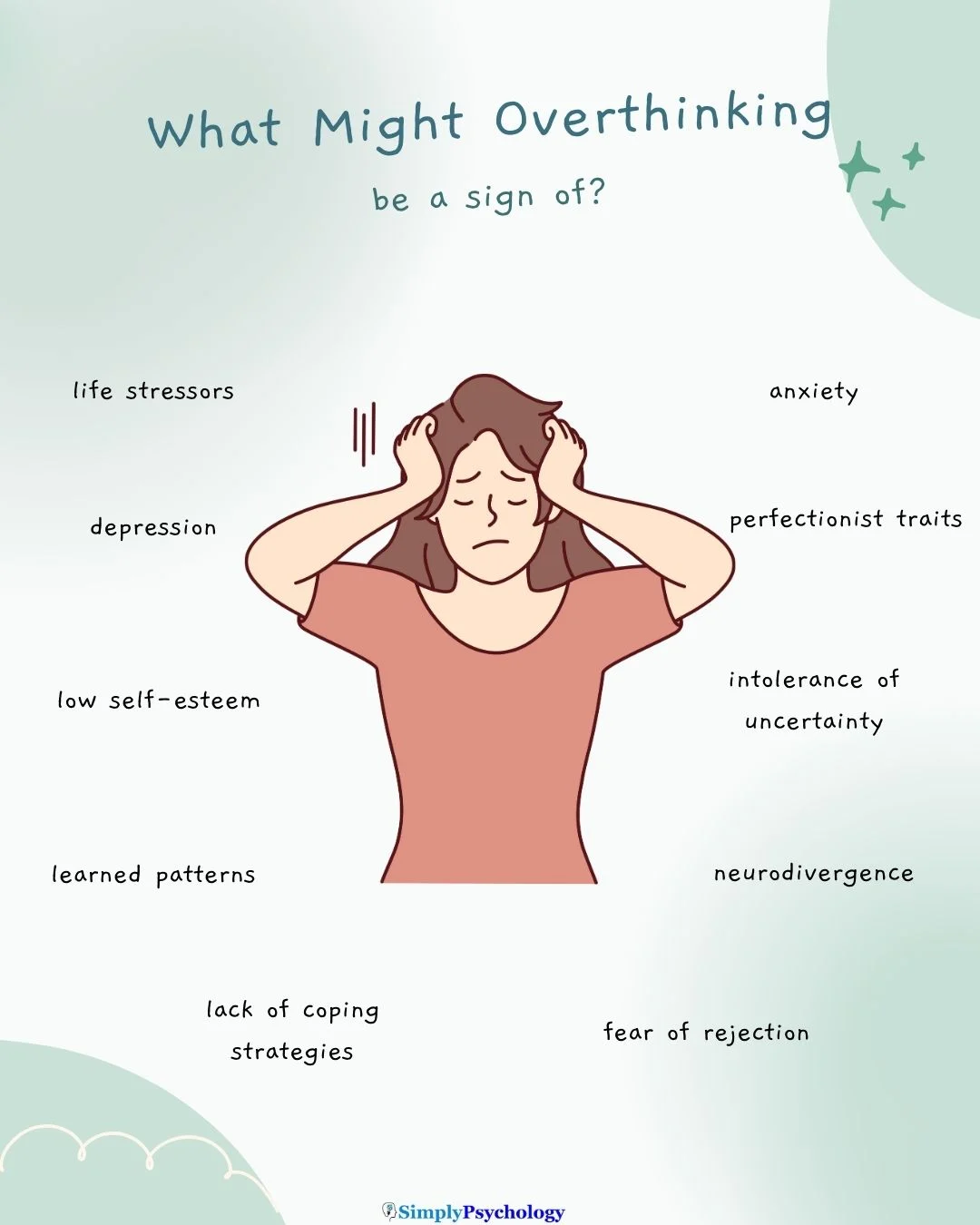
Thinking is an essential human ability. People think in order to make decisions, solve problems, plan for the future, remember the past, and understand themselves and others. Reflection and careful consideration are often signs of responsibility and intelligence. However, thinking can become harmful when it becomes repetitive, excessive, and difficult to control. This pattern is commonly called overthinking. Many people describe overthinking as continuously analyzing situations, replaying conversations, imagining negative outcomes, or searching endlessly for certainty. Because occasional overthinking is common, it is often dismissed as a personality trait. Yet psychologists increasingly recognize that persistent overthinking can become a significant psychological problem that affects emotions, behavior, relationships, work, and overall quality of life. Overthinking generally appears in two main forms. The first is rumination, which involves repeatedly focusing on past events, mistakes, losses, or disappointments. A person may think, “Why did I say that?” or “I should have acted differently,” for hours or even days. The second is worry, which involves repeatedly thinking about future threats and possible negative outcomes. A person may imagine illness, failure, rejection, financial problems, or other dangers that have not occurred. Both rumination and worry keep attention focused on problems rather than on effective action. A key psychological feature of overthinking is the belief that more thinking will eventually produce certainty or emotional relief. People often continue analyzing because they hope to find the perfect answer, prevent mistakes, or gain complete control over the situation. Unfortunately, many life situations are uncertain and cannot be solved through endless mental analysis. Instead of creating clarity, excessive thinking often creates confusion, doubt, and emotional exhaustion. One of the strongest links between overthinking and mental health is anxiety. Individuals who overthink tend to scan constantly for potential threats. They imagine worst-case scenarios and mentally rehearse possible problems. This process increases physiological arousal, leading to symptoms such as tension, restlessness, rapid heartbeat, and difficulty relaxing. The more a person thinks about danger, the more dangerous the situation feels, even when objective evidence is limited. Overthinking is also closely related to depression, particularly through rumination. Depressed individuals often replay painful experiences, criticize themselves, and focus on perceived failures. Rumination maintains negative mood because attention remains fixed on distressing thoughts. Instead of moving toward problem-solving or emotional recovery, the person becomes trapped in a cycle of self-focused negative thinking. Self-esteem is frequently affected. Overthinkers tend to evaluate themselves harshly and may interpret small mistakes as evidence of personal inadequacy. They may spend long periods analyzing their behavior after social interactions, searching for signs that they appeared foolish, rude, or inadequate. Repeated self-evaluation can gradually weaken confidence and increase self-doubt. Decision-making becomes especially difficult when overthinking is severe. Psychologists sometimes refer to this as analysis paralysis. The individual considers every possible outcome, compares endless alternatives, and fears making the wrong choice. Even relatively simple decisions, such as sending a message, choosing a course, making a purchase, or accepting an invitation, may become stressful and time-consuming. Delayed decisions often create additional stress and reinforce the belief that decisions are dangerous. Overthinking affects social relationships in important ways. People who constantly analyze conversations may misinterpret neutral comments as criticism or rejection. They may seek repeated reassurance from friends or partners, asking questions such as “Are you upset with me?” or “Did I say something wrong?” Excessive reassurance seeking can strain relationships, while fear of negative evaluation may lead to social withdrawal. Sleep is particularly vulnerable to overthinking. Many individuals report that their thoughts become most active at night when external distractions decrease. They replay past events, plan future tasks, or worry about possible problems, making it difficult to fall asleep. Poor sleep then reduces emotional resilience and increases the likelihood of further overthinking the next day, creating a self-reinforcing cycle. Cognitive functioning can also suffer. Although overthinkers spend a great deal of time thinking, the quality of thinking often declines when mental activity becomes repetitive and emotionally charged. Concentration becomes difficult, memory may feel less efficient, and creativity can decrease because attention is narrowly focused on threat or self-criticism. Academic and occupational functioning may be affected as well. Students may repeatedly revise assignments, fear submitting work, or spend excessive time preparing for examinations. Employees may overanalyze emails, presentations, or decisions, leading to reduced productivity and increased stress. Perfectionism often accompanies overthinking, with individuals believing that they must anticipate every possible problem before taking action. The physical effects should not be underestimated. Chronic mental tension can contribute to headaches, muscle pain, stomach discomfort, fatigue, and other stress-related symptoms. Overthinking keeps the body in a state of psychological alertness, which can become exhausting when maintained for long periods. Modern life provides many conditions that encourage overthinking. Social media exposes people to constant comparison, feedback, and information. Messages can be reread repeatedly, online interactions can be analyzed in detail, and exposure to alarming news can increase worry. In addition, modern culture often emphasizes making the “right” choice in education, career, relationships, and lifestyle, which may increase fear of mistakes. Importantly, overthinking is not always a separate mental disorder. It is better understood as a psychological process that can occur in many conditions, including anxiety disorders, depression, obsessive-compulsive disorder, and stress-related problems. However, even individuals without a diagnosable disorder may experience overthinking severe enough to impair daily functioning. Several factors increase vulnerability to overthinking. Perfectionism, intolerance of uncertainty, low self-esteem, high sensitivity to criticism, past negative experiences, chronic stress, and certain personality traits can all contribute. People who were frequently criticized or expected to avoid mistakes may learn to monitor themselves excessively. A useful question is how to distinguish thoughtful reflection from problematic overthinking. Reflection is usually purposeful, time-limited, and followed by action. Overthinking is repetitive, emotionally distressing, difficult to stop, and rarely leads to effective action. If thinking repeatedly produces more anxiety without producing new solutions, it is likely becoming unhelpful. Psychological treatment can be very effective. Cognitive-behavioral therapy (CBT) helps individuals identify unhelpful thought patterns, challenge catastrophic thinking, and develop more balanced interpretations. CBT also encourages behavioral action rather than endless mental analysis. For

Can Perfectionism Harm Mental Health?
Perfectionism is often viewed as a positive personality trait associated with high standards, discipline, responsibility, and achievement. Many successful students, professionals, athletes, and artists describe themselves as perfectionists. Because society frequently rewards excellent performance, perfectionism may appear beneficial at first glance. However, psychologists increasingly recognize that perfectionism can become harmful when a person believes that mistakes are unacceptable and that personal worth depends on flawless performance. In such cases, perfectionism may negatively affect emotional well-being, relationships, academic success, work performance, and overall quality of life. Healthy striving and perfectionism are not the same. Healthy striving involves setting ambitious goals while accepting that mistakes and setbacks are part of learning. A healthy striver can feel disappointed after failure yet continue trying. Harmful perfectionism involves unrealistic standards, excessive self-criticism, fear of mistakes, and constant dissatisfaction with one’s performance. Even after achieving success, the person may focus on small imperfections rather than accomplishments. One of the central psychological features of perfectionism is fear of failure. Perfectionistic individuals often believe that errors will lead to criticism, rejection, humiliation, or loss of respect. Because failure feels threatening, they may experience intense anxiety before examinations, presentations, interviews, competitions, or important tasks. The fear of not meeting expectations can become so strong that it interferes with concentration and performance. Perfectionism strongly influences self-esteem. Many perfectionists evaluate themselves primarily through achievement. When performance is excellent, they may feel temporarily worthy; when performance is imperfect, they may feel inadequate. This creates unstable self-esteem that depends heavily on external results. A single mistake may outweigh many successes in the person’s mind. Excessive self-criticism is another common consequence. Perfectionists often speak to themselves in harsh ways that they would never use with others. Thoughts such as “I should have done better,” “This is not good enough,” or “I always make mistakes” may occur frequently. Constant self-criticism increases emotional distress and reduces satisfaction with life. Anxiety is closely linked to perfectionism. Perfectionists tend to overprepare, repeatedly check their work, seek reassurance, and worry excessively about outcomes. They may spend far more time on tasks than necessary because they fear overlooking an error. Although careful work can be valuable, excessive checking often increases anxiety rather than reducing it. Paradoxically, perfectionism can lead to procrastination. When individuals believe that their work must be perfect, starting a task becomes frightening. They may delay beginning because they fear producing something imperfect. Others begin a task but repeatedly revise small details, preventing completion. As deadlines approach, stress increases, reinforcing the belief that they are not performing adequately. Perfectionism can also contribute to depression. Constantly feeling that one is falling short of impossible standards creates chronic disappointment. Perfectionists may overlook achievements and focus primarily on perceived shortcomings. Over time, feelings of hopelessness, sadness, and exhaustion may develop, especially if the person believes that no effort is ever enough. Relationships are often affected. Perfectionistic individuals may set unrealistically high expectations for partners, children, friends, or colleagues. They may become overly critical, controlling, or disappointed when others do not meet these standards. Conversely, some perfectionists fear criticism so strongly that they hide weaknesses and avoid emotional openness, which can reduce intimacy in relationships. Academic environments frequently reward high achievement, making perfectionism particularly common among students. While perfectionistic students may initially receive excellent grades, they often experience high stress, sleep problems, fear of failure, and burnout. They may avoid challenging subjects where success is uncertain, limiting intellectual growth and creativity. In the workplace, perfectionism can produce both strengths and difficulties. Perfectionists are often conscientious and detail-oriented, but they may struggle with delegation, time management, and work-life balance. They may spend excessive time refining minor details, hesitate to submit completed work, or experience intense distress when feedback is less than perfect. Chronic occupational stress can eventually lead to burnout. Physical health may also be affected. Persistent stress associated with perfectionism can contribute to headaches, muscle tension, fatigue, sleep disturbance, and other stress-related symptoms. Many perfectionists sacrifice rest, leisure, and social activities in pursuit of achievement, which further reduces psychological resilience. Social comparison plays an important role in maintaining perfectionism. In competitive educational and professional environments, individuals constantly compare their performance with that of others. Social media can intensify this process by presenting idealized images of success, beauty, productivity, and happiness. Perfectionists may compare their ordinary lives with others’ carefully edited highlights and feel inadequate. Perfectionism often develops through multiple influences. Family expectations, criticism, conditional praise, competitive school environments, cultural values emphasizing achievement, and certain personality traits can all contribute. Children who receive love or approval primarily for success may learn to associate worth with performance. However, perfectionism is not caused by a single factor, and many people develop it gradually over time. Not all perfectionism is equally harmful. Psychologists sometimes distinguish between perfectionistic striving and perfectionistic concern. Striving for excellence can motivate effort and persistence, whereas excessive concern about mistakes, criticism, and imperfection is more strongly associated with psychological distress. The goal is not to eliminate ambition but to reduce rigid and self-punishing standards. Recovery from harmful perfectionism involves developing a more balanced view of achievement. Cognitive-behavioral therapy helps individuals identify unrealistic standards, challenge all-or-nothing thinking, and replace harsh self-criticism with more compassionate self-talk. Learning to tolerate mistakes is an important therapeutic step. Deliberately completing tasks to a “good enough” standard can help reduce fear of imperfection. Self-compassion is especially valuable. Self-compassion means treating oneself with kindness during failure, recognizing that imperfection is part of being human, and responding to mistakes with understanding rather than punishment. Research shows that self-compassion is associated with lower anxiety and depression and greater emotional resilience. Practical strategies can also help. Setting realistic goals, prioritizing tasks, limiting unnecessary checking, taking breaks, maintaining hobbies, and protecting sleep are important habits. Seeking feedback from trusted others can provide a more accurate perspective on performance. Supportive relationships are crucial because acceptance from others helps reduce the belief that one must be perfect to be valued. Parents, teachers, and employers can encourage healthy achievement by praising effort, learning, creativity, cooperation,
Why Does Anxiety Affect Almost Everyone?
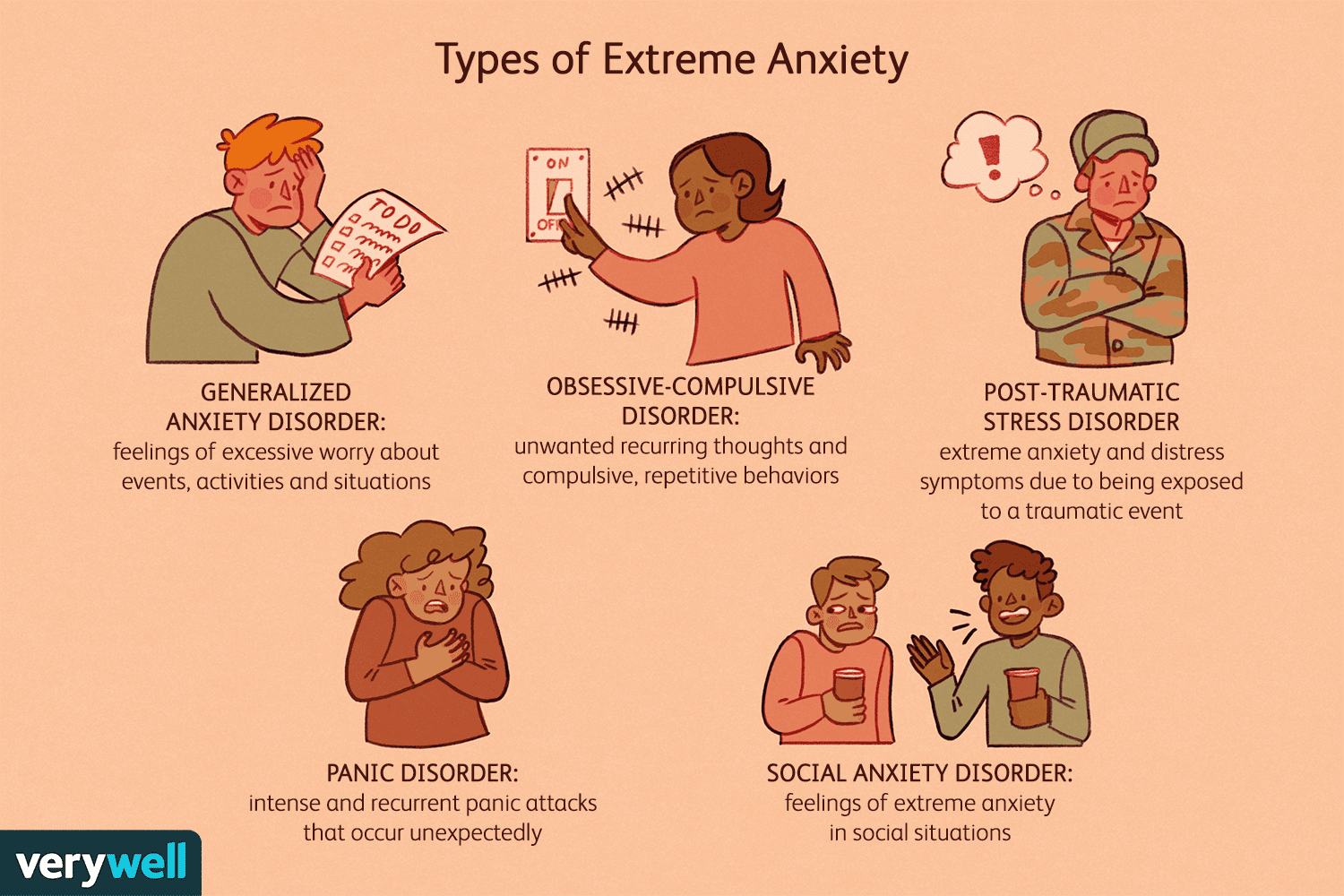
Anxiety is one of the most universal psychological experiences in human life. Unlike many psychiatric disorders that occur in a smaller portion of the population, anxiety can appear in people of all ages, cultures, professions, and educational backgrounds. A child before an exam, a parent worried about a child’s health, a student waiting for results, or an adult facing financial uncertainty may all experience anxiety. Because it is so common, anxiety is often considered a normal part of life. However, when it becomes excessive, persistent, and difficult to control, it can have significant psychological, social, and physical consequences. Understanding why anxiety affects almost everyone helps us recognize both its normal role and its potential harmful effects. From an evolutionary perspective, anxiety developed as a survival mechanism. Early humans who noticed danger quickly and responded with caution were more likely to survive. When the brain detects a possible threat, it activates a protective response that prepares the body for action. Heart rate increases, muscles become tense, breathing changes, and attention becomes focused on the source of danger. In situations involving real danger, such as accidents or physical threats, this response is useful. The problem is that the same biological system is activated today by many non-dangerous situations, including examinations, job interviews, social interactions, financial problems, relationship conflicts, or uncertainty about the future. One reason anxiety affects almost everyone is that uncertainty is unavoidable in human life. People cannot fully predict health, relationships, career outcomes, economic conditions, or future events. The human brain naturally attempts to reduce uncertainty by imagining possible outcomes. This ability helps with planning, but it can also lead to excessive worry. When individuals repeatedly think about what might go wrong, anxiety increases. Since uncertainty is a universal human experience, anxiety becomes a universal emotional response. Anxiety strongly influences thoughts. Worried individuals often focus on potential threats rather than positive possibilities. They may overestimate danger and underestimate their ability to cope. Thoughts such as “I will fail,” “Something bad will happen,” or “Others will judge me” are common during anxious periods. When these thoughts occur repeatedly, they can shape a person’s expectations and behavior. Anxiety therefore affects not only emotions but also perception and decision-making. Emotional changes are another important consequence. Anxiety commonly produces fear, tension, nervousness, irritability, and restlessness. Some people describe feeling constantly alert or unable to relax. Even small daily problems may seem overwhelming when anxiety is high. Emotional sensitivity often increases, and individuals may react more strongly to criticism, disagreement, or unexpected changes. Self-confidence is frequently affected. Persistent anxiety can lead individuals to doubt their abilities and fear making mistakes. They may become overly self-critical or perfectionistic, believing that any error will have serious consequences. Over time, repeated anxious experiences can weaken self-esteem and create a negative self-image. Social life is also influenced by anxiety. Many people worry about how they are perceived by others. Fear of embarrassment, rejection, or criticism may cause avoidance of conversations, public speaking, meetings, or social gatherings. Although avoidance reduces anxiety temporarily, it prevents positive social experiences that could increase confidence. As avoidance increases, loneliness and social isolation may develop. Anxiety has significant effects on concentration and memory. When the mind is preoccupied with worry, attention is divided between the task at hand and anxious thoughts. Students may have difficulty focusing during examinations, and adults may struggle to concentrate at work. Memory retrieval can become less efficient, and decision-making may become slower because the individual is continuously evaluating possible negative outcomes. The body and mind are closely connected, so anxiety is often experienced physically. Common symptoms include rapid heartbeat, sweating, trembling, muscle tension, headaches, stomach discomfort, dizziness, and fatigue. These sensations can themselves become a source of fear, leading individuals to worry that they are physically ill. Such fear may further increase anxiety, creating a cycle in which psychological distress produces physical symptoms and physical symptoms increase psychological distress. Sleep is particularly vulnerable to anxiety. Many people find it difficult to fall asleep because their minds remain active with worries. Others wake during the night and continue thinking about problems. Poor sleep reduces emotional resilience, impairs concentration, and increases irritability, making anxiety more difficult to manage the next day. Thus, anxiety and sleep disturbance often reinforce each other. Modern life contains many factors that intensify anxiety. Academic competition, economic pressure, job insecurity, rapid technological change, social comparison, and constant exposure to news all contribute to psychological stress. Social media can increase anxiety by encouraging comparison with others’ achievements, appearance, or lifestyle. Because people usually present idealized versions of themselves online, viewers may incorrectly believe that others are happier, more successful, or more secure. Family relationships can influence anxiety as well. Children who grow up in highly stressful or conflictual environments may learn to expect danger or criticism. Adults may become anxious when family responsibilities increase or when relationships become unstable. At the same time, supportive family relationships can reduce anxiety and improve coping ability. Although anxiety can affect almost everyone, individuals differ in vulnerability. Genetic factors, temperament, early life experiences, coping skills, social support, and current stress levels all influence how strongly anxiety is experienced. Some people recover quickly after stressful events, while others continue to worry long after the situation has passed. Importantly, experiencing anxiety does not mean that a person is weak or mentally ill. Anxiety is a common human response. The key difference lies in intensity, duration, and impact on daily functioning. Temporary anxiety before an important event is normal, whereas persistent anxiety that interferes with work, school, relationships, or health may require professional attention. The encouraging fact is that anxiety is highly manageable. Psychological interventions such as cognitive-behavioral therapy help individuals identify unrealistic thoughts, reduce catastrophic thinking, and gradually face feared situations. Regular physical activity, adequate sleep, relaxation exercises, mindfulness practices, structured routines, and supportive relationships can significantly reduce anxiety symptoms. Seeking help is a sign of self-care rather than weakness. A useful goal is not to eliminate anxiety completely. Some anxiety is beneficial because