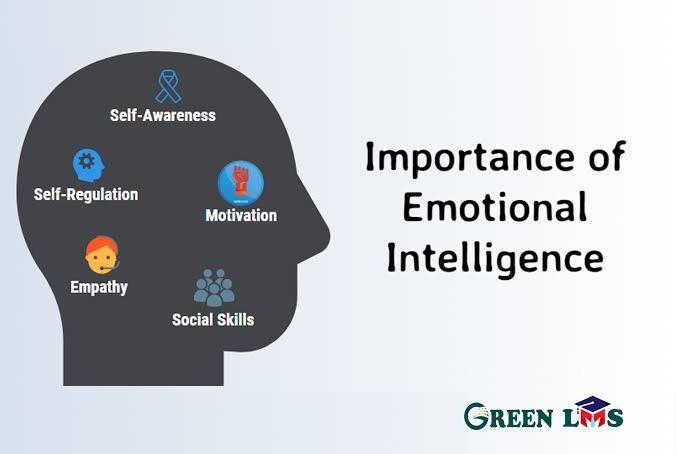
Success in life is often associated with academic achievement, professional skills, and intellectual ability. However, psychologists increasingly recognize that another factor plays a crucial role in human well-being and effective functioning: emotional intelligence. Emotional intelligence refers to the ability to recognize, understand, manage, and use emotions effectively in oneself and in others. It includes emotional awareness, self-regulation, empathy, social skills, and the ability to handle interpersonal relationships constructively. Because emotions influence almost every aspect of daily life, emotional intelligence is not a luxury; it is a fundamental psychological capacity that affects mental health, relationships, education, work, and personal growth.
One of the most important components of emotional intelligence is self-awareness. Self-aware individuals can identify what they are feeling and understand the causes of their emotions. They can distinguish between anger, disappointment, anxiety, sadness, jealousy, and frustration rather than experiencing these emotions as vague distress. This awareness is psychologically valuable because emotions that are recognized are easier to manage. People who lack self-awareness may react impulsively without understanding why they are upset.
Self-awareness also supports healthier decision-making. Emotions influence judgments, priorities, and behavior. When individuals understand their emotional state, they are less likely to make important decisions while overwhelmed by anger, fear, or excitement. Instead, they can pause, reflect, and choose responses that are more consistent with their long-term goals and values.
Another essential aspect of emotional intelligence is self-regulation, the ability to manage emotional reactions effectively. Emotionally intelligent individuals do not suppress emotions completely; rather, they express them in appropriate ways. For example, they may feel angry during a disagreement but avoid shouting, insulting, or acting aggressively. Self-regulation helps individuals tolerate frustration, delay impulsive actions, and recover more quickly from emotional setbacks.
Poor emotional regulation is associated with many psychological difficulties, including anxiety, depression, aggression, and relationship problems. Individuals who cannot manage emotions effectively may become overwhelmed by stress, react impulsively, or engage in harmful coping behaviors. Therefore, emotional intelligence contributes directly to mental health and emotional stability.
Empathy is another core element. Empathy involves understanding another person’s feelings and perspective. Empathetic individuals are better able to provide support, respond sensitively, and build trusting relationships. Empathy reduces conflict because it encourages people to consider how their words and actions affect others.
Strong relationships are one of the greatest predictors of psychological well-being, and emotional intelligence plays a central role in relationship quality. Friends, partners, parents, children, teachers, and colleagues all communicate emotions continuously through facial expressions, tone of voice, gestures, and behavior. Emotionally intelligent people are more likely to notice these signals and respond appropriately. They tend to listen more effectively, communicate more clearly, and resolve disagreements more constructively.
Family life particularly benefits from emotional intelligence. Parents who understand and regulate their own emotions are better able to respond calmly to children’s behavior. They are more likely to validate children’s feelings, teach emotional skills, and create a secure emotional environment. Children raised in emotionally supportive families often develop better emotional regulation, stronger self-esteem, and healthier social relationships.
Emotional intelligence is also highly important in education. Students frequently experience stress related to examinations, competition, social relationships, and future expectations. Those with higher emotional intelligence are generally better able to cope with academic pressure, manage disappointment, seek help when needed, and maintain motivation after setbacks. Emotional skills can therefore support learning and academic persistence.
In the workplace, emotional intelligence is often as important as technical expertise. Modern occupations require teamwork, communication, leadership, negotiation, and customer interaction. Employees with strong emotional intelligence tend to collaborate effectively, handle criticism constructively, and adapt to changing circumstances. Leaders who understand the emotions of their team members are more likely to create supportive and productive work environments.
Stress management is another area in which emotional intelligence has a powerful influence. Daily life inevitably includes problems, uncertainty, and disappointment. Emotionally intelligent individuals are more likely to recognize stress early and use healthy coping strategies such as problem-solving, seeking social support, relaxation, physical activity, or constructive communication. They are less likely to remain trapped in chronic emotional tension.
Emotional intelligence also contributes to resilience, the ability to recover from adversity. Resilient individuals acknowledge painful emotions without being completely controlled by them. They can maintain hope, learn from difficult experiences, and continue pursuing meaningful goals. Emotional intelligence supports resilience by helping individuals understand their emotional reactions and regulate them effectively during challenging times.
Communication quality improves significantly with emotional intelligence. Many interpersonal conflicts arise not from the problem itself but from the way emotions are expressed. Emotionally intelligent individuals are more likely to use respectful language, express feelings clearly, and listen without immediately becoming defensive. These skills reduce misunderstandings and strengthen social bonds.
A lack of emotional intelligence can create substantial difficulties. Individuals may misinterpret others’ intentions, react impulsively, struggle with relationships, experience frequent conflicts, or feel misunderstood. Emotional misunderstandings can damage friendships, marriages, workplace relationships, and family connections. Over time, repeated interpersonal difficulties may contribute to loneliness, anxiety, and reduced life satisfaction.
Modern technology has increased the importance of emotional intelligence rather than reduced it. Digital communication often lacks facial expressions, tone of voice, and other emotional cues, making misunderstandings more common. Social media can intensify emotional reactions through comparison, criticism, and rapid communication. Emotionally intelligent individuals are better able to pause before responding, interpret messages carefully, and protect their emotional well-being online.
Importantly, emotional intelligence is not fixed at birth. Although temperament influences emotional tendencies, emotional skills can be learned and strengthened throughout life. Mindfulness, reflection, psychotherapy, emotional education, supportive relationships, and deliberate practice can all improve emotional intelligence.
Practical strategies for developing emotional intelligence include regularly identifying one’s emotions, keeping an emotion journal, practicing active listening, asking others about their perspectives, pausing before reacting when upset, learning healthy coping skills, and reflecting on emotional experiences after conflicts or stressful events.
Schools and workplaces increasingly recognize the value of emotional education. Teaching children and adults how to understand emotions, communicate effectively, and manage stress can improve not only mental health but also academic performance, workplace functioning, and social harmony.
A common misconception is that emotionally intelligent people are always calm or never experience negative emotions. In reality, emotional intelligence does not eliminate anger, sadness, fear, or disappointment. Instead, it enables individuals to experience these emotions in healthier ways and to respond constructively rather than destructively.
In conclusion, emotional intelligence is important in daily life because emotions influence thoughts, decisions, behavior, relationships, learning, work, and health. Self-awareness, self-regulation, empathy, and effective social skills contribute to psychological well-being, resilience, communication, and life satisfaction. Individuals with higher emotional intelligence are generally better equipped to handle stress, maintain healthy relationships, and adapt to life’s challenges. Since emotional intelligence can be developed through practice and learning, investing in emotional skills is one of the most valuable steps a person can take toward a healthier, more balanced, and more fulfilling life.