Human beings are fundamentally social creatures. From the moment of birth, survival depends on relationships with others. As individuals grow, social connections continue to provide emotional security, practical assistance, identity, and a sense of belonging. Psychologists define social support as the emotional, informational, and practical help that people receive from family members, friends, partners, colleagues, teachers, and communities. Although many people value independence, research consistently shows that strong social support is one of the most important protective factors for mental health and overall well-being. Understanding why people need social support helps explain how relationships influence emotions, behavior, health, and resilience throughout life.
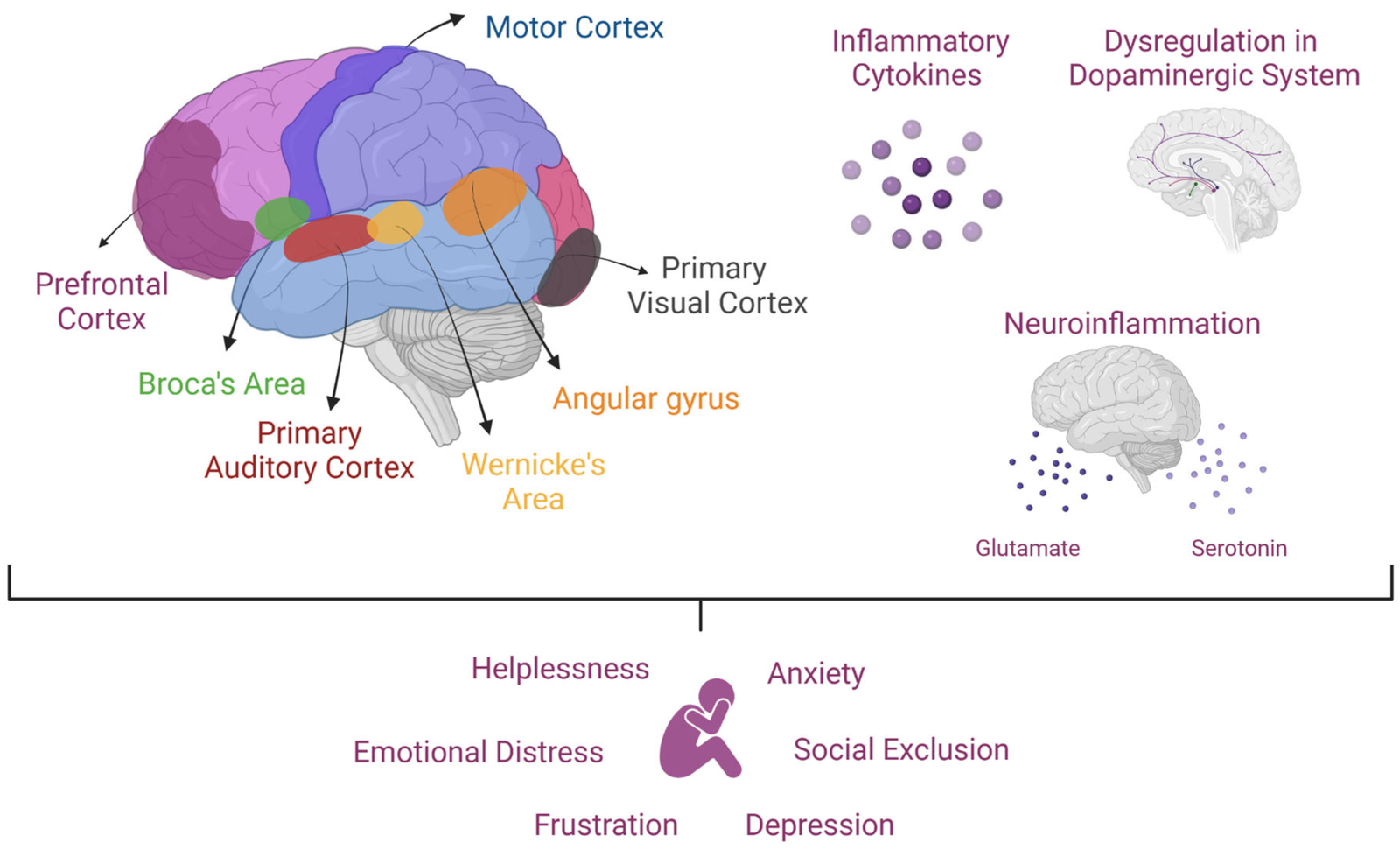
One of the primary functions of social support is the reduction of emotional distress. When people face difficulties such as illness, failure, financial problems, grief, or relationship conflicts, sharing these experiences with a trusted person often decreases feelings of isolation and helplessness. Being listened to with empathy can provide comfort even when the problem cannot be immediately solved. Emotional support communicates an important psychological message: “You are not alone.”
Social support is closely related to stress management. Stressful events are generally experienced as less threatening when individuals believe that help is available. Friends and family may provide reassurance, advice, encouragement, or practical assistance, all of which can reduce the emotional burden of a difficult situation. In contrast, people who feel unsupported often experience higher levels of anxiety and emotional exhaustion because they believe they must cope entirely on their own.
Another important benefit is the development of self-esteem. Positive relationships provide acceptance, appreciation, and validation. When significant others express care and respect, individuals are more likely to view themselves as valuable and worthy. Supportive feedback can strengthen confidence during periods of doubt or failure. Conversely, chronic lack of support may contribute to feelings of worthlessness, insecurity, and social rejection.
Social support also plays a crucial role in identity formation. Families, friends, and communities help individuals understand who they are, what they value, and where they belong. Shared experiences, traditions, beliefs, and goals contribute to a stable sense of identity. People who lack meaningful social connections may struggle with feelings of emptiness or disconnection.
Mental health is strongly influenced by the quality of social relationships. Numerous psychological studies have found that strong social support is associated with lower rates of depression and anxiety. Supportive relationships encourage healthy coping, provide opportunities for emotional expression, and offer hope during difficult times. Individuals who feel connected to others are generally more resilient when facing adversity.
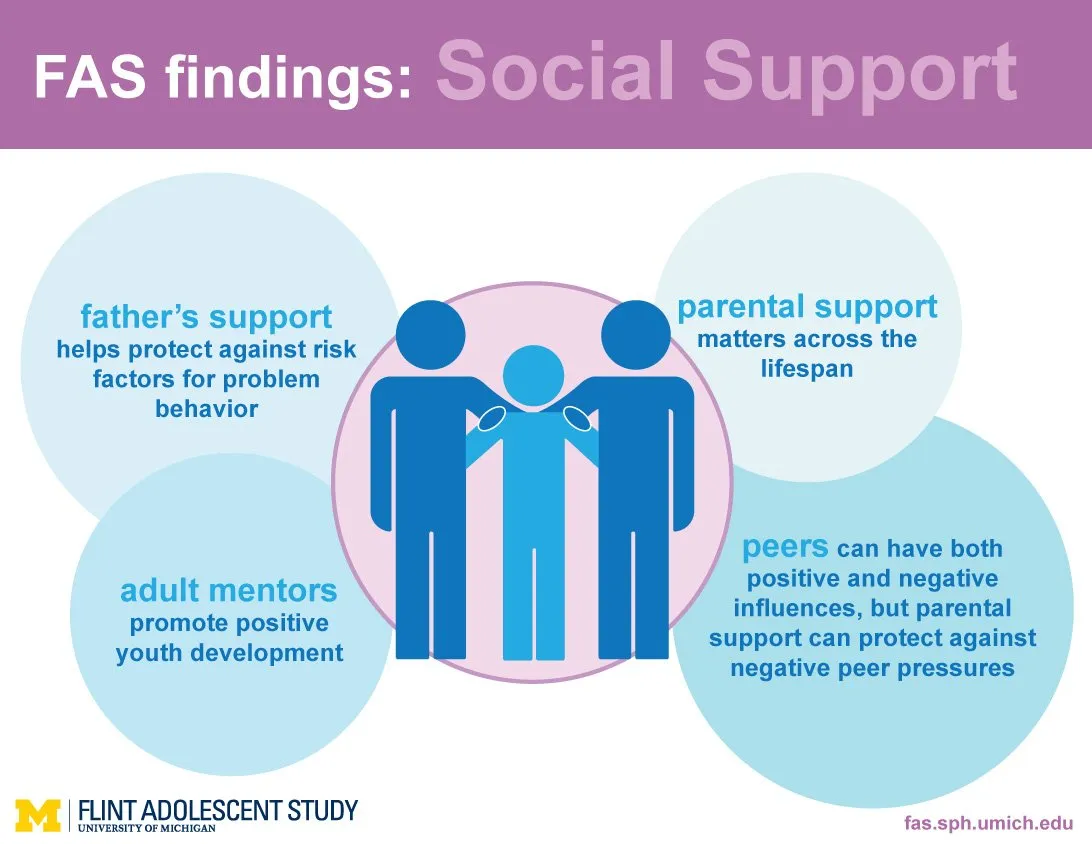
During childhood, social support is essential for healthy psychological development. Warm and responsive caregivers help children develop trust, emotional regulation, and secure attachment. Children who receive consistent emotional support are more likely to develop confidence, social competence, and effective coping skills. Lack of support during childhood can increase vulnerability to emotional and behavioral difficulties later in life.
Adolescence is another period in which social support becomes especially important. Teenagers face rapid physical, emotional, and social changes. Support from parents, friends, and teachers can help adolescents manage academic pressure, peer relationships, identity exploration, and future concerns. Adolescents who feel supported are more likely to seek help when distressed and less likely to engage in risky behaviors.
In adulthood, social support influences both personal and professional functioning. Supportive partners and friends can reduce stress, encourage healthy habits, and provide practical help with daily responsibilities. In the workplace, supportive colleagues and supervisors contribute to job satisfaction, motivation, and reduced burnout. Employees who feel valued and supported generally cope better with occupational stress.
Social support is particularly important during major life transitions such as marriage, parenthood, migration, retirement, illness, or bereavement. These transitions often involve uncertainty and emotional adjustment. Supportive relationships provide stability and guidance during periods of change, helping individuals adapt more successfully.
Grief offers a clear example of the power of social support. The loss of a loved one can produce intense sadness, loneliness, and confusion. Compassionate support from others does not remove the loss, but it can reduce feelings of isolation and provide emotional containment during the grieving process. Shared mourning often helps individuals gradually adapt to life after loss.
Social support is not only emotional; it can also be informational and practical. Informational support includes advice, guidance, education, and problem-solving assistance. Practical support includes transportation, financial help, childcare, household assistance, or help during illness. These forms of support reduce daily burdens and free psychological energy for coping and recovery.
An important psychological concept related to social support is resilience. Resilience refers to the ability to recover from stress and adversity. People with strong support networks tend to be more resilient because they have access to encouragement, perspective, resources, and assistance. Social support does not eliminate hardship, but it makes hardship easier to bear.
Loneliness demonstrates what happens when social support is lacking. Persistent loneliness is associated with depression, anxiety, sleep problems, low self-esteem, and reduced life satisfaction. Individuals who feel disconnected from others may become increasingly withdrawn, which further reduces opportunities for support. Thus, social isolation and psychological distress often reinforce each other.
Modern technology has changed the nature of social support. Online communication can help people maintain relationships across long distances and find supportive communities. However, digital contact does not always provide the depth of emotional connection that face-to-face interaction offers. A person may have many online contacts yet still feel lonely if meaningful emotional support is absent.
Cultural factors influence how social support is expressed. In some cultures, support is primarily provided through family networks, while in others friends, community organizations, or professional services play larger roles. Regardless of cultural differences, the underlying human need for connection appears to be universal.
Importantly, the quality of support matters more than the number of social contacts. A few trustworthy and caring relationships are often more beneficial than many superficial relationships. Support that is controlling, critical, dismissive, or inconsistent may not improve well-being and can sometimes increase distress.
People can strengthen their social support networks by maintaining regular contact with loved ones, participating in community activities, joining groups based on shared interests, offering support to others, communicating openly, and seeking professional help when needed. Social support is often reciprocal; giving support can also enhance a person’s own sense of connection and purpose.
Healthcare professionals increasingly recognize social support as an important component of treatment and recovery. Psychological interventions often include strengthening family communication, improving social skills, increasing community engagement, and building supportive relationships. Recovery from mental health difficulties is frequently easier when individuals do not feel alone in the process.
In conclusion, people need social support because emotional connection is a fundamental human need. Supportive relationships reduce stress, strengthen self-esteem, promote resilience, improve mental health, assist with coping during adversity, and provide a sense of belonging and meaning. Across childhood, adolescence, adulthood, and old age, social support acts as a powerful protective factor against psychological distress. While independence is valuable, human well-being is deeply rooted in connection with others. Nurturing supportive relationships is therefore not merely a social preference; it is an essential part of maintaining psychological health and leading a fulfilling life.