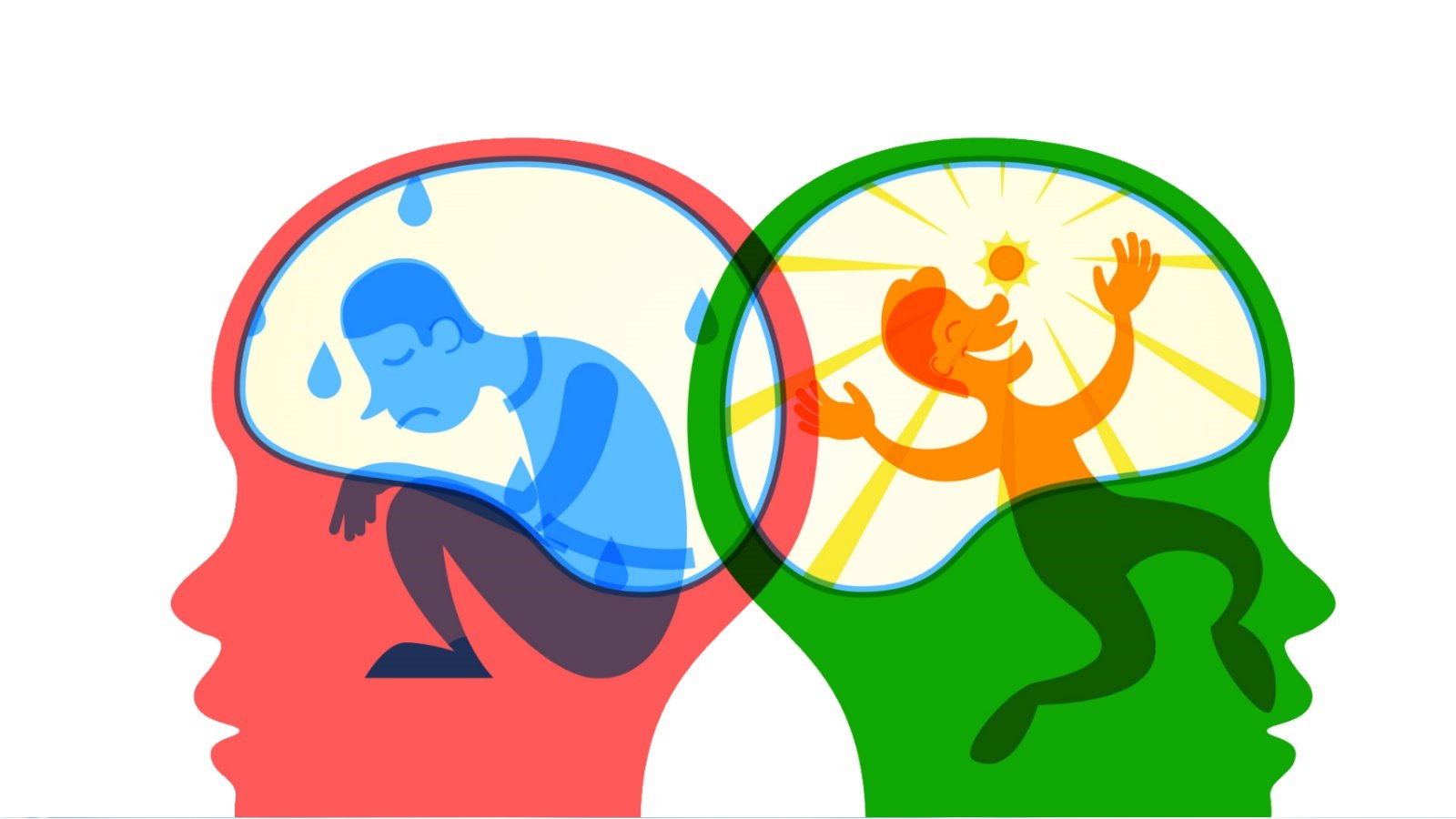
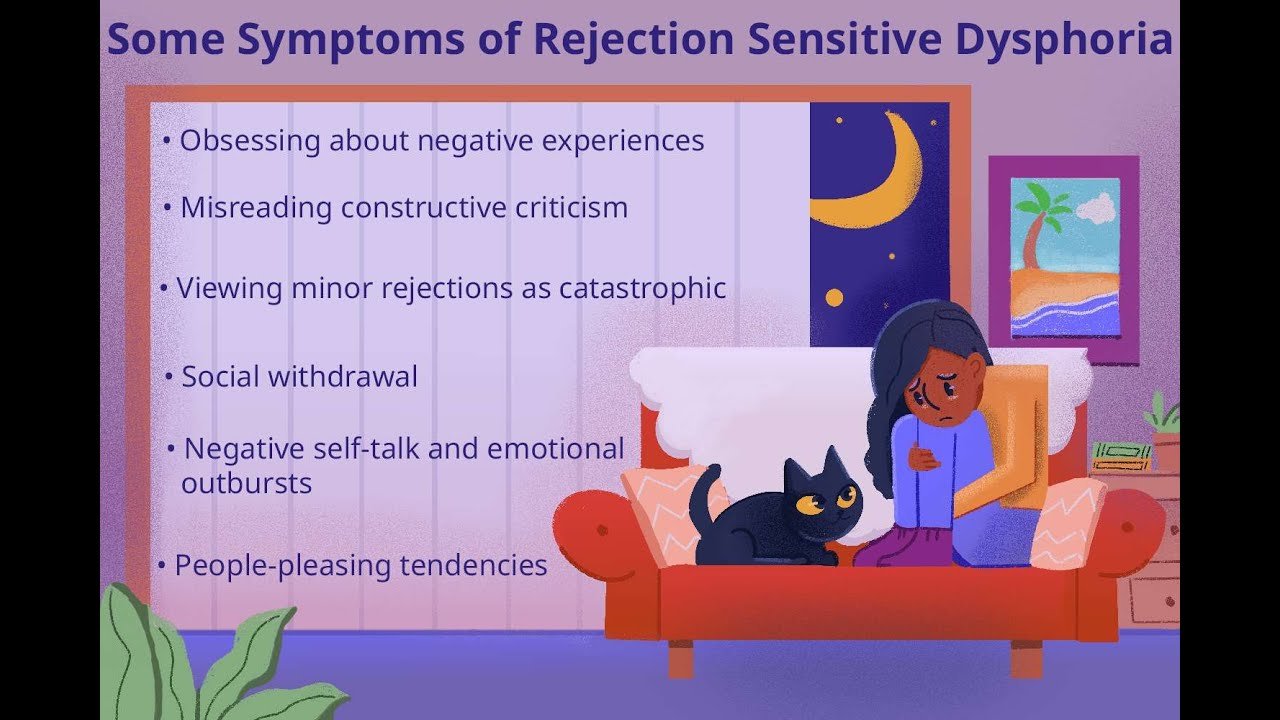
Human behavior is shaped by a complex interaction of biological, psychological, and social factors. Two of the most frequently discussed influences are childhood trauma and adult personality. Childhood trauma refers to distressing experiences such as abuse, neglect, domestic violence, emotional rejection, chronic conflict, severe loss, or other events that overwhelm a child’s sense of safety. Adult personality refers to relatively stable patterns of thinking, feeling, and behaving that develop over time. Both factors influence emotional reactions, relationships, decision-making, and mental health. This raises an important psychological question: Which has a stronger influence on human behavior—childhood trauma or adult personality?
At first glance, personality may appear more influential because it is visible in daily behavior. People are often described as calm, anxious, sociable, shy, organized, or impulsive. These patterns seem stable and predictable. However, personality itself develops within the context of early life experiences. Trauma occurring during sensitive developmental periods can shape emotional regulation, beliefs about self and others, attachment patterns, and stress responses. Therefore, comparing trauma and personality is not a simple competition between two independent forces; they are deeply interconnected.
Childhood is a critical period for brain development. During early life, the brain is highly responsive to environmental experiences. Consistent care, emotional warmth, and safety support healthy development, whereas chronic fear, unpredictability, and emotional deprivation can alter stress-response systems. Children exposed to repeated trauma may become unusually alert to danger, interpret ambiguous situations as threatening, and struggle to feel safe even in non-dangerous environments.
One of the most important consequences of childhood trauma is its effect on attachment. Children learn whether other people are trustworthy through their relationships with caregivers. When caregivers are consistently supportive, children tend to develop secure attachment, which promotes confidence and healthy relationships. When caregivers are frightening, rejecting, neglectful, or unpredictable, children may develop insecure attachment patterns. These patterns can persist into adulthood and influence intimacy, trust, and emotional closeness.
Trauma also affects emotional regulation. Adults who experienced childhood trauma are more likely to report intense emotions, difficulty calming themselves, fear of abandonment, shame, anger, or emotional numbness. They may react strongly to situations that remind them, consciously or unconsciously, of earlier painful experiences. Such reactions often seem disproportionate to the current situation because they are linked to unresolved emotional memories.
Personality, on the other hand, provides a framework for understanding consistent behavioral tendencies. Traits such as extraversion, conscientiousness, openness, agreeableness, and emotional stability influence how individuals approach relationships, work, learning, and stress. A highly conscientious person may plan carefully and persist through difficulties, while a highly extraverted person may seek social interaction and stimulation. These traits contribute significantly to daily functioning and long-term life outcomes.
The key psychological question is whether personality can outweigh the effects of trauma. Research suggests that personality can sometimes buffer trauma. For example, individuals with high emotional stability, strong social skills, optimism, or resilience may cope more effectively with adverse experiences. Supportive relationships and adaptive personality characteristics can reduce the likelihood that trauma will lead to severe psychological problems.
However, trauma can also shape the very personality traits that later appear stable. A child who grows up in a dangerous environment may become highly cautious, withdrawn, suspicious, or emotionally reactive. What appears to be a personality trait may partly represent an adaptation to early adversity. In this sense, trauma may operate beneath the surface of personality.
Consider social behavior. An introverted adult may prefer solitude because it is genuinely energizing, whereas another person may avoid social situations because early experiences taught them that relationships are unsafe. The outward behavior—social withdrawal—may look similar, but the underlying psychology is very different. Understanding this distinction is essential for accurate psychological assessment.
Mental health research provides further evidence of the lasting influence of childhood trauma. Early trauma is associated with increased risk of anxiety disorders, depression, post-traumatic stress disorder, substance misuse, eating disorders, personality disorders, and difficulties in emotional regulation. These associations remain significant even after accounting for many personality factors. This suggests that trauma exerts an independent influence on psychological functioning.
Nevertheless, trauma does not determine destiny. Many individuals who experience severe childhood adversity develop into psychologically healthy adults. This phenomenon is often explained through resilience. Protective factors such as a supportive adult relationship, therapy, education, community support, personal strengths, and meaningful life goals can promote recovery and healthy development. Personality traits such as optimism, perseverance, and openness may contribute to resilience, demonstrating again that personality and trauma interact rather than operate separately.
Adult experiences also matter. Loving relationships, stable employment, parenthood, friendship, spiritual beliefs, and therapeutic intervention can gradually modify trauma-related patterns. The brain retains some capacity for change throughout life, a property known as neuroplasticity. Adults can learn new emotional skills, develop trust, and form healthier relationships even after painful childhood experiences.
An important area of comparison is decision-making. Personality influences preferences and habitual styles of thinking, whereas trauma often influences perceived safety. A person may avoid opportunities not because of low ambition but because success, visibility, or intimacy feels dangerous. Trauma-related beliefs such as “I will be hurt,” “I do not deserve good things,” or “People cannot be trusted” can powerfully shape behavior.
Interpersonal relationships provide another useful comparison. Extraversion may increase the desire for social contact, but unresolved trauma may create fear of closeness. Conscientiousness may encourage responsibility, but trauma-related perfectionism may drive excessive self-criticism. Emotional stability may support calm behavior, yet trauma triggers may still provoke intense reactions. These examples illustrate that personality traits often interact with trauma-related processes.
From a developmental perspective, trauma generally has its strongest effects when it is chronic, severe, interpersonal, and occurs early in life. A single stressful event is usually less damaging than years of emotional neglect, abuse, or exposure to violence. Early trauma can become woven into the developing sense of self, making its effects especially enduring.
Psychotherapy frequently reveals this interaction. Clients may initially describe personality traits such as being “too sensitive,” “too controlling,” or “unable to trust.” As therapy progresses, these traits may be understood as adaptive responses to earlier experiences. Recognizing the historical origin of such patterns often reduces shame and opens the possibility of change.
Modern psychology increasingly adopts an integrative view. Human behavior is best understood through the interaction of temperament, personality development, childhood experiences, adult experiences, relationships, culture, and biology. Asking whether trauma or personality is stronger may oversimplify a dynamic system in which each factor influences the others.
Still, if the question requires a comparative answer, the evidence suggests that childhood trauma often has a deeper foundational influence, particularly when it is severe and prolonged, because it can shape emotional development, attachment, beliefs, stress responses, and aspects of personality itself. Personality remains extremely important, especially in determining how individuals cope with adversity, seek support, pursue goals, and adapt across adulthood.
In practical terms, this means that helping people change behavior often requires attention to both levels. Personality-informed strategies may focus on strengths, habits, and coping styles, while trauma-informed approaches address safety, emotional regulation, attachment wounds, and painful memories. Ignoring either dimension can limit psychological understanding and treatment effectiveness.
In conclusion, childhood trauma and adult personality are not opposing explanations for human behavior but interacting influences. Personality contributes to consistent patterns of behavior and can provide important protective strengths. Childhood trauma, particularly when severe and chronic, can shape emotional regulation, attachment, self-beliefs, and stress responses in ways that continue into adulthood. The strongest scientific conclusion is that trauma often exerts a foundational influence, while personality influences how that foundation is expressed, managed, and transformed over time. Human behavior emerges not from a single cause but from the ongoing interaction between early experiences, enduring personality patterns, relationships, and opportunities for growth and healing.