Most people have at least one object that feels emotionally important: a childhood toy, a photograph, a book, a piece of clothing, a gift, a watch, or even an old ticket. The object may have little financial value, yet losing it can cause genuine sadness. Some individuals keep boxes of souvenirs for decades, while others feel unable to throw away possessions that remind them of certain periods of life. This raises an intriguing psychological question: Why do people become attached to objects? The answer reveals much about memory, identity, emotion, relationships, and the human need for continuity.
One of the strongest reasons for object attachment is memory. Objects often serve as physical reminders of significant experiences. A photograph may evoke a family gathering, a graduation, or a lost loved one. When people hold such objects, memories become more vivid and emotionally accessible. Psychologists sometimes describe objects as external memory cues because they help preserve experiences that might otherwise fade over time.
Object attachment is closely related to identity. Personal possessions can symbolize who we are, where we come from, and what we value. A musician may feel attached to an instrument, a student to a favorite notebook, or a traveler to souvenirs collected from different countries. These objects become part of the individual’s life story. Losing them may feel like losing a piece of oneself because they represent important aspects of personal identity.
Emotions also play a central role. Many meaningful objects are associated with love, comfort, safety, pride, or achievement. A child may sleep with a blanket or toy because it provides emotional security. Adults often continue to keep objects linked to supportive relationships, such as gifts from parents, friends, or partners. The emotional value of the relationship becomes transferred to the object.
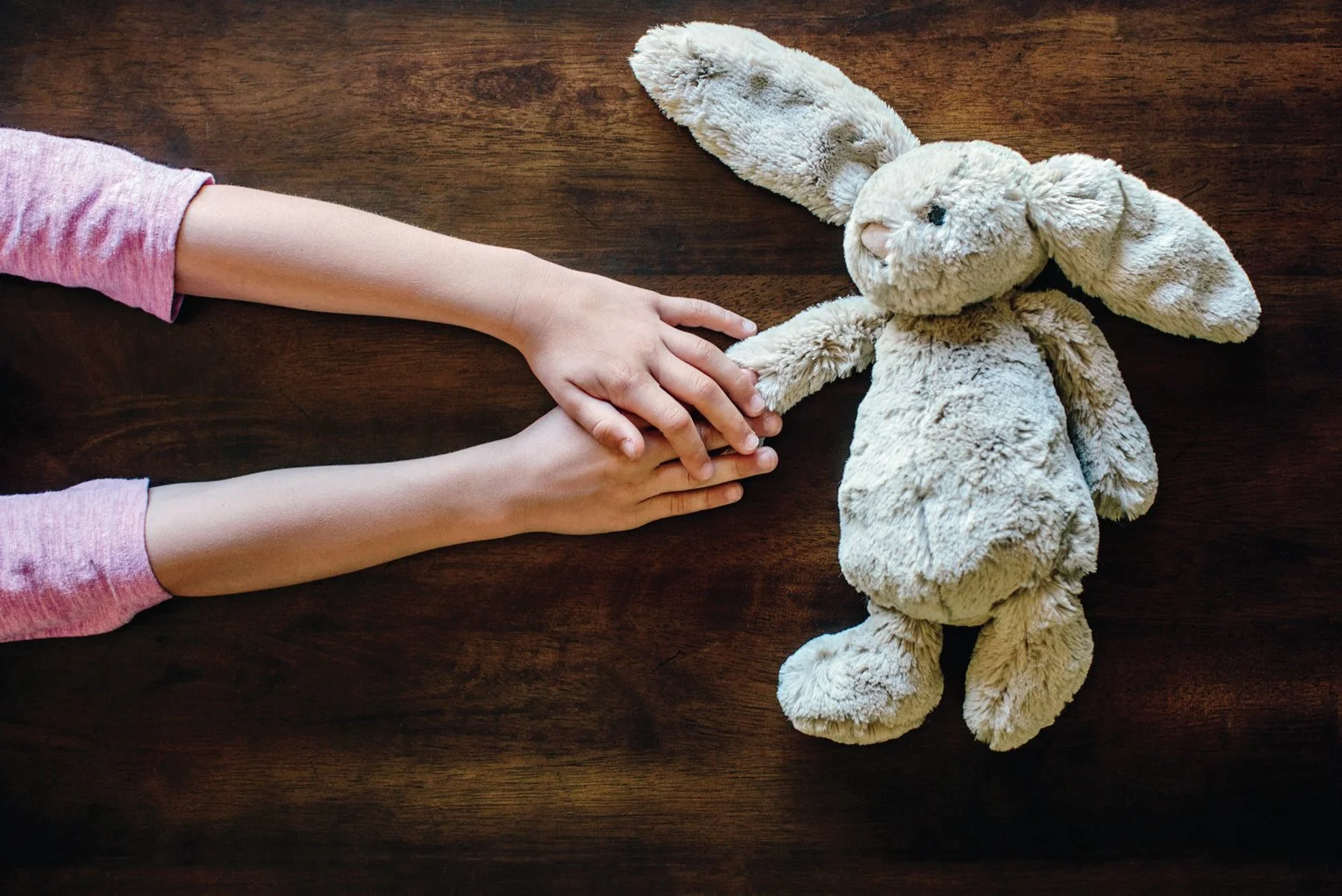
Psychologists have long been interested in transitional objects, especially in childhood. Young children often become strongly attached to a blanket, stuffed animal, or other comforting item. These objects help children tolerate separation from caregivers and develop emotional independence. Although the intensity of attachment usually decreases with age, the underlying psychological process—using objects for emotional comfort—can continue throughout life in more subtle forms.
Attachment to objects frequently increases after loss. After the death of a loved one, people may preserve clothing, letters, jewelry, or everyday items belonging to that person. These possessions can create a continuing sense of connection and help individuals cope with grief. The object does not replace the person, but it may provide comfort by symbolizing the relationship that existed.
Another important factor is the human desire for continuity. Life changes constantly: people grow older, relationships change, homes change, and circumstances change. Familiar objects provide a sense of stability amid these changes. An old book, piece of furniture, or family heirloom can create a feeling that some parts of life remain constant even when many other things have changed.
Nostalgia is deeply connected to object attachment. Nostalgia is a sentimental longing for the past, often accompanied by warm emotions and a sense of meaning. Objects can trigger nostalgic memories that remind individuals of happier, simpler, or emotionally significant times. Research suggests that nostalgia may improve mood, increase feelings of social connectedness, and strengthen a sense of life continuity.
Not all object attachment is healthy. When attachment becomes extreme, individuals may experience significant distress at the thought of discarding possessions, even those with little practical or emotional value. In severe cases, excessive saving may interfere with daily functioning, living space, safety, and relationships. Psychologists distinguish normal sentimental attachment from problematic hoarding by considering the level of distress and impairment.
Culture influences object attachment as well. In some cultures, family heirlooms and inherited possessions are highly valued because they symbolize ancestry, tradition, and continuity across generations. In others, minimalism and reduced attachment to material possessions may be emphasized. Nevertheless, emotional attachment to meaningful objects appears to be a widespread human experience across cultures.
Modern consumer culture adds another layer. Advertising often encourages people to associate products with identity, success, love, or happiness. As a result, individuals may form emotional bonds not only with personal souvenirs but also with purchased items that symbolize desired lifestyles or achievements. However, attachments formed through marketing are usually less enduring than those rooted in genuine personal experience.
Digital technology has created new forms of object attachment. People now become emotionally attached to smartphones, digital photographs, social media accounts, and stored messages. Losing a phone may feel distressing not only because of its monetary value but because it contains memories, relationships, conversations, and personal information. In a sense, digital devices have become containers of identity and memory.
Age influences the nature of attachment. Children often value comfort and familiarity, adolescents may value objects that express identity and group belonging, and adults may value objects connected to relationships, achievements, or life history. Older adults frequently place greater emotional value on possessions that preserve memories and family continuity.
Attachment to objects can also serve important psychological functions during stress. Holding a meaningful object may reduce anxiety by providing comfort and reminding the person of supportive relationships or successful experiences. Some individuals carry lucky charms, religious items, or sentimental objects during stressful situations because these items provide emotional reassurance.
Interestingly, people often assign human-like qualities to cherished objects. They may speak about a favorite toy, car, or instrument as if it has a personality. This tendency reflects the human capacity to invest objects with emotional meaning. The object becomes more than a physical thing; it becomes part of a relationship-like experience.
Healthy object attachment usually has several characteristics: the object has clear personal meaning, it evokes positive memories or values, it provides comfort without dominating life, and the person can function even if the object is lost, although sadness may occur. Unhealthy attachment is more likely when possessions become the primary source of security, identity, or emotional regulation.
Psychological well-being is not determined by how many possessions a person owns but by the quality of the emotional meanings attached to them. Meaningful objects can enrich life by preserving memories, strengthening identity, and maintaining emotional connections. Problems arise only when attachment prevents adaptation, causes significant distress, or replaces human relationships.
Therapeutic approaches for problematic attachment often focus on understanding the emotions associated with possessions rather than simply forcing disposal. Individuals may need support in coping with grief, insecurity, loneliness, or identity concerns that are expressed through attachment to objects. Compassionate understanding is therefore essential.
In conclusion, people become attached to objects because objects carry memories, emotions, relationships, and aspects of personal identity. They provide comfort, continuity, nostalgia, and a tangible connection to important life experiences. Such attachment is a normal and meaningful part of human psychology. A photograph, a childhood toy, or a family heirloom is rarely valued only for its physical form; it is valued because it represents a story, a relationship, or a part of oneself. Understanding object attachment reminds us that human beings do not live only among things—they live among meanings.