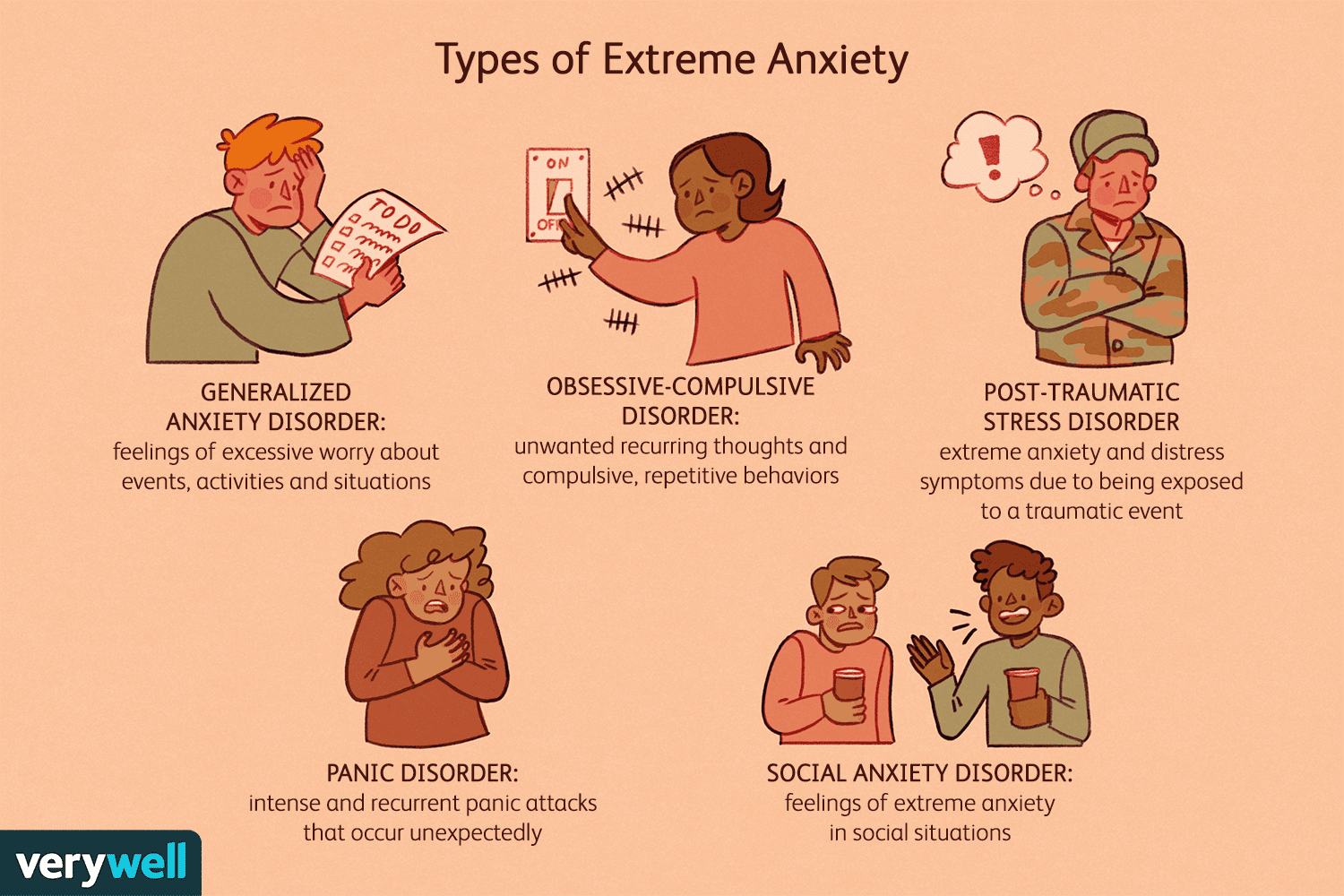
Anxiety is one of the most universal psychological experiences in human life. Unlike many psychiatric disorders that occur in a smaller portion of the population, anxiety can appear in people of all ages, cultures, professions, and educational backgrounds. A child before an exam, a parent worried about a child’s health, a student waiting for results, or an adult facing financial uncertainty may all experience anxiety. Because it is so common, anxiety is often considered a normal part of life. However, when it becomes excessive, persistent, and difficult to control, it can have significant psychological, social, and physical consequences. Understanding why anxiety affects almost everyone helps us recognize both its normal role and its potential harmful effects.
From an evolutionary perspective, anxiety developed as a survival mechanism. Early humans who noticed danger quickly and responded with caution were more likely to survive. When the brain detects a possible threat, it activates a protective response that prepares the body for action. Heart rate increases, muscles become tense, breathing changes, and attention becomes focused on the source of danger. In situations involving real danger, such as accidents or physical threats, this response is useful. The problem is that the same biological system is activated today by many non-dangerous situations, including examinations, job interviews, social interactions, financial problems, relationship conflicts, or uncertainty about the future.
One reason anxiety affects almost everyone is that uncertainty is unavoidable in human life. People cannot fully predict health, relationships, career outcomes, economic conditions, or future events. The human brain naturally attempts to reduce uncertainty by imagining possible outcomes. This ability helps with planning, but it can also lead to excessive worry. When individuals repeatedly think about what might go wrong, anxiety increases. Since uncertainty is a universal human experience, anxiety becomes a universal emotional response.
Anxiety strongly influences thoughts. Worried individuals often focus on potential threats rather than positive possibilities. They may overestimate danger and underestimate their ability to cope. Thoughts such as “I will fail,” “Something bad will happen,” or “Others will judge me” are common during anxious periods. When these thoughts occur repeatedly, they can shape a person’s expectations and behavior. Anxiety therefore affects not only emotions but also perception and decision-making.
Emotional changes are another important consequence. Anxiety commonly produces fear, tension, nervousness, irritability, and restlessness. Some people describe feeling constantly alert or unable to relax. Even small daily problems may seem overwhelming when anxiety is high. Emotional sensitivity often increases, and individuals may react more strongly to criticism, disagreement, or unexpected changes.
Self-confidence is frequently affected. Persistent anxiety can lead individuals to doubt their abilities and fear making mistakes. They may become overly self-critical or perfectionistic, believing that any error will have serious consequences. Over time, repeated anxious experiences can weaken self-esteem and create a negative self-image.
Social life is also influenced by anxiety. Many people worry about how they are perceived by others. Fear of embarrassment, rejection, or criticism may cause avoidance of conversations, public speaking, meetings, or social gatherings. Although avoidance reduces anxiety temporarily, it prevents positive social experiences that could increase confidence. As avoidance increases, loneliness and social isolation may develop.
Anxiety has significant effects on concentration and memory. When the mind is preoccupied with worry, attention is divided between the task at hand and anxious thoughts. Students may have difficulty focusing during examinations, and adults may struggle to concentrate at work. Memory retrieval can become less efficient, and decision-making may become slower because the individual is continuously evaluating possible negative outcomes.
The body and mind are closely connected, so anxiety is often experienced physically. Common symptoms include rapid heartbeat, sweating, trembling, muscle tension, headaches, stomach discomfort, dizziness, and fatigue. These sensations can themselves become a source of fear, leading individuals to worry that they are physically ill. Such fear may further increase anxiety, creating a cycle in which psychological distress produces physical symptoms and physical symptoms increase psychological distress.
Sleep is particularly vulnerable to anxiety. Many people find it difficult to fall asleep because their minds remain active with worries. Others wake during the night and continue thinking about problems. Poor sleep reduces emotional resilience, impairs concentration, and increases irritability, making anxiety more difficult to manage the next day. Thus, anxiety and sleep disturbance often reinforce each other.
Modern life contains many factors that intensify anxiety. Academic competition, economic pressure, job insecurity, rapid technological change, social comparison, and constant exposure to news all contribute to psychological stress. Social media can increase anxiety by encouraging comparison with others’ achievements, appearance, or lifestyle. Because people usually present idealized versions of themselves online, viewers may incorrectly believe that others are happier, more successful, or more secure.
Family relationships can influence anxiety as well. Children who grow up in highly stressful or conflictual environments may learn to expect danger or criticism. Adults may become anxious when family responsibilities increase or when relationships become unstable. At the same time, supportive family relationships can reduce anxiety and improve coping ability.
Although anxiety can affect almost everyone, individuals differ in vulnerability. Genetic factors, temperament, early life experiences, coping skills, social support, and current stress levels all influence how strongly anxiety is experienced. Some people recover quickly after stressful events, while others continue to worry long after the situation has passed.
Importantly, experiencing anxiety does not mean that a person is weak or mentally ill. Anxiety is a common human response. The key difference lies in intensity, duration, and impact on daily functioning. Temporary anxiety before an important event is normal, whereas persistent anxiety that interferes with work, school, relationships, or health may require professional attention.
The encouraging fact is that anxiety is highly manageable. Psychological interventions such as cognitive-behavioral therapy help individuals identify unrealistic thoughts, reduce catastrophic thinking, and gradually face feared situations. Regular physical activity, adequate sleep, relaxation exercises, mindfulness practices, structured routines, and supportive relationships can significantly reduce anxiety symptoms. Seeking help is a sign of self-care rather than weakness.
A useful goal is not to eliminate anxiety completely. Some anxiety is beneficial because it motivates preparation, caution, and responsible behavior. The aim is to prevent anxiety from becoming so strong that it controls life decisions and reduces quality of life. Learning to tolerate uncertainty, challenge fearful thoughts, and continue meaningful activities despite anxiety are important steps toward psychological well-being.
In conclusion, anxiety affects almost everyone because it is rooted in human biology, uncertainty, and the need for safety. While moderate anxiety is a normal and often useful part of life, excessive anxiety can influence thoughts, emotions, relationships, physical health, academic performance, and occupational functioning. Recognizing anxiety as a universal human experience helps reduce stigma and encourages empathy. With healthy coping strategies, supportive relationships, and professional help when needed, individuals can manage anxiety effectively and maintain balanced, fulfilling lives.