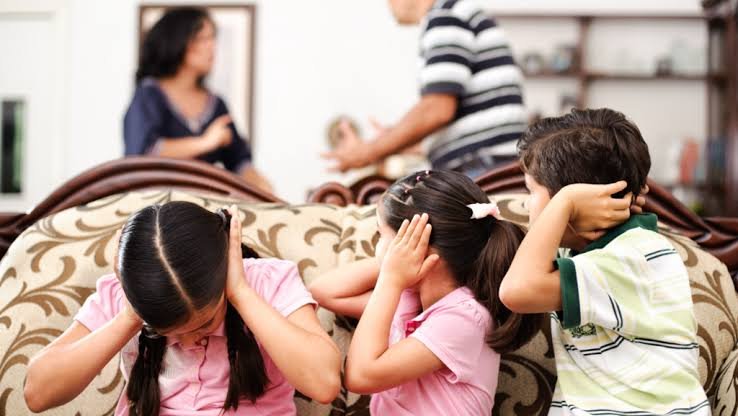
The family is the first and most influential social environment in a child’s life. Within the family, children learn how to trust others, express emotions, solve problems, and build relationships. A peaceful family atmosphere provides security, emotional warmth, and stability, all of which are essential for healthy psychological development. When conflicts between parents or other family members become frequent, intense, or unresolved, children may experience significant emotional and behavioral difficulties. Family conflict does not affect children only at the moment it occurs; its effects can continue throughout childhood, adolescence, and even adulthood.
Children are highly sensitive to emotional tension within the home. Even when adults believe that children do not understand what is happening, children often notice raised voices, hostile facial expressions, silence between parents, or changes in daily routines. Young children may not fully understand the reasons for conflict, but they can still feel fear, uncertainty, and insecurity. Because children depend on their caregivers for protection, conflict between caregivers can threaten their sense of safety.
One of the most common psychological consequences is anxiety. Children exposed to frequent family arguments may constantly worry that another conflict will occur. They may become alert to signs of tension and have difficulty relaxing. Anxiety can appear through sleep problems, nightmares, clinginess, irritability, headaches, stomachaches, or excessive fearfulness. Some children become afraid that their parents will separate, abandon them, or stop loving them.
Family conflict can also damage a child’s self-esteem. Many children mistakenly believe that they are responsible for the arguments they witness. They may think that their behavior caused the conflict or that they should somehow fix the situation. Such beliefs can lead to guilt and feelings of worthlessness. When parents criticize each other harshly, children may internalize negative messages about themselves and their family.
Emotional insecurity is another important effect. Children need predictable caregiving and emotional consistency. In homes where conflict is constant, children may feel uncertain about what will happen next. This insecurity can make it difficult for them to trust others and develop stable emotional relationships. They may become excessively dependent on caregivers or, conversely, emotionally withdrawn.
Behavioral problems are frequently associated with family conflict. Some children respond with aggression, defiance, temper tantrums, or rule-breaking. Others become unusually quiet, avoid social interaction, and suppress their feelings. Aggressive behavior may reflect what children observe at home; they may learn that shouting, insulting, or threatening are acceptable ways to handle disagreements. Withdrawn behavior may develop when children try to avoid drawing attention to themselves during stressful family situations.
School functioning is often affected. Children who live in conflictual homes may have difficulty concentrating, remembering information, completing homework, or participating in class. Emotional distress can interfere with learning, and teachers may notice declining grades, inattentiveness, or behavioral difficulties. School can become another source of stress rather than a place of growth and achievement.
Social relationships may also suffer. Children exposed to unhealthy conflict may struggle to develop effective communication and problem-solving skills. They may become overly sensitive to criticism, expect rejection from peers, or have difficulty managing disagreements. Some children imitate hostile interaction patterns in friendships, while others avoid close relationships because they fear conflict.
The age of the child influences the psychological impact. Preschool children often show fear, separation anxiety, regression, or clinginess. School-age children may experience academic problems, guilt, and behavioral difficulties. Adolescents are more likely to show anger, rebellion, depression, risk-taking behavior, or withdrawal from family life. Teenagers may spend more time outside the home to escape tension, which can increase vulnerability to negative peer influences.
Not all conflict has the same effect. Occasional disagreements handled calmly and respectfully are a normal part of family life and can even teach children constructive problem-solving. The greatest harm occurs when conflicts are frequent, intense, hostile, involve insults or threats, become physically aggressive, or remain unresolved. Children are especially distressed when they witness violence, humiliation, or emotional abuse between family members.
Parental separation or divorce following prolonged conflict can create additional stress. However, research suggests that ongoing severe conflict may be more harmful than living in two separate but calmer households. Children generally adapt better when adults reduce hostility, cooperate in parenting, and maintain warm relationships with the child.
Long-term exposure to family conflict can increase the risk of mental health problems later in life. Adults who grew up in highly conflictual homes report higher rates of anxiety, depression, low self-esteem, relationship difficulties, and stress sensitivity. Early experiences influence beliefs about trust, love, and conflict, and these beliefs may shape future friendships and romantic relationships.
Family conflict can also affect physical health. Chronic stress activates physiological stress responses, and prolonged activation may contribute to sleep disturbances, headaches, gastrointestinal complaints, weakened immune functioning, and other stress-related symptoms. Thus, the effects are both psychological and physical.
Protective factors can reduce harm. A warm and supportive relationship with at least one caregiver is one of the strongest protective influences. Children cope better when they feel loved, listened to, and reassured that the conflict is not their fault. Support from grandparents, relatives, teachers, counselors, or other trusted adults can also provide emotional stability.
Parents can protect children by managing disagreements respectfully, avoiding shouting and insults in front of children, never involving children in adult disputes, and reassuring children about their safety and parental love. After a disagreement, parents should explain in an age-appropriate way that adults sometimes disagree and that the child is not responsible. Consistent routines, predictable caregiving, and opportunities for children to express feelings further support emotional security.
Professional help may be needed when conflict is severe or when children show persistent emotional or behavioral difficulties. Family therapy can improve communication and conflict resolution, while child counseling can help children process fear, anger, guilt, and sadness. Early intervention is important because untreated stress can become more difficult to address over time.
In conclusion, family conflict can have serious negative effects on children’s emotional security, self-esteem, behavior, academic functioning, social relationships, and mental health. Children who grow up in homes marked by frequent and hostile conflict may experience anxiety, depression, aggression, withdrawal, and long-term relationship difficulties. Nevertheless, these outcomes are not inevitable. Supportive parenting, respectful conflict management, emotional reassurance, and timely professional intervention can greatly reduce the harmful impact. Creating a safe, stable, and emotionally supportive family environment is one of the most important responsibilities adults have in promoting healthy child development and lifelong psychological well-being.