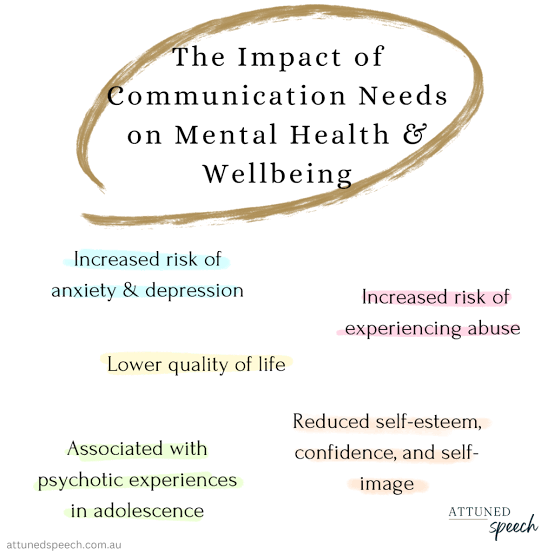
Communication is a fundamental human need. Through communication, people share thoughts, express emotions, build relationships, solve problems, and participate in social life. When communication becomes difficult, the effects are often much broader than the inability to speak clearly. Communication difficulties can influence emotional well-being, social interaction, educational success, professional development, and personal identity. From a psychological perspective, communication problems are not limited to language or speech; they are experiences that shape how individuals perceive themselves and how they believe others perceive them.
Communication difficulties may arise from speech disorders, language disorders, hearing impairment, neurological conditions, developmental disorders, or acquired injuries. Regardless of the cause, many individuals experience similar psychological reactions. They may feel misunderstood, excluded, anxious, or embarrassed during conversations. Repeated experiences of unsuccessful communication can gradually alter self-confidence and social behavior.
One of the most important psychological consequences is the development of a negative self-image. Human beings often evaluate themselves through interactions with others. When communication repeatedly breaks down, individuals may begin to think that they are less capable, less intelligent, or less interesting than other people. Children are especially vulnerable because their self-concept is still developing. A child who struggles to express ideas may receive fewer positive responses from peers and adults, leading to feelings of inadequacy. Over time, these feelings can become deeply rooted and continue into adolescence and adulthood.
Communication difficulties are also strongly associated with anxiety. Many individuals become worried before speaking situations occur. They may think about possible mistakes, misunderstandings, or negative reactions. This anticipatory anxiety can cause physical symptoms such as increased heart rate, sweating, muscle tension, and trembling. The person may focus so intensely on speaking correctly that communication becomes even more difficult. Anxiety and communication problems often reinforce each other, creating a cycle that is hard to break.
Social participation is frequently affected. People who fear embarrassment may avoid conversations, group activities, public speaking, or social events. Avoidance provides temporary relief from anxiety, but it reduces opportunities to practice communication and receive supportive feedback. As social participation decreases, loneliness may increase. Loneliness is not simply being alone; it is the painful feeling of being disconnected from others. Persistent loneliness is associated with depression, low self-esteem, and reduced life satisfaction.
Friendships can become difficult to establish and maintain. Effective friendships require sharing thoughts, feelings, humor, and personal experiences. Individuals with communication difficulties may hesitate to initiate conversations or may speak less during interactions. Others may incorrectly interpret silence as disinterest or shyness. These misunderstandings can limit relationship development and increase feelings of isolation.
Adolescence is often a particularly sensitive period. Teenagers place great importance on peer acceptance and social identity. Communication difficulties may make adolescents feel different from their peers. They may become highly self-conscious and spend considerable mental energy monitoring their speech or language. Some avoid social gatherings, classroom discussions, or online interactions that involve speaking. Such avoidance can restrict normal social development and contribute to social anxiety.
Educational experiences are also influenced by communication ability. Schools rely heavily on verbal participation. Students are expected to answer questions, discuss ideas, read aloud, and present information. Those with communication difficulties may know the material well but remain silent because they fear making mistakes. Teachers may unintentionally underestimate their knowledge or participation. Reduced classroom involvement can affect academic confidence and motivation.
Public speaking tasks are often especially stressful. Students may experience intense fear before presentations and may avoid courses or activities that require oral communication. This avoidance can influence educational choices and future career paths. The psychological impact may therefore extend far beyond the classroom.
In adulthood, communication difficulties can affect employment opportunities and workplace experiences. Job interviews typically require clear self-presentation, and applicants may fear being judged negatively. After employment begins, meetings, presentations, telephone calls, and interactions with colleagues can remain sources of stress. Some individuals avoid leadership positions or career advancement opportunities because they involve increased communication demands.
Workplace misconceptions can intensify these difficulties. Colleagues may incorrectly assume that a person with communication problems lacks confidence, competence, or intelligence. Even subtle forms of exclusion, such as not being invited to discussions or being interrupted frequently, can damage self-esteem and job satisfaction. Chronic workplace stress may contribute to emotional exhaustion and reduced professional confidence.
Communication difficulties can also influence family life. Family members may become impatient when communication takes longer, while the affected individual may feel guilty or burdensome. Children with communication disorders may rely heavily on parents to speak for them, which can limit independence. In adult relationships, difficulty expressing emotions or discussing problems may lead to misunderstandings and conflict. Supportive communication within the family is therefore an important protective factor.
The connection between communication difficulties and mental health is well established. Social anxiety disorder is common among individuals who fear negative evaluation during communication. Depression may develop when communication problems lead to isolation, repeated failure experiences, or limited opportunities. Feelings of hopelessness can emerge if individuals believe that they will never be understood or accepted.
Stress plays a major role in maintaining communication difficulties. Emotional tension can interfere with attention, memory, language processing, and speech production. A person who expects communication failure may become anxious, and that anxiety may increase the likelihood of difficulty during the interaction. Breaking this cycle requires both communication intervention and psychological support.
Despite these challenges, many individuals adapt successfully and develop strong resilience. Positive family support, accepting peers, effective therapy, educational accommodations, and opportunities for successful communication can significantly improve psychological outcomes. When individuals experience understanding rather than criticism, they are more likely to participate actively in communication and develop confidence.
Therapeutic intervention is most effective when it addresses both communication skills and emotional well-being. Speech-language therapy can improve clarity, fluency, and language abilities, while psychological approaches such as cognitive-behavioral therapy can reduce anxiety and negative self-beliefs. Social skills training, mindfulness, relaxation techniques, and self-compassion practices may further enhance adjustment.
Encouraging self-advocacy is also important. Individuals who can explain their communication needs and request appropriate support often feel more empowered. Successful communication should not be defined solely by perfect speech or language; it should be defined by meaningful connection, participation, and mutual understanding.
Society has an important responsibility to create inclusive communication environments. Listening patiently, avoiding interruption, allowing additional response time, and focusing on the content of the message rather than the manner of speaking can reduce psychological pressure. Public awareness helps challenge stereotypes that associate communication difficulties with low intelligence or incompetence.
In conclusion, communication difficulties can affect emotional health, social relationships, education, employment, family life, and overall quality of life. The psychological consequences may include anxiety, low self-esteem, loneliness, depression, and avoidance of social situations. However, these outcomes are not inevitable. With supportive relationships, appropriate therapy, psychological intervention, and inclusive social attitudes, individuals with communication difficulties can develop confidence, maintain meaningful relationships, achieve academic and professional success, and lead fulfilling lives. Understanding communication difficulties from a psychological perspective encourages more compassionate support and helps individuals recognize that their value is not determined by the ease with which they speak.