Speech is one of the most important abilities that allows human beings to communicate, express emotions, build relationships, and participate fully in society. Through speech, individuals share ideas, ask for help, form friendships, learn in school, and succeed in professional life. When speech is impaired, the effects often extend far beyond communication itself. A speech disorder can influence a person’s emotional state, social experiences, academic performance, occupational opportunities, and overall quality of life. From a psychological perspective, speech disorders are not merely linguistic or motor problems; they are conditions that can shape identity, self-esteem, and mental health across the lifespan.
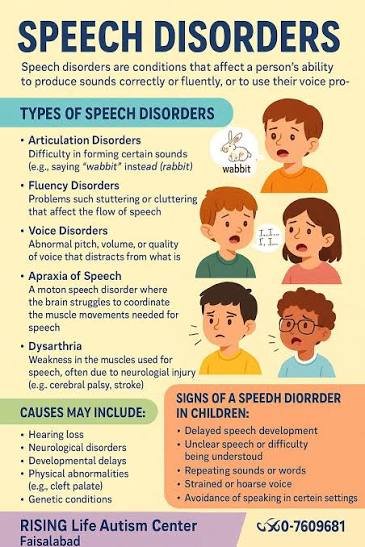
Speech disorders include stuttering, articulation disorders, voice disorders, apraxia of speech, and dysarthria. These conditions vary in severity and cause, but many individuals who experience them report similar psychological challenges. A child who struggles to pronounce sounds correctly, an adolescent who stutters during classroom presentations, or an adult who has difficulty speaking fluently after a neurological condition may all encounter feelings of embarrassment, frustration, and social fear. The impact is often cumulative, developing gradually through repeated communication experiences.
One of the earliest psychological effects of a speech disorder is reduced self-esteem. Children quickly become aware when their speech differs from that of peers. If classmates laugh, imitate, interrupt, or correct them excessively, they may begin to believe that something is wrong with them. Such experiences can create a negative self-image. Instead of viewing speech as a natural means of expression, the child may come to see speaking as a risky activity that invites criticism. This perception can persist into adolescence and adulthood, shaping the individual’s overall sense of worth.
Shame is another common emotional response. Many people with speech disorders anticipate negative reactions before they speak. They may worry that others will become impatient, misunderstand them, or judge them as less intelligent. Anticipatory anxiety can be intense enough to cause avoidance of speaking situations. For some individuals, the fear of embarrassment becomes more distressing than the speech difficulty itself. Even simple tasks such as introducing oneself, ordering food, making a phone call, or answering a question in class can trigger significant emotional discomfort.
Frustration frequently accompanies communication difficulties. When a person knows what he or she wants to say but cannot express it smoothly, feelings of helplessness may arise. Young children may cry, withdraw, or become irritable when they are not understood. Adults may experience anger toward themselves, listeners, or the situation. Chronic frustration can contribute to stress and emotional exhaustion, especially when communication is required repeatedly throughout the day.
The social consequences of speech disorders are profound. Childhood is a critical period for learning social skills, forming friendships, and developing a sense of belonging. Children with noticeable speech difficulties are at increased risk of teasing and bullying. Negative peer experiences can lead to loneliness and social withdrawal. A child who is mocked for stuttering may avoid raising a hand in class, participating in games, or initiating conversations with classmates. Over time, reduced social participation limits opportunities to practice communication and develop confidence.
Adolescence often intensifies these difficulties because peer approval becomes especially important during this stage of development. Adolescents with speech disorders may feel different from their peers and become highly self-conscious about speaking. They may avoid social gatherings, group discussions, or romantic interactions. Some develop strategies to hide their speech difficulty, such as speaking less, avoiding certain words, pretending not to know an answer, or allowing others to speak for them. Although these strategies may reduce immediate anxiety, they reinforce avoidance and prevent corrective social experiences that could build confidence.
In adulthood, speech disorders can continue to affect interpersonal relationships. Difficulty expressing thoughts clearly may create misunderstandings in friendships, marriages, and family interactions. Individuals may hesitate to discuss emotions, resolve conflicts, or participate in conversations, leading others to misinterpret silence as disinterest, insecurity, or lack of involvement. The psychological burden of constant self-monitoring during speech can make social interaction mentally exhausting.
Educational experiences are also strongly influenced by speech abilities. Classroom learning depends heavily on verbal participation. Students are expected to answer questions, read aloud, engage in discussions, and deliver presentations. Those with speech disorders often participate less because they fear embarrassment. Teachers may unintentionally call on them less frequently, reducing opportunities for academic engagement. Even when students understand the material well, anxiety about speaking can interfere with performance.
Oral presentations are a particularly common source of distress. Students with speech disorders may experience symptoms such as rapid heartbeat, sweating, trembling, and difficulty concentrating before speaking tasks. Anxiety can disrupt memory retrieval and speech production, creating a vicious cycle in which fear worsens performance and poor performance strengthens fear. As a result, some students begin to avoid courses, activities, or careers that require public speaking.
The effects extend into professional life. Communication skills are highly valued in many occupations, and individuals with speech disorders may perceive themselves as less employable. Job interviews can be especially stressful because applicants anticipate judgment based on speech. After employment is obtained, workplace meetings, presentations, telephone conversations, and interactions with clients may continue to provoke anxiety. Some employees avoid leadership roles, networking opportunities, or promotions that involve increased speaking responsibilities.
Unfortunately, social misconceptions can worsen occupational difficulties. Listeners may incorrectly assume that a person who stutters is nervous, incompetent, or less intelligent. Such stereotypes can influence hiring decisions, workplace relationships, and promotion opportunities. Experiencing discrimination or subtle exclusion contributes to chronic stress and reduced job satisfaction. The emotional energy spent managing speech can also lead to fatigue and decreased confidence at work.
Speech disorders are closely associated with mental health concerns, particularly social anxiety. Many individuals develop an intense fear of being evaluated negatively in speaking situations. They may avoid conversations, public speaking, meetings, or social events, and avoidance tends to maintain anxiety over time. Depression can also occur, especially when communication difficulties lead to isolation, limited opportunities, or repeated experiences of rejection. Feelings of sadness, hopelessness, and reduced motivation may emerge when individuals believe that their speech prevents them from achieving personal goals.
Stress has an important reciprocal relationship with speech disorders. Emotional tension often increases speech disruptions, especially in stuttering. A person who expects difficulty speaking may become anxious, and that anxiety may increase disfluency, which then confirms the original fear. Breaking this cycle requires attention not only to speech production but also to emotional regulation and coping strategies.
Family reactions play a significant role in psychological adjustment. Supportive families who listen patiently, avoid excessive correction, and encourage communication can strengthen resilience. In contrast, frequent interruption, criticism, pressure to speak perfectly, or visible embarrassment may increase the child’s anxiety and self-consciousness. Parents who become overly protective may unintentionally reduce opportunities for independent communication, limiting confidence development.
Cultural attitudes also influence psychological outcomes. In societies where verbal fluency is strongly associated with intelligence, competence, or social status, speech disorders may carry greater stigma. Individuals may feel pressure to hide their difficulties or avoid public situations. Public awareness and inclusive attitudes can reduce stigma and improve psychological well-being.
Despite these challenges, many individuals with speech disorders develop remarkable resilience. Protective factors include supportive relationships, positive school experiences, access to speech therapy, participation in peer support groups, and opportunities for successful communication. When individuals experience acceptance and understanding, they are more likely to develop confidence and adaptive coping skills.
Modern intervention emphasizes a holistic approach. Speech-language therapy can improve communication skills, but psychological support is often equally important. Cognitive-behavioral therapy helps individuals identify negative thoughts, reduce avoidance, and manage anxiety. Social skills training, mindfulness techniques, and self-compassion practices can further enhance emotional adjustment. Collaboration among speech-language pathologists, psychologists, educators, and families provides the most comprehensive support.
Encouraging self-advocacy is another important goal. Individuals who can explain their speech disorder, request communication accommodations, and participate actively in decisions about treatment often experience greater empowerment. Successful communication does not require perfect speech; it requires confidence, participation, and meaningful interaction.
The psychological effects of speech disorders are extensive and can influence nearly every domain of life. Emotional distress, low self-esteem, social withdrawal, academic difficulties, occupational challenges, and mental health problems are common consequences, yet these outcomes are not inevitable. With early identification, supportive environments, appropriate therapy, and psychological intervention, individuals with speech disorders can develop strong identities, fulfilling relationships, and successful careers. Society also has a responsibility to reduce stigma and recognize that communication differences do not diminish intelligence, talent, or human value. Understanding speech disorders through a psychological lens allows professionals and communities to provide more compassionate and effective support, ultimately improving the quality of life for those who live with these conditions.