Postpartum depression is one of the most significant psychiatric disorders associated with childbirth. Although the birth of a child is often described as one of life’s happiest events, many mothers experience profound sadness, emotional numbness, anxiety, guilt, fatigue, hopelessness, and difficulty bonding with their newborn. These symptoms are not signs of poor parenting or a lack of love for the child. Instead, postpartum depression is a complex psychiatric condition resulting from interactions among hormonal changes, brain function, genetic vulnerability, psychological factors, and environmental stress. Modern psychiatry recognizes postpartum depression as a serious mood disorder requiring timely recognition and appropriate treatment.
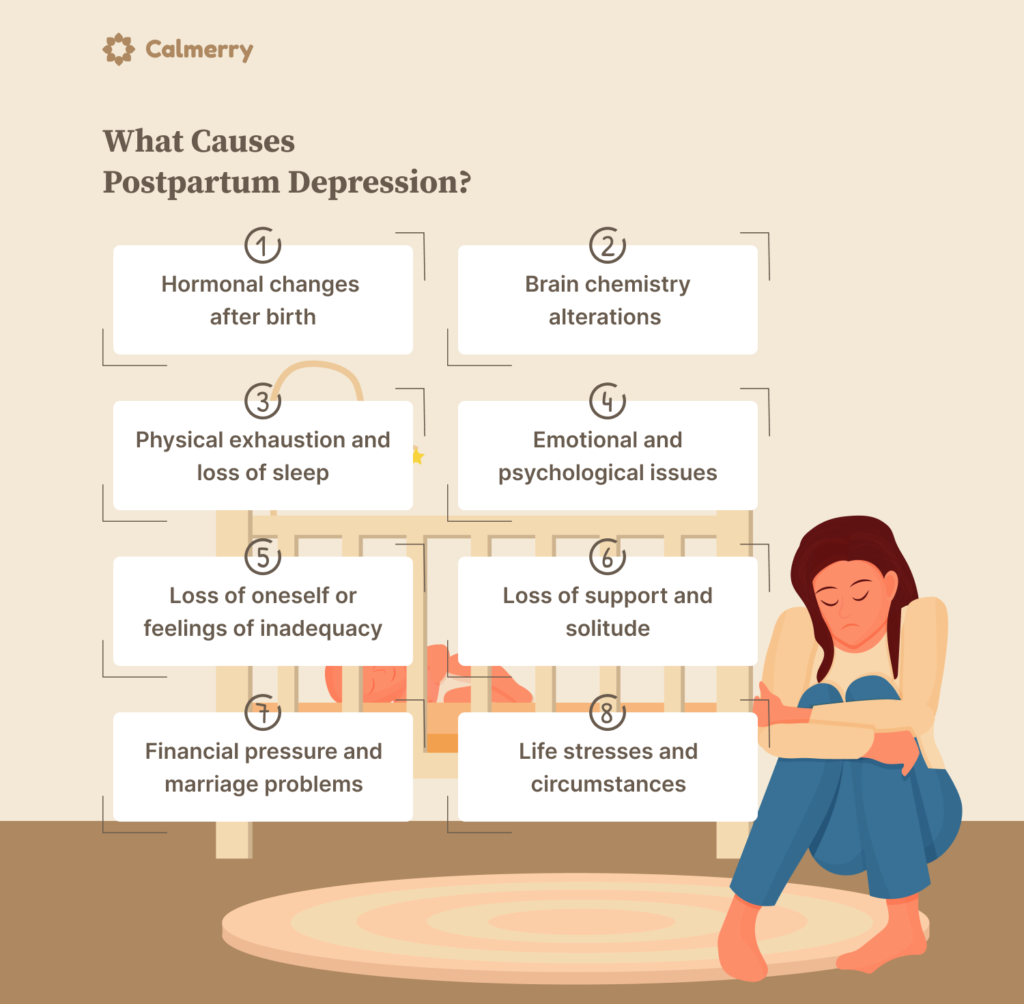
Immediately after childbirth, the body undergoes one of the most dramatic hormonal transitions experienced during the human lifespan. Levels of estrogen and progesterone, which rise substantially throughout pregnancy, decline rapidly within the first days after delivery. These hormonal changes influence neurotransmitter systems involved in emotional regulation, including serotonin, dopamine, and gamma-aminobutyric acid (GABA). Although every woman experiences these hormonal shifts, only some develop postpartum depression, indicating that hormonal change alone cannot explain the disorder. Biological susceptibility, previous psychiatric history, and environmental influences all contribute to individual risk.
The brain also undergoes significant adaptation during pregnancy and after birth. Neuroimaging studies suggest that regions involved in emotional processing, reward, empathy, and caregiving become highly active during the postpartum period. These changes help mothers recognize and respond to their infant’s needs. However, when mood-regulating networks become dysregulated, emotional adaptation may be disrupted. Instead of experiencing pleasure and emotional connection, some mothers develop persistent sadness, anxiety, emotional detachment, or overwhelming self-doubt.
Sleep deprivation is another major contributing factor. Caring for a newborn often involves frequent nighttime awakenings, fragmented sleep, and physical exhaustion. Healthy sleep is essential for emotional regulation, memory consolidation, and stress recovery. Persistent sleep disruption increases activity within emotional brain networks while reducing the regulatory influence of the prefrontal cortex. As a result, negative emotions become more intense, concentration declines, and resilience to stress decreases. Sleep loss alone does not cause postpartum depression, but it may significantly worsen existing vulnerability.
It is important to distinguish postpartum depression from the “baby blues.” Baby blues affect a large proportion of new mothers and usually begin within the first few days after childbirth. Symptoms include tearfulness, emotional sensitivity, mood swings, irritability, and temporary anxiety. These reactions generally resolve spontaneously within two weeks. Postpartum depression, however, is more severe, lasts longer, and interferes with daily functioning. Symptoms may persist for months if left untreated.
Clinical manifestations vary considerably. Some mothers experience persistent sadness and frequent crying, while others mainly report emotional emptiness or loss of pleasure. Anxiety may become more prominent than depression itself. Many women describe excessive worry about the baby’s health despite normal medical reassurance. Others experience intense guilt, believing they are inadequate mothers even when providing excellent care. Feelings of worthlessness, hopelessness, and social withdrawal frequently develop. In severe cases, suicidal thoughts may occur, making immediate psychiatric evaluation essential.
Bonding with the infant may also be affected. Contrary to common misconceptions, difficulty feeling emotionally connected does not indicate a lack of maternal love. Depression alters emotional processing, reducing the brain’s ability to experience reward and attachment normally. Many mothers become distressed precisely because they desperately want to feel connected but find themselves emotionally numb. This discrepancy often increases guilt and shame, further maintaining the depressive cycle.
Risk factors include a previous history of depression, bipolar disorder, anxiety disorders, postpartum depression during an earlier pregnancy, family history of mood disorders, pregnancy complications, limited social support, financial stress, relationship difficulties, traumatic childbirth, and chronic medical illness. Nevertheless, postpartum depression may also develop in women with no previous psychiatric history, demonstrating the multifactorial nature of the condition.
One of the most serious postpartum psychiatric conditions is postpartum psychosis. Although rare, it differs fundamentally from postpartum depression. Women with postpartum psychosis may develop hallucinations, delusions, severe confusion, extreme mood changes, and loss of contact with reality. This condition constitutes a psychiatric emergency because it significantly increases the risk of harm to both mother and infant if untreated. Early recognition and urgent medical intervention are therefore essential.
The role of inflammation has received increasing scientific attention. Research suggests that immune system changes occurring during pregnancy and after childbirth may influence brain function and mood regulation. Elevated inflammatory activity has been associated with depressive symptoms in some studies, although the precise biological mechanisms remain under investigation. These findings reinforce the understanding that postpartum depression is a disorder involving interactions among multiple physiological systems rather than a purely psychological reaction.
Psychological factors also contribute substantially. The transition to parenthood represents one of the most significant life changes an individual can experience. Identity, daily routine, relationships, occupational roles, financial responsibilities, and personal expectations all change rapidly. Mothers often experience intense pressure to appear constantly happy and capable despite physical recovery, sleep deprivation, and emotional adjustment. Unrealistic social expectations may discourage women from discussing their symptoms, delaying diagnosis and treatment.
Treatment depends upon symptom severity. Mild to moderate cases often respond well to psychotherapy, particularly cognitive-behavioral therapy and interpersonal psychotherapy. These approaches help mothers identify maladaptive thought patterns, improve coping strategies, strengthen social support, and adapt to the psychological changes associated with motherhood. Moderate to severe depression may require antidepressant medication, with treatment decisions carefully considering breastfeeding and overall maternal health. In many cases, combined psychotherapy and pharmacological treatment produces the best outcomes.
Family support plays a critical role in recovery. Practical assistance with infant care, household responsibilities, emotional reassurance, and encouragement to seek professional help significantly improve outcomes. Supportive partners and family members often recognize changes in mood before the mother herself fully appreciates their severity. Reducing stigma surrounding postpartum mental illness remains essential because many women delay seeking help due to fear of being judged as inadequate mothers.
Long-term prognosis is generally favorable when postpartum depression is recognized early and treated appropriately. Most women experience substantial improvement with comprehensive care. Early intervention also benefits infant development because maternal mental health strongly influences early attachment, emotional communication, and family functioning. Importantly, recovery does not require becoming a “perfect” mother. It involves restoring emotional well-being so that the mother can care for both herself and her child.
Ultimately, postpartum depression demonstrates that childbirth is not only a biological event but also a profound neurological and psychological transition. Hormonal changes, sleep disruption, stress physiology, emotional adaptation, and environmental pressures interact within a uniquely vulnerable period of life. The disorder is neither a personal failure nor a reflection of inadequate maternal love. It is a medically recognized psychiatric illness with identifiable biological and psychological foundations. Modern psychiatry increasingly emphasizes that compassionate recognition, timely treatment, and strong social support allow most mothers to recover fully, strengthening both maternal well-being and the healthy development of the parent-child relationship.