


The family is the first and most influential social environment in a child’s life. Within the family, children learn how to trust others, express emotions, solve problems, and build relationships. A peaceful family atmosphere provides security, emotional warmth, and stability, all of which are essential for healthy psychological development. When conflicts between parents or other family members become frequent, intense, or unresolved, children may experience significant emotional and behavioral difficulties. Family conflict does not affect children only at the moment it occurs; its effects can continue throughout childhood, adolescence, and even adulthood. Children are highly sensitive to emotional tension within the home. Even when adults believe that children do not understand what is happening, children often notice raised voices, hostile facial expressions, silence between parents, or changes in daily routines. Young children may not fully understand the reasons for conflict, but they can still feel fear, uncertainty, and insecurity. Because children depend on their caregivers for protection, conflict between caregivers can threaten their sense of safety. One of the most common psychological consequences is anxiety. Children exposed to frequent family arguments may constantly worry that another conflict will occur. They may become alert to signs of tension and have difficulty relaxing. Anxiety can appear through sleep problems, nightmares, clinginess, irritability, headaches, stomachaches, or excessive fearfulness. Some children become afraid that their parents will separate, abandon them, or stop loving them. Family conflict can also damage a child’s self-esteem. Many children mistakenly believe that they are responsible for the arguments they witness. They may think that their behavior caused the conflict or that they should somehow fix the situation. Such beliefs can lead to guilt and feelings of worthlessness. When parents criticize each other harshly, children may internalize negative messages about themselves and their family. Emotional insecurity is another important effect. Children need predictable caregiving and emotional consistency. In homes where conflict is constant, children may feel uncertain about what will happen next. This insecurity can make it difficult for them to trust others and develop stable emotional relationships. They may become excessively dependent on caregivers or, conversely, emotionally withdrawn. Behavioral problems are frequently associated with family conflict. Some children respond with aggression, defiance, temper tantrums, or rule-breaking. Others become unusually quiet, avoid social interaction, and suppress their feelings. Aggressive behavior may reflect what children observe at home; they may learn that shouting, insulting, or threatening are acceptable ways to handle disagreements. Withdrawn behavior may develop when children try to avoid drawing attention to themselves during stressful family situations. School functioning is often affected. Children who live in conflictual homes may have difficulty concentrating, remembering information, completing homework, or participating in class. Emotional distress can interfere with learning, and teachers may notice declining grades, inattentiveness, or behavioral difficulties. School can become another source of stress rather than a place of growth and achievement. Social relationships may also suffer. Children exposed to unhealthy conflict may struggle to develop effective communication and problem-solving skills. They may become overly sensitive to criticism, expect rejection from peers, or have difficulty managing disagreements. Some children imitate hostile interaction patterns in friendships, while others avoid close relationships because they fear conflict. The age of the child influences the psychological impact. Preschool children often show fear, separation anxiety, regression, or clinginess. School-age children may experience academic problems, guilt, and behavioral difficulties. Adolescents are more likely to show anger, rebellion, depression, risk-taking behavior, or withdrawal from family life. Teenagers may spend more time outside the home to escape tension, which can increase vulnerability to negative peer influences. Not all conflict has the same effect. Occasional disagreements handled calmly and respectfully are a normal part of family life and can even teach children constructive problem-solving. The greatest harm occurs when conflicts are frequent, intense, hostile, involve insults or threats, become physically aggressive, or remain unresolved. Children are especially distressed when they witness violence, humiliation, or emotional abuse between family members. Parental separation or divorce following prolonged conflict can create additional stress. However, research suggests that ongoing severe conflict may be more harmful than living in two separate but calmer households. Children generally adapt better when adults reduce hostility, cooperate in parenting, and maintain warm relationships with the child. Long-term exposure to family conflict can increase the risk of mental health problems later in life. Adults who grew up in highly conflictual homes report higher rates of anxiety, depression, low self-esteem, relationship difficulties, and stress sensitivity. Early experiences influence beliefs about trust, love, and conflict, and these beliefs may shape future friendships and romantic relationships. Family conflict can also affect physical health. Chronic stress activates physiological stress responses, and prolonged activation may contribute to sleep disturbances, headaches, gastrointestinal complaints, weakened immune functioning, and other stress-related symptoms. Thus, the effects are both psychological and physical. Protective factors can reduce harm. A warm and supportive relationship with at least one caregiver is one of the strongest protective influences. Children cope better when they feel loved, listened to, and reassured that the conflict is not their fault. Support from grandparents, relatives, teachers, counselors, or other trusted adults can also provide emotional stability. Parents can protect children by managing disagreements respectfully, avoiding shouting and insults in front of children, never involving children in adult disputes, and reassuring children about their safety and parental love. After a disagreement, parents should explain in an age-appropriate way that adults sometimes disagree and that the child is not responsible. Consistent routines, predictable caregiving, and opportunities for children to express feelings further support emotional security. Professional help may be needed when conflict is severe or when children show persistent emotional or behavioral difficulties. Family therapy can improve communication and conflict resolution, while child counseling can help children process fear, anger, guilt, and sadness. Early intervention is important because untreated stress can become more difficult to address over time. In conclusion, family conflict can have serious negative effects on children’s emotional security, self-esteem, behavior, academic functioning, social relationships, and mental health. Children who grow up in homes marked by frequent
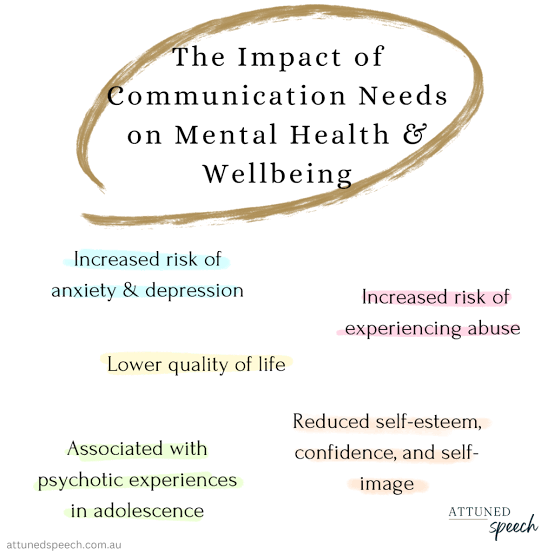
Psychological Effects of Communication Difficulties on Human Life
Communication is a fundamental human need. Through communication, people share thoughts, express emotions, build relationships, solve problems, and participate in social life. When communication becomes difficult, the effects are often much broader than the inability to speak clearly. Communication difficulties can influence emotional well-being, social interaction, educational success, professional development, and personal identity. From a psychological perspective, communication problems are not limited to language or speech; they are experiences that shape how individuals perceive themselves and how they believe others perceive them. Communication difficulties may arise from speech disorders, language disorders, hearing impairment, neurological conditions, developmental disorders, or acquired injuries. Regardless of the cause, many individuals experience similar psychological reactions. They may feel misunderstood, excluded, anxious, or embarrassed during conversations. Repeated experiences of unsuccessful communication can gradually alter self-confidence and social behavior. One of the most important psychological consequences is the development of a negative self-image. Human beings often evaluate themselves through interactions with others. When communication repeatedly breaks down, individuals may begin to think that they are less capable, less intelligent, or less interesting than other people. Children are especially vulnerable because their self-concept is still developing. A child who struggles to express ideas may receive fewer positive responses from peers and adults, leading to feelings of inadequacy. Over time, these feelings can become deeply rooted and continue into adolescence and adulthood. Communication difficulties are also strongly associated with anxiety. Many individuals become worried before speaking situations occur. They may think about possible mistakes, misunderstandings, or negative reactions. This anticipatory anxiety can cause physical symptoms such as increased heart rate, sweating, muscle tension, and trembling. The person may focus so intensely on speaking correctly that communication becomes even more difficult. Anxiety and communication problems often reinforce each other, creating a cycle that is hard to break. Social participation is frequently affected. People who fear embarrassment may avoid conversations, group activities, public speaking, or social events. Avoidance provides temporary relief from anxiety, but it reduces opportunities to practice communication and receive supportive feedback. As social participation decreases, loneliness may increase. Loneliness is not simply being alone; it is the painful feeling of being disconnected from others. Persistent loneliness is associated with depression, low self-esteem, and reduced life satisfaction. Friendships can become difficult to establish and maintain. Effective friendships require sharing thoughts, feelings, humor, and personal experiences. Individuals with communication difficulties may hesitate to initiate conversations or may speak less during interactions. Others may incorrectly interpret silence as disinterest or shyness. These misunderstandings can limit relationship development and increase feelings of isolation. Adolescence is often a particularly sensitive period. Teenagers place great importance on peer acceptance and social identity. Communication difficulties may make adolescents feel different from their peers. They may become highly self-conscious and spend considerable mental energy monitoring their speech or language. Some avoid social gatherings, classroom discussions, or online interactions that involve speaking. Such avoidance can restrict normal social development and contribute to social anxiety. Educational experiences are also influenced by communication ability. Schools rely heavily on verbal participation. Students are expected to answer questions, discuss ideas, read aloud, and present information. Those with communication difficulties may know the material well but remain silent because they fear making mistakes. Teachers may unintentionally underestimate their knowledge or participation. Reduced classroom involvement can affect academic confidence and motivation. Public speaking tasks are often especially stressful. Students may experience intense fear before presentations and may avoid courses or activities that require oral communication. This avoidance can influence educational choices and future career paths. The psychological impact may therefore extend far beyond the classroom. In adulthood, communication difficulties can affect employment opportunities and workplace experiences. Job interviews typically require clear self-presentation, and applicants may fear being judged negatively. After employment begins, meetings, presentations, telephone calls, and interactions with colleagues can remain sources of stress. Some individuals avoid leadership positions or career advancement opportunities because they involve increased communication demands. Workplace misconceptions can intensify these difficulties. Colleagues may incorrectly assume that a person with communication problems lacks confidence, competence, or intelligence. Even subtle forms of exclusion, such as not being invited to discussions or being interrupted frequently, can damage self-esteem and job satisfaction. Chronic workplace stress may contribute to emotional exhaustion and reduced professional confidence. Communication difficulties can also influence family life. Family members may become impatient when communication takes longer, while the affected individual may feel guilty or burdensome. Children with communication disorders may rely heavily on parents to speak for them, which can limit independence. In adult relationships, difficulty expressing emotions or discussing problems may lead to misunderstandings and conflict. Supportive communication within the family is therefore an important protective factor. The connection between communication difficulties and mental health is well established. Social anxiety disorder is common among individuals who fear negative evaluation during communication. Depression may develop when communication problems lead to isolation, repeated failure experiences, or limited opportunities. Feelings of hopelessness can emerge if individuals believe that they will never be understood or accepted. Stress plays a major role in maintaining communication difficulties. Emotional tension can interfere with attention, memory, language processing, and speech production. A person who expects communication failure may become anxious, and that anxiety may increase the likelihood of difficulty during the interaction. Breaking this cycle requires both communication intervention and psychological support. Despite these challenges, many individuals adapt successfully and develop strong resilience. Positive family support, accepting peers, effective therapy, educational accommodations, and opportunities for successful communication can significantly improve psychological outcomes. When individuals experience understanding rather than criticism, they are more likely to participate actively in communication and develop confidence. Therapeutic intervention is most effective when it addresses both communication skills and emotional well-being. Speech-language therapy can improve clarity, fluency, and language abilities, while psychological approaches such as cognitive-behavioral therapy can reduce anxiety and negative self-beliefs. Social skills training, mindfulness, relaxation techniques, and self-compassion practices may further enhance adjustment. Encouraging self-advocacy is also important. Individuals who can explain their communication needs and request appropriate support often feel more empowered. Successful communication should not
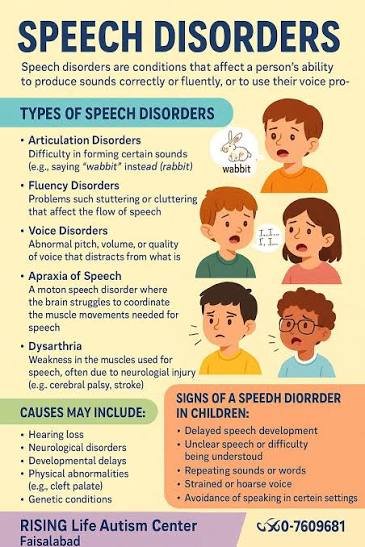
Psychological Effects of Speech Disorders on Human Life
Speech is one of the most important abilities that allows human beings to communicate, express emotions, build relationships, and participate fully in society. Through speech, individuals share ideas, ask for help, form friendships, learn in school, and succeed in professional life. When speech is impaired, the effects often extend far beyond communication itself. A speech disorder can influence a person’s emotional state, social experiences, academic performance, occupational opportunities, and overall quality of life. From a psychological perspective, speech disorders are not merely linguistic or motor problems; they are conditions that can shape identity, self-esteem, and mental health across the lifespan. Speech disorders include stuttering, articulation disorders, voice disorders, apraxia of speech, and dysarthria. These conditions vary in severity and cause, but many individuals who experience them report similar psychological challenges. A child who struggles to pronounce sounds correctly, an adolescent who stutters during classroom presentations, or an adult who has difficulty speaking fluently after a neurological condition may all encounter feelings of embarrassment, frustration, and social fear. The impact is often cumulative, developing gradually through repeated communication experiences. One of the earliest psychological effects of a speech disorder is reduced self-esteem. Children quickly become aware when their speech differs from that of peers. If classmates laugh, imitate, interrupt, or correct them excessively, they may begin to believe that something is wrong with them. Such experiences can create a negative self-image. Instead of viewing speech as a natural means of expression, the child may come to see speaking as a risky activity that invites criticism. This perception can persist into adolescence and adulthood, shaping the individual’s overall sense of worth. Shame is another common emotional response. Many people with speech disorders anticipate negative reactions before they speak. They may worry that others will become impatient, misunderstand them, or judge them as less intelligent. Anticipatory anxiety can be intense enough to cause avoidance of speaking situations. For some individuals, the fear of embarrassment becomes more distressing than the speech difficulty itself. Even simple tasks such as introducing oneself, ordering food, making a phone call, or answering a question in class can trigger significant emotional discomfort. Frustration frequently accompanies communication difficulties. When a person knows what he or she wants to say but cannot express it smoothly, feelings of helplessness may arise. Young children may cry, withdraw, or become irritable when they are not understood. Adults may experience anger toward themselves, listeners, or the situation. Chronic frustration can contribute to stress and emotional exhaustion, especially when communication is required repeatedly throughout the day. The social consequences of speech disorders are profound. Childhood is a critical period for learning social skills, forming friendships, and developing a sense of belonging. Children with noticeable speech difficulties are at increased risk of teasing and bullying. Negative peer experiences can lead to loneliness and social withdrawal. A child who is mocked for stuttering may avoid raising a hand in class, participating in games, or initiating conversations with classmates. Over time, reduced social participation limits opportunities to practice communication and develop confidence. Adolescence often intensifies these difficulties because peer approval becomes especially important during this stage of development. Adolescents with speech disorders may feel different from their peers and become highly self-conscious about speaking. They may avoid social gatherings, group discussions, or romantic interactions. Some develop strategies to hide their speech difficulty, such as speaking less, avoiding certain words, pretending not to know an answer, or allowing others to speak for them. Although these strategies may reduce immediate anxiety, they reinforce avoidance and prevent corrective social experiences that could build confidence. In adulthood, speech disorders can continue to affect interpersonal relationships. Difficulty expressing thoughts clearly may create misunderstandings in friendships, marriages, and family interactions. Individuals may hesitate to discuss emotions, resolve conflicts, or participate in conversations, leading others to misinterpret silence as disinterest, insecurity, or lack of involvement. The psychological burden of constant self-monitoring during speech can make social interaction mentally exhausting. Educational experiences are also strongly influenced by speech abilities. Classroom learning depends heavily on verbal participation. Students are expected to answer questions, read aloud, engage in discussions, and deliver presentations. Those with speech disorders often participate less because they fear embarrassment. Teachers may unintentionally call on them less frequently, reducing opportunities for academic engagement. Even when students understand the material well, anxiety about speaking can interfere with performance. Oral presentations are a particularly common source of distress. Students with speech disorders may experience symptoms such as rapid heartbeat, sweating, trembling, and difficulty concentrating before speaking tasks. Anxiety can disrupt memory retrieval and speech production, creating a vicious cycle in which fear worsens performance and poor performance strengthens fear. As a result, some students begin to avoid courses, activities, or careers that require public speaking. The effects extend into professional life. Communication skills are highly valued in many occupations, and individuals with speech disorders may perceive themselves as less employable. Job interviews can be especially stressful because applicants anticipate judgment based on speech. After employment is obtained, workplace meetings, presentations, telephone conversations, and interactions with clients may continue to provoke anxiety. Some employees avoid leadership roles, networking opportunities, or promotions that involve increased speaking responsibilities. Unfortunately, social misconceptions can worsen occupational difficulties. Listeners may incorrectly assume that a person who stutters is nervous, incompetent, or less intelligent. Such stereotypes can influence hiring decisions, workplace relationships, and promotion opportunities. Experiencing discrimination or subtle exclusion contributes to chronic stress and reduced job satisfaction. The emotional energy spent managing speech can also lead to fatigue and decreased confidence at work. Speech disorders are closely associated with mental health concerns, particularly social anxiety. Many individuals develop an intense fear of being evaluated negatively in speaking situations. They may avoid conversations, public speaking, meetings, or social events, and avoidance tends to maintain anxiety over time. Depression can also occur, especially when communication difficulties lead to isolation, limited opportunities, or repeated experiences of rejection. Feelings of sadness, hopelessness, and reduced motivation may emerge when individuals believe that their speech prevents them from achieving
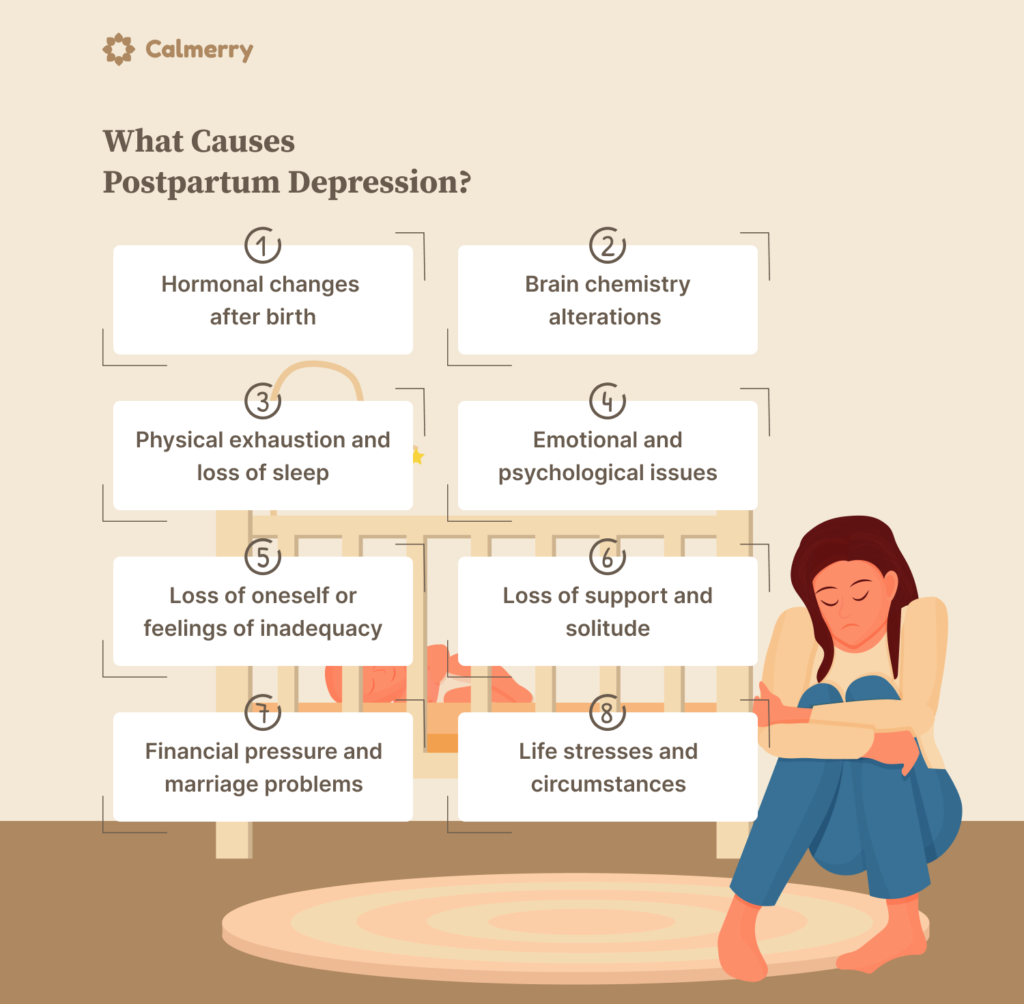
Why Does Postpartum Depression Occur?
Postpartum depression is one of the most significant psychiatric disorders associated with childbirth. Although the birth of a child is often described as one of life’s happiest events, many mothers experience profound sadness, emotional numbness, anxiety, guilt, fatigue, hopelessness, and difficulty bonding with their newborn. These symptoms are not signs of poor parenting or a lack of love for the child. Instead, postpartum depression is a complex psychiatric condition resulting from interactions among hormonal changes, brain function, genetic vulnerability, psychological factors, and environmental stress. Modern psychiatry recognizes postpartum depression as a serious mood disorder requiring timely recognition and appropriate treatment. Immediately after childbirth, the body undergoes one of the most dramatic hormonal transitions experienced during the human lifespan. Levels of estrogen and progesterone, which rise substantially throughout pregnancy, decline rapidly within the first days after delivery. These hormonal changes influence neurotransmitter systems involved in emotional regulation, including serotonin, dopamine, and gamma-aminobutyric acid (GABA). Although every woman experiences these hormonal shifts, only some develop postpartum depression, indicating that hormonal change alone cannot explain the disorder. Biological susceptibility, previous psychiatric history, and environmental influences all contribute to individual risk. The brain also undergoes significant adaptation during pregnancy and after birth. Neuroimaging studies suggest that regions involved in emotional processing, reward, empathy, and caregiving become highly active during the postpartum period. These changes help mothers recognize and respond to their infant’s needs. However, when mood-regulating networks become dysregulated, emotional adaptation may be disrupted. Instead of experiencing pleasure and emotional connection, some mothers develop persistent sadness, anxiety, emotional detachment, or overwhelming self-doubt. Sleep deprivation is another major contributing factor. Caring for a newborn often involves frequent nighttime awakenings, fragmented sleep, and physical exhaustion. Healthy sleep is essential for emotional regulation, memory consolidation, and stress recovery. Persistent sleep disruption increases activity within emotional brain networks while reducing the regulatory influence of the prefrontal cortex. As a result, negative emotions become more intense, concentration declines, and resilience to stress decreases. Sleep loss alone does not cause postpartum depression, but it may significantly worsen existing vulnerability. It is important to distinguish postpartum depression from the “baby blues.” Baby blues affect a large proportion of new mothers and usually begin within the first few days after childbirth. Symptoms include tearfulness, emotional sensitivity, mood swings, irritability, and temporary anxiety. These reactions generally resolve spontaneously within two weeks. Postpartum depression, however, is more severe, lasts longer, and interferes with daily functioning. Symptoms may persist for months if left untreated. Clinical manifestations vary considerably. Some mothers experience persistent sadness and frequent crying, while others mainly report emotional emptiness or loss of pleasure. Anxiety may become more prominent than depression itself. Many women describe excessive worry about the baby’s health despite normal medical reassurance. Others experience intense guilt, believing they are inadequate mothers even when providing excellent care. Feelings of worthlessness, hopelessness, and social withdrawal frequently develop. In severe cases, suicidal thoughts may occur, making immediate psychiatric evaluation essential. Bonding with the infant may also be affected. Contrary to common misconceptions, difficulty feeling emotionally connected does not indicate a lack of maternal love. Depression alters emotional processing, reducing the brain’s ability to experience reward and attachment normally. Many mothers become distressed precisely because they desperately want to feel connected but find themselves emotionally numb. This discrepancy often increases guilt and shame, further maintaining the depressive cycle. Risk factors include a previous history of depression, bipolar disorder, anxiety disorders, postpartum depression during an earlier pregnancy, family history of mood disorders, pregnancy complications, limited social support, financial stress, relationship difficulties, traumatic childbirth, and chronic medical illness. Nevertheless, postpartum depression may also develop in women with no previous psychiatric history, demonstrating the multifactorial nature of the condition. One of the most serious postpartum psychiatric conditions is postpartum psychosis. Although rare, it differs fundamentally from postpartum depression. Women with postpartum psychosis may develop hallucinations, delusions, severe confusion, extreme mood changes, and loss of contact with reality. This condition constitutes a psychiatric emergency because it significantly increases the risk of harm to both mother and infant if untreated. Early recognition and urgent medical intervention are therefore essential. The role of inflammation has received increasing scientific attention. Research suggests that immune system changes occurring during pregnancy and after childbirth may influence brain function and mood regulation. Elevated inflammatory activity has been associated with depressive symptoms in some studies, although the precise biological mechanisms remain under investigation. These findings reinforce the understanding that postpartum depression is a disorder involving interactions among multiple physiological systems rather than a purely psychological reaction. Psychological factors also contribute substantially. The transition to parenthood represents one of the most significant life changes an individual can experience. Identity, daily routine, relationships, occupational roles, financial responsibilities, and personal expectations all change rapidly. Mothers often experience intense pressure to appear constantly happy and capable despite physical recovery, sleep deprivation, and emotional adjustment. Unrealistic social expectations may discourage women from discussing their symptoms, delaying diagnosis and treatment. Treatment depends upon symptom severity. Mild to moderate cases often respond well to psychotherapy, particularly cognitive-behavioral therapy and interpersonal psychotherapy. These approaches help mothers identify maladaptive thought patterns, improve coping strategies, strengthen social support, and adapt to the psychological changes associated with motherhood. Moderate to severe depression may require antidepressant medication, with treatment decisions carefully considering breastfeeding and overall maternal health. In many cases, combined psychotherapy and pharmacological treatment produces the best outcomes. Family support plays a critical role in recovery. Practical assistance with infant care, household responsibilities, emotional reassurance, and encouragement to seek professional help significantly improve outcomes. Supportive partners and family members often recognize changes in mood before the mother herself fully appreciates their severity. Reducing stigma surrounding postpartum mental illness remains essential because many women delay seeking help due to fear of being judged as inadequate mothers. Long-term prognosis is generally favorable when postpartum depression is recognized early and treated appropriately. Most women experience substantial improvement with comprehensive care. Early intervention also benefits infant development because maternal mental health strongly influences early attachment, emotional communication, and family
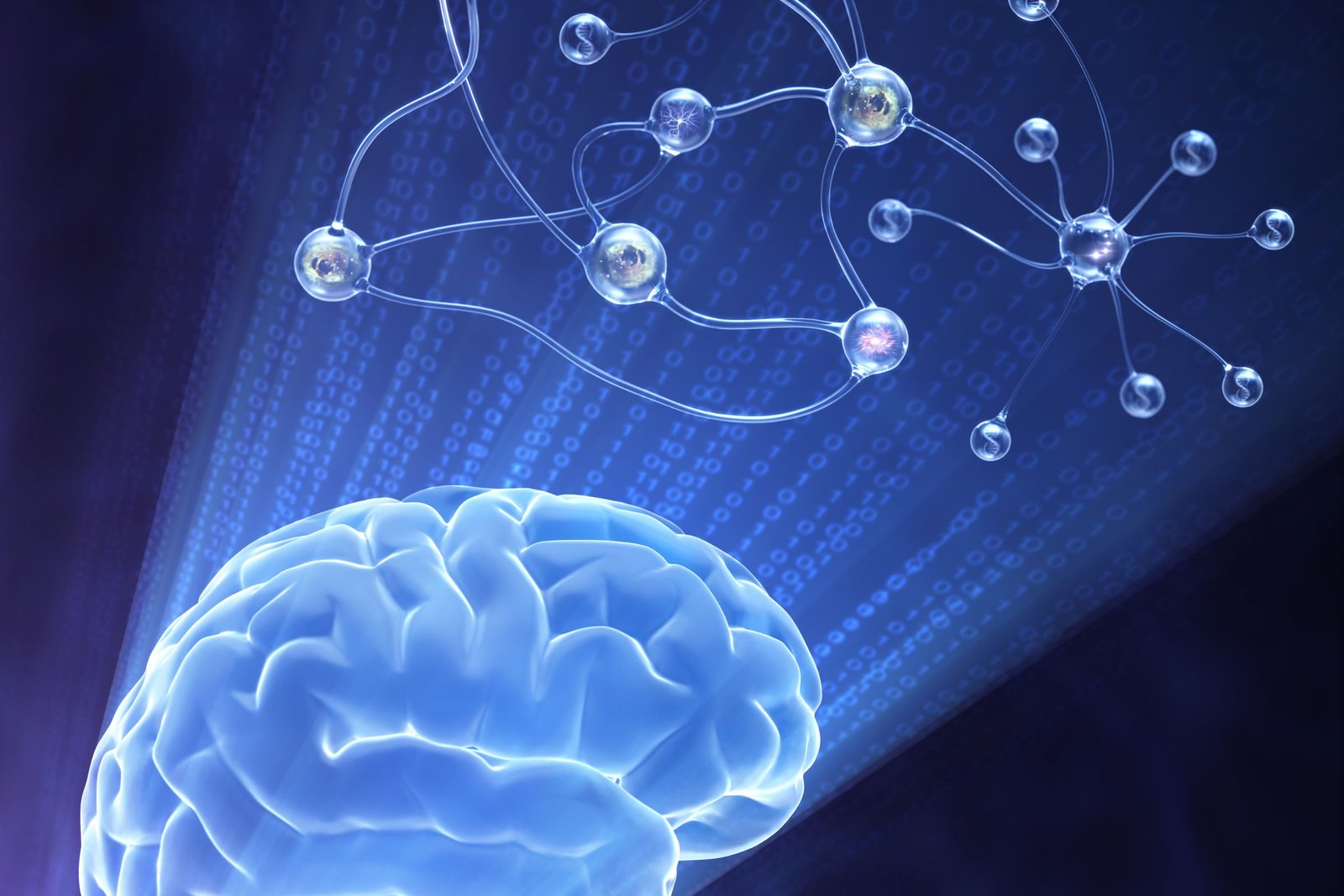
Can the Brain Become Addicted to Anxiety?
Anxiety is one of the most fundamental survival mechanisms of the human brain. Under ordinary circumstances, it prepares the body to recognize danger, respond rapidly, and increase the likelihood of survival. Yet some individuals experience anxiety so frequently that they begin to feel trapped in a continuous cycle of fear, anticipation, and hypervigilance. This has led researchers to explore an intriguing question: can the brain become “addicted” to anxiety? Although anxiety itself is not considered an addiction in psychiatric classification, modern neuroscience suggests that repeated activation of anxiety-related neural circuits can become deeply reinforced, making chronic anxiety increasingly self-perpetuating. The human brain constantly predicts future events. Its primary objective is not happiness but survival. To achieve this goal, the brain continuously searches for possible threats before they occur. Most of the time these predictions are adaptive. They help individuals avoid genuine danger. However, when prediction systems become excessively sensitive, the brain begins detecting threats that are unlikely, exaggerated, or entirely hypothetical. Generalized anxiety disorder illustrates this process. Instead of responding only to immediate danger, the brain continuously generates “what if” scenarios. What if something goes wrong? What if I become ill? What if I make a mistake? What if someone rejects me? These questions rarely produce solutions. Instead, they maintain continuous physiological arousal. One reason anxiety persists is negative reinforcement. Imagine someone who feels anxious about attending a crowded meeting. If they decide to stay home, their anxiety immediately decreases. The reduction in discomfort feels rewarding. The brain learns an important lesson. Avoidance appears to work. Unfortunately, this learning strengthens future anxiety. The next invitation becomes even more threatening. Avoidance gradually expands into other situations. The nervous system never receives the opportunity to discover that the feared event might have been safe. Over time, anxiety becomes maintained through learning rather than objective danger. The amygdala plays a central role in this cycle. It rapidly evaluates emotionally significant information and initiates defensive responses before conscious reasoning is complete. Repeated activation strengthens neural pathways associated with threat detection. The brain becomes increasingly efficient at recognizing danger. Unfortunately, it also becomes increasingly efficient at producing false alarms. Small uncertainties begin triggering disproportionate physiological responses. The prefrontal cortex ordinarily regulates emotional reactions by evaluating evidence and suppressing unnecessary fear. Chronic anxiety may weaken this regulatory influence. The result is not a damaged brain but an imbalance between emotional alarm systems and cognitive control networks. Emotion increasingly dominates reasoning. The individual knows that excessive worry is unhelpful. Yet the biological warning system continues generating anxiety. Another important contributor is intolerance of uncertainty. Healthy psychological functioning accepts that complete certainty is impossible. Individuals with chronic anxiety often experience uncertainty itself as threatening. They attempt to eliminate every possible risk through excessive planning, reassurance seeking, repeated checking, or constant mental analysis. Ironically, these behaviors rarely reduce anxiety permanently. Instead, they reinforce the belief that uncertainty cannot be tolerated. The brain therefore continues treating uncertainty as danger. Attention also changes significantly. An anxious brain selectively notices information related to possible threats. Positive events receive less attention. Neutral events are interpreted cautiously. Negative information becomes highly memorable. This attentional bias gradually shapes perception. The world appears increasingly dangerous not because reality has changed, but because the brain continuously filters information through expectations of threat. The body’s physiology contributes to the cycle. Adrenaline and cortisol prepare the organism for immediate action. Heart rate increases. Breathing accelerates. Muscles tighten. Blood flow shifts toward large muscle groups. These responses are highly adaptive during genuine emergencies. When activated repeatedly without physical danger, however, the individual begins monitoring these bodily sensations. A slightly faster heartbeat becomes alarming. Mild dizziness suggests catastrophe. Normal physical changes become interpreted as evidence that something is seriously wrong. Fear of bodily sensations produces even greater physiological activation. This phenomenon plays an important role in panic disorder. The brain’s reward system may appear unrelated to anxiety, yet it contributes indirectly. Every time excessive worrying appears to prevent a feared outcome, the brain mistakenly concludes that worrying was useful. Even when nothing dangerous would have happened regardless, the absence of catastrophe reinforces the habit of worrying. The individual attributes safety to worry rather than recognizing that the feared event was unlikely from the beginning. Thus, worry itself becomes negatively reinforced. Sleep disruption further intensifies anxiety. During healthy sleep, emotional experiences undergo processing and neural recovery. Insufficient or fragmented sleep increases amygdala reactivity while reducing prefrontal regulation. Consequently, emotionally neutral events become more likely to trigger exaggerated anxiety the following day. A vicious cycle develops in which anxiety disrupts sleep and poor sleep amplifies anxiety. Modern neuroimaging demonstrates that chronic anxiety involves altered communication among the amygdala, hippocampus, insular cortex, anterior cingulate cortex, and prefrontal cortex. These regions regulate emotional learning, memory, bodily awareness, attention, and executive control. Rather than a single malfunctioning brain area, anxiety reflects dysregulation within an interconnected neural network. Treatment aims to modify these learning processes rather than simply suppress symptoms. Cognitive-behavioral therapy teaches individuals to identify distorted predictions, challenge catastrophic interpretations, and gradually tolerate uncertainty. Exposure-based interventions allow the brain to learn through direct experience that feared situations often do not produce the anticipated outcome. Repeated safe exposure weakens the association between harmless situations and danger. The nervous system gradually updates its predictions. Mindfulness-based interventions address another important mechanism. Instead of attempting to eliminate anxious thoughts, individuals learn to observe them without immediately responding. This reduces automatic reinforcement of worry. Thoughts become recognized as mental events rather than objective facts. Over time, the brain becomes less reactive to intrusive predictions. Medication may also play an important role for some individuals. Certain antidepressants and other psychiatric medications reduce excessive anxiety by influencing neurotransmitter systems involved in emotional regulation. However, medication is most effective when combined with psychological strategies that modify long-term learning patterns. Perhaps the most important insight offered by contemporary neuroscience is that anxiety is not evidence of weakness or personal failure. The anxious brain is usually attempting to protect the individual. Its difficulty lies in
Why Does Emotional Pain Hurt Like Physical Pain?
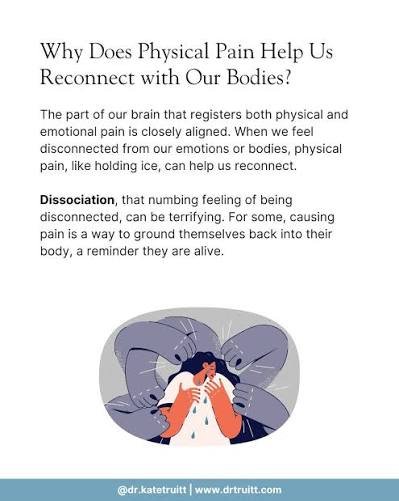
For centuries, emotional suffering and physical pain were considered completely separate experiences. Broken bones, burns, or surgical wounds were regarded as biological events, while grief, rejection, betrayal, or loneliness were viewed as purely psychological phenomena. Modern neuroscience has fundamentally changed this perspective. Brain imaging studies reveal that emotional pain and physical pain activate many of the same neural systems, suggesting that the distinction between body and mind is far less absolute than once believed. This raises a profound question: why can emotional pain feel physically real? Pain is not produced directly by injured tissue. Instead, pain is a conscious experience constructed by the brain. Nerve endings detect potentially harmful stimuli and transmit information through the spinal cord to multiple brain regions. Only after this information has been processed does the subjective experience of pain emerge. Consequently, pain reflects interpretation as much as sensation. The same injury may produce different levels of pain depending on attention, emotion, expectation, previous experience, and psychological context. Emotional pain follows remarkably similar principles. Experiences such as rejection, abandonment, humiliation, bereavement, or betrayal threaten social bonds that have been essential throughout human evolution. For ancestral humans, separation from the group often reduced the likelihood of survival. The brain therefore evolved mechanisms that treated social disconnection as a serious biological concern. Instead of creating an entirely separate warning system, evolution appears to have adapted neural circuits already involved in physical pain. This explains why social rejection often feels genuinely painful rather than merely upsetting. One of the most important regions involved is the anterior cingulate cortex. This structure participates in monitoring conflict, emotional distress, motivation, and pain processing. Functional neuroimaging consistently demonstrates increased activity within this region during both physical injury and experiences of social exclusion. Although the patterns are not identical, their overlap suggests that emotional suffering recruits biological systems originally developed to protect the organism from harm. The insular cortex contributes another essential component. This region integrates bodily sensations with emotional awareness. It allows individuals to experience emotions as physical states. Grief may therefore produce chest tightness. Anxiety may create stomach discomfort. Fear accelerates the heartbeat. Sadness may be accompanied by overwhelming physical fatigue. These sensations are not imaginary. They reflect genuine interactions between emotional and physiological regulation. Stress hormones further strengthen this relationship. Emotional trauma activates the hypothalamic-pituitary-adrenal axis. Cortisol and adrenaline prepare the body for challenge. Heart rate increases. Breathing changes. Muscles tense. Blood pressure rises. If emotional stress becomes chronic, these physiological responses may persist long after the original event. The body remains prepared for danger despite the absence of immediate threat. This prolonged activation contributes to headaches, muscle pain, gastrointestinal symptoms, sleep disturbance, and chronic fatigue frequently observed in psychiatric disorders. Expectation profoundly influences pain perception. The brain continuously predicts future experiences before sensory information arrives. If severe pain is anticipated, neural systems become increasingly sensitive. Likewise, expecting emotional rejection heightens sensitivity to social cues. Minor criticism feels devastating. Neutral interactions appear hostile. The nervous system prepares for suffering before it actually occurs. Memory also shapes emotional pain. Traumatic interpersonal experiences become integrated into autobiographical memory. Future relationships are interpreted partly through these previous experiences. Someone repeatedly exposed to rejection may begin anticipating abandonment even within supportive relationships. The resulting anxiety influences perception, behavior, and emotional regulation. The pain of the past gradually affects the interpretation of the present. Attachment relationships are especially important. During infancy, caregivers regulate distress long before children develop independent emotional control. Consistent comfort teaches the developing brain that distress can be reduced safely. Neglect, abuse, or unpredictable caregiving may interfere with this process. Later emotional losses often reactivate early attachment systems, explaining why separation and grief can feel overwhelmingly intense. The brain is responding not only to current events but also to deeply established developmental patterns. Psychiatric disorders frequently amplify emotional pain. Major depressive disorder increases sensitivity to loss, failure, and self-criticism. Negative experiences receive greater cognitive attention. Positive experiences become more difficult to recognize. Anxiety disorders maintain persistent anticipation of future suffering. Borderline personality disorder is often associated with exceptionally intense reactions to perceived rejection or abandonment. Post-traumatic stress disorder may cause emotional reminders to trigger physiological responses similar to those experienced during the original trauma. Each disorder alters emotional processing through different mechanisms while preserving the close relationship between mind and body. Interestingly, certain medications influence both physical and emotional pain. Some antidepressants reduce chronic pain syndromes even in individuals without depression. This observation further supports the existence of overlapping biological pathways. Likewise, chronic physical pain frequently increases the risk of depression and anxiety. The relationship operates in both directions. Body influences mind. Mind influences body. Neither functions independently. Resilience depends partly upon emotional regulation. Healthy coping strategies, supportive relationships, adequate sleep, physical activity, and psychotherapy all influence neural circuits involved in pain processing. The goal is not to eliminate emotional suffering entirely. Pain serves important adaptive purposes. It signals loss, encourages reflection, and motivates reconnection. The challenge arises when pain persists after it has ceased serving its protective function. Modern psychotherapy often focuses upon altering the brain’s interpretation of emotional experiences rather than attempting to erase memories themselves. Cognitive restructuring changes maladaptive beliefs. Mindfulness reduces excessive identification with painful thoughts. Trauma-focused therapies integrate fragmented memories. Supportive therapeutic relationships provide corrective emotional experiences capable of reshaping neural pathways through neuroplasticity. Perhaps the most important implication of contemporary neuroscience is that emotional pain should never be dismissed as “only psychological.” The suffering experienced after bereavement, rejection, betrayal, or trauma reflects measurable biological processes occurring within the brain and body. Acknowledging this reality reduces stigma while emphasizing the legitimacy of psychiatric illness. Ultimately, emotional pain demonstrates that the human brain evolved to protect both physical survival and social survival. Relationships, attachment, belonging, and emotional security became so essential throughout evolution that the nervous system developed overlapping mechanisms for responding to physical injury and social loss. When emotional bonds are threatened, the brain activates biological systems originally designed to signal danger. Modern psychiatry therefore views emotional
Can Loneliness Reshape the Brain?
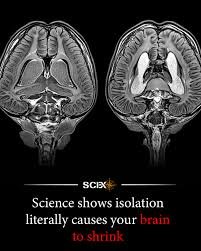
Loneliness is often described as an emotional experience, yet contemporary psychiatry increasingly recognizes it as a complex neurobiological state capable of influencing cognition, emotion, behavior, immunity, and even brain structure. Importantly, loneliness is not identical to being alone. A person may have few social contacts without feeling lonely, while another may experience profound loneliness despite living among family, friends, or colleagues. This distinction has led researchers to investigate a fundamental question: can prolonged loneliness alter the way the brain functions? Human beings evolved as intensely social organisms. Throughout evolutionary history, survival depended upon cooperation. Food acquisition, protection from predators, child-rearing, and resource sharing all required stable social relationships. Consequently, the brain developed mechanisms that treat social connection as a biological necessity rather than a psychological luxury. From this perspective, loneliness functions much like hunger or thirst. It signals that an essential survival need has not been adequately fulfilled. When loneliness becomes chronic, however, the adaptive signal may gradually transform into a source of psychological distress. Neuroimaging studies suggest that prolonged loneliness influences communication among multiple large-scale brain networks. Regions involved in emotional regulation, reward processing, social cognition, autobiographical memory, and threat detection all demonstrate altered patterns of activity. Rather than affecting a single anatomical location, loneliness appears to modify interactions across distributed neural systems. One of the earliest changes involves threat perception. Chronically lonely individuals often become increasingly vigilant toward possible rejection. Neutral facial expressions may appear less trustworthy. Ambiguous social interactions become interpreted more negatively. Small disagreements acquire exaggerated emotional significance. The brain gradually prioritizes detecting signs of exclusion. From an evolutionary standpoint, this adaptation makes sense. If separation from the group once threatened survival, heightened sensitivity to rejection could encourage reconnection. Ironically, excessive vigilance frequently produces the opposite effect. Expecting rejection often alters behavior. Individuals become more withdrawn. Eye contact decreases. Conversations become shorter. Trust becomes difficult. Potential relationships fail to develop. The expectation of rejection unintentionally increases social isolation. This self-reinforcing cycle has become a major focus within contemporary social neuroscience. The brain’s reward system also changes. Ordinarily, positive social interaction activates dopaminergic pathways associated with motivation and reinforcement. Supportive conversations, physical affection, shared laughter, and emotional intimacy all contribute to psychological well-being. During chronic loneliness, these reward systems may become less responsive. Activities that once produced emotional satisfaction gradually lose their motivational value. Social withdrawal therefore becomes progressively easier to maintain despite increasing distress. Stress physiology provides another important explanation. Loneliness activates biological systems associated with chronic stress. The hypothalamic-pituitary-adrenal axis increases cortisol secretion. Acute activation prepares the body for challenge. Persistent activation, however, influences mood regulation, sleep quality, immune function, attention, and memory. Individuals experiencing chronic loneliness frequently report insomnia, fatigue, impaired concentration, and heightened anxiety. These symptoms often reinforce further withdrawal. Sleep disturbance deserves particular attention. Healthy sleep contributes to emotional regulation, memory consolidation, and neural recovery. Loneliness frequently disrupts sleep continuity. Although total sleep duration may remain relatively unchanged, sleep often becomes lighter and more fragmented. Researchers propose that the brain maintains greater nocturnal vigilance when social security feels uncertain. Even during sleep, the nervous system remains partially prepared for potential danger. Social cognition becomes affected as well. The human brain continuously interprets facial expressions, tone of voice, body language, and interpersonal intentions. Loneliness appears to bias these interpretive processes. Neutral interactions may seem emotionally distant. Constructive criticism feels like rejection. Delayed responses to messages become interpreted as evidence of abandonment. These cognitive distortions do not arise from irrationality alone. They reflect adaptive prediction systems operating within conditions of prolonged social deprivation. The default mode network also attracts significant scientific interest. This network contributes to self-reflection, autobiographical thinking, future planning, and understanding other people’s mental states. Prolonged loneliness appears associated with altered activity within these regions. Individuals spend increasing amounts of time engaged in internal reflection. Unfortunately, this reflection often becomes repetitive rather than productive. Rumination gradually replaces adaptive problem solving. Negative self-evaluation becomes increasingly automatic. Depression frequently develops through interaction with these mechanisms. Importantly, loneliness and depression are not identical conditions. Many lonely individuals never develop major depressive disorder. Likewise, depression may occur without significant loneliness. Nevertheless, chronic loneliness substantially increases vulnerability. Reduced social reinforcement, persistent stress activation, negative cognitive bias, and diminished emotional support together create conditions favorable for depressive illness. Immune function also appears remarkably sensitive to social experience. Psychoneuroimmunology demonstrates that prolonged loneliness influences inflammatory activity. Although these biological mechanisms remain under active investigation, chronic social isolation has been associated with altered immune regulation and increased inflammatory markers in numerous studies. This relationship illustrates that psychological experiences and physical health remain deeply interconnected. Developmental timing influences vulnerability. Children and adolescents require social interaction for normal emotional development. Peer relationships contribute to identity formation, emotional regulation, empathy, and interpersonal competence. Chronic social exclusion during these developmental periods may influence later psychological functioning. However, neuroplasticity remains present throughout life. Supportive relationships established during adulthood continue shaping brain function. The elderly also experience unique risks. Retirement, bereavement, physical illness, sensory impairment, and reduced mobility frequently decrease opportunities for meaningful social interaction. Yet research consistently demonstrates that quality matters more than quantity. A few emotionally supportive relationships often provide greater psychological protection than numerous superficial contacts. Modern psychotherapy increasingly addresses loneliness directly. Treatment extends beyond encouraging greater social activity. Therapists also target maladaptive beliefs regarding trust, rejection, self-worth, and interpersonal expectations. Behavioral interventions gradually rebuild confidence within social situations. Cognitive approaches reduce distorted interpretations of ambiguous interactions. Group therapies simultaneously provide corrective relational experiences. Perhaps the most encouraging discovery concerns neuroplasticity. The brain remains capable of change throughout adulthood. As meaningful social relationships develop, neural systems involved in reward, stress regulation, emotional processing, and social cognition gradually reorganize. The biological effects of chronic loneliness are therefore not necessarily permanent. Recovery reflects both psychological and neural adaptation. Ultimately, loneliness demonstrates that the human brain was never designed to function in isolation. Social relationships are not merely pleasant additions to life but fundamental components of psychological health. The nervous system continuously monitors connection, belonging,

The Role of Spirituality in Human Life
Spirituality is a deeply personal and complex aspect of human experience that relates to one’s search for meaning, purpose, and connection beyond the material world. It does not always depend on religion, though for many people, religious beliefs and practices are central to their spiritual life. Others may find spirituality through nature, art, meditation, or acts of kindness. At its core, spirituality involves a sense of inner peace, belonging, and a connection to something greater than oneself. In psychological and sociological research, spirituality is increasingly recognized as an important factor in emotional well-being. Studies have shown that people who consider themselves spiritual often report higher levels of life satisfaction, resilience, and mental clarity. Spiritual practices such as prayer, reflection, or mindfulness can help individuals cope with stress, grief, and uncertainty by providing comfort and perspective. Spirituality also plays a significant role in moral and ethical development. It encourages values such as compassion, forgiveness, humility, and gratitude. People who engage in spiritual reflection often develop a stronger sense of responsibility toward others and the world. This can lead to more meaningful relationships, a desire to help others, and greater overall life balance. In modern society, where materialism, competition, and fast-paced living can lead to anxiety and disconnection, many people are turning to spirituality to find grounding and purpose. Whether through religious tradition or personal exploration, spirituality offers a path toward inner growth and emotional harmony.

Narcissism: Understanding the Modern Self-Obsession
Narcissism is a psychological concept that refers to excessive self-focus, a strong need for admiration, and a lack of empathy for others. While healthy self-esteem is important, narcissism becomes problematic when it leads to arrogance, manipulation, or emotional harm to others. It exists on a spectrum—from common personality traits to a clinical diagnosis known as Narcissistic Personality Disorder (NPD). The term “narcissism” comes from the Greek myth of Narcissus, a young man who fell in love with his own reflection. In modern psychology, narcissism is often linked to deep feelings of insecurity, masked by an inflated sense of self-importance. People with narcissistic traits may appear confident and charismatic, but they often rely heavily on external validation to maintain their self-worth. Narcissism can be shaped by both genetic and environmental factors. Some researchers suggest that overpraising or neglect during childhood may contribute to the development of narcissistic traits. Social and cultural influences also play a major role. In today’s digital age—where self-promotion, likes, and online status are highly valued—narcissistic behavior may be unintentionally encouraged, especially among young people. Narcissism can affect relationships, workplaces, and even leadership dynamics. While narcissistic individuals may succeed in competitive environments, their lack of empathy and inability to accept criticism often leads to conflict, instability, or emotional distance. In severe cases, narcissism may result in emotional abuse, as others are treated as tools to boost the narcissist’s ego. Addressing narcissism requires a careful and empathetic approach. Therapy, especially psychodynamic or cognitive-behavioral therapy, can help individuals with narcissistic tendencies build healthier self-esteem and develop greater empathy. However, treatment can be challenging, as many narcissistic individuals do not recognize their behavior as problematic. In conclusion, narcissism is a complex and increasingly relevant topic in modern society. While a certain level of self-interest is natural, understanding the difference between confidence and narcissism is essential—for individual well-being and for fostering healthy, respectful communities.
The Importance of Developing a Reading Habit
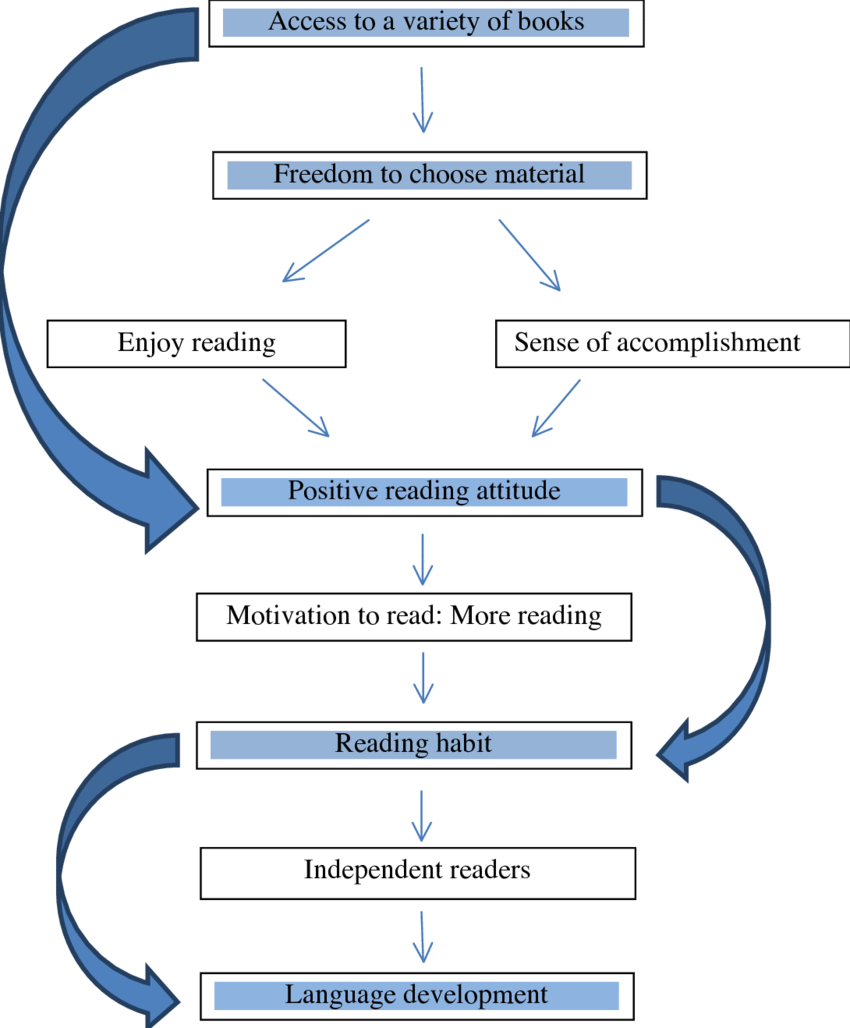
Reading is one of the most valuable habits a person can develop. It not only enhances knowledge and language skills but also shapes the way individuals think, imagine, and understand the world. In a time where digital media often dominates attention, cultivating a regular reading habit remains essential for personal growth, academic success, and lifelong learning. A consistent reading habit improves vocabulary, comprehension, and critical thinking. Readers are exposed to different perspectives, cultures, and ideas, which fosters empathy and global awareness. Furthermore, reading fiction can enhance imagination and creativity, while non-fiction provides practical knowledge and deeper insights into real-world issues. For students, strong reading skills are directly linked to academic performance, as reading comprehension is fundamental in almost every subject. Beyond intellectual benefits, reading also offers emotional and psychological advantages. It reduces stress, improves focus, and can even help manage anxiety and depression. Reading allows individuals to disconnect from their daily worries and immerse themselves in different realities. In this way, it serves as both a form of entertainment and a means of inner reflection. Despite its many advantages, the habit of reading is declining in many societies, especially among young people. The rise of smartphones, short-form content, and fast-paced entertainment has made it harder to focus on long texts. To encourage reading, it is important to create positive reading environments in homes and schools, promote access to libraries and books, and introduce reading as a pleasurable activity rather than a chore. In conclusion, developing a reading habit is a powerful tool for intellectual, emotional, and social development. It enriches our understanding of ourselves and others, strengthens our ability to think critically, and opens the door to endless possibilities. In an increasingly complex and distracted world, the simple act of reading remains a quiet but transformative force.