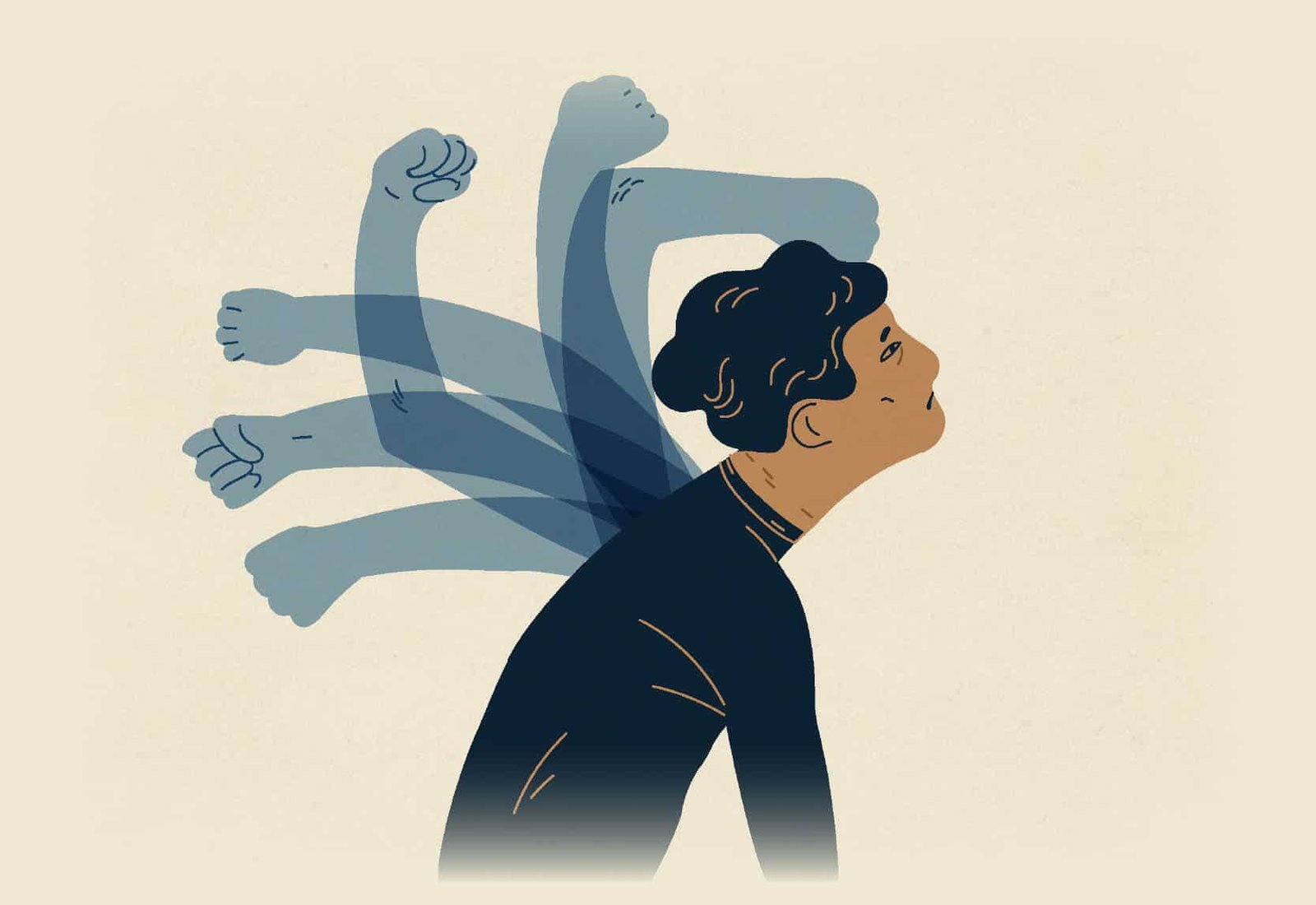
Few questions in psychiatry are as complex and emotionally significant as whether trauma can permanently change a person’s personality. Most people intuitively recognize that difficult experiences leave psychological marks. The death of a loved one, childhood abuse, war, violence, severe neglect, chronic humiliation, or prolonged fear can alter how individuals think, feel, and relate to others. Yet psychiatry seeks to go beyond intuition and ask a deeper question: can trauma fundamentally reshape personality itself, or does it merely affect emotions and behavior temporarily?
To answer this question, it is first necessary to understand what psychiatrists mean by personality. Personality is not simply a collection of preferences or habits. It refers to relatively stable patterns of thinking, emotional responding, motivation, and interpersonal behavior that persist across situations and over time. Personality influences how people interpret the world, regulate emotions, form relationships, and respond to challenges. Historically, personality was often viewed as relatively fixed after adolescence. Modern research, however, paints a more dynamic picture.
Contemporary psychology increasingly recognizes that personality is neither completely stable nor endlessly flexible. Instead, it reflects an ongoing interaction between genetic predispositions, developmental experiences, social environments, and biological processes. This understanding has profound implications for trauma research because it suggests that sufficiently powerful experiences may influence core aspects of psychological functioning.
Trauma differs from ordinary stress in important ways. Stress is a normal part of life and often promotes adaptation. Trauma occurs when experiences overwhelm an individual’s ability to cope and integrate what has happened. The event may involve actual or threatened death, serious injury, sexual violence, extreme helplessness, or prolonged exposure to conditions that fundamentally challenge psychological safety. Importantly, trauma is defined not only by the event itself but also by how the nervous system responds to it.
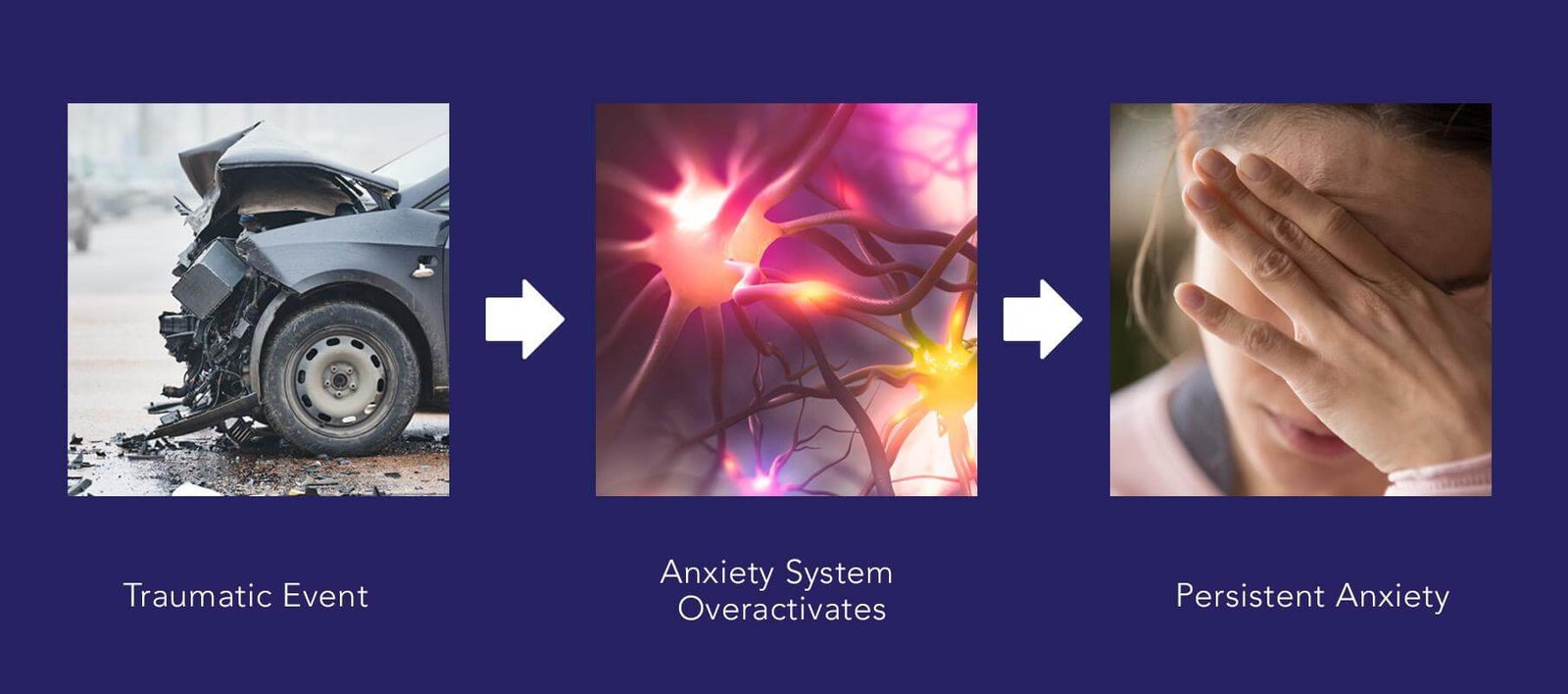
The human brain evolved mechanisms designed to detect and survive threats. During dangerous situations, stress-response systems activate rapidly. Heart rate increases. Attention narrows. Memory formation changes. Hormonal cascades prepare the body for survival. Under ordinary circumstances, these responses are temporary. Once danger passes, physiological systems gradually return to baseline.
Trauma can disrupt this recovery process.
Instead of returning fully to normal functioning, the nervous system may remain partially organized around threat detection. The world begins to feel less predictable, less safe, and more dangerous than before. This shift can influence nearly every aspect of psychological life.
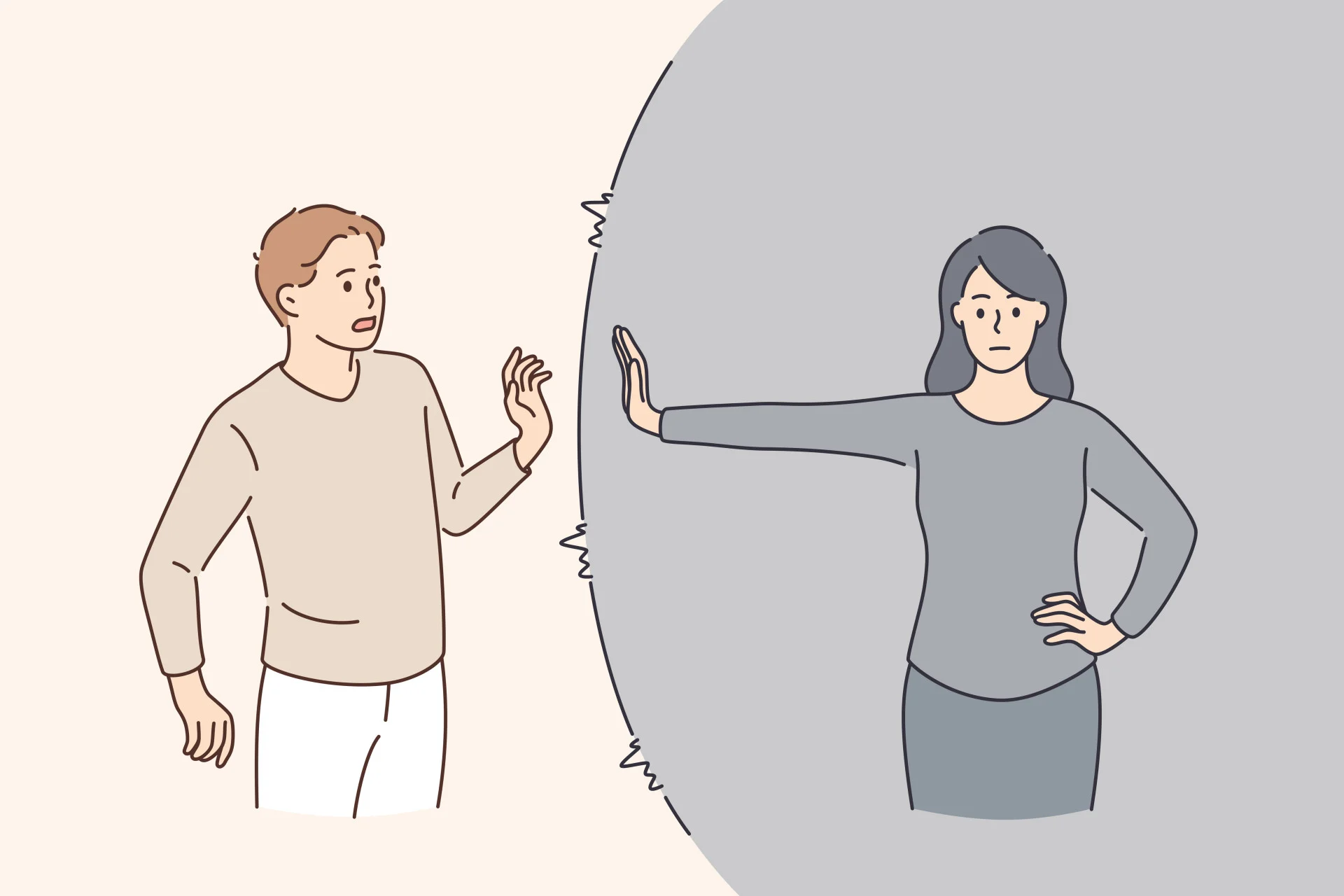
One of the most consistently observed consequences of trauma involves alterations in trust. Human beings develop expectations about safety and relationships through experience. Individuals exposed to severe betrayal, abuse, or violence may begin viewing others through a different lens. Suspicion increases. Vulnerability becomes more difficult. Intimacy may feel threatening rather than comforting.
These changes often extend beyond specific memories of traumatic events.
They become generalized expectations about the world.
A person who once approached relationships openly may become guarded. Someone previously comfortable with dependence may become intensely self-reliant. Such transformations can persist for years and sometimes appear indistinguishable from personality characteristics.
Research on childhood trauma is particularly revealing. Childhood represents a period of extraordinary brain development. Neural networks responsible for emotional regulation, social cognition, self-concept, and stress management are actively forming. Experiences occurring during this period therefore exert disproportionate influence.
Children exposed to chronic adversity often adapt in ways that enhance survival within difficult environments. Hypervigilance, emotional suppression, mistrust, and heightened sensitivity to threat may provide short-term protection. However, these adaptations can become problematic later when environmental conditions change.
What once functioned as survival becomes embedded within personality.
The adult may continue responding to ordinary situations as though danger remains imminent.
This process illustrates an important psychiatric principle.
Symptoms are often adaptations that outlive their original usefulness.
From this perspective, trauma-related personality changes are not random damage. They represent learned strategies developed under extreme conditions.
Neuroscience provides additional insight into how these changes occur. Brain imaging studies have identified alterations in multiple regions associated with trauma exposure. The amygdala, involved in threat detection and emotional processing, often becomes more reactive. The hippocampus, which contributes to memory integration and contextual understanding, may function differently. Prefrontal regions involved in emotional regulation and decision-making can also show altered activity patterns.
These findings demonstrate that trauma affects not only psychological narratives but also biological systems.
The distinction between mind and brain becomes increasingly difficult to maintain.
Psychological experiences influence neural structure.
Neural changes influence psychological experience.
The relationship is reciprocal rather than separate.
Memory processes play a central role in this transformation. Traumatic memories differ from ordinary memories in several respects. They are often encoded under conditions of intense emotional arousal, affecting how information is stored and retrieved. Instead of becoming integrated into coherent autobiographical narratives, traumatic experiences may remain fragmented, sensory, and emotionally charged.
As a result, past danger may continue feeling psychologically present.
The individual knows intellectually that the event is over, yet emotionally the threat remains active.
This mismatch between knowledge and emotional experience contributes significantly to long-term personality change.
Over time, repeated activation of threat-related systems can influence identity itself.
The individual begins defining themselves through adaptations developed in response to trauma.
A survivor may see themselves primarily as vulnerable, independent, suspicious, resilient, damaged, or responsible for protecting others.
These identities become woven into the broader personality structure.
Another important factor involves attachment. Attachment theory proposes that early relationships shape expectations regarding safety, trust, and emotional support. Children develop internal models of relationships based on interactions with caregivers. When caregivers provide consistent support, secure attachment tends to develop. When relationships involve neglect, unpredictability, abuse, or fear, attachment systems may become disrupted.
Trauma occurring within attachment relationships often produces particularly profound consequences.
The very individuals expected to provide safety become sources of danger.
This contradiction creates challenges for psychological development because it affects fundamental assumptions about human connection.
Many adults with histories of relational trauma struggle not because they consciously remember every painful experience but because early patterns continue influencing emotional responses automatically.
Interpersonal expectations become part of personality.
Emotional regulation also undergoes significant transformation following trauma. Some individuals become highly reactive, experiencing intense emotional fluctuations. Others move in the opposite direction, developing emotional numbness or detachment. Both patterns represent attempts by the nervous system to manage overwhelming experiences.
These adaptations may eventually appear as enduring personality traits.
Observers may describe someone as emotionally distant, highly sensitive, unpredictable, or excessively controlled without recognizing the developmental origins of these characteristics.
Trauma can also influence moral and existential beliefs. Severe adversity often challenges assumptions about fairness, meaning, and justice. Individuals may begin questioning beliefs previously taken for granted. Some develop increased cynicism. Others become more compassionate due to personal suffering. Some experience profound spiritual transformations.
These changes illustrate that trauma affects not only emotion but also worldview.
The individual may emerge with fundamentally different understandings of human nature, vulnerability, responsibility, and meaning.
Psychiatric research increasingly recognizes a condition known as Complex Post-Traumatic Stress Disorder. Unlike traditional PTSD, which often develops following discrete traumatic events, Complex PTSD is associated with prolonged, repeated trauma, particularly during developmental periods.
Symptoms frequently include emotional dysregulation, disturbances in self-concept, chronic feelings of shame, interpersonal difficulties, and persistent alterations in worldview.
Many of these features resemble personality change more than isolated symptoms.
The diagnosis reflects growing recognition that chronic trauma can influence broad dimensions of psychological functioning.
One of the most controversial questions concerns permanence.
Can trauma change personality forever?
The answer appears to be more complicated than either extreme position suggests.
Research indicates that trauma-related changes can persist for decades. Longitudinal studies have documented enduring effects on emotional functioning, relationship patterns, stress reactivity, and self-perception. In some cases, these changes remain visible throughout life.
However, persistence does not necessarily imply immutability.
The brain retains significant capacity for adaptation.
Neuroplasticity continues across the lifespan.
Psychological growth remains possible even after severe adversity.
Therapeutic interventions, supportive relationships, meaningful experiences, and changing environments can all influence recovery trajectories.
Importantly, recovery does not always mean returning to a pre-trauma state.
The individual who existed before trauma may no longer be fully accessible.
Instead, recovery often involves integrating traumatic experiences into a broader identity while developing new ways of relating to oneself and others.
This distinction is crucial.
Healing is not necessarily restoration of the past.
It may involve creation of something new.
The concept of post-traumatic growth illustrates this complexity. Some individuals report positive changes emerging from struggles with adversity. Increased appreciation for life, deeper relationships, greater personal strength, and enhanced existential awareness have all been documented.
These findings should not romanticize trauma.
Trauma causes immense suffering and often produces devastating consequences.
Yet human adaptation remains remarkably flexible.
Growth and suffering can coexist.
Psychodynamic theories offer additional perspectives. Many psychodynamic clinicians argue that trauma influences unconscious processes shaping personality organization. Defensive mechanisms developed during adversity may persist long after danger ends. Patterns of avoidance, control, dissociation, or emotional withdrawal become integrated into habitual functioning.
These mechanisms often operate outside conscious awareness.
The individual experiences them as aspects of personality rather than responses to history.
Therapeutic exploration can sometimes reveal connections between present behavior and past adaptations that were previously invisible.
Modern trauma therapy increasingly focuses on the body as well as the mind. Researchers have recognized that traumatic experiences are not stored solely as narratives or memories. Physiological patterns involving muscle tension, autonomic arousal, breathing, posture, and sensory processing may also persist.
The body learns danger.
Even when conscious memory fades, physiological responses may remain.
This understanding has influenced treatment approaches emphasizing bodily awareness, emotional regulation, and nervous system stabilization.
Social environments significantly affect outcomes as well. Trauma does not occur in isolation, and recovery rarely occurs in isolation either. Supportive relationships can facilitate healing by providing corrective emotional experiences. Conversely, ongoing adversity may reinforce trauma-related adaptations.
Personality development continues throughout adulthood partly because social contexts continue shaping psychological functioning.
The environment interacts continuously with internal processes.
Genetics further complicate the picture. Not everyone exposed to trauma develops significant personality changes. Individual differences in temperament, resilience, biological sensitivity, and social support influence outcomes. Some people remain relatively stable despite severe adversity. Others experience substantial transformations following events that appear less extreme.
These differences remind researchers that trauma is not destiny.
Human responses vary enormously.
Psychiatry increasingly emphasizes probabilistic rather than deterministic models.
Risk factors increase likelihoods but do not guarantee outcomes.
Perhaps the most profound implication of trauma research concerns identity itself. Personality is often imagined as a stable essence existing independently of experience. Trauma challenges this assumption. The characteristics people consider most personal—their fears, expectations, emotional styles, relationship patterns, and beliefs—are deeply influenced by developmental history.
This realization can be unsettling.
Yet it also offers hope.
If experience contributes to personality formation, new experiences may contribute to personality transformation.
Change remains possible.
The study of trauma ultimately reveals both the vulnerability and resilience of human beings. Trauma can indeed alter personality in significant and enduring ways. It can reshape perceptions of safety, influence emotional regulation, transform relationships, modify self-concept, and alter fundamental assumptions about the world. These changes may persist for years or even decades.
At the same time, personality remains more dynamic than once believed. The nervous system continues adapting throughout life. Relationships continue influencing psychological development. Meaning continues evolving. Recovery remains possible even when scars remain visible.
The question is therefore not simply whether trauma changes personality permanently. In many cases, it clearly can produce lasting changes. The deeper question concerns how those changes become integrated into the ongoing story of a human life. Some adaptations remain rigid and painful. Others evolve into sources of wisdom, strength, and understanding. Between these possibilities lies the complex reality explored by modern psychiatry: personality is neither fixed nor infinitely malleable, but a living system continuously shaped by the interaction between past experience and present possibility.