There are moments when a familiar song suddenly takes us back to a different period of life. An old photograph, the smell of a particular meal, a childhood place, or even a conversation can awaken memories that seem to have been waiting quietly in the background of our minds. For a brief moment, the past feels unusually close. We may remember people we no longer see, places that have changed, and experiences that once seemed ordinary but now carry emotional significance. This experience is known as nostalgia.
Nostalgia is a complex psychological phenomenon involving memory, emotion, identity, and the human need for meaning. It is often described as longing for the past, but this definition does not fully explain why people experience it or what role it plays in their psychological lives. Nostalgia can bring happiness, sadness, comfort, regret, and sometimes a mixture of all these emotions. It allows individuals to revisit earlier experiences while remaining aware that those experiences cannot be repeated in exactly the same way.
The word nostalgia originally had a different meaning from the one commonly used today. It was introduced in the seventeenth century by Swiss physician Johannes Hofer to describe a form of homesickness experienced by people who were separated from their familiar environments. At that time, nostalgia was sometimes considered a medical condition. Over the centuries, its meaning changed, and it gradually became associated with sentimental longing for the past rather than simply a desire to return home.
Modern psychology understands nostalgia as a common emotional experience that can have both positive and negative aspects. It is not necessarily a sign of dissatisfaction with the present or an inability to move forward. In many situations, remembering the past can help individuals maintain a sense of continuity between different stages of their lives.
One of the most interesting aspects of nostalgia is its connection with autobiographical memory. Autobiographical memory refers to memories of personal experiences and events that form part of an individual’s life story. These memories help people understand who they are, where they come from, and how their experiences have influenced their development.
When people experience nostalgia, they rarely remember the past as a collection of unrelated facts. Instead, they revisit emotionally meaningful moments. A person may remember spending an afternoon with friends, walking through a childhood neighbourhood, celebrating a family occasion, or listening to music during an important period of life. These memories are often connected to feelings of belonging, safety, excitement, or personal discovery.
However, nostalgic memories are not always accurate representations of what happened. Human memory is reconstructive rather than a perfect recording of the past. Every time individuals remember an experience, they may interpret it through their current emotional state, beliefs, and knowledge. As a result, the past can gradually acquire meanings that were not fully present when the original events occurred.
This process helps explain why people sometimes remember earlier periods as happier or simpler than they actually were. A person who experienced considerable stress during childhood may nevertheless remember that period with warmth because certain relationships, routines, or familiar environments provided emotional comfort. The memory may emphasize meaningful positive moments while leaving less pleasant experiences in the background.
This tendency is sometimes associated with rosy retrospection, a psychological phenomenon in which people evaluate past experiences more positively after they have ended. It does not mean that all nostalgic memories are false. Rather, it suggests that emotional memory can be selective. The way people remember an experience may differ from the way they evaluated it while it was happening.
Nostalgia is also closely connected to personal identity. Human identity develops through a combination of experiences, relationships, beliefs, and personal interpretations. People often understand themselves by connecting their present characteristics with earlier versions of themselves. Remembering the past can therefore provide a sense of continuity, even when significant changes have occurred.
For example, an adult who remembers their school years may recognize that certain interests, values, or personality characteristics have remained relatively stable. They may remember an early interest in reading, music, education, or helping others and realize that these interests still influence their present life. Nostalgia can make people aware that their current identity has developed through a long process rather than appearing suddenly.
This connection is particularly important during periods of transition. Moving to another country, changing careers, becoming a parent, ending a relationship, or entering a new stage of life can create uncertainty about identity. During such periods, people may return mentally to earlier experiences that provide a sense of familiarity. Remembering the past can help them understand how they arrived at their current situation.
Another important psychological function of nostalgia is emotional regulation. Emotional regulation refers to the processes through which individuals influence the emotions they experience, when they experience them, and how they express them. People use different strategies to manage emotional discomfort, and remembering meaningful experiences can sometimes be one of them.
When someone feels lonely, disappointed, or uncertain, nostalgic memories may provide temporary emotional comfort. Remembering a supportive relationship or a meaningful personal achievement can remind individuals that their lives have included moments of connection and satisfaction. This may help them experience their present difficulties within a broader personal perspective.
Research by psychologist Constantine Sedikides and his colleagues has explored the social and psychological functions of nostalgia. Their work suggests that nostalgic reflection can increase feelings of social connectedness and help people maintain a sense of meaning. In some circumstances, remembering emotionally significant relationships can reduce feelings of isolation.
The social nature of nostalgia is especially interesting. Many nostalgic memories involve other people rather than isolated personal achievements. Individuals may remember family gatherings, childhood friendships, teachers, neighbours, and people who played important roles in their lives. These memories can remind them that their identities have developed through relationships.
A person remembering a childhood friend may experience happiness because of the friendship itself, but the memory may also represent a period when life felt more spontaneous and social relationships required less effort. Similarly, remembering a grandparent may bring comfort because the person represents affection, security, or a particular family tradition.
Nostalgia can also influence how people understand belonging. Human beings often seek meaningful connections with others and a sense of being part of something larger than themselves. Memories of shared experiences can strengthen the feeling that they have a personal history connected to particular people, communities, and places.
This is one reason why nostalgia frequently becomes stronger during periods of loneliness. When individuals feel disconnected from their current social environment, memories of earlier relationships may become particularly meaningful. They can provide an emotional reminder of connection, even when the people involved are no longer physically present.
Nevertheless, nostalgia does not always improve emotional well-being. Its effects depend on how individuals engage with their memories and how those memories relate to their present circumstances. For some people, remembering the past can produce regret, sadness, or an intense awareness of loss.
For example, someone may remember a relationship that ended many years ago and become preoccupied with what might have happened if different decisions had been made. Another person may remember an earlier stage of life when they had fewer responsibilities and feel dissatisfied with their present routine. In these situations, nostalgia may become connected to rumination.
Rumination refers to repetitive thinking about distressing experiences, emotions, or problems without necessarily moving toward a solution. When nostalgic reflection becomes repetitive and focuses mainly on what has been lost, it may increase emotional discomfort. The individual may repeatedly compare the present with an idealized version of the past.
There is an important distinction between remembering the past and becoming psychologically trapped in it. Remembering can provide perspective, while excessive dwelling may make it difficult to engage with present opportunities. A person can appreciate meaningful memories without expecting the past to return.
The relationship between nostalgia and aging is another important area of psychological interest. As people grow older, they accumulate a larger number of personal experiences and memories. Certain periods may become especially meaningful because they represent important developmental stages, relationships, or life achievements.
Older adults may frequently remember childhood, early adulthood, or significant family events. These memories can help organize personal history and preserve a sense of identity. They may also provide opportunities to share experiences with younger generations, allowing family stories and cultural traditions to continue.
However, nostalgia is not exclusive to older people. Adolescents and young adults also experience longing for earlier periods of their lives. Someone who has recently left school may miss the routines and friendships associated with that environment. A university student may remember childhood with affection during a period of increased responsibility. Even relatively recent experiences can become nostalgic when they represent a meaningful stage that has ended.
This demonstrates that nostalgia is not simply related to the amount of time that has passed. It is also influenced by emotional significance and changes in life circumstances. A relatively recent experience can become deeply meaningful when it represents something that an individual feels is no longer available.
Music is one of the most powerful triggers of nostalgic memories. A particular song can become associated with a specific person, relationship, location, or period of life. When individuals hear that song again, they may experience an emotional response that seems stronger than the music itself would explain.
Music has the ability to activate autobiographical memories and emotional associations. A song heard frequently during adolescence, for example, may become connected to friendships, personal discoveries, or important life events. Years later, hearing it can bring back not only the memory of the song but also aspects of the emotional atmosphere surrounding that period.
Smells can produce similarly powerful experiences. The smell of a particular meal, perfume, book, or familiar household environment may unexpectedly remind someone of childhood or a person from their past. Because sensory experiences are closely connected with memory processes, they can sometimes evoke vivid emotional associations.
Places also play an important role in nostalgia. Returning to a childhood home or visiting a familiar street can create a strong contrast between memory and present reality. The location may look different, buildings may have changed, and people may have moved away. Yet the place can still represent an important part of personal identity.
Sometimes, the emotional experience of returning to a familiar location is different from what people expected. They may discover that the place has changed, but they have changed as well. The surroundings may no longer produce the same feelings because the meaning of the experience was connected not only to the physical environment but also to the people and circumstances that once existed there.
Social media has introduced new ways of experiencing nostalgia. Digital photographs, old messages, archived posts, and automatic memory reminders allow people to revisit earlier experiences frequently. Platforms may show photographs from several years ago, creating unexpected encounters with previous versions of the self.
These digital reminders can produce positive emotions, but they may also encourage comparison. People sometimes compare their present lives with carefully selected images from the past. They may remember earlier periods as more exciting because photographs preserve special occasions rather than ordinary difficulties.
This can create an incomplete picture of personal history. A collection of happy photographs does not necessarily represent a person’s entire emotional experience during that period. People may forget the stress, uncertainty, and everyday responsibilities that existed alongside the memorable moments.
Nostalgia can also be connected to childhood memories in a particularly emotional way. Childhood is often associated with discovery, imagination, play, and dependence on others for protection. Adults may remember this period as a time when life appeared less complicated. However, this interpretation can sometimes reflect the difference between childhood and adult responsibilities rather than an objective comparison of happiness.
Children also experience worries, disappointments, and social difficulties. The adult perspective may simply emphasize certain positive aspects of the past because they provide emotional comfort in the present. Recognizing this does not make nostalgic memories less valuable. It allows individuals to appreciate them without assuming that every earlier period was necessarily better.
Another important aspect of nostalgia is its relationship with meaning in life. People often search for connections between their experiences and a broader sense of purpose. Remembering significant moments can help them identify what has mattered most throughout their lives.
For example, someone reflecting on their past may recognize that the happiest memories were not necessarily connected to material achievements. They may remember conversations, acts of kindness, shared experiences, or moments of personal growth. These memories can reveal values that remain important in the present.
In this way, nostalgia may support self-discovery. It can help individuals recognize recurring interests, emotional needs, and personal priorities. A person who repeatedly remembers moments of learning may discover the importance of intellectual curiosity. Someone who frequently remembers family gatherings may recognize how much they value belonging and connection.
Nostalgia can also influence motivation. Remembering a previous achievement may remind individuals of abilities they once doubted. A person who successfully overcame a difficult period may use that memory as evidence that they possess the capacity to manage future challenges. In this context, the past becomes a psychological resource rather than simply an object of longing.
However, it is important to distinguish between nostalgia and an unhealthy idealization of earlier life. People sometimes use the past as a standard against which every present experience is judged. When this happens, ordinary changes may appear disappointing, even when they are part of natural development.
The past cannot be recreated exactly because the people, circumstances, and perspectives that gave it meaning have changed. Attempting to recover an earlier emotional state through the same external conditions may lead to frustration. A childhood home may still exist, but the person returning to it is no longer the child who once lived there.
A more balanced approach involves recognizing what a memory represents. Instead of asking how to return to a particular period, individuals can ask what made that period meaningful. Was it a sense of freedom, friendship, creativity, security, or curiosity? Understanding the emotional meaning of a memory may help people find ways to incorporate similar values into their present lives.
For example, someone who misses the freedom of childhood may not be able to remove adult responsibilities, but they may create more opportunities for play, exploration, and unstructured time. Someone who misses old friendships may reconnect with people or develop new relationships based on shared interests. In this way, nostalgia can become a source of information about present emotional needs.
Psychological flexibility is useful in this process. It refers to the ability to adapt thoughts and behaviour according to changing circumstances while remaining connected to personal values. Individuals who develop psychological flexibility may be better able to appreciate memories without allowing them to restrict present choices.
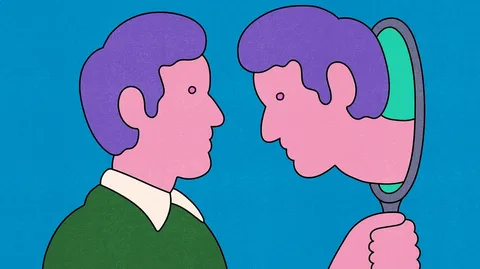
Nostalgia also raises an important question about the relationship between memory and identity: Are we remembering who we really were, or are we remembering the person we now believe we were? The answer may involve both. Personal memories are influenced by current understanding, and identity is continuously reconstructed through reflection.
A person may interpret a childhood experience differently at thirty than they did at fifteen. A parent’s behaviour that once seemed ordinary may later be understood in a more complex way. A difficult school experience may become meaningful when viewed in the context of personal resilience. These changing interpretations demonstrate that self-understanding develops throughout life.
It is also possible to experience nostalgia for periods that were not personally lived. People sometimes feel emotionally connected to historical decades, cultural traditions, or lifestyles they have only encountered through films, music, photographs, and stories. This experience is sometimes called historical or vicarious nostalgia.
Such feelings may reflect an attraction to particular cultural images or imagined qualities of another period. Someone may be drawn to the fashion, music, architecture, or social atmosphere associated with a historical era. However, their emotional connection is based partly on representation rather than direct personal memory.
This form of nostalgia illustrates how the human mind can develop emotional attachments not only to actual experiences but also to imagined versions of the past. The past becomes a symbolic space where individuals project values, desires, and ideas about how life might have been.
Ultimately, nostalgia is neither entirely positive nor entirely negative. It is a complex emotional experience that can support social connection, personal identity, emotional regulation, and meaning-making. At the same time, excessive idealization of the past or repetitive dwelling on what has been lost may interfere with present engagement.
The most constructive relationship with nostalgia may involve allowing memories to remain meaningful without expecting them to become the future. People can remember earlier versions of themselves with affection while recognizing that personal development requires change. They can miss certain people without believing that meaningful relationships are possible only in the past.
Perhaps nostalgia reminds us that life is made up of experiences that cannot be repeated in exactly the same form. Some people leave, familiar places change, and ordinary moments become memories before we fully recognize their importance. Yet the emotional meaning of these experiences can continue to influence how we understand ourselves.
The past is not simply a place we once occupied. It is also part of the story through which we interpret the present. Understanding nostalgia means recognizing both sides of this relationship: the importance of remembering and the necessity of continuing to live.
Sometimes, we do not miss a particular year, house, school, or person alone. We miss the feelings associated with that time and the version of ourselves who experienced them. Understanding what we truly miss may reveal something important about what we need, value, and hope to experience again in a different form.