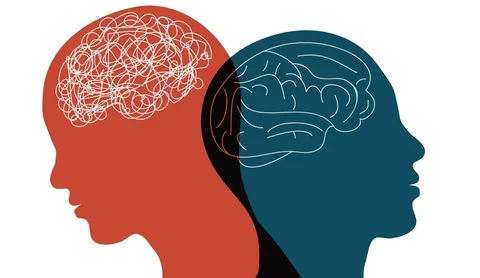
Traumatic experiences can change the way people understand themselves, other individuals, and the world around them. An event that threatens a person’s safety, creates intense fear, or exposes them to severe emotional or physical distress may leave psychological effects that continue long after the immediate danger has passed. Although the event itself belongs to the past, the emotional and physiological reactions associated with it may remain active in the present. This experience is often described as post-traumatic stress.
Post-traumatic stress is a broad term referring to psychological and emotional reactions that may develop after exposure to a traumatic or highly distressing experience. These reactions can include fear, anxiety, intrusive memories, sleep disturbances, emotional numbness, and difficulties feeling safe. Not everyone who experiences trauma develops a mental health disorder. Many people gradually recover with time, support, and the restoration of safety. However, for some individuals, symptoms persist and significantly interfere with everyday functioning.
Post-traumatic stress disorder, commonly known as PTSD, is a specific mental health condition that can develop after exposure to actual or threatened death, serious injury, or sexual violence. It is more complex than simply remembering an unpleasant experience. PTSD involves a combination of symptoms that affect emotional regulation, memory, behaviour, relationships, and the individual’s perception of danger.
Understanding post-traumatic stress requires looking beyond the traumatic event itself. The psychological consequences of trauma are influenced by many factors, including the nature of the experience, previous life circumstances, available social support, individual differences, and the meaning a person assigns to what happened.
One of the most important characteristics of post-traumatic stress is the difficulty some individuals experience when trying to distinguish between past danger and present safety. A person may intellectually understand that a threatening event has ended, yet their body and emotional responses may continue behaving as if danger is still present. An unexpected sound, a familiar smell, a particular location, or a conversation may activate intense reactions that seem disproportionate to the immediate situation.
This happens partly because traumatic experiences can influence the systems involved in detecting danger and responding to stress. When individuals encounter a threatening situation, the body activates physiological processes designed to prepare them for survival. Heart rate may increase, breathing may become faster, muscles may tense, and attention may become highly focused on potential threats. These reactions are part of the body’s natural stress response.
In situations involving immediate danger, this response can be protective. It helps individuals react quickly and prioritize survival. However, when trauma-related reactions continue after the threat has disappeared, ordinary situations may become associated with fear. A person may feel tense in crowded places, become uncomfortable around unfamiliar individuals, or experience anxiety when someone raises their voice.
The brain plays an important role in these processes. Several areas are involved in processing emotional experiences, remembering events, and identifying threats. The amygdala contributes to detecting emotionally significant information and responding to potential danger. The hippocampus is involved in memory formation and contextual processing. The prefrontal cortex contributes to decision-making, attention, and the regulation of emotional responses.
Research suggests that PTSD can involve changes in the functioning and interaction of these systems. However, trauma does not affect every person’s brain in the same way, and no single brain region explains the entire condition. Psychological responses to trauma are influenced by complex interactions between biological, cognitive, emotional, and social factors.
One of the most recognized symptoms of PTSD is re-experiencing. Individuals may experience intrusive memories, distressing dreams, or flashbacks connected to the traumatic event. These experiences can occur unexpectedly and may produce intense emotional or physical reactions.
An intrusive memory is an unwanted recollection that enters awareness without deliberate effort. A person may be engaged in an ordinary activity when a detail suddenly reminds them of the traumatic experience. The memory may be accompanied by fear, sadness, anger, or physical discomfort.
Flashbacks can be particularly distressing because the individual may feel as though the traumatic event is happening again. The intensity of these experiences varies. Some people experience vivid sensory memories, while others feel temporarily disconnected from their surroundings or overwhelmed by emotions associated with the past.
It is important to distinguish between ordinary memories of difficult experiences and trauma-related re-experiencing symptoms. Remembering an unpleasant event does not automatically indicate PTSD. Clinical assessment considers the nature, frequency, intensity, and consequences of symptoms alongside other diagnostic requirements.
Another central feature of PTSD is avoidance. Individuals may deliberately or unconsciously avoid thoughts, emotions, conversations, places, people, or activities associated with the traumatic experience. For example, someone involved in a serious road accident may avoid driving or travelling in vehicles. A person who experienced violence in a particular environment may avoid returning to that location.
Avoidance can provide temporary relief because it reduces contact with reminders of the traumatic experience. However, when avoidance becomes extensive, it may restrict daily life. People may withdraw from relationships, avoid professional opportunities, or stop participating in activities that previously brought them satisfaction.
Avoidance can also occur internally. Some individuals try to suppress memories, distract themselves continuously, or avoid discussing their emotional experiences. They may feel uncomfortable when others ask questions about the past. Although these responses can be understandable attempts to protect themselves from distress, persistent avoidance may make it more difficult to process trauma-related emotions.
Changes in mood and thinking are another important part of post-traumatic stress. Some individuals develop persistent negative beliefs about themselves, other people, or the world. They may believe that they are permanently unsafe, that nobody can be trusted, or that they are responsible for what happened.
Feelings of guilt and shame can become particularly powerful. A person may repeatedly question their actions during the traumatic event, wondering whether they could have behaved differently. They may blame themselves for failing to prevent an outcome that was outside their control.
These reactions are sometimes associated with trauma-related cognitive distortions. For example, an individual may develop an exaggerated sense of personal responsibility or interpret the traumatic experience as evidence that they are weak or permanently damaged. Such beliefs can influence self-esteem and make recovery more difficult.
Emotional numbness may also occur. Some individuals describe feeling disconnected from their emotions, relationships, or everyday experiences. Activities that previously brought pleasure may no longer feel meaningful. They may struggle to experience happiness, affection, or excitement.
This emotional disconnection can be confusing for both the individual and the people around them. Family members may interpret withdrawal as indifference, while the person experiencing it may feel unable to explain what is happening internally. In some cases, emotional numbness can function as a response to overwhelming psychological distress.
PTSD can also involve heightened arousal and reactivity. Individuals may become unusually alert to possible threats, experience irritability, have difficulty sleeping, or react strongly to unexpected sounds. They may constantly observe their surroundings and find it difficult to relax, even in relatively safe environments.
Hypervigilance is the term used to describe an increased state of alertness to potential danger. A person experiencing hypervigilance may continuously monitor other people’s movements, facial expressions, or changes in their environment. They may sit with their back toward a wall, avoid unfamiliar places, or feel uncomfortable when they cannot see who is approaching.
Although these behaviours may appear unnecessary to someone who has not experienced trauma, they can make sense within the individual’s psychological experience. Their nervous system may have become highly sensitive to signals that were previously associated with danger.
Sleep disturbances are also common. Some individuals have difficulty falling asleep because they feel unable to relax. Others wake frequently during the night or experience distressing dreams. Poor sleep can increase irritability, reduce concentration, and make emotional regulation more difficult during the day.
The relationship between trauma and memory is particularly complex. People sometimes assume that traumatic memories should be remembered in exactly the same way as ordinary memories. In reality, memory is influenced by emotional intensity, attention, context, and the circumstances in which information is processed.
During a highly threatening experience, attention may become focused on immediate survival. An individual may remember certain details vividly while having difficulty recalling other aspects of the event. Some memories may be fragmented or difficult to organize into a coherent narrative.
This does not mean that every traumatic memory is fragmented or that memory gaps prove the existence of trauma. Memory difficulties can have many possible explanations, and recollections should not be treated as automatically complete or perfectly accurate. Trauma-related memory is a complex area that requires careful psychological interpretation.
Post-traumatic stress can also influence relationships. Trust may become more difficult, particularly when the traumatic experience involved another person. Someone who was betrayed, abused, or harmed by a person they trusted may become cautious about emotional closeness.
They may interpret ordinary disagreements as signs of rejection or become uncomfortable when others ask personal questions. Some individuals withdraw to protect themselves, while others seek frequent reassurance because they fear abandonment or danger.
These patterns can create misunderstandings. A partner may not understand why a seemingly harmless situation produces a strong emotional response. A friend may interpret withdrawal as a lack of interest. The individual experiencing trauma may want connection but simultaneously feel threatened by emotional vulnerability.
It is therefore important to understand that trauma-related relationship difficulties are not necessarily signs of a lack of affection or an inability to form meaningful connections. They may reflect changes in the person’s sense of safety and trust.
The effects of trauma can also extend into professional and educational life. Concentration problems, sleep disturbances, irritability, and intrusive memories may make it difficult to complete tasks or maintain consistent performance. Some individuals may avoid particular workplaces, responsibilities, or social situations because they remind them of earlier experiences.
For students, trauma-related symptoms may interfere with learning and participation. A person who appears distracted or unmotivated may actually be experiencing significant internal distress. Similarly, an employee who becomes unusually uncomfortable during conflict may be responding to previous experiences rather than simply reacting to the immediate workplace situation.
Not all traumatic experiences lead to PTSD, and people can respond differently to similar events. Some individuals develop temporary stress reactions and gradually recover. Others experience symptoms that continue for months or years. There is no single emotional response that everyone should experience after trauma.
Several factors may influence recovery. The severity and duration of the traumatic exposure, previous psychological difficulties, physical health, social support, and the availability of appropriate care can all be relevant. However, none of these factors provides a simple prediction of who will develop PTSD.
Social support can be particularly important. Having someone who listens without judgment may help individuals feel less isolated. Supportive relationships can provide practical assistance, emotional reassurance, and a sense of safety. However, support should not involve pressuring someone to describe the traumatic experience before they feel ready.
Comments such as “You should forget about it,” “It happened a long time ago,” or “Other people have experienced worse things” may unintentionally increase shame and isolation. Although such statements may be intended to encourage recovery, they can communicate that the person’s emotional experience is not being taken seriously.
A more supportive approach involves acknowledging the person’s feelings, respecting their boundaries, and allowing them to decide how much they wish to share. Recovery is not helped by forcing individuals to behave as though nothing happened.
The distinction between acute stress reactions and PTSD is also important. After a traumatic event, individuals may experience distressing symptoms such as anxiety, intrusive memories, sleep problems, and emotional changes. Acute stress disorder is a specific diagnosis that may be considered when qualifying symptoms occur between three days and one month after trauma exposure. PTSD may be diagnosed when the relevant symptoms persist for more than one month and meet the other diagnostic requirements.
These distinctions are clinically important because not every early stress reaction develops into PTSD. Many people experience gradual improvement during the weeks following a traumatic event. Others may develop symptoms later or recognize their difficulties only after some time has passed.
A diagnosis of PTSD requires more than the presence of fear or sadness. Mental health professionals consider the individual’s exposure to a qualifying traumatic event, the presence of symptoms across the required categories, their duration, the level of distress or impairment, and other possible explanations. A professional assessment is necessary to determine whether diagnostic criteria are met.
Treatment can help many individuals experiencing PTSD. Several evidence-based psychological approaches have been developed to address trauma-related symptoms. The most appropriate treatment depends on the person’s circumstances, preferences, clinical needs, and access to qualified care.
Trauma-focused cognitive behavioural therapy is one established treatment approach. It helps individuals examine the relationship between traumatic experiences, thoughts, emotions, and behaviour. Treatment may involve identifying unhelpful beliefs, developing coping strategies, and gradually approaching trauma-related memories or situations in a structured and supported way.
Prolonged Exposure therapy is another evidence-based approach. It involves carefully and repeatedly approaching trauma-related memories and situations that have been avoided. The process is conducted according to a treatment plan and with professional support. Its purpose is to help individuals develop a more realistic understanding of danger and reduce the influence of avoidance.
Cognitive Processing Therapy focuses particularly on the beliefs that may develop after trauma. Individuals may examine thoughts related to safety, trust, control, self-esteem, and responsibility. For example, a person who believes that they are responsible for everything that happened may learn to evaluate that belief more carefully.
Eye Movement Desensitization and Reprocessing, commonly known as EMDR, is another recognized treatment for PTSD. It involves recalling aspects of traumatic experiences while engaging in structured bilateral stimulation, such as guided eye movements. The treatment is provided by appropriately trained professionals and is intended to help reduce the distress associated with traumatic memories.
Medication may also be considered in some cases. Certain antidepressant medications are used in the treatment of PTSD, particularly when symptoms are persistent or significantly affect daily functioning. Medication decisions should be made with a qualified medical professional who can evaluate potential benefits, risks, and individual circumstances.
Self-care can support recovery, although it should not be considered a replacement for appropriate treatment when symptoms are severe. Regular sleep routines, physical activity, balanced nutrition, and manageable daily responsibilities can help support general well-being. Relaxation exercises and grounding techniques may also help some individuals manage moments of distress.
Grounding techniques are strategies that bring attention back to the present environment. For example, a person who feels overwhelmed may slowly identify objects they can see, sounds they can hear, and physical sensations they can notice. The purpose is to reconnect with the current moment rather than remain completely absorbed in distressing memories.
However, grounding techniques do not work equally well for everyone. Some people may find particular exercises uncomfortable, especially if they involve focusing intensely on bodily sensations. Individuals should use strategies that feel safe and appropriate for their circumstances.
Another important part of recovery is rebuilding a sense of personal agency. Trauma can leave individuals feeling that they have lost control over their lives. Small, realistic decisions may help restore confidence in their ability to influence everyday experiences. These decisions might involve choosing a comfortable routine, establishing personal boundaries, reconnecting with a trusted person, or gradually returning to meaningful activities.
Recovery does not necessarily mean forgetting the traumatic experience. It means reducing the extent to which the experience controls present emotions, decisions, and relationships. People can remember what happened without experiencing the same level of distress every time the memory appears. They can recognize the importance of their past while developing a life that is not entirely organized around it.
It is also important to avoid romanticizing trauma. Some individuals discover new strengths or priorities after difficult experiences, but this does not mean that trauma is necessary for personal growth or that suffering automatically makes people stronger. The concept of post-traumatic growth describes positive psychological changes that some individuals report after struggling with highly challenging experiences. These changes may include a greater appreciation of life, stronger relationships, or a revised understanding of personal priorities.
However, post-traumatic growth does not occur in everyone, and it does not cancel out psychological suffering. A person can experience growth and distress simultaneously. Recovery should never become another expectation placed on someone who has already experienced something overwhelming.
The language used to describe trauma matters as well. Individuals should not be reduced to their traumatic experiences. Describing someone only as a victim or as a damaged person can unintentionally make the event appear to define their entire identity. Trauma may influence a person’s life, but it does not represent the totality of who they are.
For some individuals, one of the most difficult aspects of recovery is learning to feel safe again. Safety is not only the absence of immediate physical danger. It can also involve emotional security, trust, predictable routines, and the ability to make decisions without constant fear. Developing this sense of safety may take time and may require support from several sources.
Ultimately, post-traumatic stress demonstrates how deeply human psychological functioning is connected to experiences of danger, memory, and relationships. A traumatic event may end in a moment, but its psychological effects can continue to influence how an individual thinks, feels, and behaves. Understanding these reactions requires patience and an awareness that recovery is not identical for everyone.
The past cannot always be changed, and painful memories may remain part of a person’s life story. Nevertheless, the meaning and influence of those memories can change. Through appropriate support, evidence-based treatment, and the gradual rebuilding of safety, many individuals can reduce their symptoms and regain a greater sense of control.
Perhaps the most important thing to understand about post-traumatic stress is that a person is not weak because their mind and body continue responding to an experience that once threatened their safety. These reactions are not a measure of personal worth. They are psychological and physiological responses that deserve understanding, careful assessment, and appropriate support.
Healing does not require pretending that the past never happened. It involves gradually creating a present in which the past no longer determines every feeling, decision, or possibility.