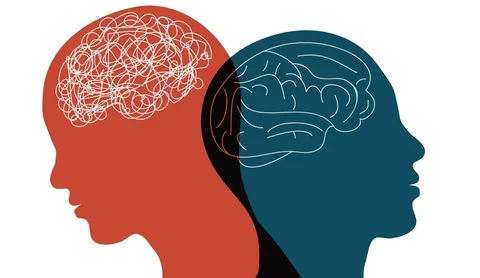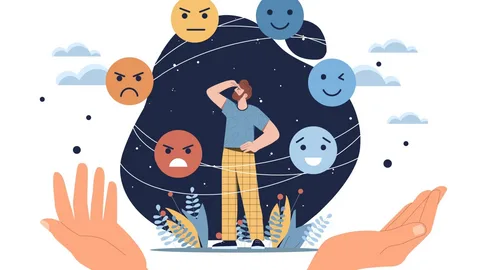
Emotions are an essential part of human experience. They influence how people think, make decisions, communicate, and respond to everyday situations. Happiness, sadness, anger, fear, disappointment, and excitement are not simply temporary feelings; they are psychological responses that help individuals understand their experiences and interact with the world. However, experiencing an emotion and knowing how to respond to it are two different things. Some people can recognize their feelings and express them appropriately, while others struggle to understand what they are experiencing or find it difficult to control their reactions. This ability is closely connected to emotional regulation.
Emotional regulation refers to the processes through which individuals recognize, understand, manage, and respond to their emotional experiences. It does not mean suppressing emotions or pretending that negative feelings do not exist. Instead, it involves developing the ability to experience emotions without allowing them to completely determine one’s behavior. A person who regulates emotions effectively can feel angry without immediately becoming aggressive, experience disappointment without losing all motivation, and feel anxious without automatically avoiding every challenging situation.
One important aspect of emotional regulation is understanding that emotions themselves are not necessarily good or bad. People often describe certain feelings as negative because they are uncomfortable. However, emotions such as fear, sadness, and anger can communicate important information. Fear may indicate a perceived threat, sadness may reflect a personal loss, and anger may arise when someone feels that a boundary has been violated. Problems may develop when individuals misunderstand these signals or respond to them in ways that create additional difficulties.
For example, a person who experiences anger during a disagreement may immediately raise their voice, criticize the other person, or leave the conversation. Although the emotional reaction may be understandable, the behavior can damage communication. Another individual in the same situation may recognize the anger, take a moment to think, and explain why the situation was upsetting. The emotion is present in both cases, but the response is different. Emotional regulation creates a space between what a person feels and what they decide to do.
The development of this ability is closely related to childhood experiences. Children gradually learn how to identify and manage emotions through interactions with parents, caregivers, teachers, and other important people. When adults respond to children’s emotional experiences with patience and understanding, children have opportunities to recognize their feelings and develop appropriate ways of expressing them. For instance, when a child becomes frustrated, an adult can help them understand that frustration is a normal feeling while also explaining that hurting others is not an acceptable response.
In contrast, children who repeatedly hear that they should not cry, should not feel afraid, or should never become angry may begin to hide their emotions rather than understand them. This does not mean that every child who experiences emotional invalidation will develop difficulties in adulthood. However, repeated experiences of having feelings dismissed can influence how individuals understand and communicate their emotional needs later in life.
Another important factor is the ability to recognize emotions accurately. Sometimes people experience an uncomfortable feeling without knowing exactly what it is. They may describe themselves as angry when they are actually disappointed, or believe they are indifferent when they are emotionally hurt. Learning to identify the specific emotion can make it easier to understand the situation that produced it.
This process is connected to Self-Awareness, which refers to the ability to recognize one’s thoughts, emotions, needs, and behavioral patterns. A person with greater self-awareness may notice that certain conversations repeatedly produce anxiety or that criticism creates a stronger reaction than expected. Such observations can help individuals understand their emotional triggers and respond more thoughtfully.
Emotional triggers are situations, memories, words, or experiences that produce particularly strong emotional reactions. They can be connected to current circumstances or earlier experiences. For example, someone who has frequently experienced rejection may become unusually sensitive when another person does not respond to a message. The absence of a response may have several ordinary explanations, but the individual may interpret it as evidence of being unwanted.
In these situations, emotional regulation involves examining the relationship between an event, its interpretation, and the resulting emotional response. Instead of immediately accepting the first interpretation, a person can consider alternative explanations. This does not mean denying personal feelings. It means recognizing that an emotional interpretation is not always a complete description of reality.
Stress also influences the ability to regulate emotions. When individuals experience prolonged pressure, their capacity to think calmly and respond flexibly may become more limited. A person who is exhausted, worried about financial problems, or dealing with several responsibilities may react more strongly to relatively small difficulties. In such circumstances, emotional reactions should not always be understood as evidence of a person’s character. They may also reflect accumulated psychological strain.
The relationship between stress and emotional regulation becomes particularly important after frightening or overwhelming experiences. Some individuals who have experienced trauma may find that certain sounds, places, conversations, or situations produce intense emotional and physical reactions. These responses can be associated with **Post-Traumatic Stress**, although experiencing a strong reaction after a difficult event does not automatically mean that someone has post-traumatic stress disorder. Understanding the influence of traumatic experiences can help explain why emotional responses sometimes seem disproportionate to the immediate situation.
Another challenge is emotional suppression. Some people believe that being emotionally strong means never showing sadness, fear, disappointment, or vulnerability. They may avoid discussing personal problems because they do not want others to see them as weak. Although temporarily controlling emotional expression can sometimes be useful, constantly suppressing feelings may make it more difficult to understand personal needs and maintain close relationships.
Emotional expression and emotional regulation should therefore be distinguished. Expressing every feeling immediately and without considering its consequences is not necessarily healthy regulation. At the same time, hiding every uncomfortable feeling is not a reliable solution. The goal is to find a balanced approach in which emotions can be acknowledged and communicated appropriately.
Relationships provide many opportunities to observe emotional regulation. People often experience strong emotions when they feel misunderstood, ignored, criticized, or treated unfairly. In close relationships, these situations may become especially sensitive because emotional expectations are often higher. A person may expect a partner, friend, or family member to understand their feelings without needing an explanation. When this expectation is not fulfilled, disappointment can develop into anger or withdrawal.
Healthy communication requires individuals to recognize their emotional needs and express them clearly. Instead of saying, “You never care about me,” a person might explain, “I felt unimportant when I was not included in that decision.” The second statement communicates an emotional experience without immediately assigning a negative intention to the other person. This approach does not guarantee agreement, but it can reduce unnecessary conflict.
Emotional regulation is also relevant to self-esteem. People who depend heavily on external approval may experience significant emotional changes in response to other people’s opinions. A critical comment may affect their confidence for several days, while praise may temporarily make them feel valuable. When personal worth depends entirely on external reactions, emotional stability can become difficult to maintain.
Developing a more balanced sense of **Self-Esteem** can help individuals respond to criticism without interpreting every negative comment as a judgment of their entire identity. A person can accept that they made a mistake while still recognizing their personal value. Similarly, they can appreciate positive feedback without becoming completely dependent on it.
There are several practical ways to develop emotional regulation. One of the simplest methods is learning to pause before responding. When an emotion becomes intense, individuals can take a few moments to notice what is happening physically and mentally. They may recognize a faster heartbeat, tense muscles, rapid thoughts, or an immediate desire to defend themselves. Observing these reactions can make it easier to avoid impulsive behavior.
Another useful method is naming the emotion. Instead of describing an experience only as feeling bad, a person can ask whether they are disappointed, embarrassed, worried, frustrated, lonely, or overwhelmed. More precise emotional language can improve understanding and communication. It can also help individuals identify what they need in a particular situation.
Writing about emotional experiences may also be helpful. Some people find it easier to understand their feelings when they put them into words. They can describe what happened, what they thought about the event, what they felt, and how they responded. Over time, this practice may reveal repeated patterns. For example, an individual might notice that they become anxious whenever they believe someone is disappointed in them.
Mindfulness is another approach that can support emotional awareness. It involves paying attention to present experiences without immediately judging them or trying to escape them. When a person notices sadness, they can acknowledge its presence rather than automatically distracting themselves. When they experience anxiety, they can observe the physical sensations and thoughts associated with it. Mindfulness does not eliminate difficult emotions, but it may help individuals develop a less reactive relationship with them.
It is also important to recognize the role of physical well-being. Sleep deprivation, chronic stress, irregular meals, and a lack of rest can affect mood and emotional responses. People sometimes attempt to solve emotional difficulties through psychological techniques while ignoring their basic physical needs. Although lifestyle changes cannot replace professional treatment when it is necessary, maintaining regular sleep, physical activity, and periods of rest can support emotional functioning.
However, emotional regulation should not be understood as a responsibility to remain calm in every situation. There are circumstances in which anger is an understandable response to injustice, sadness is an appropriate response to loss, and fear is a reasonable reaction to danger. The purpose of emotional regulation is not to make people passive or prevent them from defending themselves. It is to help them choose responses that reflect their values and protect their well-being.
Some emotional difficulties may be persistent and significantly affect daily functioning. Individuals who experience intense emotional reactions, prolonged anxiety, frequent emotional outbursts, or difficulty maintaining relationships may benefit from professional psychological support. Approaches such as cognitive behavioral therapy and other evidence-based psychological interventions can help people understand emotional patterns and develop more effective coping strategies.
Ultimately, emotional regulation is not a fixed personality characteristic that some people possess while others lack. It is a set of abilities that can develop through experience, reflection, supportive relationships, and practice. People may regulate their emotions effectively in one situation and struggle in another. This does not necessarily indicate failure; it reflects the complexity of human emotional life.
Understanding emotions is an important step toward understanding oneself. Instead of treating uncomfortable feelings as enemies, individuals can learn to consider what those feelings communicate. The ability to recognize an emotion, examine its meaning, and choose an appropriate response can improve communication, decision-making, and psychological well-being. Emotional regulation does not mean controlling every feeling. It means learning how to live with emotions without allowing them to control every decision.