Saying no is a normal part of human communication. People say no when they are tired, busy, uncomfortable, unable to help, or simply unwilling to do something. Yet for some individuals, refusing a request produces an intense feeling of guilt. Even when they have a reasonable explanation, they may continue to think about the situation, worry that they have hurt someone, or feel that they have behaved selfishly. In some cases, they agree to things they do not want to do merely to avoid the discomfort of saying no.
This reaction is not always a sign of kindness. Sometimes, it reflects a deeper psychological difficulty involving self-worth, fear of rejection, childhood experiences, and the need for approval. Understanding why people feel guilty when they set boundaries can help explain many patterns in relationships, family life, and the workplace.
One important reason is the belief that being a good person means always helping others. Many people grow up hearing messages such as “You must be helpful,” “You should never disappoint anyone,” or “Think about other people before yourself.” These messages can encourage generosity, but when they are interpreted rigidly, they may create the idea that personal needs are less important than the needs of others. As a result, saying no may feel morally wrong, even when the request is unreasonable.
Some people also learn to connect their value with their usefulness. They may feel worthy only when they are needed, praised, or appreciated. When another person asks for help, the request becomes more than a simple question. It becomes an opportunity to prove that they are valuable. Refusing may therefore create the fear that they will no longer be loved, respected, or considered important.
Childhood experiences can strongly influence this pattern. In some families, children are expected to obey without questioning. Their feelings may not be taken seriously, and disagreement may be interpreted as disrespect. A child who says, “I do not want to do that,” may be punished, criticized, or accused of being ungrateful. Over time, the child may learn that expressing personal preferences leads to conflict. As an adult, the person may automatically agree with others to avoid the emotional consequences associated with disagreement.
Another possible influence is conditional affection. When love, attention, or approval is given mainly when a child behaves correctly, the child may become highly sensitive to other people’s reactions. The individual begins to monitor the emotions of others and tries to prevent disappointment. This can develop into people-pleasing behavior, in which the person sacrifices personal needs to maintain harmony.
Fear of rejection is another important factor. Some individuals believe that people will leave them, dislike them, or become angry if they refuse a request. Their mind may produce exaggerated predictions: “If I say no, this person will never speak to me again,” or “They will think I am a bad person.” These thoughts are often stronger than the actual evidence. In reality, a healthy relationship should be able to tolerate a reasonable refusal.
People who have experienced abandonment, emotional neglect, bullying, or unstable relationships may be especially sensitive to rejection. They may interpret a small disagreement as a threat to the entire relationship. Saying no then becomes emotionally dangerous, even when the situation is objectively safe. The person may choose immediate agreement because it reduces anxiety in the short term.
However, avoiding discomfort through constant agreement can create long-term problems. When people repeatedly say yes against their wishes, they may become exhausted, resentful, or emotionally distant. They may feel that others take advantage of them, although they have never clearly communicated their limits. Over time, hidden resentment can damage relationships more than an honest refusal would have done.
Guilt and responsibility are not the same thing. Responsibility means recognizing that our actions affect other people and accepting appropriate consequences. Guilt becomes problematic when a person assumes responsibility for emotions and needs that do not belong to them. For example, refusing to lend money may disappoint someone, but disappointment does not automatically mean that the refusal was wrong. Another person’s sadness, anger, or frustration is not always evidence of personal wrongdoing.
It is also important to distinguish guilt from empathy. Empathy allows us to understand that another person may feel disappointed. Unhealthy guilt tells us that we must remove their disappointment by abandoning our own needs. A person can care about someone and still say no. Compassion does not require unlimited availability.
Some people experience guilt because they confuse boundaries with rejection. They may think that saying no means saying, “I do not care about you.” In reality, a boundary usually communicates something more specific: “I cannot do this,” “I need time,” or “This situation is not comfortable for me.” A refusal concerns a particular request; it does not necessarily define the value of the relationship.
Perfectionism can also contribute to difficulty saying no. Perfectionistic individuals may believe they must be consistently helpful, patient, available, and emotionally strong. They may fear making even a small mistake in someone else’s eyes. Because no person can meet every expectation, this standard creates constant tension. The individual may accept too many responsibilities and then feel guilty when they cannot perform perfectly.
Another factor is conflict avoidance. Some people have learned that conflict is dangerous or unbearable. They may have grown up in homes where disagreements led to shouting, silence, punishment, or emotional withdrawal. Consequently, they may avoid expressing their needs because they associate honesty with confrontation. Saying yes seems safer than facing another person’s possible reaction.
The body can also participate in this process. When a person considers saying no, they may experience physical tension, rapid heartbeat, stomach discomfort, or restlessness. These sensations can be interpreted as proof that the refusal is wrong. In fact, they may simply reflect anxiety caused by unfamiliar behavior. The body is reacting to perceived social danger, not necessarily to a real moral problem.
Repeatedly agreeing to unwanted requests may reinforce the cycle. The sequence often looks like this: someone makes a request, the person feels anxiety, the person says yes, and the anxiety decreases temporarily. Because agreement produces immediate relief, the brain learns to repeat it. This is a form of negative reinforcement: a behavior becomes more likely because it removes an uncomfortable feeling. Unfortunately, the relief is temporary, while exhaustion and resentment may appear later.
Learning to say no therefore requires tolerating a certain amount of discomfort. The goal is not to eliminate guilt immediately. The goal is to understand that guilt can be present without controlling behavior. A person may feel uncomfortable and still make a healthy decision. Emotional discomfort is not always a signal that something is wrong; sometimes it is a sign that an old pattern is changing.
A useful first step is to pause before answering a request. People who struggle with boundaries often respond automatically. They say yes before considering their time, energy, or genuine willingness. A simple pause creates space for reflection. Phrases such as “Let me think about it,” “I need to check my schedule,” or “I will give you an answer later” can prevent impulsive agreement.
The next step is to ask several questions: Do I really want to do this? Do I have enough time and energy? Am I agreeing because I choose to, or because I fear the other person’s reaction? Would I feel comfortable if this request were made again next week? These questions help separate genuine generosity from fear-based compliance.
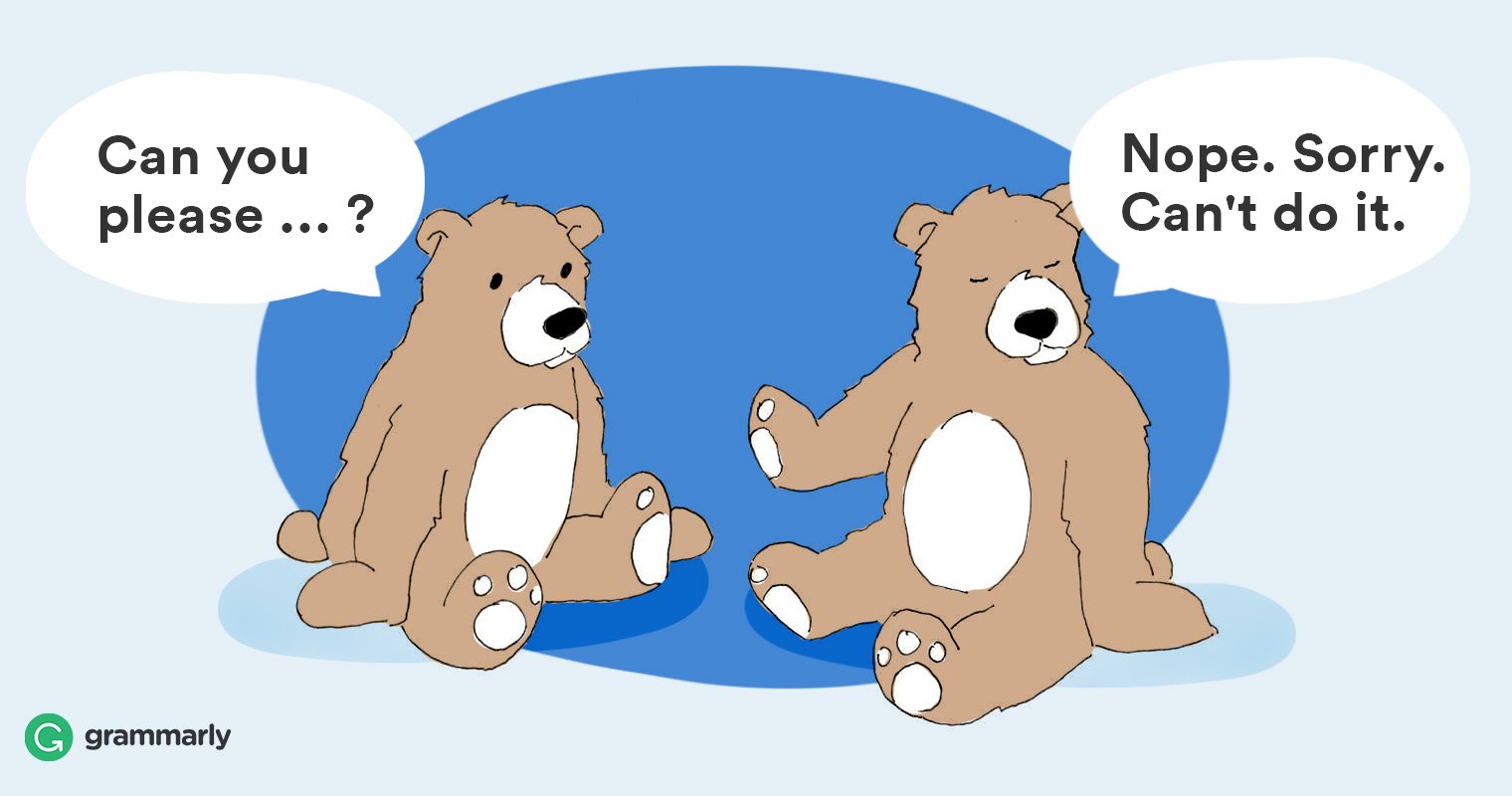
A refusal does not need to be long or defensive. Excessive explanations often communicate uncertainty and invite negotiation. A clear and respectful response may be enough: “I am sorry, but I cannot help this time.” Another option is, “I understand that you need assistance, but I am not available.” The person does not have to provide a detailed justification for every personal limit.
It can also be helpful to use a warm but firm tone. Saying no does not require aggression. A boundary can be expressed with respect while remaining definite. For example, “Thank you for thinking of me, but I cannot take on another responsibility at the moment.” This communicates appreciation without making a promise.
Some individuals find it easier to begin with small boundaries. They may practice refusing minor requests that do not create serious consequences. Gradually, they learn that other people usually tolerate reasonable limits. This experience can weaken the belief that every refusal leads to rejection or conflict.
Another useful method is to examine automatic thoughts. When guilt appears, the person can write down the thought behind it. It may be something like, “If I say no, I am selfish,” or “A good friend must always be available.” The next step is to question whether the thought is completely accurate. A more balanced alternative might be, “A good friend can help when possible, but also has personal limits.” Replacing extreme beliefs with realistic ones can reduce unnecessary guilt.
People who feel guilty may also benefit from considering what they would tell a close friend in the same situation. They often judge themselves more harshly than they judge others. If a friend refused a request because of exhaustion, they might say, “You are allowed to rest.” Applying the same standard to oneself can create a healthier relationship with personal needs.
Boundaries are particularly important in relationships where one person constantly demands attention, money, emotional support, or practical help. A person who always agrees may unintentionally teach others that their time and energy are unlimited. When boundaries are introduced, some people may react negatively. This does not automatically mean the boundary is unfair. Sometimes another person’s anger reflects the loss of access to something they previously received without limits.
Nevertheless, boundaries should be communicated responsibly. They should not be used to punish, manipulate, or control others. Healthy boundaries describe what a person can and cannot do. They do not attempt to dictate every feeling or behavior of another person. For example, “I will end the conversation if I am shouted at” is a boundary. “You are not allowed to feel angry” is not.
It is also important to recognize that saying no does not guarantee that everyone will be pleased. Some people may be disappointed, and some may criticize the decision. The purpose of a boundary is not to make every person happy. Its purpose is to protect personal well-being and create more honest relationships. If a relationship can survive only when one person constantly sacrifices themselves, it may already be unbalanced.
In some cases, chronic guilt after saying no may be connected to deeper psychological difficulties, such as low self-esteem, social anxiety, trauma-related responses, or insecure attachment patterns. This does not mean that every person who dislikes saying no has a mental disorder. However, if the pattern causes severe distress, repeated exploitation, burnout, panic, or major relationship problems, professional support may be useful. Psychotherapy can help individuals explore the origins of their fears and develop more flexible ways of responding.
Cognitive behavioral therapy, for example, may help a person identify unrealistic beliefs about rejection, responsibility, and self-worth. Assertiveness training can teach practical communication skills. Trauma-informed therapy may be appropriate when boundary difficulties are connected to past experiences of abuse, neglect, or instability. The aim is not to make a person indifferent to others, but to help them care for others without abandoning themselves.
Ultimately, saying no is not an act of cruelty. It is a form of honest communication. A person who says yes while feeling pressured may appear helpful, but the agreement may not be emotionally genuine. A respectful refusal can be more honest and sustainable than an unwilling promise. It allows people to offer help when they truly can, rather than acting from fear or guilt.
People do not need to earn the right to have limits. Rest, privacy, time, emotional space, and personal preferences are not signs of selfishness. They are ordinary human needs. Learning to say no may initially feel uncomfortable, especially for someone who has spent years seeking approval. Yet with practice, the person can discover that disappointment is survivable, disagreement is not always rejection, and personal boundaries can strengthen rather than destroy relationships.
The ability to say no is therefore not simply a communication skill. It is also a reflection of self-respect. When people recognize that their needs matter alongside the needs of others, guilt gradually loses its power. They become more capable of helping freely, relating honestly, and maintaining relationships that are based on mutual respect rather than fear.