October 9, 2025-
No Comments
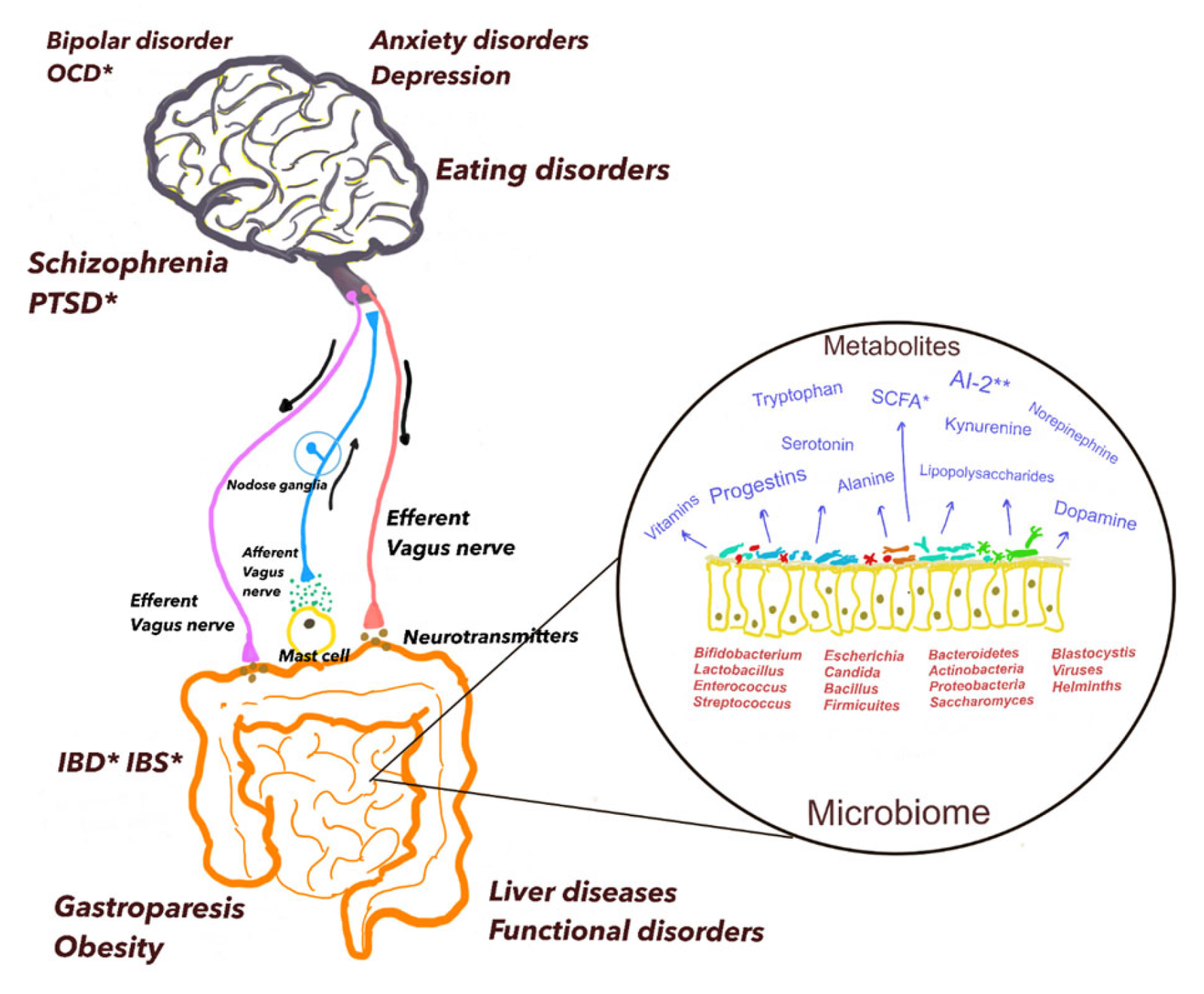
Over the past two decades, neuroscience has undergone a quiet revolution — one that begins not in the brain, but in the gut. Once considered merely a digestive organ, the...
Over the past two decades, neuroscience has undergone a quiet revolution — one that begins not in the brain, but in the gut. Once considered merely a digestive organ, the...
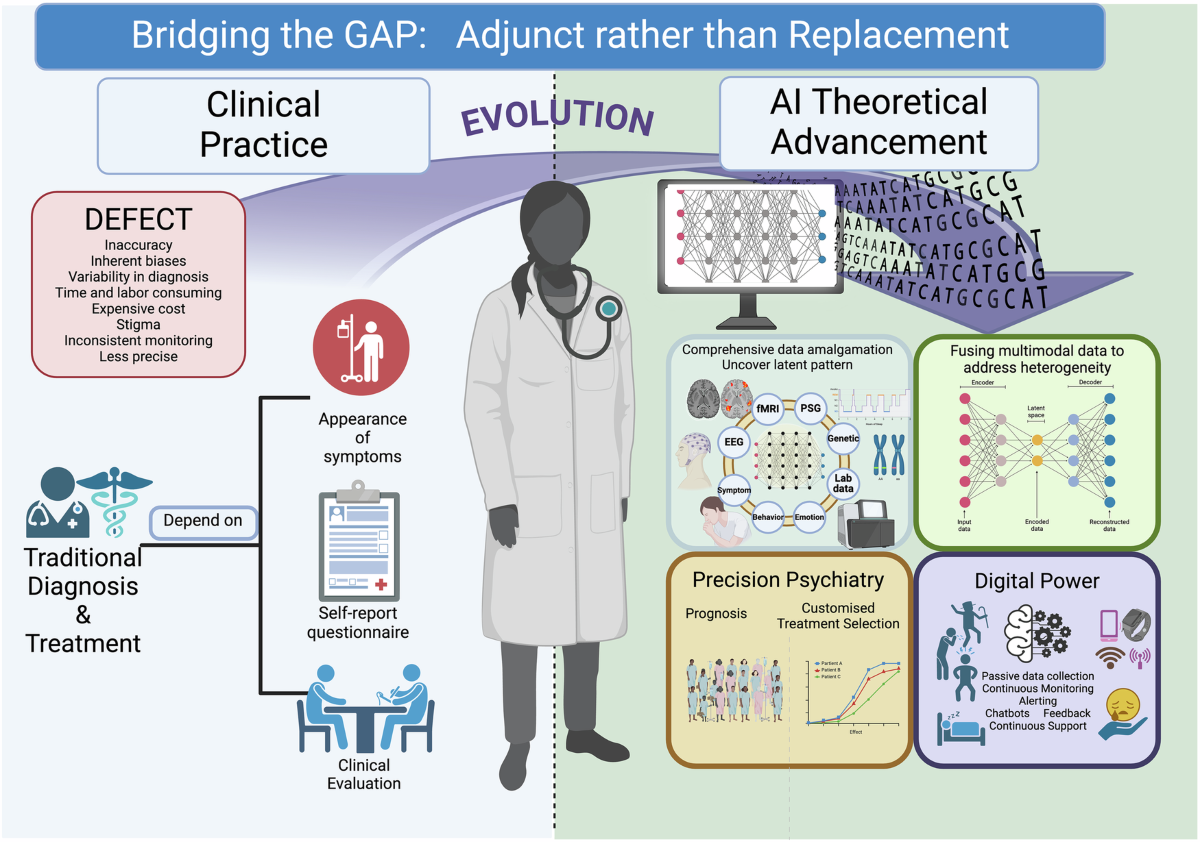
The rapid evolution of artificial intelligence (AI) and digital technologies is transforming nearly every field of medicine — and psychiatry is no exception. Digital psychiatry, a growing discipline at the...
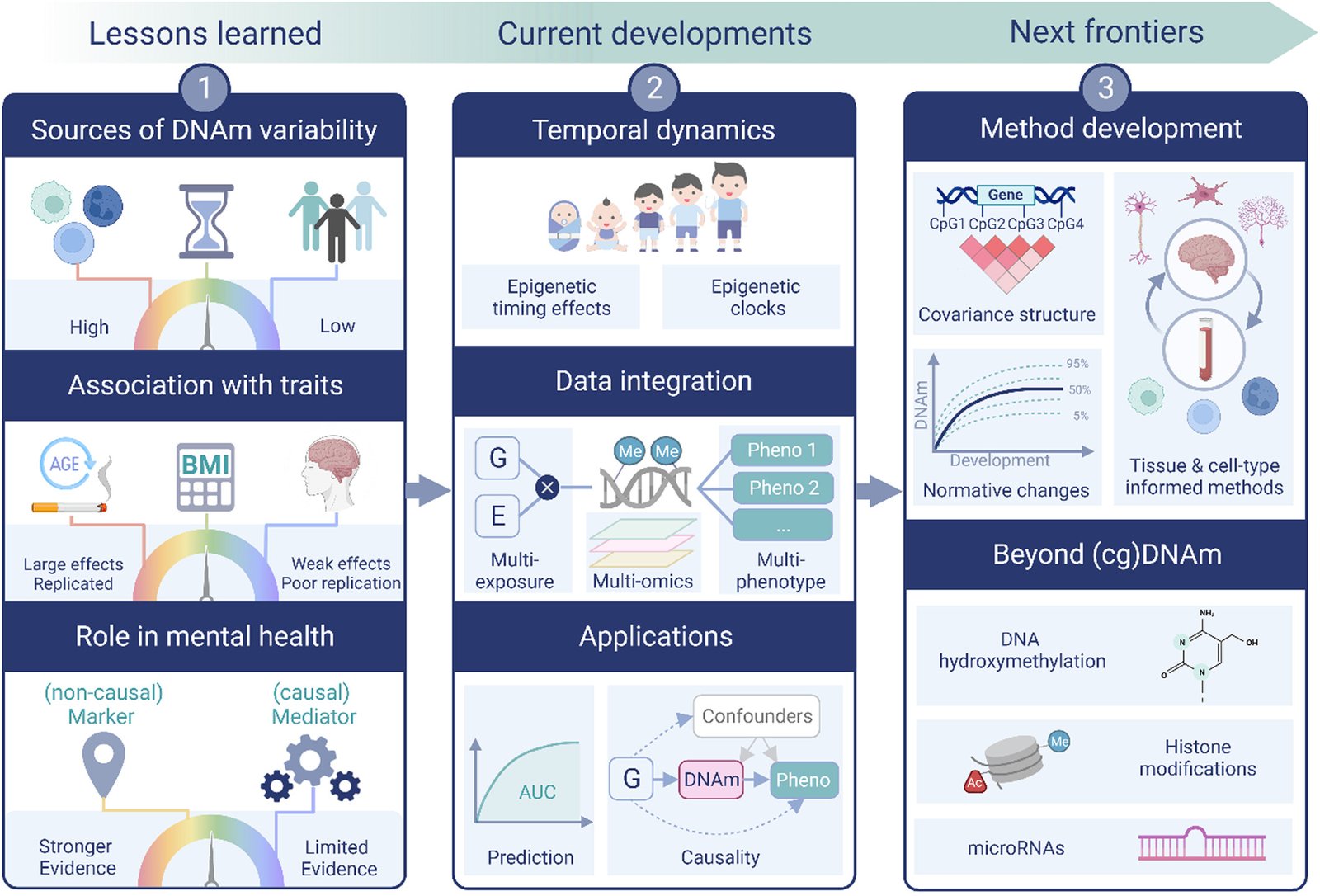
The long-standing debate of nature versus nurture in psychiatry is being reshaped by discoveries in epigenetics—the study of how environmental factors regulate gene expression without altering the DNA sequence itself....

Once relegated to the margins of science due to political and cultural stigma, psychedelics such as psilocybin, LSD, and ayahuasca are now experiencing a renaissance in psychiatric research. Far from...
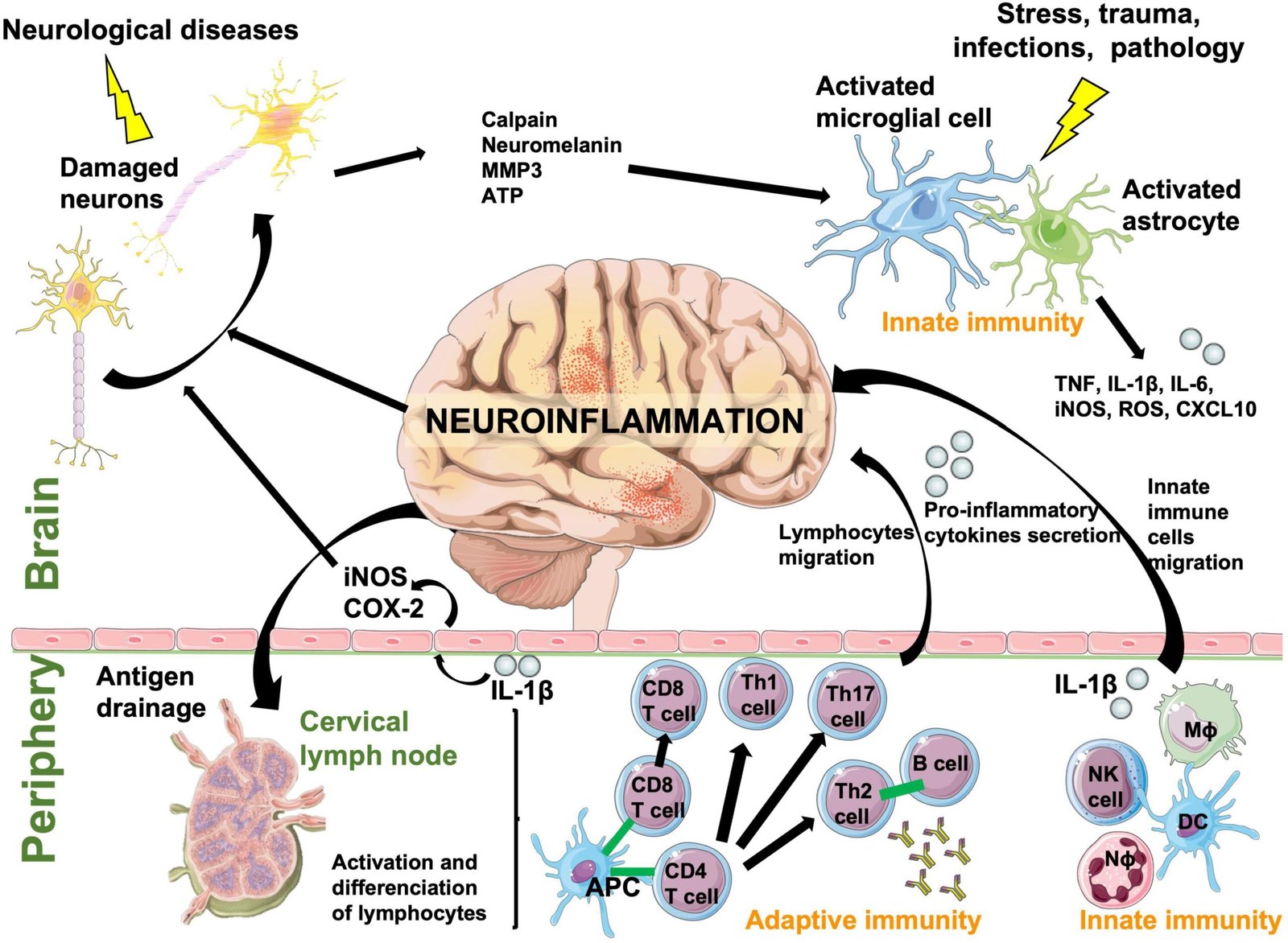
For decades, psychiatric disorders such as depression, schizophrenia, and bipolar disorder were predominantly viewed through the lens of neurotransmitter imbalances. However, mounting evidence reveals that neuroinflammation—the brain’s immune response to...
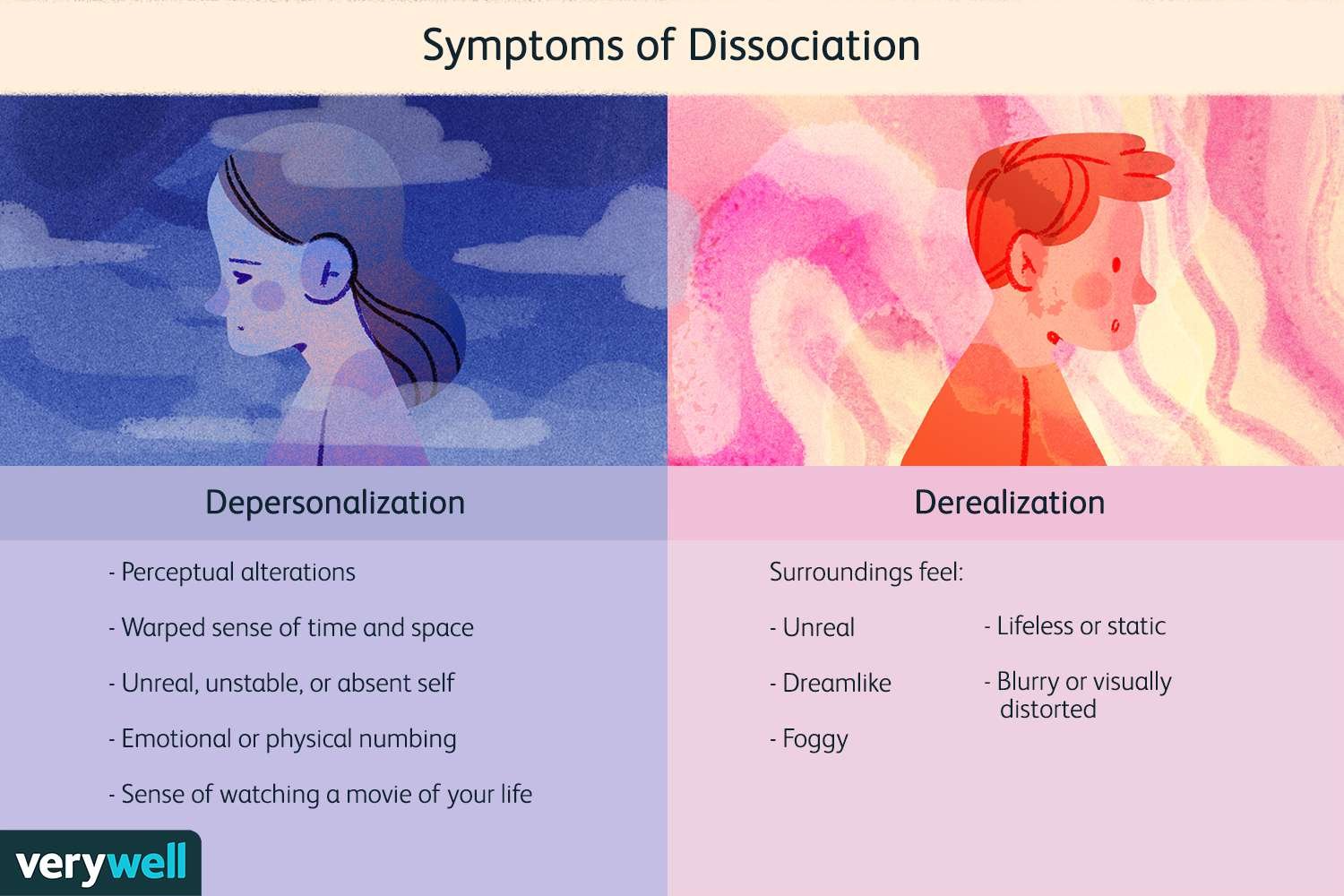
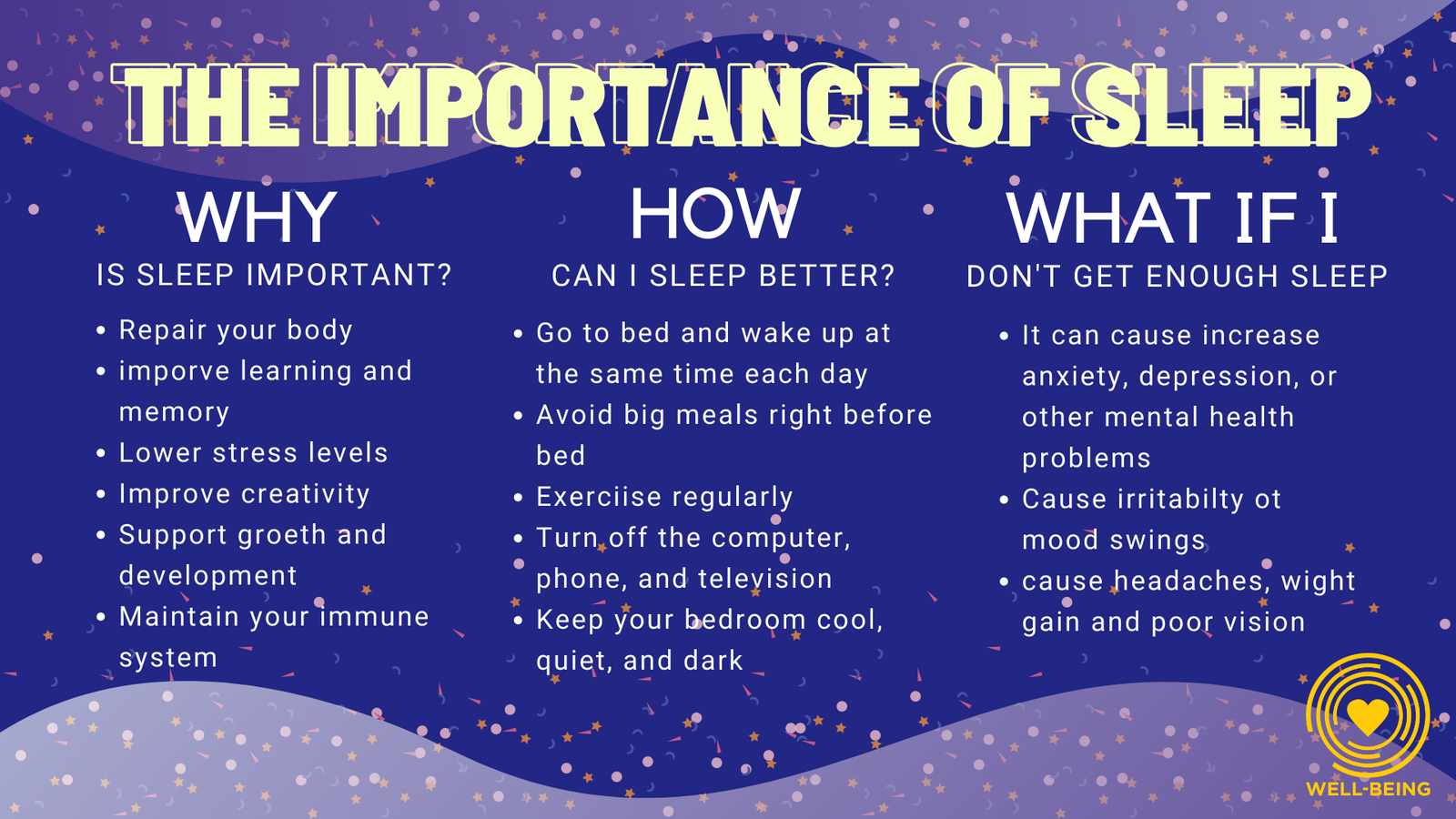
Dissociation is a psychological phenomenon characterized by disruptions in memory, identity, perception, and sense of self. Traditionally associated with trauma and stress, dissociation has also been increasingly linked to sleep...
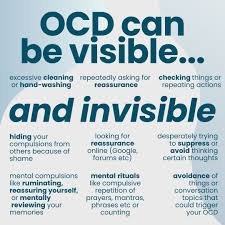
Obsessive-Compulsive Disorder (OCD) is often portrayed through its most visible features: repetitive handwashing, checking locks, or arranging objects with extreme precision. While these behaviors represent classic compulsions, many individuals with...
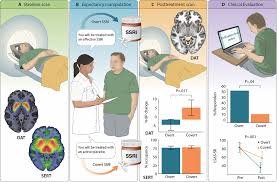
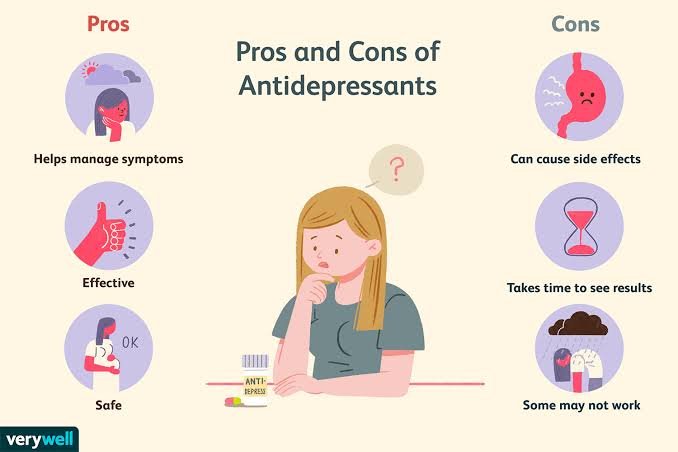
Antidepressants are among the most widely prescribed psychiatric medications, primarily used for major depressive disorder, anxiety disorders, and related conditions. While their therapeutic goal is to alleviate symptoms and restore...
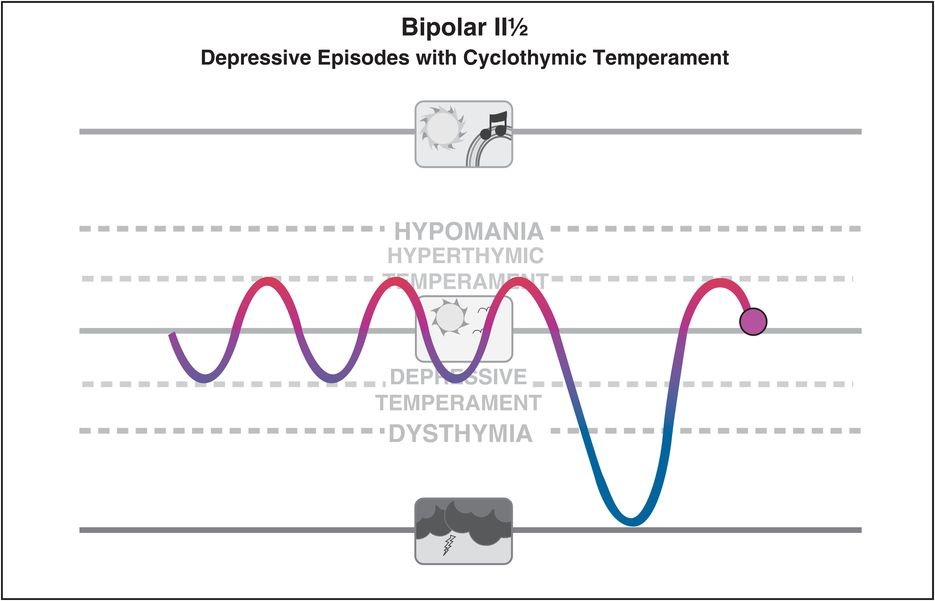
Bipolar disorder is traditionally characterized by distinct episodes of mania, hypomania, and depression. These well-defined phases form the cornerstone of diagnosis and treatment. However, emerging research highlights a subtler phenomenon:...
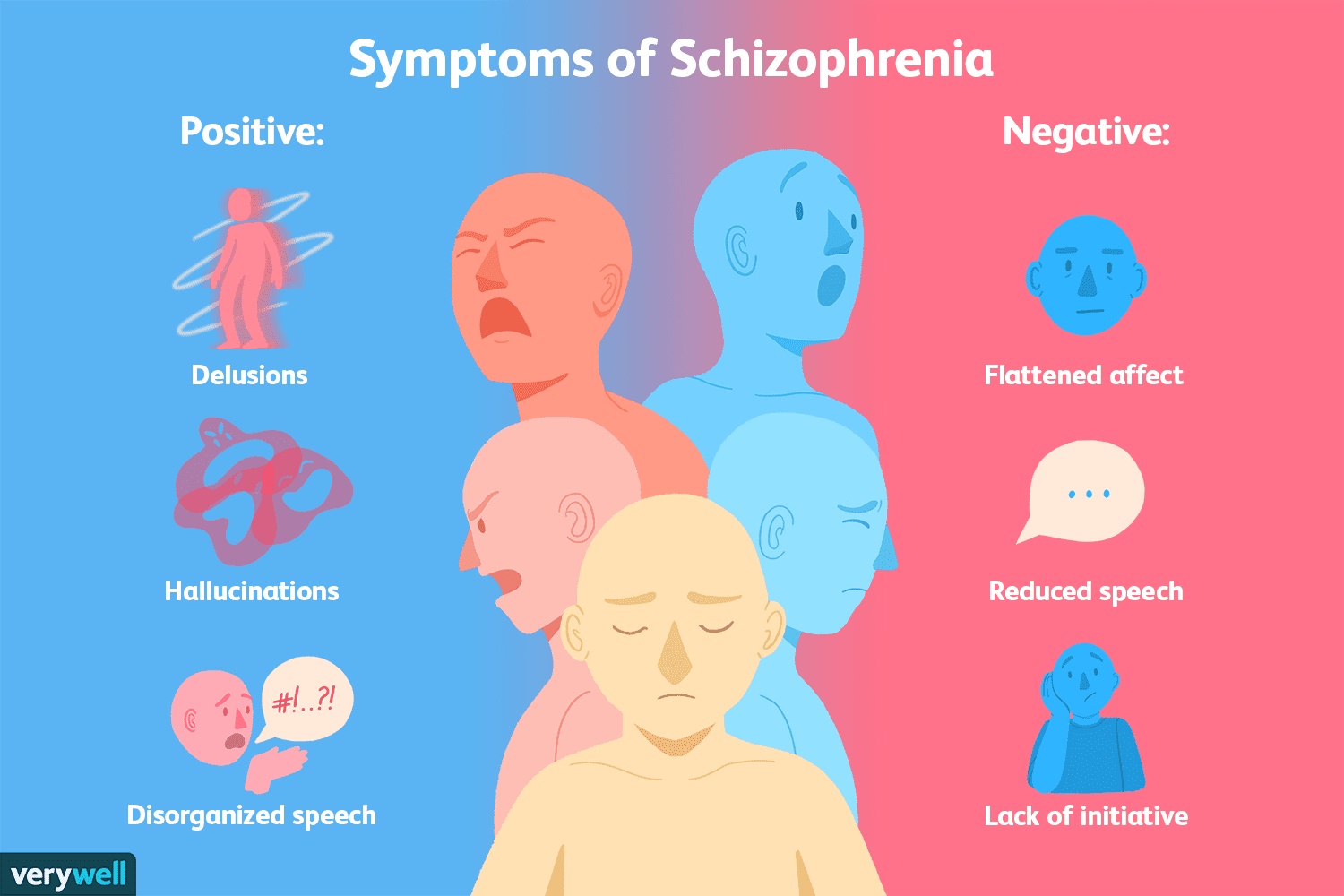
Schizophrenia is often recognized by its most conspicuous features: hallucinations, delusions, and disorganized speech or behavior. These positive symptoms dominate clinical and public perception of the disorder. However, there exists...