Psychiatric medications are among the most commonly prescribed treatments for mental health conditions such as depression, anxiety disorders, bipolar disorder, schizophrenia, obsessive-compulsive disorder, and attention-deficit/hyperactivity disorder. Many patients begin treatment expecting immediate relief, especially when emotional suffering is intense. When improvement does not occur within a few days, they may become discouraged and wonder whether the medication is ineffective. Understanding why psychiatric medications often require time to show their effects is an important part of treatment adherence and psychological education.
A useful starting point is the distinction between immediate biological action and clinical improvement. Most psychiatric medications begin interacting with brain receptors within hours of the first dose. However, symptom relief usually depends on a series of more gradual changes in brain functioning, neural communication, stress regulation, and behavior. Therefore, the medication may be active in the body long before the patient notices meaningful psychological improvement.
Antidepressants and delayed improvement
Antidepressants, particularly selective serotonin reuptake inhibitors (SSRIs) and related medications, provide a clear example of delayed therapeutic effects. These medications alter the availability of neurotransmitters such as serotonin relatively quickly, yet many patients require several weeks before experiencing substantial improvement in mood, anxiety, sleep, or motivation.
Researchers believe that the delay occurs because recovery involves more than increasing a neurotransmitter. Repeated medication exposure appears to influence receptor sensitivity, neural network activity, stress-response systems, and processes related to brain plasticity. Emotional patterns that have developed over months or years also take time to change. As mood gradually improves, patients often become more active, sleep better, reconnect socially, and engage in rewarding activities, which further contributes to recovery.
Anxiety treatment and the adjustment period
When antidepressants are prescribed for anxiety disorders, patients sometimes notice temporary side effects such as restlessness, increased anxiety, nausea, or sleep changes during the first days or weeks. This early adjustment period can be confusing because the medication is intended to reduce anxiety. Clinicians often explain that initial side effects do not necessarily predict long-term response and that anxiety reduction commonly emerges more gradually.
Antipsychotic medications
Antipsychotic medications used for schizophrenia and related conditions may show some effects on agitation, severe distress, or sleep relatively quickly, but improvement in hallucinations, delusions, disorganized thinking, and social functioning usually develops over a longer period. Cognitive recovery and restoration of daily functioning may continue for months after acute symptoms begin to improve.
Mood stabilizers
Mood stabilizers used in bipolar disorder also differ in onset. Some medications can reduce acute mania relatively rapidly, whereas prevention of future mood episodes requires sustained treatment over time. The goal is not only symptom reduction in the present moment but also stabilization of mood across months and years.
Individual differences in response
Another reason psychiatric medications require time is that people differ biologically. Genetics, age, liver metabolism, kidney function, other medical conditions, sleep patterns, substance use, stress levels, and concurrent medications can all influence how quickly a medication reaches an effective level and how strongly it affects symptoms. Two individuals taking the same medication and dose may experience improvement at different times.
Dose adjustment
Treatment often involves gradual dose adjustment. Clinicians may begin with a lower dose to reduce side effects and then increase it slowly. Therapeutic benefit may not become evident until an adequate dose has been maintained for a sufficient duration. Patients sometimes conclude that a medication has failed before an adequate trial has occurred.
Psychological expectations
Expectations strongly influence treatment experience. Individuals in severe distress naturally hope for rapid relief. When improvement is gradual, they may focus on symptoms that remain rather than noticing small positive changes. Clinicians often encourage patients to observe subtle signs of progress, such as sleeping slightly better, feeling less hopeless, crying less frequently, concentrating somewhat more easily, or participating more in daily activities.
The role of psychotherapy
Medication is frequently most effective when combined with psychotherapy. Medication may reduce symptom intensity enough for the person to engage more fully in therapy, while therapy helps address thought patterns, behaviors, relationships, trauma, and coping skills that medication alone may not change. Psychological recovery is therefore often a combined biological and behavioral process.
Why stopping medication early is risky
Because improvement may be delayed, stopping medication prematurely is a common problem. Patients may discontinue treatment after a few days or weeks because they feel no benefit, experience early side effects, or believe they should be able to improve without medication. Abrupt discontinuation can lead to withdrawal-like symptoms, return of the original illness, or mood instability. Decisions about stopping medication should be made collaboratively with the prescribing clinician.
Side effects may appear before benefits
An important practical issue is that side effects often appear earlier than therapeutic benefits. Dry mouth, nausea, dizziness, sleepiness, appetite changes, or gastrointestinal discomfort may occur within days, whereas mood improvement may take weeks. This timing can create the false impression that the medication causes only harm. Many early side effects diminish as the body adjusts, although persistent or severe effects should be discussed with the clinician.
Monitoring during the early phase
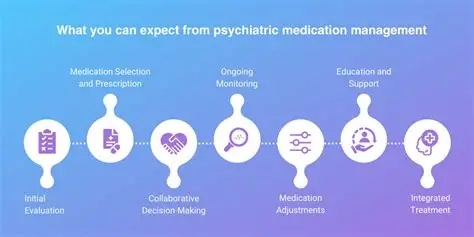
The first weeks of treatment are particularly important for monitoring. Clinicians assess symptom changes, side effects, safety, sleep, energy, suicidal thoughts, and overall functioning. Follow-up appointments allow dose adjustments, medication changes, and supportive guidance during a period when patients may feel uncertain.
Neuroplasticity and recovery
Modern neuroscience emphasizes neuroplasticity, the brain’s ability to change its connections and functioning. Chronic depression, anxiety, trauma, or psychosis can affect neural networks involved in emotion, attention, memory, and stress regulation. Psychiatric medications may facilitate conditions that support healthier neural functioning, but such reorganization is gradual rather than instantaneous.
Functional recovery takes longer than symptom relief
Even after symptoms begin to improve, returning to previous levels of functioning often takes additional time. A person recovering from depression may notice less sadness before motivation, concentration, social engagement, and confidence fully return. Functional recovery is therefore an important treatment goal beyond symptom reduction.
Communicating realistic expectations
Effective treatment includes realistic education. Patients benefit from knowing approximately when improvement is expected, which symptoms may improve first, which side effects require urgent attention, and why adherence matters. Clear expectations reduce anxiety and increase the likelihood that patients will continue treatment long enough to benefit.
When a medication truly is not working
Not every psychiatric medication is effective for every patient. Clinicians usually evaluate response after an adequate dose and duration have been achieved. If significant improvement does not occur, options may include dose adjustment, switching medications, augmentation with another medication, psychotherapy, lifestyle interventions, or further diagnostic evaluation.
Lifestyle factors still matter
Medication works within the broader context of a person’s life. Sleep, exercise, nutrition, alcohol and substance use, social support, daily structure, and stress management can all influence treatment response. Taking medication regularly while neglecting these factors may limit improvement.
Conclusion
Psychiatric medications often require time to show their effects because clinical recovery depends on gradual changes in brain function, neural adaptation, emotional processing, behavior, and daily life. Immediate biochemical action is not the same as immediate psychological improvement. Individual biology, dose adjustment, expectations, side effects, and the need for functional recovery all contribute to the delayed course of treatment response. Understanding this process helps patients remain engaged with treatment, communicate effectively with their clinicians, and approach recovery with patience and realistic hope.