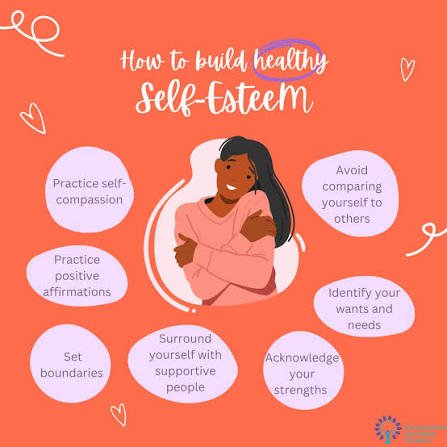
Social comparison is a psychological process through which individuals evaluate their abilities, achievements, appearance, relationships, and personal qualities by comparing themselves with other people. Although comparison is a natural part of human cognition, its influence on psychological well-being can be complex. Sometimes it encourages personal development and motivation. At other times, it creates dissatisfaction, insecurity, and a distorted perception of one’s own value. The problem is not necessarily that people compare themselves with others, but how frequently they do it, what they focus on, and what conclusions they draw from these comparisons.
Human beings naturally seek information about themselves. Individuals often want to know whether they are successful, attractive, intelligent, competent, or socially accepted. However, these qualities are not always easy to evaluate independently. A person may understand their abilities more clearly when observing someone with similar characteristics or experiences. For example, a student may compare academic performance with classmates, while an employee may evaluate professional progress by observing colleagues. These comparisons can provide useful information, particularly when objective standards are unavailable.
The psychological foundations of social comparison theory were introduced by Leon Festinger in 1954. Festinger proposed that people have an internal tendency to evaluate their opinions and abilities, often by comparing themselves with others when objective measurements are limited. This theory became an important contribution to social psychology because it demonstrated that self-evaluation is not always an isolated process. Our understanding of ourselves is frequently influenced by the people around us.
One important form of this process is upward social comparison. It occurs when individuals compare themselves with people they perceive as more successful, attractive, intelligent, or accomplished. Such comparisons can sometimes be motivating. Observing another person’s achievements may encourage someone to develop new skills, establish realistic goals, or reconsider their personal limitations. For example, a young professional who observes an experienced colleague may become interested in learning new techniques and improving their performance.
However, upward comparison can also produce negative emotional reactions. When individuals interpret another person’s success as evidence of their own inadequacy, comparison may become a source of psychological distress. Instead of viewing another person’s achievements as inspiration, they may perceive them as proof that they are falling behind. This interpretation can gradually weaken self-esteem and create feelings of inferiority.
Downward social comparison represents another important pattern. It occurs when individuals compare themselves with people they perceive as being in less favourable circumstances. This process may temporarily strengthen self-evaluation because individuals become more aware of their own advantages or achievements. For example, someone experiencing professional difficulties may feel more satisfied after observing the challenges faced by others. Nevertheless, depending excessively on downward comparison can prevent individuals from developing a stable sense of personal worth. Feeling successful only when someone else is struggling does not necessarily represent healthy self-esteem.
The relationship between social comparison and self-esteem is particularly significant. Self-esteem refers to an individual’s overall evaluation of personal worth. When this evaluation depends heavily on external standards, people may experience considerable emotional fluctuations. A compliment may temporarily increase confidence, while criticism or another person’s success may reduce it. Consequently, personal identity becomes increasingly dependent on external feedback.
Social media has introduced new dimensions to social comparison. Platforms such as Instagram, TikTok, and Facebook expose users to carefully selected representations of other people’s lives. Individuals frequently encounter photographs of attractive appearances, successful careers, expensive possessions, romantic relationships, and exciting experiences. However, these representations rarely communicate the complete reality of someone’s life. People usually share selected moments rather than ordinary routines, personal disappointments, financial difficulties, or emotional struggles.
This creates an important psychological imbalance. Individuals compare their everyday experiences with the carefully presented highlights of other people’s lives. Someone may spend an ordinary evening at home and begin to believe that everyone else is enjoying a more exciting existence. A person who is dissatisfied with their career may observe professional achievements online and conclude that their own progress is insufficient. Such conclusions are often based on incomplete information rather than an accurate understanding of reality.
The frequency of exposure also matters. Repeatedly observing idealized images and achievements can strengthen comparison habits. Over time, individuals may begin to evaluate ordinary aspects of their lives according to unrealistic standards. Physical appearance, professional success, travel experiences, relationships, and material possessions may become sources of continuous self-evaluation. This pattern can contribute to dissatisfaction even when individuals are objectively making progress in their personal lives.
Another relevant concept is the comparison trap. It describes a recurring psychological pattern in which individuals repeatedly measure their lives against external standards without reaching a lasting sense of satisfaction. Even after achieving a particular goal, they may immediately identify someone who has achieved more. As a result, satisfaction becomes temporary because the standard of comparison continuously changes.
For example, a person may initially feel proud after receiving a promotion. However, after discovering that a colleague has obtained a higher position, the original achievement may suddenly appear less important. The individual may forget the effort required to reach that point and focus exclusively on what another person has accomplished. In this situation, comparison does not provide useful information. Instead, it reduces the ability to appreciate personal progress.
Social comparison may also influence body image. People frequently evaluate their physical appearance by observing others, particularly individuals who represent culturally promoted beauty standards. Exposure to idealized body images may create dissatisfaction with weight, facial features, skin, or physical proportions. This can be especially challenging when the standards are unrealistic or heavily influenced by digital editing, filters, and selective photography.
The emotional consequences of appearance-related comparison can include shame, insecurity, and excessive self-monitoring. Individuals may become increasingly focused on perceived imperfections rather than recognizing the natural diversity of human bodies. In more serious situations, persistent dissatisfaction may contribute to unhealthy behaviours and psychological difficulties. It is therefore important to understand that physical appearance is only one aspect of personal identity and does not determine an individual’s overall value.
Another dimension involves professional comparison. Modern societies frequently emphasize productivity, achievement, financial success, and career advancement. Individuals may feel pressured to reach certain milestones by a particular age. When they observe peers who appear more successful, they may interpret different life circumstances as personal failure.
However, professional development does not follow a universal timetable. Individuals have different educational opportunities, financial responsibilities, family circumstances, interests, and personal priorities. Comparing two people without considering these differences can produce misleading conclusions. A person who begins a career later may still develop considerable expertise and achieve meaningful professional success.
Family and social expectations can intensify this process. In some environments, individuals are frequently compared with siblings, relatives, classmates, or friends. Statements about who is more successful, intelligent, responsible, or attractive may gradually influence self-perception. Repeated comparisons during childhood and adolescence can sometimes contribute to feelings of inadequacy, particularly when acceptance appears to depend on achievement.
Children may interpret constant comparison as a message that their personal qualities are insufficient. Instead of developing confidence in their individual abilities, they may begin to compete for recognition and approval. This can influence motivation, relationships, and emotional development. Parents and educators can support healthier development by recognizing individual progress rather than measuring every child against another person’s performance.
The relationship between comparison and motivation is not entirely negative. In some circumstances, observing others can provide valuable examples of behaviour, achievement, and personal development. Social learning allows individuals to acquire information by observing the experiences of other people. A student may learn effective study techniques from a successful classmate, while an aspiring musician may improve by studying experienced performers.
The distinction lies in the interpretation of the information. Constructive comparison focuses on learning and development. Destructive comparison focuses on personal inadequacy and competition. When someone asks, “What can I learn from this person’s experience?” the comparison may support growth. When the dominant question becomes, “Why am I not as good as this person?” the same observation may damage self-evaluation.
Another important factor is individual vulnerability. People who already experience low self-esteem, anxiety, or uncertainty about their identity may be more sensitive to comparison. They may interpret ordinary differences as evidence of personal shortcomings. For example, someone who feels uncertain about their appearance may pay particular attention to the physical characteristics of others. A person who doubts their professional abilities may become preoccupied with colleagues’ achievements.
This does not mean that social comparison automatically causes psychological disorders. Human emotions and behaviour are influenced by multiple interacting factors, including personality, environment, previous experiences, relationships, and individual coping strategies. Nevertheless, understanding comparison habits can help individuals recognize patterns that contribute to emotional discomfort.
One useful approach is developing self-awareness. Individuals can begin by identifying the situations in which comparison occurs most frequently. Some people compare their appearance with others, while others focus on education, income, relationships, or professional achievements. Recognizing these patterns makes it easier to understand what emotional needs may be involved.
For example, repeated comparison with successful professionals may reflect uncertainty about personal direction. Constant concern about appearance may indicate a need for external validation. Comparing relationships with those presented online may reflect dissatisfaction or unrealistic expectations. The purpose of self-awareness is not to criticize these reactions but to understand the psychological processes behind them.
A second approach involves establishing personal standards. Instead of evaluating progress exclusively through other people’s achievements, individuals can identify goals that reflect their own values, interests, and circumstances. A meaningful definition of success may involve professional development, emotional stability, family relationships, education, creativity, or personal independence. These priorities do not have to match the expectations of society.
Personal standards can also make achievements easier to recognize. When individuals measure progress against their previous experiences, they may notice improvements that would otherwise remain invisible. A person who has become more emotionally independent, developed communication skills, or learned to establish boundaries has made meaningful progress even if these achievements are not publicly visible.
Another useful psychological concept is self-compassion. It refers to responding to personal difficulties with understanding rather than excessive self-criticism. Individuals who practise self-compassion recognize that imperfection, uncertainty, and mistakes are normal aspects of human experience. They do not need to interpret every difference between themselves and others as evidence of personal failure.
Self-compassion does not mean avoiding responsibility or refusing to improve. Instead, it creates a more balanced foundation for personal development. Someone can recognize that another person has greater experience in a particular field without concluding that they are personally worthless. They can acknowledge a weakness while maintaining respect for themselves.
Digital boundaries may also help reduce unhealthy comparison. This does not necessarily require abandoning social media completely. Individuals can become more selective about the content they consume, reduce exposure to accounts that consistently trigger dissatisfaction, and spend more time engaging in activities that provide direct personal meaning. Recognizing that online content is selective rather than comprehensive can also encourage a more realistic perspective.
Relationships are another important consideration. Supportive relationships allow individuals to express insecurity without feeling judged. Friends, family members, and partners who recognize personal differences can help create an environment in which people do not need to compete constantly for acceptance. Healthy relationships are not based on proving that one person is better than another.
It is also important to recognize that comparison can sometimes reveal genuine dissatisfaction. If observing another person’s life repeatedly creates frustration, the reaction may indicate an unmet personal need. For example, envy of someone’s educational achievements may reveal an unfulfilled desire to continue studying. Admiration for another person’s independence may indicate a wish for greater autonomy.
In this context, envy can provide information about personal values and aspirations. Rather than automatically judging the emotion as negative, individuals can examine what it reveals about their own priorities. The important step is transforming comparison into self-understanding instead of allowing it to become continuous self-criticism.
Ultimately, social comparison is a normal psychological process that cannot be completely eliminated. People live in social environments and naturally observe the behaviour, achievements, and characteristics of others. The objective is not to stop noticing differences but to develop a healthier way of interpreting them.
Another person’s success does not automatically represent your failure. Their appearance does not determine your attractiveness, their achievements do not invalidate your efforts, and their personal circumstances do not establish the correct timetable for your life. Individual development is influenced by different experiences, opportunities, responsibilities, and values.
A healthier relationship with comparison begins when individuals stop treating other people’s lives as universal standards. Personal growth becomes more meaningful when it is connected to individual goals rather than continuous competition. Recognizing one’s own progress, accepting personal limitations, and respecting individual differences can support a more stable sense of self-worth.
In the end, the most meaningful comparison may not be between who you are and who someone else appears to be, but between your present self and the person you are gradually becoming.