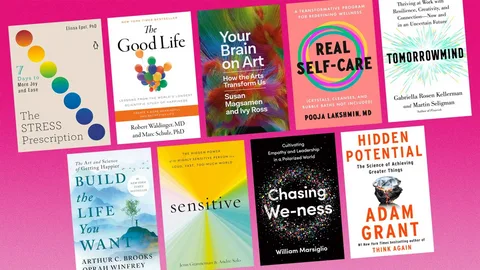
Psychology books can help us understand our emotions, relationships, thoughts, and behaviour. Some explore the unconscious mind, while others examine personal development, trauma, and the search for meaning. The following books offer different perspectives on human nature and psychological experience.
1. Man’s Search for Meaning – Viktor E. Frankl
In this influential book, psychiatrist Viktor Frankl explores the importance of finding meaning in life, even during extremely difficult circumstances. Drawing on his experiences in Nazi concentration camps, Frankl introduces the central ideas of logotherapy and explains how a sense of purpose can help people endure suffering.
2. The Art of Loving – Erich Fromm
Erich Fromm examines love as an ability that requires knowledge, responsibility, patience, and practice. Rather than presenting love as a purely emotional experience, he explores its psychological and social dimensions. The book discusses self-love, romantic love, parental love, and the importance of human connection.
3. On Becoming a Person – Carl R. Rogers
This book introduces the humanistic approach to psychology through the work of Carl Rogers. It explores personal growth, self-acceptance, empathy, and the importance of genuine relationships. Rogers explains how an accepting environment can support individuals in understanding themselves and developing their potential.
4. The Denial of Death – Ernest Becker
Ernest Becker explores how awareness of mortality influences human behaviour, culture, and psychological development. He argues that many human activities and ambitions are connected to the attempt to manage the fear of death. This book offers a philosophical and psychological perspective on one of humanity’s deepest concerns.
5. The Drama of the Gifted Child – Alice Miller
Alice Miller examines how childhood experiences and parental expectations can influence adult emotional life. The book explores the relationship between early emotional needs, adaptation, identity, and the development of an authentic sense of self. It encourages readers to consider how childhood experiences may shape adult relationships.
6. The Road Less Traveled – M. Scott Peck
Psychiatrist M. Scott Peck discusses personal responsibility, discipline, love, and spiritual growth. The book explores why psychological development often involves confronting difficulties rather than avoiding them. It combines psychological observations with philosophical and spiritual reflections.
7. The Courage to Be – Paul Tillich
Although primarily a philosophical and theological work, this book offers important insights into existential anxiety, courage, identity, and the human struggle with uncertainty. Tillich examines how people confront fear, meaninglessness, and the challenges of existence.
Final Thoughts
These books approach psychology from different perspectives, but they share an interest in understanding the complexity of human experience. Whether the subject is childhood, love, identity, mortality, or personal growth, each book offers an opportunity to reflect on the psychological dimensions of everyday life.
For readers interested in psychology, these works can serve as valuable starting points for exploring human nature more deeply.