Sleep is one of the most basic biological needs of human life, yet it is also one of the most important factors influencing mental health. Psychiatrists often ask detailed questions about sleep because changes in sleep can both reflect and contribute to psychiatric illness. A person who sleeps poorly may develop emotional difficulties, and a person with a psychiatric disorder may begin to sleep poorly. This two-way relationship makes sleep a central topic in psychiatric assessment and treatment.
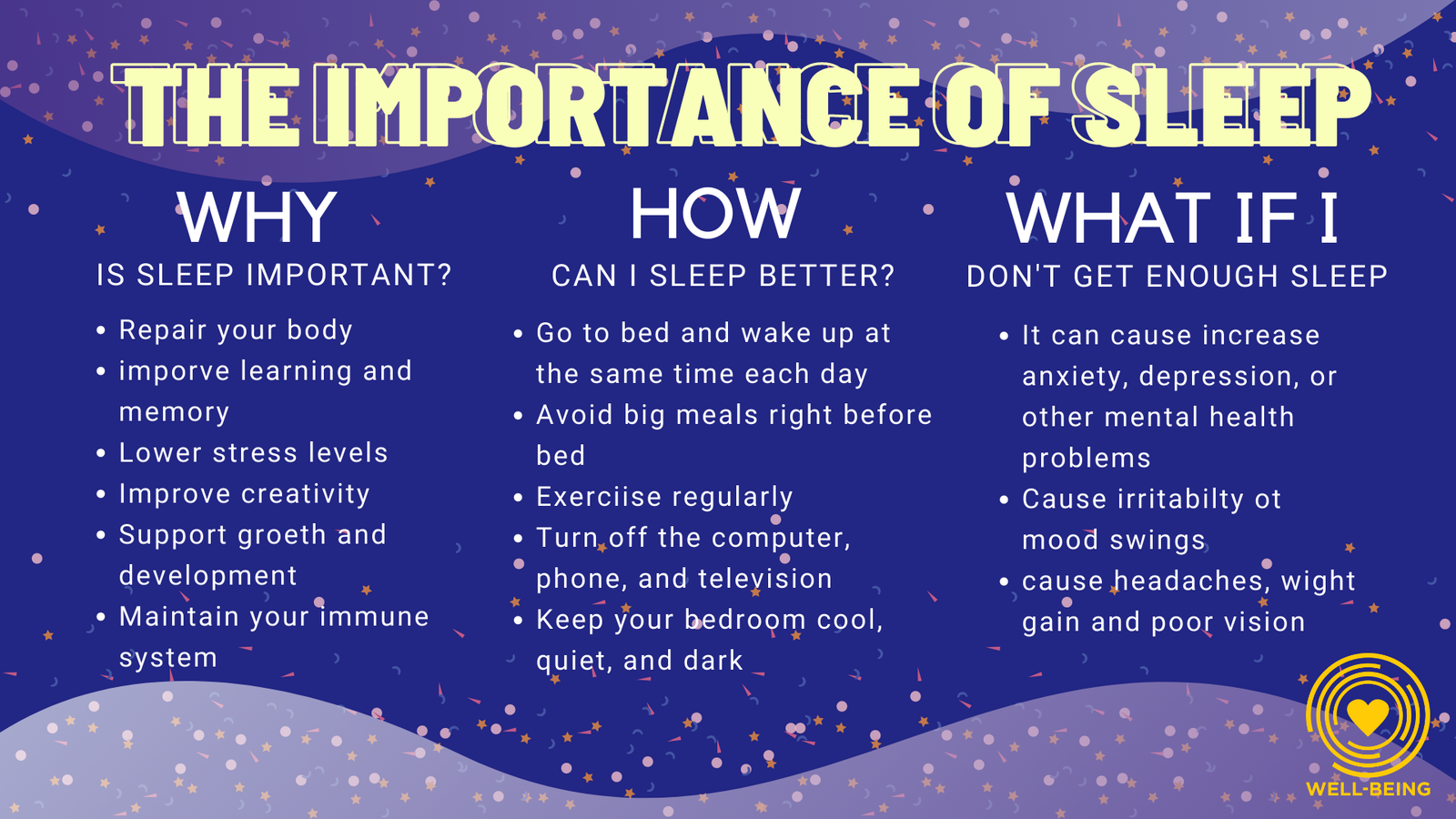
Healthy sleep is not simply a period of inactivity. During sleep, the brain performs essential functions related to memory, learning, emotional processing, stress regulation, and physical restoration. Adequate sleep helps maintain attention, concentration, decision-making, and emotional balance. When sleep is disrupted for days or weeks, many psychological functions begin to suffer.
One of the clearest psychiatric effects of sleep deprivation is mood change. People who do not sleep enough often become irritable, emotionally sensitive, impatient, and less able to tolerate frustration. Minor problems may feel overwhelming, and emotional reactions may become stronger than usual. Persistent sleep loss is associated with increased risk of depression and anxiety.
Depression frequently affects sleep. Some individuals experience insomnia, difficulty falling asleep, frequent awakening, or early morning awakening. Others sleep excessively yet still feel unrefreshed. Sleep problems are not merely symptoms of depression; they can also predict future depressive episodes and make recovery more difficult if left untreated.
Anxiety disorders are also closely linked to sleep disturbance. Worried thoughts often become more active at night when external distractions decrease. People may lie awake thinking about work, health, relationships, finances, or other concerns. Poor sleep then increases anxiety the next day, creating a cycle in which anxiety disrupts sleep and sleep loss increases anxiety.
In bipolar disorder, sleep has a particularly important role. Reduced need for sleep can be an early sign of mania or hypomania. A person may sleep only a few hours and still feel unusually energetic. Because sleep changes can signal the beginning of a mood episode, psychiatrists often encourage individuals with bipolar disorder to maintain regular sleep schedules as part of relapse prevention.
Psychotic disorders such as schizophrenia are also associated with significant sleep abnormalities. Insomnia may worsen agitation, suspiciousness, hallucinations, and disorganized thinking. Improving sleep can sometimes reduce distress and support overall treatment.
Sleep loss affects cognition as well as emotion. Concentration becomes more difficult, memory becomes less efficient, reaction time slows, and judgment may become impaired. Students may struggle academically, and adults may make more errors at work when they are chronically sleep deprived.
The relationship between sleep and suicidal thinking has received increasing attention. Persistent insomnia is associated with higher risk of suicidal thoughts and behaviors, even after accounting for other psychiatric symptoms. Asking about sleep is therefore an important part of suicide risk assessment.
Modern lifestyles often interfere with healthy sleep. Late-night screen use, irregular schedules, shift work, caffeine, social media, and constant availability through digital devices can delay sleep and reduce sleep quality. Blue light from screens may affect the body’s circadian rhythm, making it harder to fall asleep.
Substances also influence sleep. Alcohol may make a person feel sleepy initially but often disrupts sleep later in the night. Stimulants such as caffeine, nicotine, and certain medications can delay sleep onset. Some recreational drugs may temporarily change sleep patterns while worsening overall sleep quality.
Psychiatric treatment frequently includes attention to sleep habits. Sleep hygiene refers to behaviors that support healthy sleep, such as maintaining a consistent bedtime and wake time, limiting caffeine late in the day, reducing screen exposure before bed, keeping the bedroom dark and quiet, and using the bed primarily for sleep.
Psychotherapy can improve sleep as well. Cognitive-behavioral therapy for insomnia helps individuals change unhelpful beliefs and behaviors related to sleep and is considered an effective treatment for chronic insomnia. Relaxation techniques, mindfulness, and stress-management strategies may also reduce nighttime arousal.
Psychiatric medications can affect sleep in different ways. Some medications are sedating and may help with insomnia, while others may cause sleepiness during the day or interfere with sleep in some individuals. Clinicians therefore consider sleep effects when selecting and adjusting medications.
An important misconception is that people can permanently adapt to very little sleep without consequences. Many individuals become accustomed to feeling tired and underestimate the extent of their impairment. Objective testing often shows reduced attention and performance even when people believe they are functioning normally.
Children and adolescents require even more sleep than adults, and inadequate sleep in young people is associated with irritability, attention problems, learning difficulties, emotional instability, and behavioral problems. Sleep is therefore a major developmental and psychiatric issue across the lifespan.
Older adults may experience changes in sleep pattern, but significant insomnia should not automatically be considered a normal part of aging. Medical conditions, medications, mood disorders, anxiety, and lifestyle factors should be evaluated when sleep problems occur.
One reason psychiatrists emphasize sleep is that improving sleep can sometimes produce substantial improvement in overall mental health. Better sleep may increase energy, improve concentration, reduce irritability, enhance coping ability, and make psychotherapy and medication treatment more effective.
In conclusion, sleep is critically important in psychiatry because it is deeply connected to mood, anxiety, cognition, psychosis, stress regulation, and overall psychological functioning. Sleep problems can be symptoms, causes, warning signs, and maintaining factors of psychiatric disorders. Careful attention to sleep is therefore not a minor detail but a central component of mental health assessment, prevention, and treatment. Protecting sleep is one of the most powerful and accessible ways to support emotional well-being and psychiatric recovery.