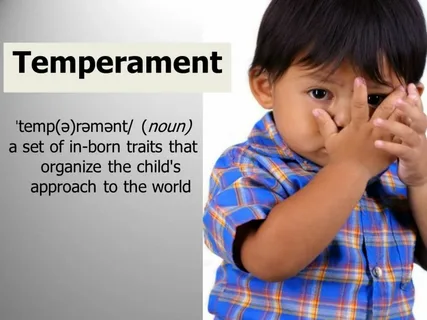
Curiosity represents one of the most powerful forces driving human learning and intellectual development. From early childhood onward, the desire to explore unknown ideas, environments, and experiences motivates individuals to...
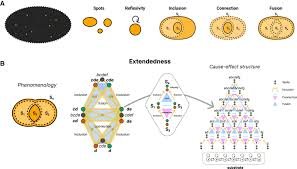
Curiosity represents one of the most powerful forces driving human learning and intellectual development. From early childhood onward, the desire to explore unknown ideas, environments, and experiences motivates individuals to...

Time forms one of the most fundamental dimensions through which the nervous system interprets reality. Every perception, movement, thought, and emotional response unfolds within temporal frameworks generated by neural processes....

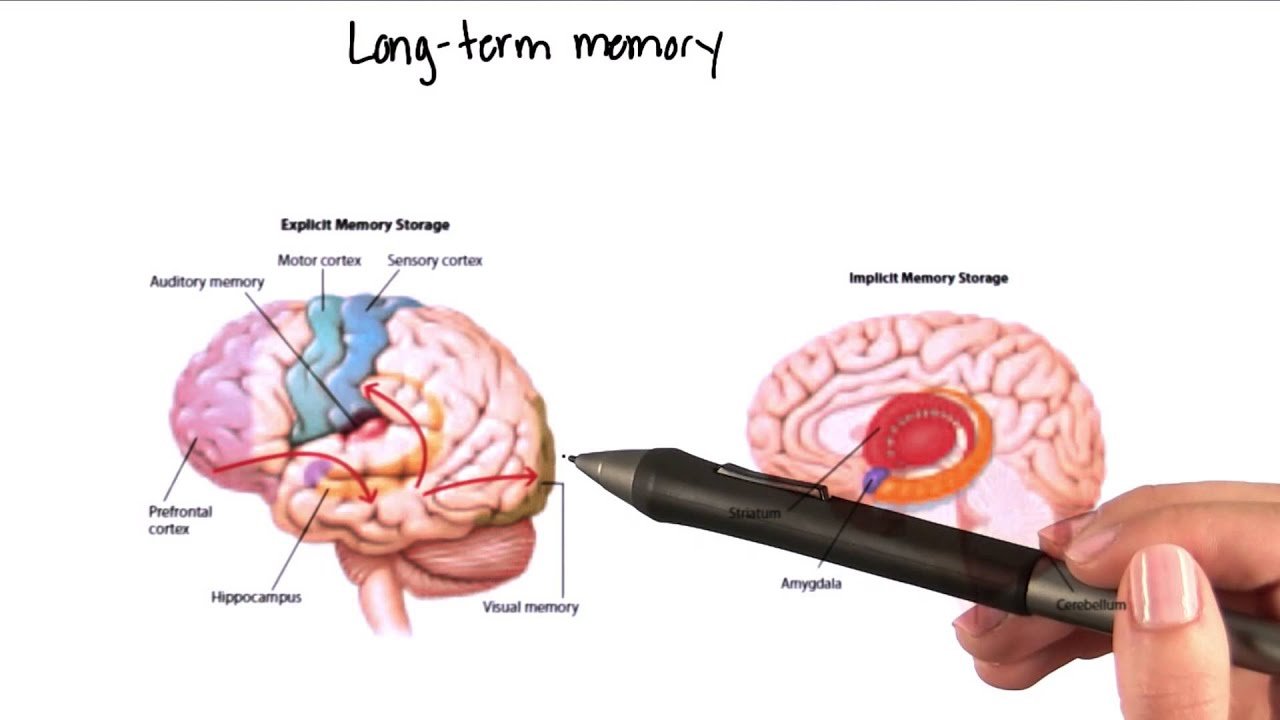
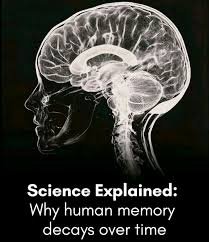
Memory represents one of the most complex and dynamic functions of the nervous system. Rather than serving as a simple storage system that preserves experiences exactly as they occurred, memory...

Consciousness represents one of the most intricate phenomena produced by the nervous system. It reflects the capacity of the brain to generate subjective awareness of internal states and external surroundings....

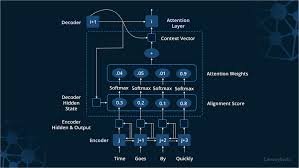
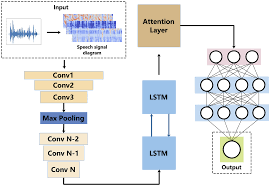
Attention represents one of the most fundamental mechanisms through which the brain manages the overwhelming amount of information present in the environment. At every moment, sensory systems receive vast streams...

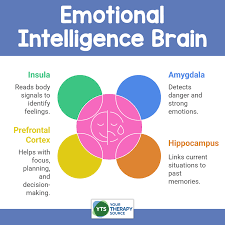
Emotions represent one of the most powerful forces shaping the activity of the nervous system. Far from being merely subjective experiences, emotions involve coordinated physiological, cognitive, and neural processes that...

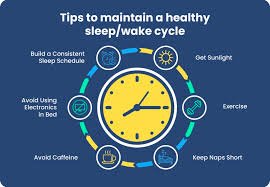
Sleep represents one of the most fundamental yet complex biological processes influencing the human nervous system. Although sleep appears outwardly as a passive state characterized by reduced awareness of the...

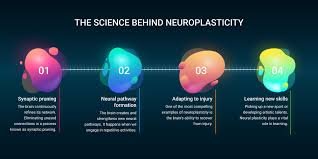
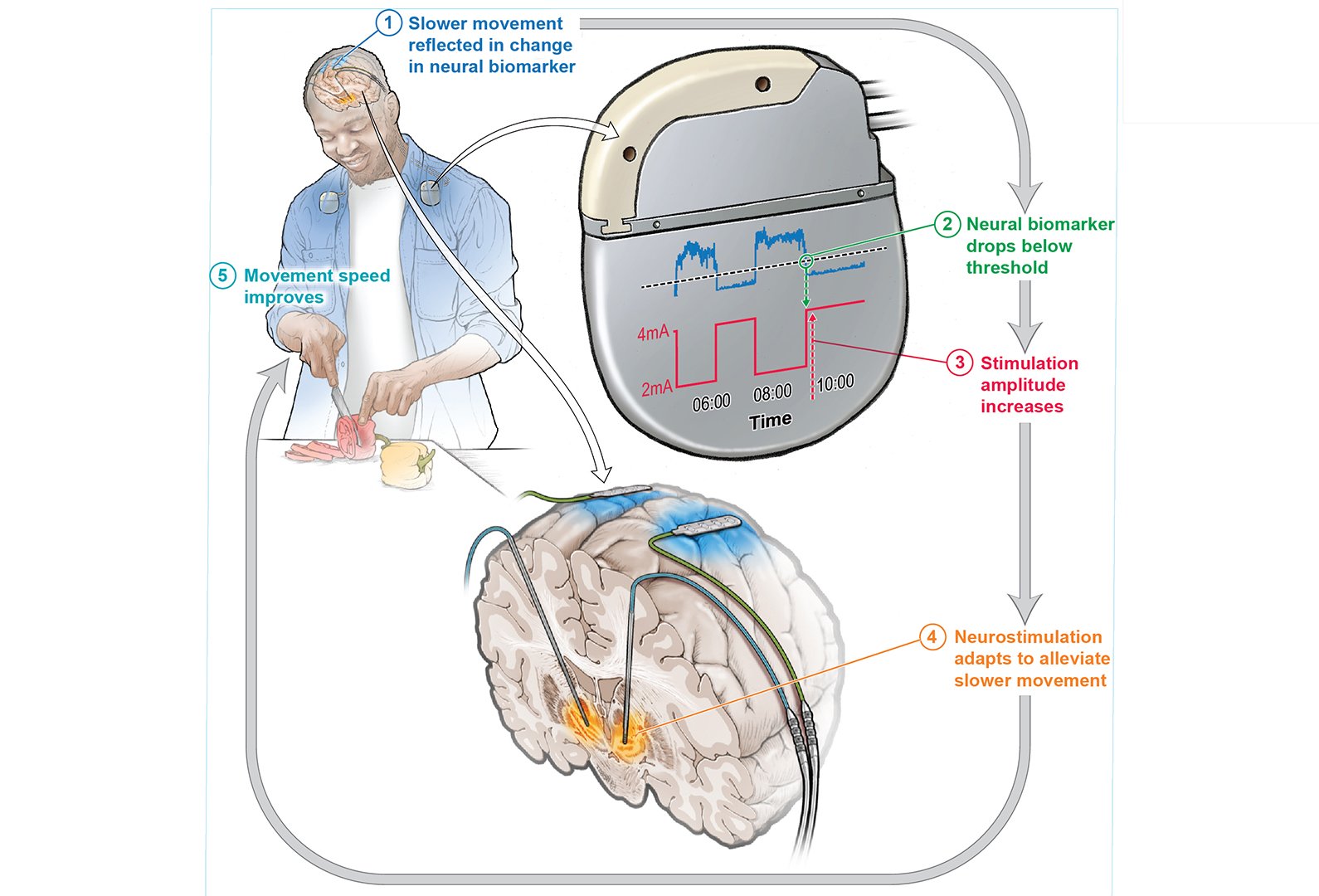
The nervous system possesses a remarkable capacity to change its own structure and function in response to experience. This ability, commonly described as neural plasticity, allows the brain to adapt...

Emotion represents one of the most influential forces shaping human cognition and behavior. Every decision, perception, and memory carries some degree of emotional significance, even when individuals believe they are...

Memory is one of the most fundamental capacities of the nervous system, allowing organisms to preserve information about past experiences and use that information to guide future behavior. Without memory,...
Role conflict occurs when an individual faces incompatible demands attached to different social roles they occupy. Each person plays multiple roles—such as employee, parent, partner, student, friend—and these roles come with specific expectations and responsibilities. When these expectations clash, they create psychological tension and stress.
At Famout, we are passionate about quality, innovation, and excellence.
24/7 Support
Subscribe for latest products
© 2024 Famout