Emotions are among the most immediate aspects of human experience, yet many people find it difficult to recognize, describe, or communicate what they feel. A person may experience sadness without crying, anxiety without consciously identifying it as anxiety, or anger without understanding what initially produced it. Others may know exactly what they are feeling but deliberately hide it from people around them. Emotional concealment can become so habitual that the individual eventually becomes uncertain about their own internal experience.
The tendency to hide emotions is not necessarily a sign of psychological dysfunction. People regulate emotional expression according to social context, personal values, relationships, cultural expectations, and perceived consequences. A person may decide not to express sadness at work, anger during an important conversation, or fear in a situation where they believe they need to remain composed. Emotional regulation can therefore be adaptive. Difficulties may emerge when concealment becomes chronic, involuntary, or so extensive that the individual loses access to important aspects of their emotional life.
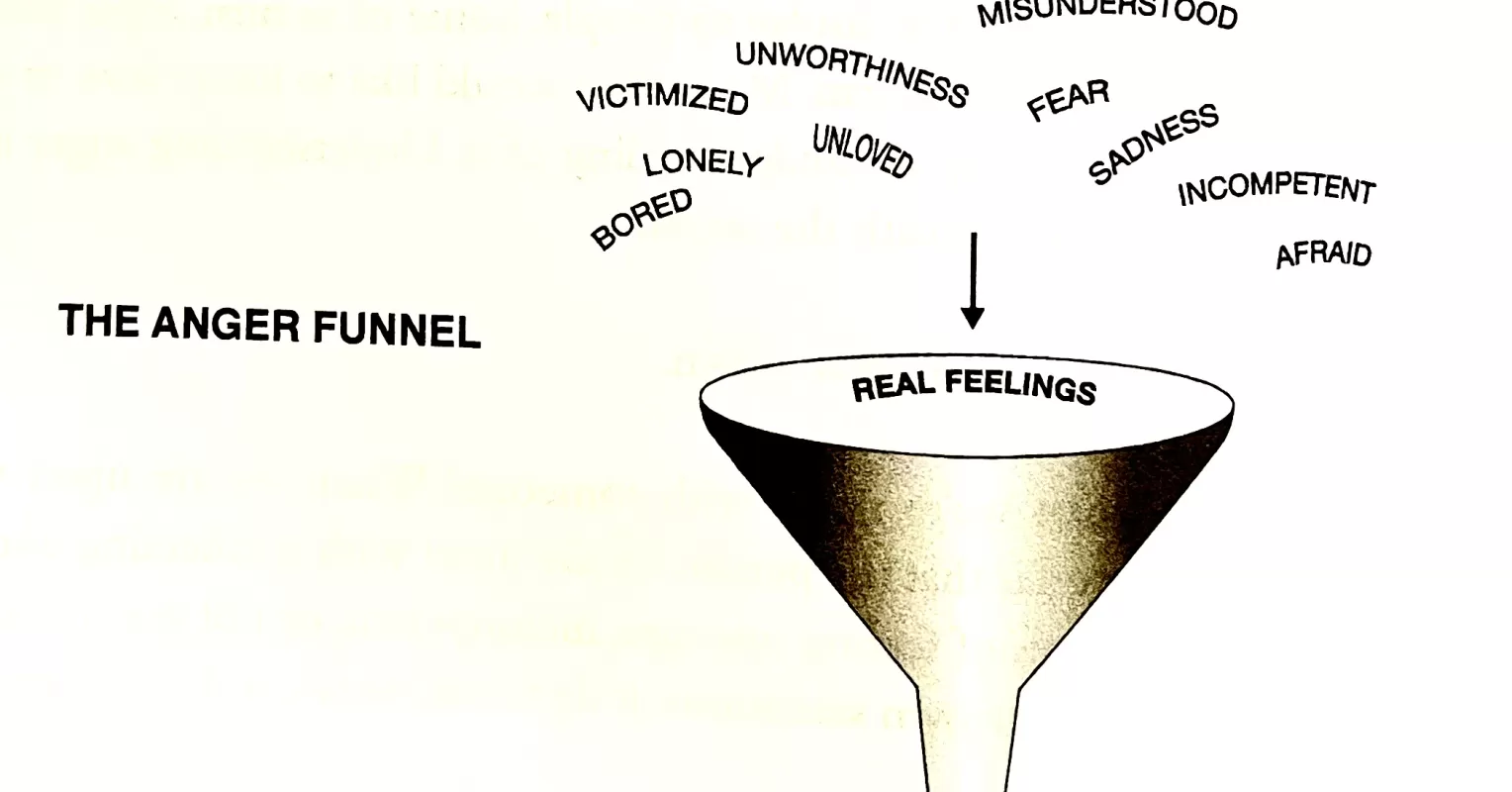
Understanding emotional concealment requires distinguishing between feeling an emotion and expressing it. These are separate processes. A person can experience intense emotion while appearing calm externally. Conversely, emotional expression does not always correspond precisely to internal experience. Someone may laugh while feeling uncomfortable, become angry while actually feeling hurt, or appear indifferent while experiencing significant sadness.
One reason people hide emotions is the expectation of social consequences. Individuals learn from childhood that some emotions are more socially acceptable than others. Happiness may be encouraged, while anger, fear, sadness, or vulnerability may be criticized. In some families, children receive messages such as “Do not cry,” “Be strong,” or “There is nothing to be upset about.” These messages may teach children that certain emotional experiences should remain private.
Repeated experiences of emotional invalidation can influence later emotional awareness. If a child’s emotional states are consistently dismissed, the child may gradually learn to distrust internal signals. Instead of asking, “What am I feeling?” the person may learn to ask, “What am I supposed to feel?” This difference can become important in adulthood.
Emotional development depends partly on the ability to identify and differentiate internal states. A person who can distinguish disappointment from rejection, irritation from anger, anxiety from excitement, and loneliness from sadness may have more options for responding appropriately. When emotions remain undifferentiated, behavioral reactions may become the primary form of communication.
This is particularly relevant to children. Young children often lack the vocabulary necessary to describe complex emotional experiences. A child may become aggressive, withdrawn, restless, or tearful because they cannot explain what is happening internally. Adults may interpret the behavior as disobedience when it is partly an expression of emotional confusion.
As language develops, emotional understanding can become more sophisticated. However, vocabulary alone does not guarantee emotional awareness. Adults can have extensive language skills and still struggle to identify their own emotional states. Emotional awareness involves noticing bodily sensations, thoughts, impulses, memories, and contextual triggers, and then integrating these experiences into a meaningful understanding of what is happening.
The body often provides early information about emotion. Anxiety may be accompanied by tension, rapid heartbeat, gastrointestinal discomfort, or restlessness. Anger may involve muscle tension, heat, increased physiological activation, or an urge to confront. Sadness may be associated with heaviness, fatigue, or reduced motivation. These physical signals are not perfectly specific, but they can provide useful information.
Some individuals become highly disconnected from these signals. They may continue working despite exhaustion, ignore physical tension, or remain focused on practical tasks while emotional distress accumulates. This pattern can be particularly common among people who have learned to prioritize responsibility over emotional expression.
Responsibility itself is not problematic. The difficulty arises when emotional needs are consistently treated as irrelevant. A person may become highly functional externally while experiencing considerable internal distress. Others may describe such an individual as strong, reliable, or calm, while the person privately experiences emotional exhaustion.
The concept of emotional suppression is useful here. Suppression refers broadly to attempts to inhibit the outward expression of an emotional response. It differs from avoidance, although the two can overlap. A person may suppress tears during a conversation but later process the sadness. Another person may repeatedly avoid thinking about sadness altogether. The psychological consequences may differ depending on whether the emotion is eventually acknowledged and processed.
Suppression can sometimes be useful in the short term. There are situations in which immediate emotional expression may not be appropriate. A surgeon cannot stop an operation every time they feel distressed; a teacher may need to remain composed during a classroom crisis; a parent may need to regulate their own fear while helping a frightened child. Temporary emotional control can therefore serve an adaptive purpose.
Problems may emerge when temporary control becomes the individual’s general emotional strategy. If a person repeatedly postpones emotional processing, difficult experiences may accumulate. The person may continue functioning, but emotional material may appear later through irritability, exhaustion, sleep difficulties, withdrawal, or persistent rumination.
Another reason people hide emotions is fear of vulnerability. Vulnerability involves allowing another person to see aspects of oneself that may be sensitive or difficult. For some individuals, vulnerability is associated with danger because previous experiences taught them that emotional openness could be punished, mocked, ignored, or exploited.
When vulnerability has been associated with negative interpersonal experiences, emotional concealment can become protective. The individual may think, consciously or unconsciously, that revealing feelings creates an opportunity for rejection. Remaining emotionally private can then provide a sense of control.
This protective strategy may be particularly understandable in individuals who have experienced unstable or unpredictable relationships. If emotional disclosure has sometimes resulted in criticism and sometimes in acceptance, the person may become uncertain about whether it is safe to reveal internal experiences. Emotional caution can then become a habitual interpersonal strategy.
Attachment-related processes may also be relevant. Early relationships contribute to expectations about whether other people will respond to emotional needs. These expectations are not fixed or deterministic, but they may influence later interpersonal behavior. Someone who expects rejection may minimize their needs, while someone who expects inconsistent responses may become highly attentive to signs of abandonment or disapproval.
However, emotional concealment should not automatically be interpreted through attachment theory. People hide emotions for many reasons, including personality, culture, professional expectations, current circumstances, learned coping styles, and individual preferences.
Cultural norms can have a particularly strong influence. Different societies communicate different expectations about emotional expression. In some contexts, emotional restraint may be associated with maturity and dignity. In others, open emotional communication may be encouraged. These differences should be considered before interpreting emotional restraint as a psychological problem.
Gender expectations can also influence emotional expression. In many cultures, boys and men have historically received stronger messages discouraging sadness, fear, and vulnerability. This can lead some individuals to express distress primarily through irritability or anger. Such patterns should not be assumed to apply to every man, but social expectations can influence how emotional difficulties are communicated.
Women may also experience social expectations concerning emotional expression, although in different forms. They may be encouraged to express sadness while being discouraged from expressing anger or assertiveness. Consequently, emotional concealment can occur when a person believes that a particular emotion violates expected social behavior.
Professional environments create additional pressures. Individuals may believe that showing fear, uncertainty, sadness, or frustration will make them appear incompetent. As a result, they may maintain a professional exterior even when experiencing substantial emotional strain. This can be useful temporarily but may become problematic if there is no opportunity for recovery outside the workplace.
Emotional concealment can also occur in close relationships. A person may hide dissatisfaction because they fear conflict. Another may conceal sadness because they do not want to burden their partner. Someone else may avoid expressing anger because previous arguments became intense. In each case, concealment may initially protect the relationship from immediate discomfort.
However, relationships require some degree of emotional communication. When important feelings remain hidden for extended periods, the other person may be unable to understand what is happening. This can create misunderstandings. The person who conceals emotion may eventually feel unseen, while the other person may not understand why.
A common pattern involves indirect communication. Instead of saying, “I felt hurt,” a person becomes distant. Instead of expressing disappointment, they become sarcastic. Instead of admitting anxiety, they become controlling. Such behavior may communicate emotion without explicitly naming it.
Indirect expression can sometimes be difficult for both sides. The individual may believe that the other person should understand without being told, while the other person may interpret the behavior differently. This can produce cycles of misunderstanding and resentment.
Emotional concealment may also influence self-identity. If a person repeatedly adapts emotional expression to the expectations of others, they may become uncertain about what they genuinely feel. The question “What do I want?” can become difficult when much of one’s behavior is organized around “What will other people accept?”
This issue can become particularly significant for individuals who are highly concerned with social approval. A strong desire to avoid disappointing others may lead to excessive accommodation. The person may agree when they want to refuse, remain silent when they disagree, and suppress anger when boundaries are crossed.
Over time, this can produce internal conflict. The external self appears agreeable, while the internal experience contains frustration or resentment. The resulting discrepancy may contribute to emotional exhaustion.
This does not mean that accommodation is always harmful. Social relationships require compromise. The psychologically important distinction concerns flexibility. A person who can occasionally compromise while remaining aware of their own needs is different from someone who consistently abandons their preferences because they fear rejection.
Emotional awareness can therefore contribute to healthier boundaries. Recognizing anger may reveal that a boundary has been crossed. Recognizing sadness may indicate loss or unmet attachment needs. Recognizing anxiety may signal perceived uncertainty or threat. Recognizing resentment may indicate that repeated compromises have become excessive.
Emotion does not always provide an objective description of reality, however. Feeling rejected does not necessarily mean that another person intended to reject us. Feeling threatened does not necessarily mean that danger is present. Emotional awareness should therefore be combined with reflection and contextual evaluation.
This distinction is important clinically. Validating an emotion means acknowledging that the person genuinely experienced it. It does not require concluding that every interpretation associated with the emotion is accurate. A person can genuinely feel abandoned while the available evidence suggests that the other person’s behavior had a different explanation.
The ability to tolerate this distinction can increase psychological flexibility. Individuals can say, “I feel rejected, but I do not yet know whether I was actually rejected.” Such a statement creates room for curiosity rather than immediate certainty.
Curiosity is particularly useful when emotions are confusing. Instead of asking only, “How do I get rid of this feeling?” a person might ask, “When did it begin? What happened immediately before it? What thoughts appeared? What does this feeling make me want to do? Does it remind me of something else?”
These questions can help transform an emotion from an overwhelming experience into something that can be observed and understood.
Therapeutic approaches often encourage this process in different ways. Cognitive-behavioral therapy may examine automatic thoughts and behavioral patterns associated with emotional reactions. Emotion-focused approaches may explore the meaning and function of emotions. Psychodynamic approaches may investigate recurring interpersonal patterns and conflicts. Mindfulness-based approaches may help individuals observe emotional states without immediately reacting to them.
No single approach is appropriate for every person. Emotional difficulties are heterogeneous, and treatment should consider the individual’s history, current circumstances, functioning, and goals.
For some people, the first therapeutic task may not be expressing emotions more openly. It may be learning to recognize them. Someone who has spent years saying “I am fine” may initially have difficulty identifying whether they are tired, angry, lonely, anxious, or sad. Expecting immediate emotional clarity can create additional pressure.
A gradual approach may be more appropriate. The person can begin with simple observations: “My chest feels tight,” “I have been thinking about the same conversation repeatedly,” or “I wanted to leave the room when they criticized me.” These observations do not require immediate interpretation. Over time, patterns may become clearer.
Writing can sometimes facilitate this process. Describing an event and then separately identifying thoughts, bodily sensations, emotions, and behavioral impulses can help distinguish different components of an experience. The objective is not to produce a perfect psychological explanation but to increase awareness.
Interpersonal safety is equally important. Emotional openness is not appropriate with every person. Healthy emotional expression depends partly on context. A person may reasonably choose not to disclose personal information to someone who has repeatedly violated trust. Psychological openness should not be confused with unlimited disclosure.
This is especially important because some discussions of vulnerability can unintentionally suggest that everyone should reveal their feelings more openly. In reality, boundaries and privacy are legitimate psychological needs. The goal is not maximal disclosure but appropriate disclosure.
Trust develops gradually. People may need repeated experiences of respect and confidentiality before they feel comfortable discussing sensitive emotions. A relationship in which emotional expression is consistently met with ridicule or dismissal may not provide an appropriate environment for vulnerability.
Emotional concealment can also be adaptive during periods of crisis. When a person must concentrate on immediate practical demands, emotional processing may temporarily be postponed. The important issue is whether processing eventually becomes possible. Delayed emotional responses are not necessarily evidence of pathology.
Grief provides an example. Some people remain highly functional immediately after a loss and experience stronger emotions weeks or months later. Others cry intensely from the beginning. There is substantial individual variation in how emotional responses unfold.
Similarly, trauma-related responses can vary considerably. Some individuals experience intrusive memories and intense emotional activation, while others describe emotional numbness or detachment. Emotional numbness can function as a protective response, although persistent emotional disconnection may become distressing or impair functioning.
Again, caution is necessary. Not every person who hides emotions has experienced trauma, and not every emotionally reserved person is psychologically distressed. Clinical interpretation should be based on the broader pattern rather than one characteristic.
One of the most important psychological principles concerning emotion is that emotions tend to communicate needs, but they do not always dictate solutions. Anger may indicate a perceived violation, but aggression is not necessarily the appropriate response. Sadness may indicate loss, but withdrawal from everyone may not help. Anxiety may indicate uncertainty, but complete avoidance can sometimes maintain fear.
Emotional awareness therefore needs to be combined with behavioral choice. A person can acknowledge what they feel while deciding how they want to act.
This is perhaps the central difference between emotional suppression and emotional regulation. Suppression says, in effect, “I should not feel this.” Regulation is closer to, “I am experiencing this, and I need to decide what to do with it.”
The second position allows emotions to exist without giving them complete control over behavior.
Over time, greater emotional awareness may also improve relationships. When people can communicate their internal experiences more clearly, others have a better opportunity to respond appropriately. Instead of expecting others to infer hidden emotions, the individual can communicate needs directly.
For example, saying, “I need some time alone because I am overwhelmed,” is different from suddenly becoming distant without explanation. Saying, “That comment hurt me,” provides different interpersonal information from responding with silence for several days.
Direct communication does not guarantee that others will respond well. Relationships remain unpredictable, and emotional honesty can sometimes lead to disappointment. Nevertheless, clear communication can reduce misunderstandings and allow individuals to make more informed decisions about relationships.
Ultimately, hiding emotions is neither inherently healthy nor inherently unhealthy. Its psychological significance depends on why the emotion is being hidden, how consistently it is hidden, what happens internally as a result, and whether the person retains the ability to express emotions when expression is appropriate.
A person may be emotionally private and psychologically healthy. Another person may appear emotionally expressive while having little understanding of their own internal states. External behavior alone is therefore insufficient for assessing emotional functioning.
The deeper issue is psychological flexibility: Can the person recognize emotions when they occur? Can they tolerate difficult feelings without immediately escaping them? Can they decide when and with whom to communicate? Can they maintain boundaries while allowing appropriate vulnerability? Can they distinguish an emotion from the interpretation attached to it?
When these abilities are available, emotional life can become more understandable and manageable.
Perhaps the goal is not to become completely transparent to everyone. Human beings need privacy, boundaries, and selective disclosure. The goal is to develop enough self-awareness that hidden emotions do not remain permanently hidden from oneself.
A person may choose not to tell everyone that they are afraid. They may choose not to show sadness in a particular situation. They may decide to postpone a difficult conversation. These can all be reasonable choices. What becomes psychologically important is whether the person still knows what is happening internally.
When people can recognize their emotions without being controlled by them, emotional life becomes less mysterious. Anger can be understood as a possible signal of violated boundaries. Sadness can reveal loss. Anxiety can point toward perceived uncertainty. Loneliness can communicate a need for connection. Even emotional numbness can provide information about the individual’s current capacity to engage with difficult experiences.
In this sense, emotional awareness is not simply the ability to name feelings. It is the ability to remain psychologically connected to oneself while navigating relationships, responsibilities, conflicts, and change.
People do not need to express every emotion they experience. They do, however, benefit from having the freedom to recognize what they feel. When emotional concealment is a choice rather than an automatic defense, it can coexist with psychological health. When a person can decide when to speak, when to remain private, when to set a boundary, and when to become vulnerable, emotional regulation becomes less about hiding and more about intentional living.
The question is therefore not simply why people hide what they feel. A deeper question is whether, beneath the silence, they can still hear themselves.