Human beings are deeply social. From early childhood, people learn how to communicate, cooperate, behave, and understand themselves partly through their relationships with other people. Belonging to a family, friendship group, community, workplace, or wider society can provide emotional security and a sense of identity. Because social connection is important, many people experience a strong desire to be accepted and to fit into the environments in which they live.
The desire to fit into society is not, by itself, a sign of psychological difficulty. Social adaptation is a normal aspect of human development. People learn social rules, adjust their behavior to different situations, and consider the expectations of others. A person may speak differently at work than at home, follow cultural traditions, or modify their behavior when entering an unfamiliar social environment. Such flexibility can be a healthy part of social functioning.
Psychological difficulties may arise when the desire to fit in becomes so strong that a person repeatedly suppresses important aspects of themselves, ignores personal values, experiences intense fear of rejection, or feels that acceptance depends on constant conformity. In such circumstances, adaptation can become psychologically costly.
The need for social acceptance begins early in life. Children gradually learn that certain behaviors receive approval while others may produce criticism or disapproval. Parents, teachers, siblings, and peers all contribute to this learning process. Children observe how people respond to them and gradually develop ideas about what is considered acceptable, desirable, or unacceptable.
This process is necessary for social development. Without learning social expectations, individuals would have difficulty participating in relationships and communities. However, social learning can also influence self-evaluation. If a child repeatedly receives the message that acceptance depends on being successful, obedient, attractive, quiet, intelligent, or emotionally controlled, the child may begin to associate personal worth with meeting external expectations.
As people grow older, peer influence becomes increasingly important. Adolescents often become particularly aware of how they are perceived by others. Clothing, appearance, interests, language, friendships, academic performance, and social behavior can become connected to belonging.
This does not mean that adolescents simply imitate everyone around them. Young people are also developing autonomy and personal identity. The psychological tension between belonging and individuality can therefore become particularly noticeable during adolescence.
Adults continue to experience this tension. A person may want to be accepted by colleagues while also wanting to maintain personal values. Someone may want approval from family members while making life choices that differ from family expectations. Another person may want to belong to a social group while feeling uncomfortable with some of its norms.
This conflict can create psychological pressure. The individual may ask themselves, consciously or unconsciously, “Who am I when I am alone, and who am I expected to be when I am with other people?”
The psychological concept of conformity is particularly relevant. Conformity refers broadly to changes in behavior, attitudes, or expressed opinions that occur in response to real or perceived group pressure. Conformity is not necessarily negative. People routinely adjust their behavior to social norms because cooperation requires some degree of coordination.
For example, people generally wait their turn in a queue, follow workplace procedures, or lower their voices in environments where silence is expected. These forms of conformity allow social systems to function.
The psychological difficulty appears when conformity becomes excessive or conflicts strongly with personal values. A person may agree with an opinion they do not actually hold because they fear disagreement. They may participate in activities they dislike because they fear exclusion. They may choose a career, relationship, appearance, or lifestyle primarily because they believe other people expect it.
In such situations, social adaptation can begin to compete with authenticity.
Authenticity is a complex psychological concept referring broadly to behaving in ways that are consistent with one’s values, feelings, and sense of self. Authenticity does not mean expressing every emotion or refusing to adapt to social circumstances. Healthy social functioning requires flexibility. Rather, authenticity involves maintaining a meaningful sense of personal identity while adapting appropriately to different environments.
A person can therefore be socially adaptable without completely changing themselves for approval.
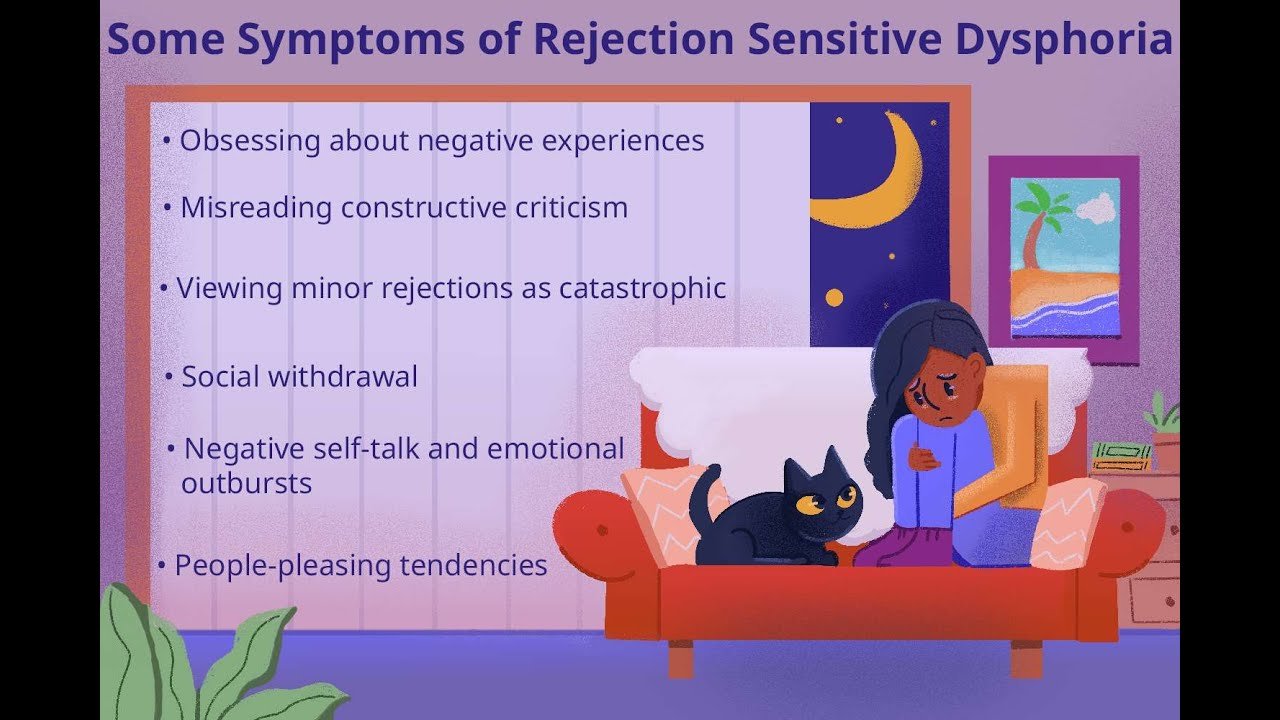
The fear of rejection can make this balance difficult. Humans generally care about how other people respond to them. Rejection can be painful because it threatens belonging and interpersonal connection. For some individuals, the possibility of rejection becomes particularly important in decision-making.
A person may avoid expressing an unpopular opinion, refuse to establish boundaries, or hide aspects of their personality because they anticipate negative reactions. If acceptance becomes the primary goal, personal preferences may gradually become less visible even to the individual themselves.
This process can contribute to what might be described as external self-definition. Instead of asking, “What do I value?” the person may repeatedly ask, “What will people think?” Instead of choosing based on personal priorities, they may choose according to anticipated approval.
Social comparison can strengthen this process. People naturally compare themselves with others to understand their own abilities, status, appearance, relationships, and achievements. Social comparison can provide useful information. It can help individuals identify areas for improvement and understand social expectations.
However, frequent comparison can become psychologically difficult when people primarily compare themselves with idealized or unusually successful others. In modern digital environments, individuals may be exposed to carefully selected images of other people’s lives, creating the impression that others are happier, more successful, more attractive, or more socially connected than they actually are.
This can increase dissatisfaction with one’s own life. The person may feel that they are falling behind a social standard even when their actual circumstances are relatively stable.
Social media can intensify this phenomenon, although its effects vary considerably between individuals. Online environments can provide connection, information, and support, but they can also increase opportunities for comparison and public evaluation.
The desire to fit in can also influence appearance. Clothing, body image, hairstyle, beauty practices, and other aspects of physical presentation are partly shaped by cultural and social expectations. Wanting to look attractive is not inherently problematic. Difficulties may arise when appearance becomes strongly tied to personal worth or social acceptance.
A person may think that they must look a certain way to be respected or loved. Such beliefs can contribute to dissatisfaction and persistent self-monitoring. Again, the psychological significance depends on intensity, flexibility, and impact on functioning.
Career decisions provide another example. Individuals sometimes choose educational or professional paths because they genuinely value them. At other times, decisions may be strongly influenced by family expectations, social prestige, financial pressure, or the desire to appear successful.
External expectations are not necessarily harmful. Families often provide useful advice, and practical considerations are important. The psychological problem may arise when an individual has very little opportunity to consider their own preferences and feels unable to make choices that differ from expectations.
This can contribute to an identity conflict. A person may achieve a socially respected goal while experiencing little personal satisfaction. They may find themselves asking why success does not feel meaningful.
Such experiences do not automatically indicate a mental disorder. They may reflect a developmental or existential conflict involving personal values and social expectations.
Family relationships can strongly influence the desire for social conformity. In some families, approval may be closely associated with achievement, obedience, reputation, or adherence to traditional expectations. In others, individuality may be strongly encouraged.
Neither family environment should be understood in an overly simplistic way. Families differ greatly, and the same expectation can be experienced differently by different individuals.
For some people, disappointing family members can produce intense guilt. They may feel responsible for maintaining family harmony or reputation. As a result, they may suppress personal preferences to avoid conflict.
Guilt can be useful when it reflects genuine responsibility toward others. However, excessive guilt may make ordinary independence feel morally wrong. An adult may experience guilt simply because they choose differently from what their family expected, even when the choice does not harm anyone.
The concept of people-pleasing is relevant here. People-pleasing involves repeatedly prioritizing other people’s approval or comfort, sometimes at the expense of one’s own needs. It can include difficulty saying no, excessive accommodation, avoiding disagreement, or apologizing unnecessarily.
People-pleasing may function as a strategy for maintaining relationships and avoiding rejection. The person may have learned that being agreeable produces acceptance. Over time, however, constant accommodation can make it difficult to identify personal needs and preferences.
Another psychological process is self-silencing. A person may consciously or unconsciously avoid expressing opinions, emotions, or needs because they fear that doing so could damage a relationship. Self-silencing can occur in families, friendships, romantic relationships, and workplaces.
Occasional restraint is normal. Not every thought needs to be expressed. The concern arises when a person consistently feels that their authentic opinions are unsafe or unacceptable.
Long-term self-silencing may be associated with emotional exhaustion, resentment, reduced self-awareness, or dissatisfaction with relationships. The person may appear socially successful while privately experiencing a sense of invisibility.
The desire to fit in can also influence moral behavior. Group norms sometimes encourage positive cooperation, but groups can also normalize behaviors that conflict with an individual’s personal standards. People may participate because they fear social exclusion or because responsibility feels distributed across the group.
This phenomenon demonstrates that conformity is not simply about wanting to copy others. Social belonging can influence decision-making even when people recognize that a particular behavior is questionable.
The need for belonging can therefore be understood as both protective and potentially restrictive. Social connection provides emotional support and identity. At the same time, excessive dependence on external acceptance can make individuals vulnerable to social pressure.
Psychological development involves gradually learning how to balance these needs. A psychologically flexible individual can consider other people’s perspectives without automatically surrendering personal values. They can cooperate without becoming completely dependent on approval.
This balance is closely related to boundaries. Boundaries define what an individual is willing to do, accept, or tolerate in relationships. Healthy boundaries do not mean rejecting society or becoming indifferent to other people. They allow individuals to remain connected while preserving a sense of personal agency.
For example, someone may respect a family member’s opinion while making a different decision. They may listen to criticism without accepting every negative judgment as true. They may care about a partner’s feelings while still communicating their own needs.
Developing this ability can be difficult when rejection has previously been experienced as threatening. The person may initially feel guilty or anxious when establishing boundaries. These emotions do not necessarily mean that the boundary is wrong. They may simply reflect a change from a familiar interpersonal pattern.
Clinical psychology is particularly interested in the relationship between social expectations and psychological distress because persistent interpersonal pressure can interact with anxiety, depression, low self-esteem, and other difficulties.
However, it is important not to assume that social conformity causes mental disorders. Psychological outcomes result from complex interactions among biological, developmental, psychological, interpersonal, and environmental factors.
The same social expectation may be experienced differently by different people. One individual may find a cultural tradition meaningful and comforting, while another may experience the same tradition as restrictive. Clinical understanding therefore requires attention to the person’s subjective experience as well as their social environment.
Cognitive behavioral approaches may examine beliefs such as “Everyone must like me,” “If someone disagrees with me, they will reject me,” or “I must meet other people’s expectations to be worthy.” Such beliefs can be explored for their flexibility and accuracy.
The goal is not to encourage people to ignore social norms completely. Social norms can serve important functions. Instead, psychological work may help individuals distinguish between reasonable social expectations and beliefs that unnecessarily restrict their lives.
Another useful concept is values clarification. Values are personally meaningful principles that can guide behavior. They are different from short-term goals because they describe qualities of living rather than specific achievements.
For example, a person may value honesty, family connection, creativity, learning, independence, compassion, or responsibility. When individuals have a clearer understanding of their values, they may find it easier to make decisions that balance social expectations with personal meaning.
This does not eliminate interpersonal conflict. Authentic choices can sometimes disappoint other people. Psychological maturity may therefore involve learning that disagreement does not necessarily mean rejection and that disapproval does not automatically mean personal failure.
The ability to tolerate disapproval is particularly important. No individual can satisfy everyone. Even people who behave thoughtfully and responsibly will sometimes be criticized or misunderstood.
If a person believes that they must always be approved of, ordinary social disagreement can become psychologically exhausting. They may constantly monitor their behavior and attempt to predict how everyone will respond.
A more flexible position is to recognize that social acceptance is valuable but not completely controllable. Other people have their own preferences, values, experiences, and interpretations. A person can influence relationships but cannot completely control how they are perceived.
This recognition can reduce excessive self-monitoring.
The desire to fit in also changes across cultures. Different societies place different levels of emphasis on individual independence, family responsibility, hierarchy, community, tradition, and social harmony. Therefore, behavior that appears highly conformist in one cultural context may represent ordinary social responsibility in another.
Clinical psychology must take cultural context seriously. A behavior should not automatically be labeled maladaptive simply because it differs from norms in another culture. Psychological assessment requires sensitivity to the individual’s cultural environment and personal values.
Ultimately, the psychological need to fit into society is neither inherently healthy nor inherently unhealthy. Belonging is a fundamental human need, and social adaptation is necessary for functioning within communities. Problems may emerge when belonging becomes dependent on abandoning personal identity or when fear of rejection becomes stronger than the ability to make independent choices.
The healthiest form of social adaptation may involve flexibility rather than complete conformity. A person can learn social rules, cooperate with others, consider criticism, and adjust behavior when appropriate while still maintaining personal values and boundaries.
Psychological well-being does not require complete independence from other people’s opinions. Nor does it require complete conformity. Instead, it involves developing a stable enough sense of self to remain connected to others without losing the ability to think, choose, and act independently.
The question is therefore not simply, “How can I fit into society?” A deeper psychological question may be, “How can I belong to a society while remaining connected to who I am?”
Learning to balance belonging and individuality is a continuing developmental process. People change, relationships change, and social expectations change. Psychological flexibility allows individuals to adapt without assuming that every external expectation must become an internal rule.
In this sense, fitting into society does not have to mean becoming similar to everyone else. Healthy social functioning can involve cooperation without complete conformity, acceptance of others without rejection of oneself, and adaptation without the disappearance of individuality.
The desire to belong is a natural part of being human. The psychological challenge is learning when adaptation supports well-being and when it begins to require excessive self-suppression. Recognizing this difference can help individuals build relationships and social lives in which belonging and authenticity are not treated as complete opposites.