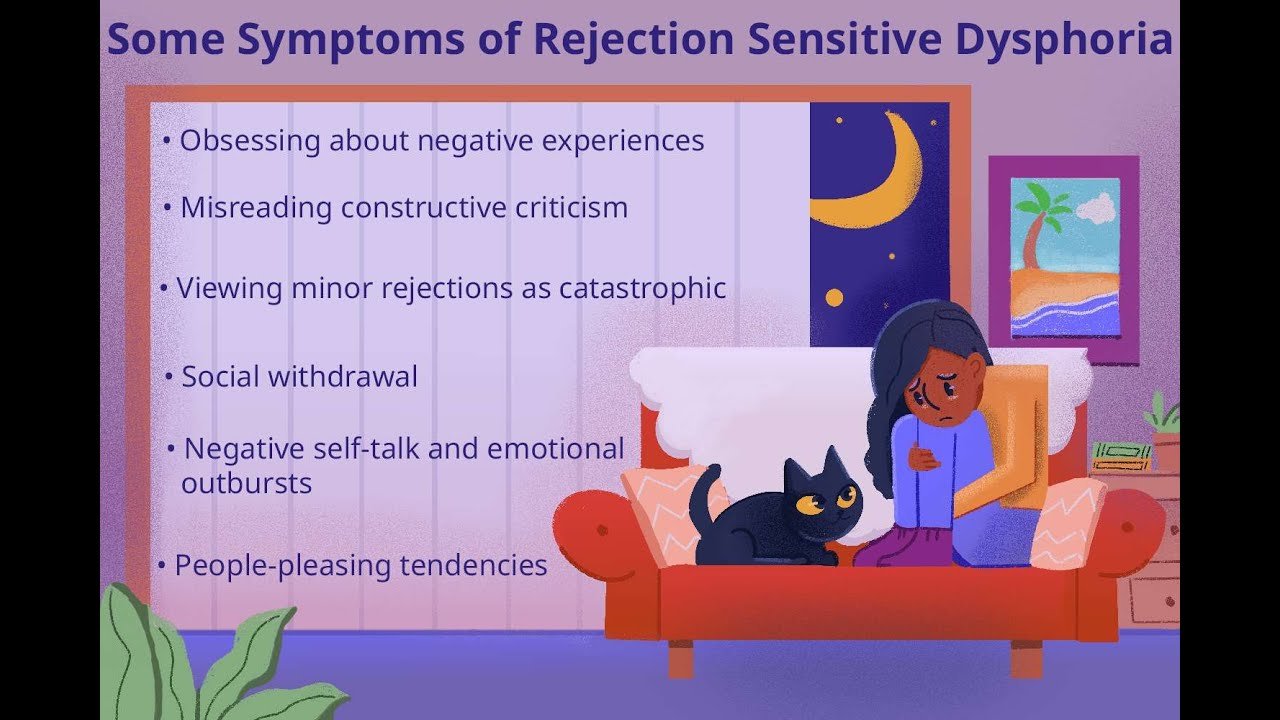
The fear of being different is a common psychological experience that can influence how people think, behave, form relationships, and make important decisions. Human beings generally have a strong need for social connection, acceptance, and belonging. From childhood, individuals learn that certain behaviors, opinions, appearances, and lifestyles are more readily accepted within particular families, communities, cultures, and social groups. As a result, being different can sometimes become associated with the possibility of criticism, rejection, embarrassment, isolation, or loss of social connection. Although concern about social acceptance is a normal part of human experience, the fear of being different may become psychologically significant when it strongly influences a person’s behavior or prevents them from expressing important aspects of themselves.
Being different is not, in itself, a psychological problem. Individual differences are a normal characteristic of human societies. People differ in personality, interests, values, appearance, abilities, communication styles, emotional expression, and life choices. Psychological difficulties may arise not from difference itself, but from the meaning a person gives to being different and from the extent to which fear of social consequences restricts their behavior. A person may begin to avoid expressing personal opinions, hide interests, suppress emotions, change their appearance, or make major decisions primarily according to anticipated reactions from other people. Over time, the desire to be accepted may become more influential than the individual’s own preferences and values.
The fear of being different can be understood partly through the psychological need for belonging. Belongingness refers to the experience of being accepted, connected, and valued within meaningful relationships and groups. Social relationships can provide emotional support, security, identity, cooperation, and a sense of meaning. Consequently, the possibility of exclusion may be experienced as psychologically important. A person who believes that being different could lead to rejection may attempt to reduce visible differences in order to preserve social relationships. This process can be adaptive when it involves reasonable adjustment to social circumstances. People naturally modify their behavior depending on context. However, excessive adaptation may become problematic when an individual repeatedly suppresses important aspects of the self simply to avoid disapproval.
One important psychological mechanism involved in the fear of being different is anticipation. A person does not necessarily need to experience actual rejection for fear to develop. The expectation of rejection may be sufficient to influence behavior. Someone may think, “If I express my real opinion, people will judge me,” or “If I behave differently, others will not accept me.” Such expectations may sometimes be based on previous experiences, but they can also become generalized beyond the situations in which they originally developed. A person who was criticized for being different in one environment may begin to anticipate similar reactions from people in completely different environments.
This process may involve cognitive patterns commonly discussed in clinical psychology. For example, an individual may engage in mind reading by assuming that other people are judging them without sufficient evidence. Catastrophic thinking may lead someone to interpret a relatively minor difference as potentially producing serious social consequences. Overgeneralization may occur when one negative social experience becomes evidence, in the person’s mind, that rejection will happen repeatedly. These cognitive patterns do not mean that the person’s concerns are imaginary. Social rejection is a real phenomenon, and some environments can genuinely be intolerant of difference. A psychologically informed understanding therefore requires attention to both the individual’s interpretation and the actual social environment.
Family experiences may influence attitudes toward difference. Children gradually learn what is considered acceptable within their families. When caregivers repeatedly communicate that particular emotions, opinions, interests, or behaviors are unacceptable, a child may become highly attentive to social approval. In some circumstances, children may experience approval as conditional upon obedience, achievement, appearance, or conformity. A child may gradually learn that being accepted depends on behaving in a particular way.
For example, a child who is frequently criticized for expressing disagreement may eventually become hesitant to express independent opinions. A child whose emotional reactions are repeatedly dismissed may learn to hide sadness, anger, fear, or vulnerability. A child who is compared constantly with siblings or peers may develop the belief that personal worth depends on meeting external standards. These experiences do not automatically produce a fear of being different, because psychological development is influenced by many factors. Temperament, supportive relationships, later experiences, and individual interpretations can all contribute to different outcomes. Nevertheless, repeated experiences of criticism or conditional acceptance may increase sensitivity to social evaluation.
Peer relationships can become especially important during childhood and adolescence. Young people often become increasingly aware of social groups, popularity, appearance, identity, and social norms. Being accepted by peers may acquire considerable emotional significance. Differences in clothing, interests, language, physical appearance, academic performance, personality, or social behavior may become noticeable. When an individual receives ridicule or exclusion because of a perceived difference, they may become more cautious about displaying characteristics that could attract attention.
Bullying can intensify this process. Repeated humiliation or exclusion may teach a person that visibility is dangerous. The individual may begin monitoring behavior carefully to avoid becoming a target. Even after leaving the environment in which bullying occurred, heightened self-monitoring may persist. A person may continue asking whether they are speaking correctly, dressing appropriately, behaving normally, or making an acceptable impression. In some cases, this pattern may contribute to social anxiety or other forms of psychological distress, although fear of being different alone does not establish a clinical disorder.
Social comparison is another important factor. People naturally compare aspects of themselves with others, including appearance, achievements, relationships, financial circumstances, intelligence, social status, and lifestyle. Comparison can sometimes provide useful information and motivation. However, frequent upward comparison may lead an individual to focus primarily on perceived deficiencies. If someone repeatedly concludes that “everyone else is normal except me,” difference may become associated with inadequacy.
Modern social media environments can intensify this process because individuals are exposed to large amounts of carefully selected information about other people’s lives. Photographs, achievements, relationships, travel experiences, professional success, and physical appearance may create an impression that other people are consistently meeting social expectations. The individual may then compare their ordinary, complex life with highly selective representations of others. This can contribute to feelings of inadequacy or concern about not fitting expected standards. Social media does not affect everyone in the same way, however, and its psychological effects can depend on patterns of use, individual vulnerability, social context, and the type of content encountered.
Appearance is one area in which the fear of being different may become particularly visible. Societies develop standards regarding attractiveness, clothing, body shape, grooming, and presentation. These standards change across cultures and historical periods, demonstrating that many ideas about appearance are socially constructed rather than universal psychological truths. Nevertheless, individuals may experience considerable pressure to conform to contemporary expectations. Someone who feels different in appearance may spend substantial time attempting to conceal perceived imperfections or may avoid social situations because of anticipated judgment.
Career and education can also be influenced by social expectations. Some individuals select academic fields or professions because they genuinely value them, while others may feel pressure to choose options considered prestigious, financially secure, or socially respectable. A person may avoid a preferred career because they fear that family members or friends will perceive the choice as unusual. Conversely, someone may pursue a socially admired career despite having little personal interest in it. Such decisions cannot automatically be interpreted as psychologically unhealthy. Practical considerations are important in career choices. The psychological issue becomes more relevant when fear of social disapproval consistently prevents a person from considering their own values and interests.
Similar processes can occur in intimate relationships and family life. People may experience expectations concerning when to marry, whether to have children, what type of partner is appropriate, where to live, and what family roles should look like. Cultural and family values can provide meaningful frameworks for decision-making, but strong social pressure may create conflict when personal preferences differ from those expectations. A person may feel that choosing differently would mean disappointing others or becoming an outsider. This can create internal tension between belonging and individuality.
The conflict between belonging and individuality is central to understanding the fear of being different. Human beings generally need both connection and autonomy. Complete independence from others is neither realistic nor necessarily desirable. At the same time, complete conformity may leave little space for personal identity. Psychological well-being may involve finding a workable balance between maintaining meaningful relationships and preserving the ability to make personally significant choices.
One possible response to this conflict is self-silencing. Self-silencing occurs when individuals repeatedly suppress their thoughts, preferences, emotions, or needs in order to avoid conflict or maintain relationships. A person may agree with others despite disagreement, avoid discussing important concerns, or change behavior to prevent criticism. In the short term, this strategy may reduce interpersonal tension. In the longer term, however, persistent suppression may contribute to frustration, resentment, reduced self-expression, or a diminished sense of authenticity.
People-pleasing can represent another behavioral response. A person may become highly focused on meeting the needs and expectations of others. Helping others and being considerate are not inherently problematic. The concern arises when an individual’s self-worth becomes heavily dependent on keeping everyone satisfied. Such a person may find it difficult to say no, establish boundaries, express disagreement, or tolerate another person’s disappointment. Fear of being different can therefore become connected to fear of disappointing others.
The emotional consequences of prolonged conformity can vary considerably. Some individuals may experience anxiety, while others may experience sadness, frustration, resentment, loneliness, or emotional exhaustion. A person can be surrounded by people and still feel psychologically disconnected if they believe that their relationships depend on hiding important aspects of themselves. This distinction between social contact and emotional connection is important. Being socially active does not necessarily mean that a person feels understood or accepted.
Fear of being different may also influence identity development. Identity involves the individual’s developing understanding of who they are, what they value, what they believe, and how they relate to others. During different stages of life, people may reconsider previously accepted identities and expectations. When social approval is highly important, identity development may become dominated by external standards. Instead of asking, “What is meaningful to me?” a person may primarily ask, “What will other people think of me?”
This does not mean that external opinions should be ignored. Other people’s perspectives can provide useful information, especially when they come from trusted individuals. Psychological maturity does not require rejecting all social feedback. Rather, it may involve developing the ability to evaluate feedback without automatically allowing it to determine one’s self-worth or decisions.
The fear of being different can also be associated with perfectionistic tendencies. Some individuals may believe that if they behave perfectly, make no mistakes, and meet social expectations, they will be protected from rejection. This can create a demanding internal standard. The individual may monitor speech, appearance, performance, and behavior continuously. Because perfection is impossible, the person may experience repeated dissatisfaction and anxiety.
Another relevant process is intolerance of uncertainty. Social situations contain uncertainty because individuals cannot completely control how others respond to them. A person who strongly dislikes uncertainty may attempt to reduce it by carefully adapting behavior to perceived expectations. However, social acceptance cannot be guaranteed through perfect conformity. Other people’s reactions remain partly outside the individual’s control. Attempts to eliminate all social uncertainty can therefore become exhausting.
From a clinical psychology perspective, it is important to distinguish ordinary concern about social acceptance from clinically significant symptoms. Many people occasionally worry about being judged or rejected. This is not sufficient to establish a mental disorder. A clinical concern becomes more relevant when fear, avoidance, distress, or impairment is persistent and substantial. For example, an individual may avoid education, employment, relationships, public situations, or important opportunities because of intense fear of negative evaluation. Such patterns may occur in conditions such as social anxiety disorder, but diagnosis requires a comprehensive professional assessment and cannot be established from a single behavior or fear.
Similarly, fear of being different can occur alongside low self-esteem, depressive symptoms, perfectionism, attachment-related difficulties, or interpersonal insecurity. However, these associations should not be interpreted as evidence that everyone who dislikes being different has a psychological disorder. Human behavior is influenced by multiple interacting factors, and similar behaviors can have different meanings in different individuals.
Psychological interventions may focus on helping individuals understand the beliefs and behavioral patterns associated with social acceptance. Cognitive behavioral approaches, for example, may examine automatic thoughts about rejection and help individuals evaluate whether predictions are supported by evidence. Behavioral work may gradually involve situations that have been avoided, allowing the person to develop new experiences of coping with uncertainty and social evaluation.
Other therapeutic approaches may focus more strongly on values, self-acceptance, emotional awareness, interpersonal relationships, or psychological flexibility. Acceptance-based approaches may help individuals distinguish between uncomfortable thoughts and personally meaningful actions. Instead of attempting to eliminate every fear of judgment, a person may learn to tolerate some discomfort while acting according to important values.
Developing healthy boundaries can also be relevant. Boundaries allow individuals to maintain relationships without automatically accepting every demand or expectation. Learning to say no, express disagreement respectfully, and communicate personal needs may initially produce anxiety, especially for someone who has relied heavily on conformity. With practice, however, the person may discover that disagreement does not necessarily result in rejection.
Self-compassion can also play a role. People who fear being different may evaluate themselves harshly whenever they fail to meet perceived social standards. A more compassionate approach involves recognizing that imperfection and difference are normal aspects of human experience. Self-compassion does not require believing that every personal decision is correct. Instead, it allows mistakes and differences to be evaluated without automatically interpreting them as evidence of personal worthlessness.
The social environment must also be considered. Psychological interventions should not place all responsibility on individuals to adapt to environments that may genuinely be harmful or discriminatory. Some people experience real social consequences because of characteristics that distinguish them from dominant groups. In such circumstances, fear may reflect realistic concerns rather than distorted thinking. A sensitive psychological approach should therefore consider power, culture, discrimination, family dynamics, and environmental safety rather than assuming that every concern about social rejection originates within the individual.
Culture has a particularly important influence on the meaning of difference. Behaviors considered individualistic in one society may be interpreted differently in another. Family responsibility, collective values, religious practices, gender expectations, communication styles, and concepts of independence can vary considerably across cultures. Therefore, psychological assessment of conformity and individuality should be culturally informed. What appears unusual from one cultural perspective may be completely ordinary within another.
Ultimately, the fear of being different can be understood as a tension between two legitimate human needs: the need to belong and the need to maintain a sense of individuality. People need relationships, acceptance, and social connection, but they also need opportunities to develop personal values, preferences, identities, and boundaries. Psychological well-being does not necessarily require complete independence from social expectations, nor does it require complete conformity. A more flexible position may involve choosing when adaptation is useful and when personal authenticity deserves greater protection.
The central psychological question is therefore not simply whether a person is different from others. It is how much control fear of difference has over the person’s life. Someone may consciously adapt certain behaviors while retaining a stable sense of identity. Another person may constantly monitor themselves, suppress personal preferences, and avoid meaningful opportunities because they anticipate rejection. These two situations may look similar from the outside but have very different psychological meanings.
Learning to tolerate some degree of difference can gradually expand psychological flexibility. A person may discover that disagreement does not always lead to rejection, that mistakes do not necessarily destroy relationships, and that other people’s opinions do not completely determine personal worth. At the same time, maintaining meaningful social relationships remains important. The goal is not to eliminate the desire for acceptance but to prevent that desire from becoming the sole basis for personal decisions.
The fear of being different is therefore best understood as a complex psychological phenomenon rather than as a simple weakness or character flaw. It may develop through social learning, previous rejection, family expectations, peer experiences, self-esteem difficulties, social comparison, or broader cultural norms. Its intensity can change across situations and stages of life. For some individuals, it may be a temporary concern; for others, it may become a persistent pattern associated with significant distress or avoidance.
A psychologically healthy relationship with difference does not require a person to ignore society or reject every social expectation. Instead, it may involve developing enough self-awareness to recognize which expectations are personally meaningful, which are practical, and which are primarily driven by fear of judgment. It may also involve accepting that complete social approval is impossible. People will sometimes disagree, misunderstand, criticize, or reject one another. The ability to tolerate these experiences without completely abandoning one’s values can be an important component of psychological resilience.
Being different does not automatically mean being isolated, abnormal, or inadequate. Human societies depend on variation, and individual differences contribute to the diversity of human experience. The challenge arises when fear of social judgment becomes so powerful that an individual can no longer make meaningful choices freely. Understanding this distinction can help explain why the desire to fit in is natural while excessive fear of standing out may become psychologically restrictive. From a clinical perspective, the objective is not to make people indifferent to others, but to help them develop a more balanced relationship between belonging, individuality, social expectations, and personal values.