


Stress is a natural biological response that helps human beings react to danger, pressure, and demanding situations. In short periods, stress can increase alertness, attention, heart rate, and energy, allowing a person to respond quickly to challenges. However, when stress becomes persistent and the nervous system remains activated for long periods, it may affect both psychological functioning and brain health. Chronic stress does not simply make a person feel tired or emotionally overwhelmed; prolonged exposure to stress-related biological processes can influence memory, attention, emotional regulation, and other neurological functions. The human stress response involves a complex interaction between the brain and the body. When a person perceives a threat, the brain activates systems that prepare the organism to respond. The hypothalamus plays an important role in initiating the hormonal stress response, which ultimately influences the release of cortisol and other stress-related substances. These processes are useful when a person needs to respond to an immediate challenge. Problems may arise when the stress response is activated repeatedly without sufficient recovery. The brain must constantly evaluate whether the environment is safe or threatening. Structures such as the amygdala contribute to the detection and processing of emotionally significant stimuli. When the amygdala perceives danger, it can stimulate physiological responses associated with stress. In a short-term situation, this may be adaptive. In chronic stress, however, repeated activation can influence the functioning of other neural systems. One of the brain structures frequently discussed in relation to chronic stress is the hippocampus. The hippocampus plays an important role in learning, memory, and contextual processing. Research suggests that prolonged stress can influence hippocampal functioning and may be associated with changes in its structure and connectivity. This does not mean that every stressed person develops permanent hippocampal damage, but it demonstrates that prolonged stress can affect neural systems involved in memory. A person experiencing chronic stress may notice that they forget things more easily. They may enter a room and forget why they went there, struggle to concentrate on reading, or have difficulty remembering information learned recently. Sometimes the problem is not memory storage itself but attention. When the brain is occupied with worries and threats, fewer cognitive resources remain available for processing new information. This is particularly noticeable when a person is constantly thinking about future problems. Someone may be physically present during a conversation while mentally planning how to solve financial, professional, family, or personal difficulties. Because attention is divided, information from the conversation may not be encoded effectively. Stress can also influence the prefrontal cortex, a brain region involved in planning, decision-making, attention, impulse control, and executive functioning. Under acute stress, some aspects of cognitive performance may temporarily change. During prolonged stress, persistent alterations in stress-related signaling may interfere with efficient executive functioning. This may explain why people under intense pressure sometimes describe feeling that their minds are “blocked.” They know what they need to do but cannot organize their thoughts effectively. Simple decisions can become difficult, and complex tasks may feel overwhelming. The relationship between stress and cognition is not always straightforward. A moderate level of arousal can sometimes improve performance, while very low or very high levels may reduce it. This idea is often described through the Yerkes-Dodson principle. In practical terms, a small amount of pressure can motivate a person, while excessive and prolonged stress can interfere with concentration and performance. The emotional brain is also affected. Chronic stress can increase sensitivity to threatening information. A person may become more alert to criticism, conflict, rejection, or potential problems. They may begin interpreting neutral situations more negatively because the nervous system is constantly prepared for danger. This state of heightened vigilance can be exhausting. The person may feel unable to relax even when there is no immediate threat. At home, they may continue thinking about work. During weekends, they may worry about future responsibilities. At night, they may repeatedly review conversations or imagine possible negative outcomes. Sleep is one of the most important mechanisms through which chronic stress affects brain functioning. Stress can make it difficult to fall asleep, cause nighttime awakenings, or lead to unrefreshing sleep. Poor sleep then reduces emotional regulation and cognitive performance, which can make stress feel even stronger the next day. This creates a cycle. Stress interferes with sleep, poor sleep reduces the ability to cope with stress, and reduced coping capacity increases stress. Over time, this cycle can become self-reinforcing. Chronic stress may also affect mood. Persistent activation of stress systems is associated with an increased risk of anxiety and depressive symptoms. However, stress is not the only cause of these conditions. Mental health disorders arise from complex interactions between biological vulnerability, psychological processes, life experiences, and environmental factors. One particularly important consequence of chronic stress is emotional exhaustion. When a person spends months or years responding to continuous demands without adequate recovery, they may begin to feel detached, irritable, or unable to experience pleasure. This can occur in demanding workplaces, difficult family situations, prolonged financial uncertainty, caregiving responsibilities, or other circumstances. The brain does not distinguish perfectly between psychological and physical stress. Emotional conflict can produce real physiological responses. A person who repeatedly worries about an uncertain future may experience increased muscle tension, headaches, gastrointestinal discomfort, rapid heartbeat, and fatigue. These physical symptoms can further influence the brain. Persistent pain or discomfort can make concentration more difficult and reduce emotional tolerance. The person may then become more irritable and less capable of managing ordinary challenges. Chronic stress can also affect decision-making. Under prolonged pressure, people may focus heavily on immediate problems and have difficulty considering long-term consequences. The brain becomes oriented toward managing the next threat rather than exploring future possibilities. This can influence habits as well. Some people respond to stress by overeating, avoiding physical activity, using substances, spending excessive time online, or withdrawing socially. These behaviors may provide short-term relief but can create additional problems over time. Physical activity, in contrast, can support brain health. Regular exercise is associated with improvements in mood,

Why Does Narcissism Develop?
Narcissism is a complex psychological phenomenon involving an individual’s relationship with self-worth, recognition, achievement, and other people. The term is often used in everyday language to describe someone who appears excessively self-centered or arrogant. In psychology, however, narcissism is more complicated. A person can display narcissistic traits without having a psychiatric disorder, while Narcissistic Personality Disorder (NPD) represents a persistent pattern of personality characteristics that causes significant difficulties in relationships, emotional functioning, or everyday life. Some degree of narcissism exists on a continuum. Wanting recognition, feeling proud of achievements, enjoying compliments, and caring about one’s reputation are not necessarily unhealthy. These characteristics can sometimes support motivation and confidence. The problem arises when the need for admiration becomes excessive, empathy is consistently limited, and self-worth depends heavily on external validation. One of the most interesting features of narcissism is the difference between outward confidence and internal self-esteem. A person may appear extremely confident while privately experiencing insecurity, shame, or fear of failure. In some cases, exaggerated self-importance can function as a psychological defense against feelings of inadequacy. Narcissistic traits may develop through a combination of biological, psychological, and environmental factors. There is no single cause. Temperament, childhood experiences, family relationships, social expectations, attachment patterns, and learned behaviors can all contribute. Childhood experiences can be particularly important. Excessive praise may sometimes contribute to unrealistic beliefs about superiority, especially when children are repeatedly treated as exceptional without learning realistic limits. However, the opposite environment can also contribute. Persistent criticism, emotional neglect, rejection, or conditional affection may produce profound insecurity. In some individuals, grandiosity may become a way of protecting a vulnerable sense of self. This apparent contradiction is important. Narcissism is not simply the result of “being praised too much.” Both excessive admiration and insufficient emotional security may contribute to unhealthy patterns, depending on the broader family environment and individual characteristics. Parents who constantly communicate that a child must be the best may unintentionally teach the child that ordinary achievement is not enough. The child may learn to associate love and approval with superiority. Later, losing an argument, receiving criticism, or failing to achieve first place may feel like a threat to personal identity rather than an ordinary experience. Another important factor is emotional validation. Children need to feel that their emotions are understood. When feelings are consistently ignored or dismissed, they may have difficulty developing a stable understanding of themselves. Some individuals may later rely heavily on external admiration to determine whether they are valuable. Narcissistic behavior can therefore be understood partly through the concept of external validation. Instead of possessing a stable internal sense of worth, the individual may depend on praise, attention, status, appearance, achievement, or admiration from others. When these sources of validation are available, the person may feel powerful and successful. When they disappear, intense insecurity may emerge. This can explain why criticism can be unusually difficult for some narcissistic individuals. A normal criticism about a specific behavior may be experienced as a global attack on the person’s identity. The reaction may involve anger, defensiveness, denial, withdrawal, or attempts to discredit the person who offered the criticism. This phenomenon is sometimes described as a narcissistic injury. It refers to the emotional reaction that can occur when an individual’s idealized self-image is challenged. The person may feel humiliated, exposed, or rejected even when the external event appears relatively minor. A narcissistic response to criticism can therefore seem disproportionate. Instead of considering whether the criticism is useful, the individual may focus on protecting their self-image. They may argue that the other person is jealous, incompetent, unfair, or malicious. Relationships can become particularly difficult when narcissistic traits are strong. Healthy relationships require reciprocity, empathy, compromise, and recognition of another person’s needs. If one person consistently expects admiration while offering little emotional consideration in return, the relationship can become unequal. A person with strong narcissistic traits may initially appear extremely charming. They may be confident, attentive, generous, or enthusiastic during the early stages of a relationship. However, difficulties may emerge when the relationship becomes more ordinary and mutual needs become important. Some relationships follow a pattern in which one person is initially idealized and later criticized or devalued. The partner may first be treated as exceptional and perfect, but after disagreement or disappointment, the same person may suddenly be described as inadequate or worthless. This pattern can be emotionally confusing for the other person. They may repeatedly wonder what they did wrong and try to restore the earlier closeness. The relationship can become dominated by attempts to regain approval. Empathy is another central issue. Narcissistic traits do not necessarily mean that a person is completely incapable of understanding emotions. Some individuals can recognize another person’s feelings intellectually but have difficulty responding with genuine emotional consideration when doing so conflicts with their own needs. A person may understand that their partner is hurt but still prioritize winning an argument. This distinction between recognizing an emotion and responding empathetically is important. Narcissism can also appear differently in different individuals. The most recognizable form involves obvious grandiosity, confidence, attention-seeking, and a strong desire for admiration. This is sometimes called grandiose narcissism. Another presentation can be quieter. A person may appear shy, sensitive, withdrawn, or highly self-conscious while remaining strongly focused on how others evaluate them. This is sometimes described as vulnerable or covert narcissistic functioning. Such individuals may be highly sensitive to criticism and rejection while not displaying obvious arrogance. However, popular psychology often uses the term “covert narcissist” too loosely. Not every shy, sensitive, insecure, or emotionally reactive person has narcissistic pathology. Psychological diagnosis requires a broader and persistent pattern of functioning rather than a few isolated characteristics. Narcissistic Personality Disorder is a clinical diagnosis characterized by a persistent pattern involving grandiosity, a need for admiration, and impaired empathy, together with other features. Diagnosis should be made by a qualified mental health professional rather than based on online descriptions. Narcissistic traits can also influence professional life. Some individuals may be highly ambitious and motivated by status, recognition, and competition.

Why Can a Brain Injury Change Personality?
A brain injury is often associated with obvious physical consequences such as weakness, difficulty walking, headaches, dizziness, or problems with coordination. However, some of the most profound consequences may be less visible. A person can experience significant changes in emotional regulation, motivation, judgment, communication, or social behavior after an injury to the brain. In some cases, relatives describe the individual as “a different person.” This raises an important neurological question: how can damage to the brain influence personality? Personality is not controlled by a single area of the brain. It emerges from the interaction of multiple neural systems involved in emotion, motivation, memory, decision-making, impulse control, social understanding, and self-awareness. When a brain injury disrupts these systems, the person’s behavior may change even though their identity, memories, and physical appearance remain relatively similar. Traumatic brain injury can occur after falls, traffic accidents, sports injuries, physical violence, workplace accidents, or other events that cause the brain to move or strike against the skull. The consequences vary enormously. Some injuries are mild and produce temporary symptoms, while severe injuries can cause long-lasting neurological changes. One of the brain regions particularly associated with personality and behavior is the prefrontal cortex. Located toward the front of the brain, it participates in planning, decision-making, impulse control, emotional regulation, attention, and the evaluation of consequences. It does not work alone, but its connections with other brain regions are essential for socially appropriate behavior. Damage to the frontal regions can therefore produce unusual behavioral changes. A person who was previously cautious may become impulsive. Someone who was patient may become easily irritated. Another individual may lose motivation or become emotionally indifferent. These changes are not necessarily deliberate choices; they may reflect altered neural regulation. One classic example in the history of neuroscience is the case of Phineas Gage. In the nineteenth century, Gage survived a severe accident in which an iron rod passed through his skull and damaged parts of his frontal brain. Historical accounts describe changes in his behavior and personality afterward. Although later popular descriptions of his personality may have been exaggerated, his case became influential in neuroscience because it demonstrated that damage to particular brain regions could profoundly affect behavior. Modern neuroscience has developed a much more sophisticated understanding of these processes. Personality changes after brain injury cannot usually be attributed to one isolated brain region. Instead, they may result from disruption of interconnected networks. The frontal-subcortical circuits are especially important. These networks connect frontal cortical regions with deeper structures such as the basal ganglia and thalamus. They participate in motivation, emotional regulation, cognitive flexibility, and behavioral control. Injury affecting these networks can therefore produce changes that are difficult to explain through a simple “one region, one function” model. One common change after brain injury is impulsivity. A person may act before considering consequences, interrupt conversations, spend money irresponsibly, or make inappropriate comments. Before the injury, they may have been careful and socially restrained. Afterward, the ability to inhibit immediate responses may be reduced. This can be extremely difficult for families. Relatives may initially interpret impulsive behavior as intentional disrespect or selfishness. They may ask why the person “does not simply control themselves.” However, neurological damage can reduce the brain’s ability to regulate impulses. Understanding this distinction is essential for appropriate rehabilitation and support. Another possible change is irritability. A person may become angry over relatively minor events, react more intensely to frustration, or have difficulty calming down after becoming upset. This can be influenced by neurological changes, pain, fatigue, sleep disturbances, medication effects, and the psychological consequences of losing previous abilities. Emotional regulation can therefore become less stable. Someone may cry unexpectedly, laugh at inappropriate moments, or shift rapidly between emotional states. Such changes do not necessarily indicate that the person has fundamentally changed their values or feelings. Instead, their ability to regulate emotional expression may have been altered. The opposite pattern can also occur. Some people develop emotional blunting or apathy. They may appear less interested in activities, relationships, or goals that were previously important. Family members may interpret this as laziness or lack of caring, but neurological injury can interfere with motivation systems. Apathy is particularly challenging because it can affect rehabilitation itself. Recovery often requires repeated exercises, therapy sessions, and active participation. If the person has reduced initiation or motivation, they may struggle to engage even when they understand intellectually that rehabilitation is important. Executive functioning can also be affected. Executive functions include planning, organizing, monitoring behavior, solving problems, shifting between tasks, and considering future consequences. A person may remember information correctly but struggle to use it effectively in daily life. For example, someone may know that they need to take medication at a particular time but repeatedly fail to organize the necessary steps. They may understand a household task but become overwhelmed when several steps must be completed in sequence. These difficulties can be mistaken for carelessness. Brain injury can also affect social cognition. Social cognition involves understanding other people’s emotions, intentions, expectations, and perspectives. Damage to relevant neural networks may cause someone to misinterpret social cues or fail to recognize when their behavior is inappropriate. A person may speak too loudly, stand too close to others, make insensitive comments, or fail to notice that another individual is uncomfortable. They may not understand why others react negatively. This can lead to social isolation. Language changes can further complicate personality and relationships. Some individuals develop difficulty finding words, producing speech, understanding language, or organizing complex communication. Frustration caused by communication difficulties can contribute to irritability and withdrawal. Memory problems can also indirectly influence personality. Imagine a person who repeatedly forgets conversations. Family members may become frustrated and the individual may become defensive because they do not understand why others are upset. Repeated misunderstandings can gradually change family dynamics. Fatigue is another major factor. Brain injury can make ordinary cognitive activities unusually exhausting. Concentrating on a conversation, reading, planning a journey, or working for an extended period may require significantly more mental energy than before. When

Why Does Memory Fail?
Memory is one of the most remarkable functions of the human brain. It allows people to learn from experience, recognize familiar faces, remember important events, acquire knowledge, and maintain a sense of personal identity. Without memory, everyday life would become extremely difficult because previous experiences could not effectively guide present decisions. Although occasional forgetfulness is normal, persistent or severe memory problems can sometimes indicate changes in the nervous system. Memory is not a single process located in one specific part of the brain. It involves several interconnected neural systems that work together. The hippocampus, cerebral cortex, amygdala, thalamus, and other brain structures contribute to different aspects of learning and memory. Communication between neurons through electrical and chemical signals allows information to be encoded, stored, and later retrieved. The process begins with attention. The brain cannot remember everything it encounters. Information that receives sufficient attention is more likely to be encoded effectively. This explains why a person may forget something that they technically saw or heard. If attention was directed elsewhere, the information may never have been strongly established in memory. Stress can interfere with this process. During stressful situations, the brain releases hormones and neurotransmitters that prepare the body to respond to perceived danger. Short-term stress can sometimes increase alertness, but prolonged stress may interfere with concentration and memory. A person experiencing chronic stress may therefore feel that their memory has become weaker when part of the problem is actually reduced attention. The hippocampus plays a particularly important role in forming new memories. It helps organize information about events and experiences so that they can later be retrieved. Damage to the hippocampus can produce profound difficulties in forming new memories, even when other intellectual abilities remain relatively preserved. The amygdala is involved in emotional processing and can influence memory for emotionally significant experiences. Events associated with strong fear, happiness, sadness, or excitement may be remembered more vividly than ordinary events. This is one reason people can remember emotionally powerful experiences from many years ago while forgetting what they ate yesterday. Memory is also closely connected to sleep. During sleep, the brain continues processing information acquired during waking hours. Different stages of sleep appear to contribute to different aspects of memory consolidation. Chronic sleep deprivation can therefore affect attention, learning, and recall. Another important factor is aging. Some changes in memory are normal as people grow older. It may take longer to retrieve a name or remember a specific word, while general knowledge remains intact. Normal aging, however, should be distinguished from significant cognitive decline that interferes with independent daily functioning. Neurological disorders can cause more serious memory problems. Alzheimer’s disease is one of the best-known causes of progressive cognitive decline. It can initially affect recent memory and gradually involve language, orientation, reasoning, and other cognitive abilities. Other neurological conditions can also affect memory, including stroke, traumatic brain injury, epilepsy, Parkinson’s disease, and certain brain infections. Memory problems can also occur after head injuries. The severity depends on factors such as the location and extent of brain damage. Some individuals experience difficulty remembering events immediately before or after an injury, while others develop longer-lasting cognitive problems. Stroke can affect memory when areas involved in learning, attention, language, or executive functioning are damaged. The consequences depend heavily on the location of the stroke. A person may therefore have memory difficulties even when their primary symptoms appear to involve speech or movement. Epilepsy provides another example of the relationship between neurological activity and memory. Seizures involving temporal-lobe structures can affect memory formation and retrieval. Some individuals with temporal-lobe epilepsy experience difficulties remembering recent information or particular types of experiences. Memory is also vulnerable to certain medications, substance use, nutritional deficiencies, and systemic illnesses. This is why unexplained persistent memory problems should not automatically be interpreted as dementia. A neurological or medical evaluation may identify a potentially treatable cause. An interesting feature of memory is that it is reconstructive rather than perfectly photographic. When people remember an event, the brain reconstructs information from stored fragments and existing knowledge. This means that memories can change over time. A person can sincerely remember something incorrectly without intentionally lying. Emotional states can influence reconstruction. Someone who is depressed may remember past experiences in a more negative way, while someone experiencing intense anxiety may focus more strongly on threatening aspects of an event. Memory is therefore connected not only to the brain’s structures but also to emotional state. Attention, sleep, stress, emotion, neurological health, and repeated learning all influence how effectively memories are created and retrieved. Forgetfulness should therefore be understood as a complex neurological phenomenon rather than simply a sign of poor concentration or aging. In conclusion, memory depends on a sophisticated network of brain structures and neural processes. Occasional forgetfulness is a normal part of human cognition, but persistent or progressive memory impairment may indicate neurological or medical problems. Understanding how the brain forms and retrieves memories is essential not only for neuroscience but also for the diagnosis and treatment of neurological disorders.

Can Silence Change a Person?
Silence is usually understood as the absence of sound, but psychologically it can be much more than that. Silence can represent peace, loneliness, rejection, emotional distance, fear, self-protection, or reflection. Two people may experience exactly the same period of silence in completely different ways. For one person, being alone in a quiet room may be calming and restorative. For another, silence may create anxiety and force uncomfortable thoughts to become louder. This makes silence an interesting psychological phenomenon because its effect depends not only on the absence of communication but also on what a person believes that silence means. Human beings are highly social. Communication allows people to express needs, receive reassurance, establish relationships, resolve conflicts, and understand the intentions of others. When communication disappears, the mind often attempts to fill the missing information. This is particularly noticeable in emotionally important relationships. If a friend suddenly becomes quiet, a partner stops communicating, or a family member withdraws, the person left without an explanation may begin constructing possible explanations. The mind does not like uncertainty, and silence creates a great deal of it. One reason silence can become psychologically powerful is that people naturally search for meaning. When information is incomplete, individuals often use previous experiences, expectations, fears, and assumptions to interpret what is happening. A person who generally feels secure may interpret another person’s silence as a temporary need for space. Someone who is already afraid of rejection may interpret exactly the same silence as evidence that the relationship is ending. This demonstrates an important psychological principle: people do not respond only to events; they also respond to their interpretations of events. Silence itself contains little information. It is the meaning attached to silence that often produces the emotional response. In relationships, silence can have many different functions. Sometimes people become quiet because they are tired, overwhelmed, or emotionally confused. Sometimes they need time to process an argument. In other situations, silence may be used intentionally to punish or control another person. These situations can look similar from the outside but have very different psychological consequences. Healthy silence can create space for emotional regulation. During a conflict, immediately continuing an argument may increase anger and make constructive communication impossible. A temporary pause can allow both individuals to calm down and think more clearly. The important difference is whether the silence is communicated as a temporary need or imposed as a form of punishment. When silence is used as punishment, it can become emotionally damaging. A person may deliberately refuse to communicate in order to make another individual anxious, guilty, or desperate for reconciliation. The uncertainty can become psychologically exhausting because the other person does not know what they did wrong, whether the relationship is safe, or when communication will return. Repeated exposure to this pattern can change behavior. The individual may begin monitoring every word and action to avoid provoking another period of silence. They may apologize excessively, suppress their own needs, or agree with things they do not actually accept. Over time, the person may become increasingly afraid of conflict. Silence can therefore influence self-confidence. If someone repeatedly experiences withdrawal whenever they express disagreement, they may eventually conclude that their opinions are dangerous or unwanted. They may become quieter not because they have nothing to say but because they have learned that speaking carries emotional consequences. This process can occur during childhood. Children depend heavily on adults for emotional security, and parental withdrawal can therefore be particularly powerful. If affection disappears whenever a child makes a mistake, expresses disagreement, or fails to meet expectations, the child may learn to associate emotional closeness with obedience. Such experiences can influence adult relationships. A person who learned that silence means rejection may become highly sensitive to changes in communication. A partner taking several hours to respond to a message may trigger anxiety far greater than the situation objectively warrants. The reaction may seem excessive to an observer, but it can be connected to earlier experiences of emotional uncertainty. Silence can also affect the brain’s attention system. When an important social signal becomes ambiguous, attention may become focused on interpreting it. The person may repeatedly review previous conversations, search for clues, reread messages, or examine the other person’s behavior. This process can become mentally exhausting. Rumination is particularly common in situations involving unexplained silence. Instead of solving a problem, the mind repeatedly returns to the same questions: “What happened?”, “Did I do something wrong?”, “Why did they change?”, “Are they angry?”, or “Will they come back?” Because the person lacks new information, the thinking rarely produces a definite answer. The absence of information can therefore paradoxically produce an enormous amount of mental activity. Silence outside the person creates noise inside the mind. This is especially evident in romantic relationships. Digital communication has changed expectations about availability. People can often see when messages are delivered, whether someone is active, and sometimes whether a message has been read. As a result, periods of silence can become highly noticeable. A person may see that their partner is online but has not responded. This can create interpretations ranging from harmless explanations to intense fear. The technology provides more information about activity but not necessarily more information about intention. Knowing that someone is online does not reveal why they are not responding. This uncertainty can encourage compulsive checking. Individuals may repeatedly open messaging applications, look at activity indicators, examine social media posts, or ask mutual friends questions. Each check may provide temporary relief, but the relief can reinforce the behavior. Eventually, checking itself becomes part of the anxiety cycle. Silence can also influence social identity. When a person feels ignored or excluded, they may begin asking whether they matter to others. This can be particularly painful for individuals whose self-worth depends heavily on social approval. Being ignored can then feel not like a temporary communication problem but like evidence of personal inadequacy. However, silence does not necessarily mean rejection. People have different communication styles. Some individuals need

Why Do People Fear Being Forgotten?
The fear of being forgotten is a deeply human psychological experience. People naturally want their existence to have meaning and their relationships to leave some kind of emotional trace. Although most individuals do not consciously think about being forgotten every day, the desire to matter to others can influence relationships, achievements, social behavior, and personal decisions. For some people, however, this fear becomes unusually strong and begins to shape their emotional life. Human beings develop their sense of identity partly through relationships. From childhood, people learn who they are through the reactions of parents, teachers, friends, and other important individuals. Being remembered, recognized, and valued can therefore become connected with the feeling of personal significance. When a person fears being forgotten, the underlying concern may not simply be about memory itself. It may reflect a deeper fear of becoming irrelevant, unloved, replaceable, or insignificant. This fear can appear after major changes in relationships. When a friendship ends, a romantic relationship breaks down, or a person moves away from familiar surroundings, they may wonder whether the people they once knew will continue thinking about them. Such thoughts are particularly common after emotionally significant relationships because the person is not only losing daily contact but also losing a familiar role in another person’s life. Social media has created a new dimension to this psychological experience. People can now see whether others remember birthdays, respond to posts, watch stories, or interact with photographs. Digital platforms provide constant signals of social attention. A person may therefore become preoccupied with questions such as whether someone viewed their content, why someone did not react, or whether their absence was noticed. This can create dependence on external validation. When attention from others becomes evidence of personal value, silence can feel threatening. A person may post frequently, seek compliments, or repeatedly check notifications because digital recognition temporarily reassures them that they matter. However, attention is not the same as emotional importance. Someone may rarely interact online while still caring deeply about another person. Human relationships cannot be accurately measured by likes, comments, or message frequency. Yet when someone is emotionally insecure, digital silence may be interpreted as rejection. The fear of being forgotten can also appear in romantic relationships. An individual may worry that their partner will eventually stop loving them or easily replace them. They may compare themselves with previous partners or become distressed when the relationship changes naturally over time. Minor changes in communication can then trigger disproportionate fear. In some cases, the person attempts to make themselves unforgettable. They may constantly help others, sacrifice their own needs, remain available at all times, or try to become indispensable. Although these behaviors may initially strengthen relationships, they can eventually produce exhaustion and resentment because the person feels responsible for maintaining their importance. Another response is excessive emotional attachment. Someone who fears being forgotten may find separation extremely difficult. They may repeatedly contact a friend or partner, seek reassurance, or become anxious when messages are not answered. The behavior is often driven not by a desire to control others but by fear of losing emotional connection. Childhood experiences can influence this pattern. Children who experience inconsistent attention may become uncertain about whether relationships are stable. If affection is unpredictable, the child may learn to monitor other people’s behavior closely for signs of withdrawal. In adulthood, this sensitivity can appear as fear that loved ones will forget, leave, or stop caring. Loss can intensify the fear. After the death of someone important, people may experience anxiety about memory itself. They may worry that they will eventually forget the person’s voice, appearance, habits, or small details. This can produce guilt, even though changes in memory are a natural part of human life. Interestingly, the fear of being forgotten can also influence career choices. Some individuals become highly focused on achievement because they want to leave a lasting legacy. They may seek professional recognition, awards, public attention, or creative accomplishments. Achievement itself is not psychologically unhealthy, but when success becomes the primary defense against feelings of insignificance, the pressure can become overwhelming. This is particularly visible in people who believe that their life must produce something extraordinary to have value. They may feel that an ordinary life is equivalent to an unsuccessful life. Such thinking can make everyday experiences seem meaningless even when the person has loving relationships and a satisfying existence. The fear of being forgotten is also connected with mortality awareness. Human beings know that life is temporary. Awareness of death can create questions about whether anything we do will remain meaningful after we are gone. Some people respond by building families, creating art, contributing to their communities, teaching others, or pursuing spiritual beliefs. These activities can provide a sense of continuity beyond individual existence. Psychologically, this does not necessarily mean that a person needs to become famous to overcome the fear of being forgotten. Meaning can exist on a very small scale. A teacher may influence a student, a parent may shape a child’s emotional development, or a friend may change someone’s life through a simple act of kindness. Many meaningful influences are never publicly recognized. One of the most important psychological shifts is learning that being remembered is not the same as having lived meaningfully. A person does not need to remain permanently present in other people’s memories for their experiences to have value. The significance of an event can exist even after memories change. This idea can be difficult for people with strong abandonment fears. They may believe that if someone stops contacting them, the relationship must have meant nothing. In reality, relationships can be meaningful even when they end. Human connections can influence personality, beliefs, decisions, and emotional development long after regular contact has disappeared. The fear of being forgotten can also lead people to remain in unhealthy relationships. They may tolerate disrespect because being mistreated feels preferable to becoming irrelevant. The person may think, “At least they still need me.” This can create vulnerability to

When Does Perfectionism Become Harmful?
Perfectionism is often viewed as a positive personality characteristic. A perfectionist may be described as hardworking, organized, ambitious, and responsible. Society frequently rewards people who set high standards and refuse to accept mediocre results. However, perfectionism has another side that is less visible. When the desire to perform well becomes an intense fear of mistakes, criticism, or failure, perfectionism can negatively affect psychological health. Instead of motivating a person, it can produce anxiety, procrastination, low self-esteem, emotional exhaustion, and dissatisfaction with achievements. Healthy ambition and harmful perfectionism are not the same. A person with healthy ambition may want to perform well but can accept an imperfect result when circumstances require it. They can recognize mistakes as opportunities to learn. A perfectionistic person may struggle to accept anything that falls below an internally defined standard. Even excellent performance can feel inadequate because attention remains focused on what could have been better. One of the central characteristics of harmful perfectionism is all-or-nothing thinking. Success is divided into two categories: perfect and unsuccessful. There is little psychological space between them. A student who receives 95 percent on an examination may focus entirely on the five percent they lost. An employee who receives positive feedback may remember one critical comment more strongly than ten compliments. The achievement exists, but the mind refuses to experience it as sufficient. This pattern can gradually damage self-esteem. When personal value becomes dependent on performance, every mistake feels like a threat to identity. Instead of thinking, “I made a mistake,” the person may think, “I am a failure.” The difference is psychologically significant because the first statement concerns behavior while the second attacks the entire self. Perfectionism often develops through early experiences. Children may learn that praise is strongly connected to achievement. If affection and approval appear conditional on excellent grades, perfect behavior, or exceptional performance, children may conclude that being imperfect makes them less worthy of love or acceptance. Parental criticism can have a similar effect. A child who is repeatedly told that they could have done better may learn to focus on shortcomings rather than progress. Even when parents intend to encourage achievement, excessive criticism can create a permanent internal critic. However, perfectionism does not always come from parents. School environments, competitive workplaces, cultural expectations, social media, and personal experiences can contribute. A person may gradually develop the belief that successful people never make mistakes and that falling behind others is unacceptable. Social media can intensify perfectionistic thinking by presenting highly edited versions of other people’s lives. Individuals may see perfect bodies, successful careers, beautiful homes, productive routines, and seemingly happy relationships. They may compare these idealized images with their ordinary experiences and conclude that they are not doing enough. Perfectionism can also affect productivity in a surprising way. Although perfectionists often appear highly productive, they may actually struggle to complete tasks. The fear that something will not be good enough can make starting difficult. A person may repeatedly prepare, research, revise, or organize without taking the final step. This is one reason perfectionism and procrastination are frequently connected. Procrastination is not always caused by laziness. Sometimes it is an attempt to escape the anxiety associated with possible failure. If beginning a task creates fear of producing an imperfect result, delaying the task temporarily reduces that anxiety. Unfortunately, postponement usually increases pressure. As the deadline approaches, anxiety becomes stronger. The person may then work for extremely long periods, become exhausted, and produce a result that is less satisfactory than it could have been. The experience reinforces the belief that they are incapable, creating another cycle of perfectionism. Perfectionism can also affect decision-making. A person may spend excessive amounts of time trying to identify the “perfect” choice. Whether choosing a university, job, apartment, relationship, or even a simple purchase, they may continue searching for alternatives because they fear making the wrong decision. The idea that there is always a better option can make ordinary decisions exhausting. Instead of asking, “Is this good enough for my needs?” the perfectionist asks, “Is this the absolute best possible choice?” Because perfect certainty rarely exists, decisions become unnecessarily difficult. Relationships can also be affected. A perfectionistic person may expect themselves to be the perfect partner, parent, friend, or colleague. They may feel guilty when they cannot satisfy everyone. Some may also expect unrealistically high standards from others, leading to disappointment and conflict. Fear of criticism is another important feature. When self-worth is strongly connected to performance, criticism can feel like personal rejection. Even constructive feedback may produce shame, defensiveness, or intense anxiety. As a result, perfectionistic individuals may avoid situations where their work will be evaluated. This can limit professional development. Feedback is necessary for learning, but a person who is terrified of criticism may avoid new responsibilities, leadership positions, public speaking, or creative projects. Ironically, the desire to avoid mistakes can prevent the very experiences that would help the person improve. Perfectionism is also associated with emotional exhaustion. Maintaining extremely high standards requires continuous mental monitoring. The person is rarely satisfied enough to relax because there is always another task, another improvement, or another potential mistake to correct. Rest may therefore produce guilt. A perfectionistic person may believe that relaxing is wasting time. Even during a break, they may think about unfinished work. Over time, this can contribute to chronic stress and burnout. Physical health can also be indirectly affected. Long working hours, inadequate sleep, irregular meals, and chronic stress may become normalized when achievement is prioritized above basic needs. The individual may continue pushing themselves even when exhausted because stopping feels unacceptable. Perfectionism can be particularly complicated in academic environments. Students may believe that anything below the highest grade represents failure. They may study excessively, experience intense anxiety before examinations, or avoid subjects in which they do not feel naturally talented. Instead of viewing education as a process of learning, they begin to view it as a continuous test of personal worth. Children with perfectionistic tendencies may become afraid to try new

How Do Megacities Affect Mental Health?
Megacities have become a defining feature of modern civilization. Cities with millions of inhabitants provide employment, education, healthcare, entertainment, transportation, and opportunities that may be difficult to find in smaller communities. However, life in a highly populated urban environment can also create psychological pressures. Constant noise, traffic congestion, overcrowding, pollution, financial competition, social isolation, and a rapid pace of life may influence emotional well-being. Although living in a megacity does not automatically cause psychological problems, the urban environment can create conditions that increase vulnerability to stress, anxiety, depression, sleep disturbances, and emotional exhaustion. One of the most noticeable psychological characteristics of megacity life is its constant stimulation. A person may encounter traffic, advertisements, crowds, construction noise, mobile notifications, bright lights, public transportation, and continuous movement throughout the day. The brain must process a large amount of information while simultaneously making decisions and responding to environmental demands. When this stimulation becomes continuous, psychological recovery can become more difficult. Noise is particularly important. Traffic, construction, loud music, public transportation, and densely populated residential areas can interfere with concentration and sleep. Even when individuals believe they have become accustomed to urban noise, the nervous system may continue responding to unpredictable sounds. Poor sleep caused by environmental noise can subsequently influence mood, attention, memory, and emotional regulation. Traffic congestion is another source of chronic stress. Spending long periods in traffic can create frustration, impatience, helplessness, and fatigue. The problem is not only the time lost but also the feeling of having little control over one’s environment. Repeated exposure to situations in which a person cannot control movement or arrival time can contribute to psychological exhaustion. Overcrowding can also affect mental well-being. Humans generally need a certain amount of personal space. In crowded public transportation, elevators, shopping centers, streets, and workplaces, people may repeatedly experience situations in which their physical boundaries are reduced. This can increase irritability and stress, particularly when combined with noise and time pressure. The paradox of megacity life is that physical proximity does not necessarily produce emotional closeness. Millions of people may live within a few kilometers of one another while experiencing loneliness. A person can spend an entire day surrounded by strangers without having one meaningful conversation. This can create a sense of psychological anonymity. Anonymity has both positive and negative aspects. It can provide freedom from social control, allowing individuals to live according to their own preferences. However, it can also reduce feelings of community and belonging. In smaller communities, people may regularly recognize neighbors, shopkeepers, teachers, or local residents. In a megacity, individuals may repeatedly encounter strangers without developing lasting relationships. This lack of community can become particularly difficult during periods of emotional distress. A person who experiences a crisis may have many people physically nearby but few individuals whom they trust enough to contact. Social support is one of the most important protective factors for psychological health, and urban environments do not automatically provide it. The cost of living can add another layer of stress. Housing, transportation, education, food, healthcare, and other expenses can create continuous financial pressure. When people feel that they must work excessively simply to maintain their standard of living, there may be little time left for rest, relationships, hobbies, and recovery. Professional competition can also influence mental health. Megacities often attract ambitious and highly educated populations, creating environments in which individuals constantly compare their careers, salaries, appearance, achievements, and lifestyles with others. This comparison can produce feelings of inadequacy even among objectively successful people. The psychological effects of competition can be especially strong when success becomes associated with personal worth. A person may begin to believe that being promoted, earning more money, owning a better home, or maintaining a particular lifestyle determines whether they are successful as a human being. When achievements become the main source of self-esteem, failure can become psychologically devastating. Social comparison is intensified by digital technology. Urban residents often encounter both real-life and online examples of other people’s success. A person may spend the morning seeing successful professionals on social media, encounter expensive cars and advertisements during the commute, and then return home to online content showing idealized lifestyles. The constant comparison can create the impression that everyone else is progressing faster. Another problem is time pressure. Megacity life often involves long commutes, strict work schedules, crowded transportation, appointments, errands, and constant communication. People may feel that there is never enough time. When daily life becomes organized around efficiency, activities that support psychological well-being—such as sleep, exercise, conversation, and relaxation—may be treated as unnecessary luxuries. This can contribute to burnout. Burnout is characterized by emotional exhaustion, reduced sense of effectiveness, and psychological distance from work or other responsibilities. Although burnout is not simply a consequence of living in a city, demanding urban lifestyles can create conditions that increase chronic stress. Pollution is another important factor. Air pollution is primarily discussed as a physical health issue, but researchers are increasingly interested in its relationship with psychological well-being. Exposure to polluted environments has been associated in research with depression, anxiety, cognitive difficulties, and other neurological or psychological outcomes. The mechanisms are complex and may involve inflammation, vascular effects, sleep disruption, and broader environmental stress. Green spaces can therefore have psychological importance. Parks, trees, gardens, waterfronts, and natural environments can provide opportunities for recovery from urban stimulation. Spending time in nature may reduce perceived stress and provide a temporary escape from traffic, noise, and crowded surroundings. However, access to green spaces is not equally distributed. Some neighborhoods have large parks and recreational areas, while others contain mostly buildings, roads, and industrial infrastructure. This means that the psychological experience of city life can vary significantly according to neighborhood, income, housing conditions, and access to public services. Housing itself can become a psychological factor. Small apartments, overcrowding, poor ventilation, lack of privacy, and unstable housing can increase stress. For families living in limited space, opportunities for quiet time may be reduced. Children may have fewer opportunities to play freely, while adults may struggle to

Can Loneliness Become a Mental Health Problem?
Loneliness is one of the most common psychological experiences in modern society, yet it is often misunderstood. A person can be surrounded by family, colleagues, classmates, or friends and still feel deeply lonely. Loneliness is not simply the absence of other people; it is the painful perception that meaningful emotional connection is missing. In recent years, psychologists and psychiatrists have paid increasing attention to loneliness because persistent loneliness can influence mood, thinking, behavior, physical health, and overall quality of life. Human beings have a fundamental need for connection. People generally need to feel understood, accepted, valued, and emotionally connected to others. When these needs are not sufficiently met, loneliness may emerge. The experience can be temporary, such as after moving to a new city or losing contact with a friend, or it can become persistent and deeply integrated into a person’s everyday life. Loneliness should be distinguished from solitude. Solitude can be voluntary and psychologically healthy. A person may choose to spend an evening alone, read a book, walk, think, or simply enjoy quietness. Loneliness, however, usually involves an unwanted feeling of disconnection. Someone may desperately want meaningful contact but feel unable to obtain it. One of the most painful aspects of loneliness is that it can change the way people interpret social situations. A lonely person may become increasingly sensitive to signs of rejection. A short message, an unanswered phone call, or a neutral facial expression may be interpreted as evidence that others do not care. These interpretations can increase emotional pain and make social interaction more difficult. This creates a psychological cycle. Loneliness produces insecurity, insecurity increases fear of rejection, fear encourages withdrawal, and withdrawal reduces opportunities for meaningful connection. As the person becomes more isolated, loneliness becomes stronger. Breaking this cycle can therefore require more than simply telling someone to “make friends.” Loneliness can also influence self-perception. Some individuals begin to believe that they are fundamentally unlikable, boring, unattractive, or unworthy of friendship. These beliefs may not reflect reality, but repeated loneliness can make them feel convincing. The person may stop initiating conversations because they assume rejection is inevitable. Social anxiety can intensify this process. Someone who is afraid of being judged may want close relationships but avoid situations in which relationships could develop. They may avoid parties, group discussions, dating, public speaking, or even simple conversations with unfamiliar people. The desire for connection remains present while fear prevents the individual from pursuing it. Depression and loneliness are also closely related. Persistent loneliness can contribute to sadness, hopelessness, low motivation, and loss of interest. At the same time, depression itself can cause social withdrawal. A depressed person may lack the energy to communicate, answer messages, leave the house, or participate in social activities. Reduced interaction then increases loneliness. Loneliness can affect sleep as well. People who feel socially disconnected may experience greater nighttime worry and emotional arousal. Poor sleep can subsequently increase irritability and reduce the ability to cope with everyday stress. This creates another cycle in which emotional isolation and sleep difficulties reinforce one another. The modern digital environment has introduced new forms of social connection. Social media allows people to communicate across enormous distances, but digital connection does not always satisfy the psychological need for intimacy. A person may have hundreds of online contacts while lacking someone they can call during a personal crisis. However, technology should not automatically be considered the enemy of connection. Online communities can provide genuine belonging, especially for individuals who have difficulty finding people with similar interests or experiences in their local environment. The psychological effect depends largely on how technology is used and whether online relationships complement or replace meaningful interaction. Loneliness can occur at any age. Children may experience it after changing schools or being excluded by peers. Adolescents may feel lonely despite constant digital communication. Adults may experience loneliness after relocation, divorce, unemployment, or major life changes. Older adults may become lonely following retirement, bereavement, reduced mobility, or the loss of long-term social contacts. Young adults can face a particularly confusing form of loneliness because society often assumes that youth automatically means having an active social life. Someone who feels isolated may therefore believe that they are uniquely unsuccessful. Seeing photographs of other people’s social activities can intensify this perception. Major life transitions are common triggers. Moving to another city, starting university, beginning a new job, becoming a parent, ending a relationship, or losing someone important can disrupt existing social networks. Even positive changes can produce temporary loneliness because familiar routines and relationships change. Cultural expectations also influence loneliness. In societies where strong family relationships are highly valued, people who feel disconnected from relatives may experience additional shame. In other environments, independence may be emphasized so strongly that people hesitate to admit they need emotional support. Loneliness can also exist inside relationships. A person may have a partner and still feel emotionally invisible. This type of loneliness can be particularly painful because the individual may believe they “should not” feel lonely. Emotional intimacy requires more than physical proximity. It involves listening, empathy, communication, trust, and a sense of being understood. Friendship quality is similarly important. Having many acquaintances does not necessarily protect against loneliness. One meaningful friendship may provide more psychological support than dozens of superficial interactions. The quality of connection often matters more than the number of social contacts. From a psychiatric perspective, loneliness is not itself always a psychiatric disorder. It is an emotional state that can occur in psychologically healthy people. However, persistent loneliness may accompany or contribute to depression, anxiety disorders, substance misuse, sleep problems, and other difficulties. When loneliness causes significant impairment or occurs alongside severe symptoms, professional assessment may be appropriate. Psychotherapy can help individuals understand the psychological patterns associated with loneliness. Cognitive-behavioral approaches may address beliefs about rejection and self-worth. Interpersonal approaches can focus on communication, relationships, grief, and social roles. Other therapies may help individuals develop greater emotional awareness and self-compassion. Developing social confidence often requires gradual action.
Can Social Media Affect Mental Health?
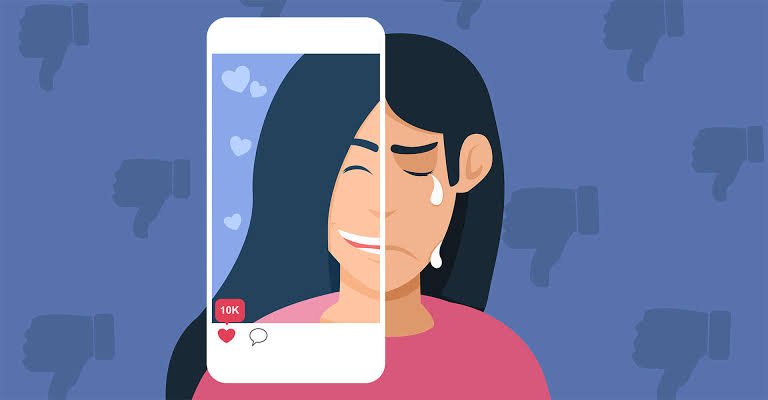
Social media has become one of the most influential psychological environments of modern life. Platforms that allow people to communicate, share photographs, watch short videos, follow news, build communities, and express opinions are now integrated into everyday routines. For many people, checking social media is one of the first activities of the morning and one of the last activities before sleep. This transformation has created an important psychiatric and psychological question: Can social media affect mental health? The answer is not simply yes or no. Digital environments can provide connection, information, entertainment, education, and access to psychological support. At the same time, excessive or problematic use can be associated with loneliness, emotional distress, sleep problems, cyberbullying, unhealthy comparison, and exposure to harmful content. The World Health Organization emphasizes that the relationship between digital technology and mental health is complex and can operate in both directions: psychological difficulties may increase technology use, while problematic digital experiences may also worsen psychological well-being. One of the most discussed psychological mechanisms is social comparison. People naturally compare themselves with others, but social media dramatically increases the number of people available for comparison. Users may see hundreds of carefully selected photographs, achievements, vacations, relationships, physical transformations, and professional successes in a single day. What they see, however, is rarely a complete representation of another person’s life. This creates an important psychological distortion. An individual may compare their ordinary life with another person’s most carefully selected moments. Someone might see photographs of a friend’s successful career, beautiful home, attractive appearance, or happy relationship without seeing the person’s financial difficulties, arguments, insecurities, failures, or ordinary days. Repeated exposure to these idealized representations can produce the feeling that one’s own life is inadequate. Self-esteem can therefore become connected to online feedback. Likes, comments, views, followers, and shares can function as forms of social evaluation. When positive feedback is received, a person may experience temporary satisfaction. When a post receives little attention, the individual may interpret the lack of engagement as rejection. Over time, external digital feedback can become an important source of self-worth. This is particularly significant during adolescence. Young people are still developing their identities and are highly sensitive to acceptance and rejection. The need to belong is a fundamental psychological need, and online environments can intensify social evaluation because approval and criticism may be visible to large numbers of people. Recent research continues to examine these relationships. A 2026 systematic review and meta-analysis found an association between social media use and loneliness among adolescents and young adults, although the researchers emphasize that the relationship is complex rather than a simple cause-and-effect process. Loneliness is especially interesting because social media appears to provide connection while sometimes being associated with feeling disconnected. A person may communicate with dozens of people online and still lack meaningful emotional intimacy. Digital interaction can therefore create the appearance of social connection without necessarily satisfying deeper psychological needs. The type of use matters. Active communication—talking with friends, participating in communities, sharing meaningful experiences—may have different psychological effects from passive scrolling. Passive consumption can involve watching other people’s lives without meaningful interaction. Research increasingly suggests that the psychological consequences depend not only on how much time someone spends online but also on what they do during that time and how they experience it. Another important issue is problematic social media use. This is different from simply using social media frequently. A person may spend considerable time online without experiencing significant psychological problems. Problematic use involves difficulty controlling the behavior and continuing to use platforms despite negative consequences. A person may intend to check social media for five minutes and remain online for an hour. They may repeatedly return to an application while studying, working, eating, or attempting to sleep. They may become restless when unable to access the platform. Such patterns can interfere with daily functioning. Sleep is one of the most important areas affected by excessive digital engagement. People may stay awake late watching short videos, responding to messages, or scrolling through content. Notifications can also interrupt sleep. Reduced sleep can then contribute to irritability, poor concentration, emotional instability, and anxiety. This creates a psychological cycle. A person feels stressed, uses social media for distraction, stays online late, sleeps poorly, becomes more emotionally vulnerable the following day, and then uses social media again to escape unpleasant feelings. The technology may therefore become part of a broader pattern of emotional regulation. Social media can also expose individuals to cyberbullying. Unlike traditional bullying, online harassment can continue beyond school or the workplace and may reach the victim at home. Harmful comments, humiliating photographs, threats, exclusion, and repeated messages can create significant psychological distress. For young people, online environments can also expose them to unrealistic standards of physical appearance. Highly edited photographs, filters, cosmetic procedures, and carefully constructed images can influence perceptions of what a “normal” body or face should look like. Some individuals become increasingly dissatisfied with their appearance as a result. This does not mean that every person who uses social media will develop depression, anxiety, or low self-esteem. Individual vulnerability is extremely important. Existing mental health difficulties, family relationships, offline social support, personality, age, gender, socioeconomic conditions, and the type of online experiences all influence outcomes. WHO specifically notes that the effects of digital technology are not uniform and that vulnerable young people may experience greater negative effects. Social media can also have positive psychological effects. People who feel isolated because of geography, disability, social stigma, or unusual interests may find communities online that they cannot easily access offline. Digital platforms can help individuals maintain relationships across distance and find people with similar experiences. For someone experiencing loneliness, an online community can sometimes provide genuine emotional support. People may share experiences, exchange practical advice, and discover that they are not alone. Mental health information and professional resources can also become more accessible through digital platforms. The problem therefore is not technology itself. The psychological question is how technology is used and what function it serves in a person’s life. Social