


Anxiety is one of the most common psychological experiences in human life. Almost everyone experiences some degree of fear, worry, or nervousness at different moments. A person may feel anxious before an examination, an important conversation, a medical appointment, a public presentation, or an uncertain event. In moderate amounts, anxiety can be useful because it prepares the individual to recognize danger and respond to challenges. However, when anxiety becomes persistent, excessive, or disconnected from actual danger, it can significantly influence the way a person thinks, feels, remembers, and behaves. Anxiety is not simply an emotion. It involves a complex interaction between the brain, body, attention, memory, and interpretation of events. When a person becomes anxious, the brain begins to prioritize possible threats. Attention may become concentrated on negative information, while neutral or positive information receives less attention. This process can change how everyday situations are interpreted. One of the most noticeable cognitive effects of anxiety is excessive worry. Worry involves repetitive thinking about possible future problems. A person may repeatedly imagine what could go wrong, what others might think, or what consequences a mistake could produce. The problem is not simply having these thoughts once. The difficulty develops when the mind repeatedly returns to the same possibilities without reaching a useful solution. Anxious thinking often involves catastrophizing. A relatively small problem may be interpreted as the beginning of a much larger disaster. For example, making one mistake at work may lead someone to think that they will lose their job, disappoint everyone, and ultimately become unsuccessful. The mind moves quickly from one possibility to the worst imaginable outcome. Another common feature is intolerance of uncertainty. People naturally prefer predictable situations, but individuals with high anxiety may experience uncertainty as especially uncomfortable. They may repeatedly seek reassurance, check information, ask others for confirmation, or attempt to control every possible outcome. Unfortunately, complete certainty is impossible, so these behaviors can create a continuous cycle of anxiety. Anxiety can also affect memory. When the brain is occupied with worry, fewer cognitive resources remain available for other information. A student may study for hours while thinking about failure and later discover that they remember less than expected. Similarly, an anxious person may forget details of a conversation because their attention was focused on how they were being perceived. Attention itself becomes more selective during anxiety. Threat-related information tends to attract attention quickly. A person worried about health may notice every bodily sensation, while someone afraid of social rejection may immediately notice a friend’s neutral facial expression or delayed response to a message. The same environment can therefore be experienced very differently depending on the person’s anxiety. Anxiety can influence interpretation of other people’s behavior. A neutral event may be perceived as negative. If someone does not respond immediately to a message, an anxious individual may assume that the person is angry or no longer interested. In reality, there may be countless unrelated explanations. Anxiety encourages the brain to fill uncertainty with threat-related interpretations. The body also participates in anxious thinking. Increased heart rate, muscle tension, sweating, rapid breathing, dizziness, and stomach discomfort can become additional sources of fear. A person may notice a racing heart and interpret it as evidence that something is seriously wrong, which increases anxiety and produces even stronger physical symptoms. This creates a feedback loop between thoughts, physical sensations, and emotions. A frightening thought produces bodily arousal; bodily arousal is interpreted as danger; the interpretation produces more fear; and the cycle continues. Understanding this relationship is important in psychological treatment. Sleep is another major factor. Persistent anxiety can make it difficult to fall asleep because the mind remains active at night. Poor sleep then reduces emotional regulation and concentration the following day, making anxious thoughts more difficult to manage. In this way, anxiety and sleep problems can reinforce one another. Anxiety can also affect decision-making. Some individuals become excessively cautious and avoid decisions because they fear making the wrong choice. Others repeatedly change decisions after making them because they continue imagining alternative outcomes. Although careful consideration can be useful, excessive analysis can prevent action. Avoidance is one of the strongest factors maintaining anxiety. When a person avoids a feared situation, anxiety usually decreases temporarily. This relief teaches the brain that avoidance was protective. The next time a similar situation appears, the person may experience even stronger anxiety. Over time, the range of avoided situations can expand. For example, someone who fears public speaking may avoid one presentation. Later, they may avoid meetings, classroom discussions, interviews, and eventually professional opportunities. The problem is not that the person lacks ability; rather, anxiety has gradually restricted their behavioral world. Anxiety can also influence self-perception. Individuals may begin to define themselves through their fears: “I am an anxious person,” “I cannot handle pressure,” or “I am bad at social situations.” Such beliefs can become self-reinforcing. When people expect themselves to fail, they may avoid experiences that could provide evidence of competence. Despite these difficulties, anxiety is not always harmful. A certain level of anxiety can increase attention, motivation, preparation, and awareness of potential risks. Before an important examination, moderate anxiety may encourage studying. Before a presentation, it may motivate preparation. The psychological problem develops when anxiety becomes excessive compared with the actual demands of the situation. Psychological treatment often focuses on changing the relationship between anxiety and thinking. Cognitive-behavioral therapy helps individuals identify automatic thoughts, examine evidence, recognize cognitive distortions, and develop more balanced interpretations. Exposure-based approaches can gradually reduce avoidance by allowing individuals to experience feared situations without relying on escape behaviors. Mindfulness can also help. Instead of immediately accepting every anxious thought as a fact, individuals learn to observe thoughts as mental events. The thought “Something terrible will happen” can be recognized as an anxious prediction rather than objective evidence. Medication may be appropriate for some individuals with clinically significant anxiety disorders. Antidepressants such as SSRIs and SNRIs are commonly used for several anxiety disorders, while other medications may be considered in specific circumstances. Medication
What Makes Bipolar Disorder So Complex?
Bipolar disorder is one of the most complex psychiatric illnesses because it affects far more than mood alone. It is characterized by recurrent episodes of depression, mania, hypomania, or mixed states that alter emotional regulation, cognition, behavior, sleep, energy, motivation, and perception. Rather than representing simple fluctuations between happiness and sadness, bipolar disorder reflects a disruption in the brain’s ability to maintain emotional stability. Modern psychiatry recognizes it as a chronic neuropsychiatric condition involving genetic vulnerability, altered neural connectivity, circadian rhythm disturbances, and dysregulation of multiple neurotransmitter systems. Historically, bipolar disorder was known as manic-depressive illness. Although the terminology has changed, the central concept remains the same. The disorder involves pathological shifts between different mood states. However, these shifts are not always dramatic or predictable. Some individuals experience prolonged depressive episodes with only occasional hypomania. Others develop severe mania requiring hospitalization. Still others experience mixed episodes in which symptoms of depression and mania occur simultaneously. This variability contributes to the diagnostic complexity of the disorder. Depressive episodes often resemble major depressive disorder. Individuals experience persistent sadness, loss of interest, reduced energy, impaired concentration, hopelessness, guilt, changes in appetite, sleep disturbance, and, in severe cases, suicidal ideation. Because depression is frequently the first manifestation of bipolar disorder, many patients are initially diagnosed with unipolar depression. The underlying bipolar illness may remain undetected for years until a manic or hypomanic episode emerges. Mania represents the defining feature of bipolar disorder. It involves an abnormally elevated, expansive, or irritable mood accompanied by increased energy and goal-directed activity. Sleep requirements decrease dramatically. Some individuals function on only two or three hours of sleep while reporting no fatigue. Speech becomes rapid and difficult to interrupt. Thoughts accelerate. Attention shifts quickly from one idea to another. Confidence may increase to unrealistic levels, sometimes progressing into grandiose delusions. Risk-taking behaviors become common. Impulsive spending, reckless driving, substance misuse, and inappropriate sexual behavior may occur despite serious consequences. Not every manic episode appears euphoric. Many patients become predominantly irritable. Minor frustrations provoke disproportionate anger. Arguments become frequent. Impulsivity increases. Family relationships often deteriorate because the individual no longer recognizes the impact of their behavior on others. Hypomania resembles mania but occurs with lower intensity. Psychotic symptoms are absent. Daily functioning remains relatively preserved. Some individuals even describe hypomania as a period of exceptional productivity, creativity, or confidence. Because hypomania may feel pleasant rather than distressing, many patients fail to report it during psychiatric evaluation. This contributes significantly to delayed diagnosis. Mixed episodes illustrate the complexity of mood regulation. Patients may simultaneously experience hopelessness, guilt, suicidal thoughts, racing thoughts, agitation, insomnia, and increased energy. This combination represents one of the highest-risk clinical presentations because individuals possess both the despair associated with depression and the energy characteristic of mania. The biological basis of bipolar disorder extends beyond individual neurotransmitters. Earlier theories focused primarily on serotonin or dopamine deficiencies. Current neuroscience emphasizes abnormalities within large-scale neural networks regulating emotional processing, executive function, reward sensitivity, and circadian timing. Functional neuroimaging consistently demonstrates altered communication among the prefrontal cortex, amygdala, anterior cingulate cortex, hippocampus, and other limbic structures. These regions collectively regulate emotional stability. Disruption within these networks contributes to mood instability. Circadian rhythms play an especially important role. The brain relies upon internal biological clocks to regulate sleep, hormone secretion, body temperature, metabolism, and emotional function. Many individuals with bipolar disorder exhibit abnormalities in these rhythms. Sleep disruption often precedes manic episodes by several days. Reduced need for sleep is therefore not merely a symptom. It may actively contribute to mood destabilization. Maintaining regular sleep schedules has become an important component of long-term management. Genetics strongly influence bipolar disorder. Family and twin studies consistently demonstrate substantial heritability. However, inheritance is polygenic rather than deterministic. Multiple genes interact with developmental experiences, environmental stress, sleep patterns, substance use, and other biological factors. Possessing genetic vulnerability increases risk but does not guarantee illness. Environmental stressors frequently influence episode onset. Major life changes, interpersonal conflict, bereavement, occupational stress, sleep deprivation, childbirth, and psychoactive substances may trigger episodes in susceptible individuals. These events do not cause bipolar disorder independently. Instead, they interact with existing biological vulnerability. Cognition changes significantly across mood episodes. During depression, thinking becomes slow and pessimistic. Memory and concentration deteriorate. Decision-making becomes difficult. During mania, thinking accelerates but often loses organization. Ideas emerge rapidly, yet critical evaluation declines. Attention becomes easily distracted. Judgment weakens despite increased confidence. Even during periods of mood stability, some patients experience subtle impairments in executive functioning, verbal memory, or cognitive flexibility. Psychotic symptoms may occur during severe episodes. In mania, delusions commonly involve grandiosity, exceptional abilities, wealth, fame, or special missions. During depressive episodes, psychotic beliefs often revolve around guilt, worthlessness, punishment, or catastrophic illness. Hallucinations may also occur, although they are less common than mood-congruent delusions. Differential diagnosis remains challenging. Bipolar disorder shares symptoms with major depressive disorder, attention-deficit/hyperactivity disorder, borderline personality disorder, schizoaffective disorder, substance-induced mood disorders, and certain neurological conditions. Accurate diagnosis therefore requires careful longitudinal assessment rather than reliance upon a single clinical interview. Treatment aims not only to control acute episodes but also to prevent recurrence. Mood stabilizers remain the cornerstone of pharmacological management. Certain atypical antipsychotic medications also demonstrate effectiveness during acute mania and bipolar depression. Antidepressants require particular caution because, in some individuals, they may precipitate mania or accelerate mood cycling if prescribed without adequate mood stabilization. Psychotherapy complements pharmacological treatment. Psychoeducation helps patients recognize early warning signs of relapse. Cognitive-behavioral interventions improve coping strategies. Interpersonal and social rhythm therapy emphasizes stable daily routines, especially consistent sleep and activity patterns. Family-focused therapy improves communication and reduces interpersonal stress that may contribute to relapse. Recovery should not be understood as the permanent disappearance of symptoms. Instead, modern psychiatry views bipolar disorder as a lifelong condition requiring ongoing management. Many individuals achieve excellent occupational, academic, and interpersonal functioning when episodes are recognized early and treatment remains consistent. Adherence to medication, regular psychiatric follow-up, healthy sleep habits, avoidance of recreational drugs, and strong social
A Quote…
Back then, my goals were different. My priorities, my feelings, my thoughts—everything was different. Sometimes I wonder, when did I change this much? Perhaps there are darker sides to this transformation, but strangely enough, I am deeply happy with the person I have become. I realize now that, somehow, I made it. Something happened—perhaps something very small, almost insignificant—and that tiny thing touched my life like a magic wand. After those little reasons, I began again. I began to live, to truly experience life, to keep going. Then I started to understand that falling alone was not enough to make me rise again. I had to reach the very bottom. I had to lose every last bit of hope. All my goals had to fall apart, one by one. And most importantly, I had to forget myself completely. Only then could I begin again…
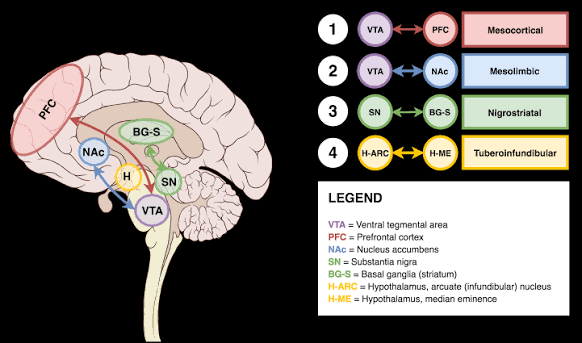
How Do Antipsychotic Medications Work in the Treatment of Mental Disorders?
Antipsychotic medications are an important part of modern psychiatric treatment and are primarily used for conditions involving psychosis, such as schizophrenia and schizoaffective disorder. They may also be prescribed in bipolar disorder, severe mood disorders, and some other psychiatric conditions. Psychosis can affect a person’s perception of reality, thinking, emotions, and behavior. Hallucinations, delusions, disorganized thinking, and severe behavioral changes may make everyday functioning extremely difficult. Antipsychotic medications aim to reduce these symptoms and help individuals regain stability. The term “antipsychotic” describes a broad group of medications rather than a single type of drug. Different antipsychotics affect the brain in different ways, although most influence dopamine signaling. Dopamine is a neurotransmitter involved in motivation, movement, learning, reward, and the processing of important or significant information. Excessive dopamine activity in particular brain pathways is believed to contribute to some psychotic symptoms. Traditional or first-generation antipsychotics include medications such as haloperidol and chlorpromazine. These medications primarily block dopamine D2 receptors. By reducing excessive dopamine signaling, they can decrease hallucinations, delusions, agitation, and other positive symptoms of psychosis. However, dopamine also plays an important role in movement, so blocking it too strongly can produce movement-related side effects. Second-generation, or atypical, antipsychotics include medications such as risperidone, olanzapine, quetiapine, and clozapine. These medications generally affect both dopamine and serotonin systems. Their broader receptor activity may provide benefits for different symptom patterns, although each medication has its own advantages and risks. Psychotic symptoms can be divided into several categories. Positive symptoms include hallucinations, delusions, and disorganized speech or behavior. These symptoms represent experiences or behaviors that are added to ordinary functioning. Antipsychotic medications are generally most effective for reducing these symptoms. Negative symptoms are different. They may include reduced motivation, social withdrawal, diminished emotional expression, reduced speech, and loss of interest. These symptoms can be particularly difficult to treat and may contribute significantly to long-term disability. Although some antipsychotics may help certain negative symptoms, medication alone does not always produce complete improvement. Cognitive symptoms can also occur. Individuals may experience difficulties with attention, working memory, planning, or processing information. These problems can affect education, employment, relationships, and independent living. Treatment of cognitive symptoms remains an important challenge in psychiatric research. Antipsychotic medications do not necessarily eliminate psychotic symptoms immediately. Some effects, such as reduction of severe agitation, may become noticeable relatively quickly, while improvement in hallucinations and delusions can take longer. Continued treatment may be necessary to achieve and maintain stability. One of the most important principles of antipsychotic treatment is relapse prevention. Psychotic disorders can involve repeated episodes, and each relapse can disrupt relationships, education, employment, and independent functioning. For people who benefit from antipsychotic medication, continuing treatment as prescribed can significantly reduce the likelihood of future episodes. Some patients stop medication because they feel better. This can create a difficult situation because improvement may be evidence that the treatment is working. If medication is stopped without medical supervision, psychotic symptoms may gradually return. For this reason, decisions about reducing or discontinuing treatment should be made with a psychiatrist. Side effects vary considerably among antipsychotics. Some can cause sleepiness, increased appetite, weight gain, metabolic changes, movement disorders, dizziness, or hormonal changes. Others may be more likely to cause restlessness or movement-related problems. Because the side-effect profiles differ, psychiatrists select medications according to the individual’s symptoms, medical history, and treatment needs. One particularly important medication is clozapine. It can be highly effective for treatment-resistant schizophrenia, especially when other antipsychotics have not produced sufficient improvement. However, clozapine requires specialized monitoring because it can cause serious adverse effects. Regular blood testing and medical supervision are therefore essential. Long-acting injectable antipsychotics provide another treatment option. Instead of taking a tablet every day, some medications can be administered at intervals ranging from several weeks to several months, depending on the specific medication. These formulations can be useful for people who have difficulty remembering daily medication or who prefer a treatment that does not require daily tablets. Psychiatric treatment is not limited to medication. Psychotherapy, family education, social support, rehabilitation, vocational assistance, and structured daily activities can be extremely important. Individuals recovering from psychosis may need help rebuilding confidence, relationships, educational goals, and independent living skills. Family involvement can also improve treatment. Families may notice early changes in sleep, behavior, communication, or suspiciousness before a person recognizes that symptoms are returning. Education about warning signs can help families respond earlier and encourage appropriate professional support. The use of antipsychotics requires careful monitoring because psychiatric treatment involves balancing benefits against potential risks. Clinicians may monitor weight, blood pressure, blood glucose, cholesterol, movement symptoms, and other relevant parameters. Regular follow-up allows treatment to be adjusted when necessary. It is also important to understand that taking an antipsychotic medication does not mean that a person is “dangerous” or permanently disconnected from reality. Psychotic disorders are medical conditions, and many people receiving treatment are able to study, work, maintain relationships, and live independently. Stigma surrounding psychiatric medication can sometimes discourage individuals from seeking or continuing effective treatment. Antipsychotic medications can also be used outside schizophrenia. In bipolar disorder, certain antipsychotics are effective in treating acute mania and preventing or reducing particular mood episodes. Some are also used as additional treatment for severe depression when standard antidepressant treatment has not been sufficient. The choice of medication depends on the specific psychiatric diagnosis and individual circumstances. A psychiatrist may consider previous treatment response, current symptoms, side effects, other medications, physical health, lifestyle, and the patient’s preferences. There is no universally “best” antipsychotic for every person. In conclusion, antipsychotic medications play a central role in the treatment of psychotic disorders and several other psychiatric conditions. By influencing neurotransmitter systems, particularly dopamine pathways, they can reduce hallucinations, delusions, disorganized thinking, and other severe symptoms. Their benefits must be balanced against possible side effects, making professional monitoring essential. Medication is often most effective when combined with psychotherapy, family support, rehabilitation, and social interventions. Modern psychiatric care therefore views antipsychotic medication not as a cure by itself, but as one important component of a
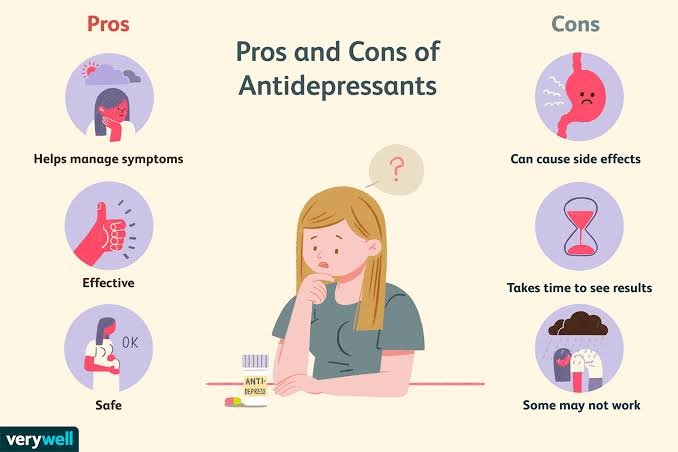
How Do Antidepressants Affect the Brain and Mood?
Antidepressants are among the most widely used medications in psychiatry and are prescribed primarily for depressive disorders, but they are also used in several anxiety disorders, obsessive-compulsive disorder, panic disorder, post-traumatic stress disorder, and other psychiatric conditions. Their purpose is not simply to make a person feel happier. Rather, antidepressants influence biological processes involved in mood regulation, anxiety, emotional processing, sleep, motivation, and stress responses. Understanding how these medications work is important because their effects are often more complex and gradual than patients initially expect. Depression itself is a complex disorder with biological, psychological, and social components. It cannot be explained simply by having “too little serotonin.” Genetic vulnerability, chronic stress, trauma, inflammation, sleep disruption, brain-network activity, hormonal factors, personality, and life circumstances may all contribute. Antidepressants interact with some of these biological systems, but they do not address every cause of depression. This is why medication is often combined with psychotherapy and other forms of support. One of the most commonly prescribed groups is the selective serotonin reuptake inhibitors, usually called SSRIs. Examples include sertraline, fluoxetine, escitalopram, and paroxetine. These medications increase the availability of serotonin in certain areas of the brain by reducing its reuptake between nerve cells. Serotonin is involved in many functions, including mood, anxiety, sleep, appetite, and emotional regulation. However, the biological action of an SSRI begins much sooner than its full clinical effect. Changes in serotonin transmission occur relatively quickly, while noticeable improvement in depression or anxiety often develops over several weeks. This delay suggests that antidepressant treatment involves more than simply increasing the amount of a neurotransmitter. Longer-term changes in receptors, neural circuits, gene expression, and neuroplasticity may contribute to therapeutic effects. Another major group is the serotonin-norepinephrine reuptake inhibitors, or SNRIs. Medications such as venlafaxine and duloxetine affect both serotonin and norepinephrine systems. Norepinephrine is involved in attention, alertness, motivation, and responses to stress. Because of their effects on several neurotransmitter systems, SNRIs can be useful for depression and certain anxiety disorders, and some are also used for particular pain conditions. Older antidepressants include tricyclic antidepressants such as amitriptyline and clomipramine. These medications can be highly effective, but they affect several neurotransmitter systems and therefore tend to produce more side effects than many newer antidepressants. Depending on the specific medication, side effects may include dry mouth, constipation, dizziness, sedation, changes in heart rhythm, or other effects. For this reason, clinicians carefully consider individual medical circumstances before prescribing them. Another medication is mirtazapine, which has a distinctive pharmacological profile. It affects several receptor systems and can have sedating effects, particularly at lower doses. Because sleep and appetite may be severely disrupted in some depressed patients, clinicians may consider the medication’s effects on these symptoms when selecting treatment. However, increased appetite and weight gain can occur in some people. Bupropion is another antidepressant with a different mechanism. It primarily influences norepinephrine and dopamine systems rather than acting as a conventional serotonin reuptake inhibitor. It is sometimes selected when particular symptoms or side-effect concerns make another antidepressant less suitable. Like all psychiatric medications, it has its own contraindications and potential adverse effects. Antidepressants can produce side effects, especially during the first days or weeks of treatment. Depending on the medication, individuals may experience nausea, headache, dizziness, changes in sleep, sweating, gastrointestinal symptoms, sexual difficulties, or changes in appetite. Not everyone experiences these effects, and some become less noticeable as the body adjusts. One important issue is that side effects can appear before therapeutic benefits. A person may experience nausea or increased anxiety shortly after starting a medication while still feeling depressed. This can create the impression that the medication is making the condition worse or that it will never work. For this reason, early follow-up with the prescribing clinician is important. Antidepressants also do not work equally well for everyone. One person may experience substantial improvement with a particular medication, while another may experience little benefit or unacceptable side effects. Differences in genetics, metabolism, diagnosis, symptom pattern, other medications, medical conditions, and previous treatment history can influence the response. Treatment therefore often involves a process of individualization. A psychiatrist considers the person’s symptoms, previous medication response, other health conditions, potential side effects, interactions, age, and treatment preferences. If the first medication is not effective enough, the clinician may adjust the dose, switch to another medication, or consider another treatment strategy. Antidepressants are sometimes misunderstood as medications that artificially create happiness. This is not their purpose. A successful treatment generally aims to reduce pathological symptoms so that a person can regain normal emotional functioning. The goal is not to eliminate ordinary sadness, disappointment, or other normal emotions. Another important question concerns dependence. Traditional antidepressants are not considered addictive in the same way as substances that produce compulsive drug-seeking and intoxication. However, some antidepressants can produce discontinuation symptoms if they are stopped suddenly after regular use. These may include dizziness, nausea, sleep disturbances, irritability, anxiety, or unusual sensory sensations. Therefore, medication should generally be reduced under medical guidance rather than stopped abruptly. Antidepressants can also be prescribed for people who do not primarily have depression. SSRIs and SNRIs are commonly used in anxiety disorders because they can reduce excessive fear, worry, panic, and physiological arousal over time. They may also be used for obsessive-compulsive disorder, where treatment often requires adequate doses and a longer period before improvement becomes clear. In some psychiatric conditions, antidepressants require particular caution. For example, a person with bipolar disorder may experience mood destabilization if an antidepressant is used without appropriate mood-stabilizing treatment. This is one reason accurate diagnosis is essential before beginning psychiatric medication. Medication is also only one part of psychiatric treatment. Psychotherapy can help patients identify unhelpful thought patterns, develop coping strategies, improve relationships, process difficult experiences, and build healthier behaviors. Medication may reduce symptom intensity, while psychotherapy can help address psychological and interpersonal factors that maintain distress. The relationship between medication and lifestyle is also important. Regular sleep, physical activity, social connection, balanced nutrition, and reduction of chronic stress can support recovery. These factors do not replace prescribed
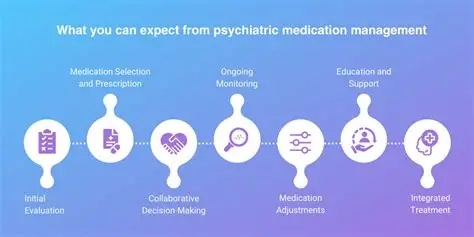
Why Do Psychiatric Medications Require Time to Show Their Effects?
Psychiatric medications are among the most commonly prescribed treatments for mental health conditions such as depression, anxiety disorders, bipolar disorder, schizophrenia, obsessive-compulsive disorder, and attention-deficit/hyperactivity disorder. Many patients begin treatment expecting immediate relief, especially when emotional suffering is intense. When improvement does not occur within a few days, they may become discouraged and wonder whether the medication is ineffective. Understanding why psychiatric medications often require time to show their effects is an important part of treatment adherence and psychological education. A useful starting point is the distinction between immediate biological action and clinical improvement. Most psychiatric medications begin interacting with brain receptors within hours of the first dose. However, symptom relief usually depends on a series of more gradual changes in brain functioning, neural communication, stress regulation, and behavior. Therefore, the medication may be active in the body long before the patient notices meaningful psychological improvement. Antidepressants and delayed improvement Antidepressants, particularly selective serotonin reuptake inhibitors (SSRIs) and related medications, provide a clear example of delayed therapeutic effects. These medications alter the availability of neurotransmitters such as serotonin relatively quickly, yet many patients require several weeks before experiencing substantial improvement in mood, anxiety, sleep, or motivation. Researchers believe that the delay occurs because recovery involves more than increasing a neurotransmitter. Repeated medication exposure appears to influence receptor sensitivity, neural network activity, stress-response systems, and processes related to brain plasticity. Emotional patterns that have developed over months or years also take time to change. As mood gradually improves, patients often become more active, sleep better, reconnect socially, and engage in rewarding activities, which further contributes to recovery. Anxiety treatment and the adjustment period When antidepressants are prescribed for anxiety disorders, patients sometimes notice temporary side effects such as restlessness, increased anxiety, nausea, or sleep changes during the first days or weeks. This early adjustment period can be confusing because the medication is intended to reduce anxiety. Clinicians often explain that initial side effects do not necessarily predict long-term response and that anxiety reduction commonly emerges more gradually. Antipsychotic medications Antipsychotic medications used for schizophrenia and related conditions may show some effects on agitation, severe distress, or sleep relatively quickly, but improvement in hallucinations, delusions, disorganized thinking, and social functioning usually develops over a longer period. Cognitive recovery and restoration of daily functioning may continue for months after acute symptoms begin to improve. Mood stabilizers Mood stabilizers used in bipolar disorder also differ in onset. Some medications can reduce acute mania relatively rapidly, whereas prevention of future mood episodes requires sustained treatment over time. The goal is not only symptom reduction in the present moment but also stabilization of mood across months and years. Individual differences in response Another reason psychiatric medications require time is that people differ biologically. Genetics, age, liver metabolism, kidney function, other medical conditions, sleep patterns, substance use, stress levels, and concurrent medications can all influence how quickly a medication reaches an effective level and how strongly it affects symptoms. Two individuals taking the same medication and dose may experience improvement at different times. Dose adjustment Treatment often involves gradual dose adjustment. Clinicians may begin with a lower dose to reduce side effects and then increase it slowly. Therapeutic benefit may not become evident until an adequate dose has been maintained for a sufficient duration. Patients sometimes conclude that a medication has failed before an adequate trial has occurred. Psychological expectations Expectations strongly influence treatment experience. Individuals in severe distress naturally hope for rapid relief. When improvement is gradual, they may focus on symptoms that remain rather than noticing small positive changes. Clinicians often encourage patients to observe subtle signs of progress, such as sleeping slightly better, feeling less hopeless, crying less frequently, concentrating somewhat more easily, or participating more in daily activities. The role of psychotherapy Medication is frequently most effective when combined with psychotherapy. Medication may reduce symptom intensity enough for the person to engage more fully in therapy, while therapy helps address thought patterns, behaviors, relationships, trauma, and coping skills that medication alone may not change. Psychological recovery is therefore often a combined biological and behavioral process. Why stopping medication early is risky Because improvement may be delayed, stopping medication prematurely is a common problem. Patients may discontinue treatment after a few days or weeks because they feel no benefit, experience early side effects, or believe they should be able to improve without medication. Abrupt discontinuation can lead to withdrawal-like symptoms, return of the original illness, or mood instability. Decisions about stopping medication should be made collaboratively with the prescribing clinician. Side effects may appear before benefits An important practical issue is that side effects often appear earlier than therapeutic benefits. Dry mouth, nausea, dizziness, sleepiness, appetite changes, or gastrointestinal discomfort may occur within days, whereas mood improvement may take weeks. This timing can create the false impression that the medication causes only harm. Many early side effects diminish as the body adjusts, although persistent or severe effects should be discussed with the clinician. Monitoring during the early phase The first weeks of treatment are particularly important for monitoring. Clinicians assess symptom changes, side effects, safety, sleep, energy, suicidal thoughts, and overall functioning. Follow-up appointments allow dose adjustments, medication changes, and supportive guidance during a period when patients may feel uncertain. Neuroplasticity and recovery Modern neuroscience emphasizes neuroplasticity, the brain’s ability to change its connections and functioning. Chronic depression, anxiety, trauma, or psychosis can affect neural networks involved in emotion, attention, memory, and stress regulation. Psychiatric medications may facilitate conditions that support healthier neural functioning, but such reorganization is gradual rather than instantaneous. Functional recovery takes longer than symptom relief Even after symptoms begin to improve, returning to previous levels of functioning often takes additional time. A person recovering from depression may notice less sadness before motivation, concentration, social engagement, and confidence fully return. Functional recovery is therefore an important treatment goal beyond symptom reduction. Communicating realistic expectations Effective treatment includes realistic education. Patients benefit from knowing approximately when improvement is expected, which symptoms may improve first, which
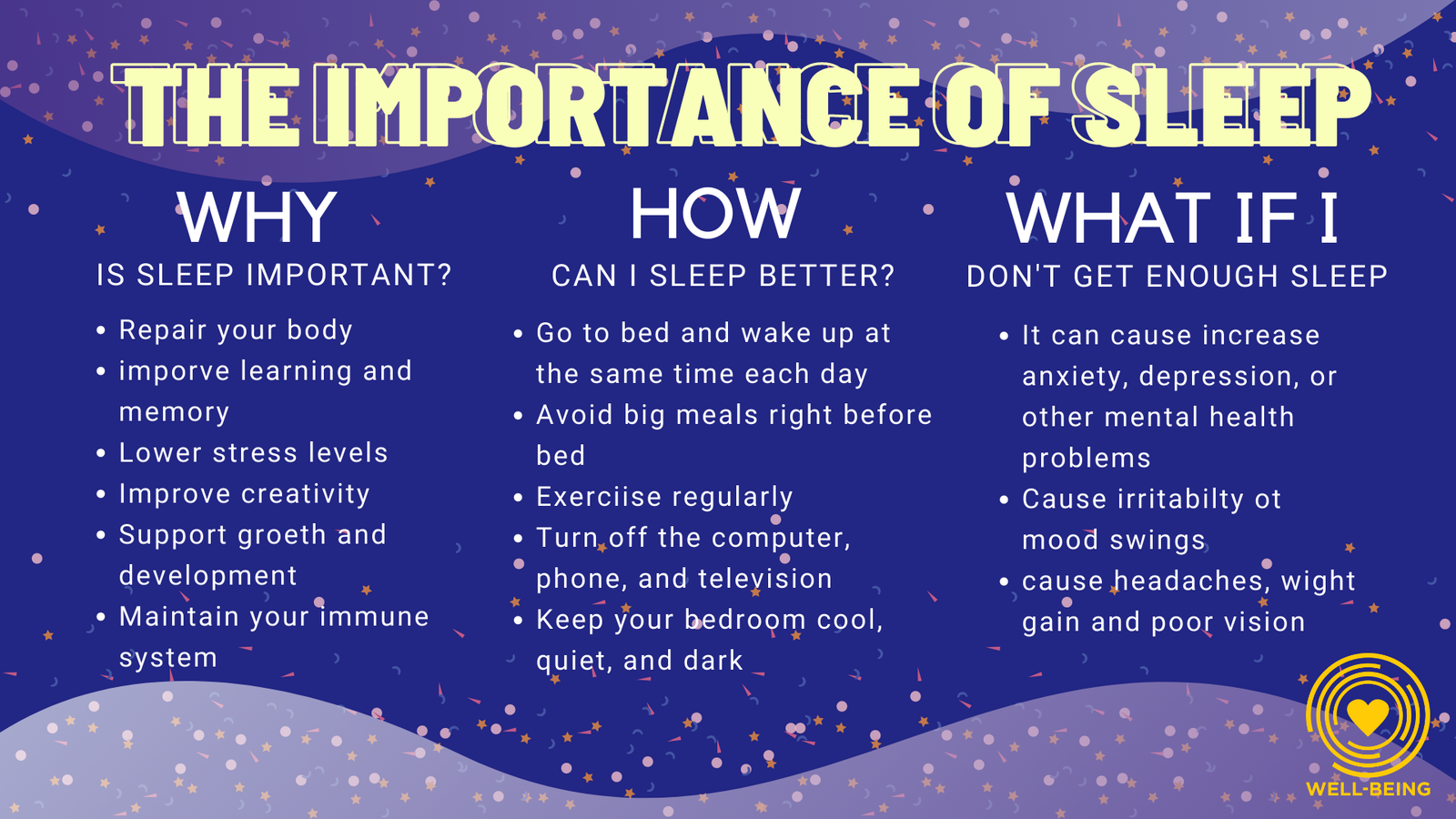
Why Is Sleep So Important in Psychiatry?
Sleep is one of the most basic biological needs of human life, yet it is also one of the most important factors influencing mental health. Psychiatrists often ask detailed questions about sleep because changes in sleep can both reflect and contribute to psychiatric illness. A person who sleeps poorly may develop emotional difficulties, and a person with a psychiatric disorder may begin to sleep poorly. This two-way relationship makes sleep a central topic in psychiatric assessment and treatment. Healthy sleep is not simply a period of inactivity. During sleep, the brain performs essential functions related to memory, learning, emotional processing, stress regulation, and physical restoration. Adequate sleep helps maintain attention, concentration, decision-making, and emotional balance. When sleep is disrupted for days or weeks, many psychological functions begin to suffer. One of the clearest psychiatric effects of sleep deprivation is mood change. People who do not sleep enough often become irritable, emotionally sensitive, impatient, and less able to tolerate frustration. Minor problems may feel overwhelming, and emotional reactions may become stronger than usual. Persistent sleep loss is associated with increased risk of depression and anxiety. Depression frequently affects sleep. Some individuals experience insomnia, difficulty falling asleep, frequent awakening, or early morning awakening. Others sleep excessively yet still feel unrefreshed. Sleep problems are not merely symptoms of depression; they can also predict future depressive episodes and make recovery more difficult if left untreated. Anxiety disorders are also closely linked to sleep disturbance. Worried thoughts often become more active at night when external distractions decrease. People may lie awake thinking about work, health, relationships, finances, or other concerns. Poor sleep then increases anxiety the next day, creating a cycle in which anxiety disrupts sleep and sleep loss increases anxiety. In bipolar disorder, sleep has a particularly important role. Reduced need for sleep can be an early sign of mania or hypomania. A person may sleep only a few hours and still feel unusually energetic. Because sleep changes can signal the beginning of a mood episode, psychiatrists often encourage individuals with bipolar disorder to maintain regular sleep schedules as part of relapse prevention. Psychotic disorders such as schizophrenia are also associated with significant sleep abnormalities. Insomnia may worsen agitation, suspiciousness, hallucinations, and disorganized thinking. Improving sleep can sometimes reduce distress and support overall treatment. Sleep loss affects cognition as well as emotion. Concentration becomes more difficult, memory becomes less efficient, reaction time slows, and judgment may become impaired. Students may struggle academically, and adults may make more errors at work when they are chronically sleep deprived. The relationship between sleep and suicidal thinking has received increasing attention. Persistent insomnia is associated with higher risk of suicidal thoughts and behaviors, even after accounting for other psychiatric symptoms. Asking about sleep is therefore an important part of suicide risk assessment. Modern lifestyles often interfere with healthy sleep. Late-night screen use, irregular schedules, shift work, caffeine, social media, and constant availability through digital devices can delay sleep and reduce sleep quality. Blue light from screens may affect the body’s circadian rhythm, making it harder to fall asleep. Substances also influence sleep. Alcohol may make a person feel sleepy initially but often disrupts sleep later in the night. Stimulants such as caffeine, nicotine, and certain medications can delay sleep onset. Some recreational drugs may temporarily change sleep patterns while worsening overall sleep quality. Psychiatric treatment frequently includes attention to sleep habits. Sleep hygiene refers to behaviors that support healthy sleep, such as maintaining a consistent bedtime and wake time, limiting caffeine late in the day, reducing screen exposure before bed, keeping the bedroom dark and quiet, and using the bed primarily for sleep. Psychotherapy can improve sleep as well. Cognitive-behavioral therapy for insomnia helps individuals change unhelpful beliefs and behaviors related to sleep and is considered an effective treatment for chronic insomnia. Relaxation techniques, mindfulness, and stress-management strategies may also reduce nighttime arousal. Psychiatric medications can affect sleep in different ways. Some medications are sedating and may help with insomnia, while others may cause sleepiness during the day or interfere with sleep in some individuals. Clinicians therefore consider sleep effects when selecting and adjusting medications. An important misconception is that people can permanently adapt to very little sleep without consequences. Many individuals become accustomed to feeling tired and underestimate the extent of their impairment. Objective testing often shows reduced attention and performance even when people believe they are functioning normally. Children and adolescents require even more sleep than adults, and inadequate sleep in young people is associated with irritability, attention problems, learning difficulties, emotional instability, and behavioral problems. Sleep is therefore a major developmental and psychiatric issue across the lifespan. Older adults may experience changes in sleep pattern, but significant insomnia should not automatically be considered a normal part of aging. Medical conditions, medications, mood disorders, anxiety, and lifestyle factors should be evaluated when sleep problems occur. One reason psychiatrists emphasize sleep is that improving sleep can sometimes produce substantial improvement in overall mental health. Better sleep may increase energy, improve concentration, reduce irritability, enhance coping ability, and make psychotherapy and medication treatment more effective. In conclusion, sleep is critically important in psychiatry because it is deeply connected to mood, anxiety, cognition, psychosis, stress regulation, and overall psychological functioning. Sleep problems can be symptoms, causes, warning signs, and maintaining factors of psychiatric disorders. Careful attention to sleep is therefore not a minor detail but a central component of mental health assessment, prevention, and treatment. Protecting sleep is one of the most powerful and accessible ways to support emotional well-being and psychiatric recovery.
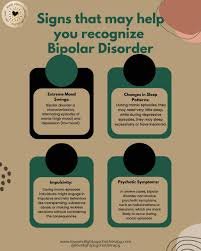
What Makes Bipolar Disorder So Complex?
Bipolar disorder is one of the most complex psychiatric illnesses because it affects far more than mood alone. It is characterized by recurrent episodes of depression, mania, hypomania, or mixed states that alter emotional regulation, cognition, behavior, sleep, energy, motivation, and perception. Rather than representing simple fluctuations between happiness and sadness, bipolar disorder reflects a disruption in the brain’s ability to maintain emotional stability. Modern psychiatry recognizes it as a chronic neuropsychiatric condition involving genetic vulnerability, altered neural connectivity, circadian rhythm disturbances, and dysregulation of multiple neurotransmitter systems. Historically, bipolar disorder was known as manic-depressive illness. Although the terminology has changed, the central concept remains the same. The disorder involves pathological shifts between different mood states. However, these shifts are not always dramatic or predictable. Some individuals experience prolonged depressive episodes with only occasional hypomania. Others develop severe mania requiring hospitalization. Still others experience mixed episodes in which symptoms of depression and mania occur simultaneously. This variability contributes to the diagnostic complexity of the disorder. Depressive episodes often resemble major depressive disorder. Individuals experience persistent sadness, loss of interest, reduced energy, impaired concentration, hopelessness, guilt, changes in appetite, sleep disturbance, and, in severe cases, suicidal ideation. Because depression is frequently the first manifestation of bipolar disorder, many patients are initially diagnosed with unipolar depression. The underlying bipolar illness may remain undetected for years until a manic or hypomanic episode emerges. Mania represents the defining feature of bipolar disorder. It involves an abnormally elevated, expansive, or irritable mood accompanied by increased energy and goal-directed activity. Sleep requirements decrease dramatically. Some individuals function on only two or three hours of sleep while reporting no fatigue. Speech becomes rapid and difficult to interrupt. Thoughts accelerate. Attention shifts quickly from one idea to another. Confidence may increase to unrealistic levels, sometimes progressing into grandiose delusions. Risk-taking behaviors become common. Impulsive spending, reckless driving, substance misuse, and inappropriate sexual behavior may occur despite serious consequences. Not every manic episode appears euphoric. Many patients become predominantly irritable. Minor frustrations provoke disproportionate anger. Arguments become frequent. Impulsivity increases. Family relationships often deteriorate because the individual no longer recognizes the impact of their behavior on others. Hypomania resembles mania but occurs with lower intensity. Psychotic symptoms are absent. Daily functioning remains relatively preserved. Some individuals even describe hypomania as a period of exceptional productivity, creativity, or confidence. Because hypomania may feel pleasant rather than distressing, many patients fail to report it during psychiatric evaluation. This contributes significantly to delayed diagnosis. Mixed episodes illustrate the complexity of mood regulation. Patients may simultaneously experience hopelessness, guilt, suicidal thoughts, racing thoughts, agitation, insomnia, and increased energy. This combination represents one of the highest-risk clinical presentations because individuals possess both the despair associated with depression and the energy characteristic of mania. The biological basis of bipolar disorder extends beyond individual neurotransmitters. Earlier theories focused primarily on serotonin or dopamine deficiencies. Current neuroscience emphasizes abnormalities within large-scale neural networks regulating emotional processing, executive function, reward sensitivity, and circadian timing. Functional neuroimaging consistently demonstrates altered communication among the prefrontal cortex, amygdala, anterior cingulate cortex, hippocampus, and other limbic structures. These regions collectively regulate emotional stability. Disruption within these networks contributes to mood instability. Circadian rhythms play an especially important role. The brain relies upon internal biological clocks to regulate sleep, hormone secretion, body temperature, metabolism, and emotional function. Many individuals with bipolar disorder exhibit abnormalities in these rhythms. Sleep disruption often precedes manic episodes by several days. Reduced need for sleep is therefore not merely a symptom. It may actively contribute to mood destabilization. Maintaining regular sleep schedules has become an important component of long-term management. Genetics strongly influence bipolar disorder. Family and twin studies consistently demonstrate substantial heritability. However, inheritance is polygenic rather than deterministic. Multiple genes interact with developmental experiences, environmental stress, sleep patterns, substance use, and other biological factors. Possessing genetic vulnerability increases risk but does not guarantee illness. Environmental stressors frequently influence episode onset. Major life changes, interpersonal conflict, bereavement, occupational stress, sleep deprivation, childbirth, and psychoactive substances may trigger episodes in susceptible individuals. These events do not cause bipolar disorder independently. Instead, they interact with existing biological vulnerability. Cognition changes significantly across mood episodes. During depression, thinking becomes slow and pessimistic. Memory and concentration deteriorate. Decision-making becomes difficult. During mania, thinking accelerates but often loses organization. Ideas emerge rapidly, yet critical evaluation declines. Attention becomes easily distracted. Judgment weakens despite increased confidence. Even during periods of mood stability, some patients experience subtle impairments in executive functioning, verbal memory, or cognitive flexibility. Psychotic symptoms may occur during severe episodes. In mania, delusions commonly involve grandiosity, exceptional abilities, wealth, fame, or special missions. During depressive episodes, psychotic beliefs often revolve around guilt, worthlessness, punishment, or catastrophic illness. Hallucinations may also occur, although they are less common than mood-congruent delusions. Differential diagnosis remains challenging. Bipolar disorder shares symptoms with major depressive disorder, attention-deficit/hyperactivity disorder, borderline personality disorder, schizoaffective disorder, substance-induced mood disorders, and certain neurological conditions. Accurate diagnosis therefore requires careful longitudinal assessment rather than reliance upon a single clinical interview. Treatment aims not only to control acute episodes but also to prevent recurrence. Mood stabilizers remain the cornerstone of pharmacological management. Certain atypical antipsychotic medications also demonstrate effectiveness during acute mania and bipolar depression. Antidepressants require particular caution because, in some individuals, they may precipitate mania or accelerate mood cycling if prescribed without adequate mood stabilization. Psychotherapy complements pharmacological treatment. Psychoeducation helps patients recognize early warning signs of relapse. Cognitive-behavioral interventions improve coping strategies. Interpersonal and social rhythm therapy emphasizes stable daily routines, especially consistent sleep and activity patterns. Family-focused therapy improves communication and reduces interpersonal stress that may contribute to relapse. Recovery should not be understood as the permanent disappearance of symptoms. Instead, modern psychiatry views bipolar disorder as a lifelong condition requiring ongoing management. Many individuals achieve excellent occupational, academic, and interpersonal functioning when episodes are recognized early and treatment remains consistent. Adherence to medication, regular psychiatric follow-up, healthy sleep habits, avoidance of recreational drugs, and strong social
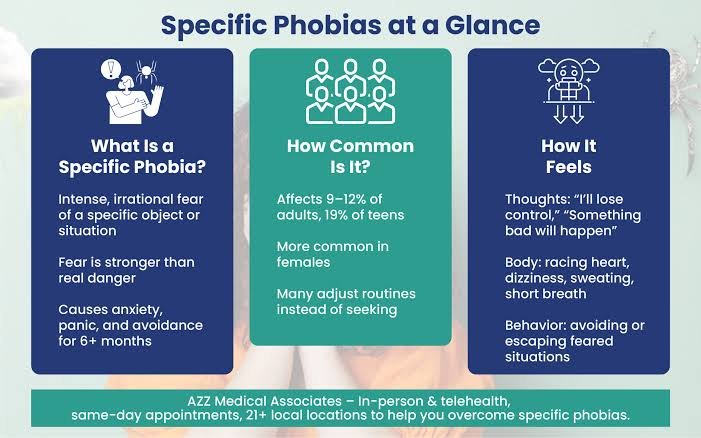
Why Do Phobias Feel So Real?
A phobia is far more than an ordinary fear. Nearly everyone experiences fear when confronted with genuine danger, but individuals with phobias develop intense anxiety in response to situations or objects that pose little or no objective threat. A harmless spider, a crowded elevator, an airplane, a needle, or even an open public space may provoke overwhelming panic. Despite recognizing that their fear is excessive, many individuals remain unable to control it. This apparent contradiction has made phobias one of the most fascinating subjects in psychiatry and neuroscience: why does the brain continue producing powerful fear even when logic clearly indicates safety? For many years, phobias were viewed primarily as learned emotional reactions. Although learning remains important, modern neuroscience demonstrates that phobias emerge through complex interactions among genetics, brain development, emotional regulation, memory, attention, and evolutionary survival mechanisms. Fear itself is not pathological. It is an adaptive biological response that has protected humans throughout evolution. Without fear, survival would have been impossible. The challenge arises when this protective system begins responding to harmless situations as though they represent life-threatening danger. The amygdala plays a central role in this process. Rather than functioning simply as a “fear center,” the amygdala continuously evaluates the emotional significance of incoming information. Its primary task is rapid threat detection. Importantly, the amygdala responds before conscious reasoning has fully evaluated the situation. This explains why individuals often experience fear before they have time to think logically. The emotional reaction precedes conscious interpretation. Evolution favored this arrangement because reacting too quickly occasionally was safer than reacting too slowly during genuine danger. Ordinarily, higher cortical regions gradually evaluate the situation. The prefrontal cortex compares current circumstances with previous experience, contextual information, and objective evidence. If no genuine danger exists, inhibitory signals reduce physiological arousal. In phobias, this regulatory process becomes less effective. The alarm system activates with extraordinary intensity, while corrective cognitive mechanisms struggle to reduce the response. As a result, the body behaves as though survival is immediately threatened. Heart rate accelerates. Breathing becomes rapid. Muscles tense. Sweating increases. Attention narrows. These physiological reactions are entirely real. Only the source of perceived danger differs from objective reality. Classical conditioning provides one explanation for phobia development. A frightening experience occurring in the presence of a neutral object may permanently associate that object with danger. A child bitten by a dog may later fear all dogs. A frightening experience during turbulence may contribute to fear of flying. However, many individuals develop phobias without remembering any traumatic event. This observation demonstrates that conditioning alone cannot explain every case. Observational learning also contributes. Children frequently acquire fears by watching caregivers. Repeated exposure to anxious parental reactions may teach the developing brain that certain situations deserve fear despite the absence of direct personal danger. Language further amplifies learning. Stories, media reports, warnings, and cultural beliefs all influence threat perception. The brain learns not only through personal experience but also through observation and communication. Evolutionary psychology offers another intriguing perspective. Some phobias develop far more easily than others. Fear of snakes, spiders, heights, darkness, or confined spaces occurs across many cultures. In contrast, people rarely develop equally intense phobias of electrical outlets, automobiles, or household appliances despite their greater objective danger. Researchers propose that the human brain evolved biological preparedness for threats commonly encountered throughout evolutionary history. Ancient dangers continue receiving preferential attention despite dramatic environmental change. Memory strongly influences phobic reactions. Emotional memories associated with fear become consolidated efficiently. Once established, these memories reactivate rapidly whenever similar situations arise. Importantly, each avoidance behavior prevents the brain from learning that the feared object is actually safe. Avoidance therefore maintains the disorder. The individual experiences temporary relief after escaping the feared situation. This relief reinforces future avoidance. Over time, fear gradually expands. A person avoiding one elevator may eventually avoid all elevators. One uncomfortable experience becomes generalized across increasingly broad situations. Attention becomes progressively biased toward detecting possible danger. Individuals with phobias continuously monitor the environment for feared stimuli. This hypervigilance increases the probability of noticing relevant cues while simultaneously reducing awareness of safety. The brain therefore receives disproportionate evidence supporting fear. Neutral experiences receive less attention. Threat-related information dominates conscious awareness. Predictive processing models have significantly advanced understanding of phobias. The brain continuously predicts future events before sensory information arrives. These predictions influence perception itself. Individuals with phobias begin anticipating danger long before encountering the feared object. The body prepares defensively in advance. Consequently, physiological symptoms often begin before objective exposure occurs. The individual interprets increased heart rate, dizziness, or muscular tension as evidence confirming danger. In reality, these bodily sensations result from anticipatory prediction rather than external threat. Interoception contributes another important mechanism. The brain constantly interprets signals originating within the body. Small physiological changes become amplified during anxiety. Normal increases in heart rate may appear alarming. Minor dizziness becomes interpreted catastrophically. This process creates reciprocal interaction. Fear produces bodily sensations. Those sensations increase fear. Greater fear intensifies physiological activation. The cycle reinforces itself. Not all phobias involve the same psychological mechanisms. Specific phobias usually involve clearly identifiable objects or situations. Social anxiety disorder centers upon fear of negative evaluation by others. Agoraphobia involves fear of situations in which escape or assistance might be difficult during panic-like symptoms. Although these disorders share common neurobiological features, each possesses distinctive cognitive patterns requiring individualized clinical understanding. Genetic influences also contribute significantly. Family studies demonstrate increased vulnerability among biological relatives. However, inheritance does not determine specific phobia content. Genes influence general sensitivity to fear, anxiety regulation, emotional learning, and stress responsiveness. Environmental experience shapes how these biological predispositions become expressed. Neuroimaging studies reveal altered communication among the amygdala, hippocampus, insular cortex, anterior cingulate cortex, and prefrontal regions. Rather than isolated abnormalities, phobias appear to involve dysregulated emotional networks. The amygdala detects threat rapidly. The hippocampus contributes contextual memory. The insula monitors bodily sensations. Executive regions evaluate evidence and regulate emotional responses. Successful treatment often strengthens communication among these systems rather than eliminating fear entirely.
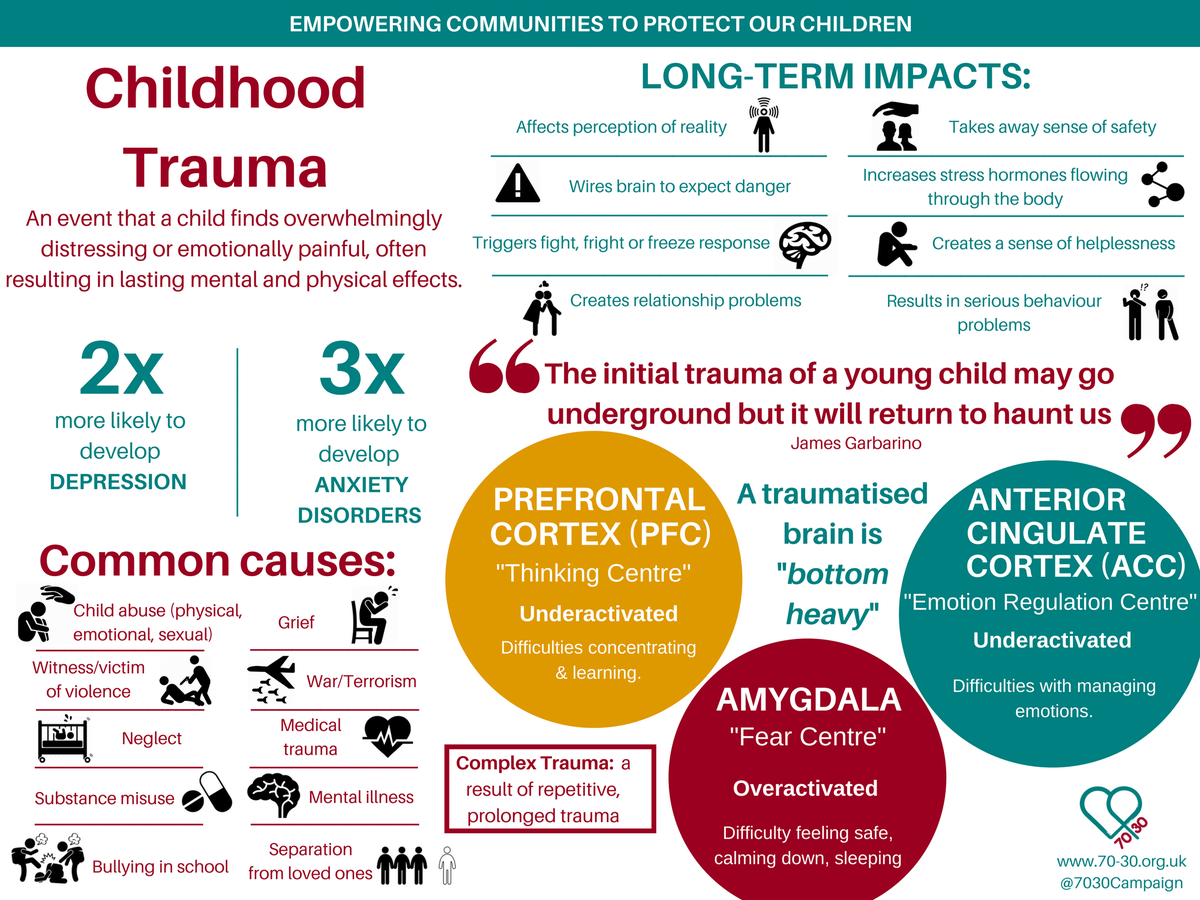
Why Do Childhood Traumas Last?
Childhood trauma is among the most extensively studied yet profoundly complex subjects in modern psychiatry. Unlike ordinary stressful experiences, psychological trauma occurring during childhood develops while the brain itself is still forming. During this period, neural circuits responsible for emotional regulation, memory, language, social cognition, stress adaptation, and self-identity remain highly plastic. Consequently, traumatic experiences do not simply become memories stored in the brain. They may actively influence the biological architecture through which future experiences are interpreted. This raises one of developmental psychopathology’s most important questions: why do childhood traumas continue affecting mental health decades after the original events have ended? For many years, trauma was understood primarily as an emotional wound. Contemporary neuroscience has expanded this perspective considerably. Childhood trauma represents not only a psychological experience but also a developmental event capable of influencing brain maturation, neuroendocrine regulation, immune function, cognitive development, and interpersonal attachment. The effects are therefore multidimensional. No single symptom defines childhood trauma. Instead, trauma may alter multiple psychological systems simultaneously. The developing brain differs fundamentally from the mature adult brain. During childhood, billions of neural connections are continuously strengthened, eliminated, and reorganized according to experience. This process allows extraordinary learning and adaptation. However, it also increases vulnerability. Repeated exposure to fear, unpredictability, neglect, abuse, or chronic emotional insecurity may influence which neural pathways become reinforced and which gradually weaken. The brain adapts to the environment in which it develops. When that environment is consistently threatening, survival becomes the primary developmental priority. From an evolutionary perspective, this adaptation is logical. A child growing up within dangerous circumstances benefits from heightened vigilance. Detecting subtle signs of anger, rejection, or violence may improve survival. The nervous system therefore becomes increasingly sensitive to potential threats. Attention shifts toward danger. Stress responses activate rapidly. Emotional regulation prioritizes protection over exploration. These adaptations may be highly effective during childhood. The difficulty emerges when the same biological strategies persist into adulthood after the environment has changed. The individual continues responding to ordinary situations as though danger remains imminent. One of the central biological systems involved is the hypothalamic-pituitary-adrenal axis. This neuroendocrine network regulates stress hormones throughout the body. Acute activation prepares the organism for immediate survival. Heart rate increases. Blood glucose rises. Attention narrows. Reaction time improves. Following resolution of danger, hormone levels ordinarily return to baseline. Chronic childhood trauma repeatedly activates this system. Over time, its regulation may become altered. Some individuals develop exaggerated stress responses. Others eventually demonstrate reduced physiological responsiveness following prolonged exposure. Both patterns reflect adaptation rather than simple dysfunction. Attachment theory provides another essential framework. Human infants depend upon caregivers not only for physical survival but also for emotional regulation. Before children can regulate their own emotions, caregivers perform this function externally. Consistent comfort teaches the developing nervous system that distress can be reduced safely. Unpredictable or frightening caregiving interferes with this learning. Instead of associating relationships with safety, children may associate intimacy with uncertainty, fear, or rejection. These early attachment patterns often influence interpersonal relationships throughout adult life. Importantly, attachment patterns are not permanent destinies. They represent developmental adaptations capable of changing through corrective relationships and therapeutic intervention. Memory develops differently under traumatic conditions. Ordinary autobiographical memories gradually become integrated into coherent life narratives. Traumatic experiences frequently resist this integration. Instead of being remembered as completed events located in the past, traumatic memories may remain fragmented into sensory impressions, bodily sensations, emotional reactions, or isolated images. Years later, seemingly harmless reminders may reactivate these fragments with remarkable intensity. The individual experiences emotions belonging to childhood while remaining physically present in adulthood. This phenomenon contributes significantly to post-traumatic symptoms. The amygdala plays an important role in threat detection throughout development. Repeated exposure to chronic stress may increase its sensitivity. Consequently, ambiguous situations become interpreted as potentially dangerous. Minor interpersonal conflict may evoke intense fear. Unexpected noises produce exaggerated startle responses. Neutral facial expressions appear threatening. These reactions often occur automatically before conscious reasoning has fully developed. Meanwhile, regions of the prefrontal cortex responsible for executive regulation continue maturing into early adulthood. Early adversity may influence communication between emotional and regulatory systems. The result is not simply stronger emotions but reduced capacity to modulate them effectively. This imbalance contributes to emotional dysregulation observed across numerous psychiatric disorders associated with childhood trauma. Identity formation also becomes profoundly affected. Children gradually develop beliefs regarding themselves through repeated interactions with caregivers and the surrounding environment. Consistent acceptance encourages secure self-concepts. Repeated criticism, neglect, humiliation, or abuse may gradually become incorporated into identity. Children rarely conclude that caregivers are fundamentally wrong. Instead, they often conclude that they themselves are fundamentally defective. These beliefs may persist for decades despite overwhelming contradictory evidence. Shame therefore becomes one of childhood trauma’s most enduring psychological consequences. Trauma influences cognition as well. Attention becomes biased toward detecting possible danger. Working memory may become overloaded by persistent vigilance. Decision-making increasingly prioritizes immediate safety rather than long-term goals. Learning becomes organized around avoiding harm. These cognitive adaptations often prove advantageous within threatening environments. Outside those environments, however, they may interfere with education, employment, relationships, and emotional well-being. Developmental psychopathology increasingly emphasizes cumulative rather than isolated adversity. Repeated emotional neglect, chronic criticism, domestic violence, bullying, parental mental illness, substance misuse within the family, or persistent insecurity may produce significant psychological effects even without catastrophic single events. Trauma therefore exists along a continuum. Severity depends not only upon the event itself but also upon developmental timing, duration, predictability, available support, genetic vulnerability, and opportunities for recovery. One particularly important concept is complex trauma. Unlike single-event trauma, complex trauma develops through prolonged interpersonal adversity during childhood. The resulting psychological profile often extends beyond fear alone. Individuals may experience chronic emotional dysregulation, unstable relationships, identity disturbance, persistent shame, dissociation, difficulties trusting others, and altered self-perception. Modern psychiatry increasingly recognizes complex trauma as distinct from traditional post-traumatic stress presentations. Epigenetic research has introduced another fascinating perspective. Traumatic experiences may influence patterns of gene expression without altering DNA sequences themselves. Environmental stress interacts continuously