

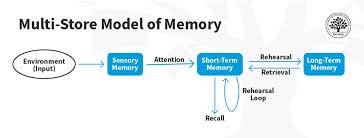
Which invisible structure shapes every decision we make, colors every emotion we feel, and quietly determines the stories we tell about ourselves? Memory is not merely a storage system for past events; it is the architecture of identity. Without memory, there is no continuity, no sense of growth, no narrative thread connecting childhood to adulthood. Yet we live in an era paradoxically saturated with information and threatened by forgetfulness. We record everything, archive endlessly, and rely on devices to remember for us. In doing so, we risk altering the very function and meaning of human memory. Memory is not a passive container. It is dynamic, interpretive, and selective. Neuroscience suggests that recalling an event does not retrieve a perfectly preserved file; instead, the brain reconstructs the experience, reshaping it subtly each time it is remembered. Emotion influences which details remain vivid and which fade. Trauma can sharpen certain images while erasing context. Joy can transform ordinary moments into treasured milestones. Memory, therefore, is not objective history but living interpretation. In earlier centuries, memory served as a crucial survival tool. Before written language became widespread, oral traditions preserved culture, law, and history. Communities relied on collective memory to transmit knowledge across generations. Stories were repeated, refined, and ritualized. Forgetting was not merely inconvenient; it threatened continuity. The capacity to remember names, routes, medicinal plants, and alliances had tangible consequences. The invention of writing transformed this relationship. Information could now exist outside the human mind. Libraries became repositories of collective memory. Over time, the burden on individual recall lessened. The digital revolution accelerated this shift dramatically. Today, search engines function as external memory systems. Photographs automatically store daily experiences. Contacts lists replace memorized phone numbers. Cloud storage preserves conversations, documents, and images indefinitely. This technological support appears beneficial. Cognitive resources once devoted to memorization can be redirected toward analysis and creativity. However, dependence on external memory raises subtle questions. When facts are instantly retrievable, motivation to internalize them may diminish. The effort required to remember strengthens neural connections; ease of access can weaken that process. The brain adapts to its environment. If remembering becomes unnecessary, will memory itself change? Research on “digital amnesia” suggests that individuals are less likely to remember information they believe is stored elsewhere. The knowledge that data is accessible online reduces the impulse to encode it deeply. This does not indicate declining intelligence but shifting cognitive strategy. We remember how to find information rather than the information itself. The mind becomes a navigator rather than a warehouse. Yet memory’s significance extends beyond data retention. It shapes emotional resilience. Personal narratives influence self-perception. A person who remembers overcoming hardship may develop confidence. Someone who fixates on failure may internalize limitation. Therapy often involves reframing memory—reinterpreting past events to reduce shame or fear. The stories we tell ourselves about our experiences determine how we move forward. Cultural memory operates on a larger scale. Nations construct identities through shared remembrance of triumphs and tragedies. Monuments, holidays, and textbooks reinforce collective narratives. Disputes over history are rarely about facts alone; they concern identity and power. Which events are emphasized? Which are minimized? Forgetting can be as politically potent as remembering. Erased histories marginalize communities. Selective memory shapes public consciousness. In a fast-paced digital environment, cultural memory faces new challenges. News cycles move rapidly. Outrage surges and fades within days. Complex issues are reduced to headlines. The constant influx of information compresses attention spans. Significant events risk being overshadowed before their implications are fully understood. Archiving does not guarantee reflection. Data abundance can paradoxically produce historical amnesia. Personal memory, too, becomes fragmented. Social media platforms encourage documentation of highlight moments—vacations, celebrations, achievements. These curated archives may distort perception of one’s own life. Difficult periods, unless publicly shared, recede from visible memory. Over time, scrolling through polished images can create an illusion of uninterrupted happiness. The contrast between documented joy and lived complexity may foster dissatisfaction. At the same time, digital records preserve voices previously excluded from official archives. Marginalized communities can document experiences directly, bypassing traditional gatekeepers. Online testimonies, blogs, and videos contribute to a more diverse historical record. Memory becomes democratized, though also vulnerable to manipulation and misinformation. The permanence of digital footprints complicates the notion of forgetting. Past statements can resurface years later, detached from context. Forgetting itself plays a vital role in mental health. The brain naturally filters information to prevent overload. Painful memories may soften over time, allowing healing. Total recall would be overwhelming. Individuals with certain rare conditions who remember nearly every detail of their lives often describe the experience as burdensome. Selective forgetting enables adaptation. It allows individuals to prioritize present needs over past minutiae. Sleep contributes significantly to memory consolidation. During rest, the brain organizes experiences, transferring them from short-term to long-term storage. Chronic sleep deprivation impairs this process. Modern lifestyles characterized by late-night screen exposure and irregular schedules may disrupt natural rhythms. Thus, the culture of constant availability indirectly influences memory formation. Protecting cognitive health requires respecting biological limits. Education systems increasingly emphasize critical thinking over rote memorization. This shift acknowledges that information is accessible, but interpretation remains uniquely human. Nevertheless, foundational knowledge still matters. Creativity often emerges from connecting stored concepts in novel ways. A well-stocked internal memory provides raw material for insight. Balancing memorization with analysis becomes essential. Aging introduces further complexity. Memory decline is often feared as an inevitable loss of self. Conditions such as dementia highlight the profound connection between memory and identity. When recollection fades, relationships shift. Families grieve not only physical changes but altered recognition. Yet aging does not uniformly erase memory. Emotional memory can remain strong even when factual recall weakens. Music, scents, and familiar environments can evoke powerful responses long after names are forgotten. The ethics of memory technology present emerging dilemmas. Advances in neuroscience explore the possibility of enhancing or even altering memory. Pharmacological interventions might reduce traumatic recall. Brain-computer interfaces could one day augment storage capacity. While such innovations offer therapeutic promise, they raise

When Silence Speaks Louder Than Words
What becomes of a person when silence grows louder than noise, when the glow of screens replaces the warmth of conversation, and when days blur together in a rhythm dictated by notifications rather than necessity? The modern human experience is defined not only by speed and innovation but also by a quiet transformation unfolding beneath the surface of everyday life. We inhabit an age in which connection is constant, yet loneliness is common; information is limitless, yet clarity is rare. Beneath the dazzling architecture of technology and the relentless tempo of productivity lies a fundamental question about who we are becoming. The digital era promised efficiency, accessibility, and empowerment. In many ways, it has delivered. Communication across continents now occurs in seconds. Education, once confined to physical classrooms and privileged institutions, can be accessed from a handheld device. Businesses are born in bedrooms and scaled globally. Creativity finds platforms without gatekeepers. These advances have reshaped society in profound and often positive ways. Yet progress rarely arrives without trade-offs. As our tools have grown more powerful, our relationship with time, attention, and even identity has grown more complex. Attention has become the most contested resource of the twenty-first century. Corporations design platforms to capture and sustain it. Algorithms learn our preferences, subtly guiding what we see and how long we see it. The human mind, once accustomed to slower rhythms, now navigates a constant stream of stimuli. This shift alters not only behavior but cognition. Deep focus becomes more difficult. Reflection competes with reaction. The capacity to sit with a single thought without interruption feels increasingly rare. When every spare moment can be filled with scrolling, the art of being present erodes quietly. Loneliness, paradoxically, flourishes in hyperconnected environments. Social media offers glimpses into curated lives, often polished and filtered. Comparison becomes automatic. Success appears universal; struggle seems private. The result is a subtle pressure to perform happiness rather than experience it. Individuals may accumulate hundreds of digital connections while lacking a handful of meaningful conversations. The metrics of likes and followers provide momentary validation, yet they cannot substitute for the reassurance of eye contact or the empathy carried in a human voice. The transformation of work further complicates this landscape. Remote employment and gig economies provide flexibility, yet they also blur boundaries between professional and personal life. The home, once a refuge from occupational demands, doubles as an office. Emails arrive at midnight. Productivity becomes measurable in constant output rather than thoughtful contribution. The pursuit of efficiency sometimes overshadows the value of rest. Burnout emerges not as a dramatic collapse but as a gradual depletion of enthusiasm and energy. Despite these challenges, it would be simplistic to portray the digital age as purely corrosive. Technology also amplifies solidarity and awareness. Social movements organize rapidly, exposing injustices that might once have remained hidden. Communities form around shared interests, offering support across geographic divides. Individuals who felt isolated in physical environments can discover belonging in virtual spaces. The same networks that fragment attention can also mobilize compassion and collective action. Education exemplifies this duality. Online platforms democratize knowledge, granting access to lectures, courses, and libraries once limited by cost or geography. A student in a remote village can learn programming, philosophy, or astrophysics through digital resources. Yet the abundance of information introduces new challenges: distinguishing credible sources from misinformation, cultivating critical thinking in an environment saturated with opinion, and maintaining discipline without structured oversight. Learning becomes both more accessible and more self-directed. Identity, too, evolves under digital influence. Profiles, avatars, and curated feeds allow individuals to experiment with self-presentation. This fluidity can empower self-expression, particularly for those exploring aspects of identity that might feel constrained offline. However, it also introduces fragmentation. The difference between the online persona and the offline self can widen, creating tension. When identity becomes a brand to manage, authenticity risks becoming another performance. Mental health conversations have gained visibility in recent years, partly due to digital platforms. Discussions once stigmatized are now shared openly. People speak about anxiety, depression, and trauma with unprecedented candor. This transparency reduces isolation and encourages support-seeking behavior. Simultaneously, constant exposure to distressing news and comparison-driven environments can exacerbate emotional strain. The digital ecosystem becomes both a source of solace and a trigger for vulnerability. The environmental impact of technological expansion often escapes everyday awareness. Data centers consume vast amounts of energy. Devices are manufactured, discarded, and replaced at accelerating rates. Convenience carries ecological cost. As societies pursue innovation, they must reconcile progress with sustainability. The challenge lies not in rejecting technology but in designing and consuming it responsibly. Ethical considerations extend beyond user experience to planetary well-being. Cultural shifts accompany these technological transformations. Traditional markers of adulthood—stable careers, home ownership, long-term employment—evolve in uncertain economic climates. Younger generations navigate fluid career paths and redefine success. Experience may be valued over possession; flexibility over permanence. Yet economic precarity complicates optimism. Aspirations coexist with anxiety about affordability and stability. Societal narratives about achievement are rewritten in real time. Family dynamics also adapt. Generational gaps in digital literacy influence communication patterns. Parents attempt to regulate screen time while modeling their own dependence on devices. Children grow up fluent in technologies that did not exist a decade earlier. Dinner tables compete with notifications. At the same time, video calls bridge distances between relatives separated by migration or circumstance. Grandparents witness milestones in real time through screens. Technology fragments and connects families simultaneously. Language itself evolves under digital pressure. Abbreviations, emojis, and memes compress complex emotions into quick symbols. Communication becomes faster, yet nuance may diminish. Tone is easily misinterpreted without facial expression or vocal inflection. Conflicts escalate in comment sections where anonymity lowers inhibition. Still, creativity flourishes in these new linguistic forms. Humor, satire, and cultural commentary travel rapidly, shaping collective consciousness. The concept of privacy has undergone profound redefinition. Personal data fuels advertising models and personalized experiences. Many users trade information for convenience without fully grasping the implications. Surveillance, both corporate and governmental, raises ethical

When Did Silence Become So Uncomfortable?
There was a time when silence was ordinary. It existed between conversations, during walks, before sleep, in early mornings. It was not labeled or analyzed. It simply was. Today, however, silence often feels heavy. A room without background noise becomes awkward. A phone without notifications feels suspicious. A conversation with pauses feels tense. Many people rush to fill quiet moments with scrolling, music, podcasts, or small talk. The absence of sound begins to resemble the presence of something unsettling. This discomfort with silence is not accidental. It reflects deeper shifts in attention, emotional tolerance, and the modern relationship with the self. Silence removes distraction. When external noise fades, internal noise becomes audible. Thoughts that were previously muted by activity rise to the surface. Unfinished conversations replay. Regrets resurface. Worries about the future expand. Questions that have been postponed begin to demand attention. Without stimulation, the mind turns inward. For some, this inward turn feels threatening. The human brain is naturally active. Even at rest, it engages in what neuroscientists call the “default mode network,” a system associated with self-reflection, memory, and future planning. When external tasks decrease, this network becomes more active. In small doses, this internal reflection supports creativity and insight. In excess, especially in individuals prone to anxiety or rumination, it can spiral into overthinking. Modern life intensifies this pattern. Continuous digital stimulation trains attention to expect constant input. Short videos, rapid notifications, and multitasking fragment focus. Over time, tolerance for stillness decreases. The brain becomes accustomed to dopamine spikes triggered by novelty. Silence offers no immediate reward. Compared to the fast rhythm of digital interaction, it feels empty. Emotional avoidance also contributes to discomfort. Many individuals use noise as a buffer against feelings. A podcast during a commute prevents self-reflection. Music during chores prevents awareness of exhaustion. Television before bed prevents confrontation with loneliness. These habits are not inherently harmful, but when used consistently to avoid internal experience, silence becomes associated with vulnerability. Childhood environments shape this relationship as well. In homes where silence preceded conflict, tension, or unpredictability, quiet moments may trigger anxiety. The body learns to associate stillness with anticipation of something negative. Even in safe adult environments, the nervous system may react to silence with unease. There is also a social component. In conversation, silence can feel like evaluation. People worry that pauses signal boredom, disagreement, or awkwardness. Rather than allowing space for thought, they rush to fill gaps. Yet meaningful dialogue often requires pauses. Silence allows processing, emotional regulation, and depth. Without it, conversations remain superficial. Interestingly, creativity thrives in silence. Many writers, artists, and thinkers describe their best ideas emerging during quiet moments—walking alone, sitting without interruption, waking early before the world becomes noisy. The absence of constant input allows subconscious connections to form. But accessing this creative space requires tolerating initial discomfort. Silence also exposes identity questions. Without distraction, individuals confront who they are beyond roles and productivity. In quiet moments, achievements and responsibilities fade, leaving raw self-awareness. For those who derive worth from constant activity, this exposure can feel destabilizing. If identity is built around doing, being becomes unfamiliar territory. Physiologically, the nervous system needs quiet to regulate. Constant stimulation maintains low-grade stress activation. Silence, when paired with safety, allows the parasympathetic system—the body’s calming mechanism—to engage. Heart rate slows. Muscles relax. Breathing deepens. However, for individuals unaccustomed to this state, the transition may initially feel strange or even uncomfortable. Mindfulness practices intentionally cultivate silence. Meditation, for example, involves sitting without external distraction. Beginners often report agitation. The mind races. The urge to move or check a device intensifies. This reaction illustrates how conditioned the brain has become to stimulation. With practice, however, tolerance increases. Silence gradually transforms from threatening to restorative. Another factor influencing discomfort is unresolved emotion. Grief, anger, shame, or fear that has not been processed often surfaces in quiet environments. Rather than confronting these feelings, people may unconsciously avoid silence altogether. Over time, avoidance strengthens the association between quiet and distress. Cultural values further shape perception. Productivity is frequently prioritized over reflection. Being busy signals importance. Sitting quietly may appear unproductive. As a result, silence becomes undervalued, even though psychological research consistently shows that rest and reflection enhance cognitive performance. Relearning comfort with silence requires gradual exposure. It does not demand immediate withdrawal from all stimulation. Small changes—driving without music once a week, sitting for five minutes without checking a phone, walking without headphones—begin retraining attention. At first, discomfort may arise. With repetition, neutrality replaces anxiety. Journaling can help bridge the gap between silence and insight. When thoughts surface during quiet moments, writing them down externalizes them. This process reduces mental clutter and clarifies patterns. Instead of spiraling internally, reflection becomes structured. Silence within relationships also deserves reconsideration. Comfortable quiet between two people indicates emotional safety. It reflects the absence of pressure to perform. Learning to tolerate shared silence deepens intimacy. It signals that presence alone is enough. Importantly, silence does not mean isolation. It can coexist with connection. A quiet room shared by friends reading separately can feel warm rather than lonely. The difference lies in perception. When silence is chosen rather than imposed, it becomes empowering. There is a distinction between harmful silence and restorative silence. Harmful silence occurs when communication is withheld to punish or control. Restorative silence, in contrast, creates space for thought and regulation. Understanding this distinction prevents misinterpretation. As individuals rebuild their relationship with quiet, they often discover subtle benefits. Emotional reactions become less impulsive. Decision-making feels clearer. Attention span improves. The mind becomes less reactive to minor stimuli. Silence sharpens awareness. Ultimately, discomfort with silence reveals discomfort with unfiltered self-experience. In a world designed to keep attention externally engaged, turning inward feels unfamiliar. Yet within that unfamiliarity lies depth. Silence is not emptiness; it is space. And space allows integration. When noise subsides, the mind settles gradually. Beneath the initial restlessness lies clarity. Beneath clarity lies insight. And within that insight, individuals reconnect with aspects of themselves that

What Happens to a Person When They Live Too Long According to Other People’s Expectations?
There is a quiet exhaustion that does not come from physical labor, lack of sleep, or visible struggle. It comes from performance. It comes from constantly adjusting, editing, softening, sharpening, shrinking, or expanding oneself to fit what others expect. Over time, this performance becomes so automatic that the individual no longer notices it. They simply call it responsibility, maturity, culture, duty, or success. Yet beneath that adaptation, something subtle begins to erode: the sense of an authentic self. Human beings are born dependent. In early childhood, survival depends on attachment. Approval from caregivers is not a luxury; it is a biological necessity. A child quickly learns which behaviors generate warmth and which produce withdrawal. Smiling, achieving, staying quiet, being helpful, not crying too loudly—these patterns are not random. They are strategies for belonging. When belonging feels conditional, authenticity becomes negotiable. As development continues, expectations multiply. Family expectations. Academic expectations. Cultural expectations. Gender expectations. Religious expectations. Social expectations. Each layer adds invisible rules about how one should behave, choose, speak, believe, and even feel. The individual learns to anticipate reactions. They begin to ask, often unconsciously: “How will this be received?” rather than “Is this true for me?” Living according to expectations initially provides structure. It can lead to achievement, stability, and praise. The person who adapts well often becomes high-functioning. They are described as reliable, disciplined, impressive. From the outside, their life appears coherent. From the inside, however, a quiet disconnection may grow. This disconnection begins subtly. It might appear as difficulty making decisions without external validation. It might show up as chronic anxiety when disappointing someone. It might feel like emptiness after achieving goals that were never internally chosen. The person may struggle to identify what they genuinely enjoy because their preferences were shaped around approval rather than curiosity. Psychologically, this pattern is linked to conditional self-worth. When love and acceptance feel earned rather than inherent, the individual becomes hyper-attuned to performance. Mistakes feel catastrophic. Criticism feels threatening. The nervous system remains in a low-grade state of vigilance, scanning for disapproval. Over time, this chronic alertness contributes to burnout and emotional fatigue. One of the most significant consequences of living through expectations is identity diffusion. Without consistent access to personal values and desires, the self becomes fragmented. Different environments evoke different personas. At work, one personality. With family, another. With friends, yet another. Adaptability itself is not unhealthy; it becomes problematic when there is no stable core beneath the adaptation. Emotional suppression often accompanies this lifestyle. If certain feelings were discouraged early on—anger, sadness, ambition, vulnerability—the individual learns to mute them. Suppressed emotions do not disappear; they accumulate. They may resurface as irritability, unexplained sadness, physical tension, or even psychosomatic symptoms. The body often carries what the voice does not express. Resentment can develop quietly. When choices are made primarily to satisfy others, personal sacrifice becomes chronic. At first, sacrifice may feel noble. Over time, however, unacknowledged sacrifice transforms into bitterness. The individual may feel unappreciated or unseen, even if others believe everything is fine. The resentment is not always directed at specific people; sometimes it is directed at oneself for never having set boundaries. Fear plays a central role in maintaining this pattern. Fear of rejection. Fear of conflict. Fear of being misunderstood. Fear of losing belonging. Humans are wired for connection; social exclusion historically meant danger. As a result, the brain often treats social risk as physical risk. Choosing authenticity over approval can trigger anxiety that feels disproportionate to the situation. Interestingly, success achieved through expectation-driven living often feels hollow. A promotion earned to please family may bring applause but not satisfaction. A marriage entered to meet societal timelines may provide security but not intimacy. When achievements do not align with personal values, the internal reward system remains muted. The dopamine spike fades quickly, leaving confusion about why fulfillment is missing. Over time, some individuals reach a crisis point. This crisis may be triggered by burnout, a major life transition, loss, or simply aging. They begin to question the life they constructed. Questions emerge that were previously avoided: “If no one expected anything from me, what would I choose?” “Do I actually believe what I say I believe?” “What do I enjoy when no one is watching?” This questioning phase can be destabilizing. It often involves grief. Grief for years spent performing. Grief for opportunities not taken. Grief for a version of the self that was never fully expressed. Yet this discomfort also marks the beginning of individuation—the psychological process of forming an identity separate from external conditioning. Individuation requires experimentation. Small acts of authenticity gradually rebuild connection to the self. Saying no without elaborate justification. Expressing a differing opinion. Choosing a hobby without productivity value. These actions may feel uncomfortable at first because they disrupt established dynamics. Others may react with surprise or resistance. Change challenges relational equilibrium. Boundaries become essential during this phase. Without boundaries, authenticity collapses under pressure. Setting limits does not mean rejecting relationships; it means redefining them. Healthy relationships adapt to growth. Relationships based solely on compliance often struggle when authenticity increases. Self-compassion is critical. Individuals who lived through expectations often judge themselves harshly for not realizing sooner. They may feel behind, confused, or guilty. Recognizing that adaptation once served a protective purpose reduces shame. It reframes the past not as weakness, but as survival strategy. Therapeutic spaces frequently support this process. Therapy provides a relational environment where authenticity is encouraged rather than evaluated. Over time, experiencing acceptance without performance reshapes internal beliefs about worth. The nervous system learns that belonging does not require constant adjustment. Living beyond expectations does not mean rejecting all structure. Expectations themselves are not inherently harmful. Social norms provide coordination and predictability. The issue arises when external expectations completely override internal values. Balance requires integrating social responsibility with personal truth. One challenge in this integration is tolerating others’ disappointment. Not everyone will approve of new boundaries or altered paths. Learning to survive disapproval without collapsing into

Does Success Truly Bring Happiness, or Is It Just a Beautiful Illusion?
From early childhood, people are taught to chase success. Good grades promise a better future. A prestigious university promises opportunity. A stable career promises security. Wealth promises comfort. Recognition promises validation. Step by step, success is presented as the pathway to happiness. The formula appears simple: achieve more, feel better. Yet many individuals who reach their goals discover something unexpected. The long-imagined satisfaction feels temporary. The joy fades faster than anticipated. A new target immediately replaces the old one. This pattern raises an unsettling question: if success does not permanently satisfy, what exactly are people chasing? Part of the answer lies in how the human brain processes achievement. When someone reaches a goal, the brain releases dopamine, a neurotransmitter associated with motivation and reward. Dopamine creates a surge of pleasure and excitement. However, it is designed to encourage pursuit, not prolonged contentment. Once the goal is achieved, dopamine levels stabilize. The brain then seeks the next objective to stimulate motivation again. This cycle keeps people striving but rarely allows them to rest in fulfillment. This neurological mechanism explains why external achievements often feel less satisfying than expected. A promotion, a new house, public recognition—each brings excitement, but the emotional high diminishes. The mind quickly adapts to improved circumstances. What once seemed extraordinary becomes normal. Psychologists refer to this as hedonic adaptation. Humans rapidly adjust to changes, whether positive or negative. As a result, lasting happiness rarely comes from external gains alone. Society reinforces the idea that success equals worth. Individuals are praised for accomplishments, productivity, and visible milestones. Rarely are they celebrated simply for existing. Over time, identity becomes intertwined with achievement. “I am successful” gradually transforms into “I am my success.” This fusion creates pressure. If achievement defines worth, failure threatens identity. The pursuit of success becomes less about joy and more about validation. Comparison intensifies this dynamic. In a world saturated with social media, people constantly observe others’ accomplishments. Promotions, awards, travel, luxury purchases, fitness transformations—highlights are displayed continuously. Even when someone achieves something meaningful, comparison diminishes satisfaction. Instead of appreciating progress, the mind asks, “Who is ahead of me?” This endless comparison shifts focus from internal growth to external ranking. Another layer of illusion lies in expectation. People often imagine that reaching a certain milestone will resolve deeper emotional struggles. They believe that financial stability will eliminate anxiety, that marriage will cure loneliness, that professional recognition will silence insecurity. While success can improve circumstances, it rarely transforms internal patterns completely. Unresolved fears, self-doubt, or attachment wounds tend to follow individuals into new environments. This does not mean success is meaningless. Achievement can provide opportunities, security, and experiences that enhance life. Financial stability reduces certain stressors. Professional fulfillment can foster purpose. Creative recognition can validate effort. The issue arises when success is treated as the sole source of happiness rather than one component of a balanced life. Purpose differs from achievement. Achievement focuses on outcome; purpose focuses on meaning. A person may achieve impressive milestones yet feel empty if those milestones lack personal significance. Conversely, someone pursuing meaningful work, even without public recognition, may experience deep satisfaction. The difference lies in alignment between actions and values. Values act as an internal compass. When individuals pursue goals aligned with their core beliefs, the journey itself becomes fulfilling. When goals are chosen primarily for external approval, satisfaction remains fragile. Many people chase paths that impress others rather than reflect authentic desire. Only later do they realize that applause cannot substitute for inner peace. Relationships also play a central role in well-being. Research consistently shows that meaningful connections contribute more to long-term happiness than wealth or status alone. A successful career without supportive relationships often feels hollow. Humans are social beings. Emotional intimacy, trust, and shared experiences provide stability that external achievements cannot replicate. There is also a difference between extrinsic and intrinsic motivation. Extrinsic motivation depends on rewards, money, status, or recognition. Intrinsic motivation arises from enjoyment, curiosity, and personal growth. When success is driven primarily by external rewards, fulfillment remains dependent on continued validation. When motivation is intrinsic, satisfaction comes from the activity itself. The fear of losing success can undermine its enjoyment. High achievers often live with constant anxiety about maintaining their position. The higher the status, the greater the perceived fall. Instead of relaxing into accomplishment, they remain alert, afraid of failure. This pressure reduces the emotional benefit of achievement. Interestingly, some individuals experience post-achievement emptiness. After dedicating years to reaching a major goal—completing a degree, building a company, training for a competition—they suddenly feel lost once it is accomplished. The structure and direction that pursuit provided disappear. Without a new aim, identity feels unstable. This phenomenon reveals that striving itself can provide meaning independent of outcome. Mindfulness offers insight into this paradox. When individuals focus entirely on future success, they neglect present experience. Life becomes a sequence of deferred happiness: “I will relax when I finish this project.” “I will be happy when I reach this income.” Yet the present moment is the only time happiness can actually be experienced. If contentment is always postponed, it never fully arrives. Gratitude interrupts hedonic adaptation. Actively appreciating what has already been achieved slows the brain’s tendency to normalize gains. Reflecting on progress fosters contentment. Without gratitude, even extraordinary success becomes invisible. Redefining success can transform its emotional impact. Instead of measuring it solely by income or recognition, it can include health, emotional regulation, supportive relationships, integrity, and personal growth. This broader definition reduces pressure and encourages balance. It is also important to acknowledge that financial and professional stability matter, particularly when basic needs are unmet. Chronic financial stress significantly affects mental health. For individuals struggling with survival concerns, success in terms of stability can indeed increase well-being. The illusion emerges when material abundance is expected to solve existential dissatisfaction. Self-awareness clarifies the relationship between success and happiness. Asking reflective questions helps: Why do I want this goal? What do I believe it will give me emotionally? Is

Why Do People Fear Change Even When They Deeply Desire It?
Change is one of the most desired yet most resisted experiences in human life. People speak constantly about wanting transformation. They want better relationships, more meaningful careers, healthier bodies, calmer minds, financial freedom, emotional balance. They imagine different futures and promise themselves that one day they will take action. Yet when the moment for real change arrives, hesitation appears. Fear grows louder. Doubt interrupts intention. Suddenly the life they once complained about feels safer than the uncertainty ahead. This contradiction is not a sign of weakness or hypocrisy. It reflects the complexity of human psychology. At the core of resistance to change lies a fundamental biological truth: the brain prioritizes survival over fulfillment. Familiarity equals safety. Predictability reduces perceived threat. Even when a situation is uncomfortable, the mind prefers known discomfort over unknown possibility. The nervous system is designed to detect risk quickly. When circumstances shift, even in positive ways, the brain interprets uncertainty as potential danger. Heart rate increases, thoughts accelerate, muscles tense. The body prepares to defend itself. This reaction does not distinguish between a physical threat and a psychological risk like changing jobs or ending a relationship. The internal alarm system activates anyway. Consider someone who feels trapped in a stable but uninspiring career. They fantasize about pursuing a passion, starting a business, or studying something new. For months or years, they imagine freedom. But when a real opportunity arises—an interview, a course enrollment, a resignation letter—their mind floods with catastrophic scenarios. What if it fails? What if I regret it? What if I am not capable enough? The desire for change collides with fear of loss. Loss is central to the fear of change. Even positive transformation requires letting go of something. Changing careers may mean losing financial security. Changing a relationship may mean losing familiarity. Changing habits may mean losing comfort. The brain processes loss more intensely than gain. Psychologists call this loss aversion: the pain of losing something often outweighs the pleasure of gaining something new. Identity also contributes to resistance. People build narratives about who they are over time. These narratives provide coherence and stability. “I am responsible.” “I am cautious.” “I am the reliable one.” “I am not creative.” When change challenges these stories, it threatens the psychological structure that supports self-understanding. Becoming someone new requires dismantling parts of the old self. That process feels destabilizing. There is also a social dimension. Change can disrupt relationships. When someone evolves, not everyone evolves with them. Growth may create distance from friends who prefer familiarity. Assertiveness may unsettle those accustomed to compliance. Ambition may provoke insecurity in others. Because belonging is a core human need, the possibility of social rejection intensifies hesitation. Past experiences amplify caution. If someone previously attempted change and encountered failure, criticism, or disappointment, the memory remains active. The brain uses past pain as predictive data. It assumes similar outcomes in the future. Even if circumstances differ, emotional memory influences present decisions. The body remembers what the mind tries to rationalize away. Perfectionism further complicates transformation. Many people believe that if they cannot execute change flawlessly, they should not attempt it at all. They set unrealistic expectations and then become paralyzed by the fear of imperfection. Instead of viewing change as an evolving process, they treat it as a single irreversible leap. This rigid thinking magnifies risk and suppresses action. Cultural messaging reinforces extremes. Society celebrates dramatic reinventions and overnight success stories. Social media highlights milestones but rarely shows the uncertainty behind them. Observers compare their internal confusion to others’ polished outcomes. They assume everyone else transitions smoothly. This distorted perception increases self-doubt and exaggerates fear. Ironically, people often grow comfortable in dissatisfaction. Complaining about circumstances can become a form of emotional stability. As long as conditions remain unchanged, responsibility remains external. “If only things were different, I would be happier.” Real change shifts responsibility inward. Success or failure becomes personal. That accountability can feel heavier than ongoing discomfort. Control is another factor. Familiar routines provide a sense of predictability. Even if those routines are limiting, they are understandable. Change introduces variables outside immediate control—other people’s reactions, economic conditions, unexpected obstacles. Surrendering certainty, even temporarily, feels risky. Yet within fear there is often excitement. The physiological sensations of anxiety and anticipation are remarkably similar. Rapid heartbeat, alertness, heightened energy. The interpretation determines the emotional experience. If these sensations are labeled as danger, fear dominates. If interpreted as growth, they can fuel courage. Reframing bodily responses shifts perception. Gradual change reduces resistance. When transformation feels overwhelming, breaking it into smaller steps makes it manageable. Instead of a dramatic career shift, someone might begin with skill development or networking. Instead of ending a relationship impulsively, they might begin with honest conversations. Incremental progress builds confidence and rewires beliefs about capability. Self-compassion is essential during this process. Fear often brings self-criticism. People judge themselves for hesitating. They interpret anxiety as weakness. Harsh internal dialogue increases avoidance. Compassion, on the other hand, normalizes fear as part of growth. It creates psychological safety for experimentation. Support systems significantly influence willingness to change. Encouragement from trusted individuals increases resilience. Knowing that failure will not result in abandonment reduces perceived risk. In contrast, environments that punish mistakes reinforce stagnation. Human beings are more courageous when they feel emotionally supported. Another hidden reason people resist change is uncertainty about desire itself. Sometimes individuals are unsure whether they truly want transformation or simply want relief from discomfort. The two are different. Relief seeks escape. Growth seeks development. Clarifying motivation prevents impulsive decisions driven solely by frustration. Timing also becomes an excuse. Many people wait for the “right moment.” They imagine a future version of themselves who feels completely ready and confident. That version rarely appears spontaneously. Readiness often follows action. Confidence grows through experience, not before it. Waiting for fear to disappear before moving guarantees immobility. Reflection helps distinguish intuitive caution from fear-based avoidance. Sometimes hesitation signals misalignment rather than resistance. Asking reflective questions clarifies direction: Am I afraid
Why Do People Fear Change Even When They Want It?
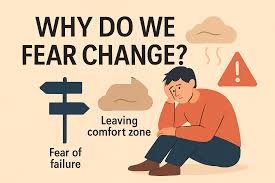
Change is one of the most paradoxical experiences in human life. People complain about routines that exhaust them, relationships that no longer fulfill them, careers that drain their energy, habits that harm their health. They speak about wanting something different, something better, something more aligned with who they are becoming. Yet when the opportunity for change finally appears, fear rises immediately. Doubt interrupts motivation. The familiar, even if uncomfortable, suddenly feels safer than the unknown. This contradiction is not weakness. It is biology, psychology, and identity working together. The human brain is designed to prioritize survival over happiness. Familiarity signals safety. Even if a situation is stressful, predictable stress is less threatening than unpredictable possibility. When routines repeat, the brain conserves energy. Neural pathways strengthen through repetition. Habits become automatic. The unknown, however, requires attention, adaptation, and risk assessment. From an evolutionary perspective, uncertainty could mean danger. So resistance appears. Consider someone who dislikes their job. They wake up tired, feel underappreciated, and imagine a different career. Yet when a new opportunity arises, anxiety spikes. Questions flood in: What if I fail? What if I regret it? What if I am not capable? The old job may be unsatisfying, but it is understood. The expectations are clear. The discomfort is familiar. Leaving it requires stepping into ambiguity, and ambiguity activates threat responses in the nervous system. Identity also plays a powerful role in resistance to change. Over time, people build narratives about who they are. These narratives include personality traits, roles, and capabilities. “I am not someone who takes risks.” “I have always been this way.” “People expect me to be stable.” When change challenges these stories, it destabilizes identity. Even positive transformation can feel like loss because it requires letting go of an older version of oneself. Letting go is rarely comfortable. Growth often involves grieving past identities. When someone decides to become more assertive, they may lose approval from those who benefited from their passivity. When someone pursues a creative passion, they may distance themselves from peers who valued their conventional stability. Change can threaten belonging. Since humans are wired for connection, the possibility of social disruption intensifies fear. Another layer of resistance stems from perfectionism. Many individuals believe that change must be executed flawlessly. If they cannot guarantee success, they hesitate. This all-or-nothing thinking paralyzes action. Instead of viewing change as an experiment, they treat it as a final verdict on their worth. The pressure becomes overwhelming. Past experiences reinforce caution. If previous attempts at change led to disappointment, criticism, or failure, the brain stores those memories as warnings. The next opportunity triggers recall of past pain. Even if circumstances are different, emotional memory remains powerful. The body remembers before the mind analyzes. Interestingly, people often tolerate familiar discomfort longer than unfamiliar possibility. A predictable argument pattern in a relationship may feel exhausting, yet ending the relationship introduces uncertainty about loneliness. Staying feels painful but known. Leaving feels liberating but unpredictable. The mind weighs risks differently than the heart. Cultural messaging complicates the picture. Society celebrates transformation stories—career shifts, dramatic reinventions, bold decisions. Yet the process behind those stories is rarely shown. The uncertainty, self-doubt, and gradual progress remain invisible. Observers see outcomes without witnessing the messy middle. This distorts expectations and increases fear of personal attempts at change. Fear of change is also linked to control. When life follows established routines, individuals feel a sense of predictability. Change introduces variables beyond immediate control. Outcomes depend on external factors, other people’s responses, and unforeseen obstacles. Surrendering control, even partially, can feel destabilizing. At a neurological level, the amygdala—responsible for detecting threats—activates during uncertainty. It does not distinguish between physical danger and social or emotional risk. A new opportunity may trigger the same physiological responses as a tangible threat: increased heart rate, muscle tension, rapid thoughts. The body prepares for defense even when the situation is potentially positive. Yet alongside fear, there is often excitement. The same uncertainty that triggers anxiety can generate anticipation. The body’s stress response overlaps with arousal systems. The difference lies in interpretation. If someone labels their physical activation as danger, fear dominates. If they interpret it as growth, motivation increases. Reframing bodily sensations changes experience. Small, incremental change reduces resistance. Radical shifts overwhelm the nervous system. Gradual exposure allows adaptation. Instead of quitting a job abruptly, someone might begin learning new skills part-time. Instead of transforming an entire lifestyle overnight, they might adjust one habit. Each successful step rewires beliefs about capability. Support systems also influence willingness to change. Encouragement from trusted individuals increases perceived safety. Knowing that failure will not result in rejection lowers stakes. Conversely, environments that punish experimentation reinforce stagnation. Psychological safety is essential for transformation. Self-compassion plays a crucial role. When individuals treat themselves harshly during setbacks, they associate change with shame. Compassion reframes setbacks as part of learning. It reduces the emotional cost of trying. Without self-compassion, fear becomes louder than curiosity. Another hidden factor is comfort in complaining. Remaining in a familiar dissatisfaction provides a sense of moral clarity. “I would be happier if circumstances were different.” Change removes that external blame. It shifts responsibility inward. Success or failure becomes personal. For some, this accountability feels heavier than dissatisfaction. There is also the illusion of timing. Many people delay change waiting for perfect conditions. They imagine a future moment when they will feel fully confident and prepared. That moment rarely arrives. Confidence often follows action, not the reverse. Waiting for fear to disappear before acting ensures stagnation. Importantly, not all resistance is irrational. Sometimes hesitation signals misalignment. Not every opportunity is right. Discernment differs from avoidance. Reflection helps distinguish between intuitive caution and fear-based paralysis. Questions such as “Am I protecting myself or limiting myself?” clarify motives. Transformation requires tolerating temporary instability. Like muscles adjusting to new exercise, psychological systems need recovery time. During transitions, emotions fluctuate. Doubt coexists with hope. Productivity may dip before rising. Understanding this pattern prevents misinterpretation of normal adjustment as failure.
Is Loneliness Possible Even When Everyone Is Around?
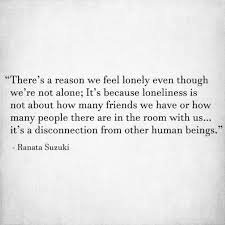
A person can sit at a crowded table, laugh at the right moments, respond to messages all day, attend meetings, family gatherings, celebrations, and still feel profoundly alone. This kind of loneliness is confusing because it does not match the visible reality. There are people everywhere. There is noise, conversation, interaction. Yet internally there is distance. A quiet separation. A sense that no one truly sees what is happening inside. Loneliness is often misunderstood as physical isolation. In reality, it is emotional disconnection. It is the gap between what we experience internally and what we are able to share externally. When that gap widens, the feeling of being alone intensifies, regardless of how many people are physically present. Many individuals learn early in life to filter themselves. They adapt to expectations. They adjust their tone, humor, opinions, even emotional expression depending on the environment. At first, this flexibility seems like social intelligence. Over time, however, constant adaptation can create fragmentation. If someone is always performing a version of themselves, they may lose contact with their authentic internal world. And when authenticity is hidden, connection becomes superficial. Superficial connection is not meaningless, but it does not satisfy deeper emotional needs. Conversations remain safe, predictable, polite. Vulnerability is avoided. Real fears, insecurities, and uncertainties stay unspoken. Others may know facts about the person—where they work, what they enjoy, what they achieved—but not the emotional landscape beneath those facts. Without emotional exposure, intimacy cannot fully develop. Modern communication intensifies this paradox. Technology allows constant contact. Messages are exchanged instantly. Social media creates the illusion of closeness through likes, comments, and shared content. Yet digital interaction often lacks emotional depth. It rewards presentation rather than presence. People curate their lives carefully, sharing highlight moments while concealing confusion or pain. Observers compare their unfiltered internal struggles to others’ polished images, deepening feelings of isolation. Loneliness in social settings can also stem from fear of burdening others. Many people hesitate to express vulnerability because they do not want to appear weak or demanding. They tell themselves that others have their own problems. They minimize their struggles. They become the supportive friend, the reliable partner, the stable colleague. Externally, they seem strong. Internally, they feel unseen. Attachment patterns shape this dynamic. Individuals with avoidant tendencies often maintain independence at the cost of intimacy. They may value self-sufficiency and feel uncomfortable relying on others. Even in relationships, they keep emotional distance. This protects them from rejection but limits closeness. On the other hand, those with anxious tendencies may seek reassurance constantly yet still feel alone if reassurance does not address deeper insecurities. In both cases, physical proximity does not guarantee emotional security. There is also the experience of existential loneliness—the awareness that no one can fully access another person’s consciousness. Each individual carries memories, perceptions, and internal narratives that are uniquely theirs. Even in loving relationships, there are moments when this separateness becomes visible. Recognizing this can feel unsettling. It reminds us that complete merging with another person is impossible. Cultural expectations often discourage emotional honesty. In environments where strength is equated with stoicism, individuals suppress sadness and doubt. In competitive spaces, vulnerability may feel risky. If someone reveals insecurity, they fear losing status or credibility. So they smile, perform competence, and hide uncertainty. Over time, this concealment builds emotional walls. Loneliness also appears when personal growth outpaces social circles. As individuals evolve—changing values, beliefs, interests—they may feel increasingly different from their surroundings. Conversations that once felt engaging may now feel limiting. Shared humor may no longer resonate. This subtle misalignment creates distance even without conflict. Growth can be isolating before new connections form. The nervous system responds to loneliness as it would to physical threat. Studies show that chronic loneliness activates stress responses similar to those triggered by danger. The body releases stress hormones. Sleep quality declines. Mood becomes unstable. Over time, persistent loneliness can impact physical health, immune function, and cognitive clarity. Yet loneliness is not solely negative. It is also information. It signals a need for deeper connection, authenticity, or alignment. The discomfort is a call to examine where emotional expression has been restricted. It invites reflection: Where am I hiding? Where am I afraid to be known? Addressing loneliness requires gradual risk. Authentic connection cannot occur without some exposure. This does not mean oversharing indiscriminately. It means choosing safe people and offering pieces of the internal world honestly. Saying “I’ve been feeling disconnected lately” or “I don’t always feel understood” opens doors. Vulnerability invites reciprocity. Often, others are waiting for permission to express similar feelings. Listening is equally important. True connection forms not only when we speak authentically but when we receive others without judgment. Emotional presence—the ability to stay with someone’s discomfort without immediately fixing or dismissing it—builds trust. When people feel heard, loneliness softens. Self-connection is foundational. Some loneliness arises not from others’ absence but from disconnection from oneself. Constant distraction—through work, media, obligations—can prevent introspection. Without self-awareness, it becomes difficult to articulate needs. Practices like journaling, mindfulness, or reflective walks strengthen internal clarity. The more someone understands their own emotions, the more effectively they can communicate them. Boundaries also reduce loneliness. Paradoxically, saying no can increase connection. When individuals overextend themselves to please others, resentment builds. Authenticity requires limits. Expressing preferences and constraints fosters relationships based on reality rather than performance. Community plays a role beyond individual relationships. Shared purpose—volunteering, creative collaboration, learning environments—creates bonding experiences that transcend surface-level interaction. Humans evolved in cooperative groups. Contribution fosters belonging. It is important to distinguish between chosen solitude and painful loneliness. Solitude can be nourishing. It allows integration, creativity, restoration. Loneliness, in contrast, feels involuntary and heavy. Learning to enjoy solitude reduces desperation in relationships and supports healthier bonds. Therapeutic support can be transformative for chronic loneliness. A safe therapeutic relationship models emotional attunement. Experiencing consistent, nonjudgmental presence can reshape internal expectations about connection. It challenges beliefs such as “I am too much” or “No one would understand.” Ultimately, loneliness among others

Can Silence Between People Be Louder Than Words?
There are moments in human relationships when nothing is said, yet everything is felt. Two people sit across from each other, exchanging no accusations, no explanations, no visible conflict. On the surface, there is calm. Underneath, however, tension vibrates. The silence is not peaceful. It is heavy. It carries disappointment, resentment, fear, longing, or pride. In these moments, silence becomes a language of its own. Silence between people is rarely empty. It often holds what feels too risky to express. Words require vulnerability. To speak honestly means exposing need, admitting hurt, or risking rejection. When emotional safety feels uncertain, silence becomes protection. It shields the ego from potential damage. It prevents escalation. It delays confrontation. Yet the protection comes with a cost. In many relationships, especially long-term ones, silence develops gradually. At first, communication may be open and curious. Disagreements are discussed. Feelings are shared. Over time, if certain conversations lead to defensiveness or dismissal, one or both individuals begin to withdraw. They learn which topics cause friction. They stop bringing them up. They tell themselves it is easier this way. The silence may begin with small things: a comment swallowed, a complaint postponed, a boundary unspoken. Each omission seems insignificant. But emotional distance accumulates quietly. What is not expressed does not disappear. It settles in the body. It appears in tone, in posture, in eye contact. Eventually, two people can share a space while feeling miles apart. This phenomenon is closely tied to attachment patterns. Individuals who fear conflict often equate disagreement with abandonment. To avoid losing connection, they minimize their own needs. They choose silence over expression. In the short term, this reduces tension. In the long term, it erodes authenticity. The relationship becomes stable but shallow. On the other hand, some individuals use silence as a form of control. Instead of expressing anger directly, they withdraw communication. They become distant, unresponsive, emotionally unavailable. This type of silence can feel punishing. It creates confusion and anxiety in the other person. The absence of words becomes a statement: You have hurt me, and I will make you feel it through my absence. Neurologically, social silence activates the same pain centers in the brain as physical injury. Humans are wired for connection. When communication stops, especially abruptly, the nervous system interprets it as threat. The uncertainty is often more distressing than clear conflict. A harsh argument provides information. Silence provides ambiguity, and ambiguity fuels anxiety. In families, silence can shape entire emotional climates. Children raised in environments where difficult emotions are not discussed often grow into adults who struggle to articulate their feelings. If sadness was ignored, anger punished, or vulnerability mocked, silence becomes survival. They learn that speaking disrupts stability. They carry this lesson into future relationships. Workplaces also demonstrate the power of silence. Teams may appear harmonious while avoiding honest feedback. Employees may withhold ideas to avoid criticism. Leaders may suppress disagreement to maintain authority. The result is stagnation. Innovation requires dialogue. Growth requires discomfort. When silence dominates, development slows. There is, however, a different kind of silence that heals rather than harms. This silence is not avoidance. It is presence. It occurs when two people feel safe enough to exist without constant explanation. It is the quiet between close friends who do not need to fill every moment with words. It is the stillness between partners who understand each other without performance. The difference lies in intention and safety. Harmful silence is rooted in fear, resentment, or power. Healing silence is rooted in trust. One creates distance. The other deepens connection. Psychologically, breaking destructive silence requires courage. The first spoken word after a long emotional gap can feel terrifying. It risks destabilizing the fragile peace that has been maintained. Yet without that risk, relationships slowly suffocate. Expression reintroduces movement into stagnant dynamics. Effective communication does not mean dramatic confrontation. It begins with naming internal experience. Statements like “I feel distant lately” or “I’m afraid to bring this up” open space without accusation. Vulnerability invites vulnerability. When one person steps out of silence, it gives permission for the other to do the same. However, not all silences can or should be broken. In some relationships, silence signals emotional incompatibility. If repeated attempts at dialogue lead to dismissal or hostility, silence may be a sign of necessary detachment. Recognizing when silence is protective rather than avoidant requires self-awareness. On a personal level, internal silence can be equally powerful. Many individuals silence their own emotions before they silence others. They distract themselves from discomfort. They rationalize pain. They convince themselves that what they feel is unreasonable. Over time, this internal suppression creates emotional numbness. Learning to listen to oneself is often the first step toward changing relational silence. When individuals can identify their own needs and fears, they are better equipped to express them. Self-awareness reduces reactive communication. It transforms silence from suppression into choice. In modern society, constant digital communication paradoxically increases emotional silence. Messages are exchanged rapidly, yet deeper conversations are rare. Social media offers visibility without intimacy. People may appear connected while feeling profoundly misunderstood. Silence hides behind noise. Breaking cycles of silence requires emotional regulation. When conversations become intense, the nervous system shifts into fight, flight, or freeze. Freeze responses often manifest as silence. Practicing grounding techniques helps individuals remain present during difficult discussions. Breathing slowly, pausing before responding, and maintaining eye contact can prevent retreat. It is also important to recognize that silence does not always indicate indifference. Sometimes it reflects processing. Not everyone articulates emotions immediately. Some require time to understand what they feel before speaking. Allowing space without assuming rejection strengthens mutual understanding. The most damaging silence is the one filled with unspoken narratives. When people stop communicating, they begin interpreting. They create stories about the other’s intentions. These stories are rarely generous. Without clarification, assumptions harden into beliefs. Beliefs solidify into resentment. Healthy relationships treat silence as information rather than as a weapon. If distance appears, it becomes a topic rather

Why Does Success Feel Empty After I Achieve It?
There are people who spend years chasing a goal, imagining that reaching it will finally bring peace. They work hard, sacrifice comfort, endure stress, and tell themselves that everything will make sense once they arrive. And then they do. The promotion comes. The degree is completed. The relationship becomes official. The house is bought. The recognition is earned. For a brief moment there is relief, even excitement. But soon after, something unexpected appears: emptiness. It is not depression in the traditional sense. It is not failure, because the goal has been achieved. It is a hollow sensation that whispers, “Is this it?” The satisfaction they expected does not last. Instead of fulfillment, there is restlessness. Instead of peace, there is a new anxiety about what comes next. They may immediately begin searching for another goal, another challenge, another mountain to climb. Standing still feels unbearable. This psychological pattern often forms when identity becomes fused with achievement. In early life, many individuals receive love, validation, or attention primarily when they perform well. They are praised for grades, talent, maturity, or success. Their worth becomes measured by results rather than by presence. Over time, they internalize a belief: I am valuable when I achieve. When this belief takes root, striving becomes survival. Goals are no longer just aspirations; they are proof of existence. Each achievement temporarily confirms worth, but the confirmation fades quickly. The nervous system, accustomed to striving, cannot relax. It has learned that safety lies in movement, not in stillness. The emptiness after success is not about the goal itself. It is about the absence of striving. For years, the person’s identity revolved around pursuit. Their thoughts, routines, and energy were organized around becoming. Once they arrive, there is a vacuum. Without the chase, they do not know who they are. This is especially common in high-performing individuals. From the outside, they appear confident and driven. Internally, they may feel fragile. They fear stagnation because stagnation feels like invisibility. When they are not progressing, they question their value. Rest feels like regression. Satisfaction feels dangerous, as if it will make them weak. The nervous system plays a crucial role in this cycle. Dopamine, the brain’s reward chemical, is strongly activated during pursuit rather than possession. The anticipation of success often feels more energizing than the success itself. When the goal is reached, dopamine drops. This creates a temporary emotional crash that feels like emptiness. The brain, seeking that stimulation again, pushes the individual toward the next target. Over time, life becomes a sequence of pursuits rather than experiences. The present moment is always a bridge to something else. Joy is postponed. Fulfillment is delayed. The person lives in a constant state of becoming, rarely allowing themselves to simply be. Relationships can also suffer under this pattern. Partners may feel secondary to ambition. Even when success is shared, emotional presence may be missing. The individual may struggle to celebrate achievements because celebration requires stillness. And stillness feels unfamiliar. Emotionally, this leads to chronic dissatisfaction. Nothing feels like enough, not because they are ungrateful, but because their identity is built on the idea that enough does not exist. Each accomplishment raises the standard. Each milestone becomes a new starting line. Healing begins with separating identity from achievement. This is uncomfortable at first. Without goals to chase, they may feel lost or anxious. But slowly, they begin to explore who they are outside of performance. They learn to tolerate stillness. They practice experiencing moments without turning them into stepping stones. This shift does not mean abandoning ambition. It means redefining worth. Achievement can be meaningful, but it does not define existence. Success can be celebrated without becoming a requirement for self-love. As they integrate this new understanding, the emptiness after success begins to soften. They no longer rush to fill it. They allow themselves to rest in accomplishment. They discover that fulfillment does not come from constant motion, but from presence. And in that presence, success stops feeling hollow. It becomes something they can hold, rather than something they must outrun.