


In today’s hyperconnected world, digital devices dominate nearly every aspect of daily life. Smartphones, social media, and constant notifications offer convenience, but they also create invisible psychological costs. While the obvious impacts of excessive screen time—reduced attention span, sleep disruption, and stress—are widely discussed, neuroscience and psychology reveal several hidden effects of digital minimalism that are far less known but deeply valuable. One surprising insight is the role of eye contact and trust. When partners or friends spend less time on their devices, their face-to-face interactions naturally increase. Neuroscience shows that direct eye contact triggers the release of oxytocin, often called the “bonding hormone,” which strengthens feelings of safety and connection. By contrast, the simple act of glancing at a phone during conversation—sometimes called “phubbing”—can unconsciously reduce perceived empathy and trust, even if the person insists they are listening. Another overlooked effect is the restoration of the brain’s default mode network (DMN). This network becomes active during moments of quiet reflection or daydreaming and is essential for creativity, memory consolidation, and self-identity. Constant digital stimulation disrupts DMN activity, leaving the brain overstimulated but under-reflective. Digital minimalism, even in small doses such as phone-free mornings, allows the DMN to reactivate, leading to richer ideas and stronger self-awareness. Digital minimalism also influences dopamine regulation. Social media platforms are designed around unpredictable rewards—likes, messages, or viral content—which hijack the brain’s reward system in the same way gambling does. By reducing digital exposure, individuals give their dopamine circuits time to reset, leading to greater sensitivity to natural rewards such as real conversations, physical activity, or nature. This “dopamine recalibration” enhances long-term motivation and emotional stability. Finally, minimalism in the digital realm creates psychological spaciousness. When people reduce screen use, they often notice an unexpected emotional shift: feelings of calm, patience, and present-moment awareness grow stronger. This happens because the constant cognitive load of switching between apps, notifications, and tasks is lifted, freeing mental energy for deeper engagement with life. In short, digital minimalism is not simply about spending less time on a phone. It is about restoring trust in relationships, reactivating creative brain networks, resetting reward systems, and rediscovering calm. By intentionally designing a digital environment that supports rather than controls us, we gain more than productivity—we gain emotional clarity and stronger human connection.

How the Brain Reacts to Uncertainty
Uncertainty is one of the most stressful conditions for the human brain. From deciding whether a job opportunity will succeed to waiting for medical results, situations filled with unpredictability often cause anxiety. Neuroscience shows that our brains are wired to dislike uncertainty because it interferes with the primary function of the nervous system: predicting and preparing for the future. Yet beyond this surface reaction, the brain’s response to uncertainty reveals surprising and lesser-known insights. The amygdala, the brain’s threat detection center, is highly sensitive to unpredictable situations. When the brain cannot predict outcomes, the amygdala activates stress pathways, releasing cortisol and increasing vigilance. Interestingly, studies have found that the brain often perceives uncertainty as more stressful than guaranteed negative outcomes. For example, people may feel calmer knowing they will experience a painful shock than waiting to find out whether a shock will happen at all. This highlights how much the brain prioritizes certainty—even when the certainty is unpleasant. But uncertainty is not only a source of stress; it also engages the prefrontal cortex, the area responsible for flexible thinking and problem-solving. When predictable routines break down, the brain is forced to explore new possibilities. This is why uncertainty can also fuel creativity and innovation. Historical evidence shows that crises—whether economic, social, or personal—often lead to major breakthroughs, precisely because the brain is pushed out of its habitual comfort zone. Another hidden aspect is how uncertainty interacts with the brain’s reward system. Dopamine, often called the “motivation molecule,” is not only released when we receive rewards but also when rewards are unpredictable. This is why gambling or checking social media notifications can be so addictive—the uncertainty itself becomes stimulating. The brain essentially finds excitement in not knowing what comes next, creating a paradox where uncertainty is both stressful and rewarding. On a deeper level, neuroscience reveals that individual tolerance for uncertainty varies. People with higher activity in the anterior cingulate cortex, a region that monitors errors and conflicts, are better at adapting to unpredictability. This means resilience in uncertain times is not just psychological—it has measurable neural foundations. Moreover, training practices such as mindfulness have been shown to quiet the amygdala while strengthening prefrontal regulation, effectively rewiring the brain to handle uncertainty with greater calm. In conclusion, the brain’s reaction to uncertainty is complex and multifaceted. While it naturally triggers fear and stress through the amygdala, it also stimulates creativity, adaptability, and even excitement through the prefrontal cortex and dopamine pathways. Uncertainty is not only a threat but also a hidden opportunity for growth, depending on how the brain learns to process it. By understanding these mechanisms, we can shift from resisting uncertainty to using it as a catalyst for resilience and innovation.

Hidden Dimensions of Couples Therapy: Insights Beyond Common Knowledge
When most people think of couples therapy, the first concepts that come to mind are communication, trust, and conflict resolution. While these are undeniably important, therapy in practice often addresses much deeper and less obvious dimensions of relationships—dimensions that are rarely discussed in mainstream articles but play a crucial role in healing and growth. One lesser-known aspect of couples therapy is the exploration of attachment styles. Research shows that the way individuals bonded with their caregivers in childhood influences how they connect with partners in adulthood. For example, someone with an anxious attachment style may constantly seek reassurance, while a partner with avoidant tendencies may withdraw under stress. In therapy, uncovering these hidden patterns helps couples understand that recurring conflicts are not simply about “bad behavior” but about deeply rooted emotional strategies for seeking safety. This awareness alone often reduces blame and increases compassion. Another dimension is the role of unspoken expectations. Every person enters a relationship with invisible “rules” shaped by culture, family history, or personal values. These rules may involve how affection should be expressed, who manages finances, or how conflicts should be handled. Problems arise when these expectations remain unvoiced. In therapy, bringing them to light allows partners to renegotiate their “relationship contract” in a way that feels fair and conscious rather than automatic and inherited. Couples therapy also examines the impact of micro-interactions. Studies show that it is not just major conflicts but small, daily exchanges that shape the health of a relationship. Eye contact, tone of voice, brief gestures of appreciation—or their absence—accumulate over time. Therapists often train couples to notice and change these micro-moments, because strengthening them can be more transformative than resolving a single large argument. An underexplored yet powerful tool in therapy is repair attempts. Research by Dr. John Gottman highlights that the success of a relationship is not about avoiding conflict, but about how effectively partners make and respond to repair attempts—those small signals like humor, a gentle touch, or a simple “I didn’t mean that” during or after a disagreement. Couples who recognize and accept these bids for repair tend to thrive, while those who miss them often spiral into resentment. Finally, therapy addresses the intergenerational influence. Unresolved patterns from family history—such as divorce, financial struggles, or unhealthy coping strategies—often echo into present relationships. Couples therapy creates space to identify and break these cycles, ensuring that old wounds do not dictate the future of the partnership. In essence, couples therapy is not just about learning to “communicate better.” It is about uncovering hidden layers—attachment patterns, invisible expectations, micro-interactions, repair strategies, and family legacies—that shape how partners connect. By bringing these deeper insights into awareness, couples not only resolve conflicts but also create a more conscious, resilient, and authentic bond.

Couples Therapy: The Power of Reconnecting in Relationships
Relationships are one of the most important foundations of human life. Yet, every partnership inevitably faces ups and downs. When conflicts are left unresolved, even small disagreements can grow into communication breakdowns, loss of trust, and emotional distance. At this point, couples therapy becomes a powerful tool to repair, strengthen, and rebuild the bond between partners. Couples therapy is not only for those in crisis but also for couples who wish to build healthier, more balanced, and fulfilling relationships. During therapy, partners—guided by a trained professional—begin to better understand both their individual needs and the shared needs of the relationship. One of the central goals of therapy is to develop healthy communication skills. Many relationship problems stem not from a lack of love but from misunderstandings or the feeling of not being heard. Therapists help partners listen actively, empathize more deeply, and express emotions constructively. Another key aspect of couples therapy is learning conflict resolution skills. Disagreements are inevitable in any relationship, but the way they are handled determines whether they are destructive or constructive. In therapy, couples practice avoiding blame, focusing on shared solutions, and respecting differences. This approach strengthens trust and mutual respect within the relationship. A further benefit of therapy is the opportunity to rediscover emotional connection. The stress of daily life, work responsibilities, and external pressures often cause couples to drift apart emotionally. Couples therapy provides a safe space to rebuild closeness, reignite affection, and restore intimacy. This process often allows couples to reconnect with the warmth and passion that brought them together in the first place. Couples therapy also enhances self-awareness. Partners gain insight into how their own behaviors, communication styles, and even past experiences influence the relationship dynamic. This personal growth not only benefits the individual but also contributes to building a stronger and more resilient partnership. In the end, couples therapy is not merely about solving immediate problems—it is about creating a healthier, more understanding, and more loving relationship. Whether facing a major crisis or simply seeking to strengthen the bond, couples therapy offers valuable guidance for building long-lasting, fulfilling connections.

Self-Discipline in Daily Life
Self-discipline is often described as the bridge between goals and accomplishments. While motivation provides the initial spark to start something new, it is self-discipline that sustains progress when enthusiasm fades. In today’s fast-paced world full of distractions, developing strong discipline is one of the most valuable skills for personal growth, productivity, and long-term success. At its core, self-discipline is the ability to control impulses, stay focused on priorities, and consistently take action despite challenges or temptations. Many people mistakenly believe discipline is about rigid restriction, but in reality, it is about freedom—the freedom to shape one’s life intentionally rather than being controlled by habits, moods, or external influences. One important aspect of self-discipline is delayed gratification. The ability to resist immediate pleasure for the sake of long-term rewards is a common trait among successful individuals. Classic psychological studies, such as the “marshmallow experiment,” demonstrated that children who waited for a bigger reward later tended to have better outcomes in adulthood. This principle applies to everyday life: choosing to study instead of scrolling social media, saving money instead of overspending, or exercising rather than staying on the couch are all examples of delayed gratification in practice. Building self-discipline requires structure and consistency. Simple habits such as creating daily routines, setting clear goals, and breaking tasks into manageable steps help reduce decision fatigue and increase focus. By making positive behaviors automatic, individuals rely less on fluctuating willpower. For example, preparing healthy meals in advance or scheduling specific work hours reduces the chance of falling into unproductive habits. Another crucial factor is self-awareness. Recognizing personal weaknesses and triggers allows people to design strategies that minimize distractions. For instance, someone who struggles with concentration may use tools like the Pomodoro technique, or someone who overspends might set up automatic savings to avoid temptation. Discipline is not about being perfect but about creating systems that make good choices easier and bad choices harder. Resilience also strengthens discipline. There will inevitably be days of failure or inconsistency, but disciplined individuals don’t abandon their goals when they stumble. Instead, they reflect, adjust, and return to their routine. Over time, these small recoveries build mental toughness and reinforce the habit of persistence. Ultimately, self-discipline is less about restriction and more about empowerment. It provides the foundation for achieving personal, academic, and professional goals, while also enhancing confidence and well-being. By practicing delayed gratification, creating supportive routines, and maintaining resilience, anyone can cultivate discipline that transforms aspirations into lasting success.
Resilience and Motivation After Failure
Failure is an inevitable part of life, yet the way individuals respond to it often determines their long-term success and well-being. For some, failure leads to discouragement, self-doubt, and avoidance of future challenges. For others, it becomes a powerful motivator, fueling growth and resilience. Psychologists emphasize that resilience—the ability to recover and adapt after setbacks—is not a fixed trait but a skill that can be developed. Understanding how to turn failure into motivation is crucial for achieving lasting progress. One of the first steps in building resilience is reframing failure. Instead of viewing mistakes as permanent defeats, resilient individuals see them as temporary setbacks and opportunities for learning. This mindset shift, often described as adopting a growth mindset, reduces the fear of failure and encourages experimentation. When people recognize that skills and abilities can be improved through effort, they are more likely to persist despite obstacles. Emotional regulation also plays a key role. Failure often brings feelings of disappointment, shame, or frustration. Without healthy coping strategies, these emotions can lead to avoidance and loss of motivation. Practices such as mindfulness, journaling, or talking with supportive friends help individuals process emotions without being overwhelmed by them. By acknowledging feelings while maintaining perspective, people can move forward instead of getting stuck in negativity. Another important factor is self-compassion. Many individuals respond to failure with harsh self-criticism, which only deepens discouragement. Resilient people, however, treat themselves with kindness, recognizing that mistakes are part of the human experience. Research shows that self-compassion not only reduces stress but also enhances motivation, because individuals are more willing to try again when they are not paralyzed by guilt or shame. Practical strategies can also support resilience. Setting small, achievable goals after a setback helps rebuild confidence and momentum. Reflecting on what went wrong, identifying controllable factors, and adjusting strategies turn failure into a constructive learning process. Seeking feedback, mentorship, or new perspectives can also provide valuable insights that transform challenges into stepping stones for improvement. Finally, resilient individuals draw strength from purpose. When setbacks are connected to larger goals or values—whether personal growth, contributing to others, or pursuing a meaningful career—failure feels less like an endpoint and more like part of a journey. This sense of purpose sustains motivation even in the face of repeated obstacles. Ultimately, resilience after failure is about transforming setbacks into fuel for growth. By reframing mistakes, regulating emotions, practicing self-compassion, and staying connected to meaningful goals, individuals can turn discouragement into determination. Failure is not the opposite of success—it is often the foundation on which success is built.
Overcoming Procrastination: Building Lasting Motivation
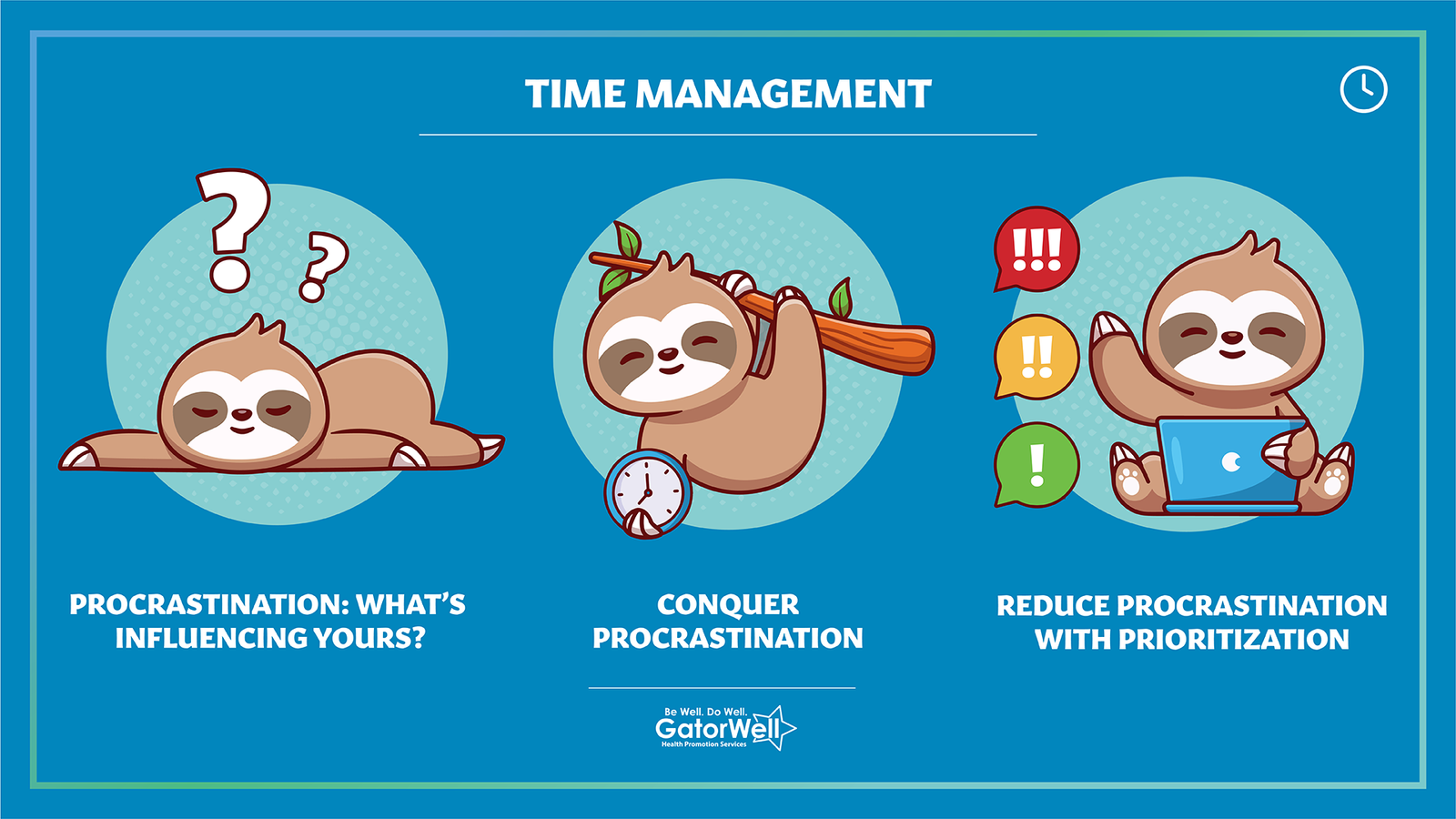
Procrastination—the act of delaying tasks despite knowing their importance—is one of the biggest challenges to motivation in modern life. Almost everyone has experienced putting off responsibilities in favor of easier, more enjoyable distractions, but chronic procrastination can damage productivity, self-esteem, and mental health. Psychologists view it not simply as laziness, but as a complex emotional regulation problem: people procrastinate to avoid negative emotions such as fear of failure, perfectionism, or overwhelm. Understanding these roots is the first step toward overcoming the cycle. One of the main reasons people procrastinate is task aversion. If a task feels boring, difficult, or emotionally heavy, the brain naturally seeks to escape it. This escape often takes the form of quick rewards—scrolling through social media, watching videos, or doing smaller, less important tasks. While these diversions provide temporary relief, they create guilt and stress later, reinforcing the cycle of avoidance. Another powerful factor is perfectionism. When individuals fear not performing perfectly, they delay starting, believing they must wait for the “right time.” Ironically, this fear of imperfection often leads to rushed, incomplete, or abandoned work. Overcoming procrastination requires addressing both mindset and behavior. One effective approach is the “two-minute rule.” By committing to work on a task for just two minutes, individuals reduce mental resistance and often end up continuing beyond that point. Breaking tasks into smaller, manageable steps also makes them less intimidating and more achievable. Another helpful method is using time-blocking or the Pomodoro technique, where focused work sessions are followed by short breaks. These structures reduce overwhelm and create a sense of progress. Equally important is reshaping the way individuals view mistakes and progress. Shifting from a perfectionist mindset to a growth mindset allows people to see effort and learning as more valuable than flawless results. Practicing self-compassion—accepting that procrastination happens but can be corrected—also prevents the shame spiral that often makes avoidance worse. On a deeper level, building long-term motivation comes from aligning tasks with intrinsic values. When individuals connect their work to personal meaning—whether growth, contribution, or future goals—they are more likely to stay committed. Creating a motivating environment is also key: reducing distractions, setting digital boundaries, and surrounding oneself with supportive peers can sustain focus. Ultimately, overcoming procrastination is not about achieving perfect discipline but about developing healthier habits, realistic expectations, and emotional resilience. By starting small, embracing imperfection, and maintaining consistency, individuals can break free from the cycle of delay and build lasting motivation for both everyday tasks and long-term goals.

The Psychology of Motivation in the Digital Age
Motivation has always been the driving force behind human behavior, but in today’s world shaped by technology, social media, and rapid change, the way we experience and sustain motivation has transformed dramatically. Psychologists note that while digital tools can inspire and connect people, they can also create distractions, comparisons, and pressures that weaken intrinsic motivation—the kind that comes from within. Understanding how motivation works in the digital age is essential for maintaining mental health, productivity, and long-term personal growth. At its foundation, motivation can be divided into two types: intrinsic and extrinsic. Intrinsic motivation comes from genuine interest, passion, or enjoyment of an activity—for example, learning because of curiosity. Extrinsic motivation, on the other hand, is driven by external rewards such as money, recognition, or social approval. In the digital age, extrinsic motivators dominate through likes, followers, and instant feedback. While these can provide short-term boosts, they often fail to sustain long-term commitment, leaving individuals feeling empty or dependent on validation. Another challenge is digital distraction. Constant notifications, endless scrolling, and algorithm-driven content can fragment attention, making it harder to stay focused on meaningful goals. Studies show that multitasking with digital devices reduces productivity and drains mental energy, leaving people less motivated to tackle challenging tasks. Over time, this contributes to procrastination and a cycle of guilt and avoidance. Social comparison also plays a major role in diminishing motivation. On platforms like Instagram or LinkedIn, people are bombarded with curated success stories, making them feel inadequate or “behind” in life. Instead of inspiring action, this often triggers demotivation, as individuals perceive their own efforts as insignificant compared to others’ achievements. Yet, digital tools are not inherently negative for motivation. When used intentionally, they can foster accountability, connection, and growth. Online communities provide support networks, educational platforms offer accessible learning, and productivity apps help structure goals. The key is mindful engagement—choosing tools that align with intrinsic values rather than relying on shallow validation. Practical strategies for boosting motivation in the digital age include setting clear, meaningful goals, breaking them into small achievable steps, and celebrating progress without depending on external approval. Establishing digital boundaries—such as limiting social media time or turning off unnecessary notifications—helps restore focus. Practicing self-compassion also plays a crucial role: instead of punishing oneself for setbacks, individuals should embrace mistakes as part of growth, which keeps motivation alive. Ultimately, motivation in the digital age requires balance. By prioritizing intrinsic values, using technology mindfully, and focusing on genuine progress rather than comparison, individuals can transform challenges into opportunities. Motivation is not about endless energy or constant success—it is about consistency, resilience, and staying aligned with what truly matters.

Digital Addiction
In the modern world, digital technology has become inseparable from daily life. Smartphones, social media, streaming platforms, and online games are designed to keep users engaged, often blurring the line between healthy use and dependency. Digital addiction refers to the compulsive need to use digital devices and online platforms, even when it interferes with work, relationships, sleep, or overall well-being. Unlike traditional addictions to substances, digital addiction is behavioral, but its psychological impact can be equally damaging. One of the driving forces behind digital addiction is the reward system built into apps and platforms. Features such as notifications, likes, and algorithm-driven recommendations trigger dopamine releases in the brain, reinforcing the cycle of checking and scrolling. This design creates a powerful loop, where individuals constantly seek stimulation and validation from their devices. Over time, the brain adapts to these instant rewards, making it harder to focus on slower, offline activities. Another factor is escape and coping. Many turn to digital platforms as a way to avoid stress, loneliness, or boredom. Online games, virtual communities, and endless entertainment offer a temporary escape from reality. However, overreliance on digital distractions can weaken real-life coping mechanisms, leading to a cycle where the digital world becomes the primary source of comfort. The effects of digital addiction are wide-ranging. Sleep disruption is one of the most common consequences, as screen use late at night interferes with melatonin production and natural sleep cycles. Cognitive impacts include reduced attention span, difficulty with memory retention, and constant multitasking that lowers productivity. Emotionally, individuals may experience irritability, anxiety, or depression when disconnected from devices. Socially, digital addiction can lead to neglect of face-to-face interactions, weakening family bonds and friendships. Symptoms of digital addiction include constant checking of devices, panic or discomfort when separated from a phone or internet connection, loss of time awareness during screen use, and inability to reduce usage despite attempts. In severe cases, withdrawal-like symptoms such as restlessness, agitation, and low mood occur when digital access is restricted. Addressing digital addiction requires a combination of personal discipline and structural change. On an individual level, strategies such as setting screen-time limits, practicing digital detox periods, turning off non-essential notifications, and prioritizing offline activities are effective. Engaging in hobbies, physical exercise, and in-person social connections helps restore balance. On a societal level, promoting digital well-being through education, parental guidance, and responsible platform design is essential to prevent long-term harm. Ultimately, digital addiction reflects the double-edged nature of technology. While digital tools offer connection, convenience, and opportunity, their overuse can erode mental health and life satisfaction. By cultivating mindful usage and restoring boundaries between online and offline life, individuals can enjoy the benefits of technology without becoming controlled by it.

Toxic Positivity
In recent years, the concept of toxic positivity has gained attention as a hidden psychological challenge. While positivity is generally considered beneficial, toxic positivity refers to the pressure to maintain an overly optimistic attitude in every situation, even when experiencing pain, stress, or hardship. This cultural trend, amplified by social media and self-help movements, can prevent individuals from processing genuine emotions and lead to long-term mental health issues. At its core, toxic positivity dismisses or invalidates negative feelings. Phrases such as “just stay positive,” “everything happens for a reason,” or “others have it worse” may seem encouraging, but they often minimize a person’s lived experience. Instead of creating comfort, these responses can produce guilt and shame for feeling sadness, anger, or fear—emotions that are natural and essential for human growth. Social media has intensified this issue. Platforms are flooded with motivational quotes, perfect lifestyles, and constant displays of happiness. While inspiring on the surface, these portrayals create pressure to always appear cheerful, even during difficult times. For many, this creates a double burden: coping with challenges while also pretending that everything is fine. Over time, suppressing emotions in this way contributes to anxiety, emotional numbness, and even depression. Toxic positivity can also harm relationships. When people feel forced to hide their struggles to avoid judgment, genuine communication breaks down. This prevents the formation of deep, supportive connections and reinforces isolation. In workplace settings, toxic positivity may discourage employees from voicing concerns, reducing trust and increasing burnout. Recognizing toxic positivity involves acknowledging that negative emotions are not a weakness but a vital part of life. Healthy emotional expression allows individuals to process grief, stress, or disappointment and move forward in healthier ways. Coping strategies include practicing self-compassion, validating emotions without judgment, and surrounding oneself with people who allow authenticity instead of forced optimism. Ultimately, the antidote to toxic positivity is balanced positivity. True resilience comes not from ignoring pain but from embracing it alongside hope and growth. By fostering emotional honesty and allowing space for all feelings—both positive and negative—individuals can build stronger mental health and more authentic relationships.