

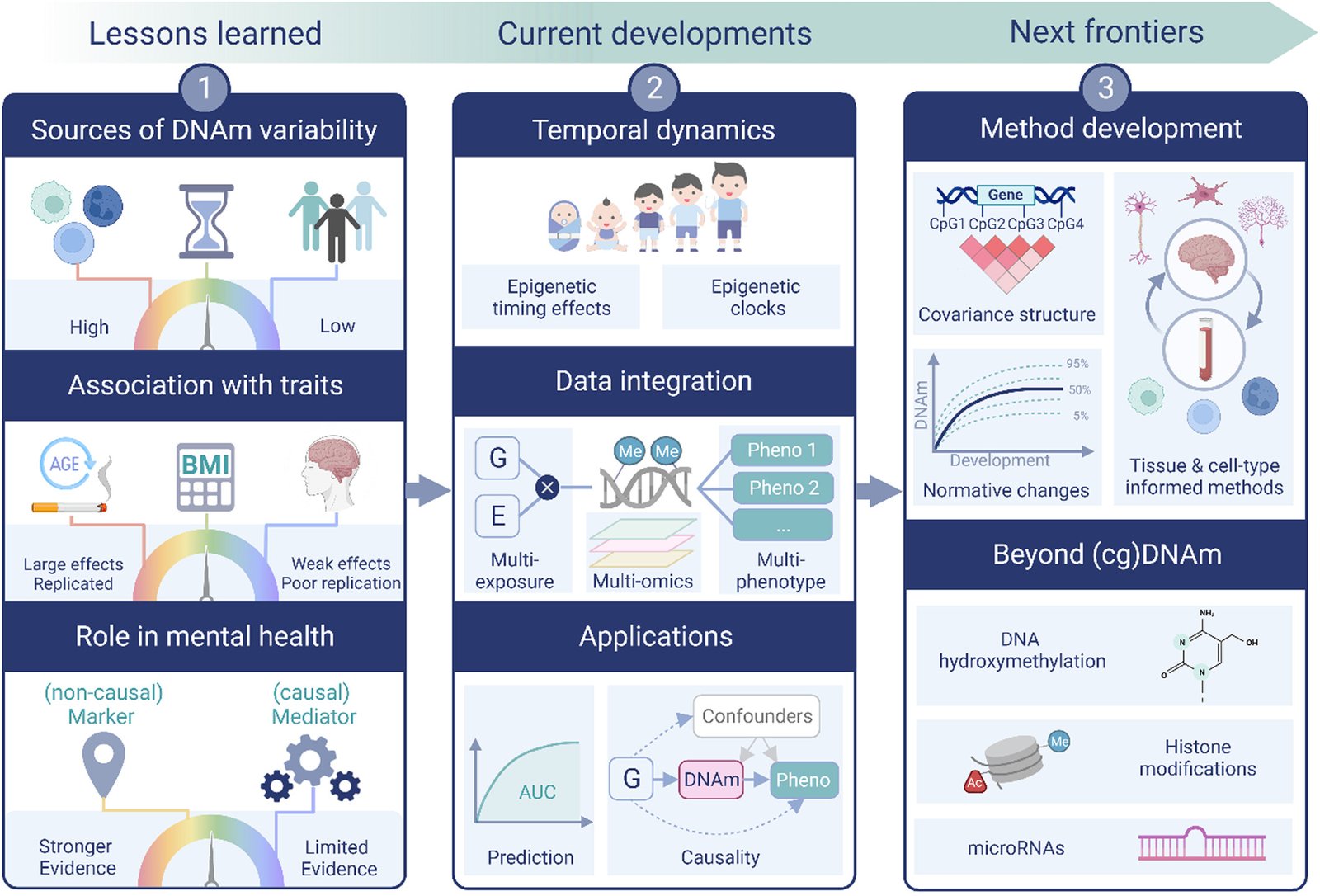
The long-standing debate of nature versus nurture in psychiatry is being reshaped by discoveries in epigenetics—the study of how environmental factors regulate gene expression without altering the DNA sequence itself. Epigenetics reveals that mental health is not determined solely by inherited genetic code nor entirely by life experience, but by the dynamic interplay between the two. This emerging science provides profound insights into how trauma, stress, and lifestyle can literally “write” themselves into our biology, influencing psychiatric vulnerability across the lifespan. Epigenetic modifications typically occur through mechanisms such as DNA methylation, histone modification, and non-coding RNAs. These processes act like molecular switches, turning genes “on” or “off” in response to external stimuli. For example, early-life adversity has been linked to methylation of genes that regulate the hypothalamic-pituitary-adrenal (HPA) axis, the body’s central stress-response system. As a result, individuals exposed to neglect or abuse in childhood may develop heightened stress sensitivity, increasing the risk of depression, anxiety, and post-traumatic stress disorder in adulthood. In schizophrenia, epigenetic changes have been observed in genes related to synaptic plasticity and neurotransmitter regulation. Such findings suggest that genetic predispositions to psychosis may only manifest under specific environmental pressures, mediated by epigenetic modifications. Similarly, in bipolar disorder, alterations in circadian rhythm genes have been associated with both vulnerability and treatment response, underscoring the role of epigenetic regulation in mood stability. Perhaps one of the most compelling aspects of epigenetics in psychiatry is the concept of transgenerational inheritance. Research indicates that trauma experienced by one generation—such as famine, war, or severe stress—can leave epigenetic marks that affect the mental health of descendants. This phenomenon may help explain the persistence of psychiatric vulnerabilities across families and populations, even in the absence of direct exposure. Importantly, epigenetic changes are reversible, offering therapeutic opportunities. Interventions such as psychotherapy, mindfulness, physical exercise, and even certain medications have been shown to normalize maladaptive epigenetic patterns. For instance, antidepressant treatment can alter DNA methylation status in genes associated with neuroplasticity, potentially contributing to clinical improvement. Lifestyle factors like diet and sleep also exert epigenetic effects, highlighting the profound influence of everyday choices on mental resilience. The integration of epigenetics into psychiatry encourages a more holistic and personalized approach. Rather than viewing mental illness as fixed, it emphasizes plasticity: genes set the stage, but environment and experience continually shape the performance. This paradigm fosters optimism, showing that psychiatric risk is not destiny but can be actively modified through intervention. In conclusion, epigenetics bridges the gap between biology and experience, revealing a molecular language through which life events become biologically embedded. It expands our understanding of psychiatric disorders, shifting the focus from static genetics to dynamic processes that are both vulnerable and malleable. As research deepens, epigenetics promises not only to clarify the origins of mental illness but also to open new avenues for prevention, treatment, and even healing across generations.

The Therapeutic Potential of Psychedelics
Once relegated to the margins of science due to political and cultural stigma, psychedelics such as psilocybin, LSD, and ayahuasca are now experiencing a renaissance in psychiatric research. Far from being recreational substances alone, these compounds are revealing profound therapeutic potential in the treatment of conditions resistant to conventional interventions, including depression, PTSD, addiction, and end-of-life anxiety. Psychedelics exert their primary effects by modulating the serotonergic system, particularly the 5-HT2A receptor. Activation of these receptors induces alterations in perception, sense of self, and cognition. Yet beyond the immediate subjective effects lies a deeper neurobiological impact: psychedelics promote neuroplasticity, enhancing synaptogenesis and dendritic growth. This neural “rewiring” may allow patients to break free from rigid, maladaptive thought patterns that sustain psychiatric disorders. One of the most striking findings comes from clinical trials of psilocybin-assisted therapy for major depressive disorder. In controlled settings, a single or few high-dose sessions, combined with psychotherapy, have led to rapid and sustained reductions in depressive symptoms, sometimes surpassing the effects of traditional antidepressants. Importantly, patients often describe these experiences not merely as symptom relief but as transformative, fostering a renewed sense of meaning and connection. In the realm of post-traumatic stress disorder (PTSD), compounds like MDMA (technically not a classic psychedelic but often grouped within the psychedelic-assisted therapy framework) are showing exceptional promise. MDMA appears to dampen fear responses and increase emotional openness, enabling patients to revisit traumatic memories without being overwhelmed. Phase III clinical trials have demonstrated significant and lasting symptom reduction, raising hopes for regulatory approval. Psychedelics also hold potential in treating substance use disorders. Studies with psilocybin and ayahuasca suggest that these substances can disrupt addictive cycles by fostering profound psychological insight, spiritual experiences, and a sense of interconnectedness. Patients struggling with alcoholism, nicotine dependence, or opioid misuse have reported reduced cravings and improved self-control following psychedelic-assisted therapy. At the psychological level, many researchers emphasize the role of the “mystical-type” experience induced by psychedelics. Feelings of ego dissolution, unity, and transcendence correlate strongly with therapeutic outcomes, suggesting that healing emerges not only from neurobiology but also from deeply subjective experiences. This challenges traditional psychiatric frameworks, which have historically downplayed spirituality in mental health care. Despite the promise, challenges remain. Psychedelics are powerful tools that must be administered with caution: improper use can trigger anxiety, confusion, or even psychosis in vulnerable individuals. Ethical concerns around commercialization and accessibility also require careful navigation. Furthermore, the integration of psychedelic experiences into long-term psychological growth depends heavily on professional therapeutic support. In summary, the resurgence of psychedelic research marks one of the most exciting developments in modern psychiatry. By combining neuroscience, psychotherapy, and spirituality, psychedelics invite a rethinking of what healing means and how it can be achieved. While not a universal cure, they represent a transformative tool capable of reaching patients who have long been considered untreatable. As regulatory barriers continue to fall, the next decade may well see psychedelics integrated into mainstream psychiatric practice, redefining the very boundaries of mental health treatment.
Neuroinflammation and Its Psychiatric Effects
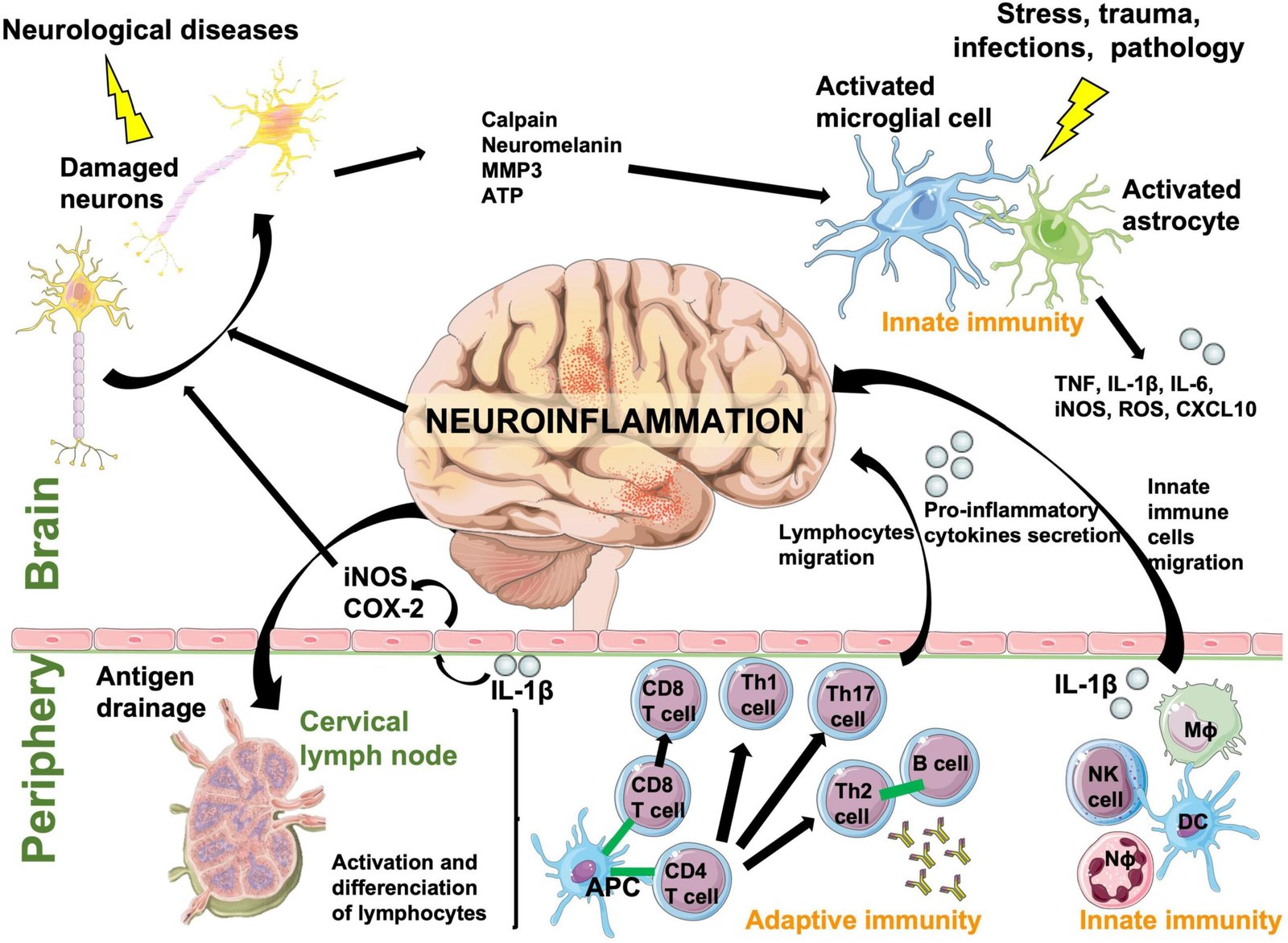
For decades, psychiatric disorders such as depression, schizophrenia, and bipolar disorder were predominantly viewed through the lens of neurotransmitter imbalances. However, mounting evidence reveals that neuroinflammation—the brain’s immune response to various insults—plays a critical role in the onset, progression, and severity of many psychiatric conditions. Far from being a passive background process, neuroinflammation actively shapes cognition, emotion, and behavior, offering a new perspective on mental health and illness. Neuroinflammation involves the activation of microglia and astrocytes, the brain’s resident immune cells. While normally protective, these cells can become chronically activated in response to infection, trauma, stress, or genetic vulnerability. Persistent activation leads to the release of pro-inflammatory cytokines such as interleukin-6 (IL-6), tumor necrosis factor-alpha (TNF-α), and interleukin-1 beta (IL-1β). These molecules can cross the blood-brain barrier or alter neural signaling, resulting in changes to neurotransmitter systems and neural plasticity. In major depressive disorder, elevated inflammatory markers are consistently observed. Patients with treatment-resistant depression, in particular, show higher levels of C-reactive protein (CRP) and cytokines compared to treatment-responsive individuals. These findings suggest that inflammation may underlie certain subtypes of depression, particularly those characterized by fatigue, anhedonia, and cognitive slowing. Anti-inflammatory agents, such as NSAIDs or cytokine-targeting drugs, are being investigated as adjunctive treatments for resistant depression. In schizophrenia, neuroinflammation has been linked to abnormal neurodevelopment and synaptic pruning. Microglial overactivation may result in excessive elimination of synapses, contributing to cognitive impairment and negative symptoms. Elevated cytokine levels in first-episode psychosis further support the hypothesis that immune dysregulation plays a role in the early stages of the disorder. In bipolar disorder, episodes of mania and depression have been associated with fluctuating inflammatory markers, suggesting that neuroinflammation may contribute to mood instability. Similarly, in autism spectrum disorder, evidence indicates that prenatal or early-life inflammation may alter brain development, increasing susceptibility to neurodevelopmental abnormalities. The connection between stress and neuroinflammation further highlights its relevance in psychiatry. Chronic psychological stress activates the hypothalamic-pituitary-adrenal (HPA) axis, elevating cortisol levels and promoting inflammatory responses. Over time, this process can sensitize neural circuits, perpetuating both psychiatric symptoms and vulnerability to relapse. Therapeutically, targeting neuroinflammation represents an emerging frontier. Anti-inflammatory pharmacological agents, lifestyle interventions (such as diet, exercise, and sleep optimization), and even microbiome-targeted therapies show promise in reducing psychiatric symptoms by addressing their inflammatory underpinnings. Importantly, not all patients with psychiatric disorders exhibit elevated inflammation, highlighting the need for personalized approaches based on biomarker assessment. In conclusion, neuroinflammation provides a unifying framework that links immune dysregulation with psychiatric illness. It challenges traditional neurotransmitter-focused models, emphasizing that mental health is deeply intertwined with systemic and neural immune processes. Future psychiatry is likely to embrace an integrative paradigm—one that considers inflammation, immunity, and environmental influences alongside neurochemistry—paving the way for more effective and individualized treatments.
The Relationship Between Sleep and Dissociation
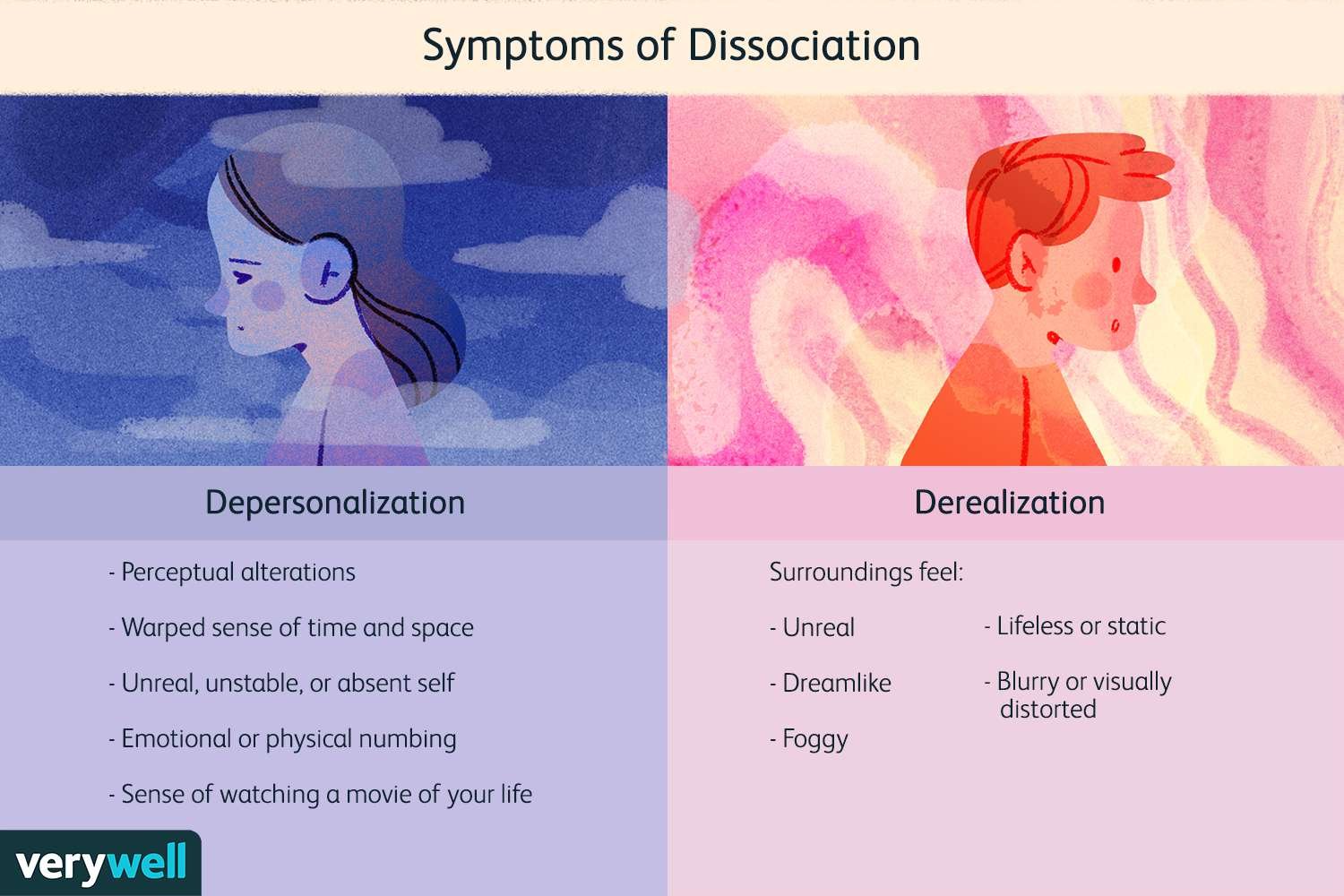
Dissociation is a psychological phenomenon characterized by disruptions in memory, identity, perception, and sense of self. Traditionally associated with trauma and stress, dissociation has also been increasingly linked to sleep disturbances. Recent studies suggest that the boundaries between sleep and wakefulness may play a crucial role in the development and persistence of dissociative symptoms, highlighting a fascinating interplay between neurobiology, consciousness, and psychopathology. Sleep is not a uniform state but a dynamic cycle involving non-rapid eye movement (NREM) and rapid eye movement (REM) phases. These stages are responsible for restoring physical energy, consolidating memory, and regulating emotions. When sleep is disrupted—whether through insomnia, irregular sleep cycles, or parasomnias—boundaries between sleep and wakefulness may blur, creating experiences similar to dissociative states. For example, phenomena such as sleep paralysis, hypnagogic hallucinations, and dream-like intrusions during wakefulness share striking similarities with dissociative symptoms like depersonalization and derealization. Neurobiological evidence supports this connection. Both dissociation and disordered sleep involve dysregulation in the thalamus, prefrontal cortex, and limbic system, regions responsible for sensory integration, emotional regulation, and self-awareness. Abnormalities in REM sleep—where vivid dreaming and emotional processing occur—are particularly associated with dissociative experiences. Inadequate REM regulation may lead to intrusions of dream-like imagery into waking consciousness, contributing to the sense of unreality and detachment characteristic of dissociation. Clinical research also highlights a bidirectional relationship: while sleep disruption can trigger dissociative symptoms, dissociation itself may interfere with healthy sleep patterns. Individuals with post-traumatic stress disorder (PTSD), for example, often experience nightmares, fragmented sleep, and hyperarousal, all of which reinforce dissociative tendencies during the day. Similarly, chronic insomnia has been correlated with higher levels of dissociative experiences in non-clinical populations, suggesting that even in the absence of trauma, sleep instability may foster detachment from reality. From a treatment perspective, addressing sleep disturbances may be a crucial yet underutilized pathway to reducing dissociation. Interventions such as cognitive-behavioral therapy for insomnia (CBT-I), sleep hygiene education, and circadian rhythm stabilization can reduce both sleep-related problems and daytime dissociative symptoms. Pharmacological treatments that regulate sleep architecture, such as certain antidepressants or melatonin, may also provide indirect benefits for dissociation when carefully managed. Furthermore, integrating trauma-focused therapy with sleep-focused interventions can produce synergistic effects in patients with comorbid PTSD and dissociative symptoms. In conclusion, the relationship between sleep and dissociation underscores the importance of viewing consciousness as a continuum rather than a rigid binary between waking and sleeping states. Sleep disruptions can destabilize cognitive and emotional boundaries, giving rise to dissociative phenomena, while dissociation itself may perpetuate sleep problems. Recognizing this interconnection allows clinicians to expand treatment strategies beyond trauma processing alone, incorporating sleep regulation as a key component of recovery. Ultimately, improving sleep may help restore coherence in consciousness, reducing the distressing experiences of fragmentation that define dissociation.
Hidden Rituals in Obsessive-Compulsive Disorder
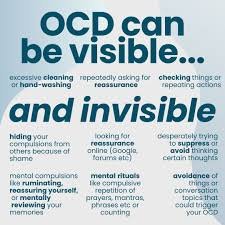
Obsessive-Compulsive Disorder (OCD) is often portrayed through its most visible features: repetitive handwashing, checking locks, or arranging objects with extreme precision. While these behaviors represent classic compulsions, many individuals with OCD engage in hidden rituals—covert mental acts or subtle behaviors that are far less noticeable but equally distressing. These concealed compulsions contribute to the persistence of the disorder and often complicate both diagnosis and treatment. Hidden rituals can take various forms. Some individuals perform mental compulsions, such as silently repeating prayers, counting numbers, or mentally reviewing past events to neutralize intrusive thoughts. Others may engage in subtle physical behaviors, like tapping objects in a discreet pattern, avoiding certain words in conversation, or blinking in a specific way to “cancel out” unwanted thoughts. Because these behaviors are not outwardly visible, patients may appear unaffected, while in reality they are expending significant mental energy to manage obsessive anxiety. Clinically, hidden rituals are particularly problematic because they blur the line between obsessions and compulsions. Patients may not even recognize these actions as compulsive behaviors, instead perceiving them as natural responses to unwanted thoughts. This lack of awareness can delay diagnosis and reduce treatment effectiveness. Moreover, because hidden rituals do not attract external attention, family members, teachers, or even clinicians may underestimate the severity of the disorder. Neurobiologically, hidden rituals are thought to arise from the same dysfunctions implicated in classical OCD: abnormalities in cortico-striato-thalamo-cortical (CSTC) circuits, heightened error detection in the anterior cingulate cortex, and altered serotonin and dopamine regulation. These mechanisms create a powerful drive to reduce perceived threats or internal discomfort, even when the behavior providing relief is purely mental. From a therapeutic perspective, hidden rituals present unique challenges. Standard exposure and response prevention (ERP), a core component of cognitive-behavioral therapy, relies on preventing compulsive responses to anxiety-inducing stimuli. However, when compulsions are covert, it is more difficult for clinicians to monitor whether patients are resisting their rituals. Specialized strategies, such as “imaginal exposure,” self-monitoring logs, and therapist-guided awareness training, are often necessary to address these invisible behaviors. Pharmacological treatments, particularly SSRIs and clomipramine, remain important tools, but they are most effective when combined with psychotherapeutic approaches that directly target covert compulsions. In conclusion, hidden rituals represent an underrecognized but critical dimension of OCD. Though less visible than handwashing or checking, these mental and subtle behavioral compulsions can be equally debilitating, consuming time, energy, and emotional resources. Greater awareness of hidden rituals is essential for accurate diagnosis, effective therapy, and improved outcomes. By bringing these invisible struggles into focus, clinicians can ensure that the full spectrum of OCD symptoms is addressed, offering patients a more comprehensive path to recovery.
The Paradoxical Effects of Antidepressants: When Treatment Challenges Expectations
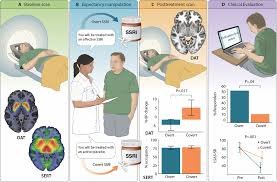
Antidepressants are among the most widely prescribed psychiatric medications, primarily used for major depressive disorder, anxiety disorders, and related conditions. While their therapeutic goal is to alleviate symptoms and restore emotional balance, a paradox has emerged in clinical practice: in certain cases, antidepressants can produce unexpected and counterintuitive effects. These paradoxical reactions include worsening of depressive symptoms, emergence of suicidal thoughts, induction of mania in bipolar disorder, or emotional blunting. Understanding these outcomes is critical for both clinicians and patients, as they complicate treatment and highlight the complexity of brain chemistry. One of the most widely discussed paradoxical effects is the early increase in suicidal ideation, particularly in adolescents and young adults treated with selective serotonin reuptake inhibitors (SSRIs). Although the mechanism is not fully understood, it is hypothesized that SSRIs may initially improve psychomotor energy before mood elevation occurs, creating a dangerous window in which individuals have more energy to act on suicidal impulses. This phenomenon has led to black box warnings and increased monitoring recommendations in younger populations. Another paradoxical reaction is the switching phenomenon observed in individuals with bipolar disorder. Antidepressants, especially when prescribed without a mood stabilizer, can precipitate manic or hypomanic episodes. This effect underscores the importance of accurate diagnosis, as bipolar disorder may initially present with depressive symptoms alone, leading to misdiagnosis as unipolar depression. In such cases, antidepressant treatment can destabilize mood rather than stabilize it, complicating long-term management. A subtler but clinically significant paradox is emotional blunting or flattening, in which patients report feeling emotionally numb, detached, or indifferent. While these symptoms may represent partial relief from intense negative affect, they can also reduce positive emotional experiences, impairing quality of life. Neurobiological explanations point to alterations in serotonin and dopamine pathways that regulate both negative and positive affect. Additionally, paradoxical anxiety or agitation may occur when initiating antidepressants, particularly SSRIs or SNRIs. Some patients experience heightened restlessness, insomnia, or irritability during the first weeks of treatment. This side effect, often temporary, highlights the delicate balance of neurotransmitter systems and underscores the importance of gradual titration and patient education. From a clinical standpoint, paradoxical effects raise important questions about personalized psychiatry. Genetic variability in drug metabolism (pharmacogenomics), differences in receptor sensitivity, and unique psychosocial contexts all influence whether a patient experiences benefit or paradoxical harm. Increasingly, clinicians are exploring individualized treatment strategies, including pharmacogenetic testing, close monitoring in early treatment phases, and combined pharmacological-psychotherapeutic approaches. In conclusion, while antidepressants remain indispensable tools in modern psychiatry, their paradoxical effects challenge the assumption that pharmacological treatment is universally stabilizing. Recognizing, anticipating, and monitoring these counterintuitive reactions is essential for patient safety and treatment success. Future advances in precision psychiatry may reduce the risk of paradoxical responses by tailoring interventions to individual biological and psychological profiles, ultimately transforming the way antidepressants are prescribed and managed.
Micro Mood Fluctuations in Bipolar Disorder: Beyond Classic Episodes
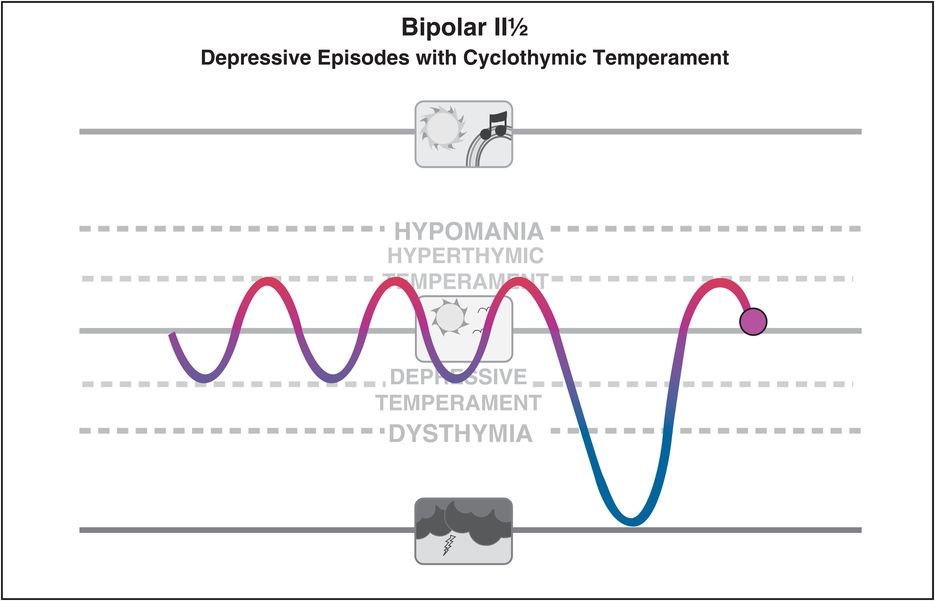
Bipolar disorder is traditionally characterized by distinct episodes of mania, hypomania, and depression. These well-defined phases form the cornerstone of diagnosis and treatment. However, emerging research highlights a subtler phenomenon: micro mood fluctuations. Unlike the pronounced shifts observed in classic episodes, micro fluctuations involve rapid, often hour-to-hour or day-to-day changes in mood, energy, and activity levels. These subtle variations are frequently overlooked in clinical settings but can significantly affect the daily functioning and quality of life of individuals with bipolar disorder. Micro mood fluctuations can manifest as brief periods of irritability, mild elation, or transient low mood that do not meet full criteria for manic or depressive episodes. Despite their small scale, these fluctuations may disrupt attention, social interactions, and decision-making. In some cases, patients with prominent micro fluctuations are misdiagnosed with personality disorders or anxiety disorders because their mood patterns do not fit the classical bipolar framework. The neurobiological mechanisms underlying micro mood fluctuations are not yet fully understood. Dysregulation in circadian rhythms, neurotransmitter imbalances (particularly in dopamine and serotonin systems), and heightened neural sensitivity to stressors have all been implicated. Functional neuroimaging studies suggest that abnormal connectivity between the prefrontal cortex and limbic system may contribute to rapid shifts in emotional regulation. Additionally, environmental triggers such as sleep disruption, psychosocial stress, or substance use can exacerbate these subtle mood swings. Recognition of micro mood fluctuations has important clinical implications. Standard mood charts and traditional diagnostic interviews may fail to capture these brief but impactful episodes. Increasingly, clinicians are employing daily mood monitoring, digital apps, and ecological momentary assessment (EMA) to track these fluctuations more accurately. This data allows for more personalized treatment approaches, including adjustments in medication, psychotherapy strategies, and lifestyle interventions aimed at stabilizing daily mood patterns. Therapeutically, micro mood fluctuations challenge conventional pharmacotherapy. While lithium, anticonvulsants, and atypical antipsychotics are effective in controlling full-blown manic or depressive episodes, their impact on subthreshold mood instability is less robust. Adjunctive interventions such as structured routines, cognitive-behavioral therapy, and psychoeducation for patients and families can improve self-awareness and coping strategies. Targeting sleep hygiene, stress reduction, and regular activity schedules also plays a critical role in mitigating micro fluctuations. In conclusion, micro mood fluctuations represent a nuanced and clinically significant feature of bipolar disorder that extends beyond classic episodes. These subtle shifts in affect can impair daily functioning, complicate diagnosis, and challenge treatment. Greater awareness and systematic monitoring of micro fluctuations are essential for comprehensive care. Integrating pharmacological, behavioral, and lifestyle interventions tailored to these fluctuations may enhance quality of life and reduce the long-term burden of bipolar disorder.
Negative Symptoms in Schizophrenia: The Silent Struggle
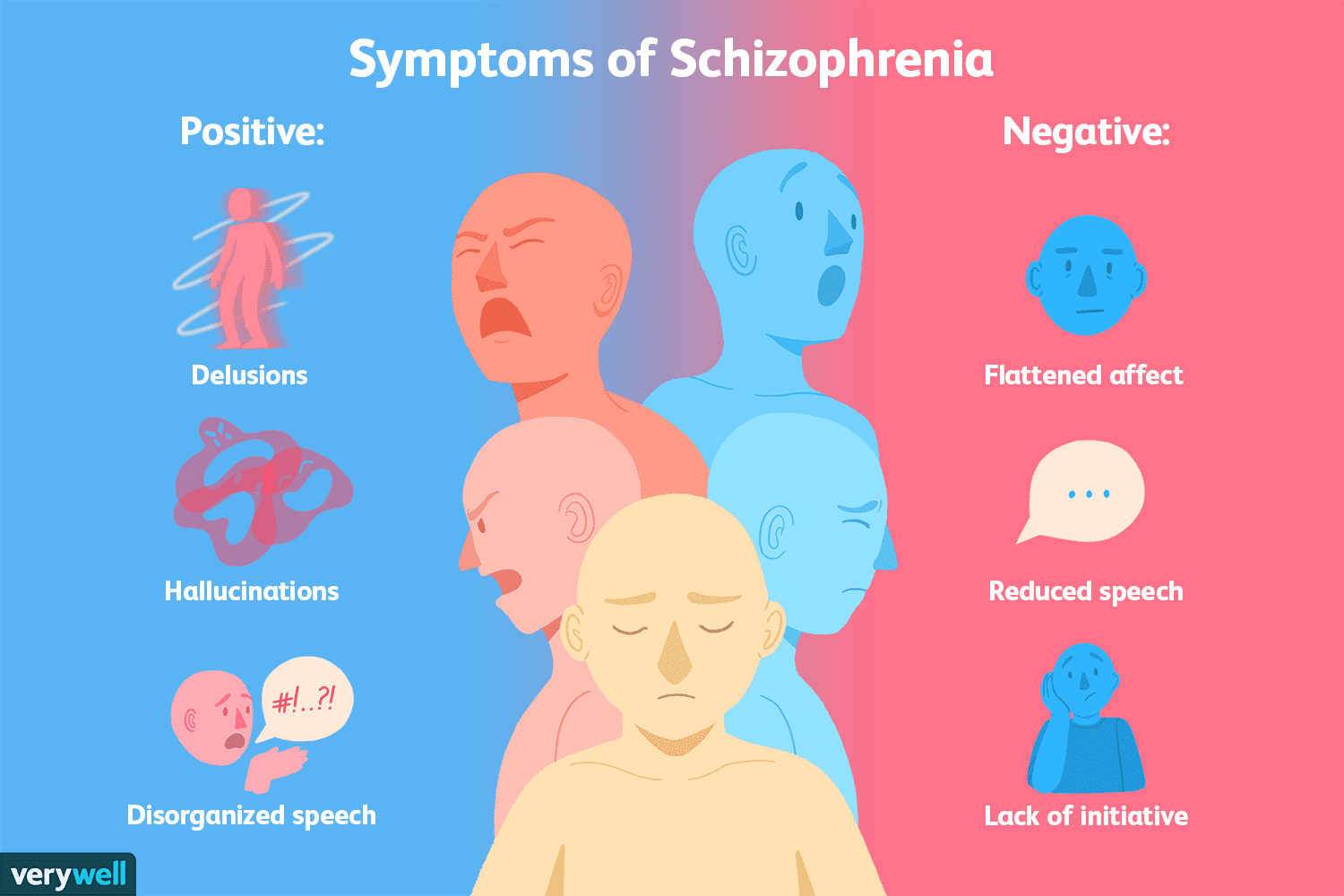
Schizophrenia is often recognized by its most conspicuous features: hallucinations, delusions, and disorganized speech or behavior. These positive symptoms dominate clinical and public perception of the disorder. However, there exists a set of negative symptoms—subtle, persistent, and often overlooked—that can be far more disabling in daily life. Negative symptoms include emotional blunting, reduced motivation (avolition), diminished speech output (alogia), social withdrawal, and anhedonia (the inability to experience pleasure). Despite their clinical significance, these symptoms are frequently underrepresented in research and popular discourse, earning them the label of the “silent symptoms” of schizophrenia. Negative symptoms are particularly challenging because they are less responsive to traditional antipsychotic medications, which primarily target positive symptoms through dopaminergic modulation. As a result, patients may experience persistent functional impairment despite adequate control of hallucinations or delusions. Emotional blunting, for instance, reduces the capacity for normal affective expression, making interpersonal interactions difficult. Social withdrawal and avolition can prevent patients from engaging in work, education, or social activities, significantly decreasing quality of life. Recent research suggests that negative symptoms may stem from complex neurobiological mechanisms, including dysregulation in the prefrontal cortex, hypoactivity in mesocortical dopamine pathways, and alterations in glutamatergic neurotransmission. These deficits impact cognitive and executive functions, compounding the challenges imposed by social and emotional withdrawal. Furthermore, environmental factors, such as early life stress or social isolation, may exacerbate negative symptoms by influencing brain development and neural connectivity. One of the key challenges in diagnosing and treating negative symptoms is their subtlety. Unlike hallucinations or delusions, which are observable and easily reported, negative symptoms may be mistaken for depression, medication side effects, or lack of engagement. Clinicians must therefore carefully distinguish between these conditions through structured assessments and longitudinal observation. Tools such as the Scale for the Assessment of Negative Symptoms (SANS) or the Positive and Negative Syndrome Scale (PANSS) can aid in this evaluation, providing standardized measures of symptom severity. Innovative therapeutic approaches are emerging to address these silent symptoms. Psychosocial interventions, including cognitive behavioral therapy, social skills training, and vocational rehabilitation, have shown promise in enhancing functional outcomes. Additionally, newer pharmacological strategies targeting glutamatergic and cholinergic systems are being investigated, aiming to directly improve negative symptomatology. Research into the role of inflammation and immune dysregulation also suggests potential novel avenues for intervention. In conclusion, negative symptoms in schizophrenia represent a critical yet frequently overlooked dimension of the disorder. They profoundly affect patients’ daily functioning and quality of life, often persisting even when positive symptoms are controlled. Greater awareness, early detection, and comprehensive treatment strategies that integrate pharmacological and psychosocial approaches are essential to addressing the silent struggles of individuals living with schizophrenia. Recognizing and targeting these symptoms is not only crucial for clinical management but also for improving long-term social, occupational, and emotional outcomes.
Microbiota and the Brain: New Horizons in Psychiatry
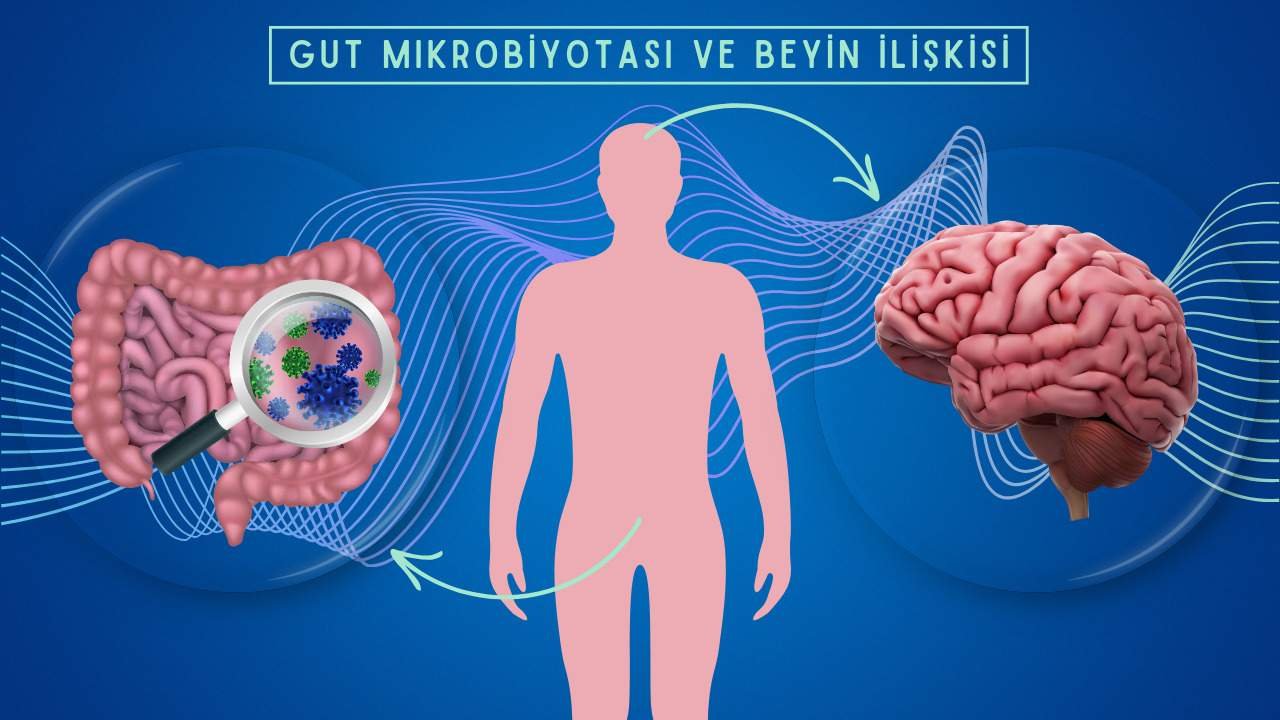
For many years, psychiatry primarily explained disorders such as depression, anxiety, and schizophrenia through imbalances in brain chemicals. However, recent research has revealed that the trillions of microorganisms residing in our digestive system—known as the gut microbiota—may have a far more profound impact on mental health than previously thought. These microorganisms do more than regulate digestion; they influence the production of neurotransmitters such as serotonin, dopamine, and GABA, which directly affect brain function. Remarkably, approximately 90% of the body’s serotonin is produced in the gut. Communication between the gut and the brain occurs through several pathways. Via the vagus nerve, signals from the gut are transmitted directly to the brain. Animal studies have shown that certain bacteria reduce anxiety only when the vagus nerve is intact. Chemically, the microbiota influences neurotransmitter production, while the immune system pathway allows imbalances in the gut—known as dysbiosis—to trigger chronic inflammation, which is linked to psychiatric disorders such as depression and schizophrenia. This demonstrates how even minor disturbances in the gut can significantly affect brain function. The relationship between the microbiota and psychiatric disorders is increasingly recognized. In depression, studies have found reduced diversity in the gut flora compared to healthy individuals, and probiotic supplementation has sometimes alleviated depressive symptoms. In anxiety disorders, species such as Lactobacillus and Bifidobacterium have shown anxiolytic effects. In schizophrenia, gut bacteria appear to influence dopamine metabolism, potentially affecting the course of the disorder. In autism spectrum disorder, alterations in gut microbiota have been observed, and certain probiotic interventions have shown improvements in social behaviors and repetitive actions. The emerging concept of “psychobiotics” refers to probiotics that have a positive effect on mental health. For example, Lactobacillus rhamnosus has been shown in animal studies to reduce anxiety, while Bifidobacterium longum can alleviate depressive symptoms. These findings suggest that psychobiotics may, in the future, serve as complementary or alternative treatments to conventional antidepressants. In daily life, supporting the gut-brain axis involves consuming a diet rich in fiber, minimizing processed and additive-laden foods, maintaining regular sleep, and engaging in physical activity. These practices not only support gut health but also positively influence mental well-being. The gut microbiota is not merely a system for digestion; it is a powerful biological mechanism that influences brain function and mood. Disorders such as depression, anxiety, schizophrenia, and autism may involve both chemical imbalances in the brain and disruptions in gut health. In the future, psychiatry is expected to increasingly incorporate multi-dimensional treatment approaches that combine medication, nutrition, probiotic supplementation, and inflammation management.
Sleep and Memory: The Hidden Role of Micro-Arousals
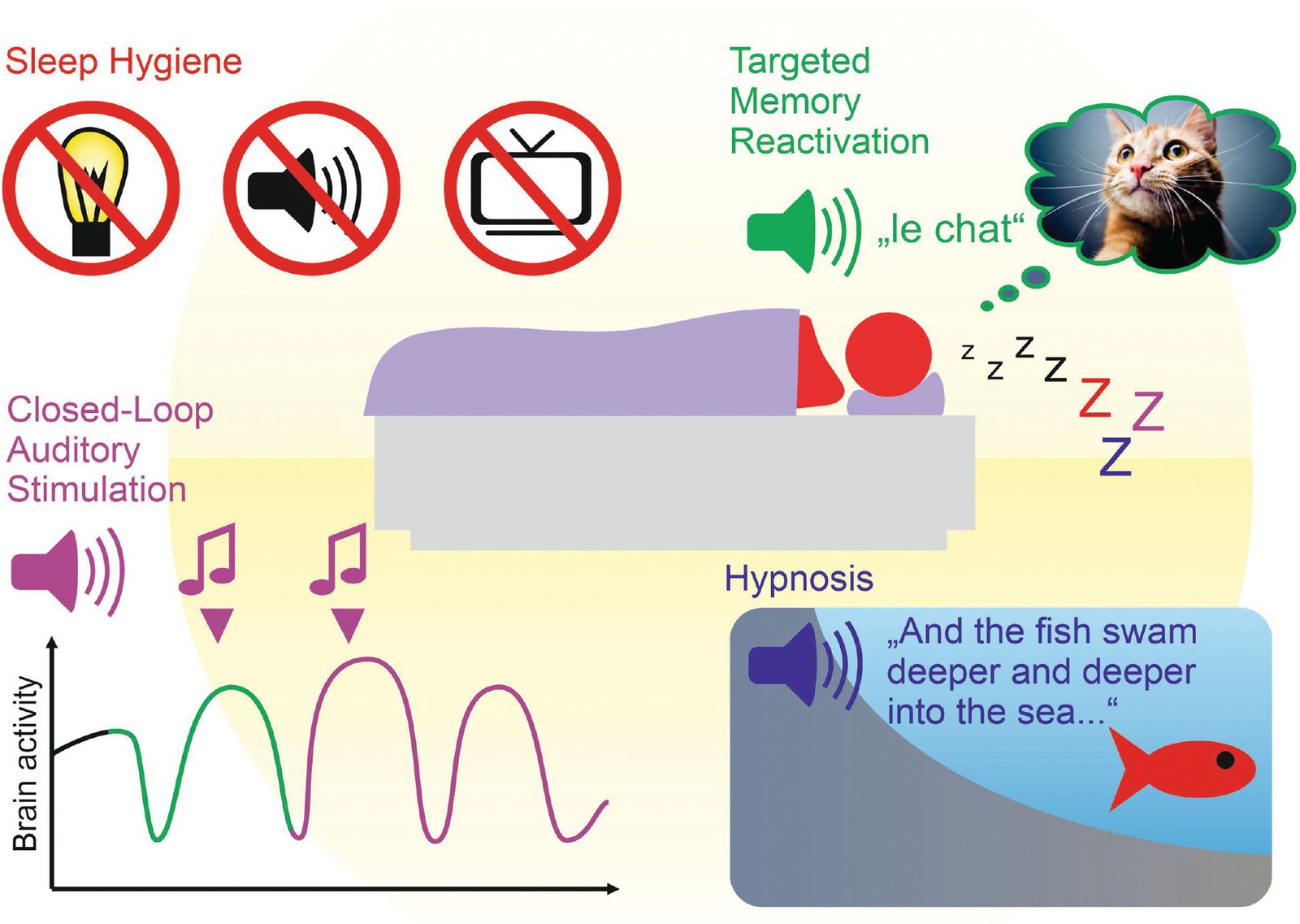
Sleep is widely known as essential for memory and learning, yet the subtle mechanisms of how the brain processes experiences during the night are still being uncovered. One of the most intriguing discoveries in recent sleep research is the role of micro-arousals—very brief moments when the brain partially “wakes up” without the sleeper being aware. Far from being disruptive, these micro-arousals may actually play a critical role in consolidating memories and regulating emotions. During normal sleep, the brain cycles through different stages, including light sleep, deep sleep, and REM (rapid eye movement) sleep. Traditionally, uninterrupted cycles were considered ideal. However, advanced neuroimaging and EEG studies have shown that micro-arousals—lasting just a few seconds—occur naturally throughout the night. In fact, healthy adults experience dozens, sometimes even hundreds, of them without realizing it. These short awakenings serve as neural checkpoints. They allow the brain to briefly assess the body’s safety and adjust sleep depth accordingly. But beyond this protective function, they appear to act as windows for memory processing. Research from European sleep laboratories suggests that micro-arousals create opportunities for the hippocampus—the brain’s memory hub—to transfer information to the neocortex, where long-term memories are stored. Without these micro-awakenings, certain memories might remain fragmented or fail to integrate fully into long-term storage. Interestingly, the quality of micro-arousals matters. When they occur naturally, they are part of healthy sleep architecture. But when caused by external disturbances—like loud noises, sleep apnea, or excessive stress—they can fragment sleep and impair memory instead of strengthening it. This highlights the delicate balance between necessary micro-arousals and disruptive awakenings. Another hidden benefit of micro-arousals is emotional recalibration. Sleep is not only about storing facts but also about processing feelings. These short neural resets may give the brain brief opportunities to regulate emotional intensity, ensuring that painful or stressful memories are softened by morning. This could explain why people often feel less emotionally overwhelmed about events after a night’s sleep. From a practical perspective, this knowledge challenges the common belief that only completely “deep, uninterrupted” sleep is valuable. Instead, healthy sleep includes tiny fluctuations—moments of near-wakefulness—that quietly support memory, creativity, and emotional health. Protecting sleep from excessive disturbances while allowing natural micro-arousals may be one of the keys to unlocking the brain’s full restorative power.