


As the realities of climate change become increasingly undeniable, a growing number of people are experiencing what psychologists call climate grief—the deep sadness, despair, and sense of loss connected to environmental degradation and uncertainty about the planet’s future. Unlike general anxiety, climate grief is rooted in mourning for ecosystems, species, and landscapes that are already disappearing or under imminent threat. This form of psychological distress manifests not only in individuals directly affected by climate disasters, such as wildfires, floods, or rising sea levels, but also in people who may never experience such events firsthand yet feel the existential weight of environmental collapse. Young generations are especially vulnerable, as they inherit an uncertain future shaped by environmental decline. Studies have shown that climate grief can lead to depression, helplessness, and even a form of anticipatory mourning, where people grieve in advance for losses that have not yet occurred. Symptoms include sleep disturbances, intrusive thoughts about ecological catastrophe, loss of motivation, and difficulty planning for the future. In some cases, climate grief may overlap with eco-anxiety, but it differs in its emphasis on loss rather than fear. Coping strategies include connecting with climate-aware communities, engaging in environmental activism to transform grief into action, practicing mindfulness to stay grounded, and finding meaning through reconnection with nature. On a societal level, mental health professionals are beginning to recognize climate grief as a legitimate condition requiring specialized support, incorporating ecological awareness into therapeutic frameworks. Ultimately, addressing climate grief is not only a matter of individual resilience but also a collective challenge—requiring both psychological support and systemic change to restore a sense of hope, agency, and belonging in the face of global environmental crisis.
Financial Stress and Its Mental Health Impact
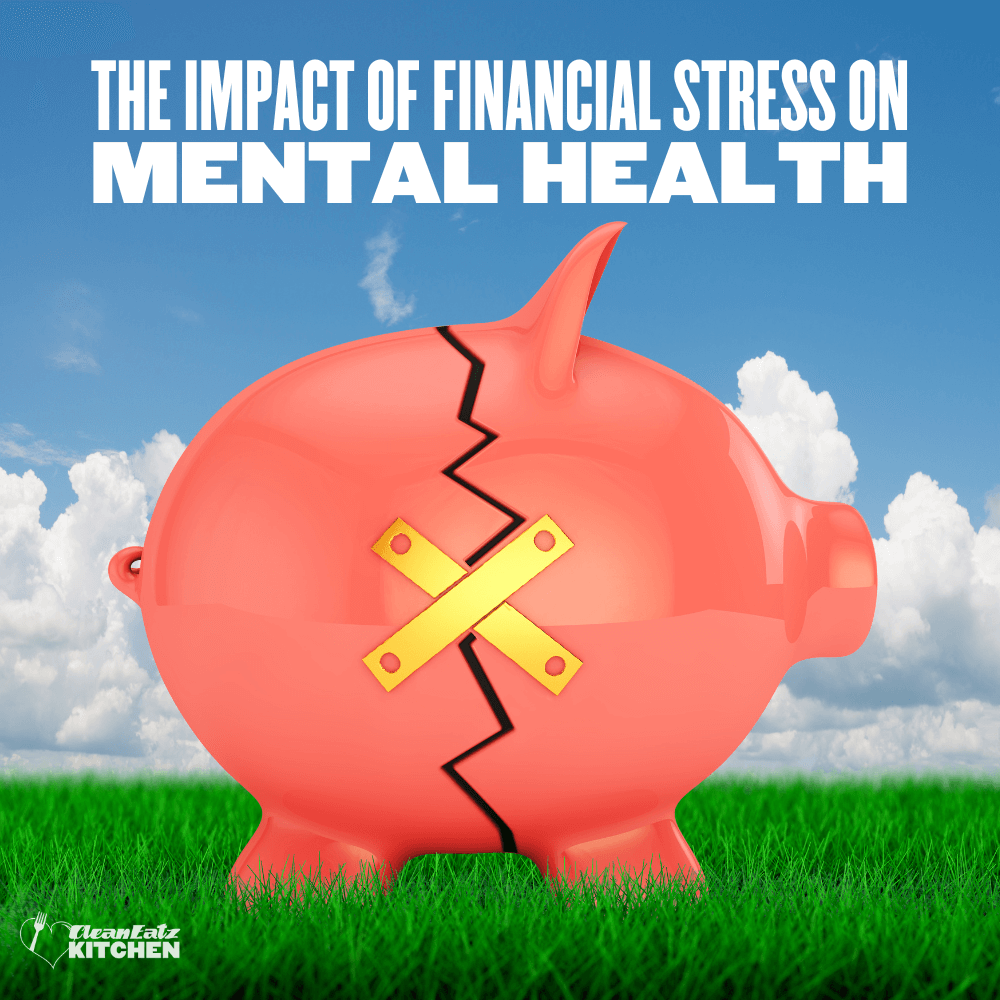
In today’s uncertain economic climate, financial stress has become not only a fiscal burden but a profound mental health crisis. Recent surveys reveal staggering levels of distress—47% of U.S. adults report that money negatively affects their mental health, with the impact being even greater among women (51%) and lower-income households (53%) ([betterhelp.com][1]). A 2025 Northwestern Mutual study further found that 69% of Americans attribute their feelings of depression and anxiety to personal financial uncertainty, while 70% say that money worries physically affect their well-being, and over 60% suffer sleepless nights due to financial stress ([Harbor Psychiatry & Mental Health][2], [Investopedia][3]). Globally, the data is clear: people under financial strain are significantly more likely to develop anxiety and depressive disorders, with 72% of adults feeling stressed about money at least part of the time, and 22% experiencing extreme stress ([yourmoneyline.com][4]). Debt, too, weighs heavily on mental health—individuals with depression are 4.2 times more likely to still have debt 18 months later than those without debt ([betterhelp.com][1]). The physiological consequences are equally alarming: financial stress contributes to elevated blood pressure, heart disease, chronic pain, and weakened immunity ([New York Post][5], [TIME][6]). Frontline workers, such as healthcare and education professionals, bear a disproportionate burden: in Australia, 81% of such workers reported that financial pressure negatively impacted their mental health, with many delaying essential healthcare or skipping meals due to cost ([Adelaide Now][7], [Herald Sun][8]). Globally, longitudinal studies across 24 countries confirm a robust connection between financial hardship and poorer mental health outcomes, particularly depression ([ScienceDirect][9]). Tackling this pervasive issue demands both individual solutions—like regular saving, budgeting, and stress coping strategies—as well as societal interventions such as accessible financial counseling, workplace support, and robust social safety nets to foster economic and psychological resilience across communities.

Financial Stress and Mental Health
Financial stress is an increasingly common concern in today’s rapidly changing economic landscape. Uncertainty about income, debts, rising living costs, and unexpected expenses can create persistent anxiety that affects mental health, physical well-being, and overall quality of life. Unlike occasional financial worry, chronic financial stress can lead to serious psychological disorders, including depression, generalized anxiety, and even panic attacks. Individuals experiencing financial stress often report constant preoccupation with money, difficulty concentrating, disrupted sleep, and strained relationships. The pressure to meet financial obligations can cause irritability, hopelessness, and a sense of being trapped. Moreover, the modern culture of comparison—seeing peers or influencers display wealth and success—can amplify feelings of inadequacy and social anxiety. The psychological impact of financial stress extends beyond emotions. Chronic stress triggers physiological responses such as elevated cortisol levels, increased heart rate, and blood pressure, which can contribute to long-term health issues. Studies have also linked financial insecurity to lower life satisfaction, reduced resilience, and impaired decision-making. Certain groups are particularly vulnerable, including young adults facing student loans, individuals in precarious employment, and families managing multiple financial obligations. Economic crises, inflation, and sudden job losses further exacerbate these effects, creating widespread societal stress. Addressing financial stress requires both practical and psychological strategies. Financial literacy and budgeting skills can empower individuals to regain control over their resources, while mental health support—such as therapy or stress management programs—helps mitigate the emotional toll. Mindfulness, exercise, and social support networks can further buffer the impact of financial anxiety. Employers and policymakers also have a role to play. Workplace financial wellness programs, access to affordable healthcare, and social safety nets reduce the prevalence of chronic financial stress and its mental health consequences. By fostering financial stability and resilience, society can improve overall psychological well-being. Ultimately, financial stress is more than just a money problem—it is a mental health issue with far-reaching implications. Recognizing its effects and adopting strategies to manage both economic and emotional challenges is essential for maintaining a balanced, healthy life.

Eco-anxiety
Eco-anxiety is a psychological response to the growing awareness of climate change, environmental destruction, and the uncertain future of our planet. Unlike traditional forms of anxiety, eco-anxiety is not a clinical disorder but a natural emotional reaction to real and tangible threats to the environment. Many individuals, particularly younger generations, report feelings of helplessness, guilt, sadness, and even anger when thinking about global warming, deforestation, rising sea levels, and extreme weather events. This constant awareness of ecological crisis can lead to a sense of doom, reducing people’s motivation, disrupting their daily lives, and sometimes triggering depressive symptoms. The rise of eco-anxiety is closely tied to the increasing visibility of environmental problems in media and daily life. Wildfires, floods, droughts, and biodiversity loss are no longer distant or rare events; they are part of everyday headlines and lived experiences for millions. For some, this leads to heightened activism and a desire to contribute to sustainable solutions. For others, the overwhelming scale of the problem creates paralysis—making them feel powerless, hopeless, and uncertain about the future. Studies show that young people, who will live with the long-term consequences of climate change, are especially vulnerable to this form of anxiety. Eco-anxiety manifests in different ways. It can appear as constant worrying about environmental collapse, difficulty sleeping, obsessive consumption of climate-related news, or avoidance of long-term planning because the future feels unstable. It may also cause people to question personal choices such as traveling, shopping, or diet, leading to guilt when they feel they are not doing “enough” to protect the environment. While moderate concern can be motivating, excessive eco-anxiety can harm mental health, relationships, and overall well-being. Addressing eco-anxiety requires both individual and collective approaches. On a personal level, experts recommend balancing awareness with action. Taking small but meaningful steps—such as reducing waste, conserving energy, supporting eco-friendly initiatives, or participating in community projects—can create a sense of control and empowerment. Building emotional resilience through mindfulness, therapy, or spending restorative time in nature can also ease feelings of despair. On a larger scale, governments, schools, and organizations have a responsibility to provide education, promote sustainable policies, and create supportive spaces where people can share their concerns and take collective action. Ultimately, eco-anxiety reflects the deep connection between human beings and the environment. It is a reminder that the health of the planet is directly tied to our psychological and physical well-being. Although it can be distressing, eco-anxiety also has the potential to become a catalyst for change. When channeled constructively, it can inspire individuals and societies to rethink priorities, embrace sustainability, and work toward a more resilient and hopeful future. By acknowledging these feelings rather than ignoring them, people can transform fear into motivation and despair into meaningful action.

Nomophobia
Nomophobia, short for “no-mobile-phone phobia,” describes the intense fear or anxiety that arises when a person is unable to access their mobile phone. In today’s digital age, smartphones have become essential tools for communication, entertainment, work, and even emotional support. As a result, being separated from one’s phone can trigger feelings of stress, restlessness, and insecurity. People with nomophobia often display behaviors such as checking their phone obsessively, experiencing panic when the battery is low, or avoiding situations where phone use is restricted. Research shows that this condition is linked to increased stress levels, reduced concentration, and even disrupted sleep patterns. While technology itself is not harmful, overreliance on it creates dependency that affects mental well-being. To cope with nomophobia, experts recommend practices like digital detoxing, setting screen-time limits, turning off unnecessary notifications, and engaging in offline activities that strengthen real-life connections. By building a healthier relationship with technology, individuals can reduce anxiety and regain balance in their daily lives.

Doomscrolling and Its Impact on Mental Health
In the digital era, information is more accessible than ever before. While this provides immense opportunities for learning and awareness, it has also given rise to an unhealthy behavioral trend known as doomscrolling—the compulsive consumption of negative news, often late into the night, through endless scrolling on digital devices. The term gained popularity during the COVID-19 pandemic when people, confined to their homes, found themselves repeatedly refreshing social media and news platforms for updates. Although initially driven by a desire for information and control in uncertain times, doomscrolling quickly evolved into a harmful habit that continues to affect millions. Why People Doomscroll Psychologists suggest that doomscrolling is rooted in the brain’s survival mechanisms. Humans are naturally drawn to threats and negative information as a way of preparing for danger. In the modern context, this instinct translates into an endless search for alarming news, even when it offers no direct benefit to personal safety. The design of digital platforms amplifies this tendency—algorithms prioritize emotionally charged content, keeping users hooked in a cycle of anxiety and engagement. Psychological Consequences Doomscrolling has a significant impact on mental health. Prolonged exposure to negative headlines intensifies feelings of stress, hopelessness, and fear. Many individuals report increased symptoms of anxiety, depression, and insomnia as a result of their compulsive news consumption. The constant intake of alarming information creates a sense of powerlessness, reinforcing the belief that the world is overwhelmingly dangerous and uncontrollable. Moreover, doomscrolling contributes to cognitive overload. The brain, bombarded with a stream of tragic events and crises, struggles to process the information constructively. This leads to emotional exhaustion and reduced capacity for problem-solving and empathy. Social and Lifestyle Effects Beyond individual mental health, doomscrolling influences social interactions and lifestyle choices. People caught in the cycle often withdraw from positive social activities, preferring to remain online. Their conversations may become dominated by negativity, which can strain personal relationships. Sleep quality is also heavily affected, as doomscrolling frequently occurs late at night, disrupting circadian rhythms and reducing overall well-being. Breaking the Cycle Overcoming doomscrolling requires both awareness and active strategies. Psychologists recommend setting clear time boundaries for news and social media use, such as limiting screen time before bed. Curating news sources to include balanced perspectives and uplifting content helps counter the negativity bias. Practicing mindfulness and grounding exercises can reduce compulsive scrolling, while engaging in offline activities—such as hobbies, exercise, or time in nature—restores emotional balance. Community and media organizations also play a role. Promoting responsible journalism, fact-checking, and positive storytelling can shift the focus from constant crisis to constructive narratives, reducing the psychological burden on audiences. Conclusion Doomscrolling is more than a digital habit—it is a modern psychological phenomenon shaped by human instincts and technological design. While staying informed is important, excessive focus on negative information erodes mental health and undermines resilience. By setting boundaries and adopting healthier digital practices, individuals can regain control of their information consumption, reduce anxiety, and foster a more balanced outlook on life.
Emotional Intelligence and Mental Health
Emotional intelligence (EI) refers to the ability to recognize, understand, manage, and influence one’s own emotions and those of others. Over the past few decades, EI has gained significant attention for its profound impact on mental health and overall well-being. Unlike traditional IQ, which measures cognitive abilities, emotional intelligence focuses on interpersonal skills and emotional regulation—key factors in navigating the complexities of daily life. People with high emotional intelligence tend to cope better with stress, maintain healthier relationships, and exhibit greater resilience in the face of adversity. They can identify negative emotional patterns early, allowing them to implement coping strategies before problems escalate into anxiety or depression. Conversely, low EI is often linked to difficulties in managing stress, impulsivity, and vulnerability to mood disorders. In clinical settings, developing emotional intelligence is increasingly integrated into therapeutic approaches such as cognitive-behavioral therapy (CBT) and dialectical behavior therapy (DBT). These therapies teach skills like emotional awareness, mindfulness, and effective communication, empowering patients to regulate their emotions constructively. Beyond individual benefits, emotional intelligence plays a critical role in social environments. In workplaces, higher EI contributes to better teamwork, leadership, and conflict resolution. In families and communities, it enhances empathy, reduces misunderstandings, and fosters supportive relationships. Given its wide-ranging effects, emotional intelligence is considered a crucial component in preventive mental health care. Educational programs aimed at children and adolescents that focus on emotional skills development have shown promising results in reducing behavioral problems and promoting psychological resilience. In conclusion, emotional intelligence serves as a vital foundation for mental health, influencing how individuals interpret and respond to life’s challenges. Cultivating EI not only improves personal well-being but also enriches social connections, creating a more emotionally healthy society.
Climate Anxiety
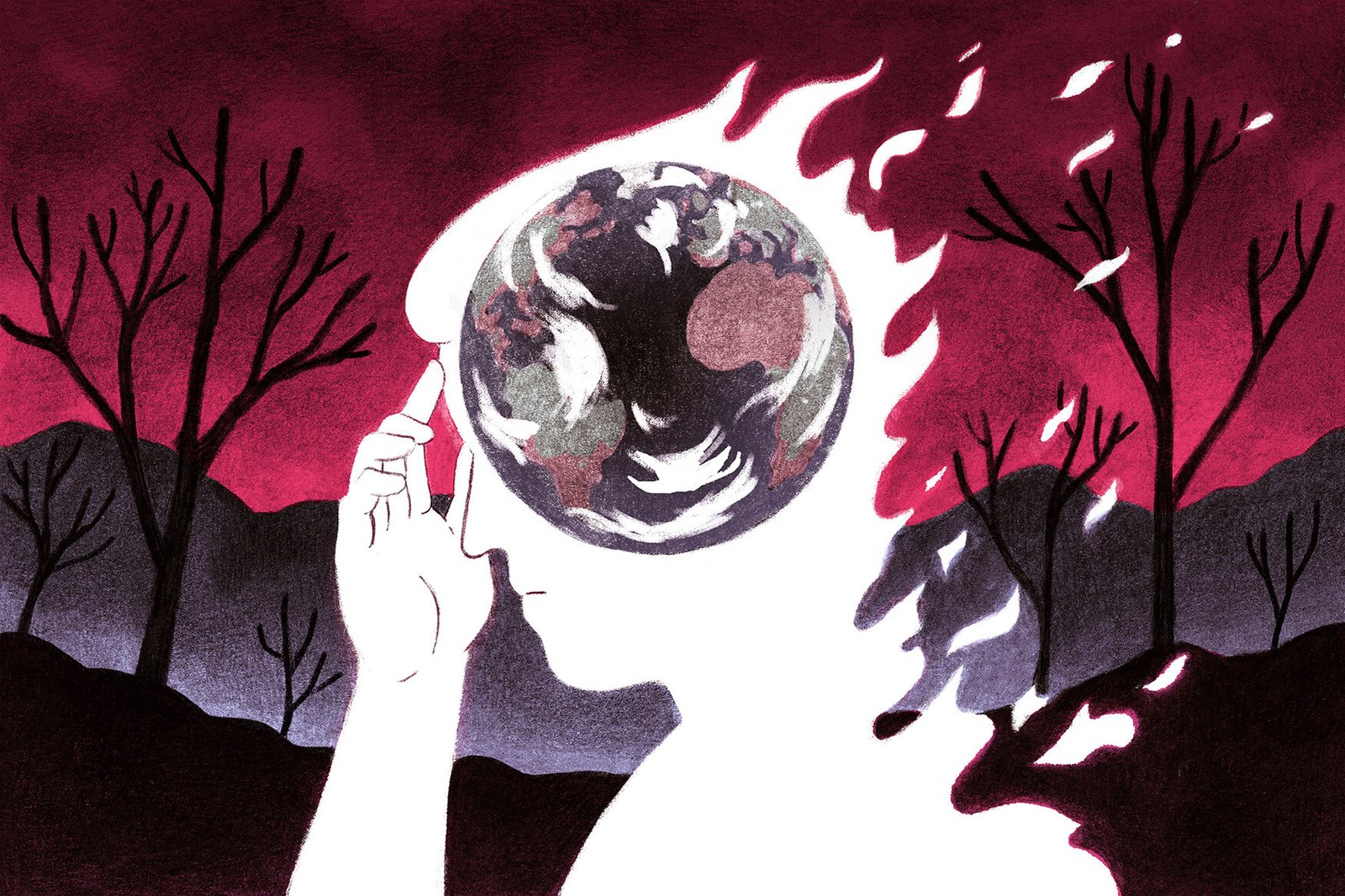
Climate anxiety, also known as eco-anxiety, is an emerging psychological condition characterized by chronic fear, distress, or helplessness about the climate crisis and its long-term impacts. Unlike traditional anxiety disorders triggered by immediate personal threats, climate anxiety is fueled by a global, ongoing, and seemingly uncontrollable phenomenon. This type of anxiety is particularly prevalent among younger generations, who feel they will bear the brunt of environmental degradation. Constant exposure to alarming news about wildfires, floods, heatwaves, and biodiversity loss can create a persistent sense of doom. Social media amplifies this effect by presenting a steady stream of urgent headlines, images, and warnings, often without offering clear solutions. Climate anxiety manifests in various ways. Some individuals experience restlessness, insomnia, or panic attacks. Others may feel paralyzed—unable to make decisions about their future, such as whether to have children, invest in long-term plans, or even choose where to live. In some cases, it leads to eco-paralysis, where the overwhelming scale of the problem results in inaction, despite a strong desire to help. It’s important to distinguish between healthy concern and debilitating anxiety. Feeling worried about the climate can be a motivator for action, such as adopting sustainable habits, joining environmental movements, or advocating for policy change. However, when the fear becomes constant and all-consuming, it can negatively affect mental health and daily functioning. Psychologists recommend several coping strategies for managing climate anxiety. These include: On a societal level, governments and organizations can help by providing clear communication about environmental challenges and outlining realistic action plans. Knowing that solutions are being pursued can reduce the sense of hopelessness that fuels climate anxiety. Ultimately, climate anxiety is a rational response to a very real crisis—but it does not have to lead to despair. By channeling concern into constructive action, individuals can transform anxiety into empowerment, contributing not only to their own mental well-being but also to the health of the planet.

Urban Loneliness
Urban loneliness is a paradox of modern life: millions of people living side by side, yet feeling more disconnected than ever. This phenomenon refers to the sense of isolation and emotional detachment that can develop in densely populated cities, where opportunities for social interaction are abundant in theory but scarce in reality. Unlike rural loneliness, which often stems from geographic isolation, urban loneliness emerges in the midst of constant activity and noise. Crowded public transport, busy streets, and packed apartment buildings do not guarantee meaningful connections. In fact, the sheer pace of city life can make it harder to slow down and nurture relationships. One contributing factor is the transient nature of urban communities. People in cities often move for work, education, or personal reasons, making long-term friendships harder to sustain. The competitive atmosphere of urban environments can also foster a focus on individual achievement rather than communal support. Social media, while offering a sense of connection, may inadvertently deepen loneliness by replacing in-person interaction with curated, impersonal exchanges. Urban loneliness affects both mental and physical health. Chronic feelings of isolation have been linked to depression, anxiety, and even cardiovascular problems. The stress of navigating crowded yet emotionally distant environments can erode one’s sense of belonging and overall well-being. Interestingly, urban loneliness is not confined to people who live alone. Even those with roommates, partners, or families can experience it if they lack a sense of deeper social integration. In many cities, residents do not know their neighbors, and casual small talk is often replaced by hurried interactions or complete avoidance. Addressing urban loneliness requires both personal and systemic approaches. On a personal level, individuals can make intentional efforts to join community activities, attend local events, or volunteer. Building connections through shared interests—whether in sports, arts, or social causes—can create opportunities for meaningful relationships. On a broader scale, urban planners and policymakers can design public spaces that encourage interaction, such as parks, communal gardens, and pedestrian-friendly streets. Encouraging mixed-use neighborhoods where people live, work, and socialize in close proximity can also foster a stronger sense of community. While city life offers opportunities for culture, career, and personal growth, it also challenges our ability to connect on a human level. Recognizing and addressing urban loneliness is essential to making cities not just places to live, but places to belong.
Digital Perfectionism
In today’s hyperconnected world, perfectionism has taken on a new form—digital perfectionism. This emerging mental health challenge is characterized by an obsessive need to curate, control, and present an idealized version of oneself online. While perfectionism has always existed, the rise of social media platforms, influencer culture, and constant digital feedback has amplified its intensity and reach. Digital perfectionism often begins with harmless intentions—wanting to share a flattering photo or post an accomplishment. However, over time, the pressure to maintain a flawless online persona can lead to unrealistic self-expectations, self-criticism, and anxiety. Every post, caption, or comment becomes a performance, subject to scrutiny and comparison. One of the main drivers of this phenomenon is the algorithmic nature of social media. Likes, shares, and comments act as instant metrics of approval, conditioning individuals to seek external validation. When posts fail to perform well, feelings of inadequacy or rejection may follow. This constant cycle of posting and seeking validation can be emotionally exhausting. Digital perfectionism also affects how people perceive others. Seeing a stream of polished, carefully edited content can create the illusion that everyone else is living a more successful, attractive, and exciting life. This comparison trap can fuel low self-esteem, imposter syndrome, and social withdrawal. Psychologically, digital perfectionism can contribute to burnout, anxiety disorders, and depression. It may also reduce genuine self-expression, as individuals avoid sharing anything that feels too authentic or imperfect. Over time, this curated existence can lead to a disconnect between one’s real life and their online image. Experts suggest several strategies for managing digital perfectionism. Limiting social media usage, following accounts that promote authenticity, and setting personal boundaries around posting can help reduce pressure. Practicing self-compassion and focusing on offline achievements are also key steps toward a healthier relationship with digital life. Ultimately, the problem lies not in sharing our lives online, but in believing that our worth is defined by how perfectly we present them. By embracing imperfection, individuals can reclaim authenticity and reduce the mental strain of keeping up with an unattainable standard.