

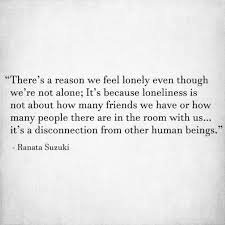
A person can sit at a crowded table, laugh at the right moments, respond to messages all day, attend meetings, family gatherings, celebrations, and still feel profoundly alone. This kind of loneliness is confusing because it does not match the visible reality. There are people everywhere. There is noise, conversation, interaction. Yet internally there is distance. A quiet separation. A sense that no one truly sees what is happening inside. Loneliness is often misunderstood as physical isolation. In reality, it is emotional disconnection. It is the gap between what we experience internally and what we are able to share externally. When that gap widens, the feeling of being alone intensifies, regardless of how many people are physically present. Many individuals learn early in life to filter themselves. They adapt to expectations. They adjust their tone, humor, opinions, even emotional expression depending on the environment. At first, this flexibility seems like social intelligence. Over time, however, constant adaptation can create fragmentation. If someone is always performing a version of themselves, they may lose contact with their authentic internal world. And when authenticity is hidden, connection becomes superficial. Superficial connection is not meaningless, but it does not satisfy deeper emotional needs. Conversations remain safe, predictable, polite. Vulnerability is avoided. Real fears, insecurities, and uncertainties stay unspoken. Others may know facts about the person—where they work, what they enjoy, what they achieved—but not the emotional landscape beneath those facts. Without emotional exposure, intimacy cannot fully develop. Modern communication intensifies this paradox. Technology allows constant contact. Messages are exchanged instantly. Social media creates the illusion of closeness through likes, comments, and shared content. Yet digital interaction often lacks emotional depth. It rewards presentation rather than presence. People curate their lives carefully, sharing highlight moments while concealing confusion or pain. Observers compare their unfiltered internal struggles to others’ polished images, deepening feelings of isolation. Loneliness in social settings can also stem from fear of burdening others. Many people hesitate to express vulnerability because they do not want to appear weak or demanding. They tell themselves that others have their own problems. They minimize their struggles. They become the supportive friend, the reliable partner, the stable colleague. Externally, they seem strong. Internally, they feel unseen. Attachment patterns shape this dynamic. Individuals with avoidant tendencies often maintain independence at the cost of intimacy. They may value self-sufficiency and feel uncomfortable relying on others. Even in relationships, they keep emotional distance. This protects them from rejection but limits closeness. On the other hand, those with anxious tendencies may seek reassurance constantly yet still feel alone if reassurance does not address deeper insecurities. In both cases, physical proximity does not guarantee emotional security. There is also the experience of existential loneliness—the awareness that no one can fully access another person’s consciousness. Each individual carries memories, perceptions, and internal narratives that are uniquely theirs. Even in loving relationships, there are moments when this separateness becomes visible. Recognizing this can feel unsettling. It reminds us that complete merging with another person is impossible. Cultural expectations often discourage emotional honesty. In environments where strength is equated with stoicism, individuals suppress sadness and doubt. In competitive spaces, vulnerability may feel risky. If someone reveals insecurity, they fear losing status or credibility. So they smile, perform competence, and hide uncertainty. Over time, this concealment builds emotional walls. Loneliness also appears when personal growth outpaces social circles. As individuals evolve—changing values, beliefs, interests—they may feel increasingly different from their surroundings. Conversations that once felt engaging may now feel limiting. Shared humor may no longer resonate. This subtle misalignment creates distance even without conflict. Growth can be isolating before new connections form. The nervous system responds to loneliness as it would to physical threat. Studies show that chronic loneliness activates stress responses similar to those triggered by danger. The body releases stress hormones. Sleep quality declines. Mood becomes unstable. Over time, persistent loneliness can impact physical health, immune function, and cognitive clarity. Yet loneliness is not solely negative. It is also information. It signals a need for deeper connection, authenticity, or alignment. The discomfort is a call to examine where emotional expression has been restricted. It invites reflection: Where am I hiding? Where am I afraid to be known? Addressing loneliness requires gradual risk. Authentic connection cannot occur without some exposure. This does not mean oversharing indiscriminately. It means choosing safe people and offering pieces of the internal world honestly. Saying “I’ve been feeling disconnected lately” or “I don’t always feel understood” opens doors. Vulnerability invites reciprocity. Often, others are waiting for permission to express similar feelings. Listening is equally important. True connection forms not only when we speak authentically but when we receive others without judgment. Emotional presence—the ability to stay with someone’s discomfort without immediately fixing or dismissing it—builds trust. When people feel heard, loneliness softens. Self-connection is foundational. Some loneliness arises not from others’ absence but from disconnection from oneself. Constant distraction—through work, media, obligations—can prevent introspection. Without self-awareness, it becomes difficult to articulate needs. Practices like journaling, mindfulness, or reflective walks strengthen internal clarity. The more someone understands their own emotions, the more effectively they can communicate them. Boundaries also reduce loneliness. Paradoxically, saying no can increase connection. When individuals overextend themselves to please others, resentment builds. Authenticity requires limits. Expressing preferences and constraints fosters relationships based on reality rather than performance. Community plays a role beyond individual relationships. Shared purpose—volunteering, creative collaboration, learning environments—creates bonding experiences that transcend surface-level interaction. Humans evolved in cooperative groups. Contribution fosters belonging. It is important to distinguish between chosen solitude and painful loneliness. Solitude can be nourishing. It allows integration, creativity, restoration. Loneliness, in contrast, feels involuntary and heavy. Learning to enjoy solitude reduces desperation in relationships and supports healthier bonds. Therapeutic support can be transformative for chronic loneliness. A safe therapeutic relationship models emotional attunement. Experiencing consistent, nonjudgmental presence can reshape internal expectations about connection. It challenges beliefs such as “I am too much” or “No one would understand.” Ultimately, loneliness among others

Can Silence Between People Be Louder Than Words?
There are moments in human relationships when nothing is said, yet everything is felt. Two people sit across from each other, exchanging no accusations, no explanations, no visible conflict. On the surface, there is calm. Underneath, however, tension vibrates. The silence is not peaceful. It is heavy. It carries disappointment, resentment, fear, longing, or pride. In these moments, silence becomes a language of its own. Silence between people is rarely empty. It often holds what feels too risky to express. Words require vulnerability. To speak honestly means exposing need, admitting hurt, or risking rejection. When emotional safety feels uncertain, silence becomes protection. It shields the ego from potential damage. It prevents escalation. It delays confrontation. Yet the protection comes with a cost. In many relationships, especially long-term ones, silence develops gradually. At first, communication may be open and curious. Disagreements are discussed. Feelings are shared. Over time, if certain conversations lead to defensiveness or dismissal, one or both individuals begin to withdraw. They learn which topics cause friction. They stop bringing them up. They tell themselves it is easier this way. The silence may begin with small things: a comment swallowed, a complaint postponed, a boundary unspoken. Each omission seems insignificant. But emotional distance accumulates quietly. What is not expressed does not disappear. It settles in the body. It appears in tone, in posture, in eye contact. Eventually, two people can share a space while feeling miles apart. This phenomenon is closely tied to attachment patterns. Individuals who fear conflict often equate disagreement with abandonment. To avoid losing connection, they minimize their own needs. They choose silence over expression. In the short term, this reduces tension. In the long term, it erodes authenticity. The relationship becomes stable but shallow. On the other hand, some individuals use silence as a form of control. Instead of expressing anger directly, they withdraw communication. They become distant, unresponsive, emotionally unavailable. This type of silence can feel punishing. It creates confusion and anxiety in the other person. The absence of words becomes a statement: You have hurt me, and I will make you feel it through my absence. Neurologically, social silence activates the same pain centers in the brain as physical injury. Humans are wired for connection. When communication stops, especially abruptly, the nervous system interprets it as threat. The uncertainty is often more distressing than clear conflict. A harsh argument provides information. Silence provides ambiguity, and ambiguity fuels anxiety. In families, silence can shape entire emotional climates. Children raised in environments where difficult emotions are not discussed often grow into adults who struggle to articulate their feelings. If sadness was ignored, anger punished, or vulnerability mocked, silence becomes survival. They learn that speaking disrupts stability. They carry this lesson into future relationships. Workplaces also demonstrate the power of silence. Teams may appear harmonious while avoiding honest feedback. Employees may withhold ideas to avoid criticism. Leaders may suppress disagreement to maintain authority. The result is stagnation. Innovation requires dialogue. Growth requires discomfort. When silence dominates, development slows. There is, however, a different kind of silence that heals rather than harms. This silence is not avoidance. It is presence. It occurs when two people feel safe enough to exist without constant explanation. It is the quiet between close friends who do not need to fill every moment with words. It is the stillness between partners who understand each other without performance. The difference lies in intention and safety. Harmful silence is rooted in fear, resentment, or power. Healing silence is rooted in trust. One creates distance. The other deepens connection. Psychologically, breaking destructive silence requires courage. The first spoken word after a long emotional gap can feel terrifying. It risks destabilizing the fragile peace that has been maintained. Yet without that risk, relationships slowly suffocate. Expression reintroduces movement into stagnant dynamics. Effective communication does not mean dramatic confrontation. It begins with naming internal experience. Statements like “I feel distant lately” or “I’m afraid to bring this up” open space without accusation. Vulnerability invites vulnerability. When one person steps out of silence, it gives permission for the other to do the same. However, not all silences can or should be broken. In some relationships, silence signals emotional incompatibility. If repeated attempts at dialogue lead to dismissal or hostility, silence may be a sign of necessary detachment. Recognizing when silence is protective rather than avoidant requires self-awareness. On a personal level, internal silence can be equally powerful. Many individuals silence their own emotions before they silence others. They distract themselves from discomfort. They rationalize pain. They convince themselves that what they feel is unreasonable. Over time, this internal suppression creates emotional numbness. Learning to listen to oneself is often the first step toward changing relational silence. When individuals can identify their own needs and fears, they are better equipped to express them. Self-awareness reduces reactive communication. It transforms silence from suppression into choice. In modern society, constant digital communication paradoxically increases emotional silence. Messages are exchanged rapidly, yet deeper conversations are rare. Social media offers visibility without intimacy. People may appear connected while feeling profoundly misunderstood. Silence hides behind noise. Breaking cycles of silence requires emotional regulation. When conversations become intense, the nervous system shifts into fight, flight, or freeze. Freeze responses often manifest as silence. Practicing grounding techniques helps individuals remain present during difficult discussions. Breathing slowly, pausing before responding, and maintaining eye contact can prevent retreat. It is also important to recognize that silence does not always indicate indifference. Sometimes it reflects processing. Not everyone articulates emotions immediately. Some require time to understand what they feel before speaking. Allowing space without assuming rejection strengthens mutual understanding. The most damaging silence is the one filled with unspoken narratives. When people stop communicating, they begin interpreting. They create stories about the other’s intentions. These stories are rarely generous. Without clarification, assumptions harden into beliefs. Beliefs solidify into resentment. Healthy relationships treat silence as information rather than as a weapon. If distance appears, it becomes a topic rather

Why Does Success Feel Empty After I Achieve It?
There are people who spend years chasing a goal, imagining that reaching it will finally bring peace. They work hard, sacrifice comfort, endure stress, and tell themselves that everything will make sense once they arrive. And then they do. The promotion comes. The degree is completed. The relationship becomes official. The house is bought. The recognition is earned. For a brief moment there is relief, even excitement. But soon after, something unexpected appears: emptiness. It is not depression in the traditional sense. It is not failure, because the goal has been achieved. It is a hollow sensation that whispers, “Is this it?” The satisfaction they expected does not last. Instead of fulfillment, there is restlessness. Instead of peace, there is a new anxiety about what comes next. They may immediately begin searching for another goal, another challenge, another mountain to climb. Standing still feels unbearable. This psychological pattern often forms when identity becomes fused with achievement. In early life, many individuals receive love, validation, or attention primarily when they perform well. They are praised for grades, talent, maturity, or success. Their worth becomes measured by results rather than by presence. Over time, they internalize a belief: I am valuable when I achieve. When this belief takes root, striving becomes survival. Goals are no longer just aspirations; they are proof of existence. Each achievement temporarily confirms worth, but the confirmation fades quickly. The nervous system, accustomed to striving, cannot relax. It has learned that safety lies in movement, not in stillness. The emptiness after success is not about the goal itself. It is about the absence of striving. For years, the person’s identity revolved around pursuit. Their thoughts, routines, and energy were organized around becoming. Once they arrive, there is a vacuum. Without the chase, they do not know who they are. This is especially common in high-performing individuals. From the outside, they appear confident and driven. Internally, they may feel fragile. They fear stagnation because stagnation feels like invisibility. When they are not progressing, they question their value. Rest feels like regression. Satisfaction feels dangerous, as if it will make them weak. The nervous system plays a crucial role in this cycle. Dopamine, the brain’s reward chemical, is strongly activated during pursuit rather than possession. The anticipation of success often feels more energizing than the success itself. When the goal is reached, dopamine drops. This creates a temporary emotional crash that feels like emptiness. The brain, seeking that stimulation again, pushes the individual toward the next target. Over time, life becomes a sequence of pursuits rather than experiences. The present moment is always a bridge to something else. Joy is postponed. Fulfillment is delayed. The person lives in a constant state of becoming, rarely allowing themselves to simply be. Relationships can also suffer under this pattern. Partners may feel secondary to ambition. Even when success is shared, emotional presence may be missing. The individual may struggle to celebrate achievements because celebration requires stillness. And stillness feels unfamiliar. Emotionally, this leads to chronic dissatisfaction. Nothing feels like enough, not because they are ungrateful, but because their identity is built on the idea that enough does not exist. Each accomplishment raises the standard. Each milestone becomes a new starting line. Healing begins with separating identity from achievement. This is uncomfortable at first. Without goals to chase, they may feel lost or anxious. But slowly, they begin to explore who they are outside of performance. They learn to tolerate stillness. They practice experiencing moments without turning them into stepping stones. This shift does not mean abandoning ambition. It means redefining worth. Achievement can be meaningful, but it does not define existence. Success can be celebrated without becoming a requirement for self-love. As they integrate this new understanding, the emptiness after success begins to soften. They no longer rush to fill it. They allow themselves to rest in accomplishment. They discover that fulfillment does not come from constant motion, but from presence. And in that presence, success stops feeling hollow. It becomes something they can hold, rather than something they must outrun.

Everyone Likes Me, So Why Do I Feel Alone?
There are people who move through life surrounded by others, who are welcomed into rooms, included in conversations, and described as kind, warm, or easy to be around, yet inside they feel profoundly alone. Their phone may be full of contacts, their calendar may contain social plans, and their presence may be valued, but something essential feels missing. It is not the absence of people that hurts them. It is the absence of being truly known. They feel as though others see a version of them, but not the real person who exists beneath the surface. This form of loneliness is often misunderstood. Society tends to associate loneliness with physical isolation, but emotional loneliness can exist even in the busiest social lives. It is the loneliness of not being mirrored, not being understood, not being emotionally met. People who experience this often struggle to explain it because, from the outside, they appear to have everything needed for connection. This makes their pain feel illegitimate, as if they have no right to feel empty. The roots of this experience often trace back to early emotional environments. Many of these individuals grew up in homes where love was conditional, where they were valued for being polite, successful, calm, or helpful rather than for being emotionally real. Their deeper feelings may have been dismissed, minimized, or misunderstood. They learned that acceptance depended on meeting expectations, not on expressing their inner world. Over time, they developed a social self designed to be liked. This social self is not fake, but it is incomplete. It is a carefully shaped identity that adapts to what others need, expect, or prefer. The child becomes skilled at reading emotional cues, adjusting behavior, and maintaining harmony. They learn how to be agreeable, supportive, and non-threatening. What they do not learn is how to be emotionally seen. As they grow, this pattern becomes automatic. In conversations, they focus on the other person. They ask questions, listen, empathize, and rarely speak about themselves. When they do share, they keep it light or vague. They sense that their deeper thoughts and emotions may be too much, too complicated, or too unwelcome. So they remain partially hidden, even in close relationships. This creates a strange contradiction. They are known by many, yet understood by none. They are liked, but not deeply connected. Their relationships feel warm but hollow. They may laugh, talk, and participate, but inside they feel as though no one is truly meeting them. The loneliness they feel is not about being alone; it is about being invisible. Over time, this emotional invisibility begins to affect their sense of self. Without being reflected by others, they struggle to feel real. They may question their own identity, wondering who they are beneath the roles they play. Their worth becomes tied to how well they perform socially rather than how authentically they live. They may feel guilty for wanting more. After all, they have friends, family, and social support. They may tell themselves they should be grateful. This self-invalidation deepens the loneliness, because they not only feel unseen, but also feel wrong for feeling that way. In relationships, they may attract people who enjoy being listened to but do not offer the same emotional presence in return. Because they are skilled at caretaking, others may rely on them without realizing how little they share. This imbalance reinforces the pattern: they continue to give while remaining unseen. Emotionally, this leads to exhaustion. Maintaining a social self requires constant adaptation. They are always monitoring, adjusting, and pleasing. Over time, this performance becomes tiring. They may feel empty, disconnected, or numb. They long for a space where they can simply exist without trying to be liked. The fear that keeps them trapped is the belief that their true self is not acceptable. They worry that if they reveal their deeper thoughts, needs, or vulnerabilities, they will be rejected. So they continue to hide, even as they crave connection. This creates a cycle of closeness without intimacy. Healing begins when they risk being seen. It starts with small acts of authenticity—sharing a real feeling, expressing a need, allowing imperfection. At first, this feels dangerous. But when they are met with understanding rather than rejection, their nervous system learns a new truth: connection does not require performance. Over time, as they practice being real, their relationships deepen. They begin to feel known, not just liked. Their loneliness softens, replaced by a quiet sense of belonging. They discover that the connection they long for has always been possible, waiting behind the courage to be seen.
Nothing Is Wrong, So Why Do I Feel Uneasy?
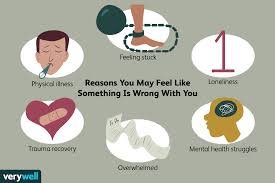
There are moments when life is objectively fine. No crisis is unfolding, no conflict is demanding attention, no loss is pressing on the heart. And yet, a quiet unease appears. It is not sadness, not fear, not even clear anxiety—just a vague sense that something is off. The mind searches for a problem to explain the feeling, but finds none. This creates confusion and self-doubt. Many people believe that peace should feel good, yet for some, peace feels like a blank space that their nervous system does not know how to inhabit. This experience often begins in early emotional environments where calm was unpredictable. A child may have lived in a home where tension, instability, or emotional distance were common. Safety may have arrived briefly, only to disappear without warning. Over time, the body learned that stillness was temporary and possibly dangerous. It adapted by staying alert, prepared for sudden change. This constant readiness became the body’s baseline. As adults, these individuals function well under pressure. They remain calm in emergencies and efficient in chaos. Others admire their strength. Yet when life slows, they feel lost. Without stress to organize their inner world, they feel unanchored. Their body begins to scan for threat, creating discomfort even when nothing is wrong. They may unconsciously create problems through overworking, conflict, or self-criticism. Not because they enjoy pain, but because their system needs stimulation to feel stable. Calm feels empty because it is unfamiliar, not because it is unsafe. Healing begins with recognizing that the discomfort belongs to the past, not the present. The nervous system must learn that peace is not a warning, but a gift. With time and safety, stillness becomes something they can trust. And when that trust grows, calm stops feeling wrong. It begins to feel like home.

Peace Feels Wrong, Doesn’t It?
For some people, calm is not a relief but a disturbance. When life finally slows, when there is no immediate problem to solve, no emotional storm to manage, no tension in the air, something inside them tightens instead of relaxing. Their body becomes restless, their mind searches for danger, and a vague sense of unease appears. The silence feels heavy, almost suspicious, as if something is about to break. They may wonder why they cannot simply enjoy peace like everyone else. They may feel broken for needing chaos to feel alive. Yet what they are experiencing is not a flaw—it is a nervous system that learned survival before it learned safety. This pattern usually begins in early environments where emotional stability was rare. A child may have grown up surrounded by arguments, emotional neglect, unpredictability, or constant pressure. In such conditions, the body cannot afford to relax. It learns to stay alert, scanning for threat, preparing for impact. Over time, this state of readiness becomes normal. Calm does not feel safe; it feels unfamiliar. The child adapts by becoming emotionally strong, mature, and self-reliant, but this strength is built on constant tension. As the child grows, the body continues to live in survival mode. Even when danger is gone, the nervous system does not receive the message. It still expects something to go wrong. This is why, as adults, these individuals often feel more comfortable in stressful situations. They are focused, clear, and emotionally present when things are difficult. Chaos feels grounding. Calm feels empty. When life becomes stable, they may feel disconnected from themselves. Without problems to solve, they feel lost. They may create stress through overworking, emotional conflict, or risky decisions—not because they enjoy suffering, but because their system needs stimulation to feel real. Their identity becomes tied to endurance. They do not know who they are without struggle. Emotionally, this creates a strange contradiction. They want peace, yet when it arrives, they cannot stay in it. They long for rest, yet feel guilty when they stop. Their body does not trust stillness. It believes that alertness equals safety. This leads to chronic anxiety, tension, and exhaustion. In relationships, this pattern often leads to attraction to intensity. Calm, consistent partners may feel boring. Dramatic or emotionally unavailable people may feel exciting and meaningful. The nervous system recognizes emotional turbulence and mistakes it for connection. Healing begins when they understand that their discomfort is not about the present. It is about the past. Their body is responding to memories of instability, not to the reality of safety. Through awareness, therapy, and gentle self-compassion, they can slowly teach their nervous system a new language. Over time, peace stops feeling wrong. It becomes something they can stay inside without fear. And in that quiet, they discover a version of themselves that no longer needs chaos to exist.

Is Peace Something My Body Rejects?
Some people feel most uneasy not when life is painful or chaotic, but when it becomes calm. When days pass without conflict, when no one is demanding anything, when the world finally feels quiet, their body does not soften. Instead, it tightens, as if waiting for something to go wrong. They may feel restless, emotionally flat, or subtly anxious without knowing why. Calm feels unfamiliar, almost unsafe, as though it cannot be trusted. This is not boredom, and it is not a lack of gratitude. It is a nervous system that learned to survive in chaos and does not yet recognize peace as a safe state. This reaction is deeply rooted in early emotional environments. Many people who experience this grew up in homes where stability was rare. There may have been constant tension, unpredictable moods, emotional neglect, or sudden conflict. The child’s nervous system learned that danger could appear at any moment. Over time, the body stopped relaxing altogether. It stayed alert, ready to respond, because that was the only way to feel safe. As the child matured, this state of readiness became normal. They learned how to function in crisis. They became skilled at handling stress, managing emotional storms, and staying composed under pressure. Chaos became familiar. Calm, however, remained foreign. When life finally slowed, their system did not know what to do. Without tension to organize their inner world, they felt disoriented. As adults, these individuals often describe feeling most alive during difficult times. They are calm in emergencies, clear in conflict, and focused when things go wrong. Others may see them as strong and capable. Yet when life is stable, they feel disconnected. They may unconsciously create problems, overwork, or stay in unstable relationships because tension feels grounding. Peace feels empty, not because it is, but because their body has not learned to live inside it. Physiologically, the nervous system remains in a stress response. Muscles stay tight. Breathing is shallow. The heart rate remains elevated. The mind constantly scans for threat. Even in safe environments, the body behaves as if danger is near. This creates chronic exhaustion and emotional numbness. Joy feels distant. Relaxation feels impossible. This pattern also shapes emotional identity. When someone grows up surviving, struggle becomes part of who they are. They may feel that without hardship, they are no longer themselves. Their sense of purpose becomes tied to enduring, fixing, or managing. Without a problem to solve, they feel lost. They may say they are “better under pressure” or “need stress to function,” not realizing that their nervous system is simply repeating what it learned long ago. In relationships, this can lead to attraction to instability. Calm, consistent partners may feel boring or distant. Dramatic or emotionally unpredictable relationships may feel intense and meaningful. The nervous system mistakes chaos for connection because that is what it recognizes. Stability feels unfamiliar, even suspicious. Healing from this pattern is not about forcing calm. At first, peace will feel uncomfortable. The nervous system needs time to learn that safety does not mean danger. Through awareness, therapy, and emotionally safe relationships, the body slowly begins to reset. The person learns to stay present in quiet moments without bracing for impact. As this happens, something shifts. Calm stops feeling empty. It begins to feel nourishing. The body learns a new baseline. And in that new safety, a different kind of life becomes possible—one not driven by survival, but guided by presence.

Do I Fear Becoming Happy?
Some people are not afraid of loneliness, failure, or pain. They have lived with those emotions for so long that they know how to carry them. What they are quietly afraid of is happiness itself. When life begins to soften, when something finally goes right, when love feels safe or success feels close, a strange uneasiness rises inside them. Their chest tightens, their thoughts become restless, and instead of relief they feel a vague sense of threat. It is as if joy is something that must be watched carefully, something that cannot be trusted, something that will soon be taken away. This fear does not come from negativity or pessimism. It is a learned emotional response that forms when happiness in the past was followed by loss, chaos, or pain. The nervous system connects pleasure with danger. It remembers that good moments were often temporary, fragile, or interrupted. Over time, the body learns to brace whenever something feels too good, preparing for what it expects will come next. The mind may say everything is fine, but the body does not believe it. Many people with this pattern grew up in emotionally unpredictable environments. Love may have been inconsistent. Safety may have disappeared suddenly. Moments of calm may have been followed by arguments, abandonment, illness, or financial stress. The child learns that joy is not stable. It is a signal that something bad is approaching. As a result, their nervous system becomes trained to stay alert even in peaceful situations. As adults, this fear shapes their lives in subtle but powerful ways. When a relationship becomes stable, they may feel restless or disconnected. When they approach success, they hesitate or self-sabotage. When they feel content, they begin to search for problems. They may tell themselves that they are just being realistic, but underneath is a deeper belief: if I relax, I will be hurt. They often live with a sense of waiting for the other shoe to drop. Calm feels temporary. Joy feels borrowed. They struggle to fully enjoy good moments because part of them is already preparing for loss. This creates a life lived in anticipation rather than presence. They are never fully here, because their nervous system is always looking ahead for danger. Emotionally, this leads to chronic tension. They may feel anxious without knowing why. They may feel disconnected from their own happiness, as if it belongs to someone else. They may struggle to trust good things, even when they have worked hard for them. Their body remains in a protective state, scanning for threats that no longer exist. This pattern can affect relationships deeply. They may push away people who treat them well, or feel uncomfortable with consistent love. They may be drawn to emotionally unavailable or unpredictable partners because that feels familiar. Stability can feel boring or suspicious. Chaos feels known, even if it is painful. Healing begins when they understand that their fear is not about happiness itself, but about the memory of pain that followed it. Through awareness, emotional safety, and supportive relationships, they slowly teach their nervous system that joy does not have to be punished. They learn to stay in good moments without bracing. Over time, happiness stops feeling like a threat. It becomes something they can hold, something they can trust, something they can live inside without fear.

Do I Feel Guilty for Wanting More?
Some people carry a quiet, persistent guilt that follows every desire they have. It is not loud and it is not dramatic, but it is always present, like a soft pressure inside the chest. Whenever they imagine a different life, a better job, a more loving relationship, more rest, more freedom, or simply more happiness, something inside them tightens. Instead of excitement, they feel shame. Instead of hope, they feel anxiety. The idea of wanting more feels selfish, ungrateful, or even morally wrong. They may tell themselves that others have it worse, that they should be thankful for what they already have, and that wanting something different means they are weak or disloyal to their own history. This pattern does not come from nowhere. It is often formed in environments where struggle was normalized and emotional needs were minimized. As children, they may have heard messages such as “be grateful,” “don’t complain,” “life is hard for everyone,” or “you should be happy with what you have.” These phrases may have been spoken with good intentions, but over time they shaped a powerful belief: wanting is wrong. Desire becomes associated with danger, disappointment, or punishment. The child learns that safety lies in endurance, not in fulfillment. In families where parents were overwhelmed, emotionally unavailable, or under constant stress, children often learned to silence their own needs to avoid becoming a burden. They watched adults sacrifice, suffer, and struggle, and they absorbed the idea that this is what life is supposed to be. Wanting more felt like betrayal. Hoping for ease felt like weakness. Over time, the nervous system adapted to this emotional environment by suppressing desire before it could fully form. Longing became something to hide, even from oneself. As adults, these individuals may appear humble, grateful, and resilient. They are often praised for their strength and their ability to endure. Inside, however, there is a quiet ache. They sense that they are living beneath their potential, that there is more they could experience, more joy they could allow themselves, but they feel trapped by invisible rules. They feel guilty for wanting a different life than the one they were given. This guilt is not logical, but it is deeply embodied. When they think about change, their body reacts with tension, fear, or nausea. The nervous system remembers that wanting once led to disappointment or rejection. It tries to protect them by keeping them small, by convincing them that safety lies in staying where they are, even if they are unhappy. Over time, they become skilled at settling. They choose stability over fulfillment, familiarity over growth, and survival over joy. They may stay in jobs that drain them, relationships that feel empty, or routines that leave them numb. When opportunities arise, they hesitate. They question whether they deserve more. They compare themselves to others who are struggling and decide that their own pain is not valid. They tell themselves that they should be satisfied, even when their heart feels heavy. This creates an internal conflict. One part of them longs for expansion, for a life that feels meaningful and alive. Another part fears that this longing is dangerous. They feel torn between gratitude and desire, between loyalty to their past and hope for their future. This tension can lead to anxiety, depression, and a persistent sense of dissatisfaction that they cannot fully explain. Emotionally, they may feel numb or disconnected from joy. Even when something good happens, they struggle to fully receive it. They may feel undeserving or suspicious of happiness, as if it is temporary or will be taken away. Their identity becomes tied to endurance rather than fulfillment. They measure their worth by how much they can tolerate, not by how deeply they can live. Healing begins when they question the belief that wanting is wrong. They begin to see that desire is not a betrayal of gratitude. It is a natural expression of growth. Wanting more does not mean rejecting what they have. It simply means acknowledging that they are alive, evolving, and worthy of a life that feels meaningful. As they slowly allow themselves to want without shame, their nervous system begins to relax. They learn that safety does not require self-denial. They discover that joy is not something to earn through suffering. It is something they are allowed to experience. When this shift happens, the guilt softens. The heart opens. And for the first time, wanting more feels like an act of courage rather than a crime.

Do I Disappear When No One Is Watching?
Some people feel most real only when they are being seen. Not admired, not praised, but simply noticed. When attention is present, they feel solid, grounded, and alive. When it disappears, a strange fading begins. Their thoughts grow quiet, their emotions flatten, and their sense of self weakens, as if they are slowly becoming invisible even to themselves. This experience is not vanity, and it is not a desire for fame. It is a hidden psychological state in which identity depends on external recognition to feel stable. This pattern often begins in environments where emotional presence was inconsistent. A child may have grown up with caregivers who were distracted, emotionally unavailable, or unpredictable. Attention may have arrived in bursts and disappeared without explanation. The child learns that being seen is not guaranteed. To survive, they begin to monitor the emotional climate, adjusting their behavior to regain visibility. Over time, their nervous system associates attention with safety and absence with emotional threat. As adults, they may not consciously seek the spotlight, yet their sense of self depends on external reflection. When someone responds to them, listens, or acknowledges their presence, they feel whole. When they are ignored, they feel unreal. This creates a subtle fear of being forgotten, overlooked, or emotionally erased. They often become highly attuned to social feedback. A delayed message, a quiet room, or a lack of response can trigger deep discomfort. They may overthink interactions, searching for signs of rejection or indifference. Their emotional state rises and falls with the attention they receive, even if they appear calm on the surface. In relationships, this can create emotional dependency. They may cling to connection, not out of neediness, but out of fear of disappearance. Without reflection from others, they struggle to maintain a sense of identity. They may feel lost when alone, unsure of who they are without an audience. Physiologically, their nervous system reacts strongly to social cues. Presence feels regulating; absence feels destabilizing. Over time, this creates emotional fatigue and insecurity, even in stable environments. Healing involves learning to internalize a sense of self that does not rely on constant validation. Through self-awareness, therapy, and consistent relationships, the person gradually learns to feel real even in solitude. Their identity becomes something they carry, not something that must be mirrored. When this shift happens, they no longer fade when the world grows quiet. They remain.