

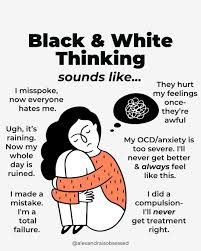
Cognitive Inertia Pattern (CIP) is a subtle psychological condition in which the mind continues to think, judge, and react according to outdated internal rules long after the original reasons for those rules have disappeared. It is not obsessive thinking, not anxiety, and not a personality disorder. It is a quiet persistence of mental habits that once protected the individual but now limit perception, choice, and emotional freedom. People with CIP often feel as though they are living on “autopilot.” Their reactions feel predictable, their interpretations repetitive, and their emotional responses strangely fixed. Even when they consciously wish to change, their mind returns to the same patterns of thought. This creates the feeling of being trapped inside a familiar mental loop. CIP develops through repetition. Early emotional experiences, social conditioning, and personal failures create internal conclusions about the world: who can be trusted, what is safe, what is possible. Over time, these conclusions harden into automatic mental pathways. The brain, designed for efficiency, prefers familiar routes—even when they no longer serve the individual. Unlike rumination, CIP is not always distressing. Many people simply feel that life lacks novelty or depth. They may say, “I already know how this will end,” even in new situations. This sense of predictability is comforting, yet it also prevents emotional growth and curiosity. Emotionally, CIP narrows the range of experience. Joy, disappointment, and hope are filtered through old expectations. New opportunities are unconsciously compared to past outcomes, often dismissed before they can be fully explored. This creates a subtle emotional stagnation. In relationships, CIP leads to unconscious projection. The individual responds to others not as they are, but as reminders of past figures. Conflicts repeat in different forms because the internal story never changes. Healing requires creating small disruptions to habit. By noticing repetitive interpretations and gently questioning them, individuals begin to reopen their mental world. Over time, thought becomes flexible again, and life feels less predetermined. CIP shows that freedom is not only external. It is the ability to update the stories the mind tells about itself and the world.

Is My Personality a Reflection or a Defense?
Adaptive Self-Mirroring Syndrome (ASMS) is a subtle psychological pattern in which individuals unconsciously reshape their personality to match the emotional and social environment around them. It is not people-pleasing in the simple sense, nor is it a personality disorder. Instead, it is a long-term adaptive strategy that gradually blurs the boundary between the authentic self and the version of the self that feels safest to present. People with ASMS often appear highly empathetic, flexible, and socially intelligent. They intuitively adjust their tone, opinions, humor, and emotional expression to fit whoever they are with. This ability is often praised, yet internally it can create confusion. Over time, the individual may struggle to identify which parts of their personality are genuine and which are adaptations. This pattern typically forms in early environments where emotional safety depended on attunement to others. When caregivers were unpredictable, critical, or emotionally unavailable, the child learned that connection required constant adjustment. The nervous system became skilled at reading subtle cues and responding in ways that maintained harmony. What began as survival gradually became identity. ASMS does not involve conscious manipulation. The shifts in behavior feel automatic and sincere in the moment. The individual truly feels like the version of themselves they are expressing. The difficulty arises later, when they are alone. Without someone to mirror, there is often a sense of emptiness or uncertainty about who they are. Emotionally, ASMS can lead to quiet exhaustion. Constant adaptation requires continuous self-monitoring. The individual may feel drained after social interactions, even when they were pleasant. This fatigue is not from people, but from the effort of maintaining multiple versions of the self. Cognitively, individuals with ASMS often overanalyze social exchanges. They replay conversations, wonder how they were perceived, and adjust future behavior accordingly. This reinforces the belief that acceptance depends on accurate performance, rather than inherent worth. In relationships, ASMS creates an illusion of closeness. Others feel deeply understood, while the individual feels unseen. Because their true preferences and emotions are rarely expressed, intimacy remains asymmetrical. The person gives emotional resonance but receives little in return. Professionally, ASMS can bring success. Adaptability, emotional intelligence, and flexibility are valuable traits. However, long-term satisfaction may be low. Career choices may reflect external expectations rather than internal desire, leading to a vague sense of misalignment. The body often holds this pattern as tension. Shoulders remain tight, breathing shallow, and rest difficult. The nervous system stays alert, prepared to adjust at any moment. Healing begins with learning to tolerate difference. When individuals practice expressing small, authentic preferences—even when they disrupt harmony—the nervous system gradually learns that authenticity does not equal danger. Over time, the mirrored self softens, allowing a more stable identity to emerge. ASMS reveals how deeply human connection shapes identity. By reclaiming the self beneath adaptation, individuals rediscover not only who they are, but that they are worthy without changing.
Why Do We Feel Like We Are Performing Our Own Lives?
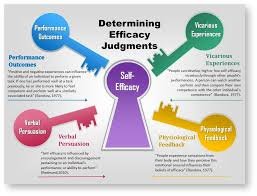
Role-Identity Diffusion Pattern (RIDP) is a subtle psychological condition in which individuals experience themselves less as a unified self and more as a series of roles they perform. It is not a personality disorder, nor is it dissociation in the clinical sense. Instead, it is a quiet fragmentation of identity shaped by long-term social adaptation, performance pressure, and emotional self-monitoring. People with RIDP often feel highly functional. They know how to behave in different settings, how to speak to different people, and how to meet expectations. Yet beneath this competence lies a persistent sense of inauthenticity. Life feels like a stage, and the self feels like a character constantly adjusting to the scene. This pattern usually forms in environments where acceptance depends on behavior. When love, safety, or approval are conditional, the mind learns to prioritize performance over presence. Over time, roles replace identity. The individual becomes what is required rather than what is felt. RIDP does not mean deception. Most people are unaware that they are performing. The roles feel natural because they have been practiced for years. However, in quiet moments, a subtle emptiness emerges. Without an audience or task, the person may feel uncertain about who they are. Emotionally, RIDP creates a chronic sense of distance from oneself. Feelings are experienced, but they seem to belong to the role rather than the person. Happiness feels scripted, sadness feels restrained, and anger feels inappropriate. This emotional regulation maintains social harmony but erodes authenticity. Cognitively, the individual becomes highly self-observant. They monitor how they are perceived and adjust constantly. This creates mental fatigue and a persistent fear of being “found out,” even when nothing is being hidden. In relationships, RIDP leads to emotional asymmetry. Others may feel close, while the individual feels unknown. Intimacy becomes a performance of closeness rather than a lived experience of it. Healing involves gently rediscovering the self beneath the roles. Through reflection, creative expression, and emotional honesty, individuals begin to reconnect with their internal identity. Over time, life feels less like a performance and more like a lived experience.
Why Do We Feel Lonely Even in Relationships?
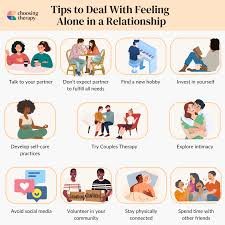
Relational Emotional Withholding (REW) is a quiet psychological pattern in which individuals maintain relationships, intimacy, and social bonds while simultaneously holding back their deepest emotional truth. It is not fear of people, nor is it an inability to connect. Rather, it is an unconscious restraint that prevents full emotional presence, even with those who are closest. People with REW often describe their relationships as “good on paper.” They communicate, spend time together, and appear emotionally available. Yet internally, there is a sense of distance. Conversations feel safe but not deeply satisfying. Affection is present, but something essential remains unspoken. This pattern often forms early in life. When emotional expression is met with dismissal, criticism, or unpredictability, the nervous system learns that vulnerability is unsafe. Over time, the individual adapts by sharing only what feels manageable. The rest of the emotional world is kept private, not because of secrecy, but because of learned protection. REW does not mean a lack of love. In fact, individuals often care deeply. The conflict lies between the desire for closeness and the fear of being truly known. This creates a constant internal negotiation: how much can be shown without risking emotional harm? Emotionally, REW produces a subtle loneliness. Even when surrounded by people, the individual feels unseen. This loneliness is not about the absence of others, but about the absence of full self-expression. Over time, this can lead to emotional fatigue and quiet sadness. Cognitively, people with REW often overthink their words and reactions. They monitor themselves carefully, editing emotions before expressing them. This mental filtering becomes automatic, reinforcing the sense that their true feelings are too much, too risky, or too complicated. In long-term relationships, REW can create stagnation. Partners may sense emotional distance without understanding its source. Conflicts may feel unresolved, not because of disagreement, but because the deeper emotional layers remain hidden. Healing begins with emotional risk in small steps. By gradually sharing feelings, needs, and fears, individuals retrain their nervous systems to tolerate being seen. Over time, the emotional wall softens, allowing connection to feel real and safe again. REW reminds us that true closeness is not about presence alone, but about emotional honesty. When we allow ourselves to be known, we no longer feel alone—even together.

Why Do We Struggle to Accept Peace?
Chronic Inner Tension Pattern (CITP) is a subtle psychological condition in which individuals feel uneasy, restless, or suspicious when life becomes calm and stable. It is not anxiety in the clinical sense, nor is it trauma in the traditional form. Instead, it is a learned internal state where emotional safety feels unfamiliar, and tension has become the default mode of being. Many people with CITP report that they feel most “alive” when they are busy, stressed, or solving problems. When external pressure disappears, an uncomfortable emptiness or nervous energy emerges. Silence, rest, and emotional closeness may feel strangely threatening, even when nothing is wrong. This pattern usually develops in environments where stress was constant. If a person grows up in households marked by conflict, unpredictability, or emotional volatility, the nervous system adapts by staying alert. Over time, this alertness becomes identity. Calmness begins to feel foreign, and the body interprets peace as something that cannot last. Unlike generalized anxiety, CITP does not involve persistent fear or catastrophic thinking. The individual may not worry about specific outcomes. Instead, there is a vague bodily tension, a readiness for disturbance. The person might unconsciously create problems, overwork, or engage in emotional drama simply to restore the familiar state of tension. Emotionally, this creates confusion. People may long for rest but feel uncomfortable when they finally get it. They may crave healthy relationships yet feel bored or unsettled in stable ones. Chaos feels normal; peace feels suspicious. Cognitively, the mind of someone with CITP constantly scans for something to fix. Even during moments of happiness, there is a subtle impulse to anticipate what could go wrong. This does not feel like pessimism—it feels like responsibility. The individual believes that vigilance is necessary to maintain control. Physiologically, the body remains in a mild fight-or-flight state. Muscles stay tense, breathing remains shallow, and the heart rate is slightly elevated. Over time, this chronic activation can lead to fatigue, irritability, sleep problems, and reduced immune resilience. Socially, CITP can strain relationships. Others may feel that the person is never fully present or satisfied. Conflict may arise not from real issues, but from the individual’s discomfort with harmony. This often leads to guilt and shame, reinforcing the cycle. Healing from CITP requires learning to tolerate calm. Practices that activate the parasympathetic nervous system—slow breathing, grounding, gentle movement—help retrain the body to experience safety. Therapy focuses on recognizing that tension is no longer necessary for survival. Over time, individuals begin to realize that peace is not emptiness, but space. As they grow comfortable with this space, they reclaim the ability to rest, connect, and live without constant internal pressure.

Why Do We Feel Guilty for Wanting More?
Unconscious Self-Limitation Syndrome (USLS) is a hidden psychological pattern that operates beneath awareness, shaping how individuals define their worth, ambition, and right to desire. It is not a disorder recognized in diagnostic manuals, yet it influences countless people across cultures and backgrounds. Those affected often appear modest, realistic, or “content,” while internally struggling with a persistent sense that wanting more—from life, relationships, success, or happiness—is somehow wrong. At the core of USLS is an internalized belief that personal desires must be restricted to remain acceptable, safe, or morally worthy. This belief does not usually appear as a clear thought. Instead, it emerges as discomfort when imagining a better life, subtle guilt when feeling ambition, or hesitation when opportunities arise. The person may tell themselves they are simply being practical, but emotionally, something deeper is at work. This syndrome often originates in early emotional environments where desire was implicitly discouraged. Children may grow up hearing messages such as “don’t be greedy,” “be grateful for what you have,” or “others have it worse.” While these phrases can teach empathy, they can also teach self-erasure. Over time, the nervous system learns that wanting too much leads to rejection, conflict, or shame. As a result, the mind begins to regulate desire downward to preserve emotional safety. People with USLS frequently confuse limitation with humility. They may believe that suppressing their needs makes them good, loyal, or strong. Yet inside, there is often a quiet tension between what they long for and what they allow themselves to pursue. This tension rarely reaches consciousness as a clear conflict; instead, it appears as vague dissatisfaction, chronic indecision, or a feeling that life is smaller than it should be. Cognitively, USLS operates through automatic self-correction. When a desire forms—such as a wish for a different career, a deeper relationship, or more recognition—the mind immediately generates reasons why it is unrealistic, selfish, or unnecessary. These rationalizations feel logical, but they serve to protect an emotional rule: do not outgrow the version of yourself that feels safe. Emotionally, USLS creates a paradox. Individuals may feel proud of their restraint while simultaneously feeling empty or unfulfilled. They may celebrate others’ success but feel uneasy when imagining their own. This emotional contradiction can lead to self-judgment, confusion, and a persistent sense of being “out of alignment” with life. In relationships, USLS often manifests as emotional self-sacrifice. People may minimize their needs to avoid burdening others or appearing demanding. Over time, this pattern can create resentment, even though the individual consciously believes they are choosing generosity. The hidden cost is a gradual erosion of self-worth, as the person learns to measure their value by how little they require. Professionally, USLS can limit growth. Individuals may avoid applying for higher positions, negotiating salaries, or pursuing creative ambitions. They tell themselves they are satisfied, yet feel a subtle grief when witnessing others move forward. This grief is not envy—it is recognition of a self that has been kept small. The body also carries USLS. Chronic tension, shallow breathing, and fatigue often accompany long-term self-limitation. The nervous system remains in a state of quiet suppression, as if holding something back. Over time, this can reduce vitality and emotional expressiveness. Healing begins with awareness. When individuals start noticing the guilt that follows desire, they can pause instead of immediately suppressing it. They learn to question whether the discomfort truly signals danger or merely reflects old emotional conditioning. Slowly, they begin to allow themselves to want, without immediately retreating. Self-compassion plays a crucial role in this process. Rather than judging themselves for ambition or longing, individuals practice validating their inner needs. They learn that desire is not a moral failure, but a sign of life seeking expansion. As USLS loosens its grip, people often experience both fear and relief. Fear, because growth feels unfamiliar. Relief, because the internal struggle between longing and restraint begins to dissolve. Life gradually feels more open, more spacious, and more aligned. Unconscious Self-Limitation Syndrome reveals that many people are not blocked by lack of ability, but by invisible emotional rules. By gently challenging these rules, individuals reclaim the right to want, to grow, and to live more fully.
Why Do We Feel Distant From Our Own Lives?
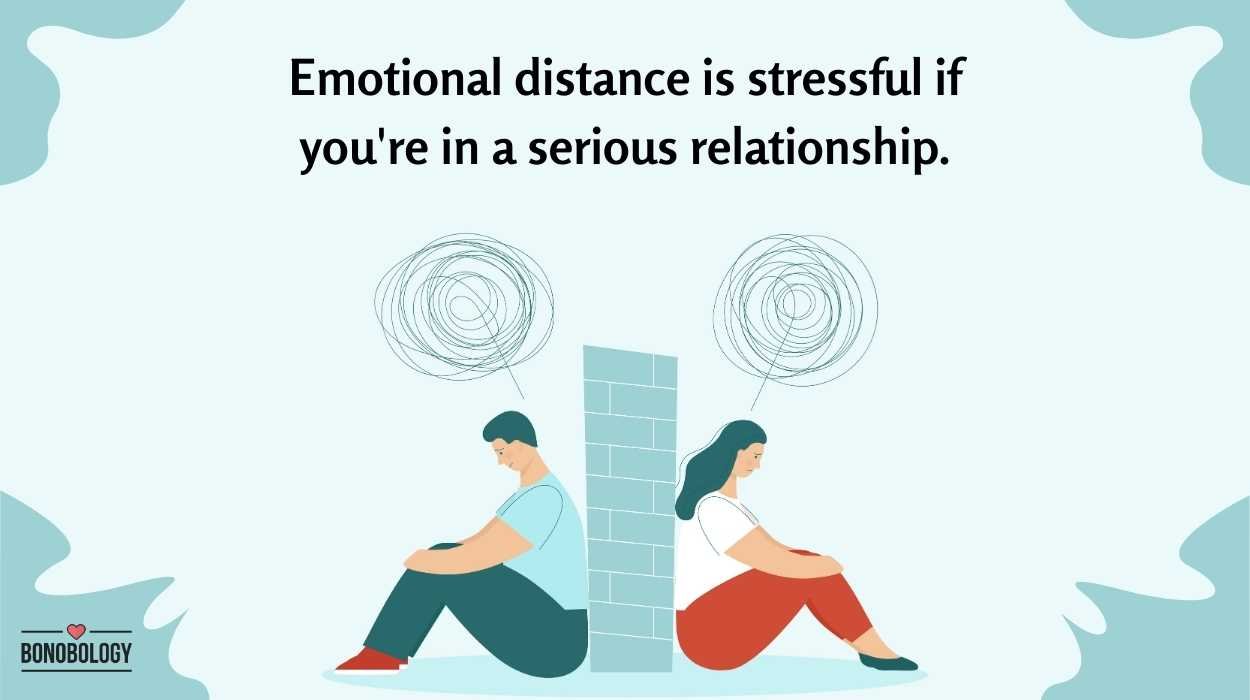
Internal Disconnection Drift (IDD) is a subtle psychological state that can emerge in individuals who outwardly function well yet feel quietly detached from their own experiences. It is not depression, apathy, or depersonalization in the clinical sense. Instead, it is a slow emotional and cognitive drifting away from the immediacy of life, in which moments are understood but not fully inhabited. People with IDD often describe life as something they observe rather than participate in. Daily routines, conversations, and even meaningful events feel strangely flat or distant. They know they are living, but it does not feel vivid or personally anchored. This is not emptiness, but a muted form of presence. This condition often develops gradually. Long-term stress, emotional suppression, overthinking, and constant performance demands can exhaust the nervous system. To cope, the mind reduces emotional intensity, creating a protective distance from overwhelming experiences. Over time, this distance becomes habitual, even when the original stress is gone. Unlike depression, individuals with IDD still feel motivation and interest. They may pursue goals, maintain relationships, and appear emotionally stable. Yet something feels missing: the sense of being fully “inside” their own life. Joy, sadness, and excitement are felt, but with less depth and immediacy. Cognitively, IDD is marked by excessive mental monitoring. People reflect on their experiences instead of simply having them. They analyze how they feel instead of feeling it. This creates a split between awareness and experience, reinforcing the sense of detachment. Emotionally, IDD produces a quiet longing for connection—to people, to meaning, to oneself. Individuals may feel nostalgic for moments that should be present, or miss their life even while living it. This subtle grief often goes unrecognized. Healing begins with re-embodiment. Practices that bring attention back to physical sensation, emotion, and present-moment awareness help restore immediacy. Over time, the individual learns to experience life directly again, not as an observer, but as a participant. IDD reminds us that sometimes the greatest loss is not of things or people, but of presence itself. Reclaiming that presence is not dramatic—it is gentle, slow, and deeply human.

Why Do We Feel Restless Even When Life Is Calm?
Invisible Anticipatory Stress Syndrome (IASS) is a subtle psychological condition that affects a large portion of the population without being formally recognized as a disorder. It is defined by a persistent internal state of readiness for something to go wrong, even when no real threat exists. Unlike anxiety disorders, IASS does not involve panic attacks, phobias, or intrusive catastrophic thoughts. Instead, it manifests as a constant background tension that quietly shapes daily experience. People with IASS often describe themselves as “never fully relaxed.” Even during moments of safety, rest, or success, there is a subtle sense of waiting—an unspoken expectation that something negative is approaching. This feeling is not linked to any specific fear. It exists as a general emotional climate, a low-level alertness that never completely turns off. This condition usually develops from long-term exposure to unpredictable or demanding environments. When a person grows up in settings where stability is uncertain—emotionally, financially, or socially—the nervous system learns to remain alert at all times. Over years, this survival strategy becomes automatic. Even when life becomes stable, the body continues to behave as if danger is near. Unlike clinical anxiety, individuals with IASS may not identify themselves as anxious. They often function well, meet responsibilities, and appear composed. Yet internally, they experience difficulty resting, enjoying the present moment, or trusting that good situations will last. Happiness may feel fragile, as though it could disappear without warning. Physiologically, IASS is associated with a chronically activated stress response. The body remains in a mild state of fight-or-flight, releasing stress hormones at low but continuous levels. This does not cause acute distress, but over time it can lead to fatigue, irritability, sleep disturbances, and reduced emotional resilience. Cognitively, people with IASS tend to over-prepare and over-monitor. They replay conversations, anticipate problems, and feel responsible for preventing potential failure. These behaviors are not driven by fear, but by an unconscious belief that vigilance equals safety. Letting go feels risky, even when there is no rational reason to worry. Emotionally, this syndrome creates a paradox. Individuals may feel grateful for their lives yet unable to fully enjoy them. Moments of peace are quickly followed by an urge to check, plan, or fix something. This constant mental movement prevents emotional stillness, leaving the person feeling subtly disconnected from their own experiences. Socially, IASS can manifest as emotional restraint. People may avoid expressing joy too openly, fearing that it will “tempt fate.” They may downplay success, avoid celebration, or hesitate to relax in front of others. This behavior is often unconscious and culturally reinforced. Healing from IASS involves retraining the nervous system to tolerate safety. Practices such as mindfulness, slow breathing, body-based awareness, and self-compassion help signal that the present moment is not dangerous. Over time, the body learns that calm does not require vigilance. IASS shows that many modern psychological struggles are not dramatic disorders, but quiet adaptations to earlier stress. By recognizing this pattern, individuals can begin to experience rest not as a risk, but as a natural state.

Why Do We Fear Being Truly Seen?
Latent Self-Concealment Disorder (LSCD) is a subtle psychological condition that exists on a spectrum and can be observed in almost every individual to some degree. It is not defined by dramatic symptoms or visible dysfunction, but by a persistent internal impulse to hide one’s authentic emotional and cognitive self from others, even in safe or intimate environments. Unlike social anxiety or personality disorders, LSCD operates quietly, shaping behavior without the person realizing that it is happening. People with LSCD often appear socially functional, confident, and emotionally composed. They communicate, work, and form relationships normally. However, beneath this surface lies a continuous filtering process. Thoughts are softened before being spoken, emotions are minimized, and personal experiences are selectively edited to avoid vulnerability. This is not deliberate deception, but an automatic psychological defense. The root of LSCD lies in early interpersonal learning. Many individuals grow up in environments where emotional expression is discouraged, misunderstood, or subtly punished. Over time, the mind learns that safety depends on concealment. Even in adulthood, when the original threat no longer exists, the nervous system continues to operate under the same rule: remain partially hidden. This hidden self is not inactive. It constantly evaluates what can be shared and what must be withheld. The individual may not feel consciously restricted, yet often experiences a vague sense of emptiness or emotional distance in relationships. Conversations feel safe but not deeply satisfying. Intimacy is present, but something essential remains unspoken. Emotionally, LSCD does not cause numbness, but fragmentation. A person may feel strong emotions privately while presenting a controlled version of themselves to the world. Over time, this split between inner and outer identity creates subtle tension. The individual may feel unknown, even when surrounded by people who care about them. Because LSCD is normalized in many cultures, it is rarely recognized as a psychological burden. Society often rewards emotional restraint and composure, reinforcing the belief that vulnerability is weakness. As a result, people internalize the idea that being fully seen is dangerous, even when there is no real threat. The consequences of LSCD are not dramatic, but cumulative. Relationships may lack depth, creative expression may feel blocked, and personal fulfillment may remain just out of reach. Many individuals describe a persistent sense that life is happening “around” them rather than “through” them. Healing begins with awareness. When individuals recognize their patterns of concealment, they can begin to test safe emotional exposure. Small acts of honesty, emotional naming, and authentic expression gradually retrain the nervous system to tolerate being seen. Over time, the hidden self becomes less guarded, allowing for deeper connection and a more integrated sense of identity. LSCD reminds us that the most common psychological struggles are often the quietest. It is not a disorder of weakness, but of protection that has outlived its purpose. By gently lowering the mask, individuals rediscover not only intimacy, but themselves.

What If Emotion Never Arrives on Time?
Affective Delay Integration Disorder (ADID) is a proposed psychiatric condition in which emotional responses consistently lag behind cognitive understanding. Individuals with ADID comprehend events accurately and immediately, yet the emotional reaction emerges minutes, hours, or even days later. This delay is not a matter of emotional suppression or avoidance; the emotion is neither blocked nor denied. It simply arrives too late to feel connected to the original experience. People with ADID often describe life as a sequence of scenes without sound, followed later by an echo that no longer matches the image. They may intellectually recognize joy, danger, or loss in the moment, but the corresponding emotional response appears only after the situation has passed. When the feeling finally emerges, the context that gave rise to it is no longer present, creating a persistent sense of emotional misalignment. This disorder does not involve emotional numbness. Individuals feel deeply, but the timing is disrupted. A person might remain calm during a traumatic event and only feel fear days later, or understand a joyful moment and feel happiness long after it has ended. The emotional system is intact, but its synchronization with cognition is impaired. The consequences of this delay can be socially and psychologically significant. Because emotional responses guide human connection, late-arriving feelings often appear inappropriate or confusing to others. Someone with ADID may seem indifferent in emotionally charged situations, only to become distressed later when no external support is available. This can lead to misunderstandings, social withdrawal, and a growing fear of emotional unpredictability. Neurologically, ADID is hypothesized to involve disrupted communication between the limbic system and prefrontal cortical networks. Normally, emotional appraisal and conscious interpretation occur almost simultaneously. In ADID, this connection appears delayed, causing affective signals to reach awareness long after the cognitive event has been processed. Functional imaging suggests slowed affective integration rather than reduced emotional capacity. Memory in ADID becomes emotionally fragmented. Events are remembered accurately, but the emotional coloring that usually binds memory to meaning is postponed. This creates autobiographical narratives that feel incomplete, as though emotions belong to a different timeline than the events themselves. Over time, individuals may feel that their life is composed of disconnected emotional episodes rather than a continuous emotional story. Many people with ADID attempt to compensate by anticipating how they “should” feel in the moment. They may mimic emotional reactions socially while privately feeling nothing, hoping the true emotion will catch up later. Although this strategy allows social functioning, it intensifies internal dissonance, reinforcing the belief that their emotional life is fundamentally out of sync with reality. The delayed nature of emotion also affects decision-making. Choices that rely on immediate emotional feedback—such as sensing danger, trust, or satisfaction—become cognitively driven rather than affectively guided. While this can sometimes appear as emotional strength or rationality, it often leads to choices that feel hollow or disconnected once the delayed emotion finally emerges. Treatment for ADID focuses on resynchronization rather than emotional amplification. Somatic therapies, emotion-focused interventions, and mindfulness practices help individuals tune into subtle bodily signals that precede conscious emotion. By learning to recognize early physiological markers, patients can gradually shorten the gap between event and feeling. ADID highlights the importance of emotional timing in mental health. It demonstrates that emotion is not only about intensity, but also about when it occurs. When feeling is separated from experience, life loses its immediacy. Restoring this timing allows individuals to feel present again—not just aware, but emotionally alive in the moment.