


There are moments in human reflection when a seemingly simple assumption begins to fracture: the belief that there exists a stable, unified “self” at the center of experience. In everyday life, this assumption functions smoothly. Individuals speak, decide, remember, and act as though there is a consistent entity behind these processes—an “I” that persists across time. Yet when examined more closely, this sense of continuity becomes difficult to locate. Where exactly is the self? Is it in memory, in thought, in the body, or in some deeper, unchanging core? Or is it possible that what we call the self is not a fixed entity at all, but a psychological construction—an emergent effect of multiple interacting systems? The idea that the self may be constructed does not imply that it is unreal in a trivial sense. Rather, it suggests that the experience of being a unified individual arises from processes that do not themselves possess unity. Just as a coherent image emerges from countless pixels, the sense of identity may arise from the coordination of cognitive, emotional, and sensory components that operate according to their own dynamics. One of the central contributors to the construction of the self is narrative. Human beings organize their experiences through stories. These stories provide structure, linking past events to present circumstances and future expectations. Through narrative, individuals create a sense of continuity: they become characters in their own unfolding story. However, narratives are inherently selective. They highlight certain experiences while omitting others, emphasize particular interpretations, and impose causal relationships that may not fully reflect the complexity of reality. As a result, the narrative self is not a complete representation of experience, but a simplified and structured version of it. Moreover, narratives are not static. They evolve over time as new experiences are integrated and old interpretations are revised. An event that once seemed insignificant may later be reinterpreted as pivotal, while previously central experiences may fade into the background. This fluidity suggests that the self, as defined through narrative, is continuously being reconstructed. Memory plays a crucial role in sustaining this narrative, yet memory itself is not a reliable archive. Research in cognitive psychology demonstrates that memory is reconstructive rather than reproductive. Each act of recall involves the reassembly of fragments, influenced by current beliefs, emotions, and contextual cues. This means that the past, as experienced through memory, is not a fixed foundation upon which the self is built. Instead, it is a dynamic and malleable resource that contributes to the ongoing construction of identity. The self, grounded in memory, is therefore subject to change not only through new experiences but also through the reinterpretation of past ones. Another component of the constructed self is the body. The sense of embodiment provides a boundary that distinguishes the self from the external world. Sensory signals from the body—touch, proprioception, interoception—create the impression of occupying a specific physical form. This bodily awareness contributes to the feeling of being located in space. Yet even this aspect of the self is not as stable as it appears. Experimental manipulations have demonstrated that bodily perception can be altered under certain conditions, leading individuals to experience ownership over external objects or to feel detached from their own bodies. These findings suggest that the sense of bodily self is constructed through the integration of sensory information rather than being an inherent property. Emotion further shapes the construction of identity by influencing how experiences are interpreted and integrated. Emotional states color perception, bias attention, and guide decision-making. When individuals reflect on themselves, they do so through the lens of their current emotional context. For example, during periods of low mood, individuals may recall past experiences in a more negative light, reinforcing a sense of inadequacy or failure. Conversely, during positive emotional states, the same experiences may be interpreted more favorably. These shifts illustrate that the self is not independent of emotional context but is continuously shaped by it. Social interaction adds another layer to the construction of the self. From early development onward, individuals learn to see themselves through the eyes of others. Feedback from caregivers, peers, and broader social groups contributes to the formation of self-concepts. These external perspectives are internalized, becoming part of the individual’s internal dialogue. As a result, the self is not solely an internal construct but a relational one. It reflects not only how individuals perceive themselves but also how they believe they are perceived by others. This relational dimension introduces variability, as different social contexts may elicit different aspects of the self. The multiplicity of these influences raises an important question: if the self is constructed from diverse and sometimes conflicting components, what gives rise to the experience of unity? Why do individuals feel like a single, coherent entity rather than a collection of processes? One possible explanation lies in the brain’s tendency to integrate information into coherent patterns. The mind continuously organizes sensory input, memories, and thoughts into structures that facilitate understanding and action. The sense of self may emerge as one such structure—a unifying framework that allows for coordinated behavior. This framework provides practical advantages. It enables individuals to plan, to take responsibility for actions, and to maintain continuity over time. Without some degree of coherence, functioning in complex social and environmental contexts would be significantly more difficult. However, the usefulness of the self as an organizing construct does not necessarily imply that it corresponds to a fixed entity. It may function more like a model—a simplified representation that captures essential features while omitting complexity. Like any model, it is subject to revision and refinement. Psychopathology offers valuable insights into what happens when the construction of the self becomes disrupted. In certain conditions, individuals may experience fragmentation, where different aspects of identity feel disconnected or inconsistent. In other cases, the boundary between self and external reality may become blurred, leading to experiences in which thoughts or actions feel controlled by external forces. These phenomena highlight the dependence of the self on underlying processes of

Where Does the Self End?
There are moments in human experience when the boundaries of the self begin to feel uncertain. Not in a dramatic or overtly pathological way, but subtly—almost imperceptibly—through shifts in perception, emotion, and awareness. A person may suddenly question where their identity truly resides: Is it in memory, in the body, in relationships, or in the continuous stream of thoughts that pass through consciousness? The question itself reveals an instability that is usually concealed by the routines of daily life. Under ordinary circumstances, individuals rarely interrogate the limits of their own existence. The self feels cohesive, contained, and continuous. Yet when this cohesion begins to loosen, a deeper psychological reality emerges: the self may not be as clearly defined as it appears. From a psychological perspective, the self is not a singular, fixed entity. It is a dynamic construct composed of multiple interacting processes. These include autobiographical memory, emotional patterns, bodily awareness, social roles, and cognitive interpretations. Each of these components contributes to the sense of identity, yet none alone fully defines it. The feeling of being a unified self arises from the integration of these elements into a coherent narrative. However, this integration is not constant. It requires ongoing coordination between different systems of the mind. When these systems align, the individual experiences continuity: past, present, and anticipated future are woven into a stable story. When they fall out of alignment, the boundaries of the self may begin to blur. One of the most significant factors influencing this process is memory. Memory provides the temporal dimension of identity, linking past experiences to present awareness. Without memory, the sense of continuity dissolves. Yet memory itself is not a stable archive. It is reconstructive, selective, and influenced by current emotional states. Each act of remembering involves interpretation, not mere retrieval. This means that the self, as grounded in memory, is constantly being rewritten. Individuals may recall the same event differently over time, emphasizing certain aspects while minimizing others. These shifts alter the narrative of identity, sometimes subtly, sometimes dramatically. The person remains biologically continuous, yet psychologically they may feel transformed. Emotional experience further complicates the boundaries of the self. Emotions are not isolated events; they shape perception, attention, and interpretation. When individuals experience intense emotional states, their sense of identity may temporarily align with those states. A person overwhelmed by anxiety may feel defined by fear, while someone experiencing profound joy may perceive themselves as expansive and connected. These shifts illustrate that the self is not independent of emotional context. Rather, it is partially constituted by the emotions currently active within consciousness. As emotions change, the felt sense of self changes with them. The body also plays a critical role in defining the limits of identity. Bodily sensations provide a continuous stream of information that anchors the individual in physical reality. The feeling of occupying a body creates a boundary between self and environment. Yet even this boundary can become unstable under certain conditions. In altered states of consciousness, individuals may report experiences in which the distinction between self and environment becomes blurred. They may feel as though their awareness extends beyond the body or that the body itself is no longer clearly defined. While such experiences can occur in non-pathological contexts, they are also observed in certain psychological conditions where the integration of sensory information is disrupted. Social relationships introduce another dimension to the question of where the self ends. Human identity is deeply relational. Individuals define themselves not only through internal characteristics but also through their connections with others. Roles such as parent, friend, or colleague become integral components of identity. These roles, however, are context-dependent. The self expressed in one relationship may differ significantly from the self expressed in another. A person may be authoritative in one context, vulnerable in another, and indifferent in a third. Each version feels authentic within its specific context, yet taken together they challenge the notion of a single, unified identity. This multiplicity does not necessarily indicate fragmentation. Rather, it reflects the adaptability of the self. The mind adjusts its expression according to social and environmental demands. However, when the differences between these expressions become too pronounced, individuals may begin to question which version represents their “true” self. Language further shapes the perception of identity by providing categories through which experiences are interpreted. Words such as “I,” “me,” and “mine” create the impression of a central entity that possesses thoughts and emotions. Yet from a cognitive perspective, these terms may function more as organizing tools than as references to a distinct, unchanging core. Thoughts arise continuously within consciousness, often without deliberate intention. They appear, persist briefly, and then fade. The sense that these thoughts belong to a unified self may be constructed after the fact, through the application of linguistic and conceptual frameworks. This raises the possibility that the self is not the origin of thought but rather the narrative that organizes it. Psychopathology provides important insights into how the boundaries of the self can become disrupted. In certain conditions, individuals report experiences in which thoughts feel external or imposed rather than internally generated. The distinction between self-produced and externally influenced mental events becomes unclear. Similarly, in states of depersonalization, individuals may feel detached from their own experiences, as though observing themselves from a distance. The body, emotions, and thoughts continue to function, yet they no longer feel fully integrated into a coherent sense of identity. The self becomes an object of observation rather than the subject of experience. These phenomena suggest that the sense of self depends on specific patterns of integration within the brain. When these patterns are altered, the experience of identity can change dramatically. The boundaries that once seemed stable reveal themselves as contingent and constructed. Philosophical perspectives have long grappled with this issue. Some traditions argue that the self is an illusion—a convenient fiction created by the mind to organize experience. According to this view, what individuals perceive as a stable identity is actually a collection of processes

Can Silence Break the Mind?
Silence is often imagined as a refuge—a space free from noise, distraction, and external pressure. In many cultural and philosophical traditions, silence is associated with clarity, introspection, and peace. It is portrayed as a necessary condition for self-discovery, a medium through which the individual can encounter the deeper layers of consciousness without interference. Yet beneath this idealized image lies a more complex psychological reality. Silence, when prolonged or encountered under certain internal conditions, may not soothe the mind but instead expose it to dimensions of experience that are difficult to contain. This raises a paradoxical question: Can silence, rather than healing the mind, become a force that destabilizes it? To understand this possibility, it is necessary to consider the role of external stimuli in regulating psychological processes. Human consciousness does not operate in isolation. It is continuously shaped by interaction with the environment—sounds, conversations, visual input, and social engagement. These external elements provide structure to attention, guiding the flow of thought and preventing it from becoming excessively self-referential. In the absence of such stimuli, the mind does not become inactive. On the contrary, it often becomes more active, turning inward and amplifying internal processes. Thoughts that might otherwise pass unnoticed gain prominence. Emotions that were previously moderated by external engagement may intensify. The individual is left alone with the raw material of their own consciousness, unfiltered and uninterrupted. For some individuals, this inward turn produces insight and reflection. Silence allows them to examine their thoughts with clarity, identify patterns, and develop a deeper understanding of their inner life. However, for others, the same process can lead to psychological discomfort or even distress. Without external anchors, the mind may begin to generate its own forms of stimulation, not all of which are benign. One key factor influencing how silence affects the mind is the individual’s relationship with their own thoughts. If a person experiences their thoughts as manageable and coherent, silence may feel like an opportunity for exploration. But if thoughts are perceived as intrusive, chaotic, or threatening, silence can amplify this perception. The absence of distraction removes the barriers that usually keep such thoughts at a distance. This amplification can be particularly significant in individuals prone to rumination. Rumination involves repetitive, self-focused thinking, often centered on past events, perceived failures, or unresolved questions. In a silent environment, ruminative processes may expand without interruption. The individual revisits the same thoughts repeatedly, attempting to resolve them but often deepening the sense of entrapment. Unlike productive reflection, which leads to new insights, rumination tends to recycle existing content without resolution. The mind becomes caught in loops of analysis that do not produce meaningful change. Silence, in this context, does not provide clarity but intensifies the circular nature of thought. Another dimension of silence-related distress involves the emergence of suppressed material. In everyday life, individuals often rely on activity and interaction to avoid confronting certain aspects of their internal experience. Work, social engagement, and entertainment serve as buffers that limit exposure to uncomfortable thoughts or emotions. When these buffers are removed, previously suppressed material may surface. Memories, fears, or unresolved conflicts can enter awareness with unexpected intensity. Because the individual has not engaged with these experiences directly, they may lack the tools needed to process them effectively. The result can be a sense of being overwhelmed by one’s own mind. This process highlights an important principle: silence does not create psychological content; it reveals what is already present but concealed. The mind, when deprived of external input, begins to display its underlying structure more clearly. For individuals whose internal environment is stable, this revelation may be beneficial. For those with unresolved psychological tension, it may be destabilizing. Sensory deprivation research provides further insight into the effects of prolonged silence. Studies have shown that when individuals are placed in environments with minimal sensory input, they may begin to experience perceptual distortions, heightened anxiety, or even hallucinations. These phenomena suggest that the brain relies on external stimuli not only for orientation but also for maintaining perceptual stability. Without sufficient input, the brain may generate its own stimuli, blurring the boundary between internal and external reality. While such extreme conditions are rare in everyday life, they illustrate the broader principle that the mind requires a certain level of interaction with the environment to function optimally. The social dimension of silence also plays a critical role. Human beings are inherently social creatures, and communication is central to psychological regulation. Conversations allow individuals to share experiences, receive feedback, and contextualize their thoughts within a broader perspective. Through interaction, private concerns become part of a shared reality, reducing their intensity. When silence extends to social isolation, the absence of communication can intensify self-focused thinking. Without external perspectives, individuals may rely exclusively on their own interpretations, which can become increasingly distorted over time. Doubts may escalate into certainties, and minor concerns may acquire disproportionate significance. This effect is particularly evident in situations of prolonged isolation, where individuals report heightened sensitivity to internal states and difficulty distinguishing between realistic concerns and exaggerated fears. The mind, deprived of external calibration, begins to operate within a closed system. Yet it would be misleading to conclude that silence is inherently harmful. Its effects depend largely on context, duration, and the individual’s psychological state. Short periods of silence, especially when intentionally sought, can provide valuable opportunities for rest and reflection. Problems arise when silence becomes involuntary, prolonged, or combined with internal vulnerability. The distinction between chosen and imposed silence is crucial. When individuals choose silence, they retain a sense of control over their experience. They can enter and exit the silent state as needed, using it as a tool for introspection. In contrast, when silence is imposed—through isolation, exclusion, or environmental conditions—the individual may feel trapped within their own mind. This lack of control can transform silence from a neutral condition into a source of distress. Another important factor is the individual’s capacity for emotional regulation. People who have developed skills for managing their thoughts and

In What Way Does the Absence of Inner Conflict Become a Psychological Danger?
At first glance, inner conflict appears to be something inherently undesirable. Human beings often associate psychological tension with discomfort, uncertainty, and emotional strain. Conflict within the mind—between desires, values, fears, and intentions—can produce anxiety and indecision, making even simple choices feel burdensome. It is therefore natural to imagine that the ideal psychological state would be one of complete internal harmony, where thoughts, emotions, and actions align seamlessly without contradiction. Yet a deeper examination of human psychology reveals a paradox: the complete absence of inner conflict may not represent psychological health, but rather a subtle and potentially dangerous form of psychological rigidity. Inner conflict is not merely a byproduct of flawed thinking or emotional instability. Instead, it reflects the complexity of the human mind, which must continuously negotiate between competing demands. Biological impulses, social expectations, moral values, long-term goals, and immediate desires all exert influence on behavior. Because these influences do not always align, conflict becomes an inevitable aspect of conscious life. The presence of such tension indicates that the mind is actively evaluating alternatives, weighing consequences, and maintaining awareness of multiple perspectives. When inner conflict disappears entirely, it may suggest that this evaluative process has diminished. Rather than carefully considering different possibilities, the individual may begin to operate according to fixed patterns of thought or unquestioned assumptions. Decisions are made quickly and with apparent certainty, but this certainty may arise not from clarity, but from the absence of critical reflection. One psychological mechanism that can lead to the reduction of inner conflict is cognitive rigidity. Cognitive rigidity involves the tendency to adhere to a single perspective or belief system without considering alternative viewpoints. Individuals who exhibit this pattern often experience a strong sense of certainty about their interpretations of the world. Because they do not engage deeply with conflicting ideas, they may feel internally consistent and stable. However, this stability can come at a cost. Without exposure to internal contradiction, beliefs are rarely challenged or refined. Over time, the individual’s understanding of reality may become increasingly narrow. Situations that do not fit within the established framework may be ignored, dismissed, or reinterpreted in ways that preserve existing beliefs. The absence of conflict thus limits the capacity for growth and adaptation. Another pathway toward the disappearance of inner conflict involves emotional suppression. When individuals learn to avoid or eliminate certain emotional responses, they may reduce the internal tension associated with those emotions. For example, a person who suppresses feelings of doubt or vulnerability may appear decisive and confident. Yet this apparent confidence may mask an underlying disconnection from important aspects of their emotional life. Emotions often serve as signals that guide decision-making and highlight potential problems. Doubt may indicate the need for further reflection, fear may signal potential risk, and sadness may reflect the loss of something meaningful. When these signals are suppressed, the individual loses access to valuable information about their own experiences. Decisions may then be based on incomplete data, increasing the likelihood of maladaptive outcomes. In certain cases, the absence of inner conflict may be associated with authoritarian patterns of thinking. Individuals who adopt rigid ideological frameworks often experience a strong sense of internal certainty. Because their beliefs provide clear and absolute answers, they rarely encounter the ambiguity that generates internal tension. This certainty can be psychologically comforting, reducing anxiety and simplifying decision-making. Yet this form of certainty can also lead to intolerance of complexity. Situations that require nuanced understanding may be reduced to simplistic categories, and individuals who hold different perspectives may be perceived as threats rather than as sources of insight. The absence of internal conflict thus becomes linked to external conflict, as rigid beliefs limit the capacity for empathy and dialogue. Psychopathology also explores conditions in which diminished inner conflict reflects a breakdown in self-reflection. In healthy psychological functioning, individuals are able to examine their own thoughts, question their assumptions, and consider alternative interpretations. This reflective capacity generates internal dialogue, which may involve disagreement between different aspects of the self. When this capacity is impaired, the internal dialogue may diminish. The individual may experience thoughts as self-evident truths rather than as hypotheses subject to evaluation. Without the ability to question one’s own thinking, errors in judgment may go unrecognized. The mind becomes less flexible, less adaptive, and more vulnerable to distortion. The relationship between inner conflict and moral reasoning further illustrates the importance of psychological tension. Ethical decision-making often involves balancing competing values. For instance, honesty may conflict with compassion, or personal benefit may conflict with social responsibility. These conflicts require careful consideration, as there is rarely a single solution that satisfies all criteria. When individuals experience no moral conflict, it may indicate that one set of values has completely overridden others. While this can produce decisive action, it may also lead to ethically problematic behavior. The absence of hesitation or doubt can facilitate actions that would otherwise be questioned if multiple perspectives were considered. From a developmental perspective, inner conflict plays a crucial role in the formation of identity. Adolescence, for example, is often characterized by exploration and uncertainty as individuals encounter different roles, beliefs, and possibilities. This period of conflict allows for the integration of diverse experiences into a coherent sense of self. If this process is prematurely resolved—if the individual adopts a fixed identity without exploring alternatives—identity formation may remain incomplete. The resulting sense of self may appear stable, yet it lacks the depth and flexibility that emerge from engaging with conflicting perspectives. Another dimension of this issue involves the role of uncertainty in creativity. Creative thinking often arises from the tension between existing knowledge and new possibilities. When individuals encounter ideas that challenge their assumptions, they are prompted to generate novel solutions or interpretations. This process depends on the presence of internal conflict, which motivates exploration and innovation. In the absence of such tension, creativity may decline. The individual relies on familiar patterns and established solutions rather than experimenting with new approaches. While this may increase efficiency in routine tasks,

Could It Be That the Deepest Suffering Is the One That Has No Language?
There are psychological experiences that resist articulation not because they are insignificant, but because they exist beyond the structures through which meaning is usually communicated. Language, as the primary tool for expressing inner life, allows individuals to translate emotions, thoughts, and perceptions into shared symbols. Yet not all experiences yield themselves easily to this translation. Some forms of suffering remain diffuse, unstructured, and resistant to verbalization. They are felt intensely, yet when one attempts to describe them, words appear insufficient, fragmented, or misleading. This raises a profound question within psychopathology: Could it be that the deepest forms of suffering are precisely those that cannot be fully expressed in language? Human beings rely heavily on language to organize internal experience. When an emotion is named—such as sadness, fear, or anger—it becomes more manageable. Naming creates boundaries, and boundaries allow the mind to differentiate one experience from another. Through language, individuals can communicate their inner states to others, receive validation, and integrate those experiences into a coherent personal narrative. In this sense, language functions not merely as a communicative tool but as a mechanism of psychological regulation. However, the relationship between language and experience is not symmetrical. While language shapes how experiences are understood, not all experiences originate in linguistic form. Many arise in pre-verbal or non-verbal domains of the mind, including sensory impressions, bodily states, and implicit emotional responses. These forms of experience may be deeply significant yet lack immediate symbolic representation. Early developmental processes illustrate this distinction clearly. Infants experience complex emotional states long before they acquire language. Their distress, comfort, curiosity, and fear are communicated through non-verbal signals such as crying, facial expressions, and bodily movement. During this stage, emotional life exists without linguistic structure. Although caregivers interpret and respond to these signals, the infant’s experience itself remains unarticulated. As language develops, individuals gradually learn to map words onto internal states. However, this mapping is never complete. Certain experiences remain only partially translated, retaining elements that resist precise expression. This limitation becomes particularly relevant in the context of psychological suffering. Traumatic experiences often exemplify this phenomenon. Trauma can overwhelm the brain’s capacity to process and integrate events into coherent narratives. Instead of being encoded as structured memories, traumatic experiences may be stored in fragmented forms—sensory impressions, emotional reactions, and bodily sensations that lack clear temporal or causal organization. When individuals attempt to describe such experiences, they may struggle to find words that capture the intensity or complexity of what they felt. The inability to articulate trauma does not diminish its impact. On the contrary, unarticulated suffering may persist more intensely because it remains unintegrated within the individual’s psychological framework. Without language to organize the experience, it may reappear through intrusive sensations, emotional reactions, or behavioral patterns that seem disconnected from conscious understanding. Psychopathology sometimes refers to this state as unsymbolized experience. Unsymbolized experiences exist within the mind but have not been transformed into symbolic representations that can be consciously examined or communicated. They influence behavior and emotion indirectly, often creating a sense of unease or tension that lacks a clear source. This phenomenon extends beyond trauma to include more subtle forms of psychological distress. Individuals may experience a persistent sense of emptiness, disconnection, or dissatisfaction without being able to identify a specific cause. When asked to describe their feelings, they may use vague or generalized terms that fail to capture the depth of their experience. The suffering is real, yet it remains elusive. One contributing factor to this difficulty involves the limitations of emotional vocabulary. Language provides a finite set of categories for describing emotional states, yet human experience is infinitely variable. Individuals often experience nuanced combinations of emotions that do not fit neatly into predefined labels. When available words fail to capture these nuances, individuals may feel as though their inner life cannot be accurately expressed. Cultural influences also shape the relationship between language and suffering. Different societies provide different emotional vocabularies and norms regarding expression. In some cultural contexts, certain emotions may be discouraged or stigmatized, leading individuals to suppress or avoid articulating those experiences. Over time, the lack of expression may contribute to a sense that the experience itself is inaccessible or inexpressible. Another dimension of this phenomenon involves the role of the body in psychological experience. Many forms of suffering manifest primarily through bodily sensations rather than verbal thought. Tension, fatigue, heaviness, or agitation may represent emotional states that have not been cognitively processed. The individual feels discomfort but cannot easily translate it into language because the experience originates at a somatic level. This connection between body and mind highlights the importance of non-verbal forms of expression. Art, music, movement, and other creative practices allow individuals to externalize experiences that cannot be fully captured through words. These forms of expression do not replace language but complement it, providing alternative pathways for representing complex internal states. The inability to articulate suffering also has significant interpersonal implications. Communication plays a central role in social connection and emotional support. When individuals cannot describe their experiences, they may feel isolated even in the presence of others. Attempts to communicate may result in frustration if others misunderstand or minimize what is being expressed. This isolation can create a secondary layer of distress. Not only does the individual experience the original suffering, but they also experience the difficulty of sharing that suffering. The absence of shared understanding may reinforce the perception that their experience is unique, incomprehensible, or invalid. Psychotherapeutic approaches often address this challenge by creating a space in which language can gradually emerge around previously unarticulated experiences. Rather than forcing immediate verbalization, therapy encourages exploration through multiple forms of expression. Over time, individuals may begin to identify patterns, associations, and meanings that allow them to construct a narrative around their experience. Importantly, this process does not imply that all suffering can or should be fully translated into language. Some aspects of human experience may remain inherently resistant to complete articulation. The goal is not to eliminate this resistance but

How Can a Person Live an Entire Life Without Ever Truly Knowing Themselves?
Human beings spend their lives constructing identities, pursuing goals, and forming relationships that appear to define who they are. Yet beneath this outward structure lies a philosophical and psychological question that has troubled thinkers for centuries: Is it possible for a person to live an entire life without ever truly knowing themselves? This question does not refer simply to ignorance about preferences or talents. Rather, it addresses a deeper uncertainty about whether individuals genuinely understand the motivations, fears, and internal forces that shape their decisions. Psychopathology and philosophy converge at this point, examining how the human mind can remain partially hidden from itself even while constantly observing its own experiences. Self-knowledge is often assumed to be a natural consequence of consciousness. Because humans can reflect upon their thoughts and emotions, it seems intuitive that they should gradually come to understand themselves. However, psychological research suggests that self-awareness is far more limited than commonly believed. Much of human behavior is influenced by processes operating outside conscious awareness. These processes include implicit memories, unconscious emotional associations, automatic cognitive biases, and deeply ingrained social conditioning. As a result, individuals may construct explanations for their actions that feel convincing while overlooking the underlying forces that actually guided those actions. One reason self-knowledge remains elusive involves the structure of memory itself. Memories do not function as perfect recordings of past events. Instead, they are continuously reconstructed through interpretation. When individuals recall experiences, they often reorganize those memories in ways that support their current understanding of themselves. Over time, the narrative of one’s life may become subtly altered, emphasizing certain themes while minimizing or forgetting others. This reconstruction process can produce a coherent personal story, yet that story may differ significantly from the actual complexity of lived experience. Another factor complicating self-knowledge involves the powerful influence of social expectations. From early childhood, individuals learn to adapt their behavior to cultural norms and interpersonal feedback. Parents, teachers, and peers communicate implicit messages about which traits are admirable and which behaviors should be avoided. Through this socialization process, individuals gradually develop identities that align with their environment. While such adaptation allows people to function within society, it may also obscure aspects of the self that do not conform to accepted roles. For instance, a person raised in an environment that values emotional restraint may learn to suppress expressions of vulnerability or sensitivity. Over time, the individual may internalize the belief that they simply do not experience such emotions. Yet the absence of conscious awareness does not necessarily mean the emotions are absent. Instead, they may remain active beneath the surface of consciousness, influencing behavior indirectly through subtle psychological mechanisms. Psychopathology often examines this phenomenon through the concept of defensive structures. Psychological defenses are strategies the mind uses to protect itself from experiences that feel threatening or destabilizing. These defenses can include denial, repression, rationalization, or projection. While such mechanisms serve protective purposes, they may also prevent individuals from confronting certain aspects of their internal life. Repression, for example, involves the exclusion of distressing thoughts or memories from conscious awareness. Individuals who employ this defense may genuinely believe that certain experiences no longer affect them. However, the emotional consequences of those experiences may continue to influence behavior in indirect ways. A person who represses memories of humiliation may become intensely sensitive to criticism without fully understanding why. Another mechanism that limits self-knowledge involves cognitive bias. The human mind tends to interpret information in ways that confirm existing beliefs. When individuals develop a particular view of themselves—such as believing they are rational, compassionate, or independent—they may unconsciously ignore evidence that contradicts this image. Experiences that reinforce the preferred identity are remembered clearly, while contradictory experiences fade from attention. This process creates what psychologists sometimes describe as the illusion of introspective transparency. Individuals believe they understand their motivations because they can generate explanations for their actions. Yet these explanations may represent post hoc interpretations rather than genuine insights into the original causes of behavior. In other words, the mind constructs narratives about itself that feel accurate even when they only partially reflect reality. Emotional complexity further complicates the pursuit of self-knowledge. Human feelings rarely exist in isolation. A single situation may evoke multiple, sometimes contradictory emotional responses simultaneously. Love may coexist with resentment, admiration with jealousy, or pride with insecurity. Because such emotional mixtures can feel confusing or uncomfortable, individuals may simplify their interpretations by focusing on only one aspect of the emotional experience. For example, a person might describe themselves as purely devoted to a relationship while ignoring subtle feelings of frustration or ambivalence. By narrowing the emotional narrative in this way, the individual preserves a clear sense of identity but sacrifices a more nuanced understanding of their psychological landscape. Philosophical traditions have long explored the difficulty of genuine self-understanding. Ancient thinkers often emphasized the importance of self-examination, recognizing that individuals can easily become strangers to themselves. Modern psychology expands upon this insight by examining the biological and cognitive mechanisms that contribute to such blindness. One particularly intriguing dimension of self-ignorance involves the relationship between consciousness and automatic behavior. A large portion of daily activity occurs through habitual patterns rather than deliberate decision-making. People follow routines, respond to familiar stimuli, and navigate social interactions using learned scripts. Because these behaviors require little conscious attention, individuals may rarely question the motivations underlying them. Over time, habitual actions can shape the course of an entire life. Career choices, relationship patterns, and personal values may develop gradually through repeated behaviors rather than through explicit reflection. The individual experiences these patterns as natural aspects of identity, rarely considering how different their life might have been if other habits had formed. Traumatic experiences can also contribute to the difficulty of self-knowledge. Trauma often disrupts the integration of memory and emotion, creating fragments of experience that remain partially inaccessible to conscious reflection. Individuals may sense that certain aspects of their past continue to influence them, yet they struggle to articulate precisely how those influences operate. In some

Why Does Consciousness Sometimes Turn Against Itself?
Human consciousness is often described as the most complex phenomenon known to science. It allows individuals to perceive reality, interpret experiences, construct identities, and imagine futures that have not yet occurred. Through consciousness, the mind reflects upon itself, examines its own thoughts, and evaluates its own motivations. This reflexive capacity—this ability of the mind to observe itself—has been considered one of the defining characteristics of human cognition. Yet within this extraordinary capacity lies a paradox: the same mechanism that enables self-awareness can also generate profound psychological tension. Under certain conditions, consciousness appears to oppose its own functioning, producing thoughts, emotions, and perceptions that feel alien or hostile to the individual experiencing them. Psychopathology has long been interested in this phenomenon because it reveals the delicate balance required for stable psychological functioning. In ordinary circumstances, the processes that generate thoughts, regulate emotions, and guide behavior operate in relative harmony. Even when individuals experience stress or uncertainty, they generally retain the sense that their mental life belongs to them and that their cognitive processes remain fundamentally reliable. However, when this harmony becomes disrupted, the internal architecture of consciousness may begin to fragment. Thoughts emerge that conflict with intentions, emotions appear that contradict values, and the individual may feel as though parts of their own mind are acting independently. To understand why consciousness sometimes appears to oppose itself, it is necessary to examine the layered structure of the human mind. Psychological research suggests that cognition operates on multiple levels simultaneously. Some mental processes occur deliberately and consciously, such as reasoning through a complex problem or making a moral decision. Other processes occur automatically, outside of conscious awareness. These automatic processes include emotional reactions, associative memory activation, and pattern recognition mechanisms that allow the brain to respond quickly to environmental stimuli. Under normal conditions, these different levels of processing cooperate efficiently. Automatic processes generate rapid responses, while conscious reasoning evaluates and modifies those responses when necessary. However, when communication between these systems becomes disrupted, the individual may experience their own thoughts or emotions as foreign or intrusive. One example of this disruption can be observed in the phenomenon of intrusive thoughts. Intrusive thoughts are spontaneous mental events that arise without deliberate intention and often involve content that contradicts the individual’s beliefs or desires. These thoughts can include disturbing images, irrational fears, or morally troubling scenarios. Importantly, intrusive thoughts are not inherently pathological; many people experience them occasionally without significant distress. The psychological difficulty arises when individuals interpret these thoughts as meaningful indicators of hidden intentions or moral failure. Instead of recognizing intrusive thoughts as random cognitive activity, the individual may believe that the thoughts reveal something dangerous about their character. This interpretation transforms a neutral mental event into a source of anxiety and self-doubt. At this point, consciousness begins to monitor itself more intensely. The individual becomes hyperaware of every thought that passes through the mind, searching for evidence that confirms or disproves their fears. This heightened self-monitoring can paradoxically increase the frequency of intrusive thoughts, as attention directed toward specific mental content tends to make that content more accessible within memory networks. As this cycle continues, the individual may begin to experience a split within their mental life. One part of the mind generates thoughts spontaneously, while another part evaluates those thoughts with suspicion. The result is a state in which consciousness appears divided against itself: a generating system producing mental events and a monitoring system attempting to control or suppress them. This internal division becomes particularly evident in certain anxiety-related conditions. Individuals experiencing obsessive patterns of thinking often report that their minds produce unwanted thoughts repeatedly, even when they attempt to dismiss or suppress them. The more effort they invest in controlling these thoughts, the more persistent the thoughts become. This dynamic illustrates an important principle of cognitive psychology: attempts to exert rigid control over mental processes can sometimes intensify the very phenomena they are intended to eliminate. Another context in which consciousness may appear to oppose itself involves emotional regulation. Emotions are generated through complex neural systems that evaluate environmental stimuli and internal states. These systems evolved to promote survival by rapidly identifying threats and opportunities. However, emotional reactions do not always align with conscious goals or social expectations. For instance, an individual may intellectually understand that a particular situation is safe, yet still experience intense fear or anxiety. In such moments, the emotional system appears to disregard rational judgment. The person may then attempt to suppress the emotion through deliberate effort, only to discover that the emotion persists despite their reasoning. This experience can create the impression that different parts of the mind operate according to incompatible principles. Rational analysis suggests one course of action, while emotional impulses push in another direction. The resulting conflict may lead individuals to question whether they truly control their own psychological responses. Traumatic experiences can further intensify this conflict. Trauma often disrupts the normal integration of memory, emotion, and perception. Events associated with overwhelming fear or helplessness may become stored in fragmented forms within the brain’s memory systems. Later, reminders of the trauma can trigger emotional responses that seem disconnected from the present situation. Individuals may intellectually recognize that the current environment is safe, yet their bodies and emotions react as though danger were imminent. The mind attempts to reconcile these contradictory signals—rational knowledge on one side, visceral fear on the other. When integration fails, the person may feel as though their own emotional system has become an adversary. Another factor contributing to internal conflict involves the phenomenon of self-consciousness. Human beings are capable of imagining how they appear to others, anticipating social judgment, and evaluating their behavior according to cultural standards. This capacity allows individuals to function effectively within complex social environments. However, excessive self-consciousness can produce constant internal evaluation. When individuals become overly concerned with how their thoughts or actions might be judged, they may begin censoring their own mental activity. Thoughts are examined not simply for their truth or usefulness
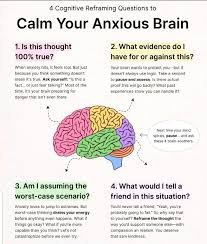
At What Point Does the Mind Begin to Fear Itself?
There are experiences in human psychology that remain largely invisible to the outside world, yet profoundly transform the internal life of the individual who undergoes them. Among the most unsettling of these experiences is the gradual emergence of fear directed not toward the external world, but toward one’s own mind. Unlike ordinary fear, which arises in response to identifiable dangers, this phenomenon originates within the very system responsible for perception, reasoning, and self-awareness. When the mind begins to regard its own processes as unpredictable or threatening, a unique form of psychological tension emerges—one that has fascinated scholars of psychopathology, philosophy, and neuroscience alike. Human consciousness depends on a fundamental assumption: that the mind can trust itself. Individuals rely on their thoughts, perceptions, and interpretations to navigate reality. Even when uncertainty exists, the mind normally operates with an implicit confidence in its ability to evaluate experiences and generate reliable responses. This internal trust functions as a stabilizing principle within psychological life. However, this assumption can weaken under certain circumstances. When individuals begin to experience their own mental activity as intrusive, uncontrollable, or unfamiliar, the relationship between the self and the mind becomes strained. Thoughts may appear unexpectedly, emotions may arise without clear explanation, and impulses may contradict the person’s intentions or values. Gradually, the individual may begin to question whether the mind is truly under their control. Psychopathology frequently examines this state through the lens of intrusive cognition. Intrusive thoughts are spontaneous mental events that occur without deliberate intention and often contradict the individual’s beliefs or desires. Many people occasionally experience such thoughts—imagining accidental harm, questioning moral choices, or entertaining irrational fears. In most cases these thoughts pass quickly and are dismissed as meaningless mental noise. Yet for some individuals, intrusive thoughts acquire a disturbing significance. Instead of being ignored, they are interpreted as evidence of hidden intentions or dangerous impulses. The person may begin to ask unsettling questions: Why did that thought appear? What does it say about me? Could I lose control and act on it? Through this process, the mind becomes both the source of fear and the object being feared. One psychological mechanism contributing to this experience is hyper-reflexive self-awareness. Human beings possess the ability to observe their own mental processes, a capacity that enables reflection, self-correction, and ethical reasoning. However, when this self-monitoring becomes excessively intense, the mind may begin to scrutinize every thought and emotion as if searching for potential threats. In such states, ordinary mental fluctuations are interpreted with heightened suspicion. A fleeting aggressive thought, a moment of doubt, or an unusual emotional reaction may be analyzed repeatedly. The more attention the individual directs toward these mental events, the more prominent they become within consciousness. What was initially a minor cognitive disturbance gradually expands into a central psychological concern. This process is reinforced by the paradoxical effects of mental control. When individuals attempt to suppress unwanted thoughts, they often discover that the thoughts return with greater frequency. Cognitive research has demonstrated that deliberate attempts to avoid specific mental content can unintentionally increase its accessibility within memory. As the individual struggles to eliminate intrusive thoughts, they may appear even more persistent, reinforcing the belief that the mind has become uncontrollable. Fear of the mind is therefore not simply fear of particular thoughts. It represents a broader uncertainty about the stability of consciousness itself. The individual begins to question whether their mental processes follow predictable rules or whether hidden forces operate beneath conscious awareness. Another factor contributing to this phenomenon involves the disruption of the boundary between intention and impulse. In ordinary psychological functioning, individuals experience a clear distinction between thoughts that reflect their intentions and thoughts that appear spontaneously. This distinction allows them to disregard many mental events as irrelevant. However, when anxiety intensifies, the boundary between intention and impulse may blur. The person may begin interpreting every thought as a potential signal of hidden motivation. An intrusive image or idea may be interpreted as evidence of suppressed desires, even when the individual finds the thought deeply disturbing. This interpretive shift transforms the internal environment of the mind. Thoughts are no longer neutral mental events but possible indicators of dangerous tendencies. The mind becomes a territory requiring constant surveillance. Psychopathology often associates this pattern with obsessive cognitive processes. Individuals experiencing obsessive thinking feel compelled to analyze, reinterpret, and neutralize disturbing thoughts. They may engage in mental rituals such as repeating phrases, reviewing memories, or constructing elaborate arguments designed to reassure themselves that they remain in control. Although these strategies aim to restore certainty, they frequently intensify the problem. The more effort the individual invests in controlling the mind, the more attention is directed toward the mental events they wish to avoid. Gradually, the act of thinking itself becomes associated with anxiety. The emotional consequences of fearing one’s own mind can be profound. Individuals may become reluctant to trust their spontaneous reactions, hesitating before making decisions or expressing opinions. They may question whether their perceptions accurately represent reality or whether hidden distortions influence their judgments. In severe cases, this uncertainty can extend to the experience of agency—the sense that one is the author of one’s actions. When individuals feel disconnected from their own mental processes, they may experience moments in which thoughts seem to arise independently of the self. While they remain aware that these thoughts occur within their own consciousness, they may feel as though the thoughts are imposed rather than chosen. Philosophers have long explored similar questions concerning the nature of consciousness and free will. The human mind generates a vast number of thoughts automatically, without deliberate effort. Language, memories, associations, and emotional reactions emerge through neural processes that operate largely outside conscious awareness. Recognizing this automatic dimension of cognition can be intellectually fascinating, yet emotionally unsettling when individuals interpret it as evidence that they lack control over their own mental life. Modern neuroscientific research further complicates this picture by revealing the intricate networks underlying cognition. Brain systems responsible for emotion, memory, attention, and decision-making
What Remains of a Person When Meaning Disappears?
There are moments in human life when a question emerges with unsettling quietness: If everything that once gave life meaning fades away, what remains of the person who depended on it? This question does not arise only during extreme crises or catastrophic events. Often it appears in the interior life of individuals who outwardly seem stable, productive, and socially integrated. The phenomenon in which a person gradually loses the sense that their life possesses meaning is one of the deepest psychological experiences examined within psychopathology. Unlike more visible disturbances of mood or behavior, the erosion of meaning occurs at the level of existential perception. It transforms not merely what individuals feel, but how they interpret the entire structure of their existence. Meaning in psychological terms refers to the framework through which individuals interpret their experiences as purposeful, coherent, and significant. Human beings rarely act without some implicit narrative explaining why their actions matter. Whether through cultural values, personal ambitions, moral commitments, or relational attachments, individuals typically understand their lives as part of a broader story. This interpretive system allows people to endure hardship, pursue goals, and maintain emotional resilience even under difficult conditions. Yet meaning is not an intrinsic property of reality itself. Rather, it is constructed through cognitive and emotional processes that organize experience into patterns. The human mind constantly seeks relationships between events: causes and consequences, intentions and outcomes, struggles and rewards. When these relationships appear coherent, life feels purposeful. When they begin to dissolve, psychological orientation weakens. The collapse of meaning often begins subtly. A person may first experience a vague loss of motivation toward activities that once felt significant. Goals remain intellectually recognizable, yet emotionally they seem hollow. The individual may continue performing daily routines out of habit or obligation, but the internal sense that these actions contribute to something valuable gradually diminishes. This state can develop without obvious external changes; from the outside, the person’s life may appear unchanged. Psychopathology sometimes describes this condition as existential emptiness. Existential emptiness does not necessarily involve acute sadness or anxiety. Instead, it manifests as a pervasive absence of emotional resonance with one’s own life. Individuals may describe the experience as feeling psychologically distant from the purposes that previously guided them. Achievements feel strangely unimportant, while future aspirations lose their urgency. Several psychological mechanisms contribute to this phenomenon. One involves the destabilization of long-held belief systems. Throughout development, individuals adopt interpretive frameworks that explain why life matters. These frameworks may involve religious convictions, cultural traditions, professional ambitions, or personal philosophies. When circumstances challenge these frameworks, individuals may begin questioning the assumptions that once supported their sense of purpose. For example, a person who defined their identity through professional achievement may experience a profound shift if that career path becomes inaccessible or loses its perceived value. The individual is not merely losing a job or ambition; they are losing the interpretive structure through which their life previously made sense. Without a replacement framework, actions that once felt purposeful may appear arbitrary. Another contributing factor involves chronic exposure to experiences that contradict expectations about fairness, reward, or justice. Human beings generally assume that effort leads to progress, that moral behavior has positive consequences, and that personal investment will produce meaningful outcomes. When repeated experiences undermine these assumptions, individuals may begin to doubt the reliability of the causal relationships through which they interpret the world. This doubt can gradually extend beyond specific situations to encompass broader existential questions. If effort does not reliably produce fulfillment, why strive? If moral choices do not consistently generate positive consequences, what sustains ethical motivation? As these questions accumulate, the cognitive system responsible for generating meaning may begin to destabilize. The psychological impact of meaning erosion extends deeply into emotional life. Emotions are closely connected to interpretations of significance. Joy, pride, hope, and determination often arise when individuals perceive their actions as contributing to valued outcomes. When the sense of significance disappears, emotional intensity frequently declines. The individual may experience a muted affective landscape in which neither success nor failure evokes strong responses. This emotional flattening can resemble certain clinical mood disorders, yet it differs in a crucial respect. In depressive states, individuals often retain a sense that life should possess meaning but feel incapable of achieving it. In existential emptiness, by contrast, the individual may question whether meaning itself exists at all. The psychological problem shifts from the inability to fulfill purpose to the uncertainty of whether purpose is real. Another dimension of this experience involves the perception of time. When individuals perceive their lives as meaningful, time often feels structured and directional. Past experiences contribute to present understanding, while present actions aim toward future goals. Meaning therefore organizes time into a narrative progression. When meaning erodes, this temporal structure may weaken. The past may appear irrelevant or disconnected from the present, while the future seems uncertain or unnecessary. Without a narrative linking these temporal dimensions, individuals may feel psychologically suspended within an endless present lacking clear direction. Philosophers have long examined this condition under the concept of nihilism, the belief that life lacks inherent meaning or value. However, psychopathology approaches the phenomenon from a different perspective. Rather than treating nihilism solely as a philosophical stance, psychologists explore how the human mind responds emotionally and cognitively when confronted with the possibility that meaning might not exist independently of human interpretation. Some individuals respond to this confrontation by constructing new forms of meaning. They may develop personal value systems grounded in creativity, relationships, intellectual exploration, or social contribution. In these cases, the collapse of inherited meaning frameworks becomes an opportunity for psychological transformation. Other individuals, however, struggle to reconstruct meaning once it has disintegrated. The absence of interpretive structure may produce profound psychological fatigue. Without a sense that actions matter, motivation becomes difficult to sustain. The individual may continue living according to established routines while internally questioning the purpose of every activity. Modern social environments may intensify this dilemma. Contemporary individuals are frequently exposed to vast amounts of

When the Self Becomes Unfamiliar
At certain moments in human life, an unsettling question may arise quietly within consciousness: When did I stop recognizing myself? This question does not usually emerge during dramatic crises. Rather, it often appears during ordinary moments—while sitting alone, during a silent commute, or in the midst of a familiar routine that suddenly feels distant. The person may continue performing the same roles, speaking the same language, and maintaining the same relationships, yet internally experience a subtle estrangement from their own identity. Psychopathology has long been fascinated by this phenomenon, not because it represents a rare disorder, but because it reveals something fundamental about the fragile architecture of the human self. The psychological sense of self is not a static entity located somewhere in the brain. Instead, it is a dynamic organization of memories, perceptions, emotions, and interpretations that continuously update themselves over time. Through this ongoing process, individuals maintain the feeling that they are the same person across different moments in life. Childhood experiences, cultural expectations, personal ambitions, and emotional attachments all contribute to the narrative that forms personal identity. When functioning smoothly, this system allows individuals to experience continuity: the past explains the present, and the present anticipates the future. However, this continuity can become disrupted. The disruption rarely happens abruptly. More often it unfolds gradually, like the slow erosion of a coastline that once appeared solid. The individual may begin noticing subtle discrepancies between their internal feelings and their external behavior. Actions that once felt meaningful may start to feel mechanical. Conversations continue, responsibilities are fulfilled, but something within the psychological structure begins to loosen. A central factor in this process is the relationship between experience and interpretation. Human beings do not merely experience events; they interpret them within a broader personal narrative. When interpretations remain stable, identity remains stable. Yet when the meaning assigned to experiences begins to shift, identity may also shift in unpredictable ways. Consider the individual who has built their entire identity around competence and reliability. For many years, this identity may function effectively, providing motivation and self-esteem. However, if circumstances arise that undermine this sense of competence—such as repeated professional setbacks or personal failures—the interpretive framework supporting identity may weaken. The person is not merely facing external challenges; they are confronting the collapse of the psychological story through which they understood themselves. Psychopathology often explores the concept of self-alienation to describe this state. Self-alienation occurs when individuals feel emotionally or cognitively separated from their own experiences. Thoughts and emotions continue to arise, yet they no longer feel integrated into a coherent personal perspective. The individual may observe their own reactions almost as an external spectator rather than an active participant. One of the mechanisms contributing to this phenomenon involves dissociation. Dissociation represents a disruption in the normal integration of consciousness, memory, and identity. In mild forms, dissociation can occur in everyday life. People may become absorbed in a task and temporarily lose awareness of time or surroundings. However, when dissociation becomes chronic, it may interfere with the continuity of personal identity. Traumatic experiences frequently intensify dissociative tendencies. When events exceed the brain’s capacity to process emotional intensity, the mind may separate certain aspects of experience from conscious awareness as a protective strategy. While this strategy can reduce immediate psychological distress, it may also fragment the narrative structure that organizes identity. Memories become isolated fragments rather than components of a coherent life story. Another pathway toward self-unfamiliarity involves prolonged emotional suppression. Many individuals learn early in life that certain emotions are unacceptable within their social environment. Expressions of anger, vulnerability, or sadness may be discouraged or punished. As a result, the individual develops strategies to inhibit emotional expression. Over time, however, emotional suppression can create an internal distance between the individual and their own affective life. Feelings do not disappear; they become muted, distorted, or displaced into other psychological processes. The person may appear calm and composed externally while internally experiencing a diffuse sense of emptiness or confusion. Without access to authentic emotional signals, the individual gradually loses one of the key sources through which identity is maintained. The modern social environment introduces additional complexities to this psychological landscape. Contemporary individuals often navigate multiple social contexts simultaneously—professional networks, family systems, digital communities, and cultural expectations that may conflict with one another. Each context encourages a different version of the self. While flexibility in social roles can be adaptive, excessive fragmentation of roles may weaken the integrative core of identity. The individual becomes skilled at presenting different versions of themselves in different environments, yet struggles to determine which version reflects their authentic perspective. The question “Who am I?” becomes increasingly difficult to answer when identity shifts continuously according to context. This phenomenon is sometimes described as identity diffusion. Identity diffusion does not necessarily produce visible dysfunction. Individuals may appear socially competent, intellectually capable, and emotionally stable. Yet internally they experience a persistent uncertainty regarding their values, motivations, and personal direction. Decisions that once felt intuitive become sources of prolonged deliberation because the internal reference point guiding those decisions has become unclear. Philosophical reflections on consciousness also illuminate this psychological state. Human awareness possesses a unique recursive quality: the mind can observe itself. Individuals can think about their own thoughts, evaluate their motivations, and question the authenticity of their feelings. This reflective capacity enables complex reasoning and ethical judgment, but it also introduces the possibility of self-fragmentation. When self-reflection becomes excessively analytical, the unity of experience may break into multiple layers of observation. One part of the mind experiences emotion, another part analyzes the emotion, and yet another evaluates whether the emotion is appropriate. Instead of functioning as a unified system, consciousness becomes a network of internal observers commenting on one another. The individual may then feel detached from the immediacy of lived experience. The resulting psychological atmosphere often includes a peculiar combination of clarity and distance. Individuals may possess sophisticated intellectual insight into their own behavior while simultaneously feeling disconnected from the emotional significance of that