


In many discussions of psychopathology, attention is often directed toward visible symptoms: anxiety, depression, compulsive behaviors, or dramatic emotional disturbances. Yet some of the most profound psychological disruptions occur quietly, without obvious outward signals. One of the most complex among these is the gradual erosion of personal identity. Unlike acute psychological crises that demand immediate attention, identity disintegration can unfold slowly, almost invisibly, within the internal life of an individual. A person may continue working, communicating, and participating in daily routines while privately experiencing a growing sense that their internal structure—the sense of who they are—has begun to fragment or dissolve. Identity, in psychological terms, refers to the organized system of beliefs, memories, values, roles, and emotional narratives that allow a person to experience themselves as a coherent and continuous individual. It provides stability across time. Even when circumstances change, identity allows the individual to feel that they remain fundamentally the same person. Without this sense of continuity, experiences become psychologically disorienting. The mind depends on identity to interpret the past, evaluate the present, and anticipate the future. However, identity is not a fixed entity. It is a dynamic psychological construction that develops gradually through interaction with the social and emotional environment. Early childhood experiences, cultural expectations, interpersonal relationships, and personal achievements all contribute to shaping the internal narrative through which individuals understand themselves. Because identity is constructed through experience rather than simply inherited, it remains vulnerable to disruption. The process through which identity weakens often begins subtly. Individuals may initially notice a vague sense of emotional disconnection from their own lives. Activities that once felt meaningful may appear strangely distant. Personal goals lose clarity, and decisions that previously felt intuitive become difficult to make. This state is not necessarily accompanied by intense distress; instead, it may resemble an ambiguous psychological emptiness. The individual continues to function outwardly, yet internally feels detached from their own motivations. One of the psychological mechanisms underlying this phenomenon is narrative disruption. Human beings organize their sense of self through narrative structures—stories that connect past experiences with present identity and future aspirations. These narratives allow individuals to interpret events in ways that preserve a coherent sense of meaning. When the narrative structure becomes fragmented, the individual may struggle to understand how their experiences relate to one another. Life begins to feel like a series of disconnected episodes rather than a continuous personal journey. Narrative disruption can arise from various sources. Traumatic experiences are among the most powerful. Trauma often overwhelms the brain’s capacity to integrate events into the normal autobiographical memory system. When an experience is too emotionally intense, it may be stored in fragmented forms—sensory impressions, emotional reactions, or isolated memories—rather than integrated into the broader life narrative. Over time, these unresolved fragments may create gaps in the psychological story that defines the self. Chronic emotional invalidation can also weaken identity formation. When individuals grow up in environments where their thoughts, feelings, or perceptions are consistently dismissed or criticized, they may learn to distrust their internal experiences. Instead of developing confidence in their own perspective, they become dependent on external validation to determine what is real or acceptable. As this pattern continues, the boundary between internal identity and external expectations becomes increasingly blurred. Another factor contributing to identity erosion involves prolonged role adaptation. In complex social environments, individuals frequently adopt different roles depending on context. A person may behave differently as a parent, employee, friend, or partner. Normally these roles remain integrated within a broader sense of identity. However, in certain circumstances individuals become so focused on meeting external expectations that their authentic preferences gradually disappear. The person becomes highly skilled at adapting to situations while losing contact with the internal motivations that once guided their behavior. This phenomenon is particularly common in environments characterized by intense social evaluation or pressure. Individuals working in highly competitive professional fields, for instance, may gradually define their entire identity through performance and achievement. When external success becomes the primary measure of self-worth, the internal dimension of identity—values, emotional needs, personal meaning—may become neglected. The person continues functioning effectively but experiences increasing internal emptiness. Psychopathology sometimes describes this condition as identity diffusion. Identity diffusion does not necessarily involve dramatic psychological symptoms; instead, it reflects the absence of a stable internal structure organizing the self. Individuals experiencing identity diffusion may describe themselves as feeling hollow, undefined, or psychologically invisible even to themselves. They may adopt beliefs, interests, or social attitudes that shift depending on the people around them. Emotional detachment often accompanies identity erosion. When individuals lose clarity about who they are, emotional experiences may become muted or inconsistent. Feelings arise but lack clear connection to personal meaning. The individual may observe their own emotional reactions with a sense of distance, as if watching someone else’s life unfold. This state sometimes resembles depersonalization, a condition in which individuals feel detached from their own identity or physical presence. Modern social environments introduce additional complexities into identity formation. Digital communication and social media platforms encourage individuals to present curated versions of themselves to the world. These representations may highlight success, happiness, or particular personality traits while concealing vulnerability or uncertainty. Over time, maintaining a carefully constructed external persona can create tension between the public identity and the internal psychological reality. When this gap widens, individuals may experience increasing alienation from the persona they present to others. The identity visible to the social world becomes more stable than the one experienced internally. The person may receive recognition or admiration for a version of themselves that no longer feels authentic. This dissonance can contribute to the quiet collapse of internal identity structures. Philosophical questions also intersect with psychological identity. Human consciousness possesses the unique ability to reflect on itself. Individuals can observe their own thoughts, evaluate their motivations, and question the meaning of their experiences. While this reflective capacity enables intellectual growth and self-awareness, it can also destabilize identity when taken to extremes. Excessive self-analysis may fragment the sense of self into
Why Do Some Minds Become Obsessed With Control?
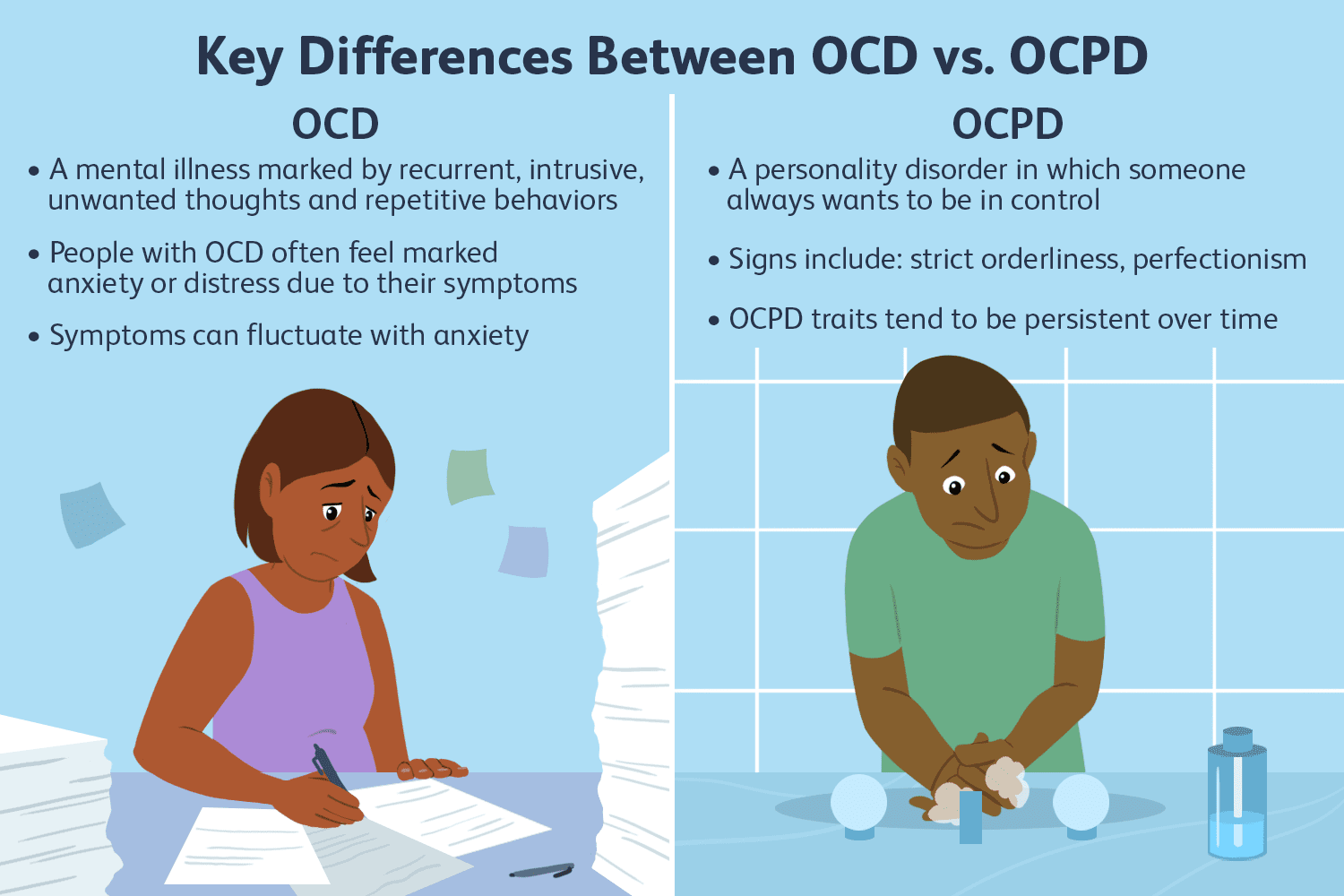
Human beings naturally seek a sense of order in their lives. From early childhood, individuals learn that the world contains patterns, rules, and predictable structures that allow them to navigate daily experiences. This tendency to organize and regulate the environment is not inherently pathological; in fact, it is essential for survival. Planning, regulating emotions, maintaining routines, and establishing personal boundaries all represent healthy forms of psychological control. However, in certain individuals this drive toward control becomes excessive, rigid, and emotionally consuming. Instead of providing stability, the need for control begins to dominate thought processes, relationships, and behavior. Psychopathology examines why some minds become intensely preoccupied with control and how this pattern develops within the human psychological system. At its core, the desire for control reflects the brain’s attempt to reduce uncertainty. Uncertainty is psychologically uncomfortable because it limits the mind’s ability to predict future events. When outcomes cannot be anticipated, individuals may experience anxiety, vigilance, and emotional tension. The human brain therefore evolved mechanisms designed to minimize unpredictability. These mechanisms include planning, problem-solving, and creating routines that make life more manageable. However, not all individuals tolerate uncertainty in the same way. Some people possess a particularly strong sensitivity to unpredictability. For them, ambiguous situations produce intense psychological discomfort. Their cognitive systems continuously search for ways to eliminate risk and maintain certainty. This sensitivity may arise from a combination of temperament, developmental experiences, and environmental pressures. One important factor involves early experiences with instability. When children grow up in environments characterized by unpredictability—such as inconsistent caregiving, emotional neglect, chaotic household dynamics, or frequent changes—they may develop heightened vigilance toward potential disruptions. In such circumstances, control can become a psychological defense mechanism. By attempting to manage every detail of their environment, individuals try to protect themselves from the uncertainty they once experienced. Over time, this adaptive strategy may become deeply ingrained. The individual learns that careful monitoring, strict routines, and rigid planning reduce emotional discomfort. Although these strategies may initially provide relief, they can gradually expand into broader areas of life. What begins as an effort to manage specific anxieties can evolve into a pervasive need to regulate thoughts, behaviors, and external conditions. Cognitive psychology offers insight into how this pattern develops. The human brain constantly evaluates the relationship between actions and outcomes. When a particular behavior appears to reduce anxiety, the brain reinforces it through learning mechanisms. If organizing tasks, controlling schedules, or checking details leads to temporary relief from worry, the brain begins to associate control behaviors with emotional safety. This reinforcement process can strengthen the habit of control-seeking. Each time anxiety arises, the individual attempts to restore order through further monitoring or regulation. Although the relief may be short-lived, the brain remembers the momentary reduction in tension. As a result, the cycle continues and gradually intensifies. An important psychological component of excessive control involves perfectionistic thinking. Perfectionism is often misunderstood as simply striving for high standards. In psychopathology, however, perfectionism frequently reflects a deeper fear of mistakes and negative evaluation. Individuals who fear losing control may believe that errors will lead to catastrophic consequences, social rejection, or personal failure. These beliefs create an internal environment in which every action must be carefully managed. The person may repeatedly review decisions, double-check tasks, or spend excessive time organizing details. While others might perceive these behaviors as diligence or discipline, the individual experiences them as necessary defenses against imagined negative outcomes. Another factor contributing to control preoccupation is intolerance of emotional vulnerability. Many individuals who seek extreme control find uncertainty threatening not only because of unpredictable events but also because of the emotions those events might trigger. Feelings such as fear, shame, or helplessness can be deeply uncomfortable. By controlling external circumstances, individuals attempt to prevent situations that might evoke these difficult emotional states. For example, a person who fears humiliation may carefully manage conversations, avoid spontaneous interactions, or rehearse responses in advance. Someone who fears failure might rigidly organize every aspect of work or study, believing that meticulous preparation will eliminate the possibility of mistakes. These behaviors aim to regulate not only the environment but also internal emotional experiences. Obsessive–compulsive tendencies illustrate one of the most recognizable manifestations of excessive control. In obsessive–compulsive patterns, individuals experience intrusive thoughts that generate anxiety or distress. These thoughts often involve fears of contamination, harm, mistakes, or moral failure. To neutralize this distress, individuals engage in repetitive behaviors or mental rituals designed to restore a sense of control. These rituals may include repeated checking, washing, counting, arranging objects, or seeking reassurance. Although the individual recognizes that these behaviors may be excessive or irrational, resisting them can produce overwhelming anxiety. The ritual temporarily reduces distress, reinforcing the cycle between intrusive thought and control behavior. Neurological research suggests that these patterns involve specific brain circuits responsible for habit formation, error detection, and behavioral regulation. When these systems become overactive or dysregulated, the brain may continuously signal that something is wrong or incomplete. This signal drives the individual to perform corrective actions, even when no real problem exists. However, the psychological meaning of control extends beyond specific disorders. Many individuals who do not meet clinical diagnostic criteria still experience strong urges to regulate their surroundings and internal states. In these cases, the need for control may manifest through rigid routines, strict personal standards, or discomfort with spontaneity. Relationships often become particularly affected by control-oriented patterns. Interpersonal interactions require flexibility, compromise, and tolerance for unpredictability. When one individual attempts to regulate conversations, decisions, or emotional dynamics too tightly, others may feel restricted or pressured. This tension can lead to conflict, distance, or misunderstanding. Ironically, the very strategy designed to maintain security may produce the opposite outcome. Efforts to control relationships can generate frustration in others, increasing the risk of emotional disconnection. When this occurs, the individual seeking control may feel even more anxious and respond by tightening their attempts to manage the situation. Another psychological element underlying control preoccupation involves identity and self-worth. Some individuals define their value

Why Do Some People Fear Abandonment?
Fear of abandonment is one of the most powerful and complex emotional patterns observed in psychopathology. Many individuals experience occasional worry about losing important relationships, which is a normal part of human attachment. However, for some people this fear becomes overwhelming, persistent, and disproportionate to the situation. They may constantly worry that loved ones will leave them, reject them, or lose interest. Even small signs—such as delayed responses, minor disagreements, or temporary distance—can trigger intense anxiety. Understanding why some individuals develop such a deep fear of abandonment requires exploring the psychological systems that shape attachment, emotional regulation, and interpersonal perception. Human beings are fundamentally social creatures. From the earliest stages of life, survival depends on the presence and care of others. Infants rely entirely on caregivers for food, safety, warmth, and emotional comfort. Because of this dependence, the human mind develops powerful mechanisms designed to maintain closeness with attachment figures. These mechanisms are not simply emotional preferences; they are deeply rooted survival systems that evolved to ensure protection during early development. The foundation of these systems is described by attachment theory. According to this framework, early interactions between a child and caregiver shape the expectations the child forms about relationships. When caregivers respond consistently, provide comfort during distress, and show emotional availability, the child gradually develops what psychologists call secure attachment. In secure attachment, the child learns that relationships are reliable sources of safety and support. However, not all early environments provide such stability. When caregivers are inconsistent, emotionally unavailable, neglectful, or unpredictable, children may develop insecure attachment patterns. In these circumstances, the child’s mind attempts to adapt to uncertainty. Some children become anxiously attached, constantly seeking reassurance and fearing that support may disappear. Others develop avoidant attachment, suppressing emotional needs to protect themselves from disappointment. Fear of abandonment is most strongly associated with anxious attachment. Individuals with this pattern often experience relationships as unstable or fragile. Because early experiences taught them that support could vanish unexpectedly, their emotional systems remain highly sensitive to signs of rejection or distance. Even in adulthood, when relationships may actually be stable, the emotional memory of early uncertainty continues to influence perception. Emotional memory plays a significant role in maintaining abandonment fears. The human brain stores emotional experiences not only as facts but also as patterns of expectation. If early relationships were characterized by unpredictability or emotional loss, the brain learns to anticipate similar outcomes in future relationships. This anticipation may occur automatically, without conscious awareness. As a result, individuals may interpret ambiguous social signals as evidence that abandonment is imminent. For example, if a friend cancels a meeting or responds slowly to a message, a person with strong abandonment fears might immediately assume rejection. Their mind may generate thoughts such as “They are losing interest,” or “They will leave me soon.” These interpretations can occur rapidly, often before the individual has time to consider alternative explanations. The emotional reaction—anxiety, sadness, or anger—may therefore appear sudden and overwhelming. Cognitive processes also contribute to this pattern. Humans naturally seek patterns and explanations for events in their lives. When someone fears abandonment, the mind may become biased toward noticing evidence that confirms this fear. Psychologists refer to this as confirmation bias. The individual pays close attention to behaviors that suggest rejection while overlooking signals of care or stability. Over time, these cognitive biases reinforce the fear itself. Each ambiguous event becomes interpreted as proof that abandonment is approaching. This process strengthens the emotional belief that relationships are unreliable, even when objective evidence suggests otherwise. Fear of abandonment is also closely connected to self-perception. Many individuals who struggle with this fear hold deeply rooted beliefs about their own worth. They may feel fundamentally unlovable, inadequate, or undeserving of stable relationships. These beliefs often develop during childhood, especially in environments where emotional needs were ignored, criticized, or dismissed. When a person believes they are not worthy of lasting affection, the possibility of abandonment feels almost inevitable. Relationships may be experienced as temporary or fragile, as if rejection is only a matter of time. This expectation can create constant anxiety, even in healthy relationships. Emotional regulation difficulties further intensify the fear of abandonment. Emotional regulation refers to the ability to manage feelings, tolerate distress, and return to emotional balance after upsetting events. Individuals who struggle with regulation may experience emotions with unusual intensity. When they perceive a potential threat to a relationship, their emotional reaction can escalate quickly. This intense emotional response sometimes leads to behaviors that unintentionally push others away. For instance, someone who fears abandonment may repeatedly seek reassurance, demand constant contact, or react strongly to minor conflicts. While these behaviors arise from a desire for security, they can place strain on relationships, potentially creating the very distance the individual fears. In some cases, individuals cope with abandonment fears by attempting to control relationships. They may try to predict others’ behavior, monitor signs of withdrawal, or become overly attentive to the moods and reactions of those around them. This hypervigilance can become exhausting, both for the individual experiencing it and for the people in their life. Another pattern sometimes associated with abandonment fear is emotional dependency. When a person relies heavily on one relationship for emotional stability, the possibility of losing that connection becomes extremely threatening. The relationship may become the central source of identity, comfort, and validation. Any perceived risk to that bond can therefore feel overwhelming. Traumatic experiences later in life may also intensify abandonment fears. Events such as divorce, sudden loss, betrayal, or prolonged separation can reinforce earlier emotional patterns. When such experiences occur, they may confirm existing fears that relationships inevitably end in rejection or loss. Personality disorders, particularly borderline personality disorder, often involve severe fear of abandonment. Individuals with this condition may experience extreme emotional reactions to perceived rejection, even when the threat is minimal. Their relationships may shift rapidly between intense closeness and conflict, reflecting the instability created by overwhelming fears of being left alone. However, fear of abandonment is

Why Do People Lose Touch With Reality?
Psychopathology seeks to understand the disturbances that can occur in human thought, emotion, and behavior. Among the most striking and complex of these disturbances is the loss of contact with reality. In clinical psychology and psychiatry, this phenomenon is often referred to as psychosis, a condition in which individuals experience profound alterations in perception, belief, and interpretation of the external world. When reality-testing mechanisms become impaired, the individual may develop delusions, hallucinations, or severely disorganized thinking. These experiences can fundamentally alter how a person understands themselves, other people, and the environment. Understanding why some individuals lose touch with reality requires examining biological, psychological, and social factors that interact within the human mind. Reality perception is not a simple or passive process. The human brain constantly interprets sensory information, filters it through memory and expectations, and constructs a coherent representation of the world. What individuals experience as “reality” is therefore not a direct copy of external events but a mental model created through complex cognitive processes. Under ordinary circumstances, these processes allow individuals to interpret sensory input accurately and adjust their beliefs when confronted with new evidence. However, when certain psychological or neurological mechanisms become disrupted, the brain’s model of reality can diverge significantly from the external world. One of the central mechanisms involved in maintaining contact with reality is cognitive integration. This process allows sensory information, emotional signals, and prior knowledge to be combined into a unified understanding of events. For example, when a person hears a sound, sees a visual stimulus, and recalls a related memory, the brain integrates these signals to determine what is happening. If integration functions properly, the individual forms a coherent perception of the environment. If it fails, sensory experiences may be misinterpreted or disconnected from their true sources. Hallucinations represent one of the most dramatic examples of this failure. A hallucination occurs when a person perceives something—such as a voice, image, or sensation—that does not originate from an external stimulus. In auditory hallucinations, individuals may hear voices that comment on their actions, criticize them, or carry on conversations. These voices often feel completely real to the person experiencing them, even though no physical sound exists. Research suggests that auditory hallucinations may arise when internal thoughts or verbal imagery are misidentified as external sounds. Normally, the brain distinguishes between internally generated speech and sounds coming from the outside world. This distinction involves networks responsible for monitoring one’s own mental activity. When this monitoring system becomes impaired, internal thoughts may be interpreted as external voices, creating the sensation that another entity is speaking. Delusions represent another important symptom associated with loss of reality contact. A delusion is a strongly held belief that persists despite clear evidence that it is false. Delusions can take many forms. Some individuals believe they are being followed, monitored, or persecuted. Others may believe they possess extraordinary powers, special missions, or unique connections to powerful figures. What distinguishes a delusion from ordinary belief is not simply its unusual content but the individual’s inability to reconsider it when confronted with contradictory evidence. Delusions often arise from disturbances in the brain’s systems for evaluating meaning and significance. Humans naturally search for patterns in their environment. This ability is essential for learning and survival, allowing individuals to detect relationships between events and anticipate future outcomes. However, when this pattern-detection system becomes overactive, the brain may assign excessive importance to ordinary stimuli. For example, a casual glance from a stranger might be interpreted as a sign of secret surveillance, or a random coincidence may be perceived as evidence of a hidden conspiracy. This process, sometimes called aberrant salience, occurs when neutral events are experienced as unusually meaningful or threatening. Once such interpretations form, the individual may build elaborate explanations around them, reinforcing the delusional belief. Neurochemical changes in the brain appear to play a role in this process. Dopamine, a neurotransmitter involved in motivation and reward, has been strongly linked to the development of psychotic symptoms. Excessive dopamine activity may increase the brain’s tendency to treat neutral stimuli as significant. When many unrelated events begin to feel unusually meaningful, the individual attempts to explain them, sometimes leading to the formation of delusional beliefs. While neurochemical changes can influence psychosis, biological factors alone rarely explain the full picture. Genetic vulnerability also contributes to the risk of losing contact with reality. Studies of families and twins have shown that certain psychiatric conditions involving psychosis, such as schizophrenia, tend to occur more frequently among biological relatives. This suggests that inherited differences in brain development or neurotransmitter systems may increase susceptibility. However, genetics does not determine destiny. Many individuals with genetic risk factors never develop psychosis. Environmental influences play a critical role in shaping how these vulnerabilities manifest. Stressful life events, trauma, substance use, and social isolation can all increase the likelihood that psychological symptoms will emerge. Stress is particularly important because it affects the body’s hormonal systems. When individuals experience prolonged stress, the body releases stress hormones such as cortisol. These hormones influence numerous brain regions involved in memory, emotion, and perception. Chronic elevation of stress hormones can alter neural communication and increase emotional sensitivity, potentially destabilizing the systems that regulate reality perception. Traumatic experiences may also contribute to the development of psychotic symptoms. Severe trauma—especially during childhood—can disrupt the normal development of emotional and cognitive regulation. In some cases, individuals exposed to trauma develop heightened vigilance and mistrust of their environment. This hypervigilance may lead the brain to interpret ambiguous events as threats, increasing the likelihood of paranoid thinking. Another psychological factor associated with psychosis is cognitive disorganization. In healthy cognition, thoughts follow logical connections and maintain coherent structure. During psychotic episodes, this structure may deteriorate. Speech may become fragmented or difficult to follow, and ideas may shift rapidly without clear transitions. This phenomenon reflects disruptions in the neural networks responsible for organizing language and reasoning. Cognitive disorganization can make it difficult for individuals to evaluate their own beliefs critically. When thinking processes lose coherence, the ability to compare ideas with
Why Does the Human Body Need Sleep?
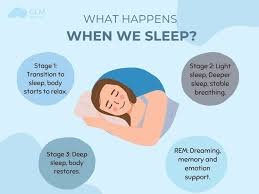
Sleep is one of the most universal biological behaviors observed across the animal kingdom. Nearly every known species—from insects to mammals—engages in some form of rest that resembles sleep. Despite this universality, sleep remains one of the most intriguing mysteries in biology. For centuries, people assumed that sleep simply allowed the body to rest after physical activity. However, modern science has revealed that sleep performs far more complex functions. During sleep, the body regulates hormones, repairs tissues, strengthens the immune system, consolidates memory, and restores energy balance. Without sleep, these processes begin to fail, affecting both physical health and cognitive functioning. Understanding why the human body requires sleep therefore requires examining the biological systems that operate during this seemingly passive state. Sleep is controlled primarily by two major regulatory systems within the body: the circadian rhythm and sleep pressure. The circadian rhythm functions as an internal biological clock that follows an approximately twenty-four-hour cycle. This clock regulates numerous physiological processes, including body temperature, hormone release, metabolism, and the timing of sleep and wakefulness. The central regulator of the circadian rhythm is a small cluster of neurons in the hypothalamus known as the suprachiasmatic nucleus. This structure receives information about light exposure through the eyes and adjusts bodily rhythms accordingly. Light plays a critical role in synchronizing the circadian clock. When light enters the retina, signals are transmitted to the suprachiasmatic nucleus, which then influences the release of hormones such as melatonin. Melatonin is produced by the pineal gland and acts as a biological signal that promotes sleep. As evening approaches and environmental light decreases, melatonin levels gradually rise, signaling to the body that it is time to prepare for rest. In the morning, exposure to light suppresses melatonin production and encourages wakefulness. The second mechanism regulating sleep is sleep pressure. Throughout the day, the body accumulates chemical signals that increase the urge to sleep. One of the most important substances involved in this process is adenosine, a molecule that builds up in the brain as energy is consumed during waking hours. As adenosine levels rise, the feeling of fatigue becomes stronger. Sleep allows the body to reduce adenosine levels, restoring alertness for the following day. Caffeine affects this system by blocking adenosine receptors in the brain. When caffeine occupies these receptors, the brain cannot detect the buildup of adenosine, temporarily reducing the sensation of fatigue. However, this effect does not eliminate sleep pressure; it merely masks it. Once the caffeine wears off, the accumulated adenosine continues to signal the need for sleep. Sleep itself occurs in several stages that repeat in cycles throughout the night. These stages are broadly divided into two categories: non-rapid eye movement sleep and rapid eye movement sleep. Non-rapid eye movement sleep includes three progressively deeper stages. In the early stage, the body begins transitioning from wakefulness to sleep. Muscle activity decreases, breathing becomes slower, and brain waves begin to change. In the deeper stages, brain activity slows significantly, and the body enters a state of profound rest. The deepest stage of sleep is particularly important for physical restoration. During this phase, the body releases growth hormone, which stimulates tissue repair, muscle development, and cellular regeneration. The immune system also becomes more active during deep sleep, producing proteins known as cytokines that help the body fight infection and inflammation. Rapid eye movement sleep represents a different physiological state. During this phase, brain activity becomes more similar to wakefulness, and vivid dreaming often occurs. Rapid eye movement sleep plays a critical role in emotional regulation and memory consolidation. Studies suggest that the brain uses this stage to process experiences from the day, integrating them into long-term memory networks. Memory formation relies on cooperation between different brain regions, particularly the hippocampus and the cerebral cortex. During waking hours, the hippocampus temporarily stores new information. While a person sleeps, especially during deep sleep stages, neural activity patterns replay these experiences, gradually transferring them to more permanent storage in the cortex. This process strengthens memories and allows individuals to retain learned information. Sleep deprivation disrupts these processes in several significant ways. When individuals do not obtain sufficient sleep, memory consolidation becomes less efficient. People may struggle to learn new information, recall recent events, or maintain concentration. Cognitive tasks requiring attention and problem-solving become more difficult as sleep loss accumulates. The immune system is also strongly influenced by sleep. Research has shown that individuals who consistently sleep less than six hours per night are more susceptible to infections. During sleep, immune cells increase their activity and produce substances that help combat viruses and bacteria. Lack of sleep reduces this activity, weakening the body’s natural defenses. Hormonal regulation is another function closely linked to sleep. Several hormones involved in appetite, metabolism, and stress depend on regular sleep patterns. For example, sleep influences the balance between two hormones that regulate hunger: leptin and ghrelin. Leptin signals feelings of fullness, while ghrelin stimulates appetite. Sleep deprivation reduces leptin levels and increases ghrelin levels, which can lead to increased hunger and overeating. This hormonal imbalance may help explain the relationship between sleep deprivation and weight gain. Individuals who regularly sleep too little often experience stronger cravings for high-calorie foods. At the same time, fatigue reduces motivation for physical activity, further contributing to metabolic imbalance. Sleep also plays a crucial role in maintaining cardiovascular health. Blood pressure normally decreases during sleep, allowing the heart and blood vessels to recover from daily activity. Chronic sleep deprivation can disrupt this process, leading to persistently elevated blood pressure and increased risk of heart disease. Another remarkable function of sleep involves the removal of metabolic waste from the brain. Recent research has identified a system known as the glymphatic system, which becomes particularly active during sleep. This system circulates cerebrospinal fluid through brain tissue, flushing away harmful waste products that accumulate during waking hours. One of these substances is beta-amyloid, a protein associated with neurodegenerative diseases when it builds up excessively. During sleep, brain cells slightly shrink in size,

Does the Brain Need Meaning to Stay Healthy?
Among the many questions explored in neuroscience, one of the most intriguing concerns the relationship between meaning and brain health. Humans do not merely react to sensory stimuli or perform mechanical behaviors; they constantly interpret their experiences through narratives of purpose, significance, and direction. People pursue careers, relationships, knowledge, and creative expression not only for survival but also for the sense that their actions matter within a broader context. This raises a profound question at the intersection of neuroscience, psychology, and philosophy: does the brain require meaning in order to function optimally, or is the human search for meaning merely a cultural construct layered upon biological processes? To explore this question, it is necessary to examine how the brain processes motivation, reward, and long-term goals. Neural systems responsible for motivation are deeply embedded in the brain’s architecture. Central among these systems is the dopaminergic reward network, which includes structures such as the ventral tegmental area, the nucleus accumbens, and parts of the prefrontal cortex. These regions work together to evaluate potential rewards and generate the motivational energy required to pursue them. Dopamine, often described as a “reward chemical,” plays a crucial role in this process. However, dopamine is not simply associated with pleasure. More accurately, it is involved in anticipation and goal-directed behavior. When the brain detects the possibility of achieving a meaningful objective—whether obtaining food, solving a complex problem, or forming a social bond—dopamine levels increase, energizing neural circuits that support effort and persistence. Meaningful goals therefore appear to influence the activity of motivational systems. When individuals perceive their actions as purposeful or valuable, the brain’s reward networks remain actively engaged. In contrast, when activities appear meaningless or disconnected from personal values, motivational circuits may become less responsive. This phenomenon is often observed in conditions characterized by loss of purpose, such as severe burnout or existential depression. From a neurological perspective, the brain evolved in environments where purposeful action was closely linked to survival. Early humans needed to hunt, gather resources, cooperate with others, and navigate complex landscapes. These tasks required sustained attention, planning, and social coordination. Neural systems developed to support these activities by reinforcing behaviors that contributed to survival and social cohesion. Meaning may therefore represent a cognitive framework that organizes motivational energy. Rather than responding only to immediate rewards, the human brain is capable of sustaining effort over long periods when actions are perceived as part of a larger narrative. This capacity relies heavily on the prefrontal cortex, the region responsible for long-term planning, abstract reasoning, and self-reflection. The prefrontal cortex allows individuals to imagine future outcomes and align present actions with those imagined possibilities. When people pursue meaningful goals—such as building a career, raising a family, or contributing to society—the brain constructs mental representations linking current behavior to future significance. These representations activate motivational circuits that sustain effort even in the absence of immediate reward. However, the brain’s need for meaning becomes particularly visible when meaning is absent. Individuals who experience prolonged states of purposelessness often report cognitive and emotional symptoms such as apathy, mental fatigue, and reduced concentration. Neuroimaging studies suggest that these states are associated with reduced activity in prefrontal motivational networks and altered dopamine signaling. Without a sense of direction, the brain may struggle to maintain engagement with complex tasks. This relationship between meaning and neural engagement also appears in educational contexts. Students who perceive their studies as relevant to personal aspirations tend to exhibit stronger attention, deeper memory formation, and greater persistence when confronted with challenging material. The hippocampus, a structure involved in learning and memory, functions more effectively when information is associated with emotional or motivational significance. In other words, meaning enhances the brain’s ability to encode and retain knowledge. The influence of meaning extends beyond cognition into emotional regulation. Emotional resilience often depends on the brain’s capacity to interpret adversity within a broader narrative framework. When individuals perceive difficulties as part of a meaningful journey—such as personal growth, moral commitment, or long-term aspiration—the emotional impact of stress may be reduced. Neural circuits involved in emotional regulation, particularly those linking the prefrontal cortex with the amygdala, appear to function more effectively under such interpretive frameworks. Conversely, when experiences appear random or meaningless, stress responses may intensify. The amygdala, responsible for detecting potential threats, becomes more reactive when situations lack clear structure or predictability. Meaning therefore provides a form of cognitive stability, allowing the brain to organize experiences into coherent patterns rather than perceiving them as chaotic or uncontrollable. Another important dimension of meaning involves social connection. Humans are inherently social organisms, and the brain contains specialized networks dedicated to understanding others’ intentions, emotions, and perspectives. These networks include regions within the medial prefrontal cortex, the temporoparietal junction, and the posterior cingulate cortex. Together, they form part of the brain’s social cognition system. Many sources of meaning emerge from social roles and relationships. Caring for family members, contributing to community life, or participating in collective goals provides a sense that one’s actions matter beyond individual survival. These experiences activate reward circuits associated with cooperation and altruism. Neurochemical processes involving oxytocin and dopamine reinforce behaviors that strengthen social bonds. Interestingly, research has shown that individuals who perceive their lives as meaningful often exhibit better physical health and longer life expectancy. While this relationship is influenced by many factors, neuroscience suggests that meaning may regulate stress physiology. People with strong purpose in life tend to display more balanced activity within the hypothalamic–pituitary–adrenal axis, the system responsible for managing stress hormones such as cortisol. Lower chronic cortisol exposure reduces the risk of inflammation, cardiovascular problems, and cognitive decline. The connection between meaning and brain health also appears in studies of aging. Older adults who maintain a strong sense of purpose often demonstrate better cognitive function and lower rates of neurodegenerative disease. One explanation is that purposeful activity encourages continuous mental engagement, which strengthens neural networks through neuroplasticity. Activities such as volunteering, mentoring, creative expression, and intellectual exploration stimulate multiple cognitive systems simultaneously. Neuroplasticity
Why Does the Brain Create Anxiety Without Danger?
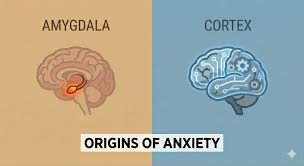
Anxiety is often understood as a rational response to threat. When a person encounters danger—a predator, an accident, or an uncertain environment—the brain activates systems that prepare the body to react quickly. Heart rate increases, attention sharpens, and muscles become ready for action. From an evolutionary perspective, this reaction is essential for survival. Yet one of the most puzzling features of human psychology is that anxiety frequently appears even when no real danger is present. Individuals may feel intense worry before a social interaction, experience fear about future events that may never occur, or sense a vague tension without any identifiable cause. This phenomenon raises a profound neurological question: why does the brain generate anxiety in the absence of immediate threat? To understand this process, it is necessary to examine the brain systems responsible for detecting and responding to danger. Central among these systems is the amygdala, a small almond-shaped structure located deep within the temporal lobes. The amygdala plays a critical role in evaluating emotional significance, particularly signals related to fear and threat. When sensory information reaches the brain, it is rapidly processed by the amygdala even before conscious awareness fully interprets the situation. This rapid processing allows the body to react to potential danger within fractions of a second. The speed of this mechanism, however, comes with an important trade-off. Because the amygdala prioritizes speed over precision, it often responds to signals that merely resemble danger rather than signals that actually represent it. From an evolutionary perspective, it is safer for the brain to mistakenly interpret a harmless stimulus as threatening than to overlook a genuine threat. A rustling sound in the bushes might be caused by wind, but if it were caused by a predator, ignoring it could be fatal. Therefore, the brain evolved to favor false alarms over missed dangers. This evolutionary bias helps explain why anxiety can arise without obvious cause. The brain constantly scans the environment for patterns associated with risk, and it does so not only through external perception but also through internal memory. Experiences from the past shape how the brain interprets present situations. If a particular environment or situation has previously been associated with embarrassment, conflict, or harm, the brain may activate anxiety even when the current circumstances are objectively safe. Memory plays a crucial role in this process. The hippocampus, a structure involved in contextual memory, works closely with the amygdala to evaluate whether a situation resembles past experiences of threat. When a similar context appears—such as a crowded room resembling a past stressful event—the hippocampus signals the amygdala, which may initiate an anxiety response. This reaction can occur even if the individual consciously knows that the current situation is not dangerous. The involvement of memory introduces an important dimension to anxiety: anticipation. Unlike many animals, humans possess a highly developed capacity for imagining future scenarios. This ability is largely mediated by networks in the prefrontal cortex, the region responsible for planning, reasoning, and simulation of possibilities. The same cognitive abilities that allow humans to prepare for future challenges also enable the brain to imagine negative outcomes in vivid detail. When the brain constructs hypothetical scenarios involving potential failure, loss, or embarrassment, the amygdala may respond as if those events were real. Physiological reactions—such as increased heart rate or muscle tension—may occur even though the imagined threat has not yet happened. In this way, anxiety can be triggered not by the external world but by the brain’s own predictions. Predictive processing has become one of the central frameworks in modern neuroscience. According to this model, the brain is not merely a passive receiver of sensory information. Instead, it actively generates predictions about what will happen next and continuously compares these predictions with incoming sensory data. When the brain detects uncertainty or mismatch between expectation and reality, it increases vigilance in order to resolve the discrepancy. Anxiety may therefore emerge when the brain perceives uncertainty about important outcomes. Situations involving social evaluation, unpredictable environments, or unclear expectations often trigger heightened predictive monitoring. The brain attempts to prepare for multiple possible outcomes simultaneously, which can produce a persistent state of tension. In such cases, anxiety functions as a motivational signal urging the individual to gather more information or regain a sense of control. Another factor contributing to anxiety without immediate danger is the brain’s sensitivity to social relationships. Human survival historically depended on cooperation within groups. Exclusion from the group could have severe consequences, including loss of protection and resources. As a result, the brain developed specialized neural circuits dedicated to monitoring social acceptance and rejection. These circuits involve regions such as the anterior cingulate cortex and the insula, both of which are associated with emotional pain. Research has shown that social rejection activates many of the same neural pathways involved in physical pain. Consequently, situations involving social evaluation—public speaking, meeting unfamiliar people, or receiving criticism—can trigger anxiety responses even though no physical threat is present. The prefrontal cortex normally helps regulate these emotional reactions by evaluating whether a perceived threat is realistic. When functioning effectively, this region can inhibit excessive amygdala activation. However, the regulatory process requires cognitive resources and energy. Under conditions of stress, fatigue, or information overload, the prefrontal cortex may become less effective at controlling emotional signals from deeper brain structures. When regulatory systems weaken, the amygdala may become more reactive. Minor uncertainties or ambiguous cues may then trigger exaggerated anxiety responses. This dynamic helps explain why individuals often experience stronger anxiety during periods of sleep deprivation, chronic stress, or emotional exhaustion. The underlying neural circuitry remains the same, but the balance between threat detection and rational evaluation shifts. Hormonal systems also contribute to the persistence of anxiety. The hypothalamic-pituitary-adrenal axis regulates the release of stress hormones such as cortisol and adrenaline. When the brain perceives potential danger, this system activates the body’s stress response, preparing muscles and cardiovascular systems for action. In short bursts, this response is adaptive and beneficial. However, when anxiety occurs repeatedly without

Can the Brain Be Tired Without Us Realizing It?
The human brain is often described as the most complex organ in the known universe. It regulates perception, emotion, reasoning, memory, and movement while silently coordinating countless physiological processes. Yet despite its extraordinary capabilities, the brain is also vulnerable to subtle forms of exhaustion that often go unnoticed. Unlike physical fatigue, which can be easily recognized through muscle soreness or a need for rest, neurological fatigue may exist quietly beneath the surface of daily functioning. Many individuals continue working, socializing, and making decisions while their cognitive systems operate under a significant hidden burden. The phenomenon of an “unnoticed tired brain” is therefore not merely metaphorical; it reflects real neurological processes that can gradually influence behavior, cognition, and emotional stability. Neurological fatigue is distinct from ordinary sleepiness. Sleepiness is typically the result of insufficient rest and can often be resolved through sleep. Neurological fatigue, however, arises when neural networks responsible for attention, regulation, and information processing become overworked over extended periods of time. In such situations, the brain does not necessarily demand immediate sleep but instead begins to function less efficiently. Decision-making slows, concentration becomes fragmented, and emotional responses may become less controlled. What makes this condition particularly complex is that the individual may not consciously notice the decline. The mind adapts to its reduced capacity and interprets it as normal functioning. Modern neuroscience has increasingly focused on the concept of cognitive load. Every moment of conscious experience requires the brain to process vast amounts of information. Sensory inputs, emotional cues, memories, and environmental signals are constantly integrated to produce coherent behavior. Under conditions of moderate load, the brain performs this task with remarkable efficiency. However, when demands exceed the system’s regulatory capacity for prolonged periods, neural efficiency begins to decline. This decline is not always dramatic. Instead, it appears gradually, manifesting as subtle lapses in attention, difficulty maintaining complex thought, or a vague sense of mental heaviness. One of the central neurological structures involved in regulating cognitive effort is the prefrontal cortex. This region, located at the front of the brain, is responsible for executive functions such as planning, impulse control, working memory, and strategic thinking. The prefrontal cortex operates as a kind of command center, coordinating information from various brain systems in order to guide behavior toward goals. When individuals engage in prolonged decision-making, intense emotional regulation, or sustained intellectual work, the metabolic demand placed on this region increases substantially. Research using functional neuroimaging has demonstrated that extended cognitive effort leads to measurable changes in prefrontal activity. Glucose consumption rises, neurotransmitter balance shifts, and neural signaling becomes less efficient. Over time, the brain begins to conserve energy by simplifying decision processes. Instead of carefully evaluating options, individuals may rely more heavily on automatic habits or emotional impulses. This transition from reflective thinking to automatic behavior is often mistaken for laziness or lack of motivation, when in reality it may reflect neurological fatigue. Another important factor contributing to unnoticed brain fatigue is the continuous stimulation characteristic of modern environments. Digital technology, social media, constant communication, and information overload expose the brain to unprecedented levels of sensory input. Unlike earlier historical periods where cognitive tasks were separated by periods of rest or routine physical labor, contemporary life often requires sustained mental engagement throughout the day. Emails, messages, notifications, and complex multitasking keep neural circuits active almost continuously. From a neurological perspective, this constant stimulation interferes with the brain’s natural rhythms of activation and recovery. Neural systems function most effectively when periods of effort alternate with moments of quiet processing. During rest, the brain activates what neuroscientists call the “default mode network.” This network is involved in internal reflection, memory consolidation, and emotional integration. Without sufficient time in this restorative mode, neural circuits remain in a prolonged state of task-oriented activity, increasing the risk of hidden fatigue. One of the most fascinating aspects of neurological fatigue is its relationship with emotional processing. The brain structures responsible for emotion regulation, including the amygdala and anterior cingulate cortex, are closely connected to executive systems in the prefrontal cortex. When cognitive fatigue develops, the regulatory influence of the prefrontal cortex over emotional centers becomes weaker. As a result, emotional reactions may become slightly more intense, less filtered, or more unpredictable. This does not necessarily mean that individuals experience dramatic emotional outbursts. More often, the changes are subtle. A person may become slightly more irritable, less patient in conversation, or more sensitive to minor frustrations. Because these changes emerge gradually, they are rarely attributed to neurological fatigue. Instead, they are interpreted as personality fluctuations or reactions to external circumstances. Memory performance also changes under conditions of hidden brain fatigue. The hippocampus, a structure crucial for forming new memories, relies on coordinated interaction with attention networks in the prefrontal cortex. When cognitive fatigue weakens attentional control, the brain becomes less effective at encoding new information. People may notice that they reread the same paragraph multiple times, forget small details, or struggle to recall names or recent events. Again, these symptoms are usually mild and therefore easily dismissed. Long-term exposure to unnoticed neurological fatigue may influence decision-making patterns in more profound ways. Decision neuroscience has shown that when cognitive resources are depleted, individuals tend to prefer simpler choices and immediate rewards rather than complex long-term strategies. This phenomenon has been observed in numerous behavioral experiments. Participants performing demanding cognitive tasks often shift toward more impulsive decision patterns afterward. The brain, in effect, attempts to conserve energy by avoiding cognitively expensive reasoning. Interestingly, neurological fatigue does not always feel unpleasant. In some cases, individuals describe a strange sense of emotional flatness or detachment rather than exhaustion. The brain reduces its responsiveness in order to maintain stability. This reduction may produce a temporary feeling of calm or numbness, masking the underlying cognitive depletion. Because the sensation is not strongly negative, people may continue functioning without recognizing the need for recovery. Sleep plays a crucial but complex role in the recovery of neural energy. During deep sleep, the brain undergoes

Is Loneliness a Neurological Pain?
Loneliness is commonly described as an emotional state, a subjective feeling that arises when a person’s social connections do not meet their psychological needs. However, over the past several decades, research in neuroscience has increasingly suggested that loneliness is not merely an abstract emotional experience. Instead, it may function as a biologically embedded signal deeply rooted in the human nervous system. Some neuroscientists even argue that loneliness resembles a form of neurological pain, sharing mechanisms with the neural circuits that process physical suffering. This perspective reframes loneliness not simply as sadness or isolation, but as a neurobiological warning system designed to protect human survival. Human beings evolved as profoundly social organisms. Throughout evolutionary history, survival depended heavily on cooperation, shared resources, and collective protection. Being excluded from a group or separated from social bonds significantly reduced an individual’s chances of survival. Consequently, natural selection likely favored neurological mechanisms that would strongly motivate individuals to maintain social connections. Just as physical pain warns the body of injury or danger, loneliness may operate as a psychological alarm that alerts the brain to social disconnection. Neuroscientific research has identified several brain regions associated with the experience of loneliness. Among these regions, the anterior cingulate cortex plays a particularly important role. This area of the brain is involved in processing both emotional distress and physical pain. Functional neuroimaging studies have demonstrated that when individuals experience social rejection or feelings of exclusion, activity increases in the same neural circuits that are activated during physical pain. In other words, the brain appears to process social pain and physical pain through overlapping neurological systems. This overlap may explain why loneliness can feel physically uncomfortable. Individuals experiencing prolonged loneliness often describe sensations such as chest tightness, bodily heaviness, or fatigue. These physical experiences are not merely metaphors. Instead, they reflect the activation of stress-related neural and hormonal systems within the body. The brain interprets social isolation as a potential threat, triggering physiological responses designed to restore safety and connection. One of the primary biological systems involved in this process is the hypothalamic-pituitary-adrenal axis, often abbreviated as the HPA axis. When the brain perceives stress or threat, the HPA axis activates the release of cortisol, a hormone that prepares the body to respond to danger. In short-term situations, this response is adaptive and beneficial. However, chronic loneliness can lead to prolonged activation of the stress system, resulting in persistently elevated cortisol levels. Elevated cortisol has widespread effects on the body and brain. It can disrupt sleep patterns, weaken immune functioning, and impair cognitive performance. Long-term exposure to high cortisol levels has also been associated with structural changes in the hippocampus, a brain region crucial for memory formation and emotional regulation. Thus, loneliness does not only affect emotional wellbeing; it can gradually reshape neural architecture and physiological health. Another key neurochemical system involved in loneliness is the dopamine reward system. Social interaction typically activates dopamine pathways in the brain, producing feelings of pleasure, motivation, and reinforcement. Positive social contact essentially acts as a natural reward that encourages individuals to maintain relationships and cooperative behaviors. When social contact is absent, the reward system receives less stimulation, leading to decreased motivation and emotional flattening. This reduction in dopamine activity may partly explain why chronic loneliness often leads to symptoms resembling depression. Individuals who feel socially disconnected frequently report diminished pleasure in activities, low motivation, and emotional numbness. These symptoms reflect the reduced activation of neural reward circuits that normally respond to social engagement. In addition to dopamine, the neuropeptide oxytocin plays a crucial role in regulating social bonding. Oxytocin is often referred to as the “bonding hormone” because it is released during positive social interactions such as physical touch, eye contact, and emotional intimacy. Oxytocin promotes trust, reduces fear responses, and strengthens interpersonal attachment. When individuals lack meaningful social contact, oxytocin activity decreases, potentially intensifying feelings of isolation and mistrust. This reduction in oxytocin may also contribute to a paradoxical pattern observed in chronic loneliness. While lonely individuals desire social connection, they often become more socially withdrawn or hypervigilant in social situations. Neuroscientists propose that prolonged isolation sensitizes the brain’s threat-detection systems, particularly within the amygdala. As a result, lonely individuals may become more sensitive to potential rejection or negative social cues. This heightened sensitivity can create a self-reinforcing cycle. Because lonely individuals anticipate rejection, they may interpret ambiguous social signals as negative or threatening. These interpretations can lead to avoidance behaviors, reducing opportunities for positive interaction. Over time, the absence of rewarding social experiences further strengthens feelings of isolation and reinforces the neural patterns associated with loneliness. Another important dimension of loneliness involves the brain’s default mode network, a system of interconnected regions that becomes active when the mind is not focused on external tasks. The default mode network is heavily involved in self-reflection, autobiographical memory, and social cognition. Studies have shown that lonely individuals often exhibit altered activity within this network, particularly in regions responsible for thinking about others’ intentions and social relationships. This altered activity may increase rumination and self-focused thought patterns. Rather than facilitating adaptive social reflection, the default mode network may become dominated by repetitive concerns about rejection, inadequacy, or social failure. These cognitive loops can intensify emotional distress and make it more difficult for individuals to engage in new social experiences. The neurological effects of loneliness also extend into the immune system. Research in psychoneuroimmunology has demonstrated that chronic loneliness is associated with increased inflammatory responses in the body. Specifically, lonely individuals often exhibit elevated levels of pro-inflammatory cytokines, molecules that play a role in the body’s immune defense. Inflammation is beneficial when responding to injury or infection, but chronic inflammation can contribute to numerous health problems, including cardiovascular disease, metabolic disorders, and neurodegenerative conditions. Some researchers believe that the immune system evolved to interpret social isolation as a potential signal of environmental danger. Historically, individuals separated from their group may have faced greater risk of injury or infection, prompting the immune system to adopt

Can the Brain Change Itself Through Thought?
Can deliberate thought reshape the physical structure of the brain, or are neural pathways fixed once development is complete? For much of scientific history, the prevailing assumption held that the adult brain was largely static. According to this earlier view, neurons that were damaged could not regenerate, and neural circuits established during childhood remained fundamentally unchanged throughout life. However, advances in neuroscience during the late twentieth and early twenty-first centuries have radically transformed this perspective. The concept of neuroplasticity—the brain’s capacity to reorganize its structure and function in response to experience—has become one of the most significant discoveries in modern cognitive science. Within this framework emerges a deeper question: can intentional mental activity, such as focused attention, reflection, or meditation, actively reshape the brain itself? The human brain is composed of approximately eighty-six billion neurons interconnected through trillions of synaptic connections. These connections are not static. They strengthen, weaken, and reorganize depending on patterns of activity. When particular neural pathways are repeatedly activated, the synapses connecting those neurons become more efficient through processes such as long-term potentiation. Conversely, pathways that are rarely used may weaken or disappear. This dynamic process reflects the brain’s fundamental principle: structure follows activity. Experience plays a central role in shaping neural architecture. Learning a new language, practicing a musical instrument, or mastering a complex skill results in measurable structural changes within relevant brain regions. For instance, musicians often exhibit enlarged cortical representations associated with fine motor control and auditory processing. Similarly, individuals who engage in intensive spatial navigation, such as taxi drivers navigating complex urban environments, show increased hippocampal volume associated with spatial memory. These findings demonstrate that repeated behavioral experience modifies neural organization. Yet behavioral experience is not limited to physical actions. Thought itself represents a form of neural activity. When individuals focus attention, rehearse memories, or imagine future scenarios, specific neural circuits become active. Over time, repeated patterns of mental activity may strengthen the underlying neural pathways. In this sense, the boundary between thought and behavior becomes blurred; both involve patterns of neural firing capable of reshaping the brain. Meditation research provides some of the most compelling evidence supporting the capacity of thought to alter neural structure. Long-term practitioners of mindfulness and contemplative meditation display measurable differences in brain regions associated with attention regulation, emotional processing, and self-awareness. Neuroimaging studies have shown increased cortical thickness in areas of the prefrontal cortex and anterior cingulate cortex among experienced meditators. These regions are associated with executive control and emotional regulation. The repeated practice of directing attention inward appears to strengthen networks responsible for monitoring and regulating mental states. Furthermore, meditation has been associated with changes in the amygdala, a structure involved in fear and stress responses. Individuals who engage in sustained contemplative practice often show reduced amygdala activation in response to emotional stimuli, suggesting enhanced emotional regulation. These findings imply that intentional cognitive practices can reshape neural circuits related to emotional reactivity. Rather than being passive recipients of neural processes, individuals may participate in shaping those processes through disciplined mental training. Cognitive behavioral therapy (CBT) offers another example of thought influencing neural architecture. CBT encourages individuals to identify and modify maladaptive patterns of thinking that contribute to anxiety, depression, or other psychological disorders. Neuroimaging studies indicate that successful therapy correlates with changes in brain activity within circuits involving the prefrontal cortex and limbic system. As patients learn to reinterpret negative experiences and challenge automatic thoughts, neural patterns associated with emotional regulation appear to shift. These findings suggest that cognitive restructuring—the deliberate modification of thought patterns—can produce measurable biological effects. The mechanism underlying these changes involves synaptic plasticity. When particular thoughts are repeated, the neurons participating in those thought patterns fire together repeatedly. According to Hebbian theory, neurons that fire together wire together. Over time, these repeated activations strengthen the synaptic connections linking them. Thus, habitual thought patterns—whether constructive or destructive—can gradually sculpt neural architecture. This principle carries important implications for mental health. Persistent negative rumination may reinforce neural circuits associated with anxiety or depressive thinking. Conversely, practices that cultivate gratitude, compassion, or positive reinterpretation may strengthen alternative networks promoting resilience and emotional balance. While such changes do not occur instantly, consistent mental practice can gradually alter the probability of certain patterns of thought arising spontaneously. Attention plays a particularly crucial role in this process. The brain allocates resources preferentially to stimuli receiving focused attention. When attention is directed toward specific experiences, the neural representations associated with those experiences become more strongly encoded. In effect, attention acts as a gatekeeper determining which neural pathways are reinforced. Practices that cultivate sustained attention—such as mindfulness meditation—may therefore enhance the brain’s capacity for self-directed plasticity. The role of imagination further illustrates the power of thought. Studies have shown that mentally rehearsing a physical action can activate neural circuits similar to those involved in performing the action itself. Athletes often use visualization techniques to improve performance, mentally practicing movements before executing them physically. Neuroimaging reveals that such visualization engages motor planning regions of the brain, reinforcing neural pathways associated with the imagined activity. Over time, this mental rehearsal can improve real-world performance. However, the capacity of thought to reshape the brain is not unlimited. Biological constraints still apply. Genetic factors influence neural development, and certain structural changes require extended periods of consistent practice. Moreover, the brain’s plasticity varies across the lifespan. During early childhood, neural circuits are especially malleable. As individuals age, plasticity decreases, though it never disappears entirely. Even in later adulthood, learning and mental training can induce measurable neural changes. Another important limitation concerns the difference between short-term neural activation and long-term structural change. A single episode of focused thought may temporarily activate certain neural circuits, but lasting structural modification typically requires repeated practice over extended periods. Neuroplasticity is cumulative rather than instantaneous. The brain adapts gradually as patterns of activity become habitual. Emerging research also explores how emotional states interact with neuroplasticity. Positive emotional engagement appears to facilitate learning and neural adaptation, whereas chronic stress may